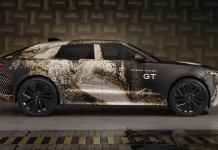
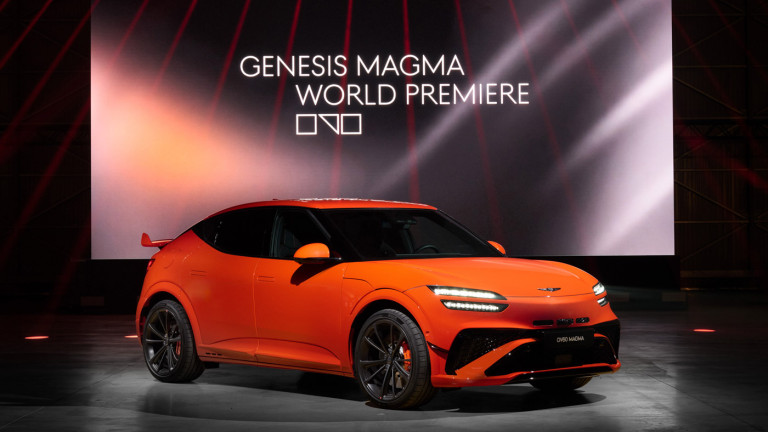
During the launch of the Genesis Magma performance subbrand in France, Hyundai Motor Company Chief Executive Officer, Jose Muñoz, announced that the Korean company is now the world’s second-most profitable carmaker, overtaking Germany’s Volkswagen Group.
Speaking to Car Expert, Muñoz said the company has held the position of the world’s third-largest OEM by sales for several consecutive years, but has now moved into second place in terms of profit, “overtaking Volkswagen very recently.” Toyota, of course, still remains the undisputed profit leader, and has been for decades.
Muñoz credited much of the company’s success to what Hyundai calls the “Power of the Group” — the close integration of Hyundai, Kia, Genesis, and more than 50 related entities that share technology and resources, all helping each brand move faster, reduce costs, and deliver better products.
While the group’s ownership of tech companies like Boston Dynamics (robotics) and Supernal (electric vertical take-off aircraft) helps push its technology forward, Muñoz noted that the core of its profit structure still comes from the automotive sector.
READ MORE: Genesis Magma heats up the luxury segment with the new GV60 Magma

While things are looking good for the company, Muñoz admits that profits are in fact down across the entire sector, primarily due to the tariff fiasco in the West. Hyundai saw a drop of 30% in profits compared to last year, but he notes that some of its competitors were seeing “70% and more profit loss” in some metrics.
Hyundai and Kia are still reporting record revenues, too, supported by a multi-platform strategy that lets them adapt between EVs and PHEVs faster than most competitors — a flexibility that’s paying off as global demand shifts.
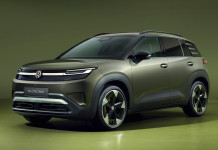
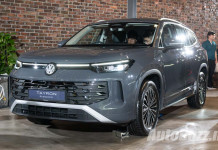
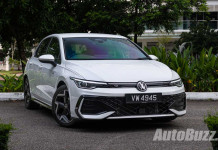
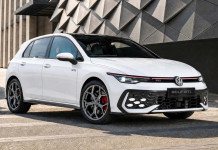
For Volkswagen, recent financial headwinds and tariff pressures have forced the German automotive giant into aggressive cost-cutting moves, along with plans to shut several German plants and reduce production capacity.
ALSO READ: Hyundai lays out “most ambitious” growth plan – over 30 new EV, hybrid, and N models planned by 2030