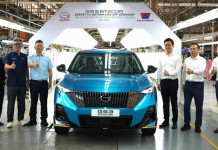
Forty years ago, then Prime Minister Tun Dr Mahathir stood on a stage and unveiled Malaysia’s first national car. It was appropriately named the Proton Saga, because it kicked off the saga that is the Malaysian automotive industry, and the car itself would go on to become one of the best-selling nameplates in the country of all time.
The boxy white sedan then was a largely badge-engineered model based on the Mitsubishi Lancer Fiore. But now 40 years later, the iconic Saga name is now into its fourth generation, representing a fully homegrown effort designed, engineered, and validated by local talent – with technical collaboration with Geely. And having seen and experienced the car in person during a media preview session, we think that this might also be the biggest step change to the Saga nameplate in the model’s decorated history.
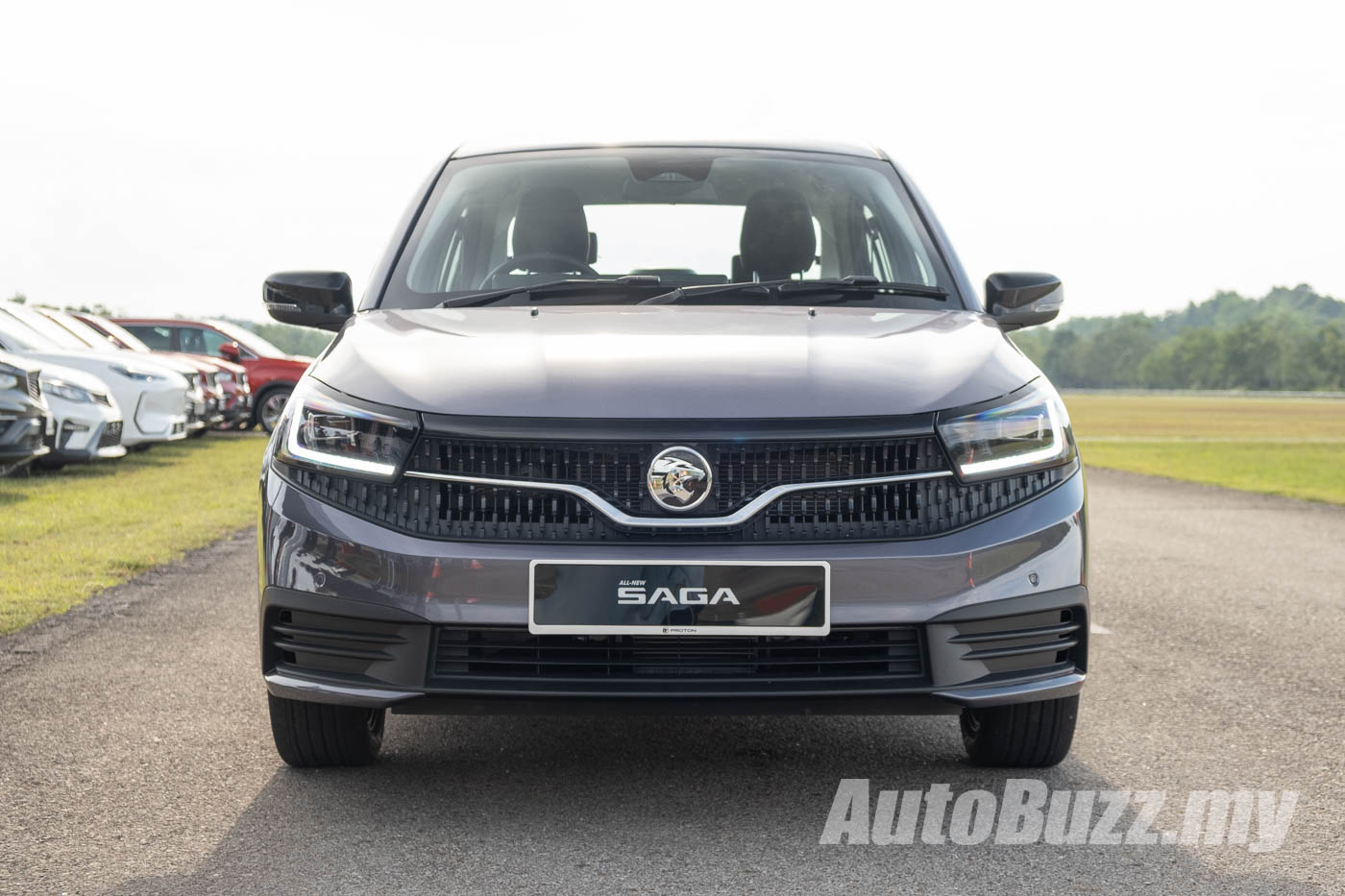
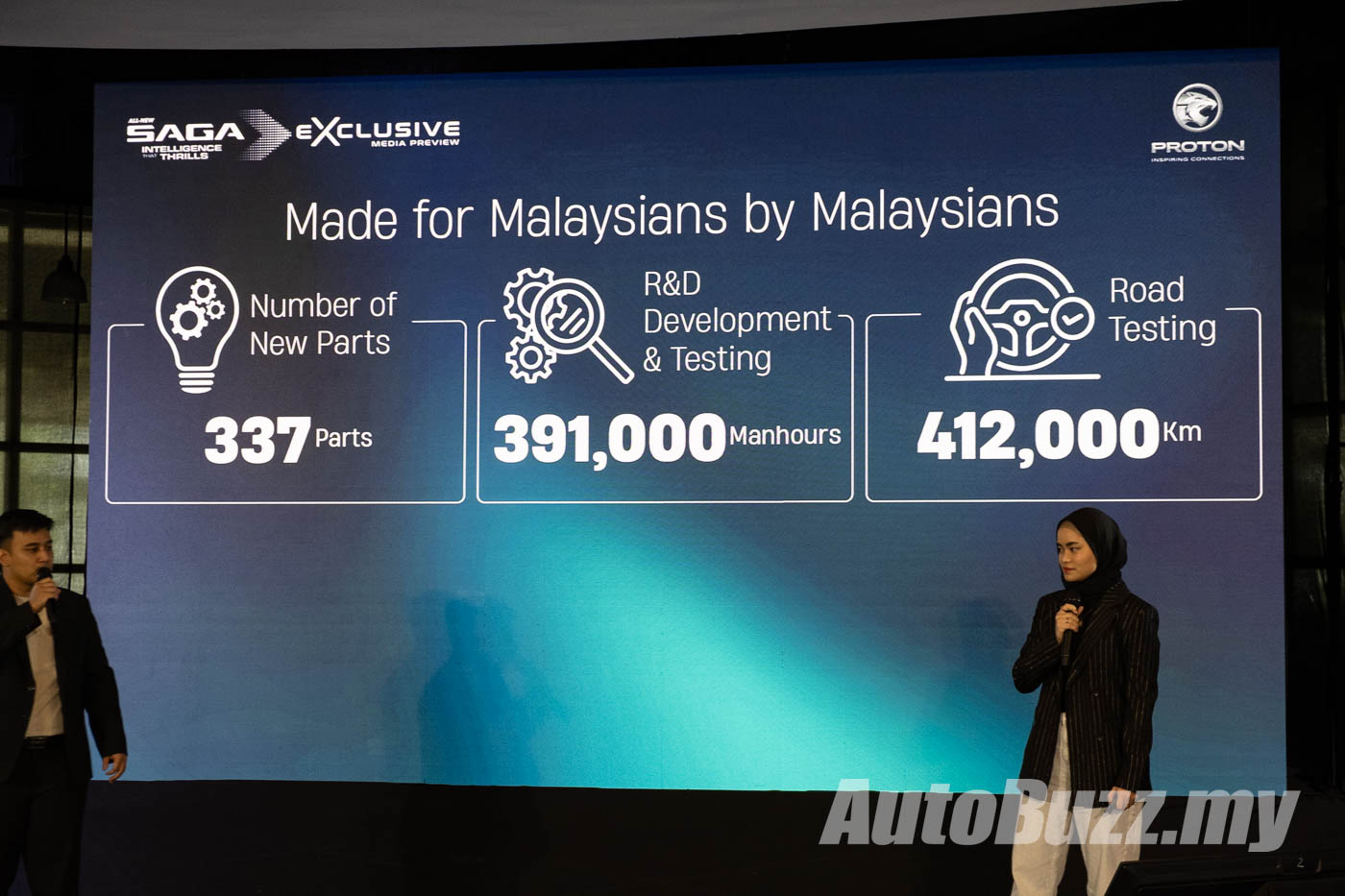
It’s an effort that took Proton over 391 thousand man-hours to complete, resulting in wholesale changes to essentially every facet of the sedan, featuring 337 newly developed parts.
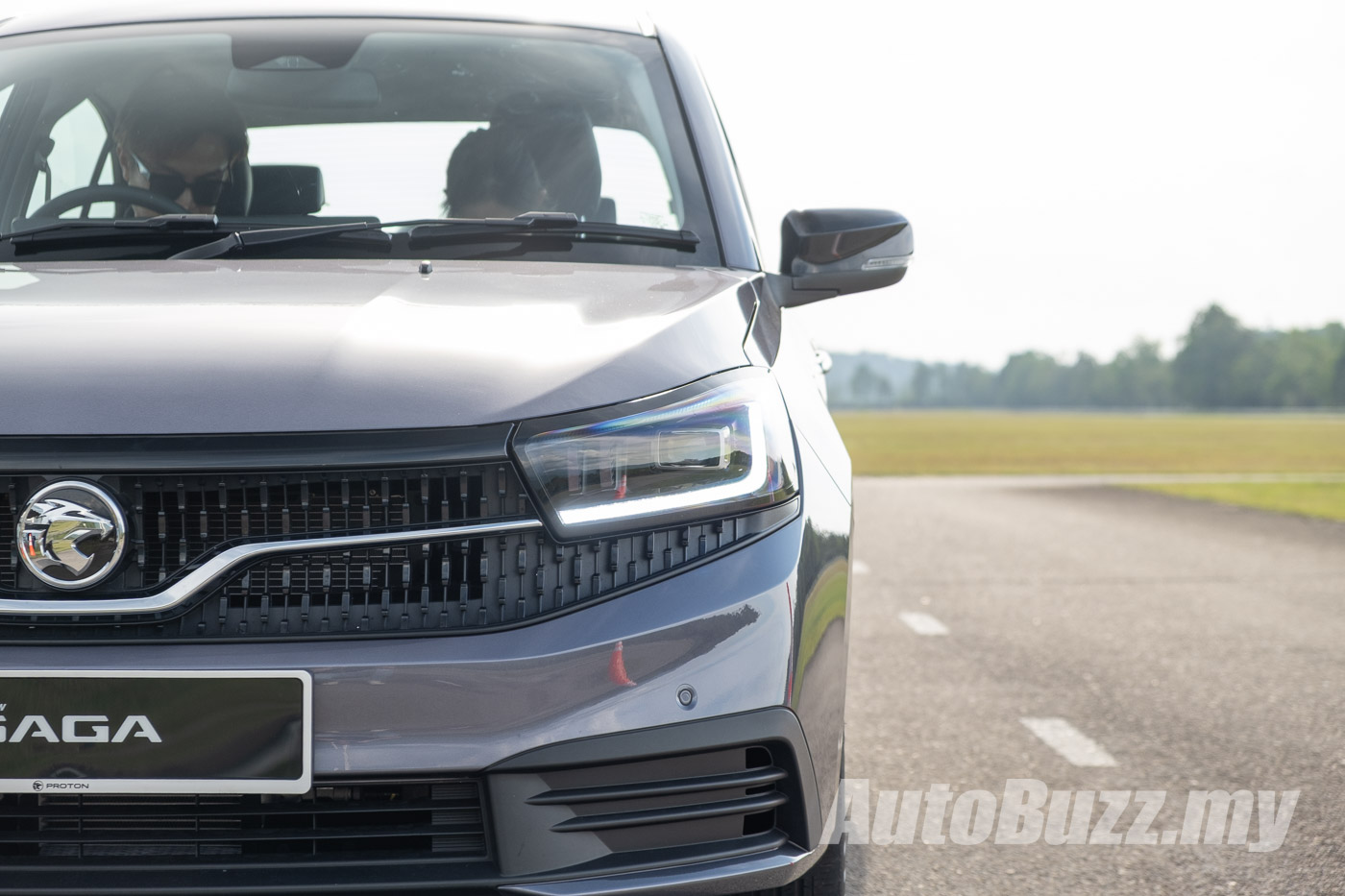
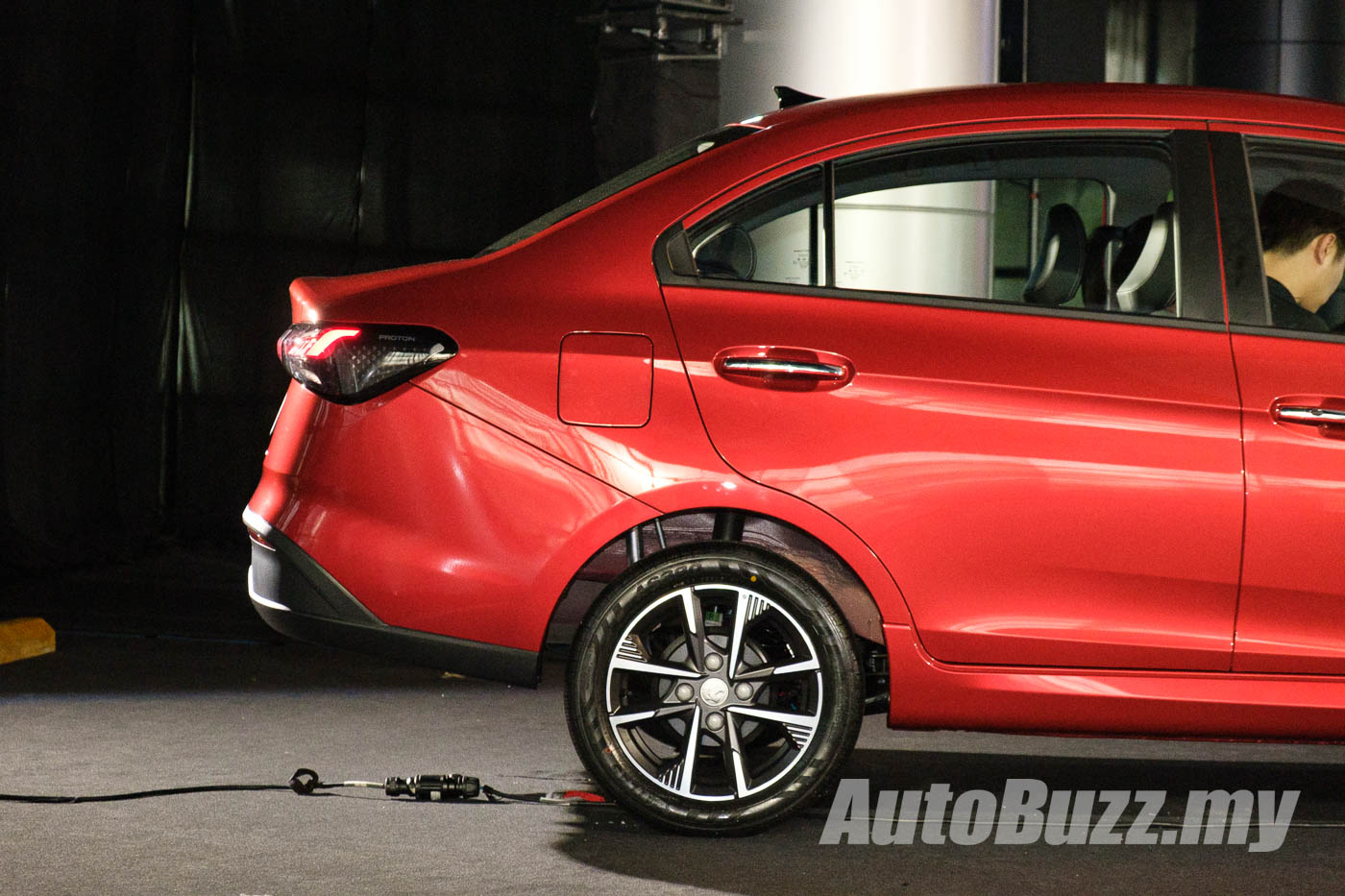
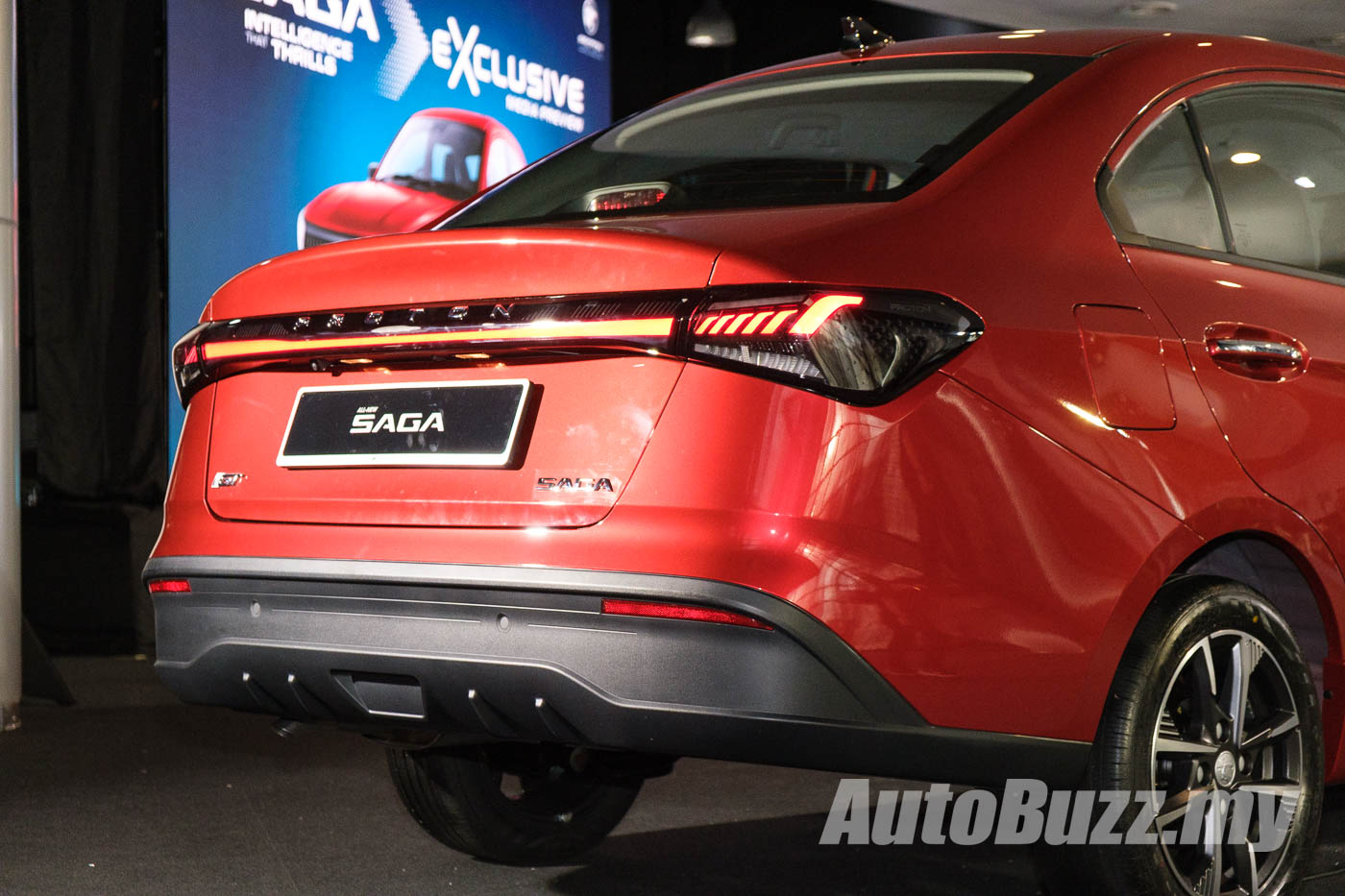
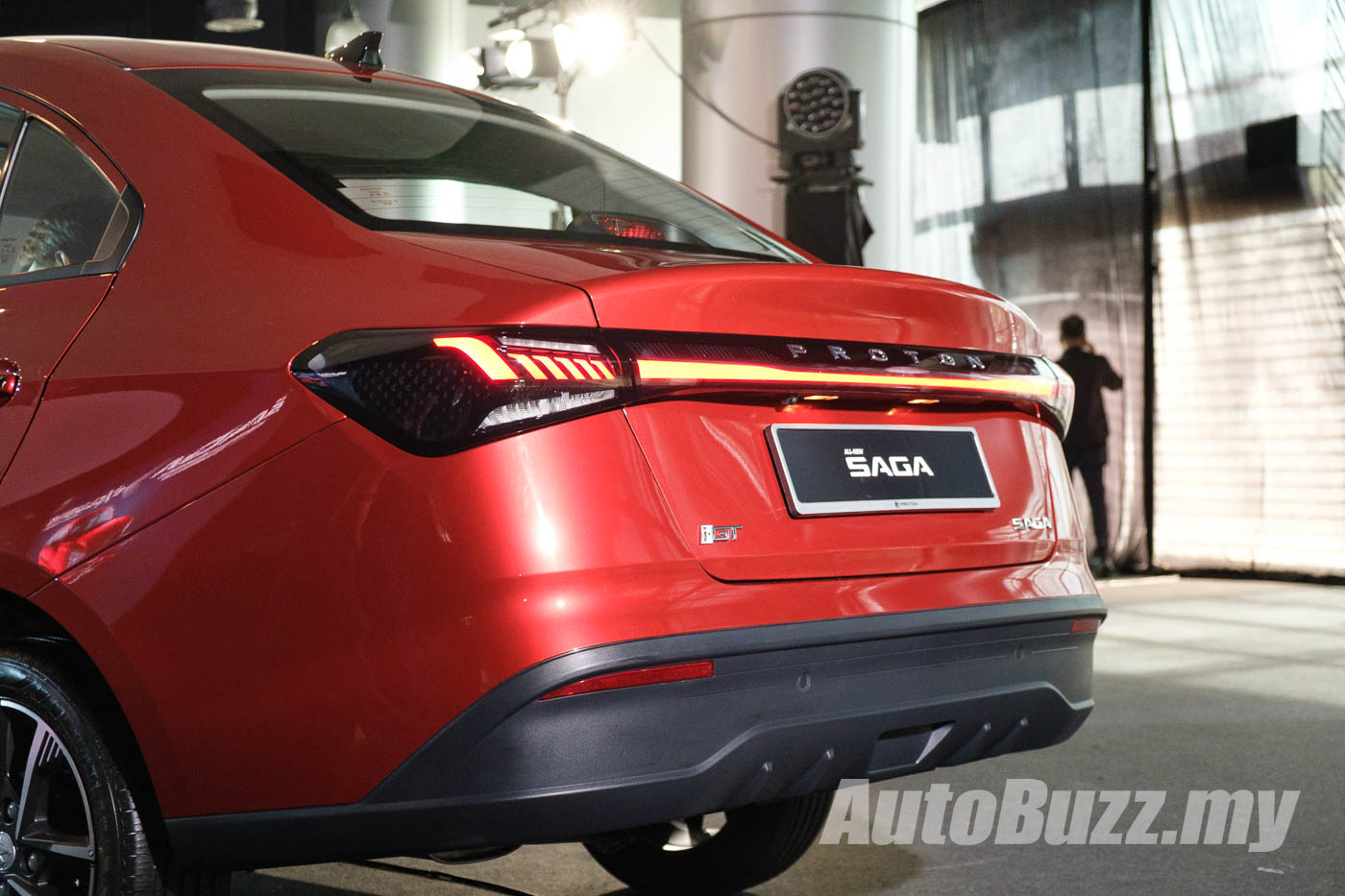
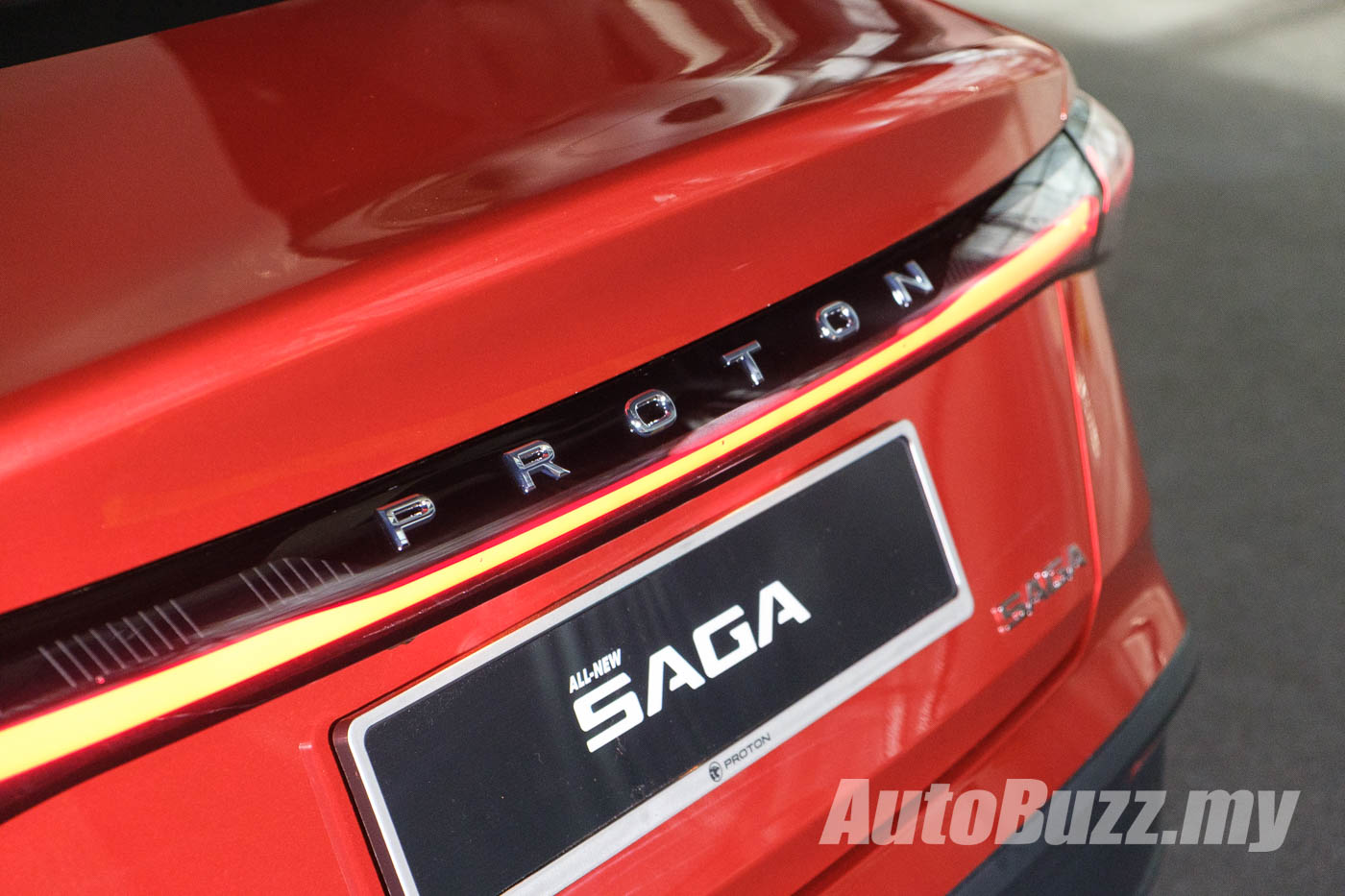
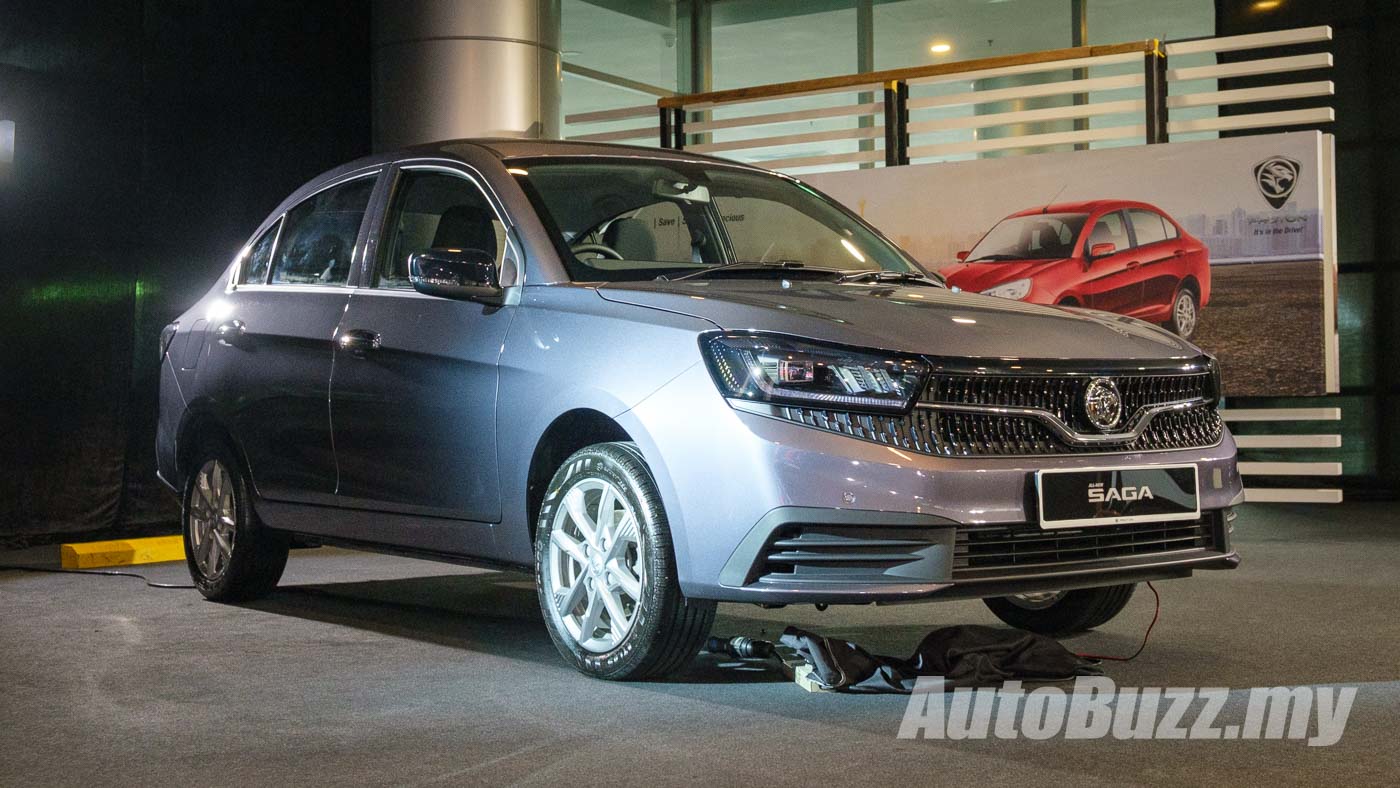
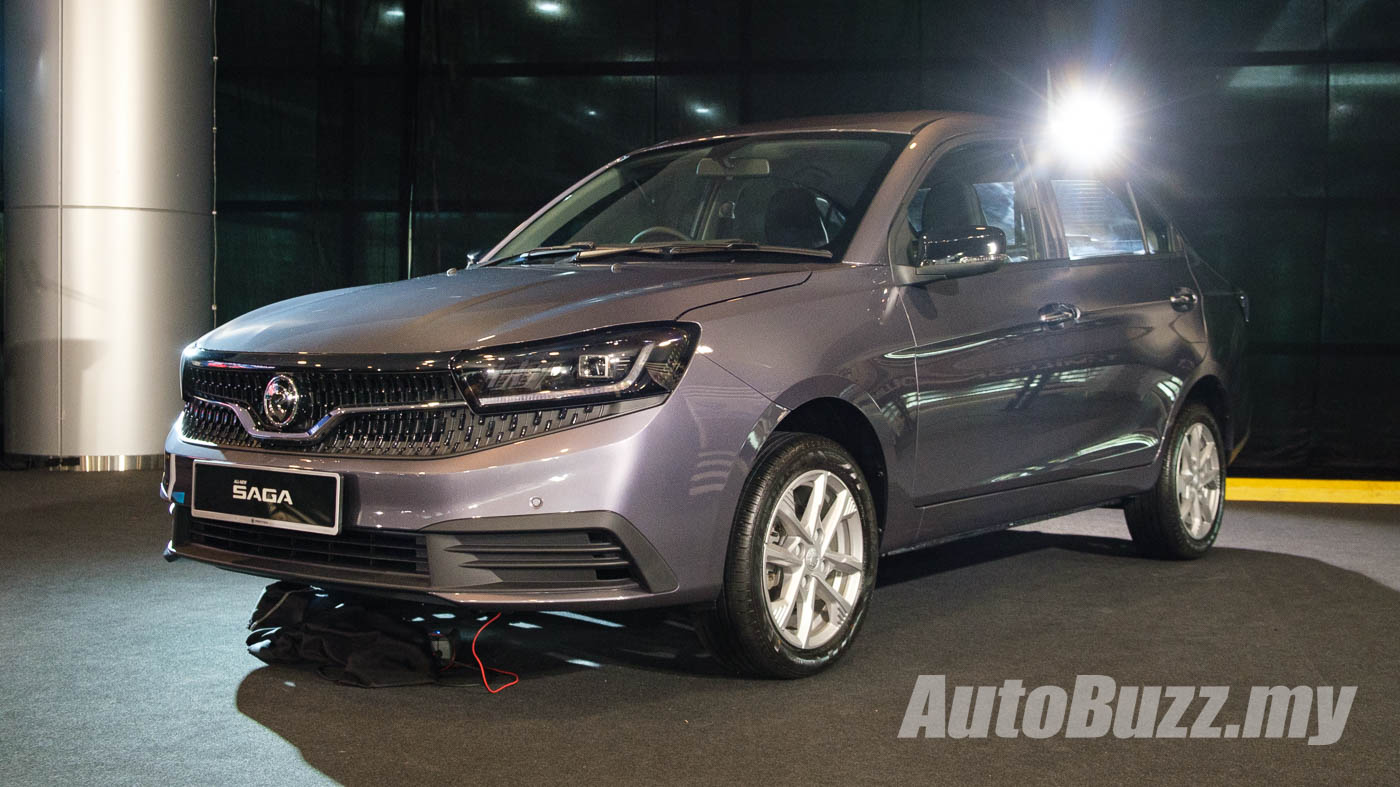
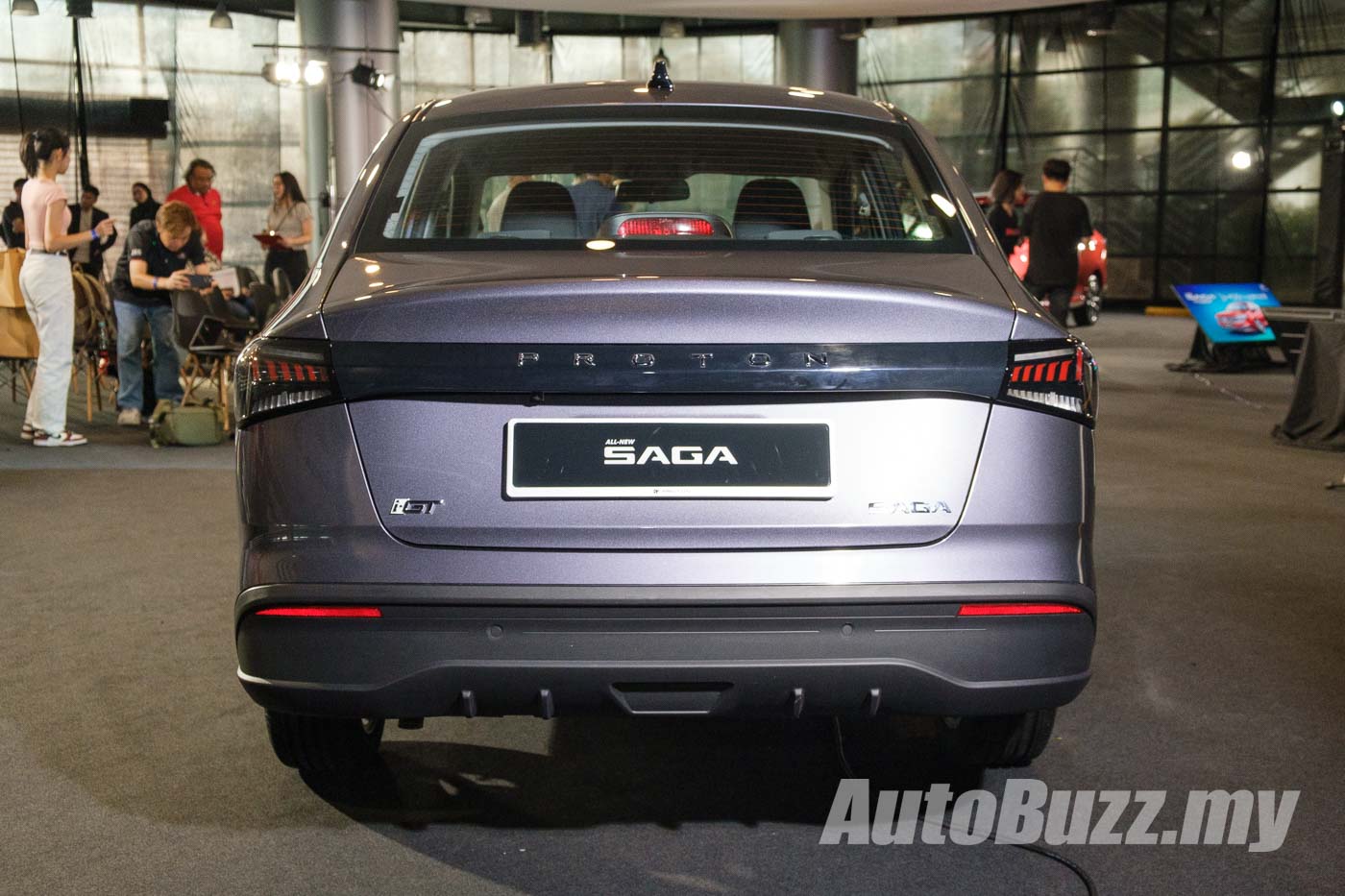
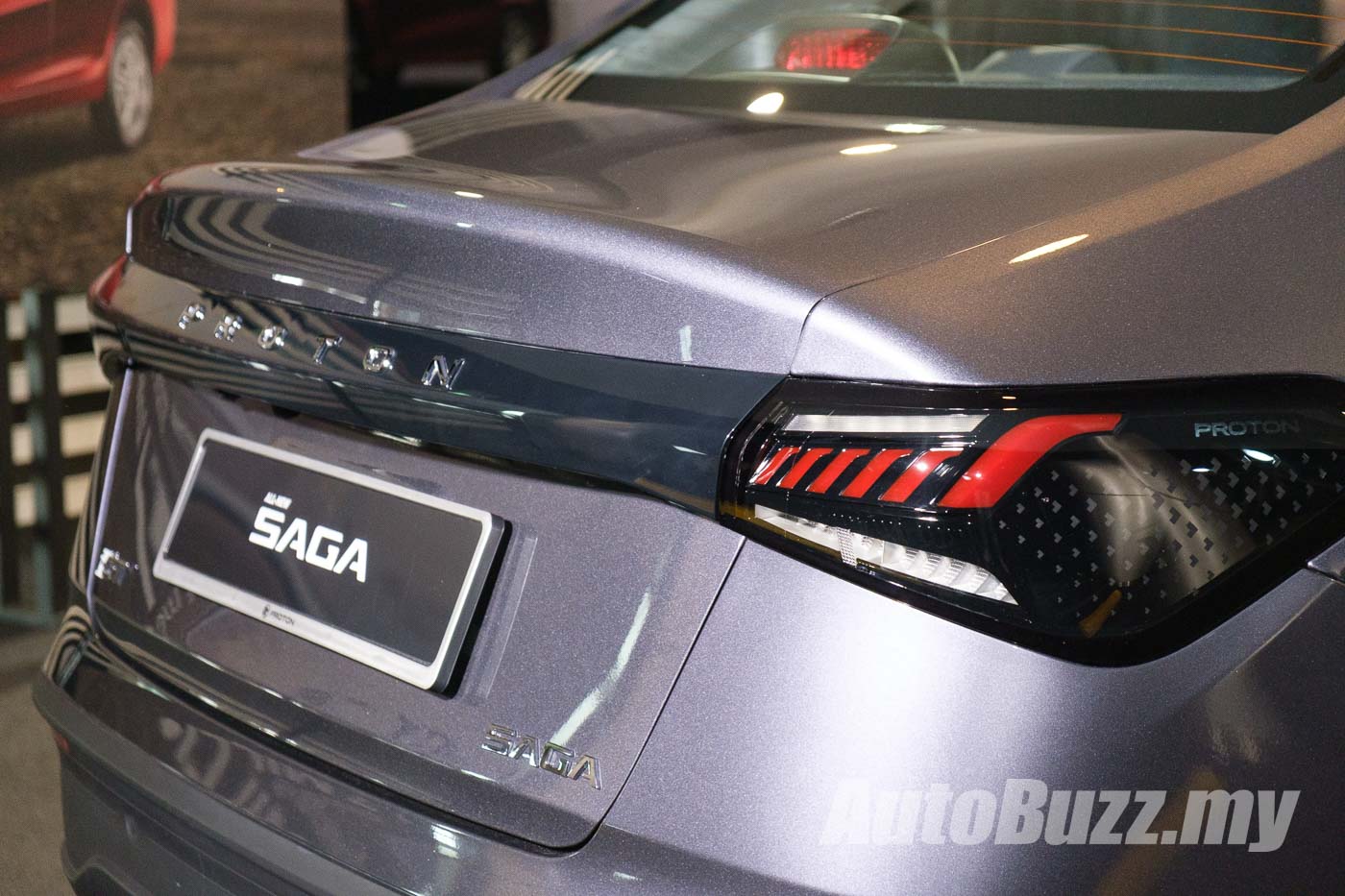
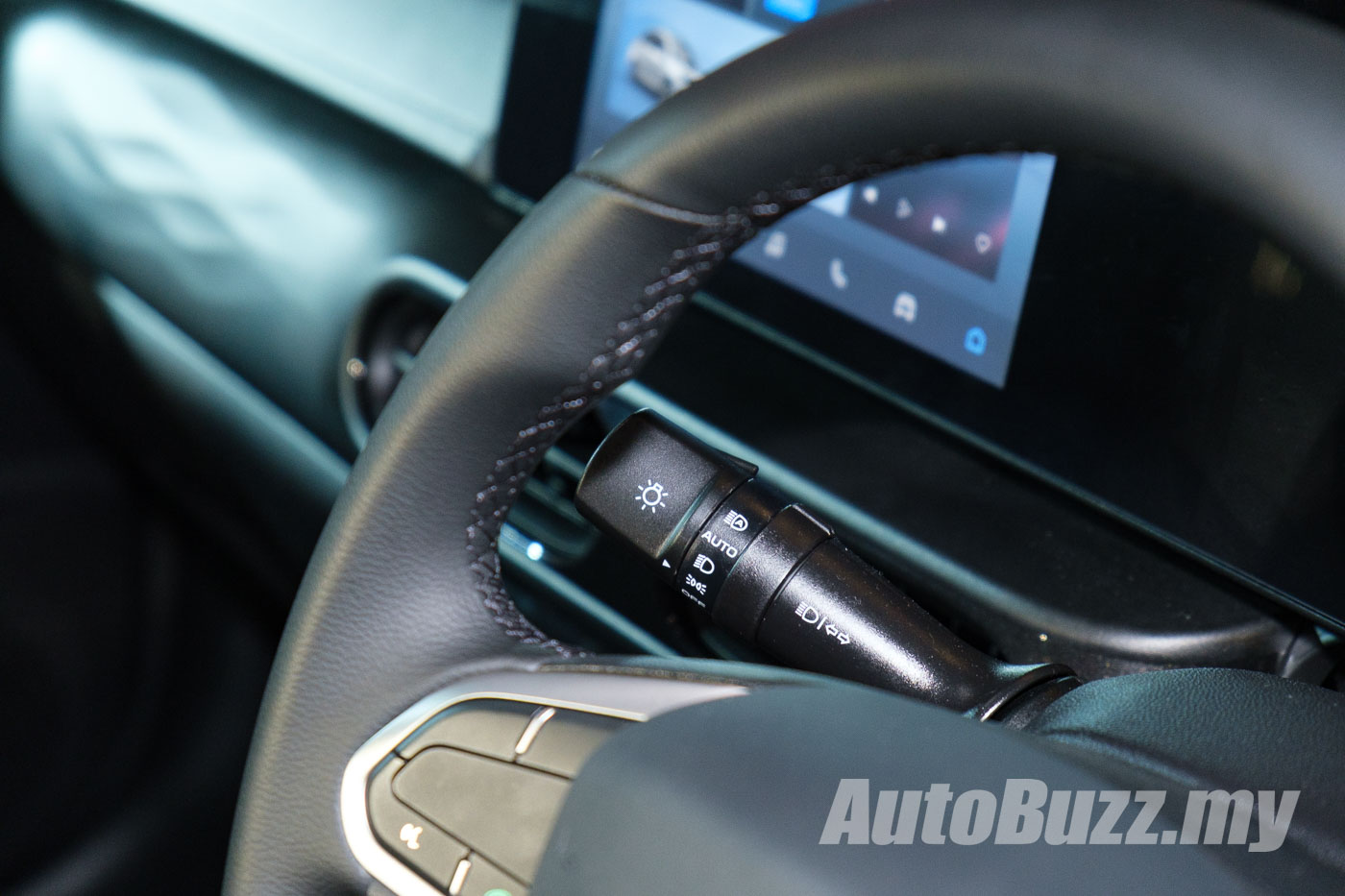
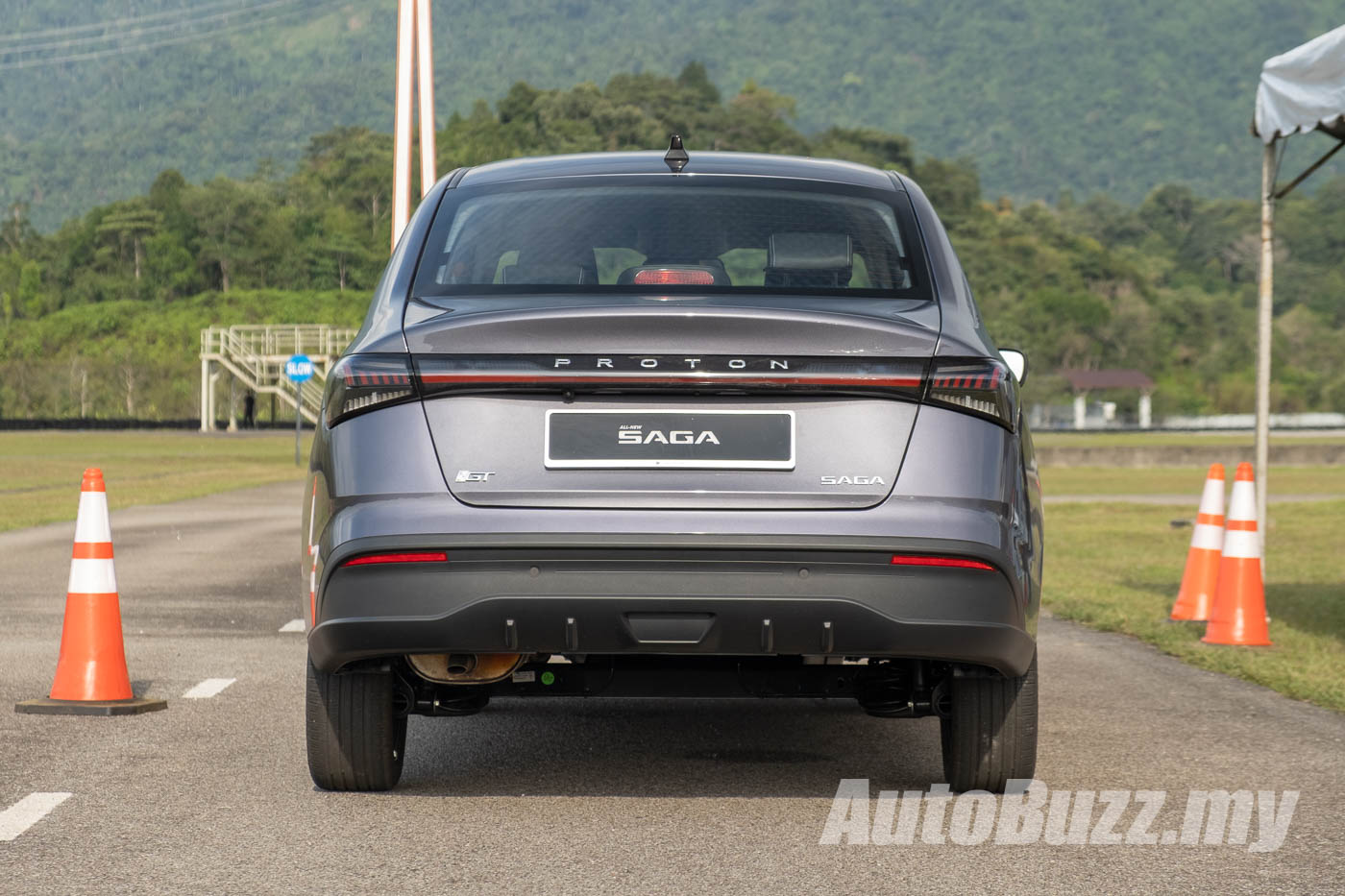
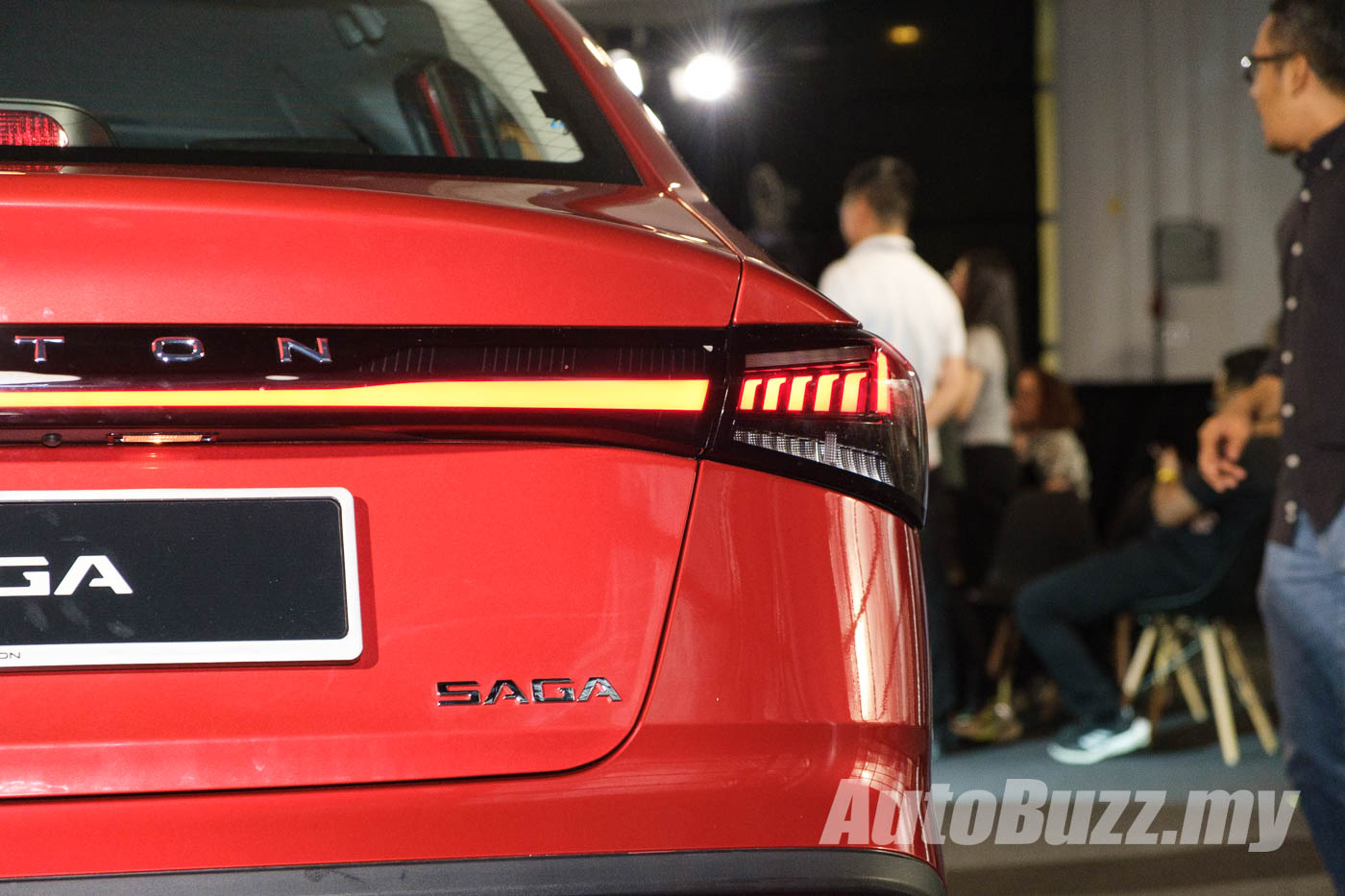
That includes its design, which Proton calls it simply “Next-gen Style” – quite appropriately, we think, as it has completely modernised the nameplate, courtesy of modern touches including the automatic projector LED headlights with integrated daytime-running lights, as well as a stylish full width LED taillight – though the LED strip on the boot lid is only reserved for the range-topping Premium variant.
You’ll also find familiar Proton touches here, including the grille with a mesh pattern Proton says is inspired by a ‘Sulaman Songket’ pattern, the Ethereal Bow trim, and the ‘PROTON’ wordmark across the boot lid trim, complementing the new Proton roundel logo in front.
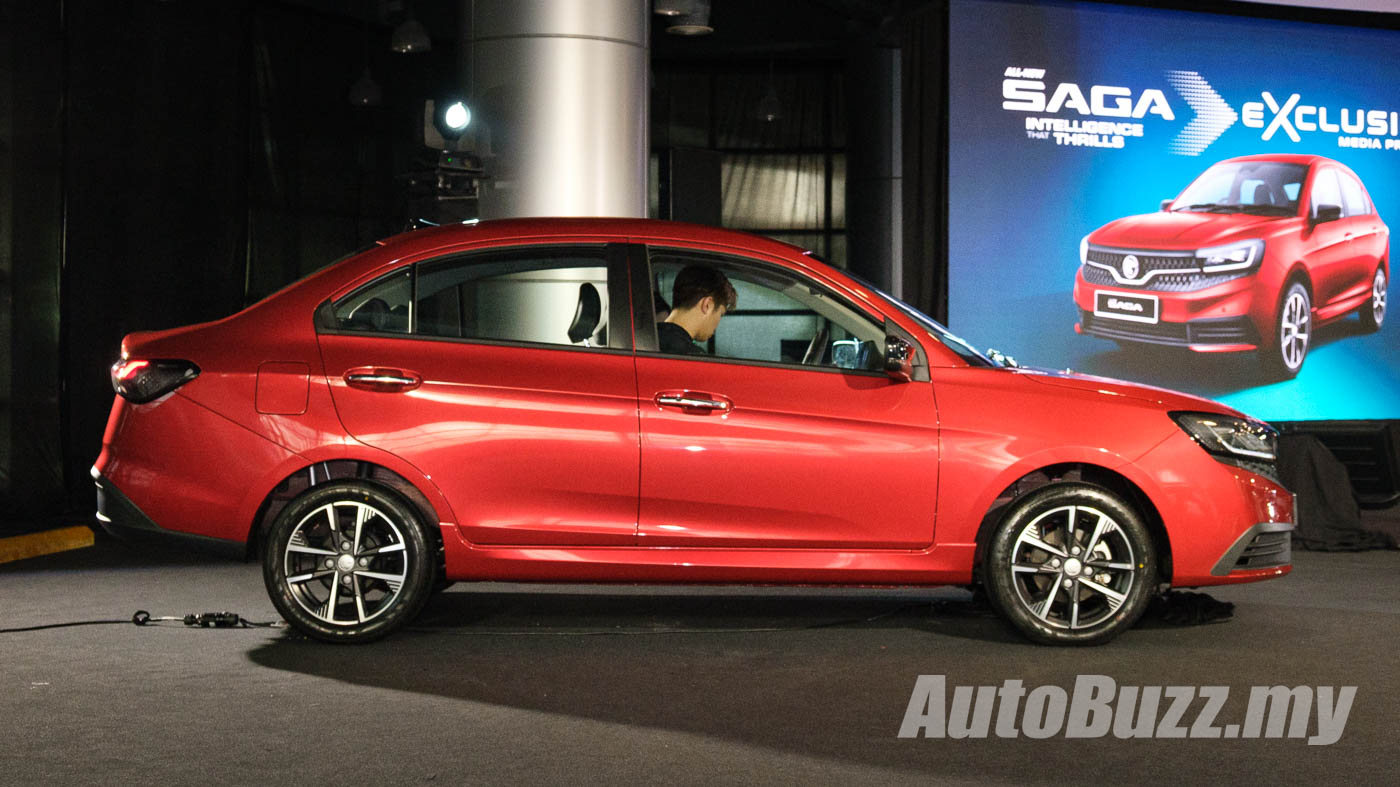
It’s side profile, though, might seem a little familiar. That’s because even though it’s built on a “newly developed” Advanced Modular Architecture (AMA), it’s more accurately an update on the existing platform that traces its roots all the way back to the Proton Savvy, with additional hot press forming components to offer increased structural rigidity and protection.
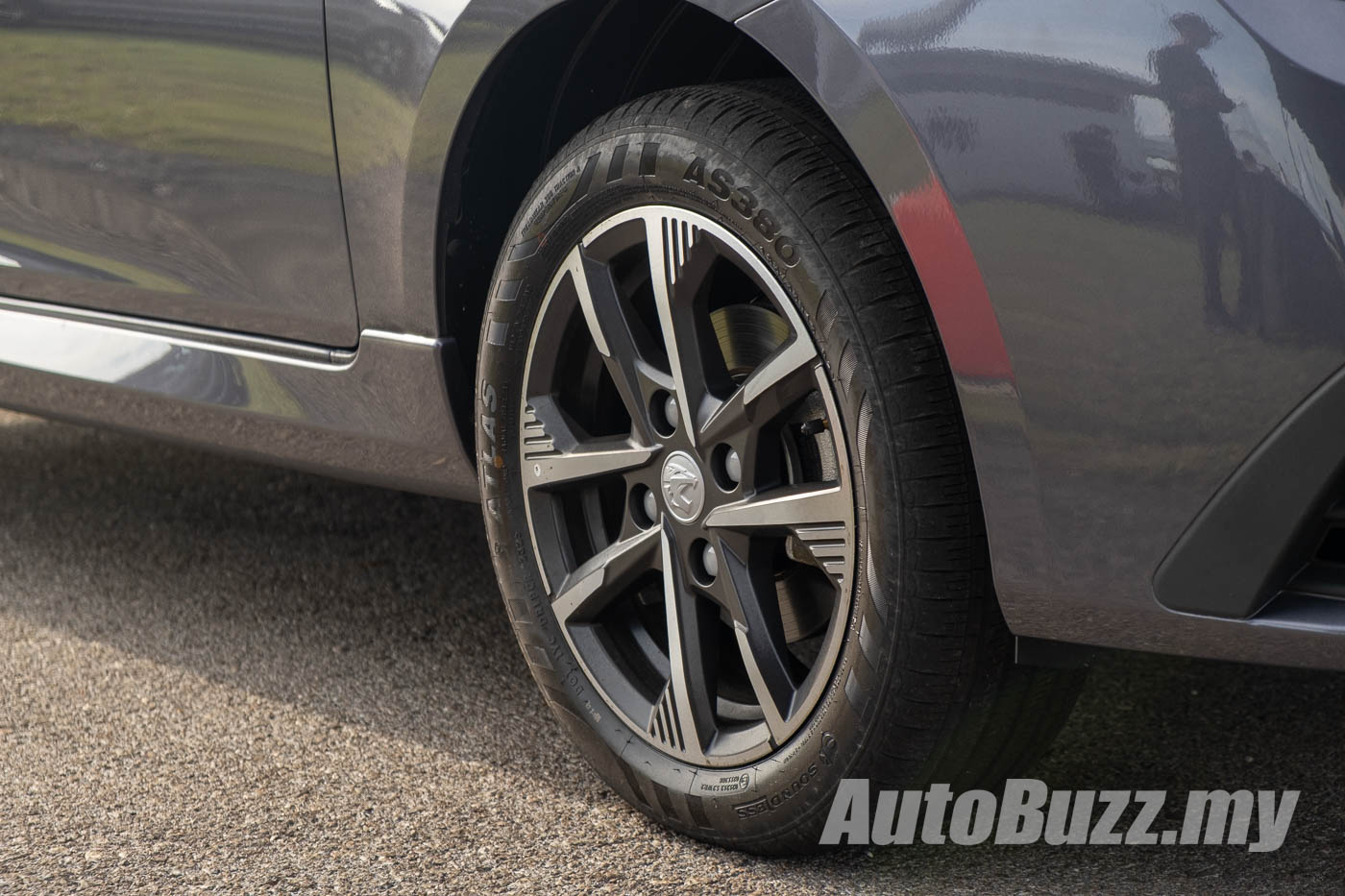
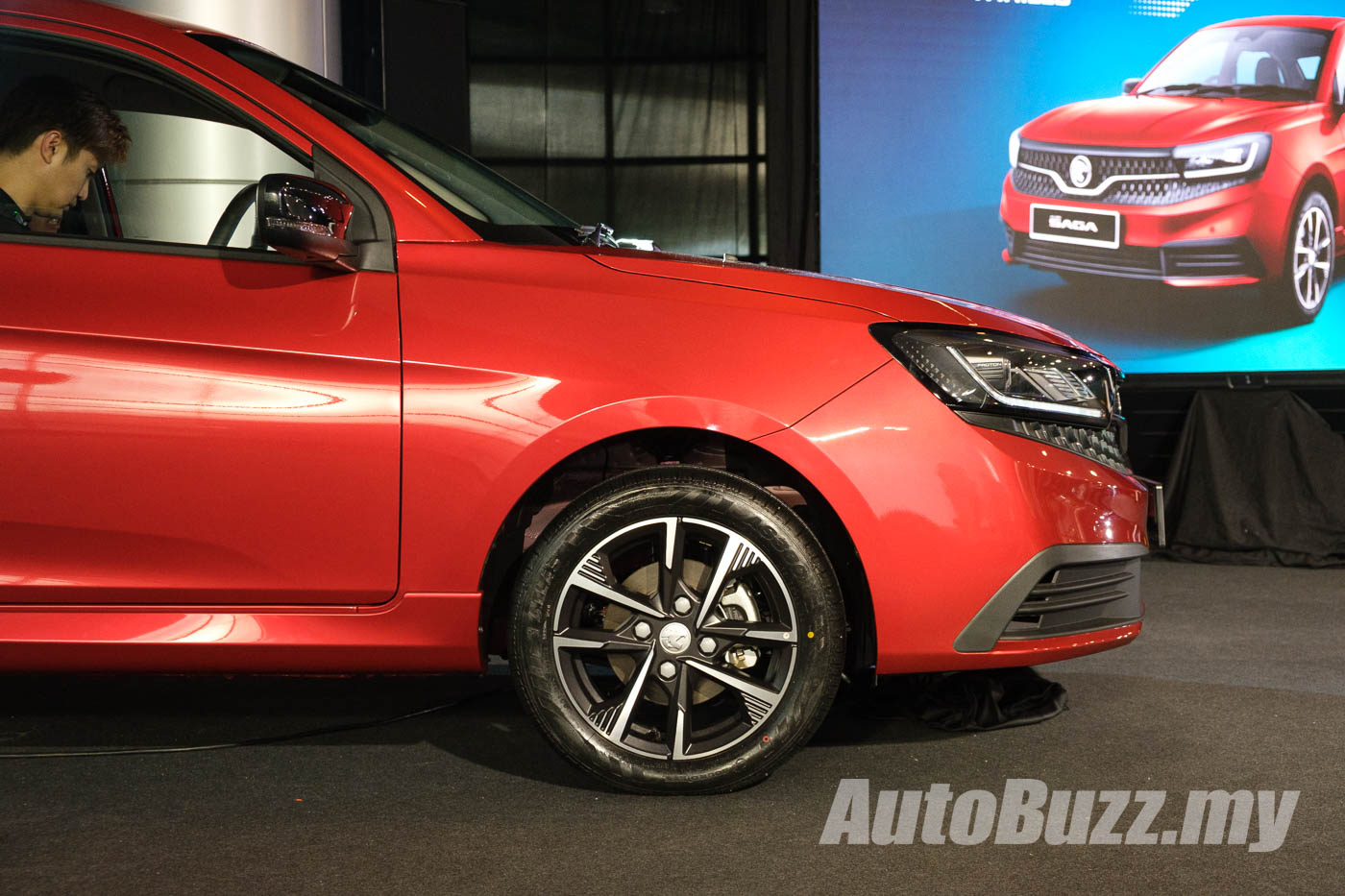
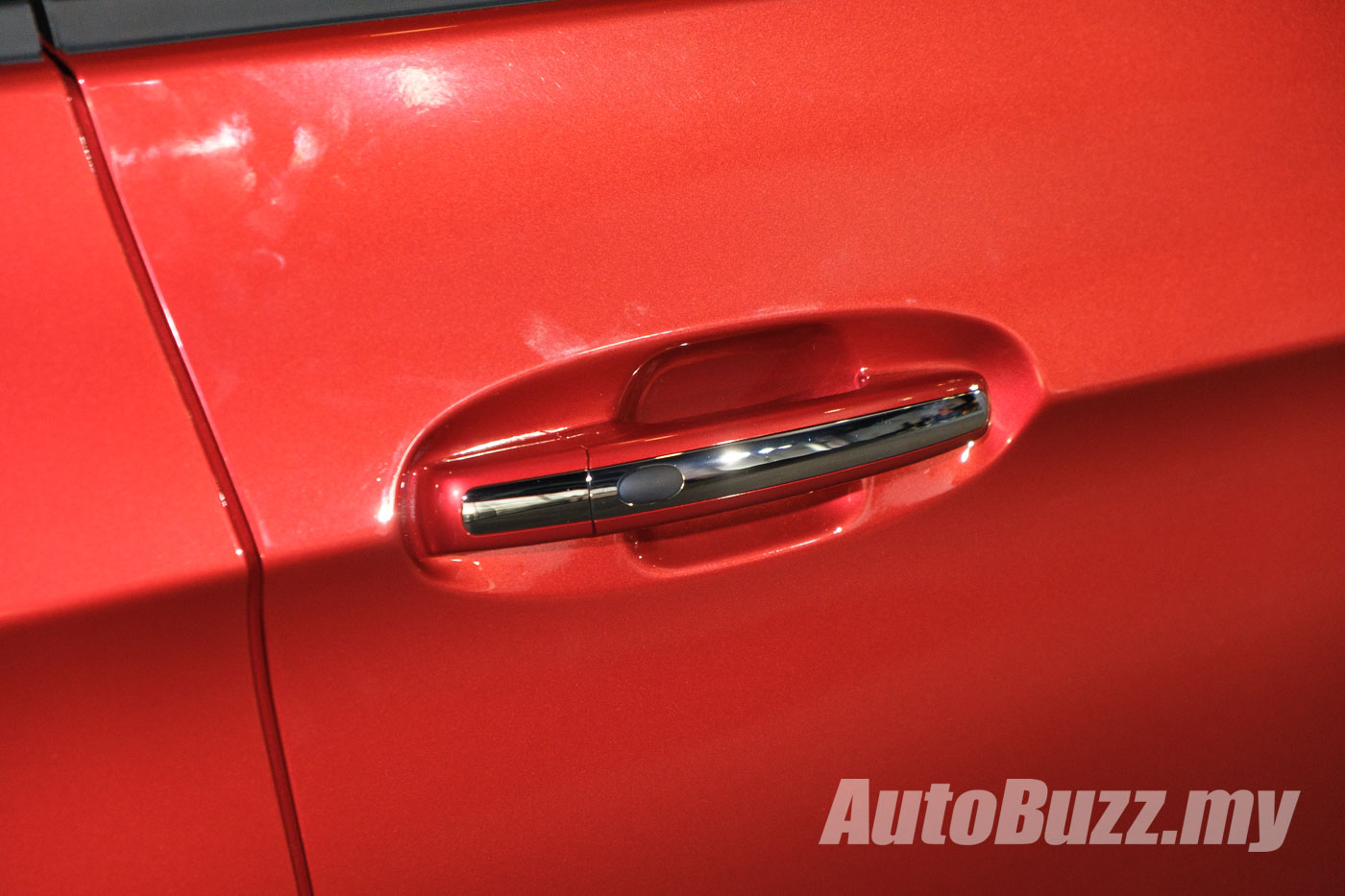
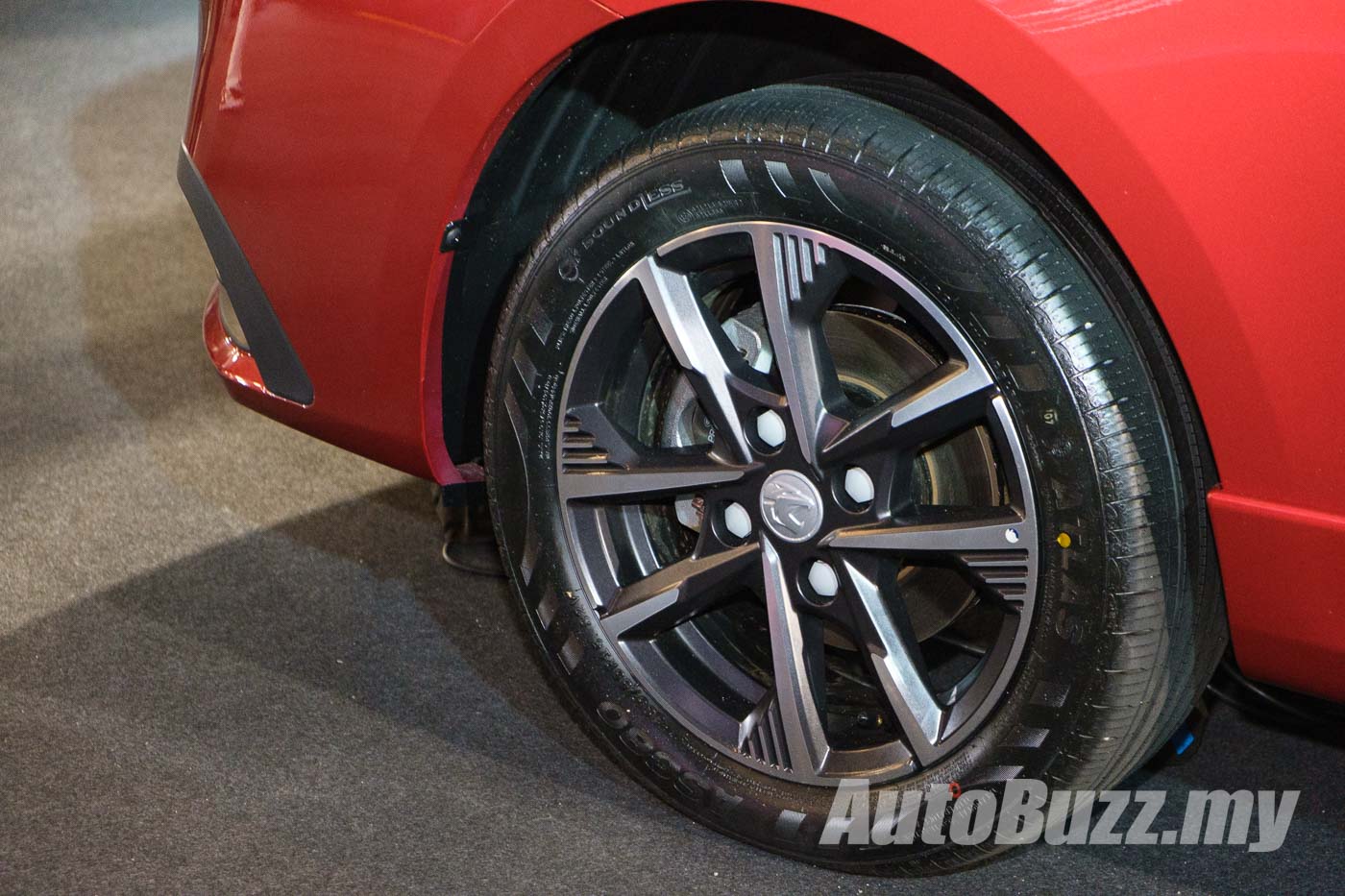
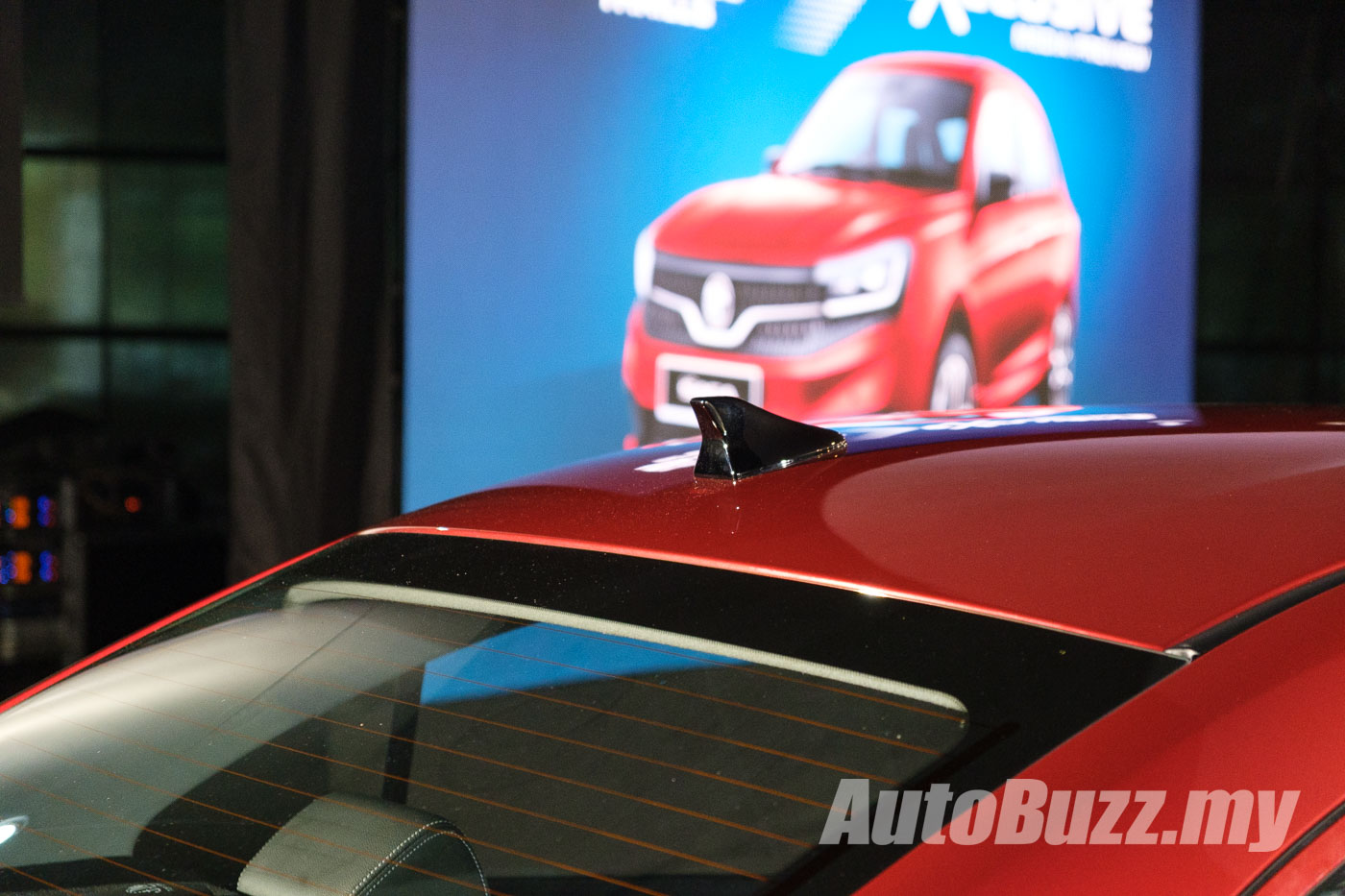
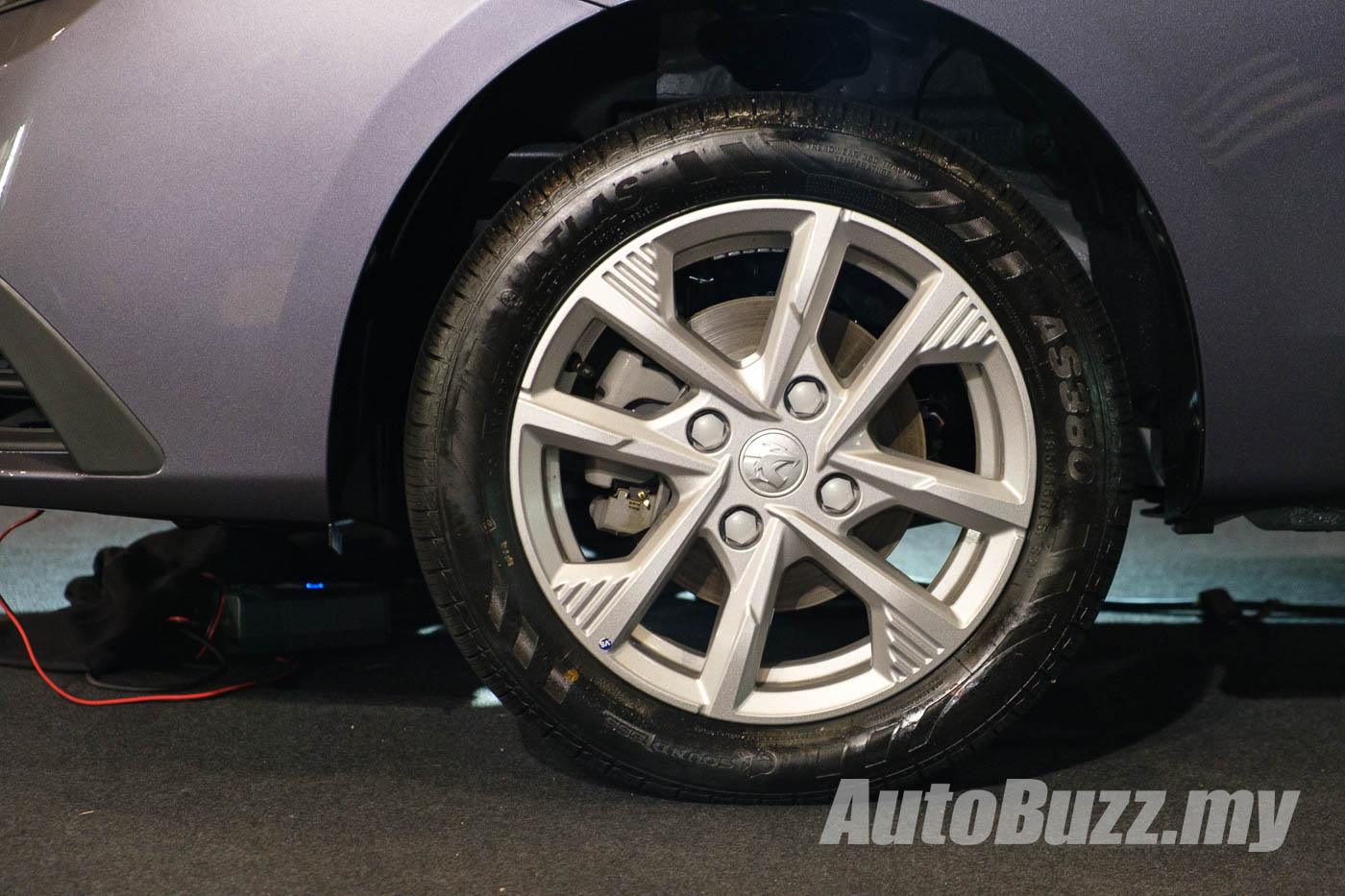
Still, the silhouette at the back has been reprofiled with a slight kick up towards the back (a la ducktail spoiler) for a sleeker look, and the new light housings, alongside new chrome plated door handles, shark fin radio antenna, and 15-inch dual-tone alloy wheels (on the Premium, silver monotone on the Executive variant, and 14-inch on the Standard) still give it enough freshness to feel brand new.
ALSO READ: All-new 2025 Proton Saga key details revealed – 1.5L 4-cyl engine, CVT, ADAS, wireless AACP support

Proton says the “new” platform will also form a flexible and scalable foundation for its future models that’ll meet “international safety, performance, and emissions standards”. The AMA’s new electronic architecture also enables the integration of advanced intelligent safety and connectivity systems, including “autonomous technologies in future models”.
The full ownership of the platform’s intellectual property rights also reinforces its growing engineering capability, Proton says, and opens “new collaboration opportunities across the Geely Group ecosystem”, even potentially making Malaysia the group’s regional engineering hub for future model development.

But that’s in the future; for now, the biggest change the new AMA platform has brought upon the all-new fourth-generation Proton Saga comes in the form of a new 1.5-litre Intelligent Green Technology (i-GT) inline-four engine. Sharing its roots with the Proton X50’s turbo mill from the BHE15 family, the new engine here ditches the former’s turbocharger for a naturally aspirated set up, dishing out 120 hp and 150 Nm.
The outputs – which Proton claims are segment-leading – are significantly higher than the 95 hp and 120 Nm from its predecessor’s 1.3-litre mill. In a drag race against its arch rival, the Perodua Bezza 1.3 during the preview session, the Saga also handily beat P2’s sedan in a race to 100 km/h – although no times were published.
The new engine is paired to either a CVT gearbox (likely sourced from Punch Powertrain, as hinted by the Belgian company’s new factory in Tanjong Malim reinforcing its “long term partnership” with Proton) on the Premium variant, or a four-speed automatic gearbox from Aisin for the two lower variants.
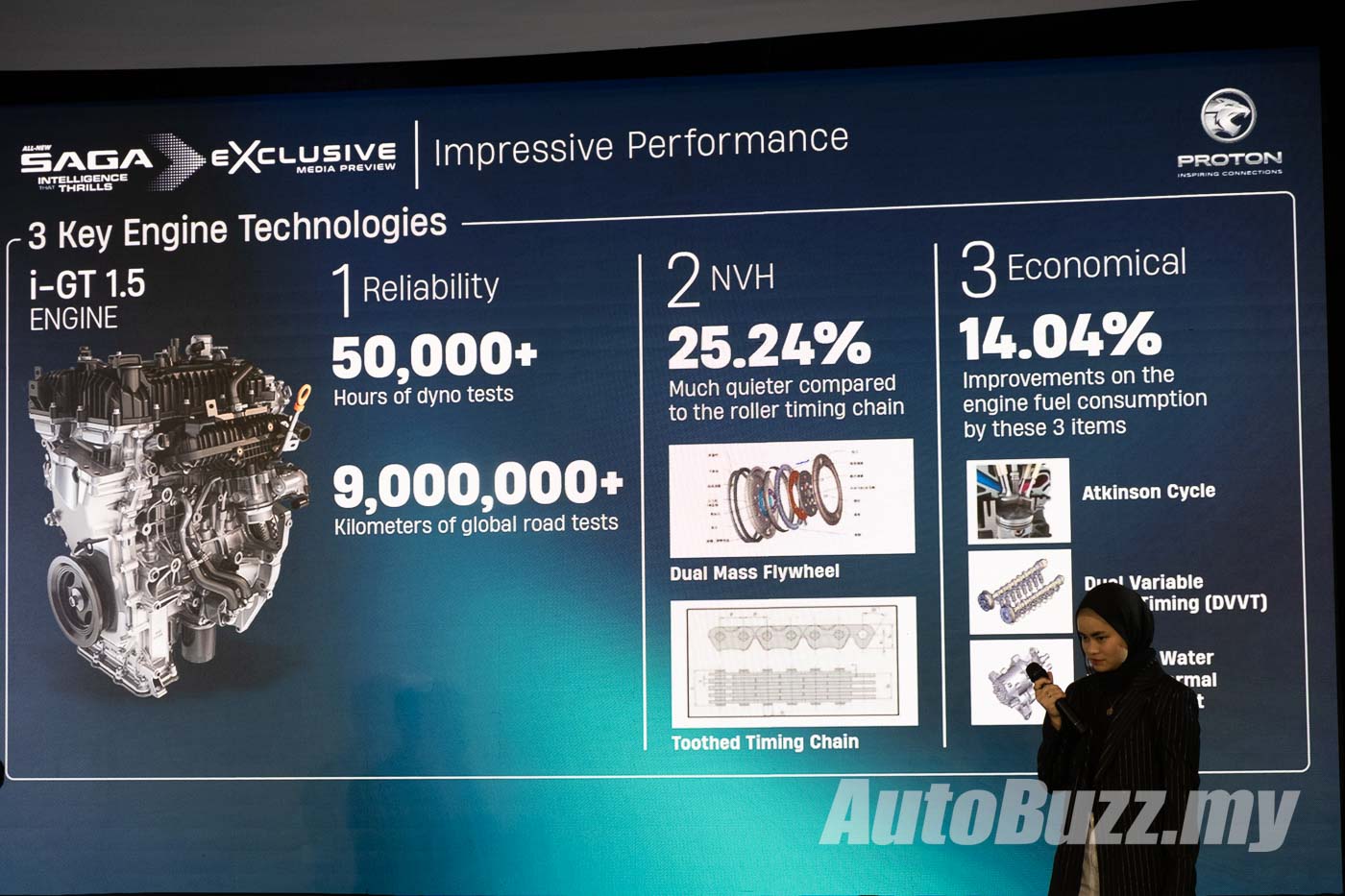
Proton claims that the new powertrain combo – along with its Atkinson cycle configuration instead of the usual Otto cycle – is 14.04% more fuel efficient than before in the CVT configuration, returning a fuel consumption rating as low as 4.9 L/100 km (MDC test cycle), just 0.1 L/100 km behind the aforementioned Bezza. The 4AT configuration comes in slightly more thirsty at 5.1 L/100 km.
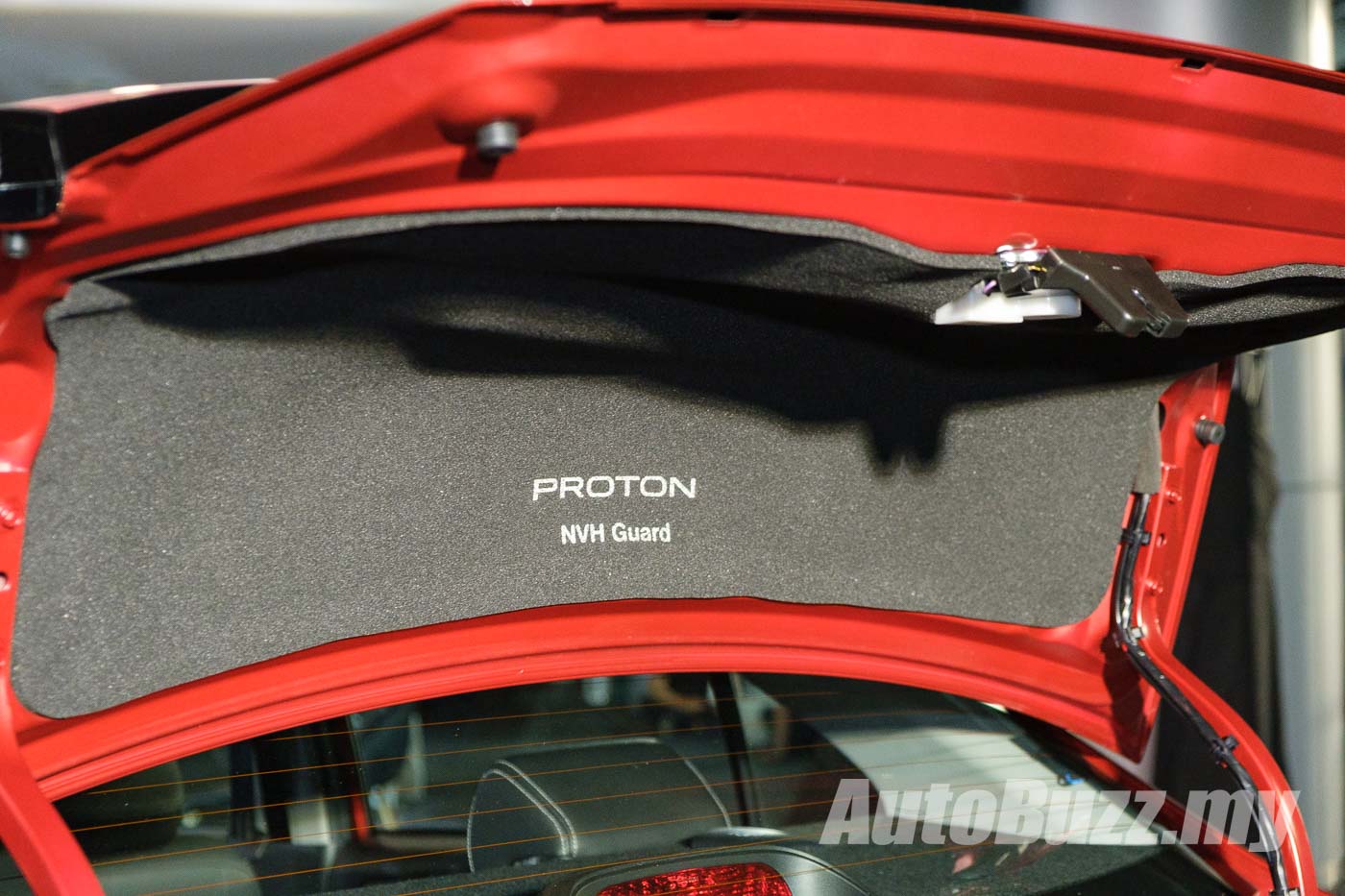
But aside from fuel consumption, the new engines are also demonstrably quieter than before – 25.24% more silent, Proton claims, courtesy of a new dual mass flywheel and toothed timing chain. It’s also been stress tested for over 50,000 hours on the dyno, alongside over nine million kilometres of global road tests, to ensure reliability.

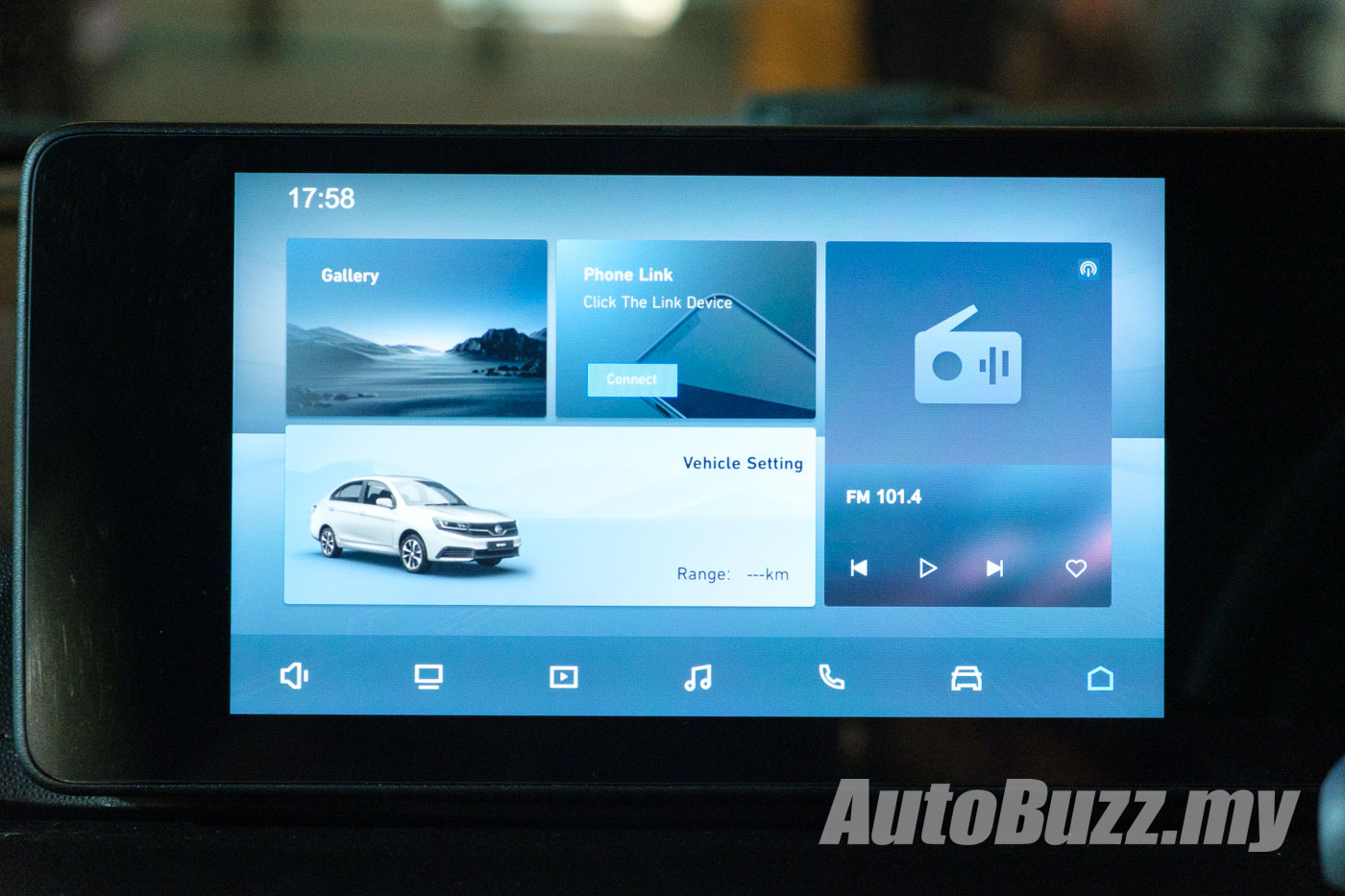

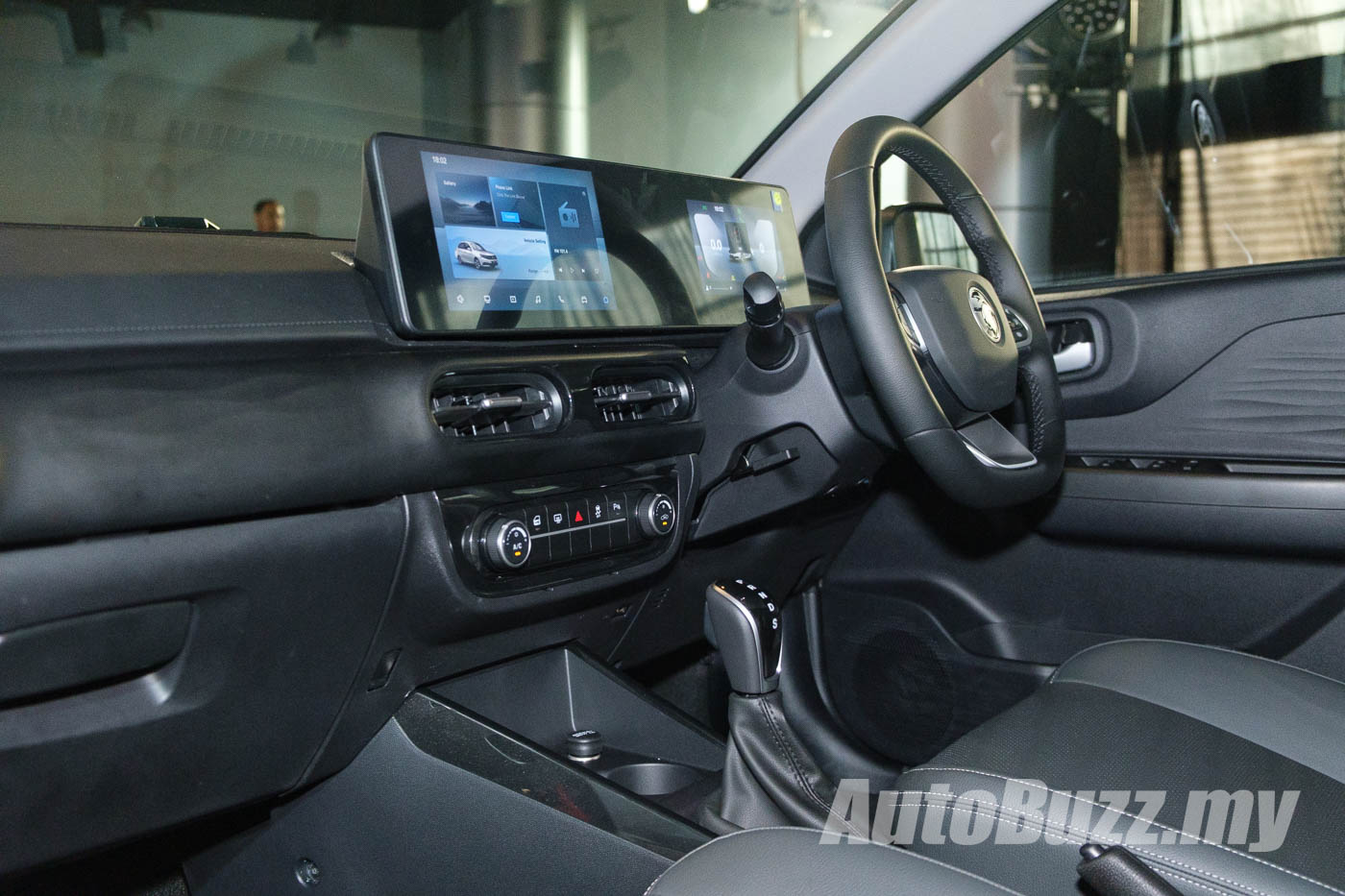
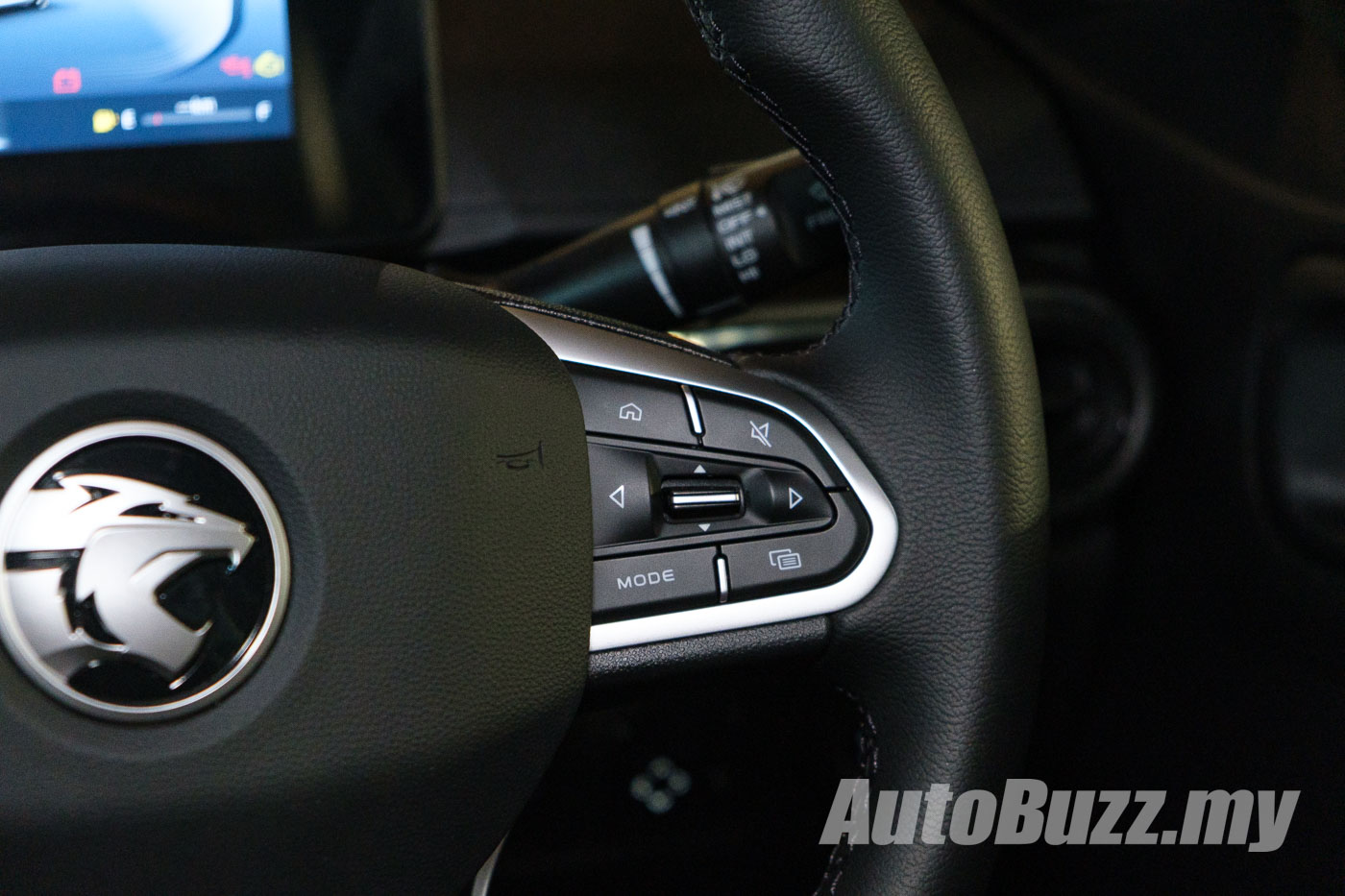
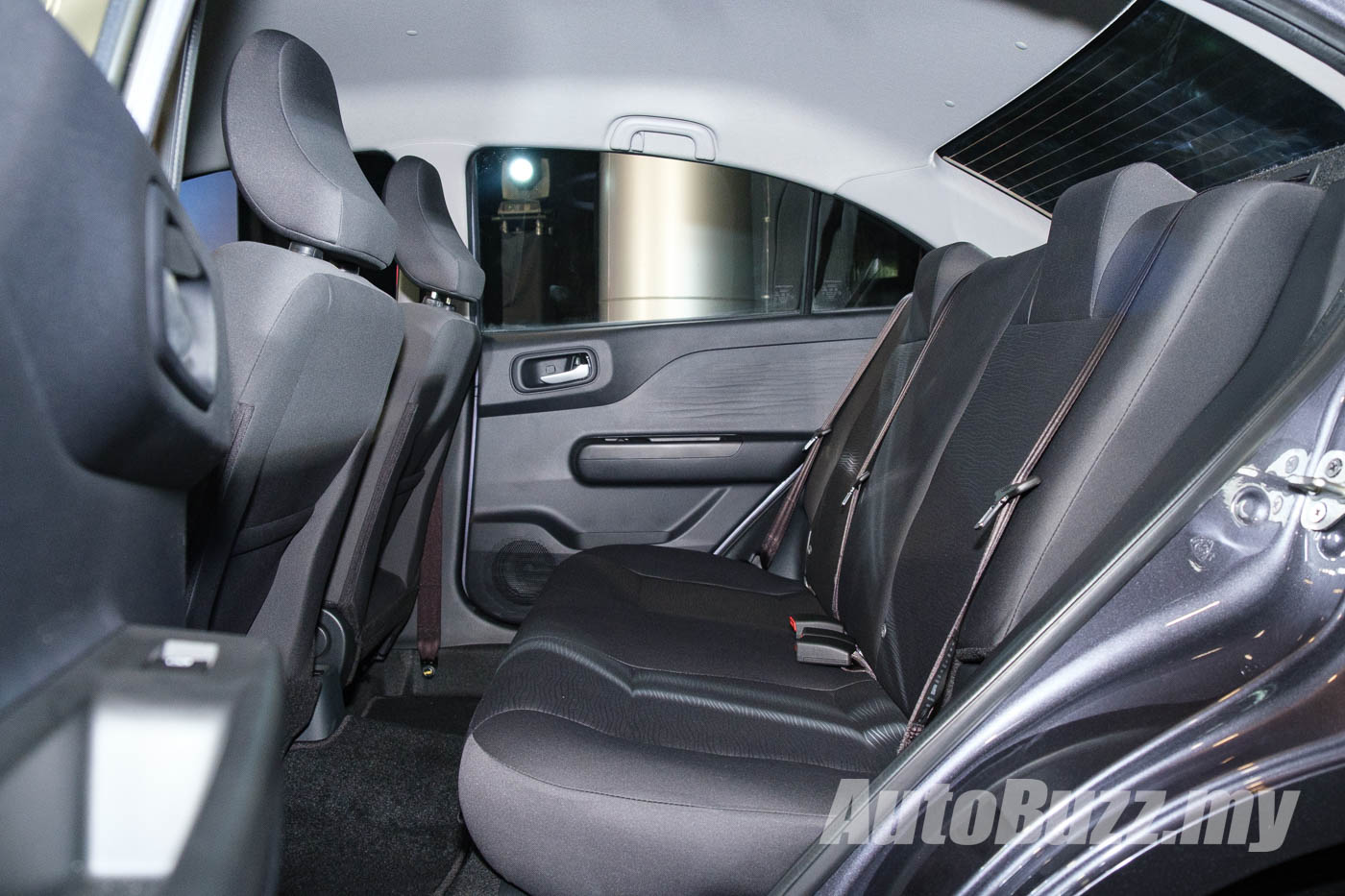
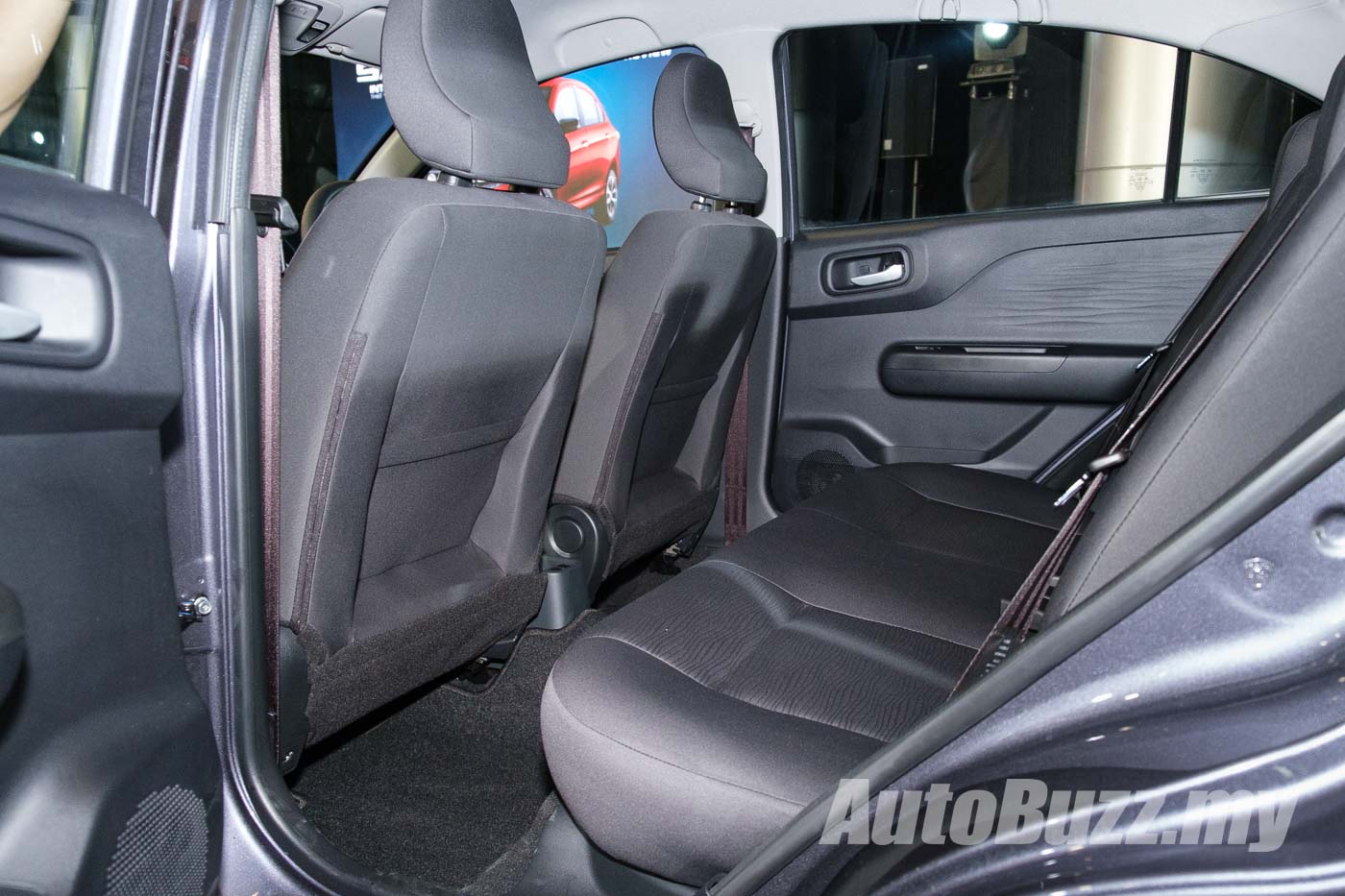
It’s the interior, though, that we think most owners will feel the most appreciable differences, with a completely new dashboard design that seriously challenges the model’s “budget-oriented” identity.
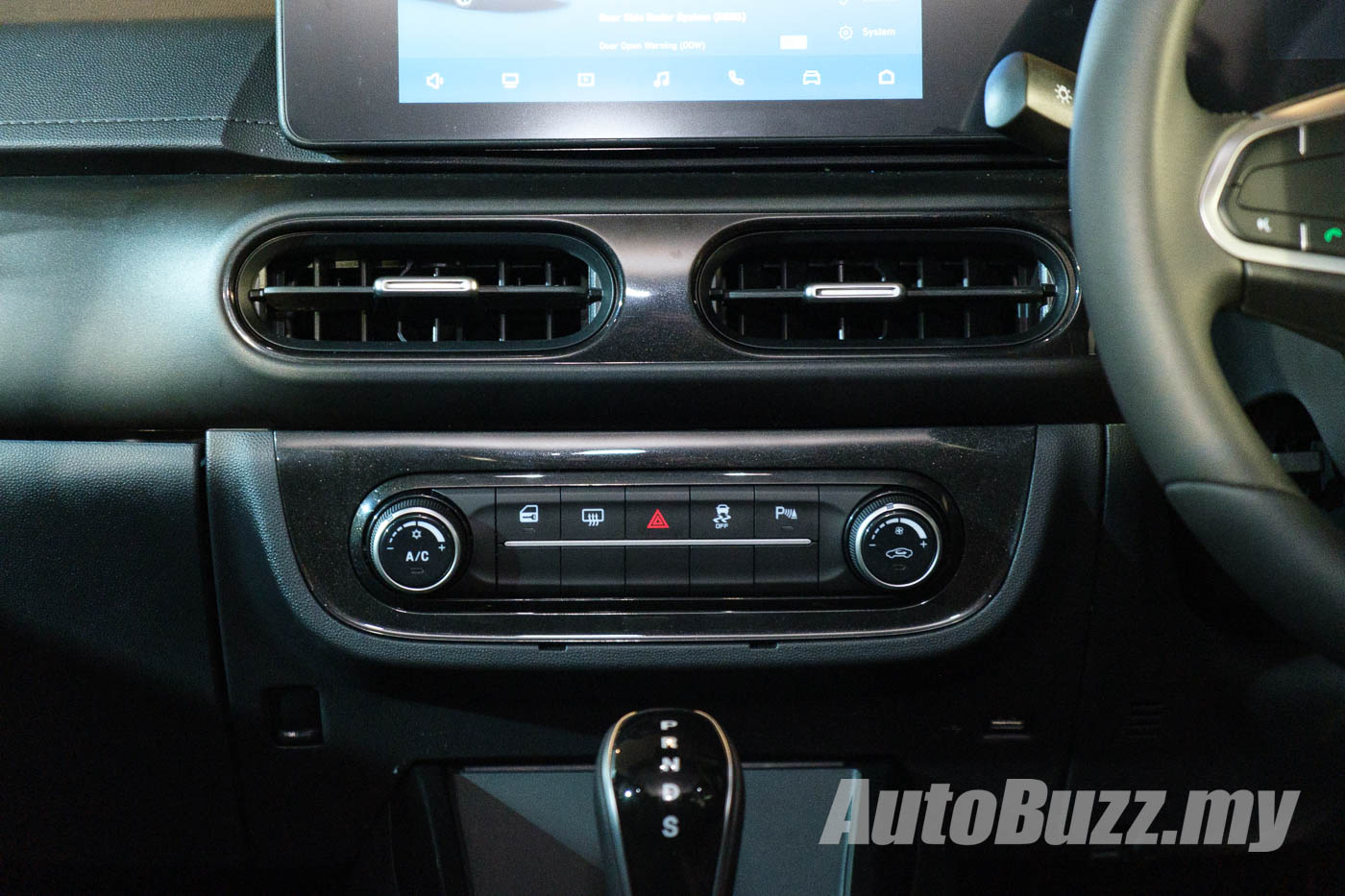
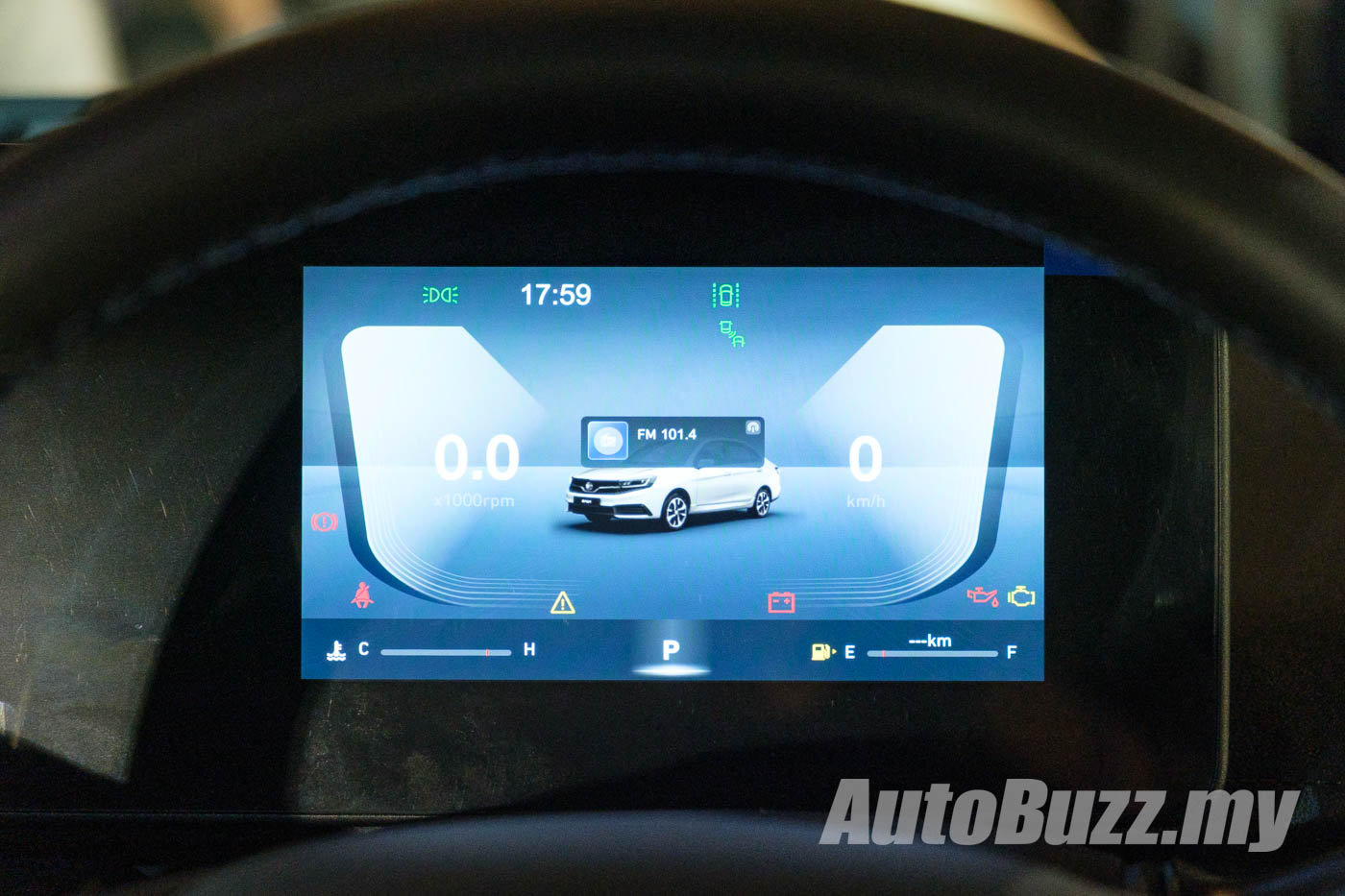
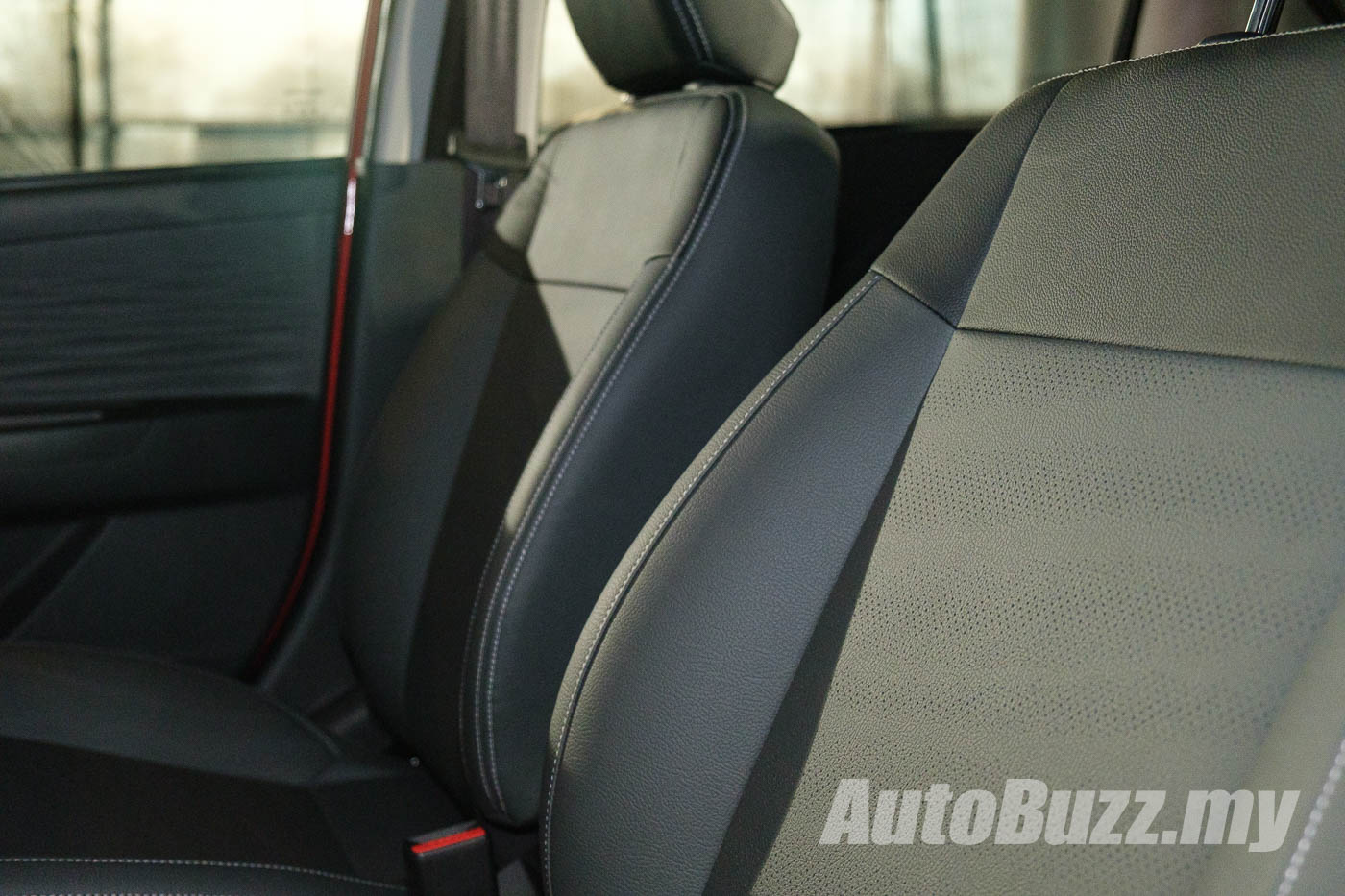
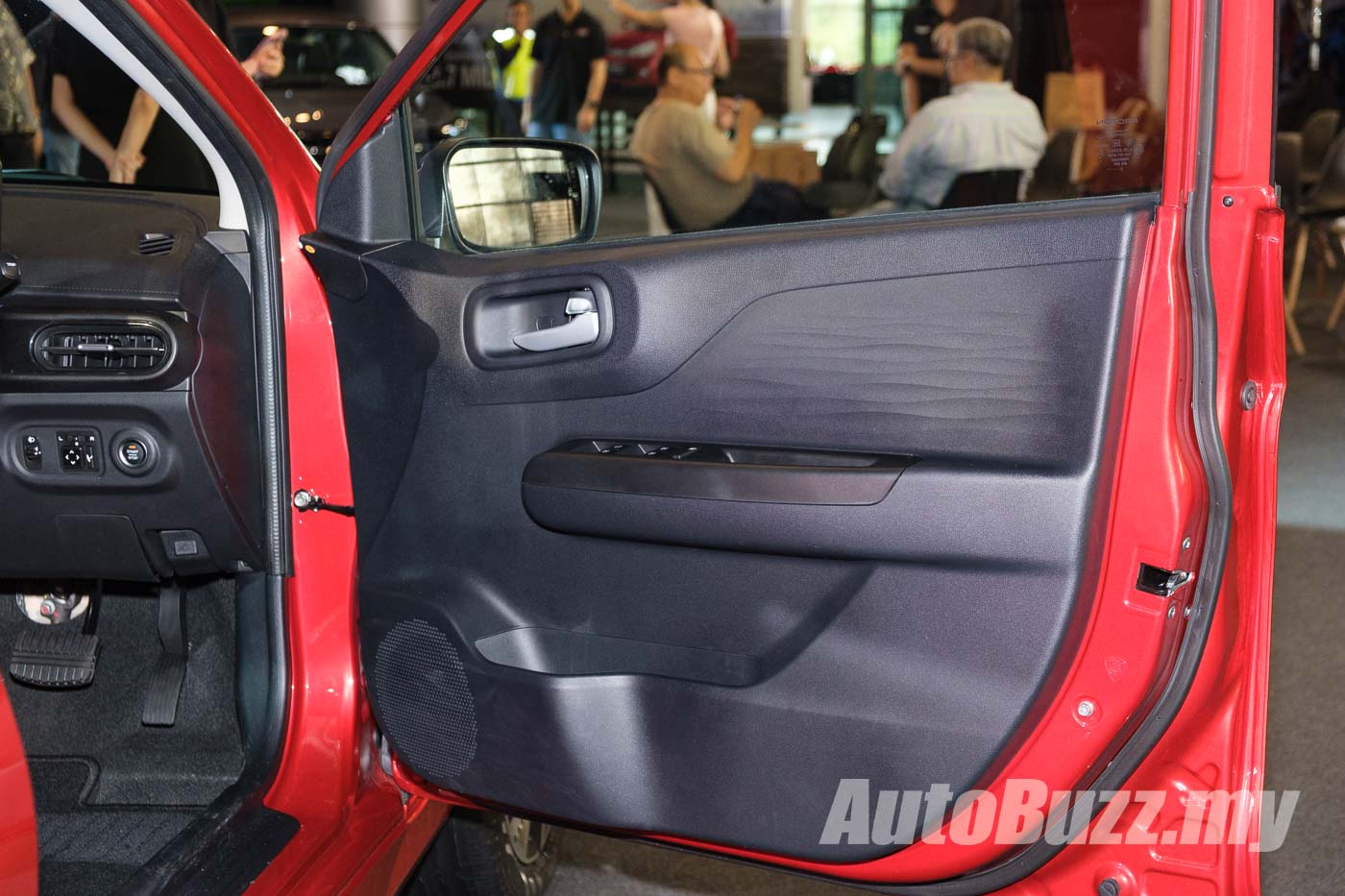
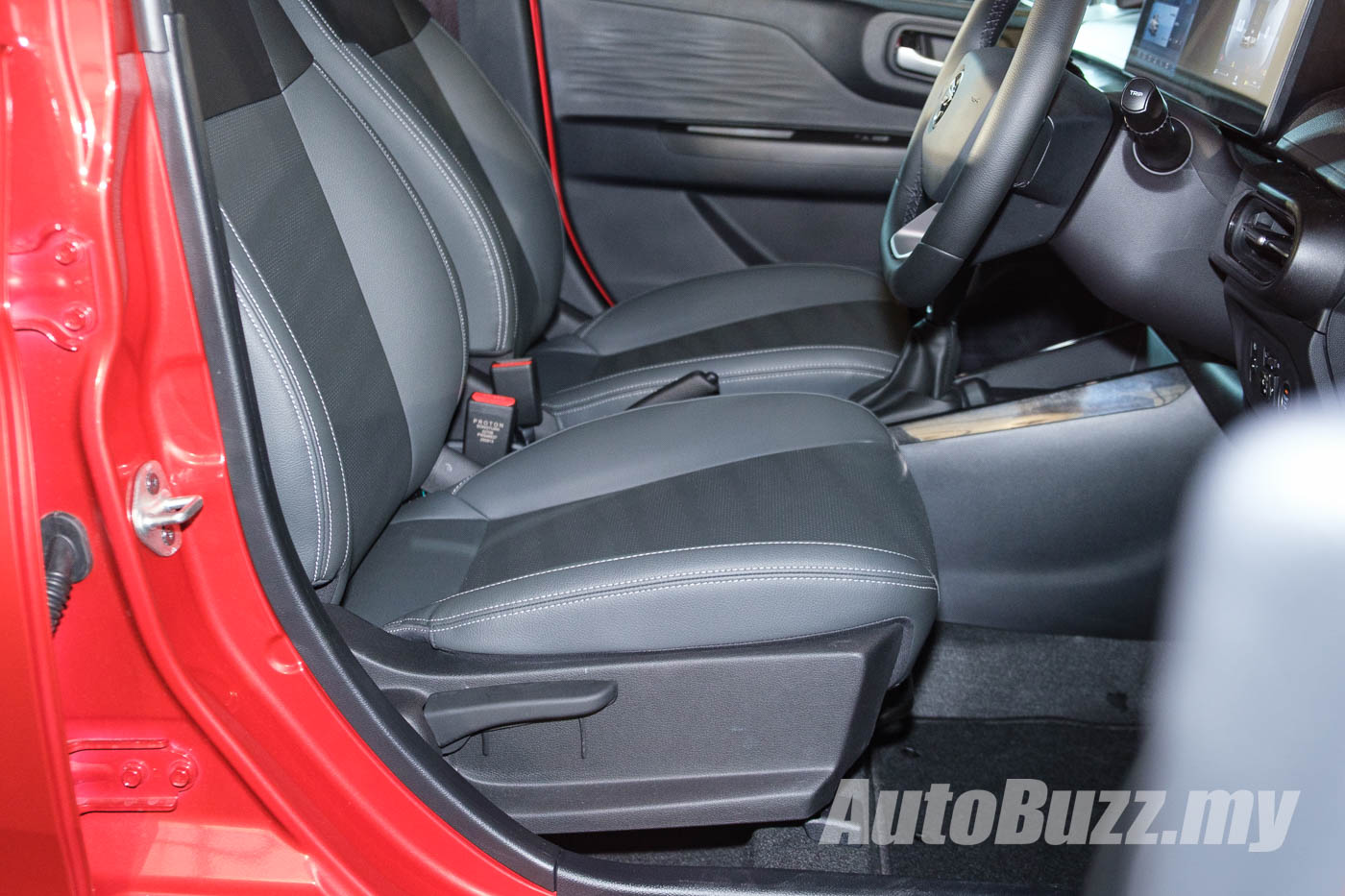
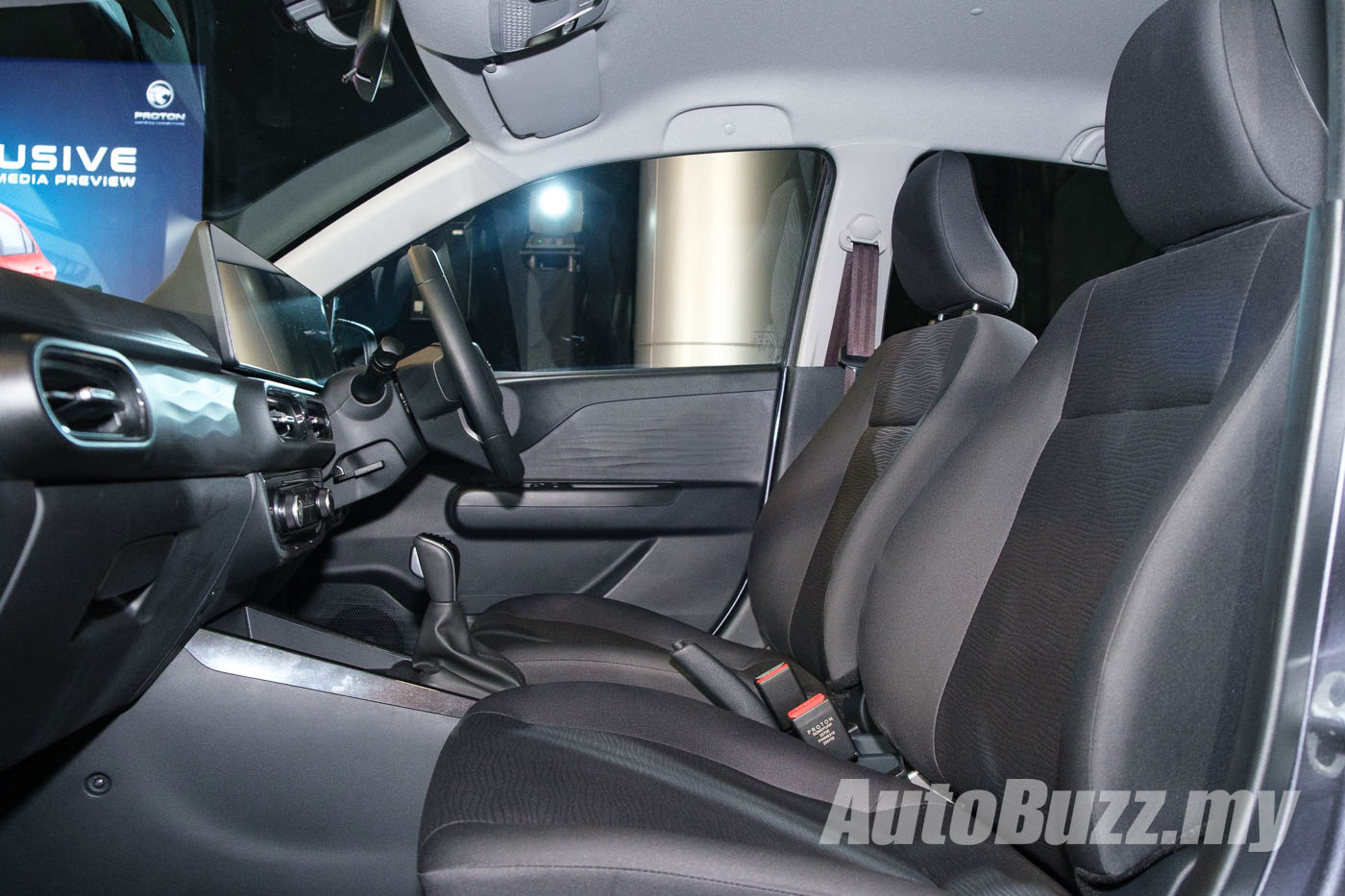
The twin screens sitting atop the dashboard – measuring nine inches in diameter for the infotainment touchscreen and seven for the instrument cluster – might take all the limelight, but it’s the design touches, including the 3D pattern inspired by pantai waves, Congkak air vents, and dual-tone leatherette upholstery (Premium variant) that truly elevate the ambience inside, despite still being built with scratchy resilient plastic.
ALSO READ: 2025 Proton eMAS 5 launched – Most affordable EV in Malaysia, from RM60k
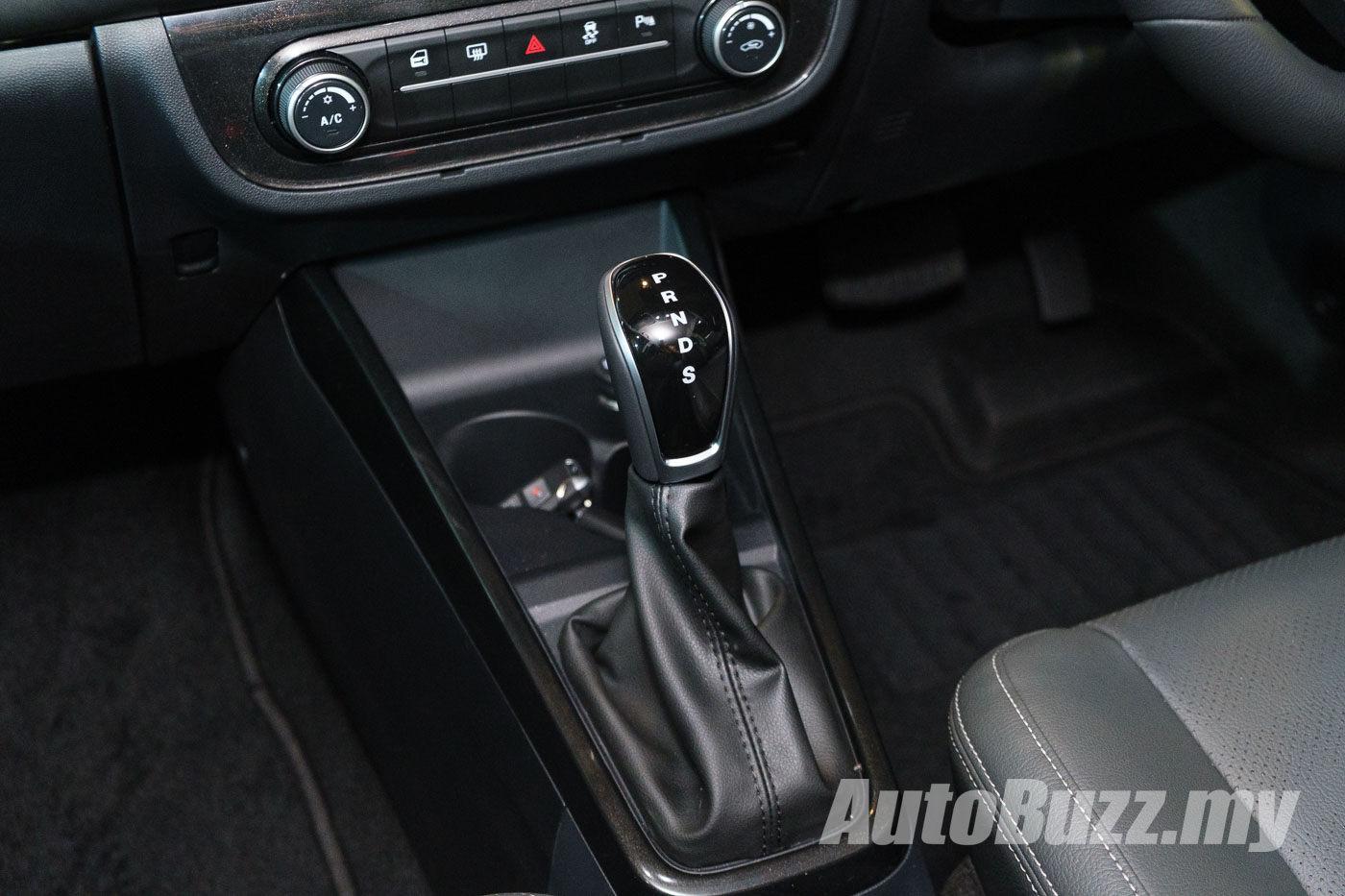
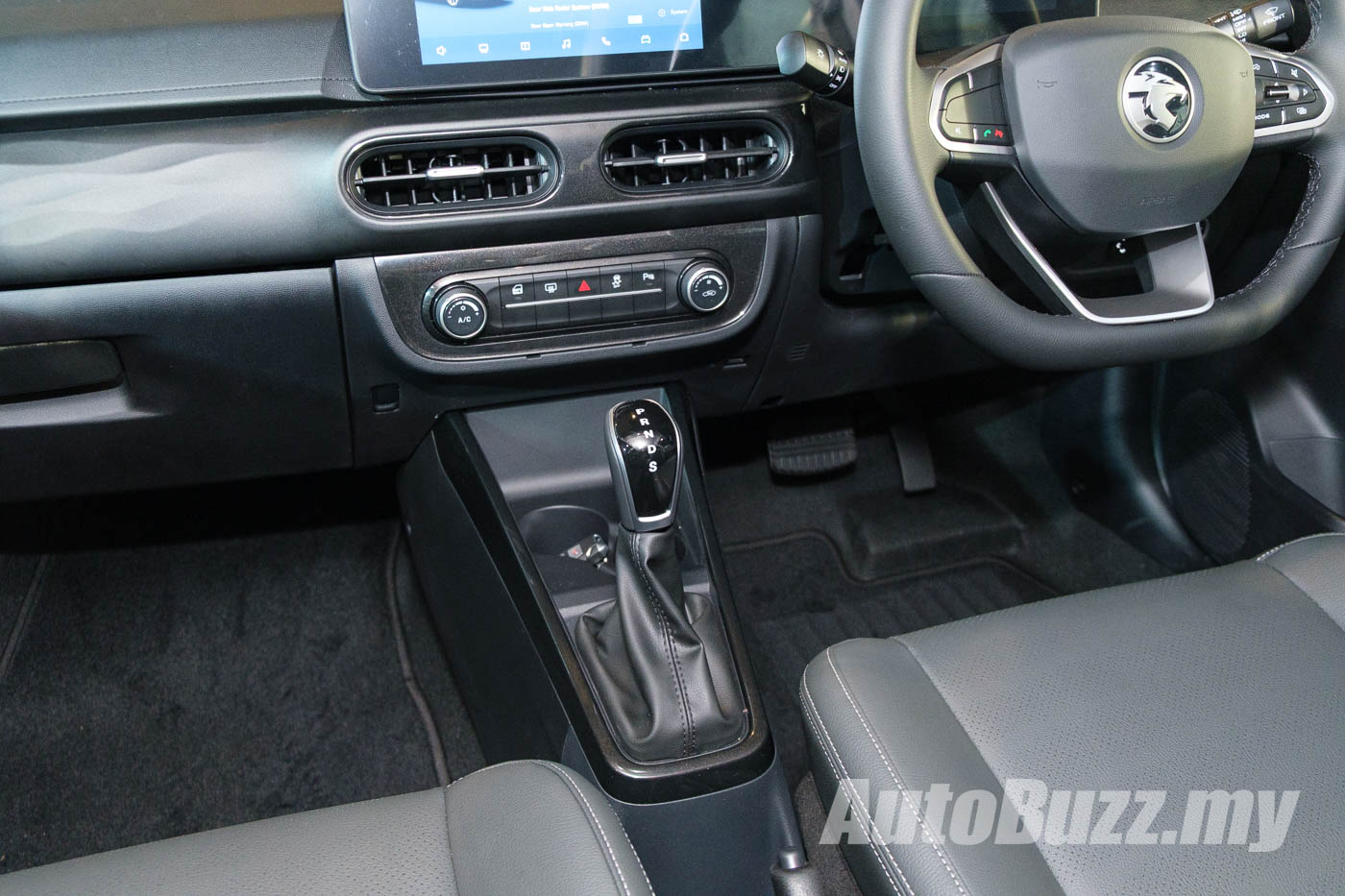
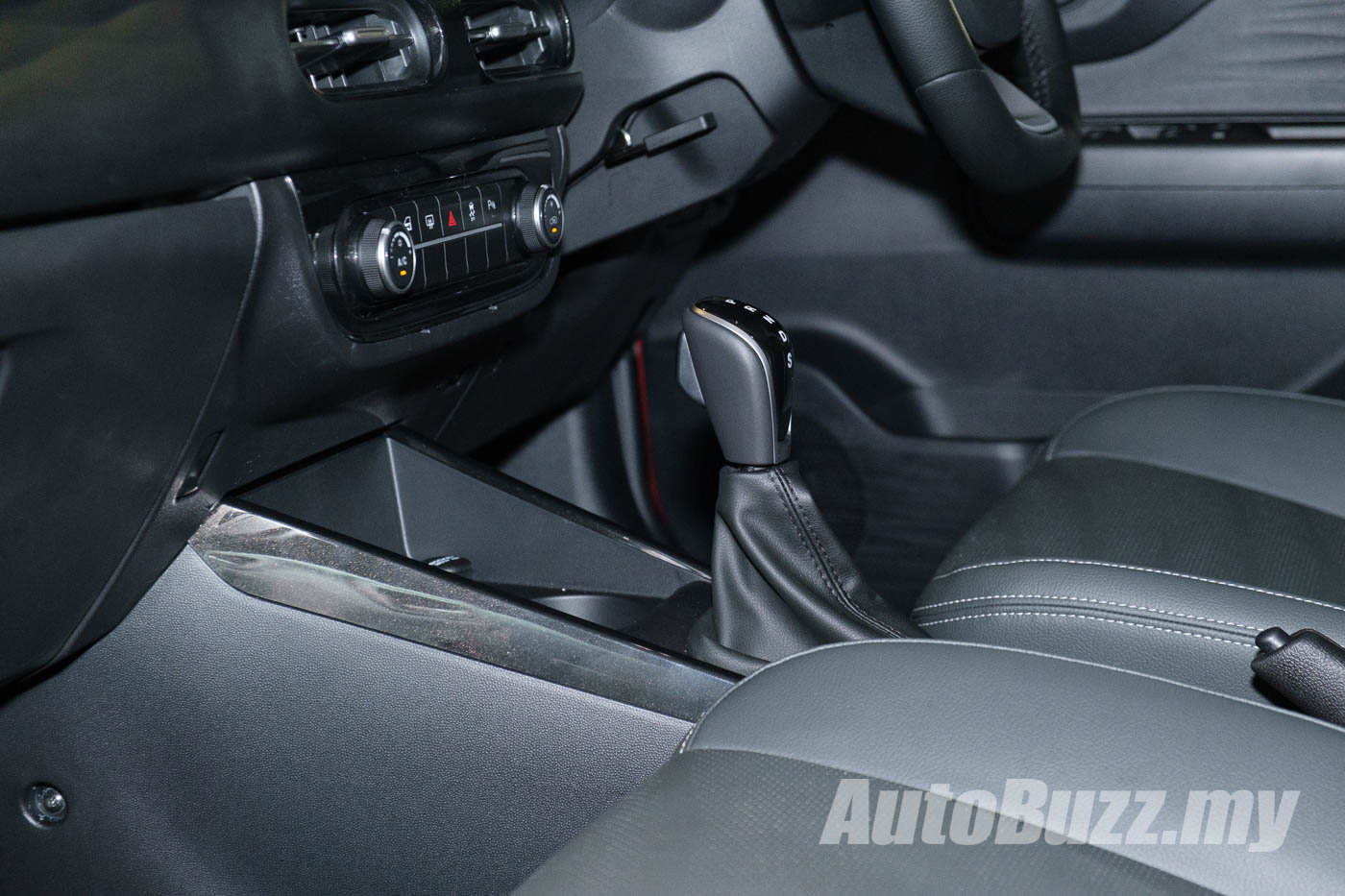
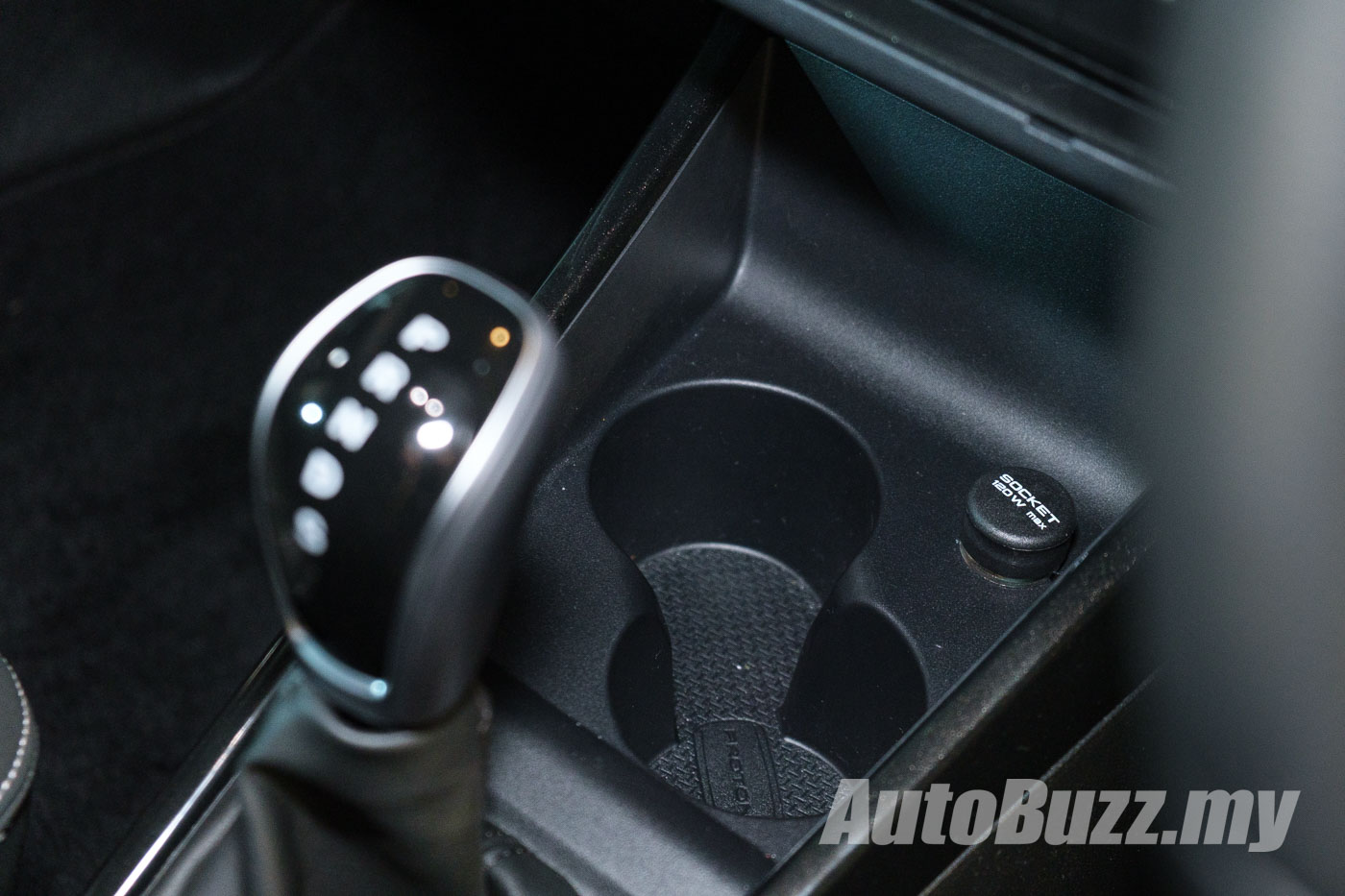
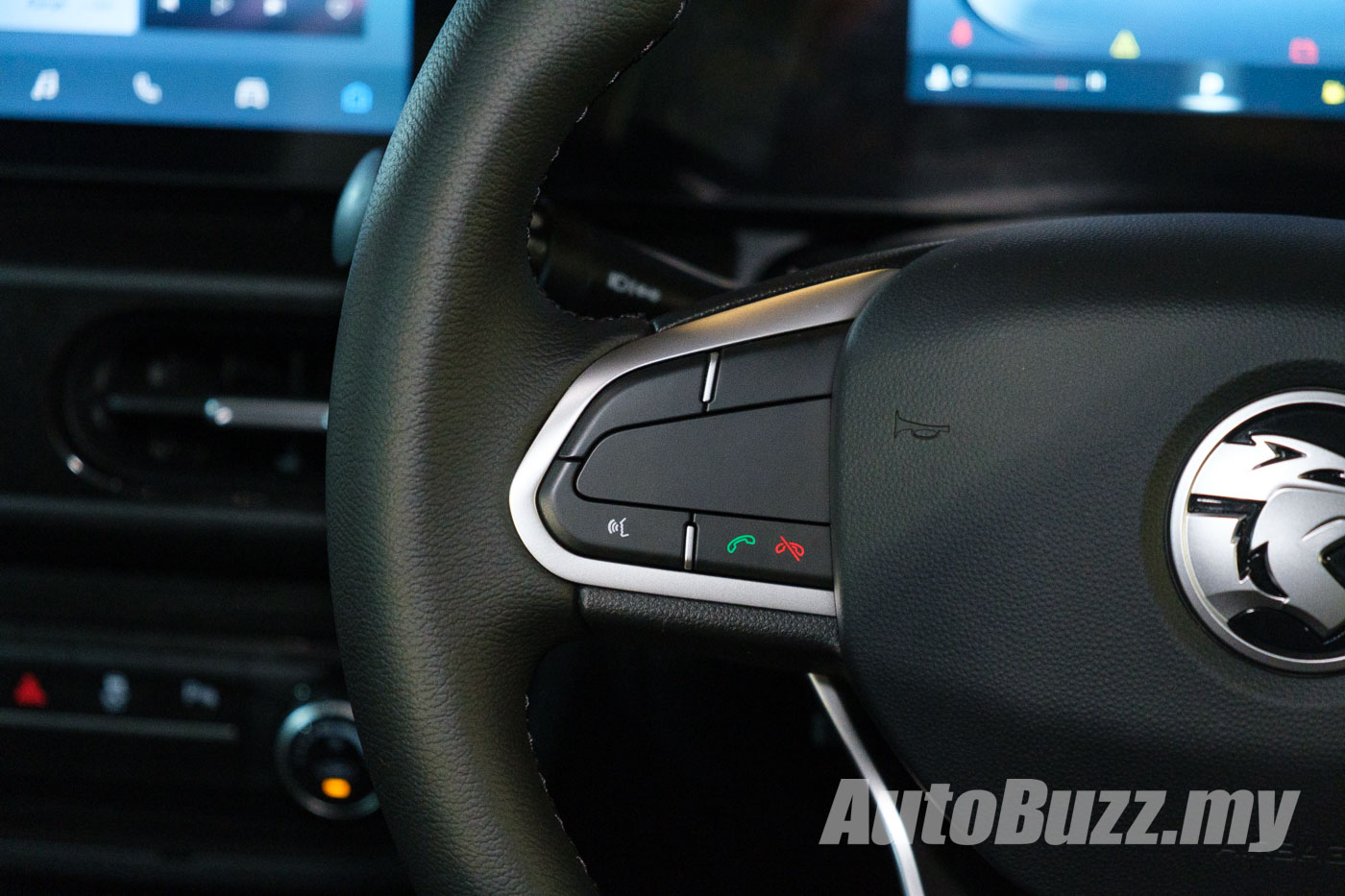
The centre console has also seen a significant redesign, with the gear lever (now with illuminated gear indicators) now positioned higher and closer to the D-shaped steering wheel for ease of use.
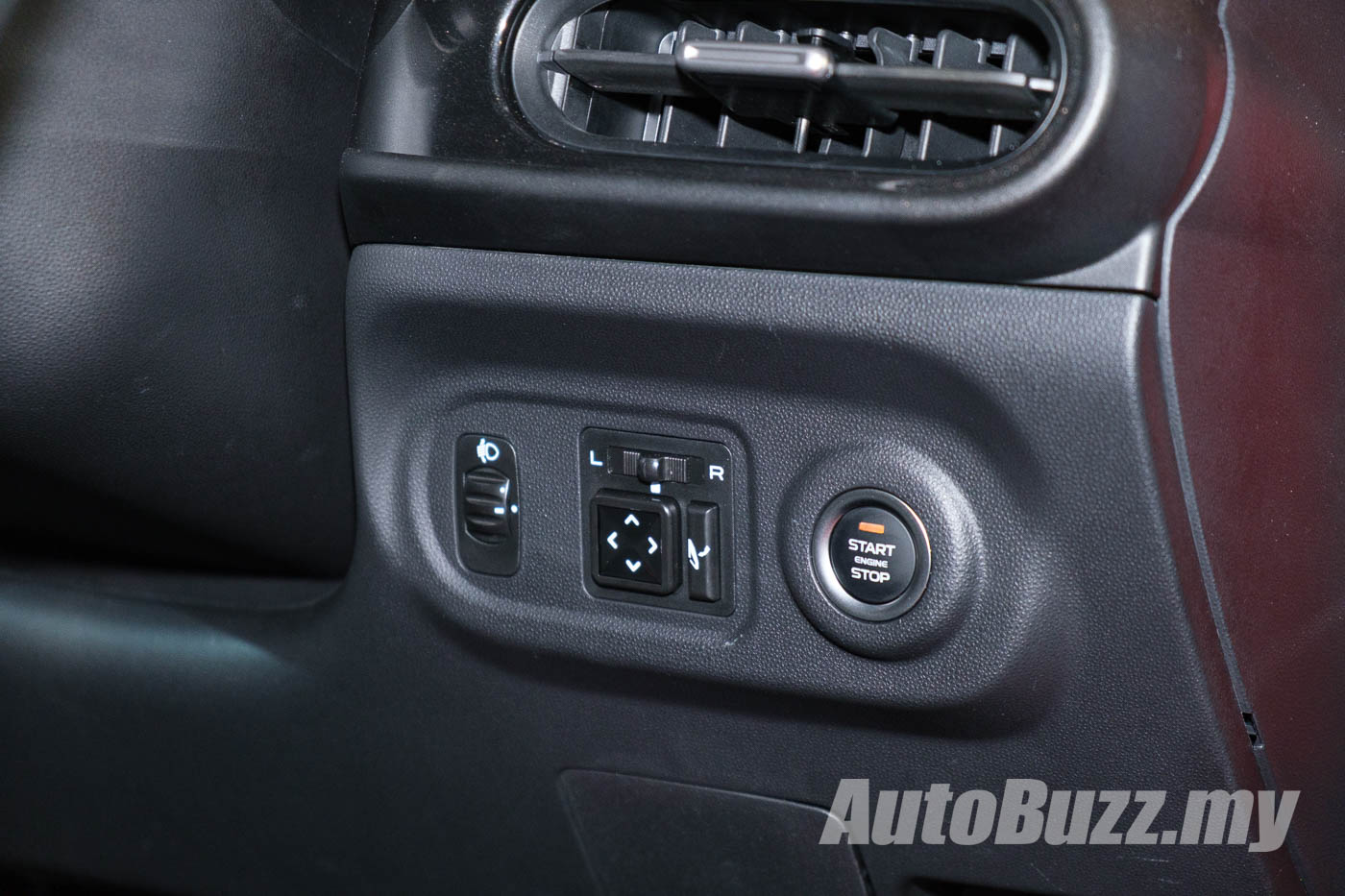
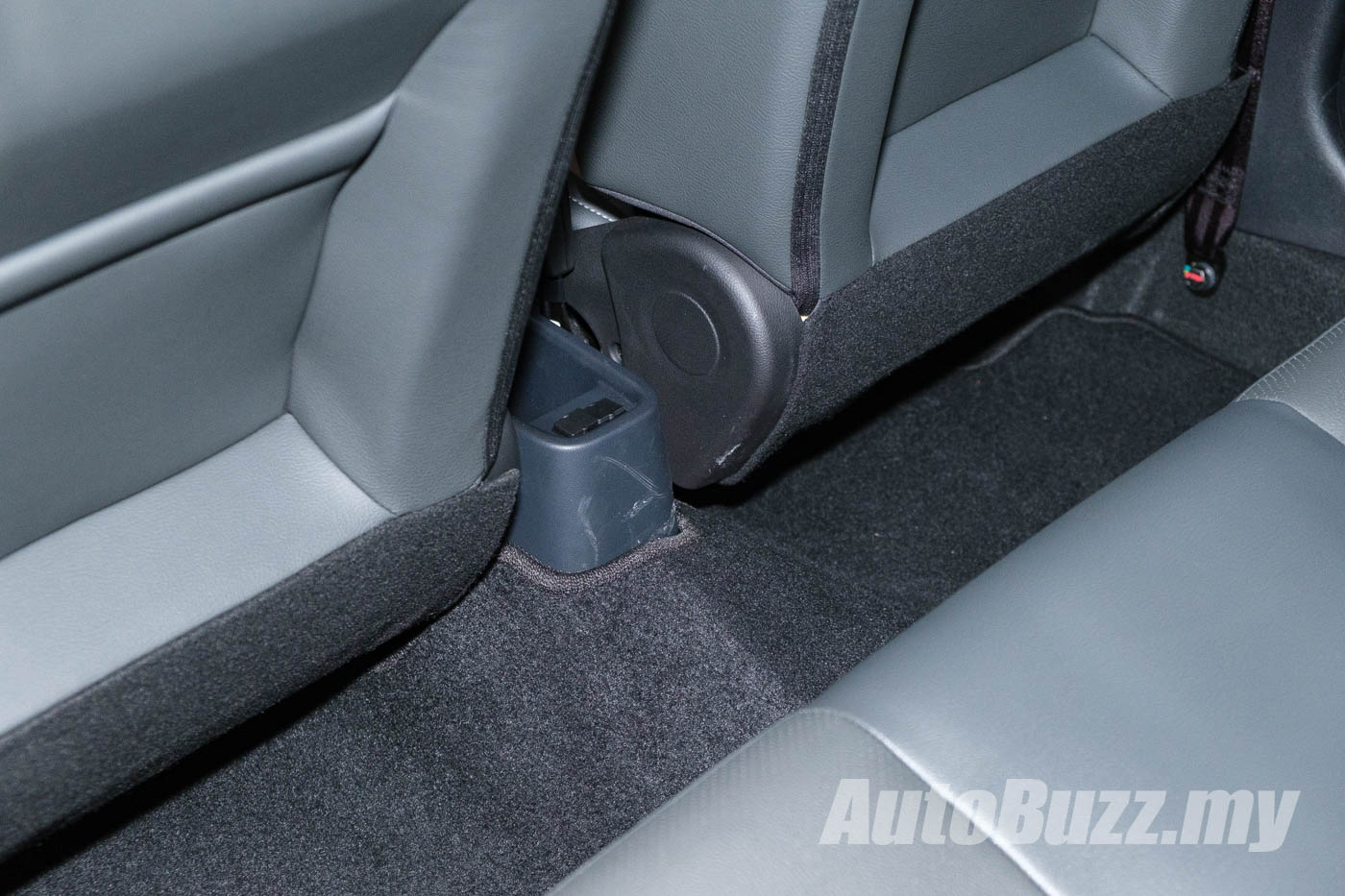
Other improvements here come in the form of usability upgrades, including the new diagonal cupholder mouldings that will allow you to actually fit two cups side-by-side, a new teh tarik hook on the passenger side of the dashboard, as well as new USB ports behind the mechanical handbrake.
You’ll also get wireless (!) Apple CarPlay and Android Auto connectivity right from the factory, and the screen’s operating system is also inspired by smartphone UX for easier access to key functions while driving. Oh, aircon controls are also still governed by physical knobs too.

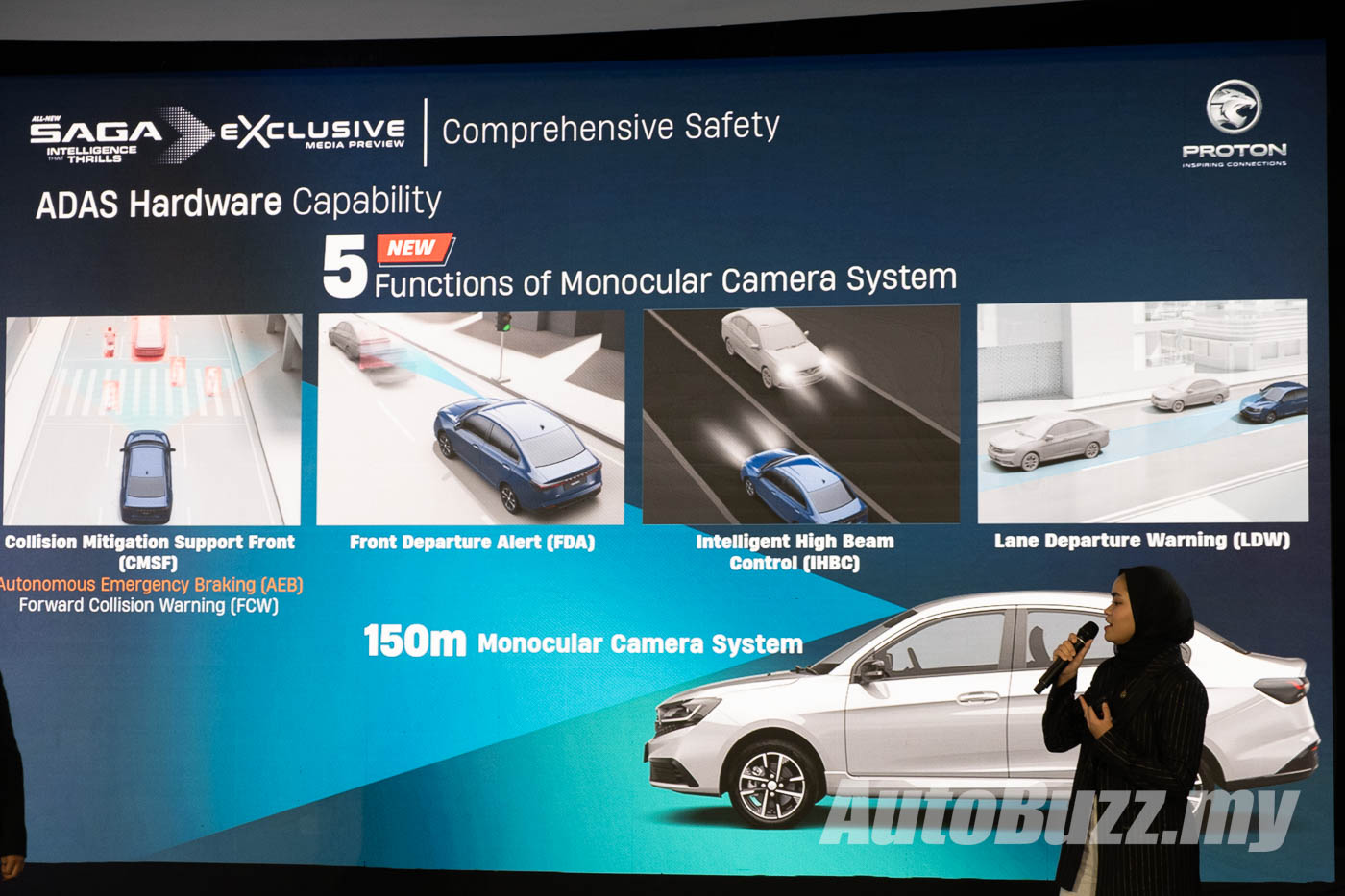
And for the first time ever on the Saga, it’ll also now come with advanced driver assistance features on the range-topping Premium variant, with the addition of a new monocular camera system at the top of the front windscreen, courtesy of the new AMA platform.
The forward-facing camera enables features such as forward collision warning and autonomous emergency braking (AEB) front departure alert, lane departure warning, and intelligent high beam. These are complemented by the Rear Side Radar System (RSRS), which adds blind spot monitoring with lane change assist, rear collision warning, rear cross traffic alert, and door opening warning.
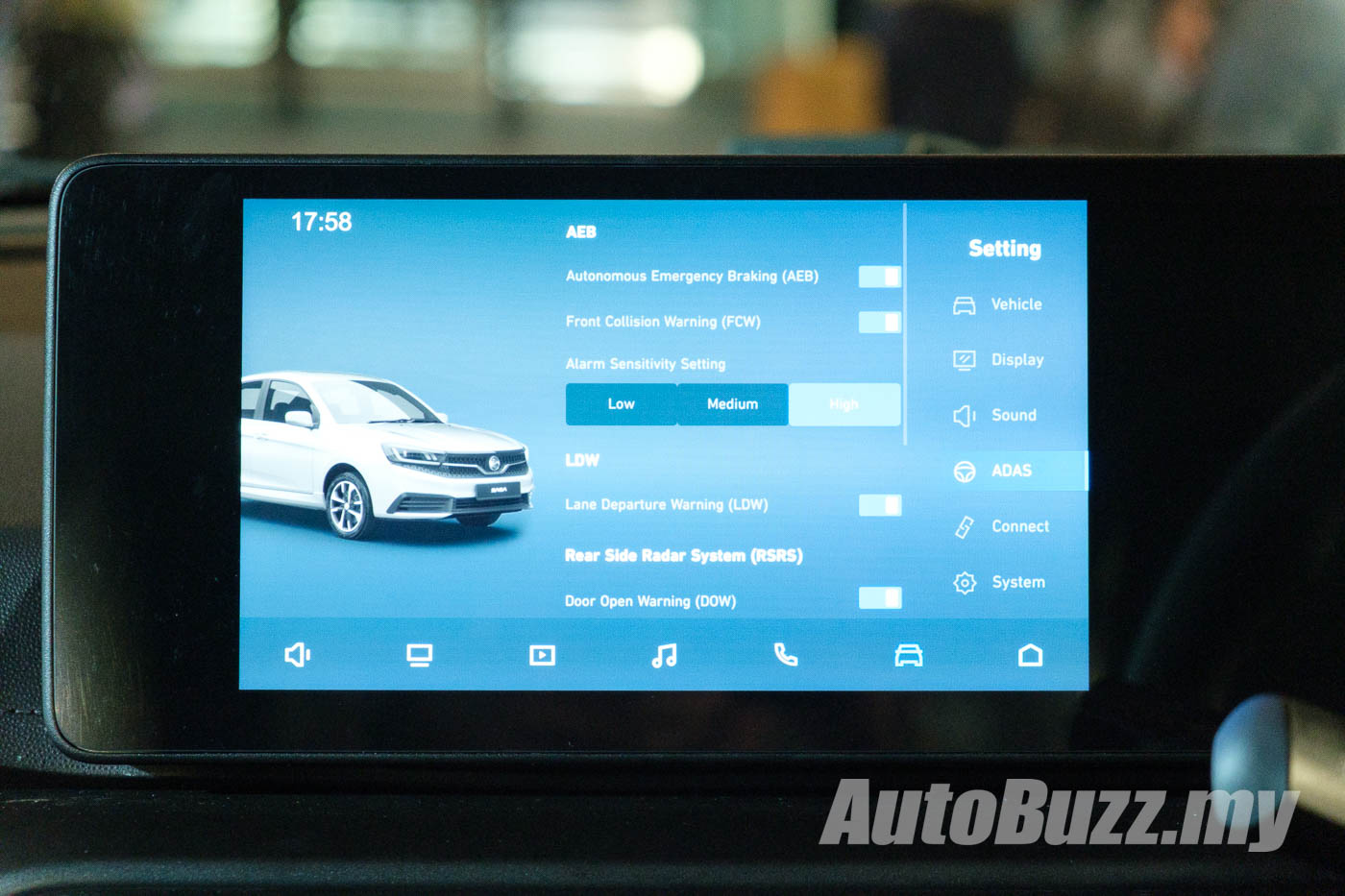
Its rudimentary features (without steering intervention or L2 semi-autonomous driving) are to be expected given the Saga’s MO, but Proton says that it’s also the first national car to complete the latest ASEAN NCAP full AEB tests, which include motorcycle detection in movement and under braking.
Passive safety has been upgraded too, including the strengthened chassis in the reinforced safety structure (RESS), as well as now up to six airbags in certain variants. The old hydraulic power steering has also been swapped out for an electric system for better manoeuvrability.
The jury’s still out on the actual ASEAN NCAP scores, but preliminary result based on the outgoing (2021-2025) test protocol shared during the recent International Conference on Safety and Holistic Innovation for Future Vehicles (SHIFT 2025) revealed that the all-new Proton Saga has scored four stars in the safety ratings.
They say first impressions matter, and the all-new fourth-generation Proton Saga may have just made the strongest entrance so far in its entire 40-year lineage – one that signals the national carmaker’s renewed vigour in elevating its status and sales figures, both locally and in export markets.
All that’s left now is its pricing, which will only be revealed during its official launch, which should be happening sometime this month as hinted by DRB-Hicom group managing director, Syed Faisal Albar, during the launch of the Proton eMAS 5.
GALLERY