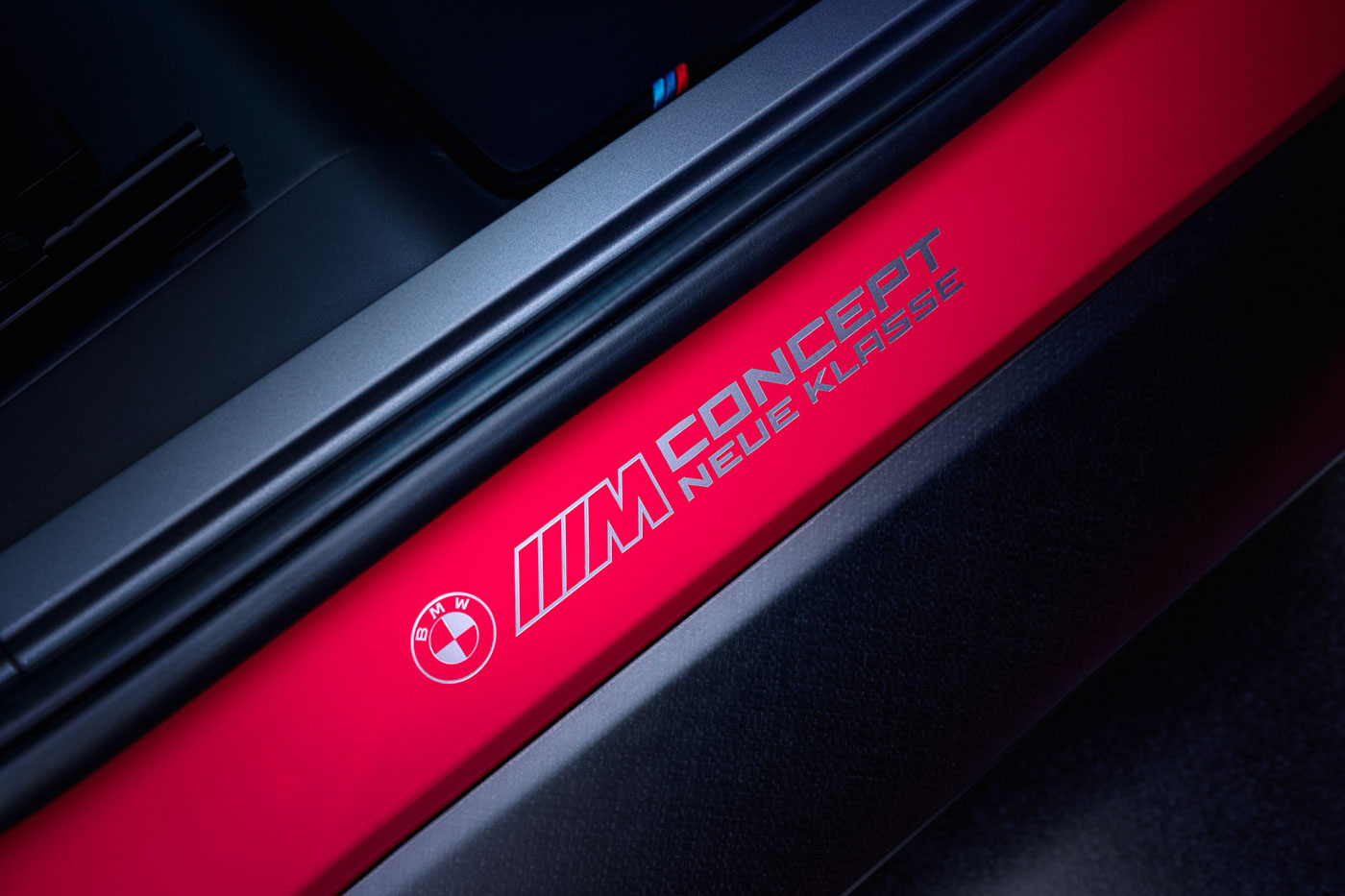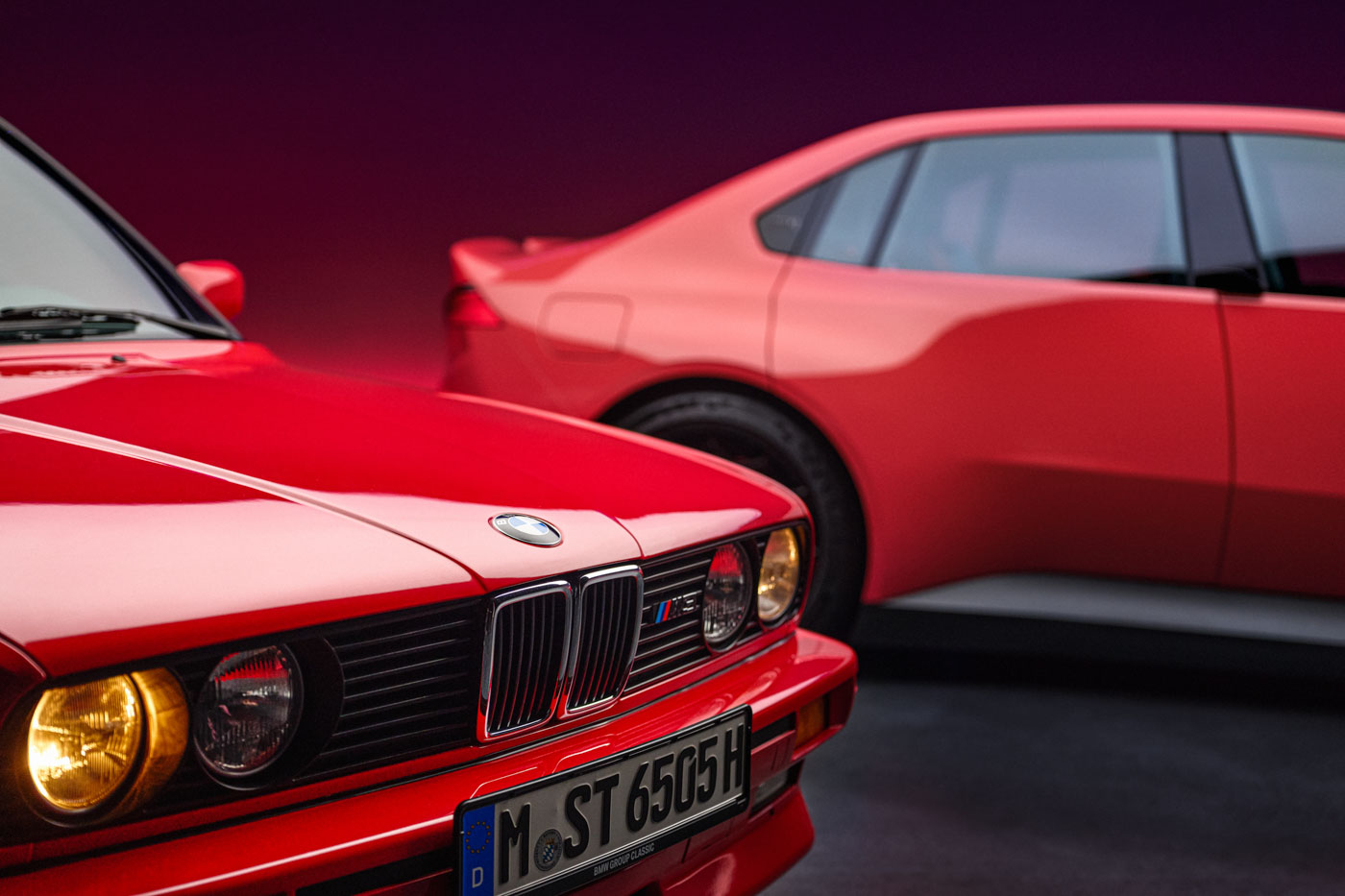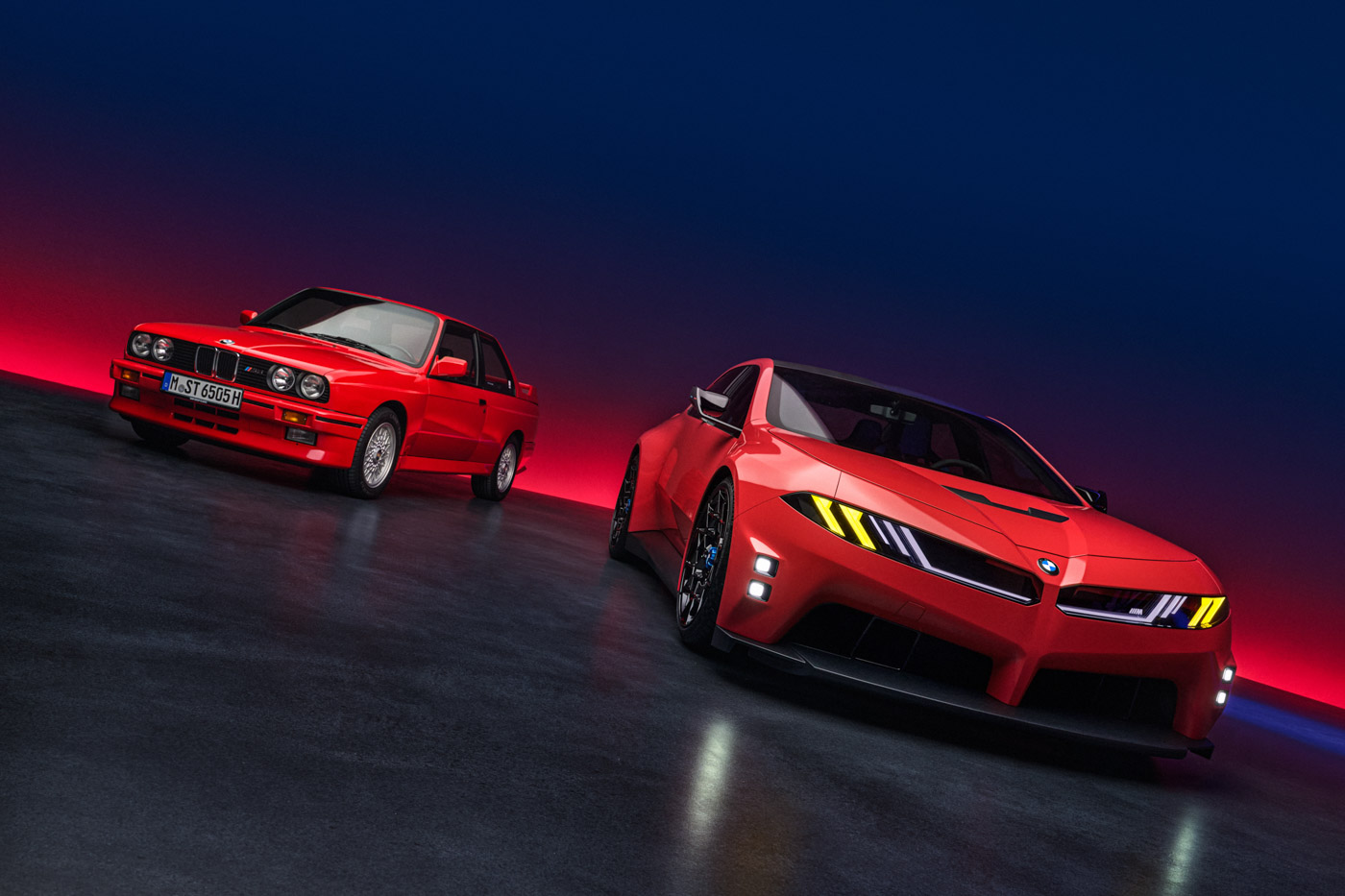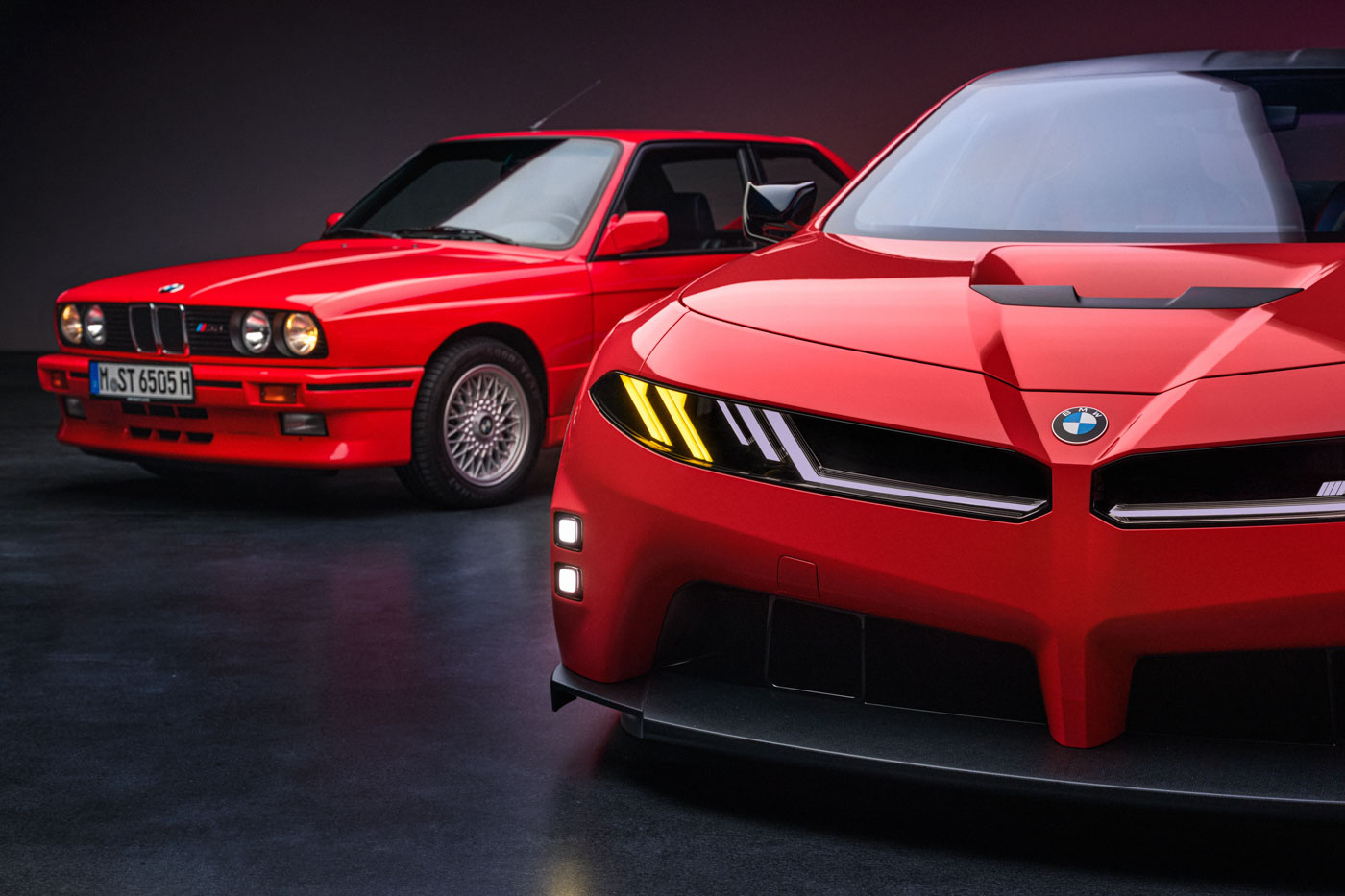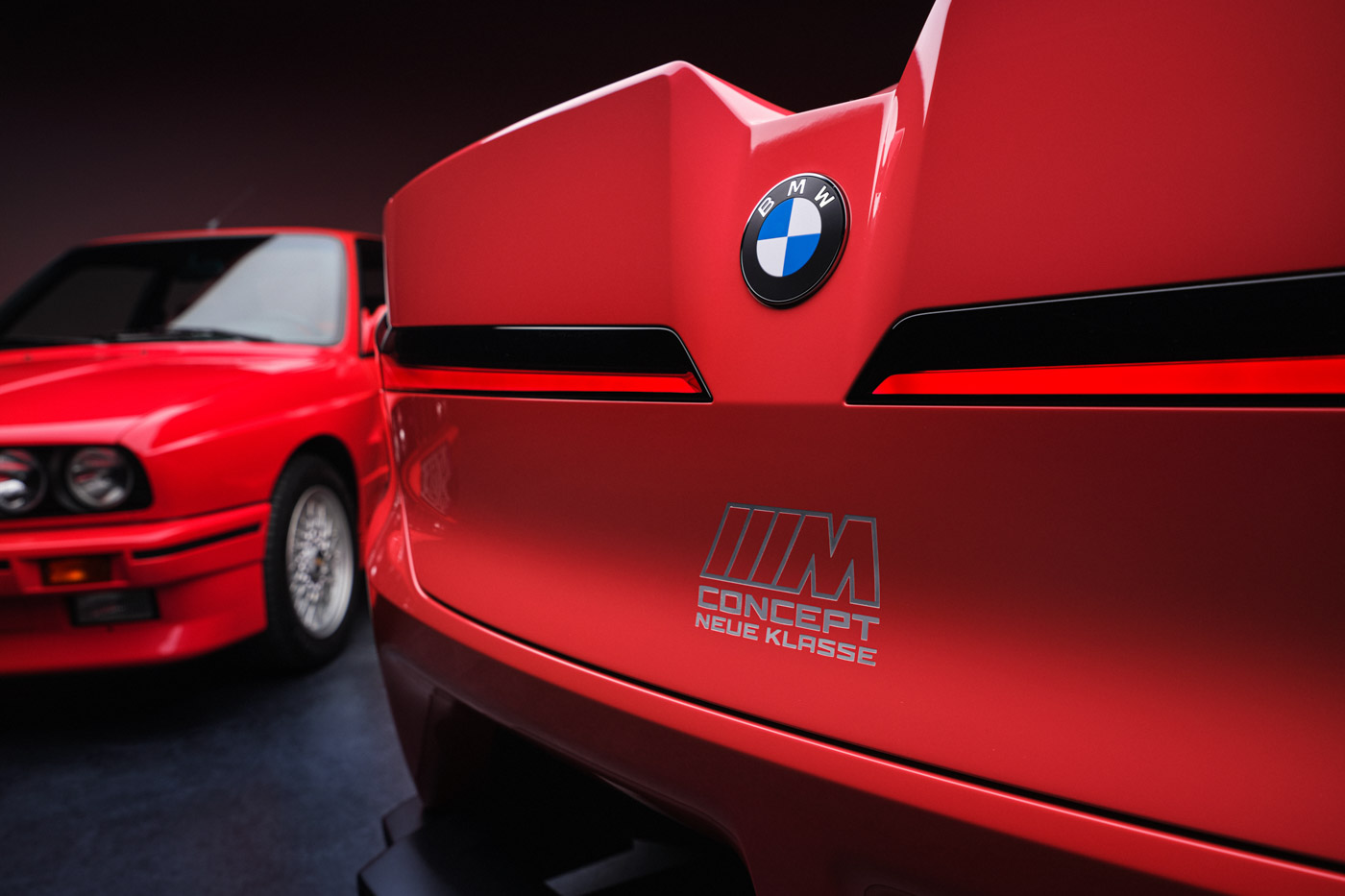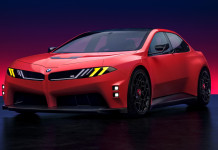
This may just be it. Revealed at the 24 Hours of Le Mans, the BMW M Concept Neue Klasse previews BMW’s all-electric performance future and could be our best look yet at the next-generation electric BMW M3.
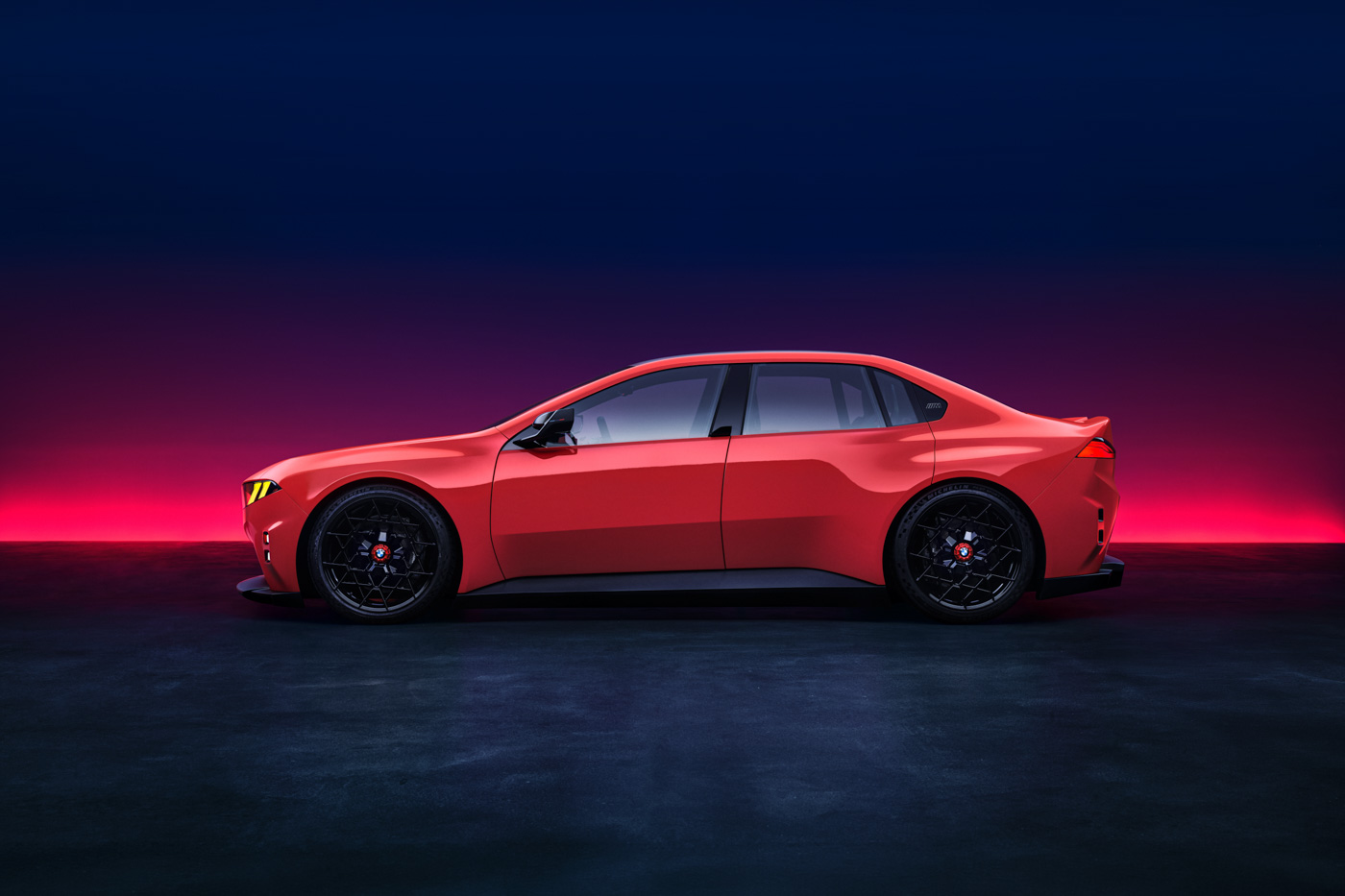
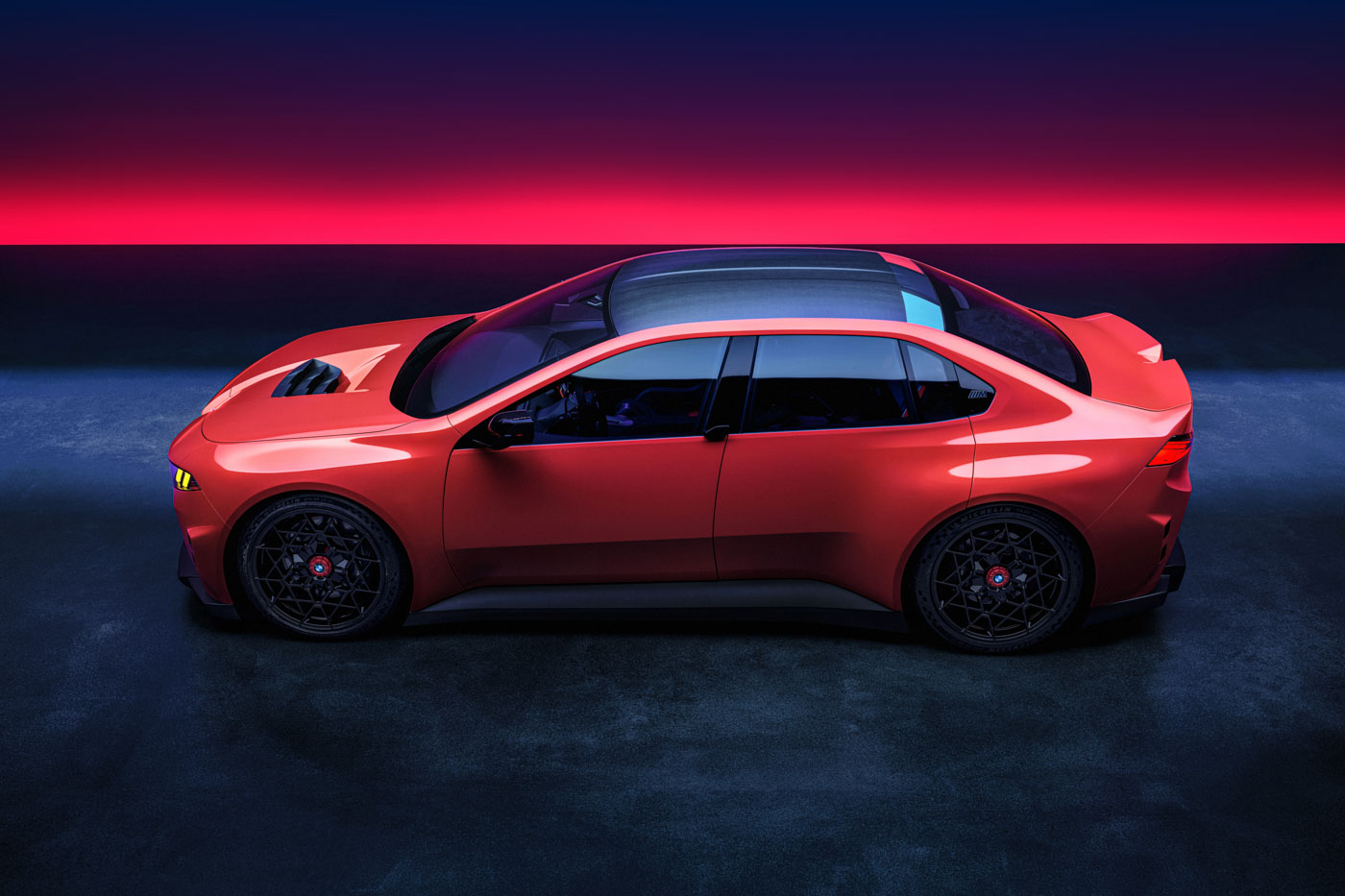
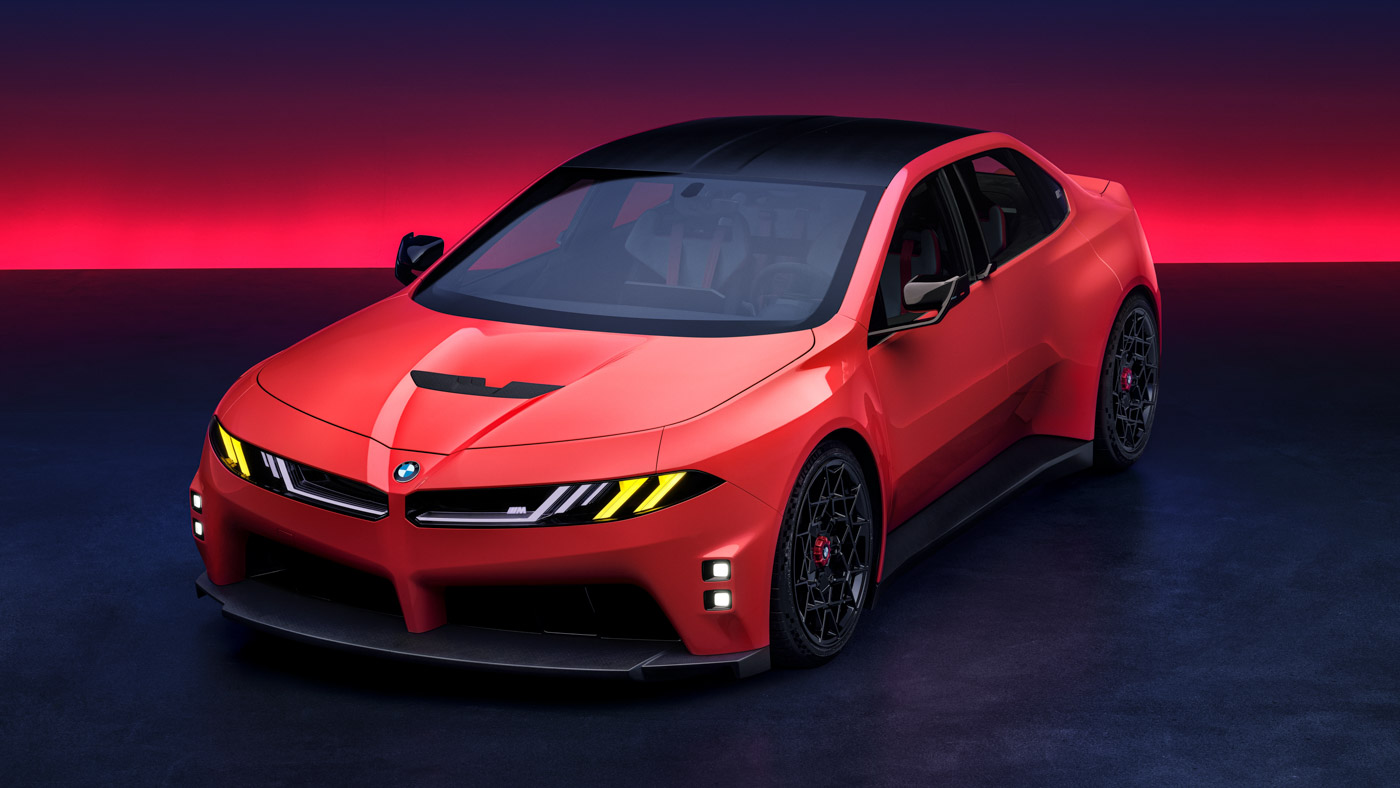
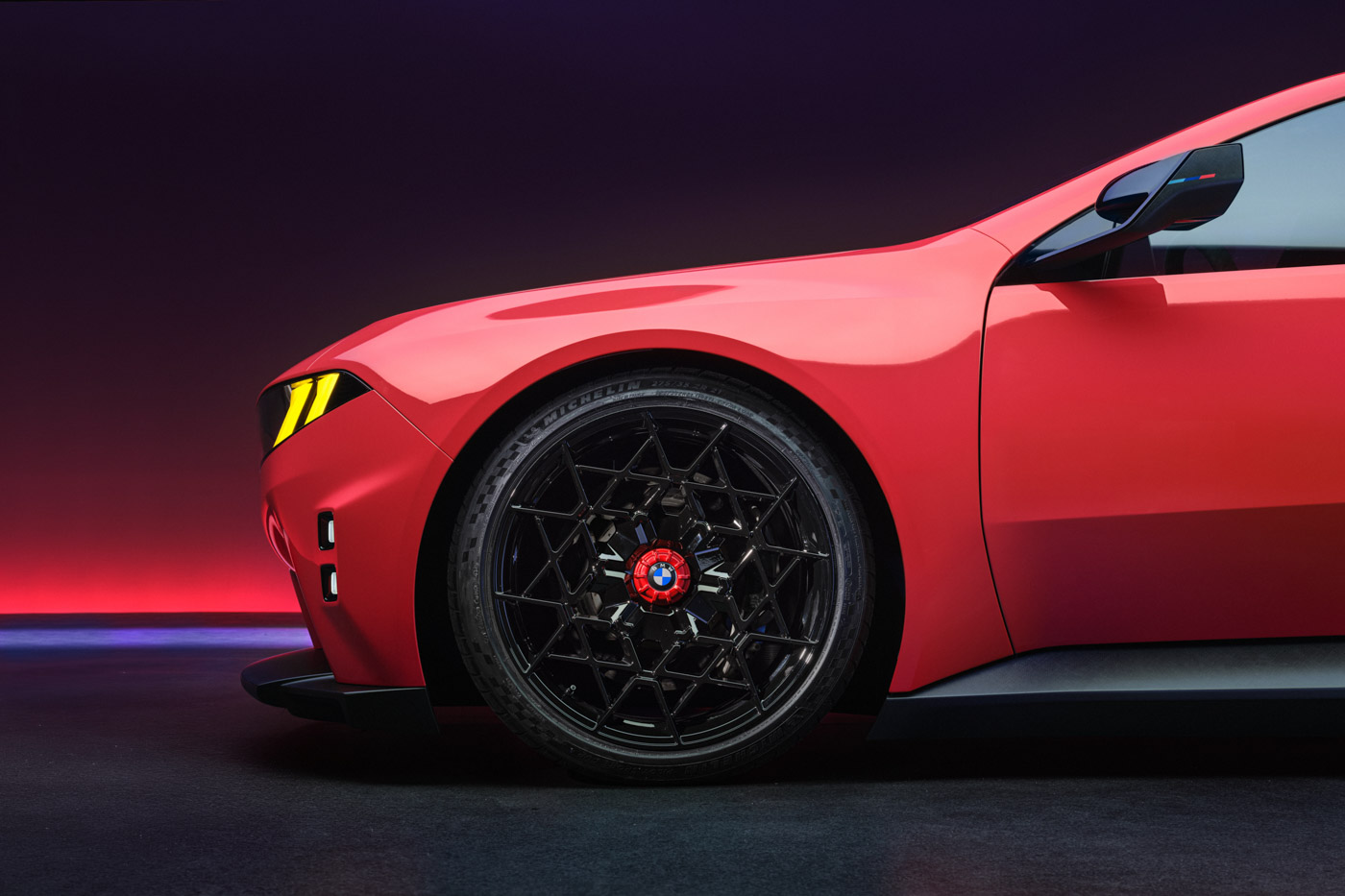
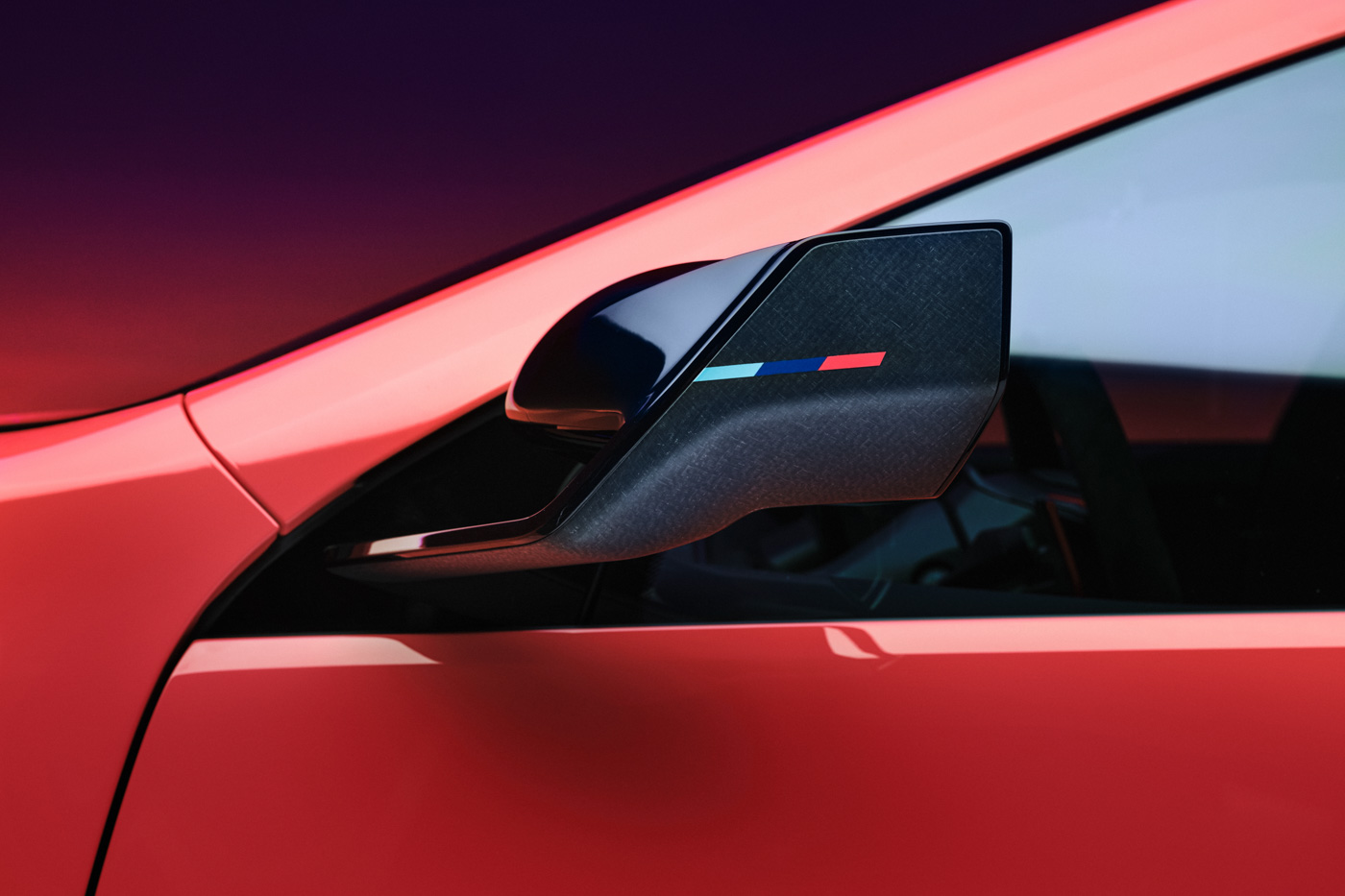
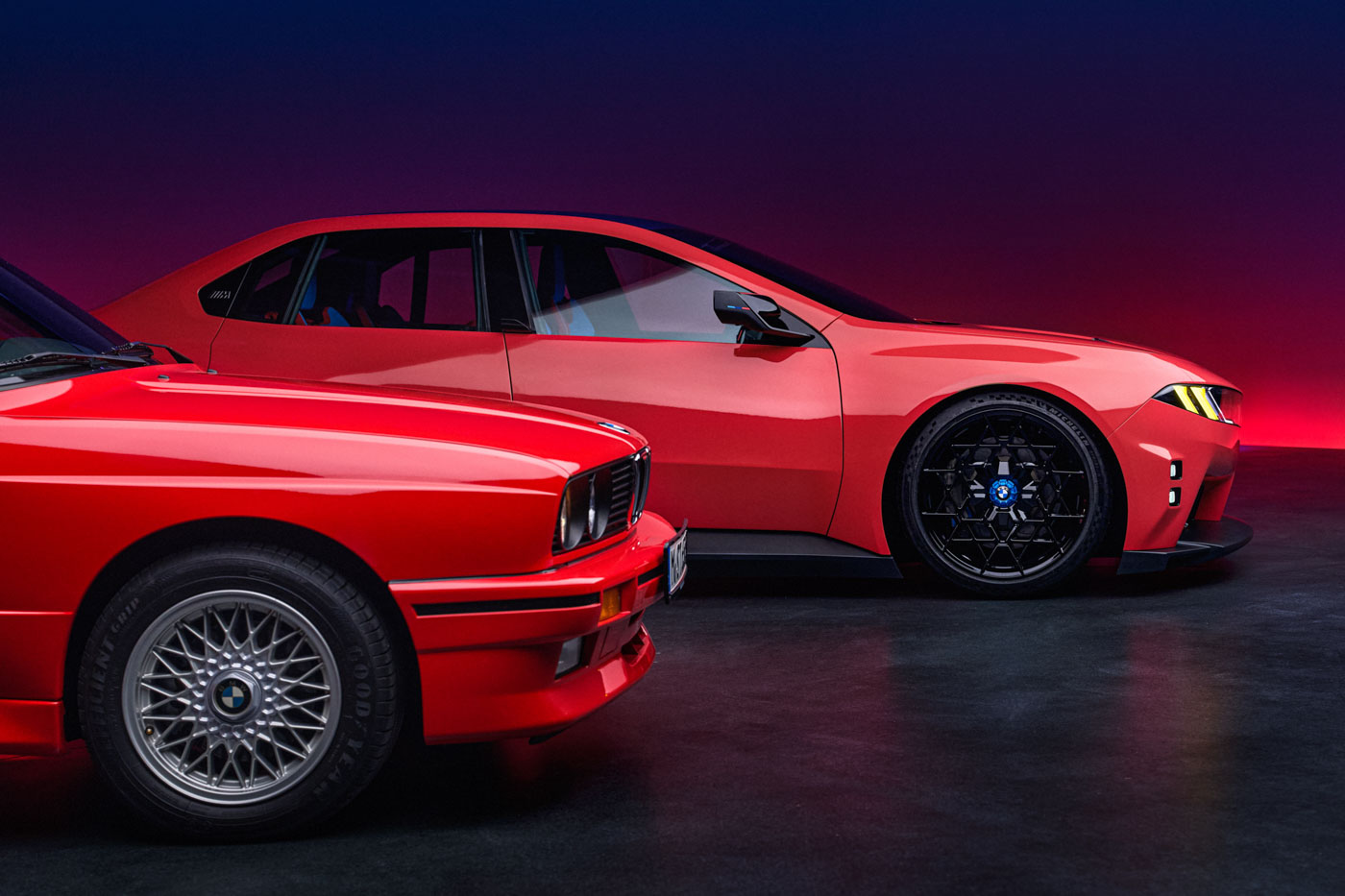
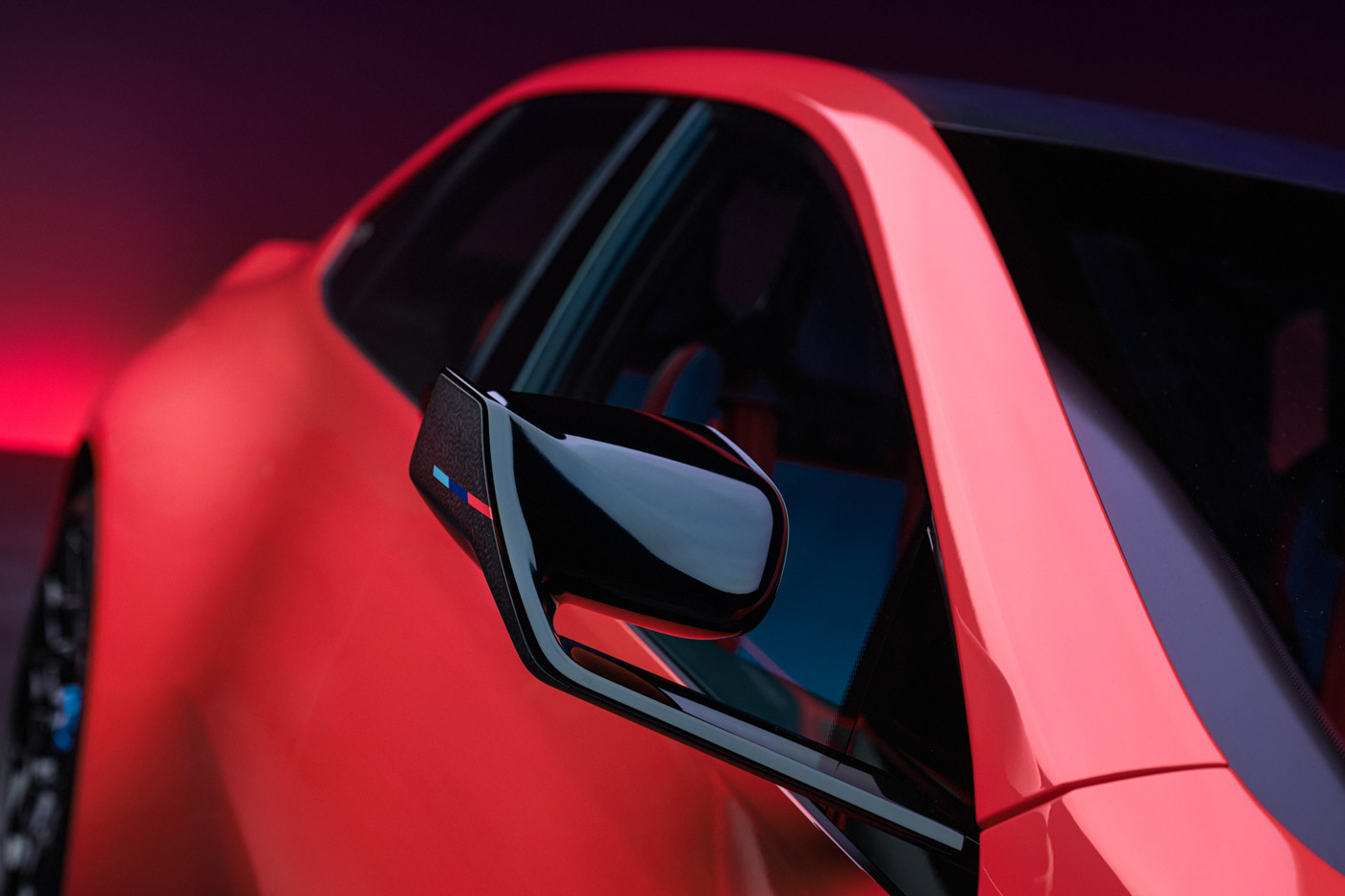
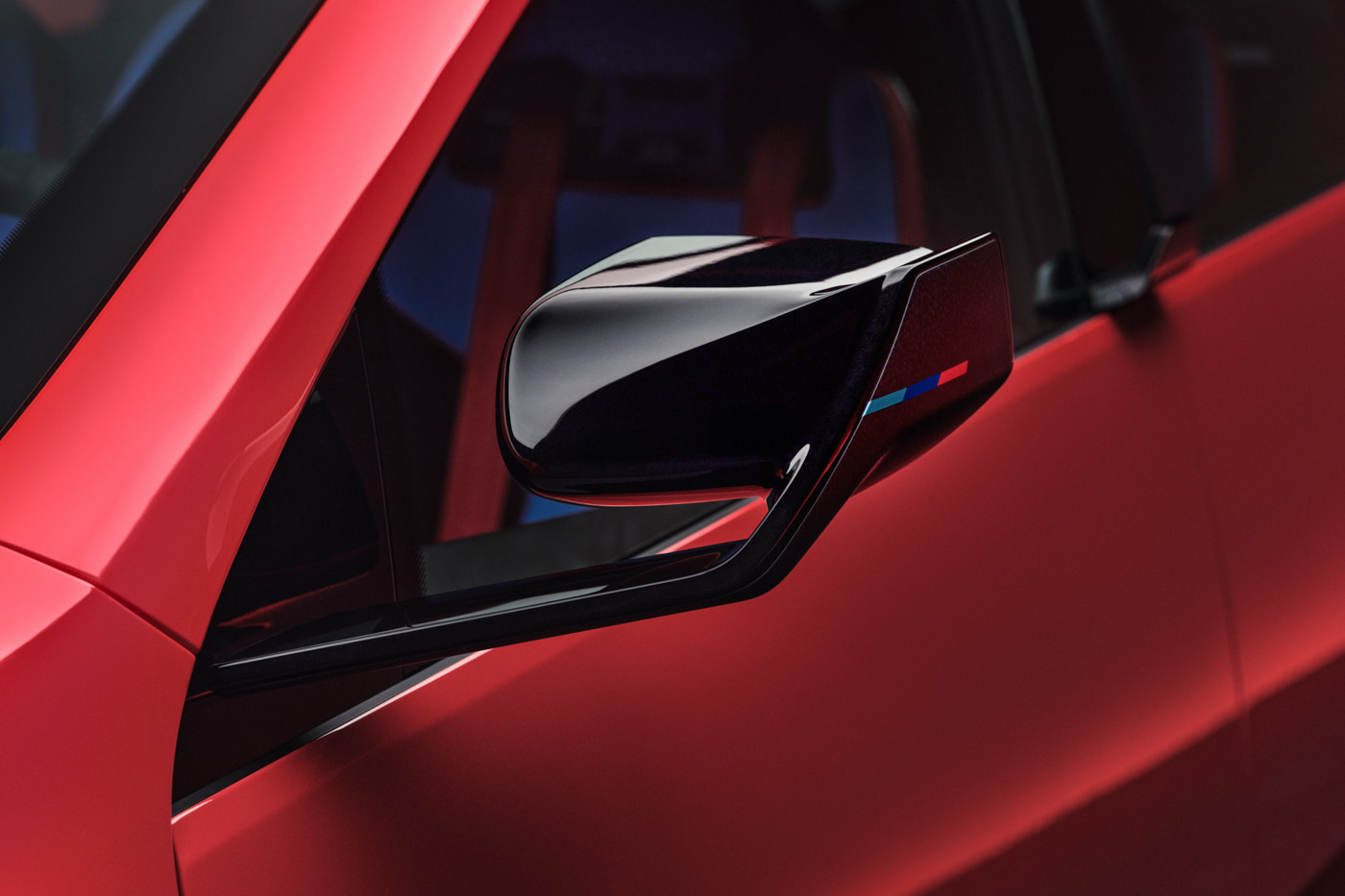
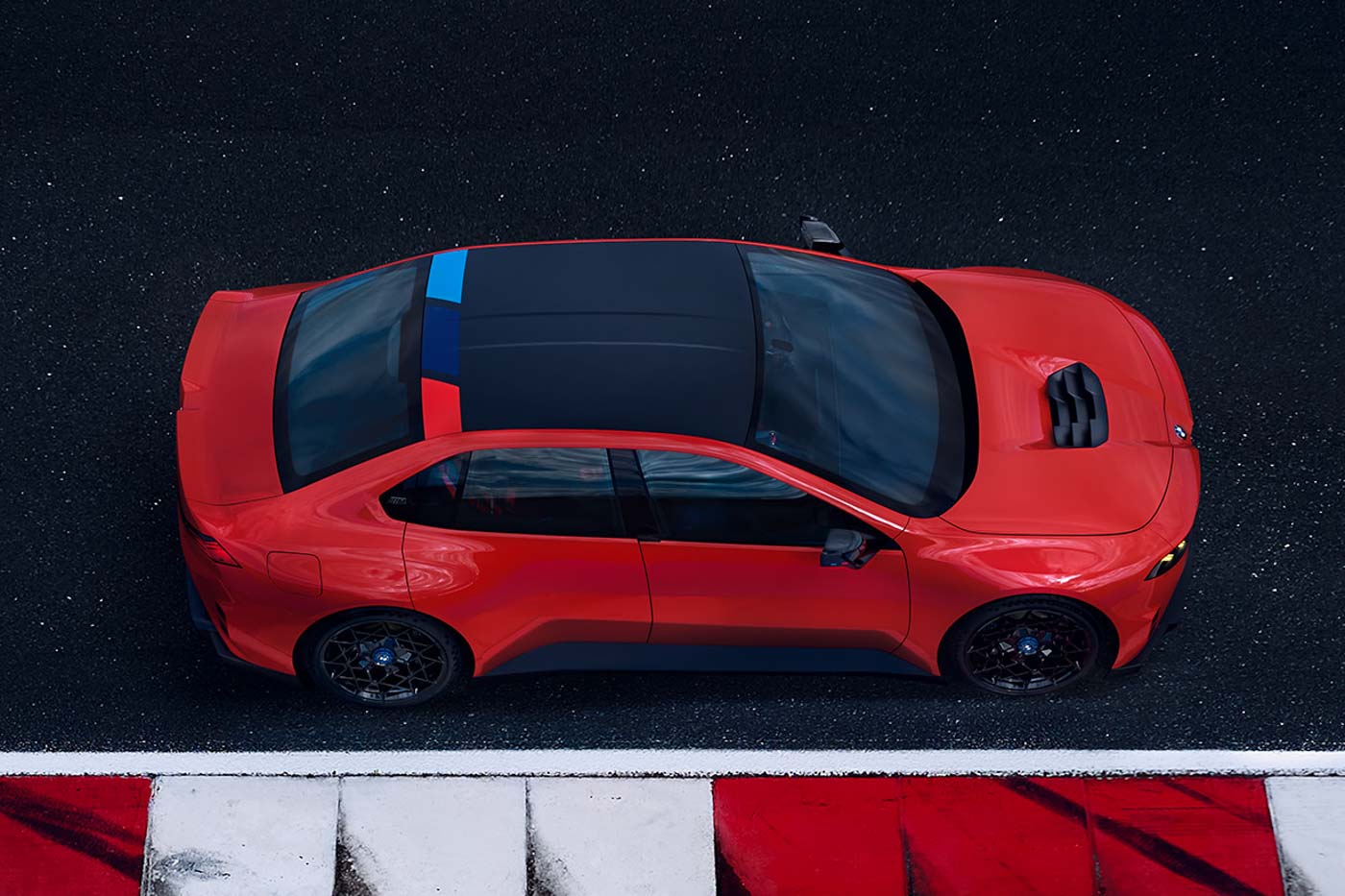
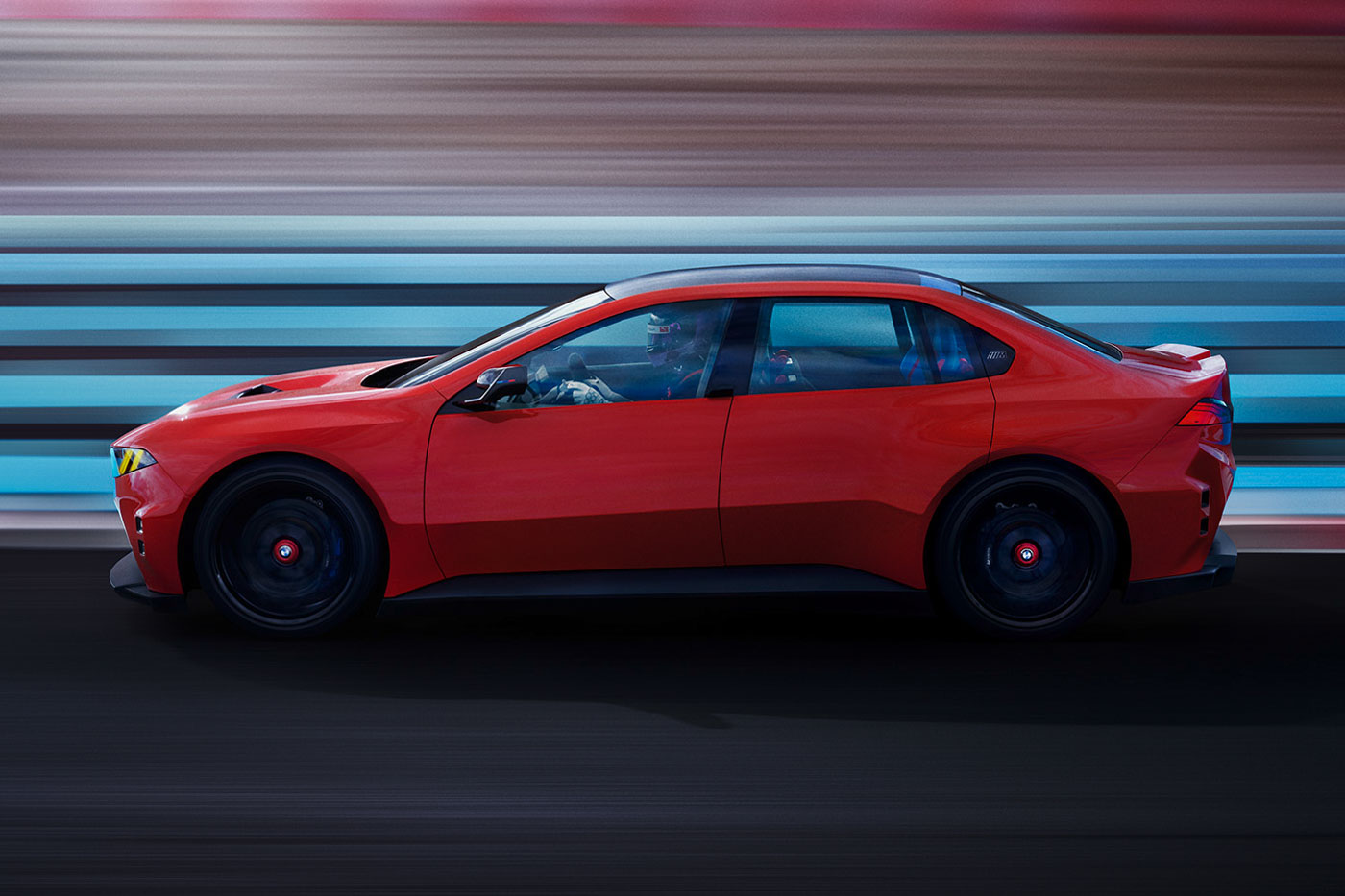
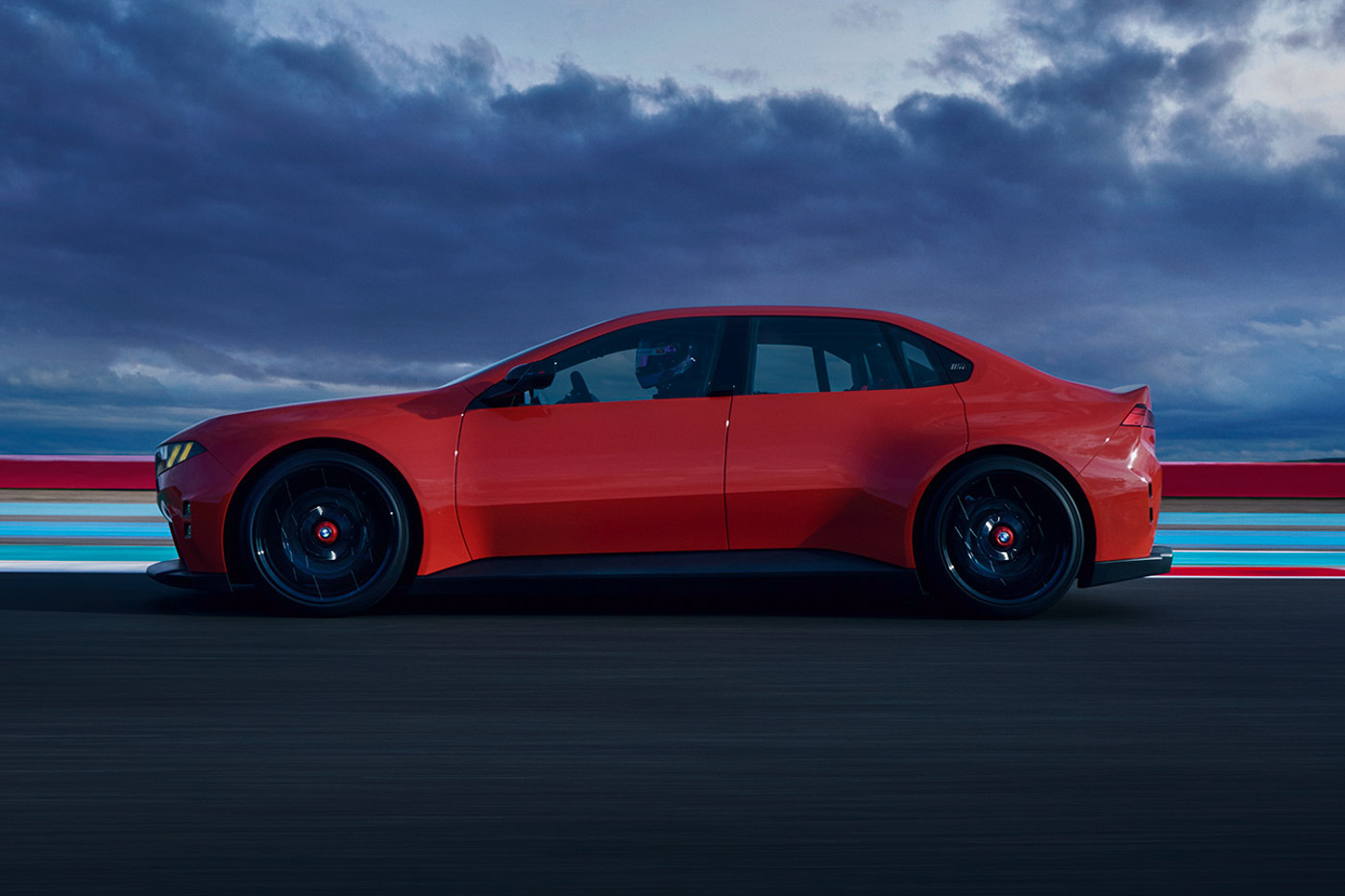
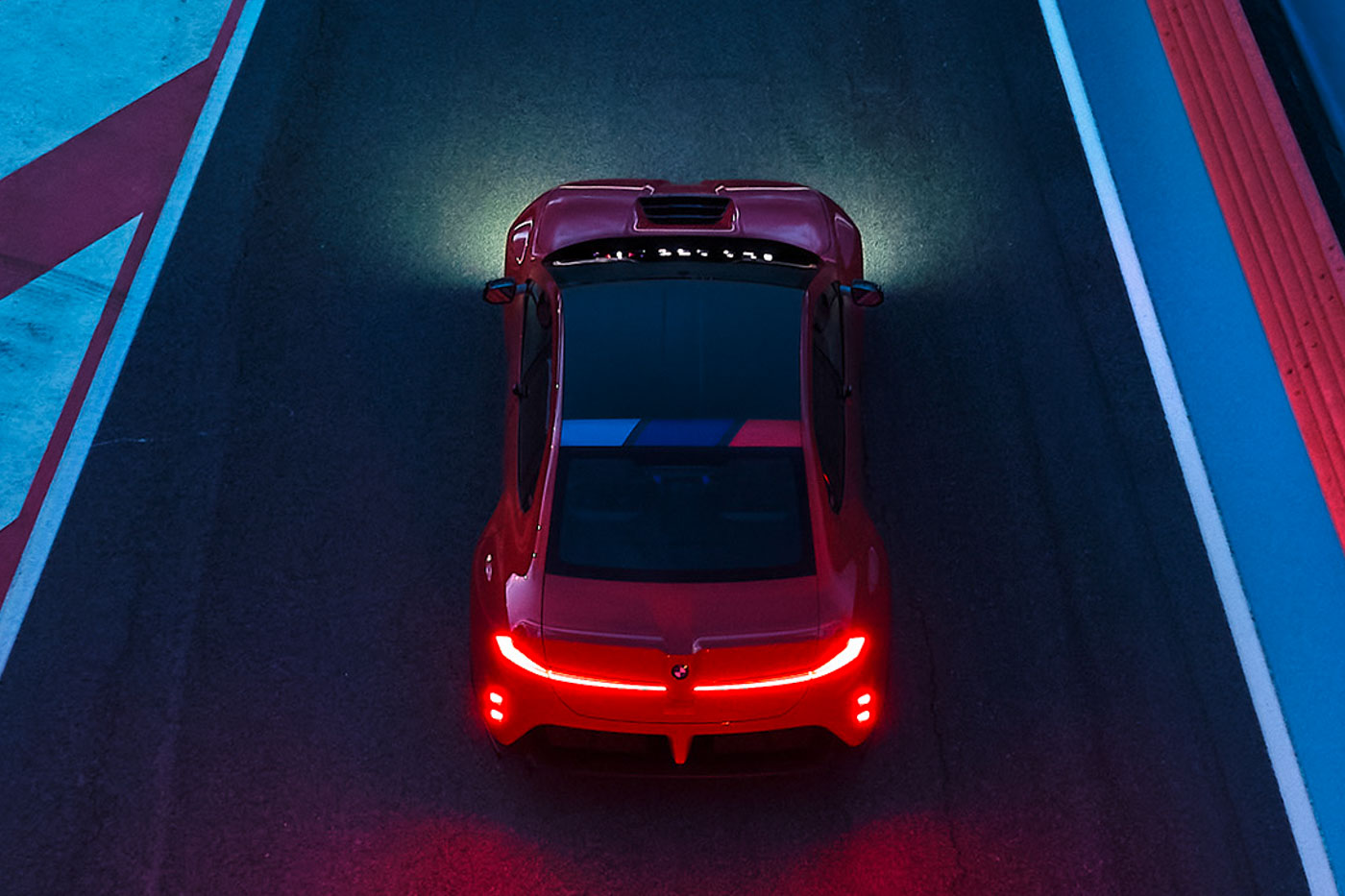
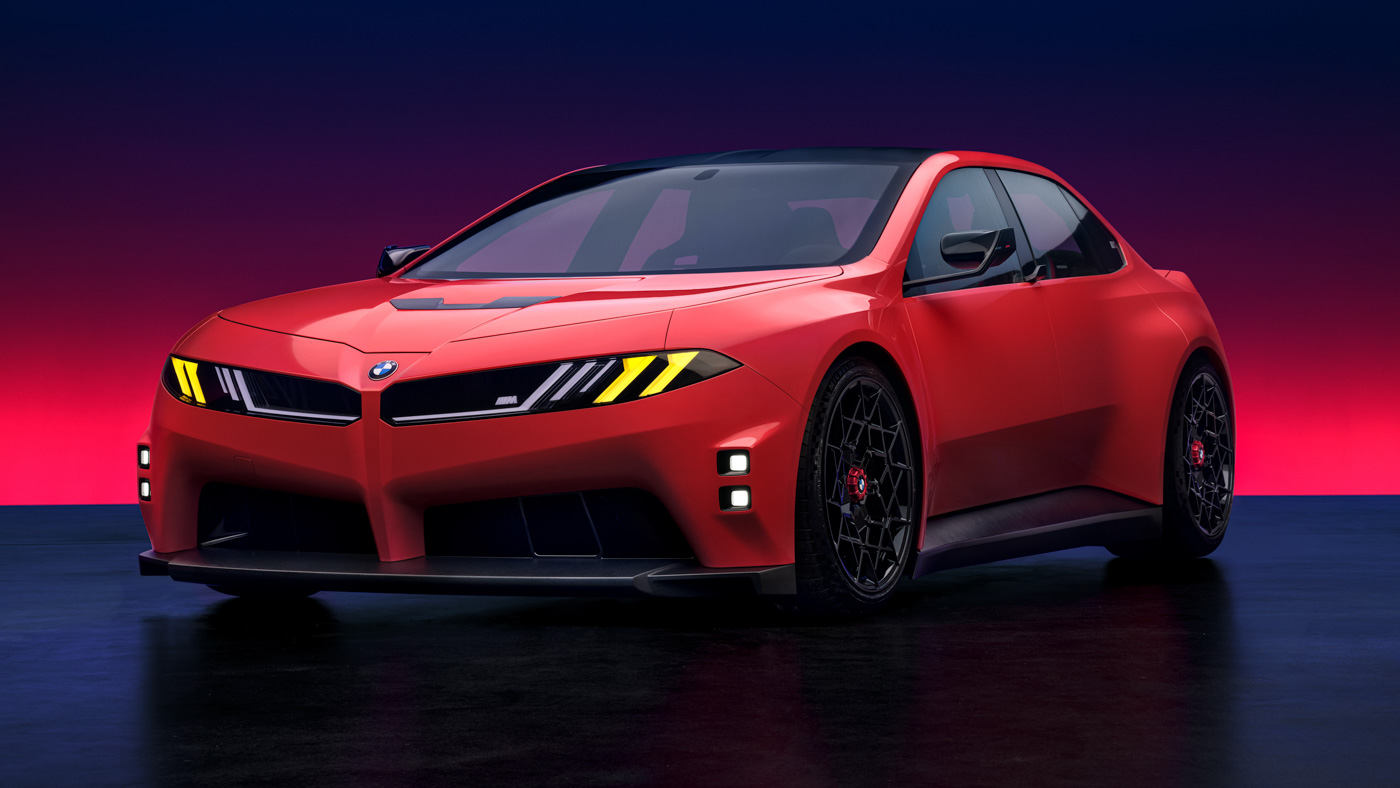
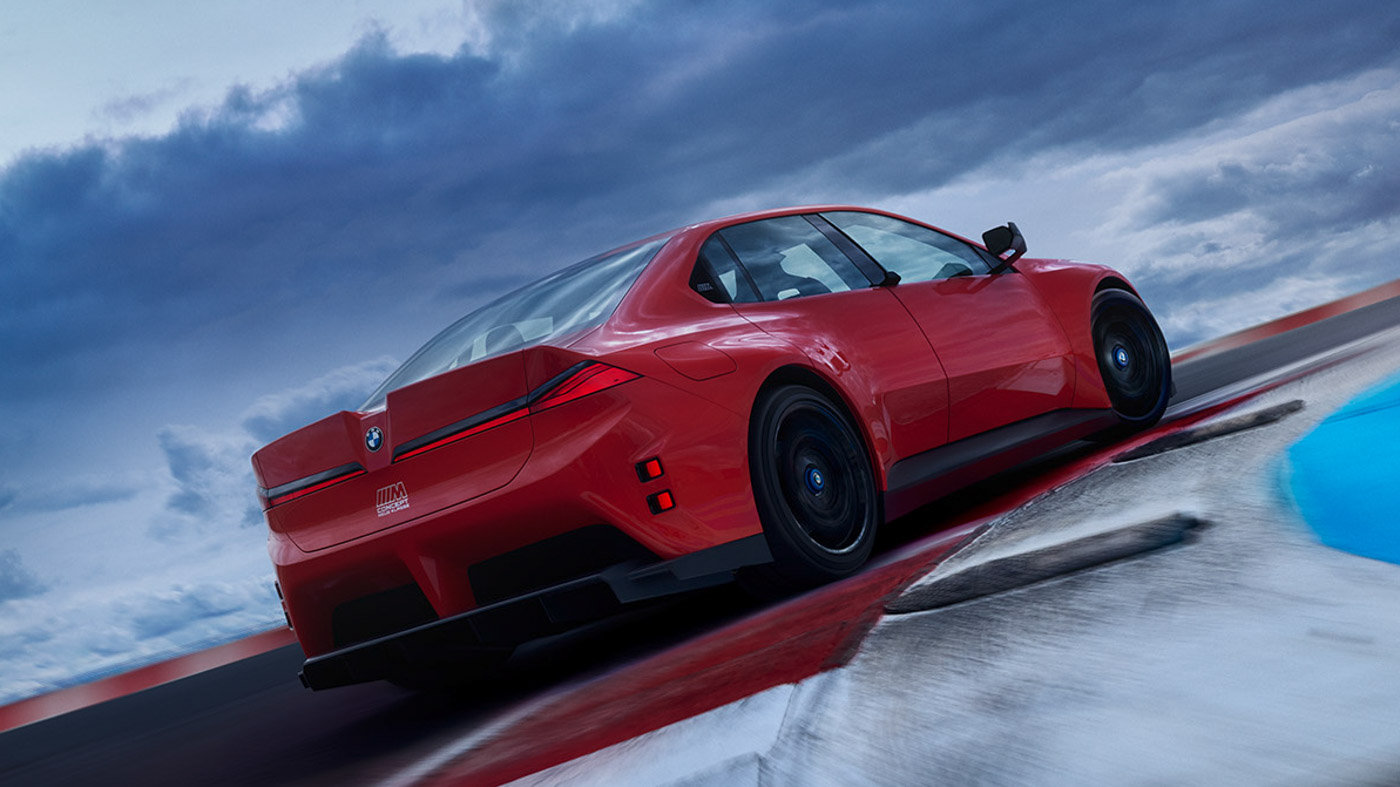
Based on the Neue Klasse 3 Series, the BMW M Concept Neue Klasse adopts a purposeful stance characterised by powerful proportions, crisp surfacing, and muscular shoulders that flow into pronounced wheel arches. Interestingly, its overall silhouette bears a striking resemblance to the leaked images that surfaced earlier this year. Complementing the aggressive styling are a host of M-specific aerodynamic enhancements, including newly designed M aero mirrors.
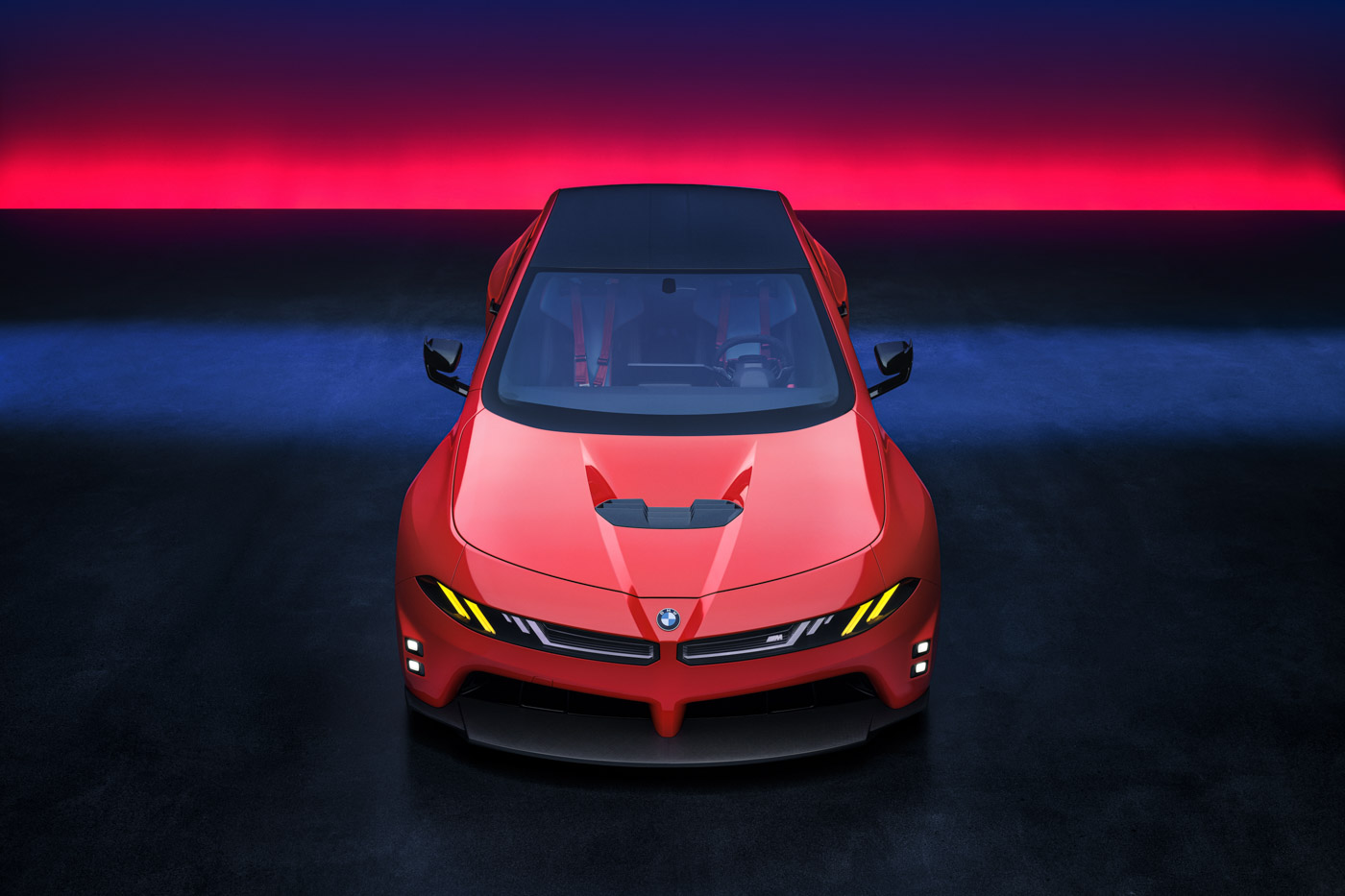
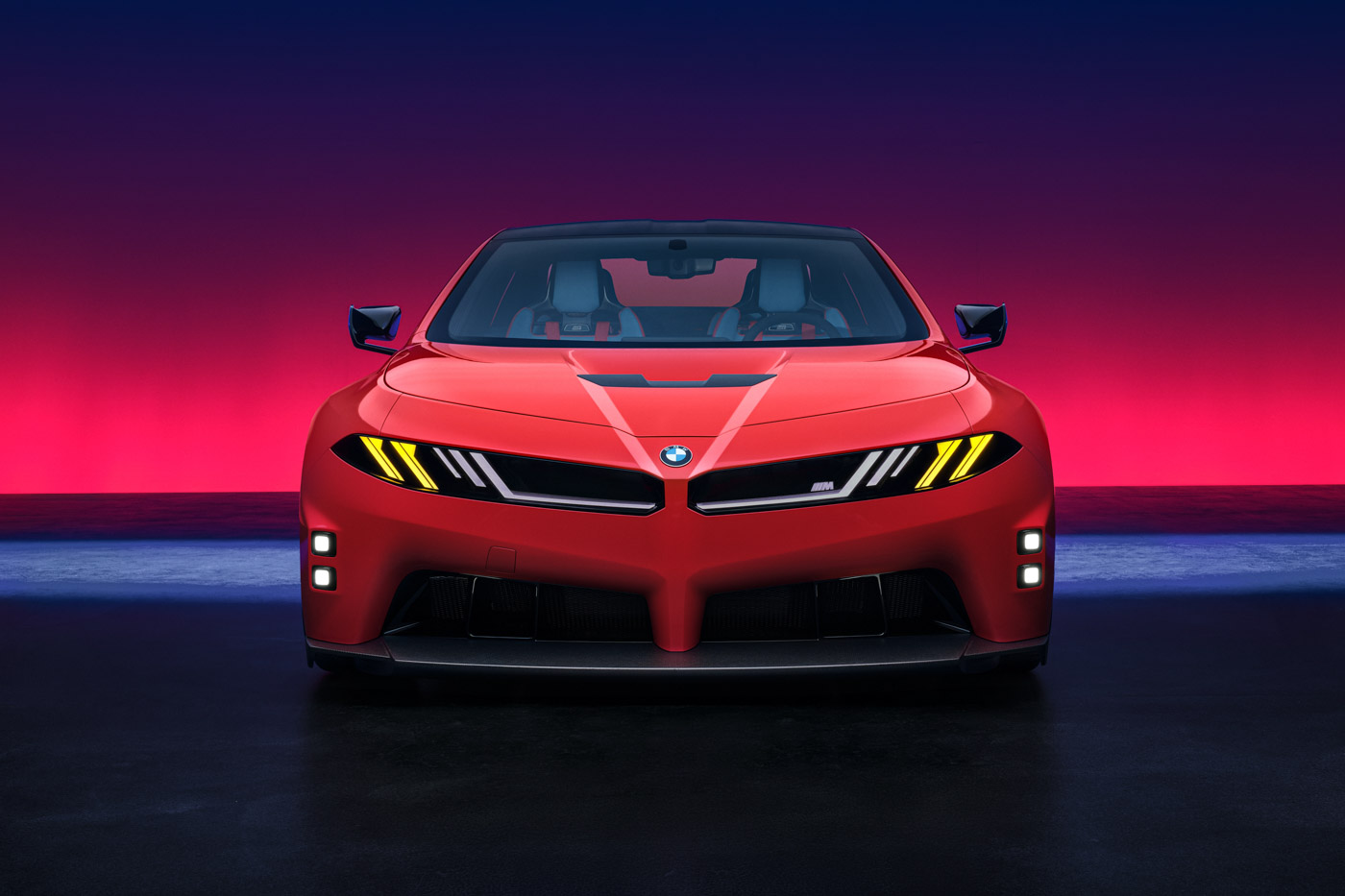
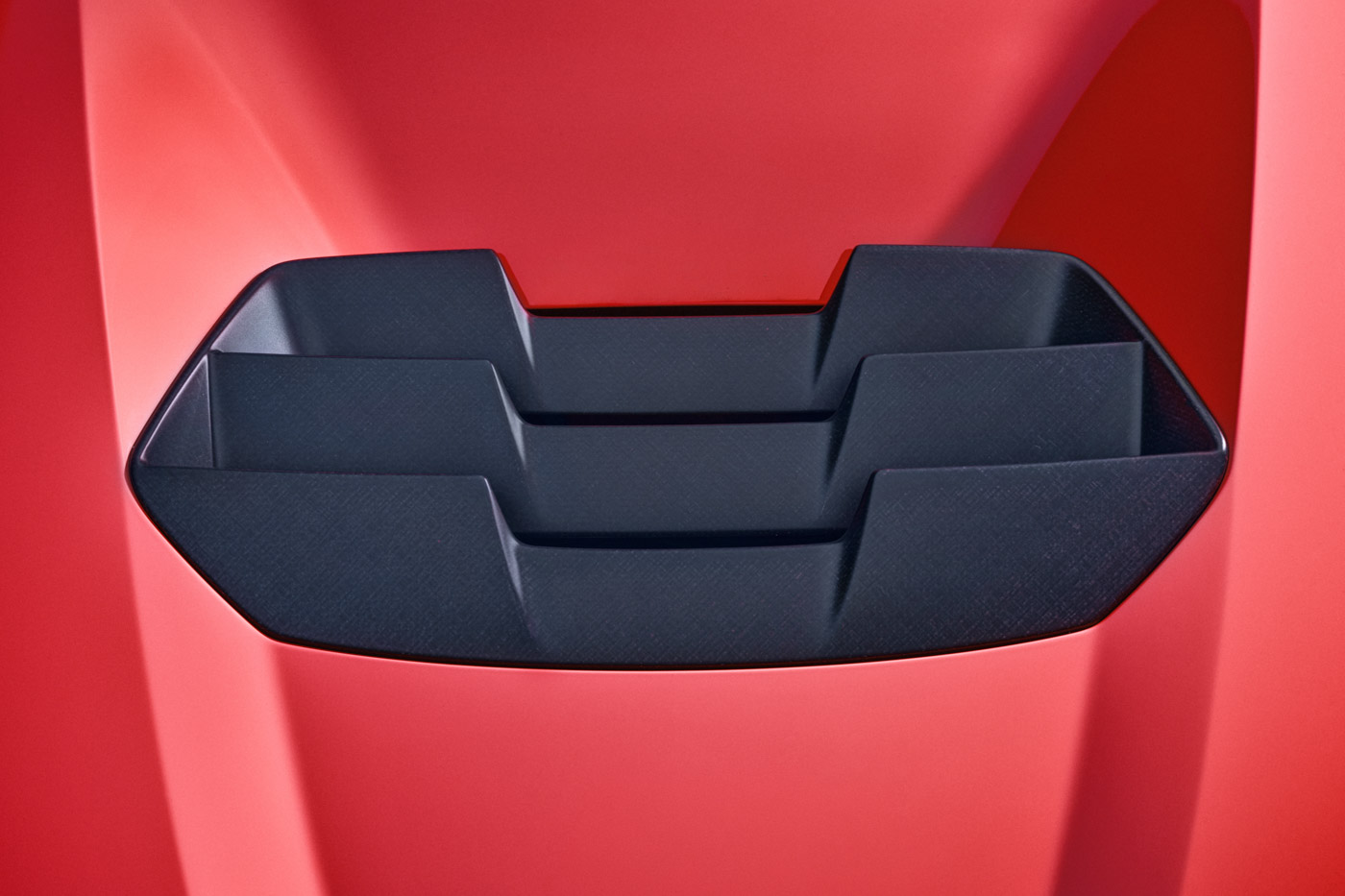
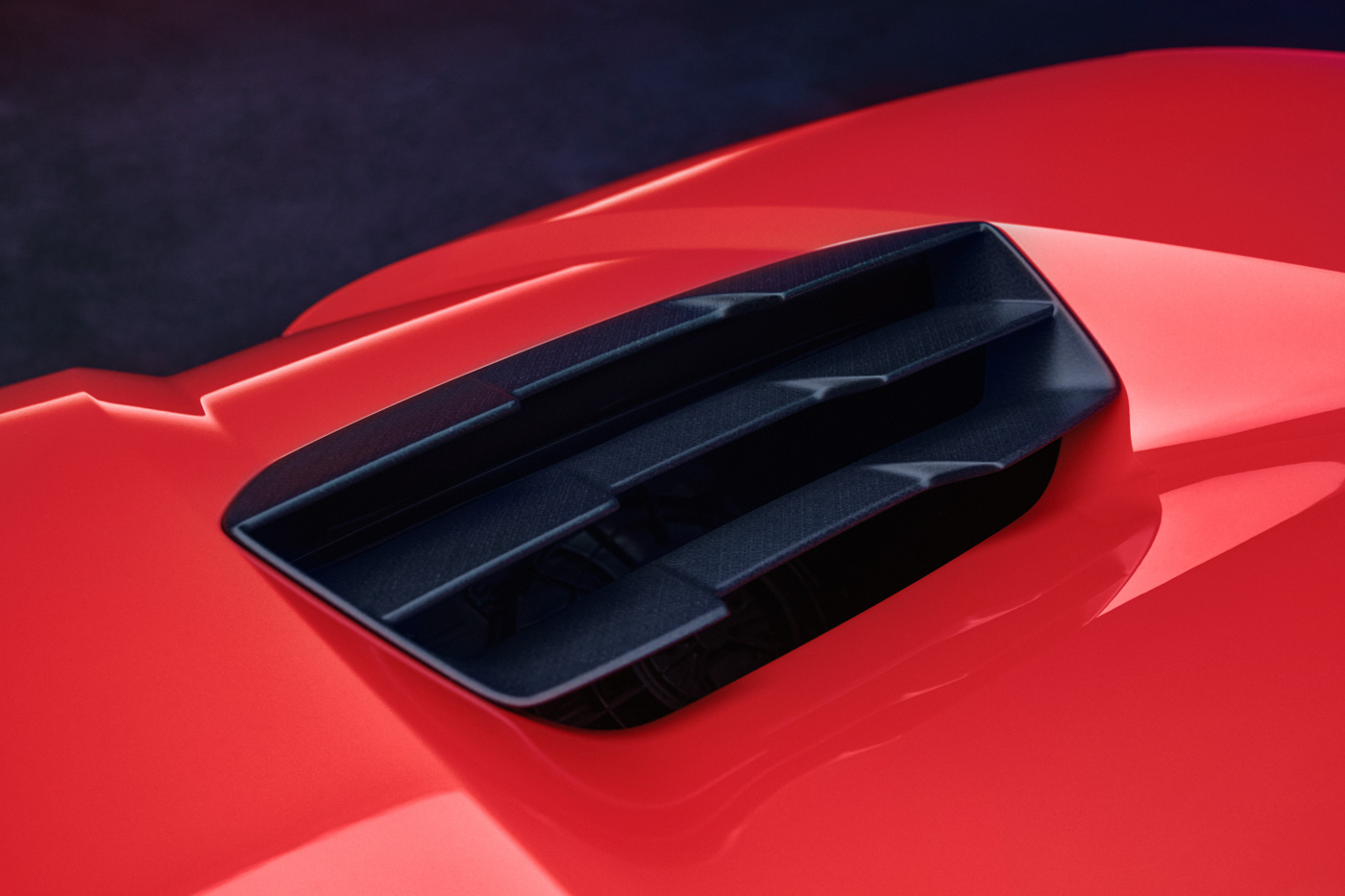
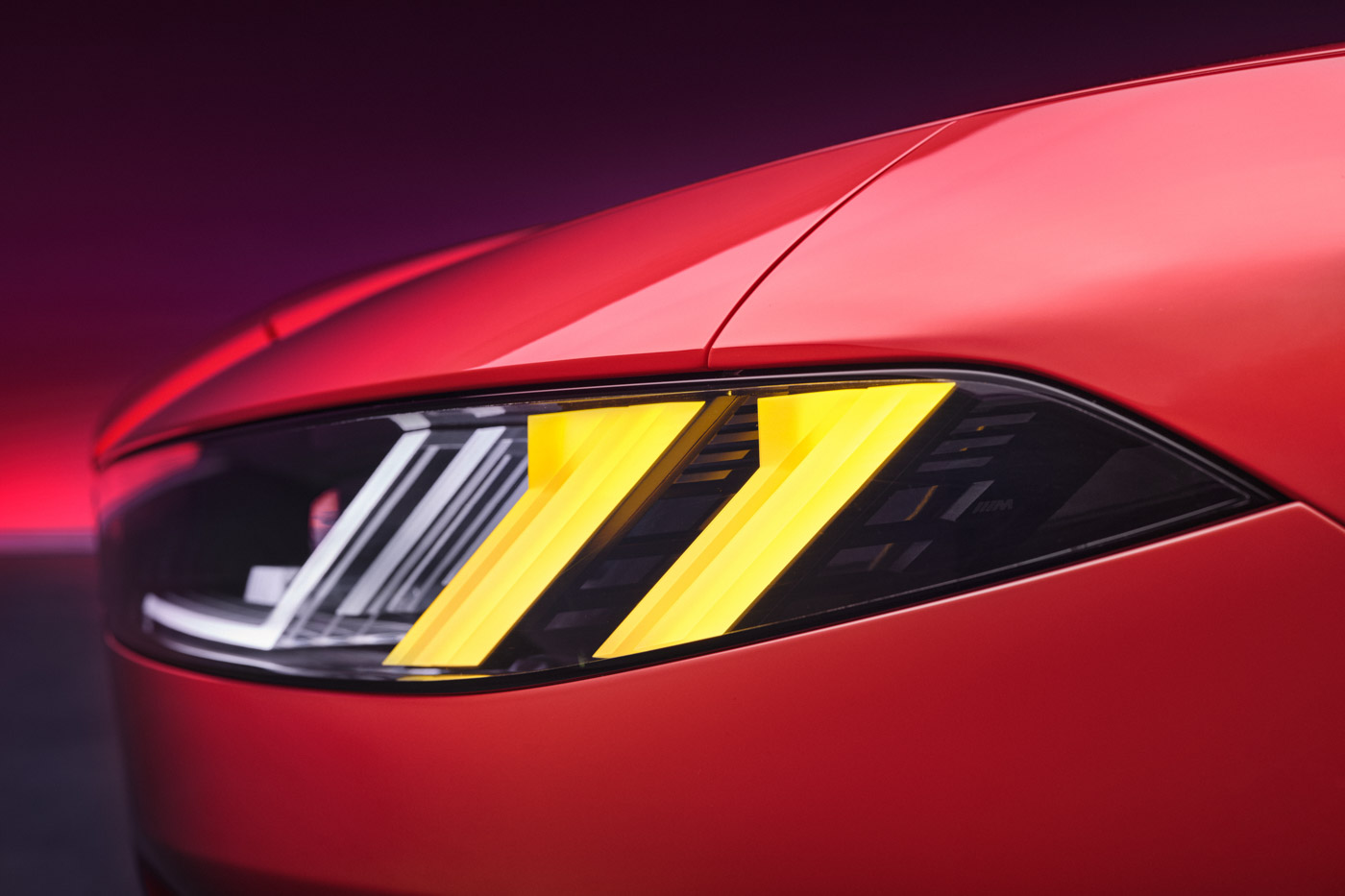
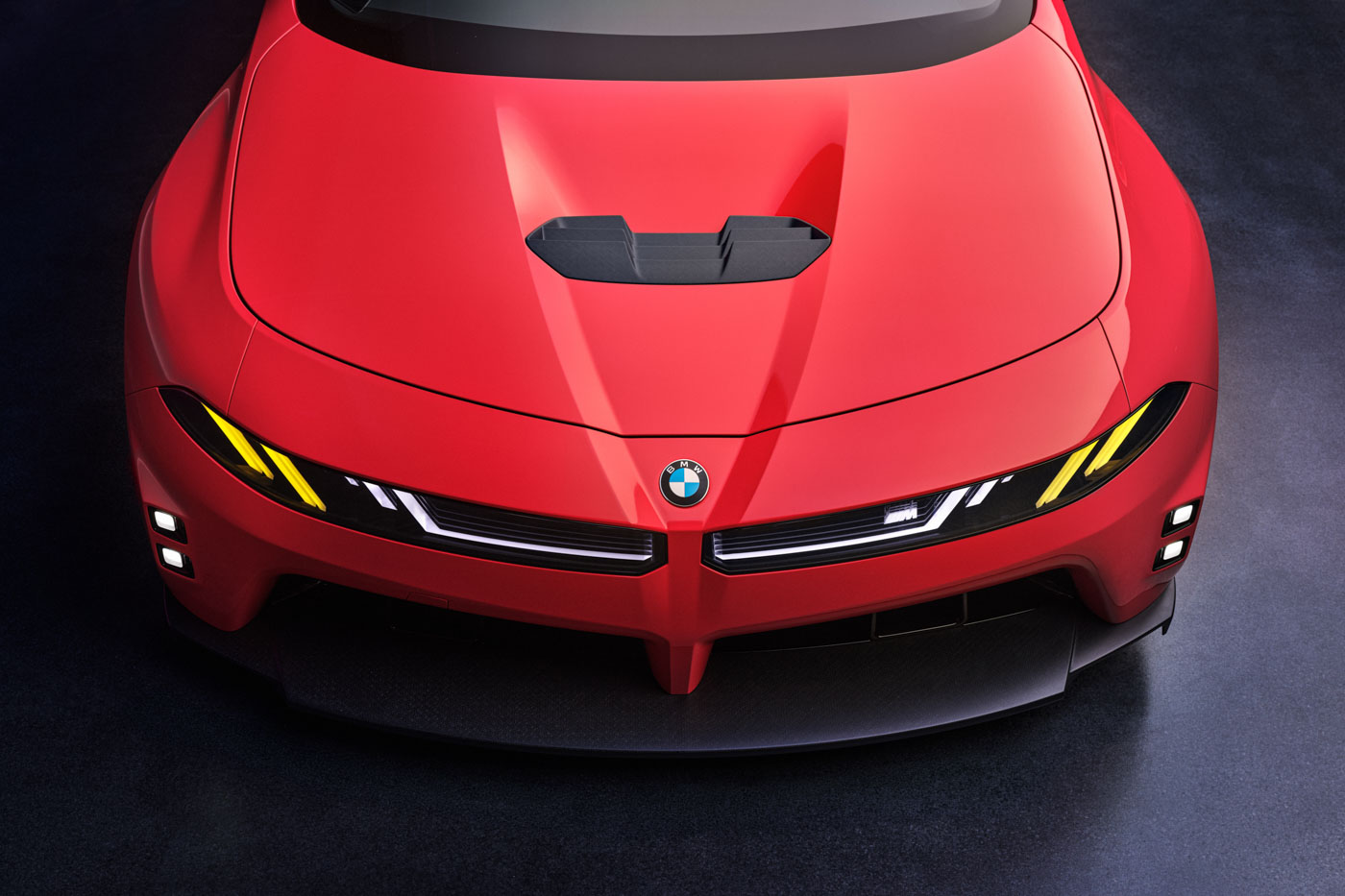
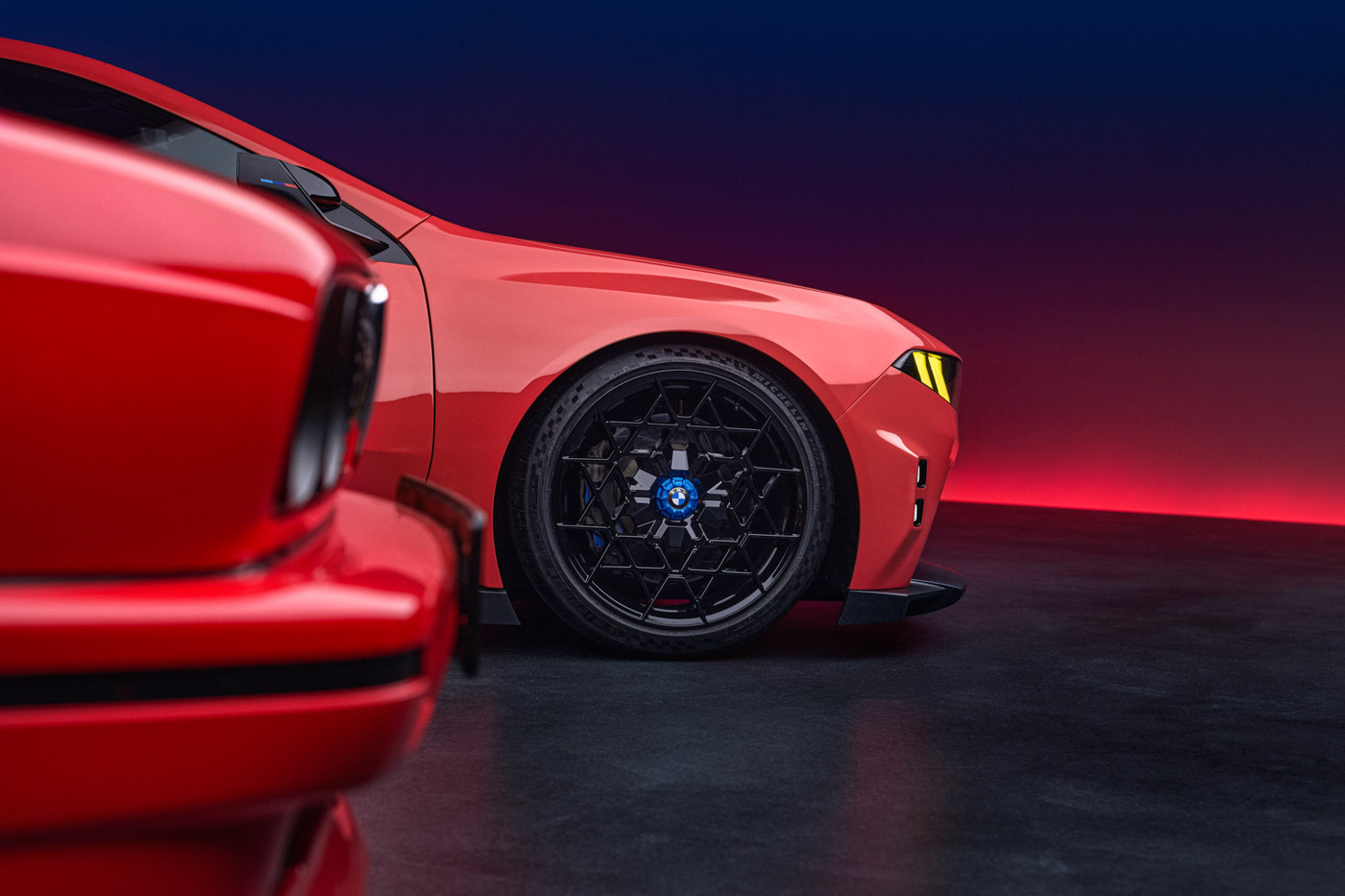
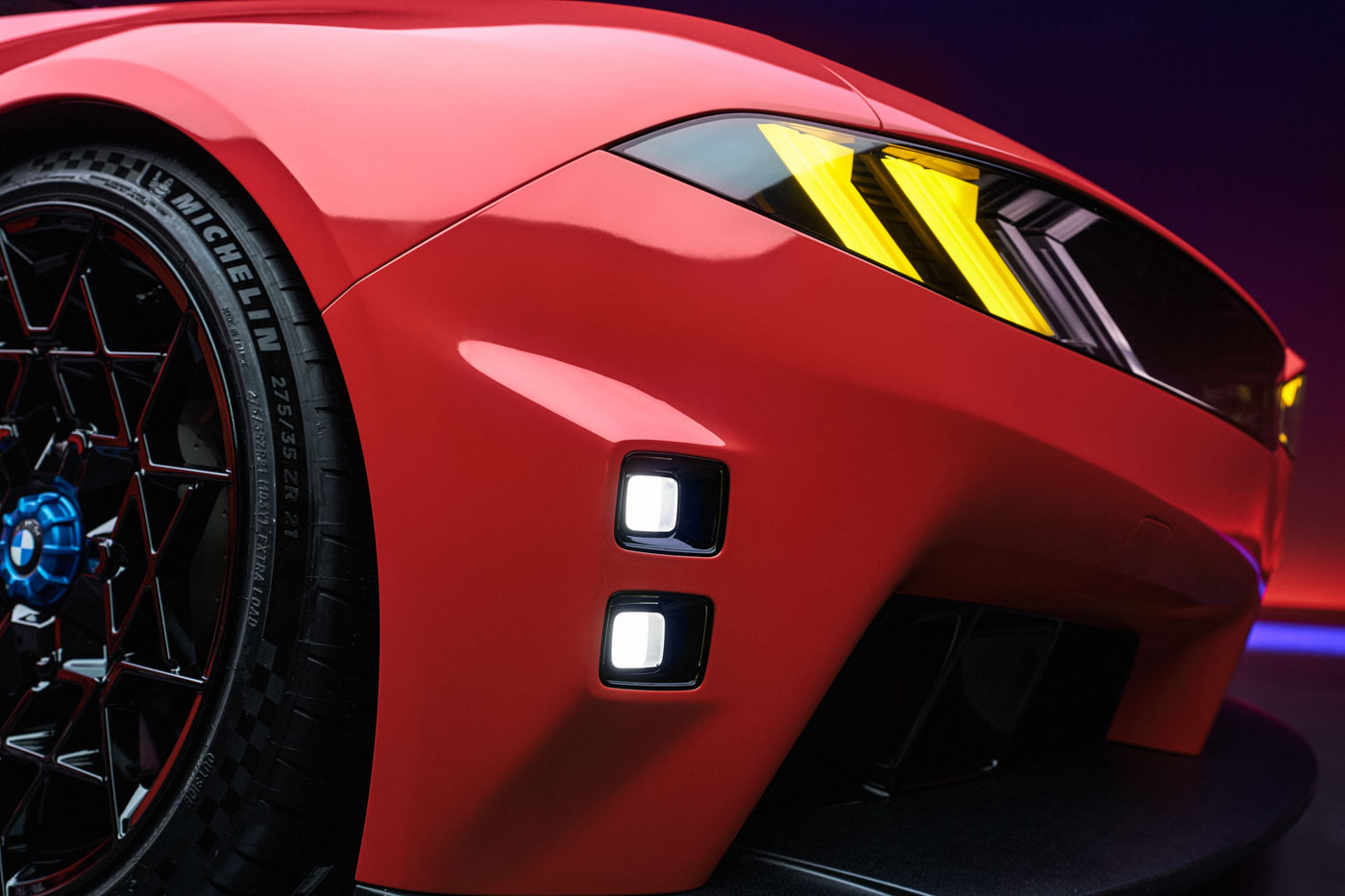
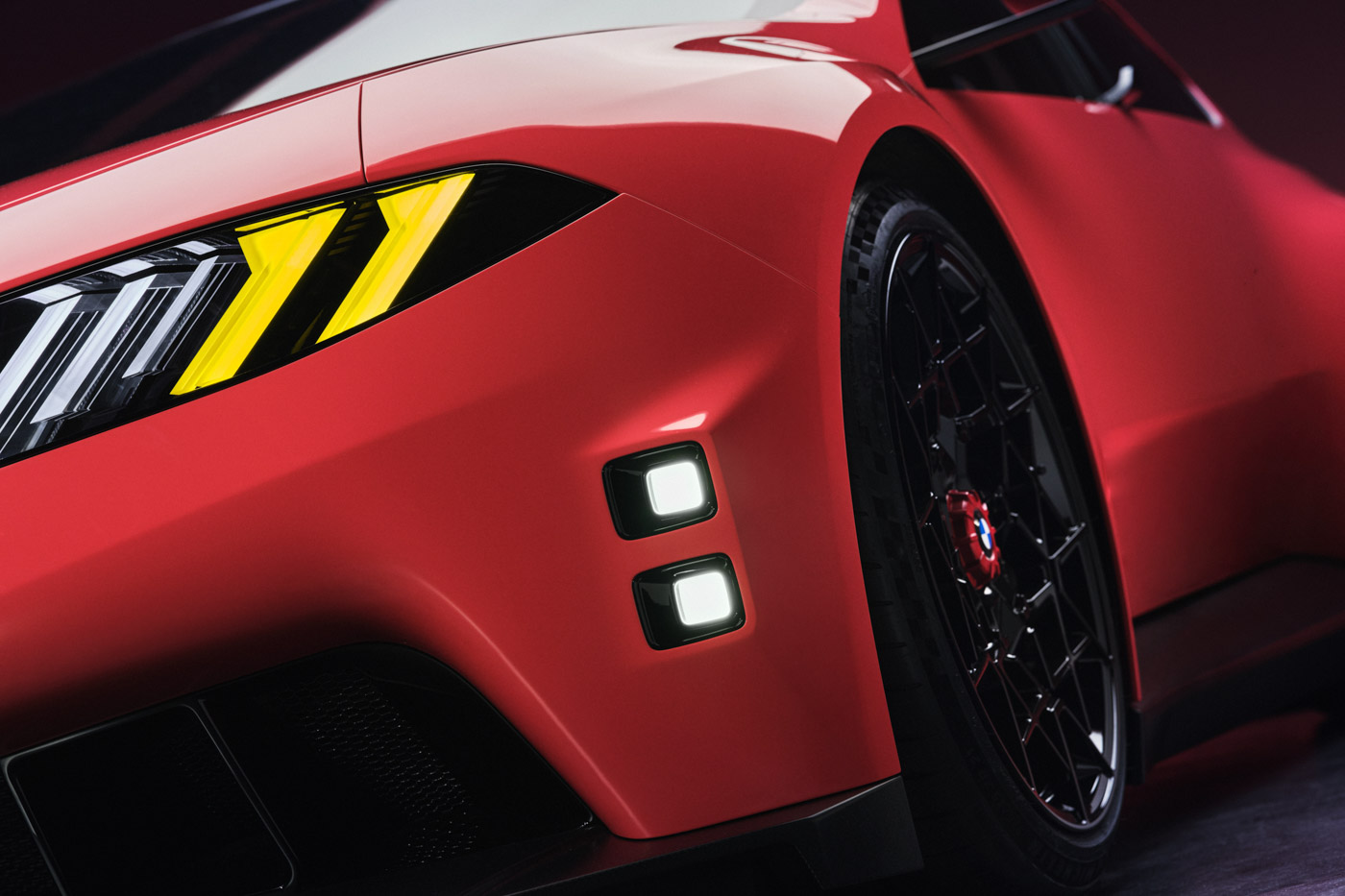
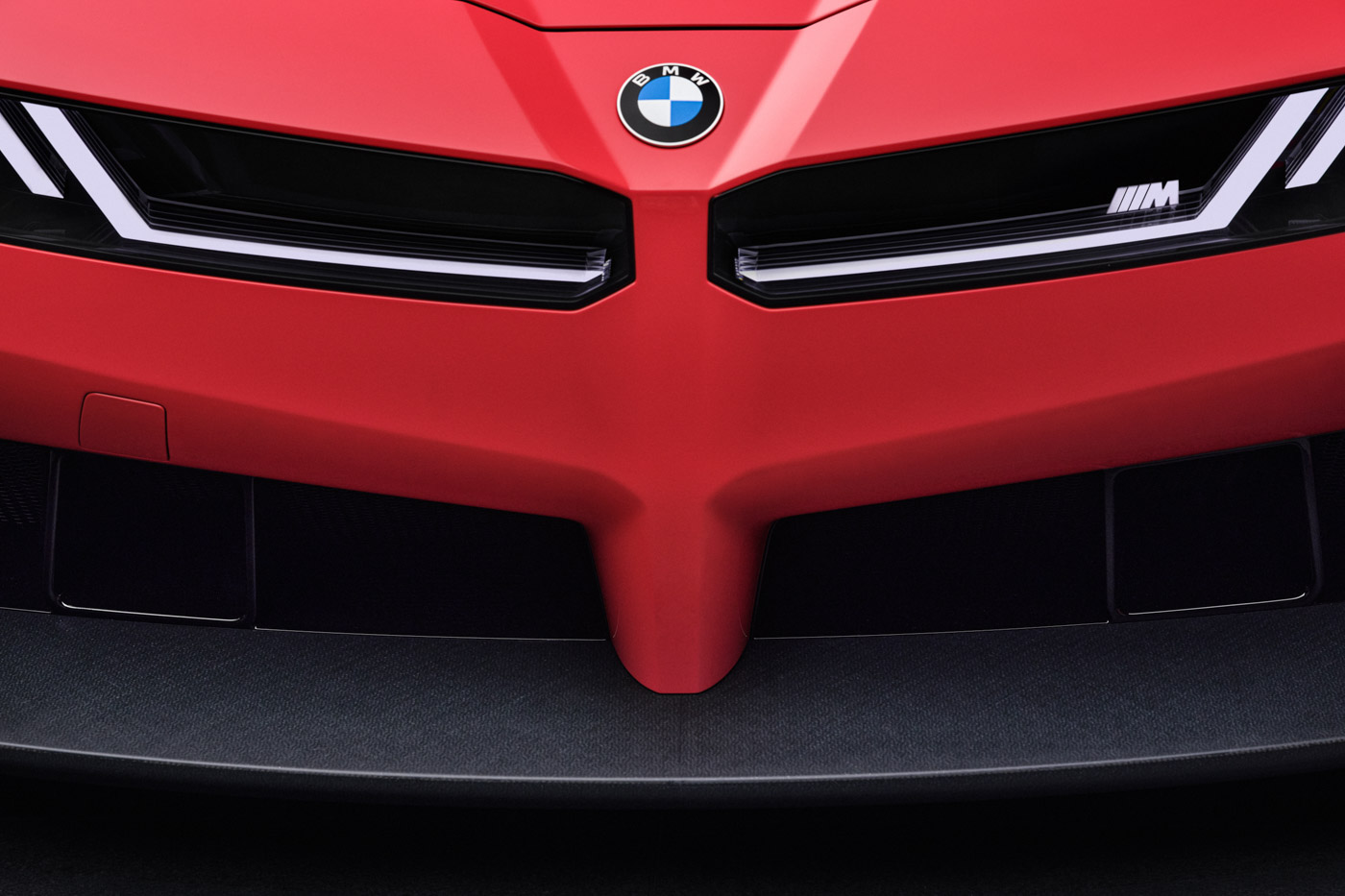
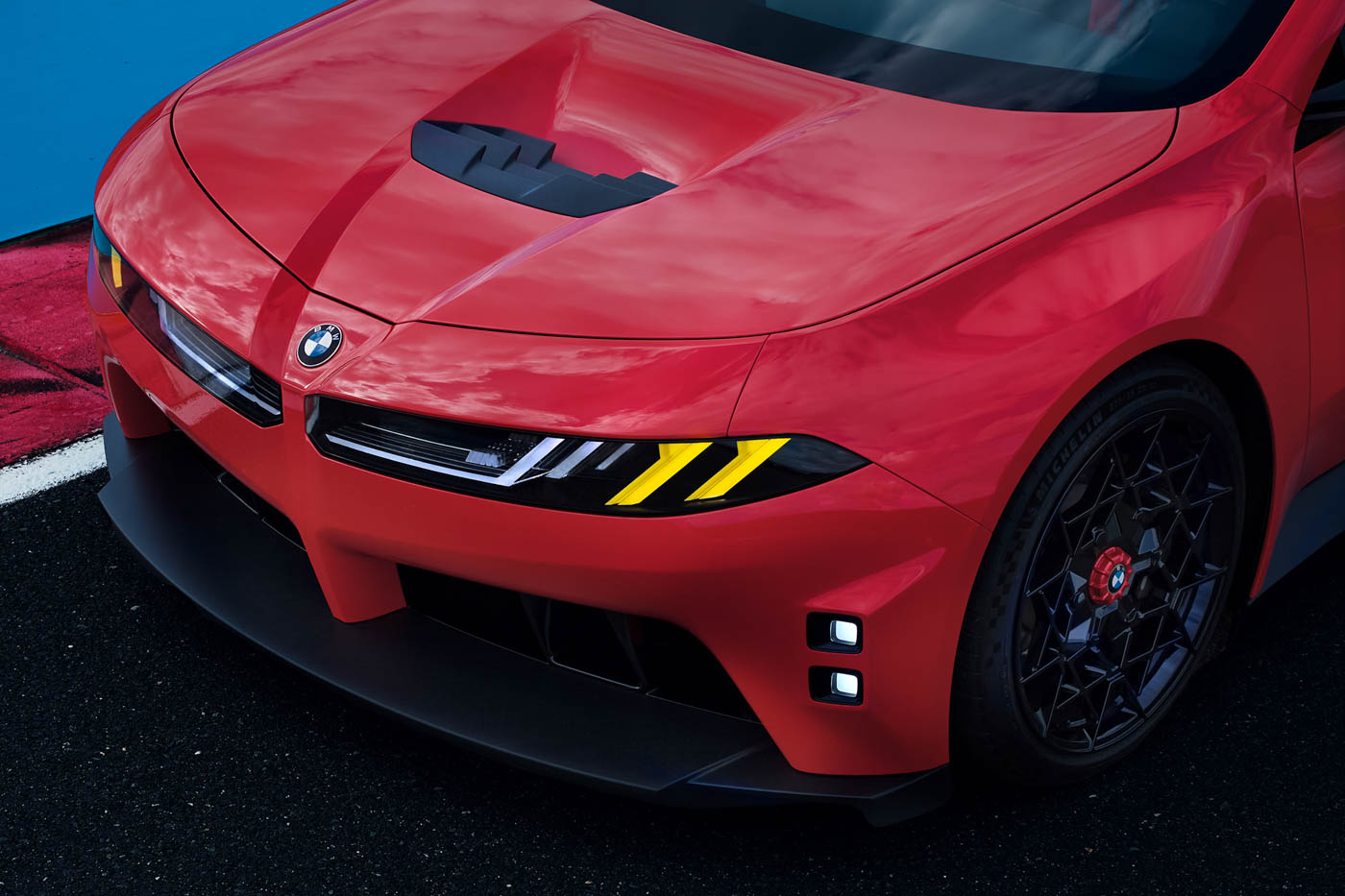
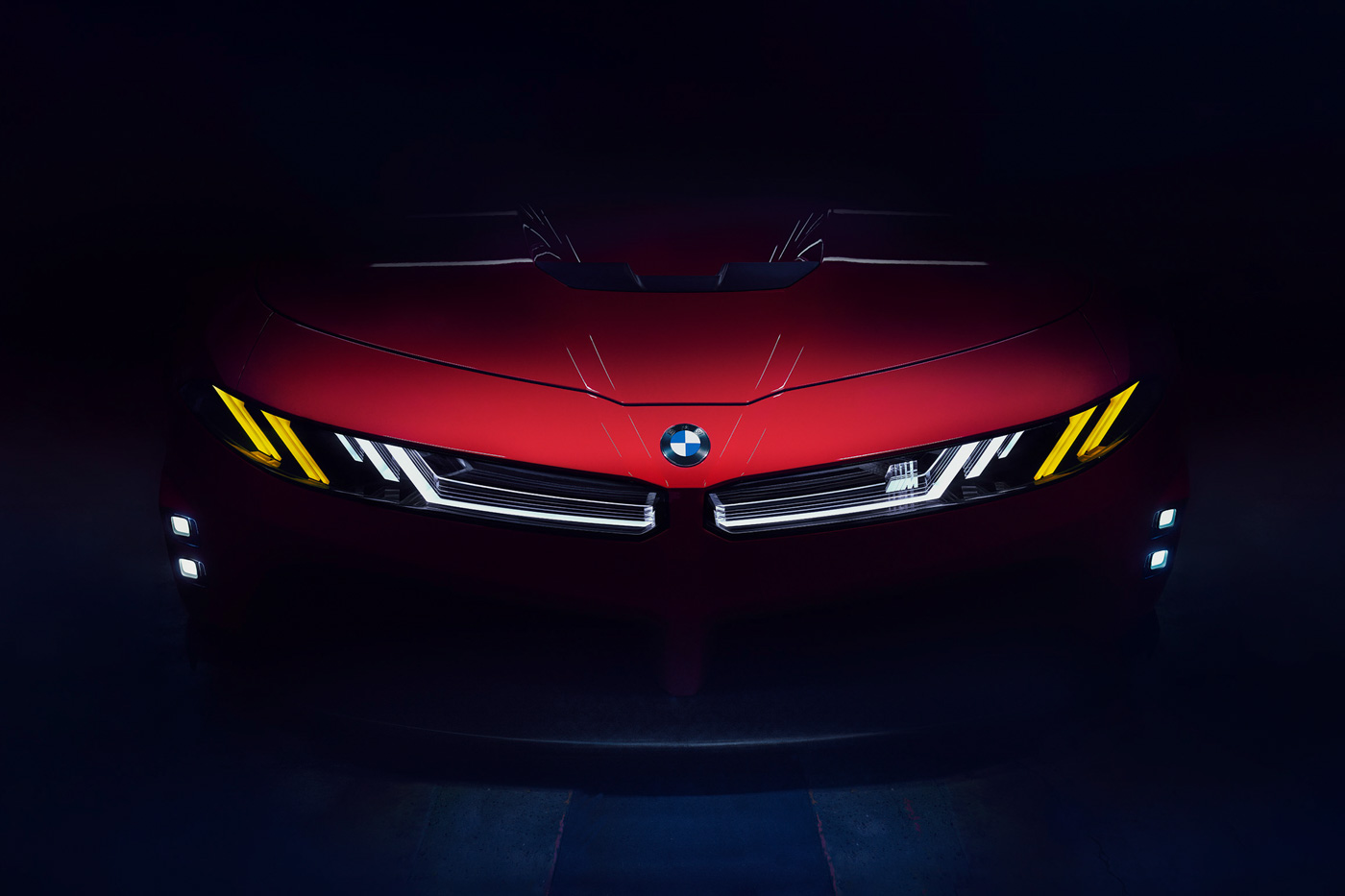
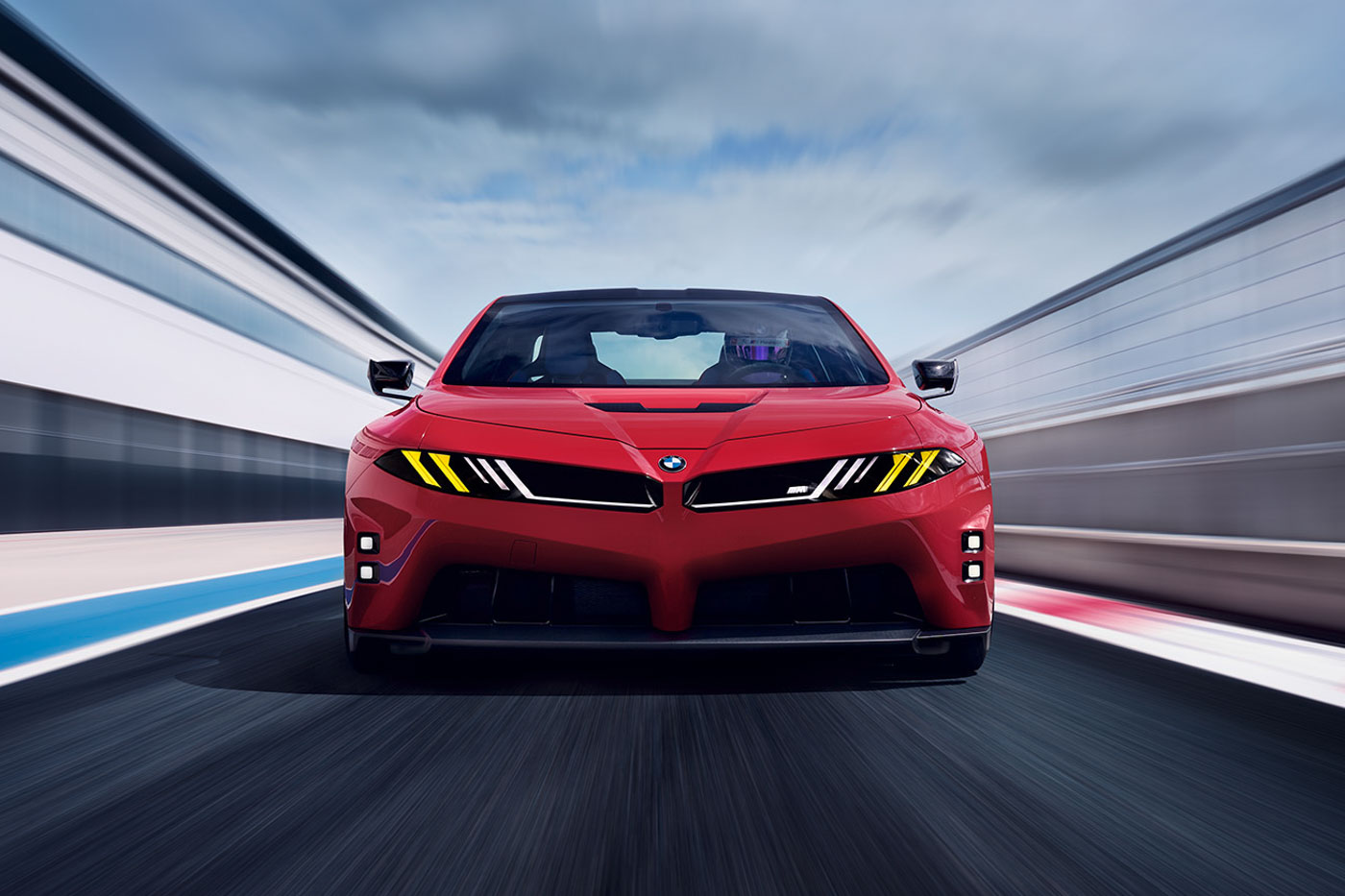
At the front, the concept is dominated by a large V-shaped bonnet that helps channel cooling airflow to the electric drivetrain. Flanking it are BMW’s new M Yellow Lights, a motorsport-inspired feature that pays tribute to the brand’s GT racing cars and is set to be introduced on future BMW M models.
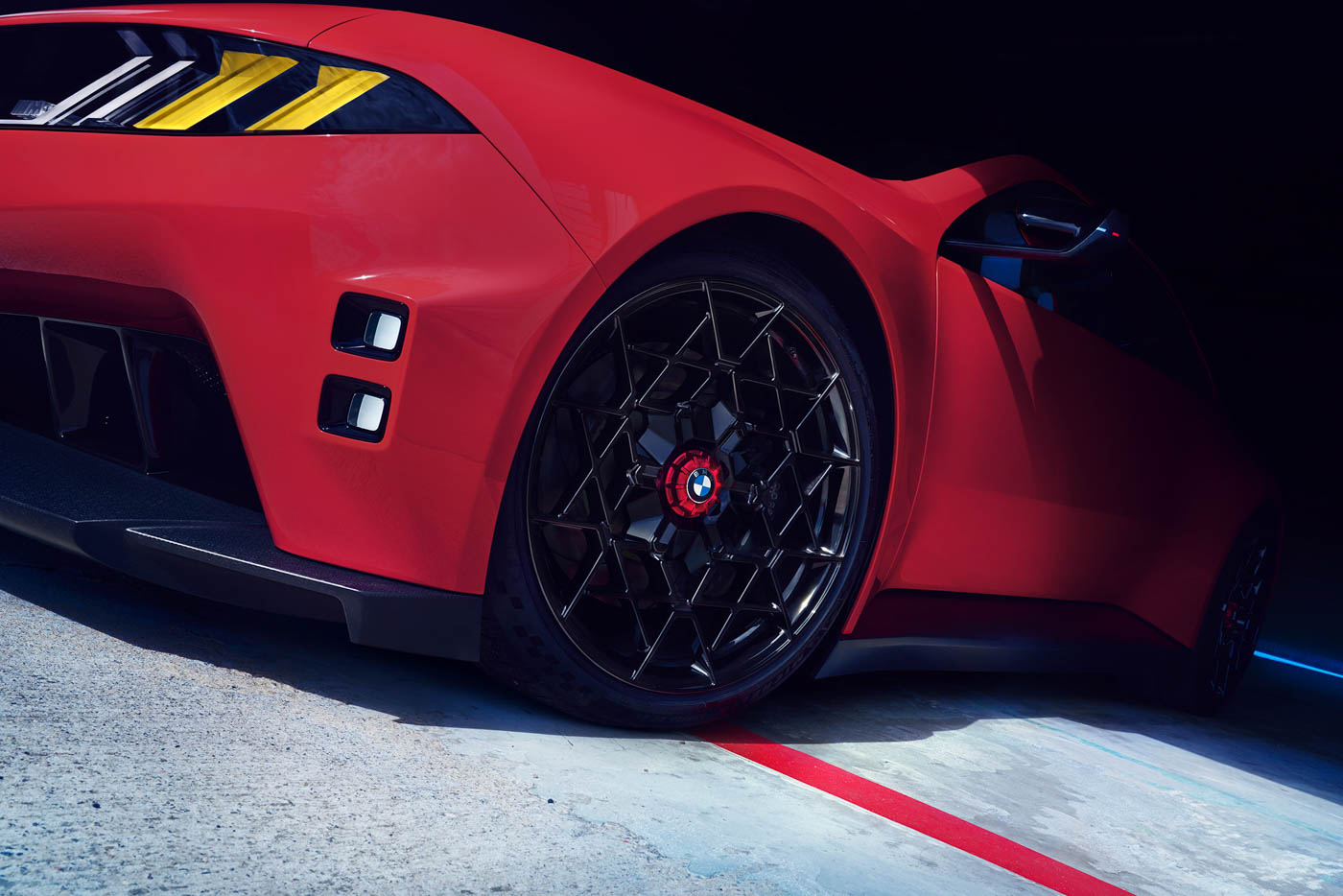
Lower down, the front apron features a distinctive trimaran-inspired design said to draw influence from high-speed sailing boats. Beyond its visual impact, the structure also provides support for the front splitter. Further reinforcing the concept’s racing-inspired character are the new three-dimensional Track Lights integrated into the outer sections of the bumper, another design element BMW plans to carry over to future M cars.
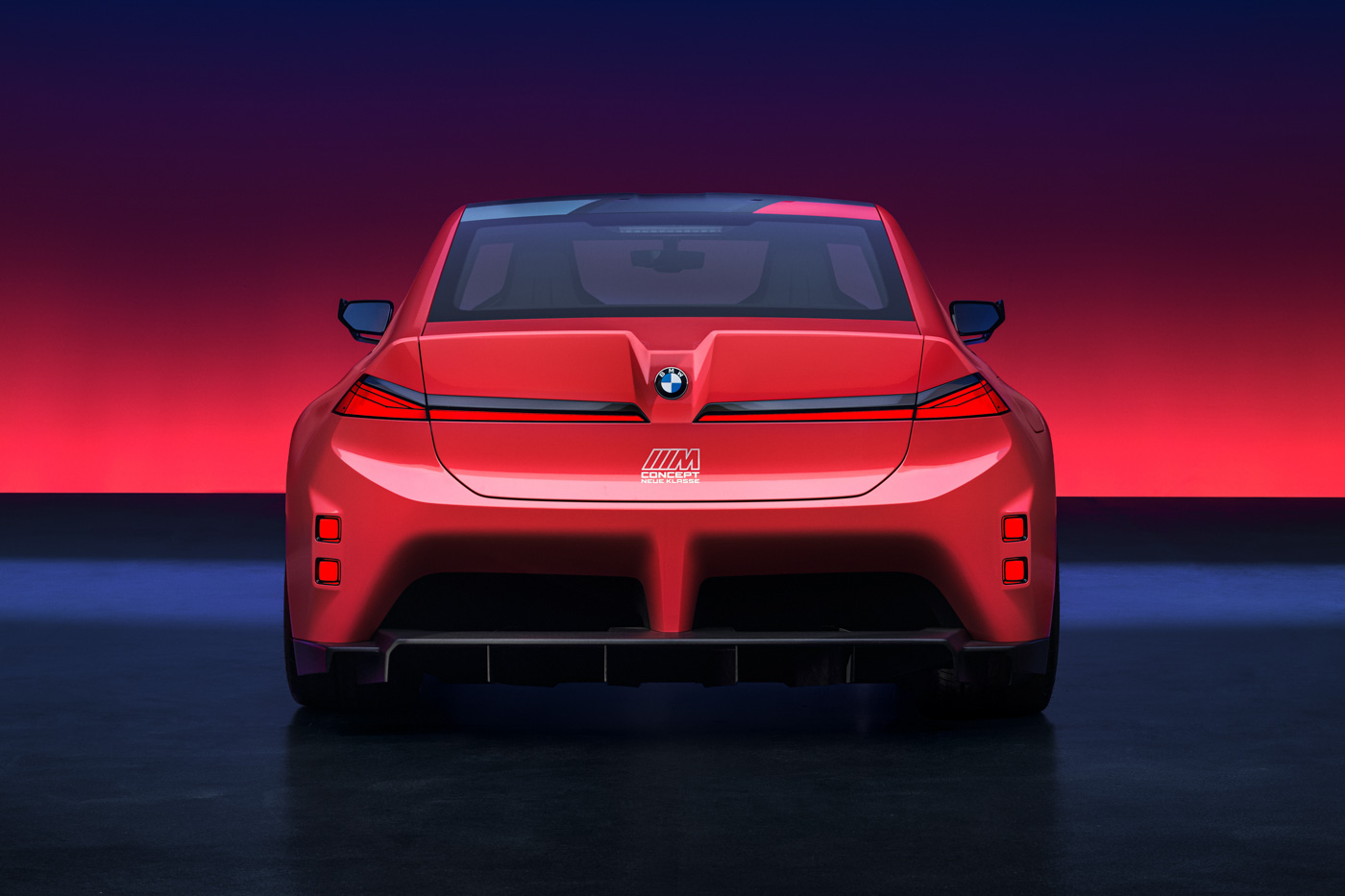
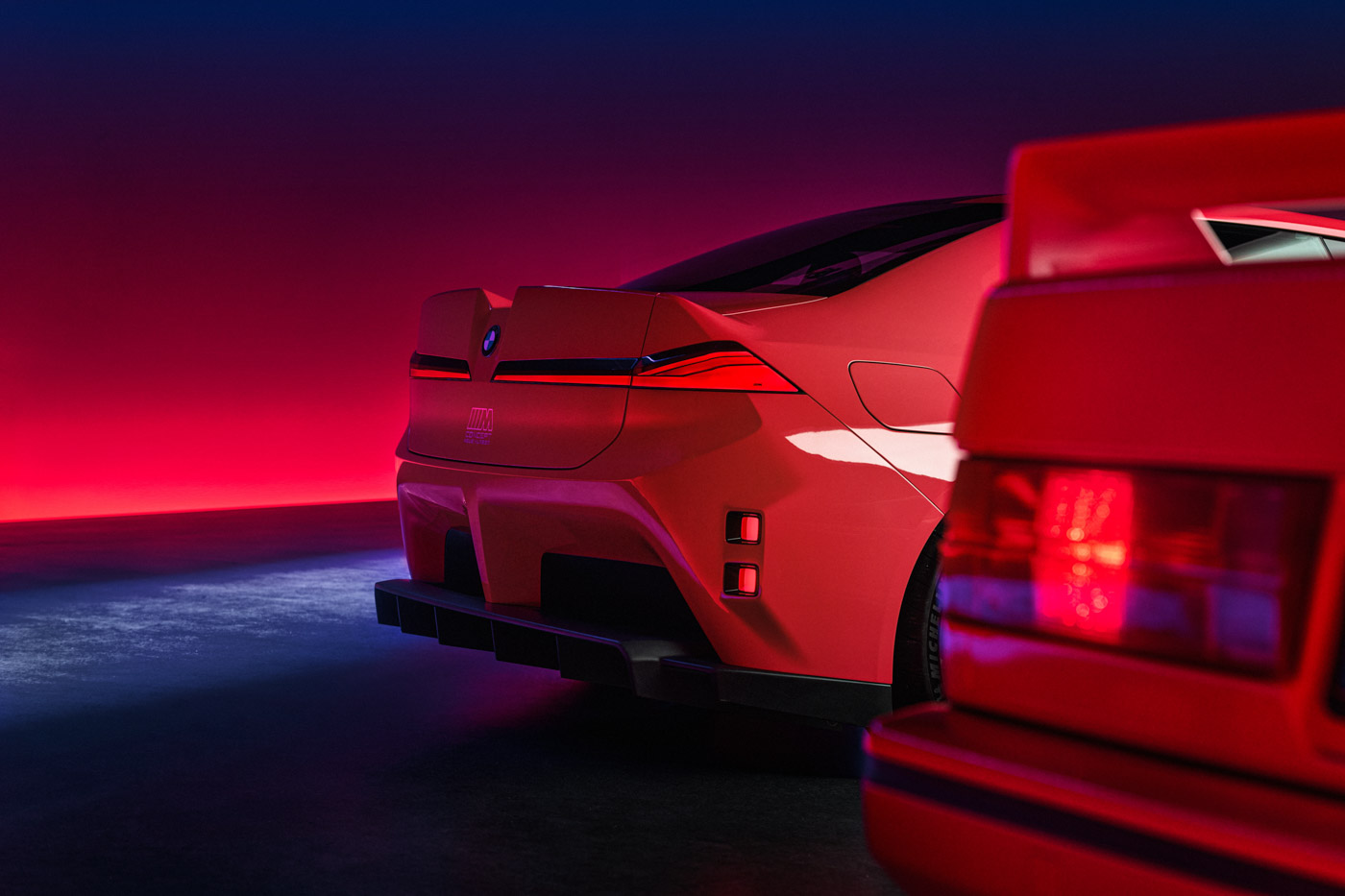
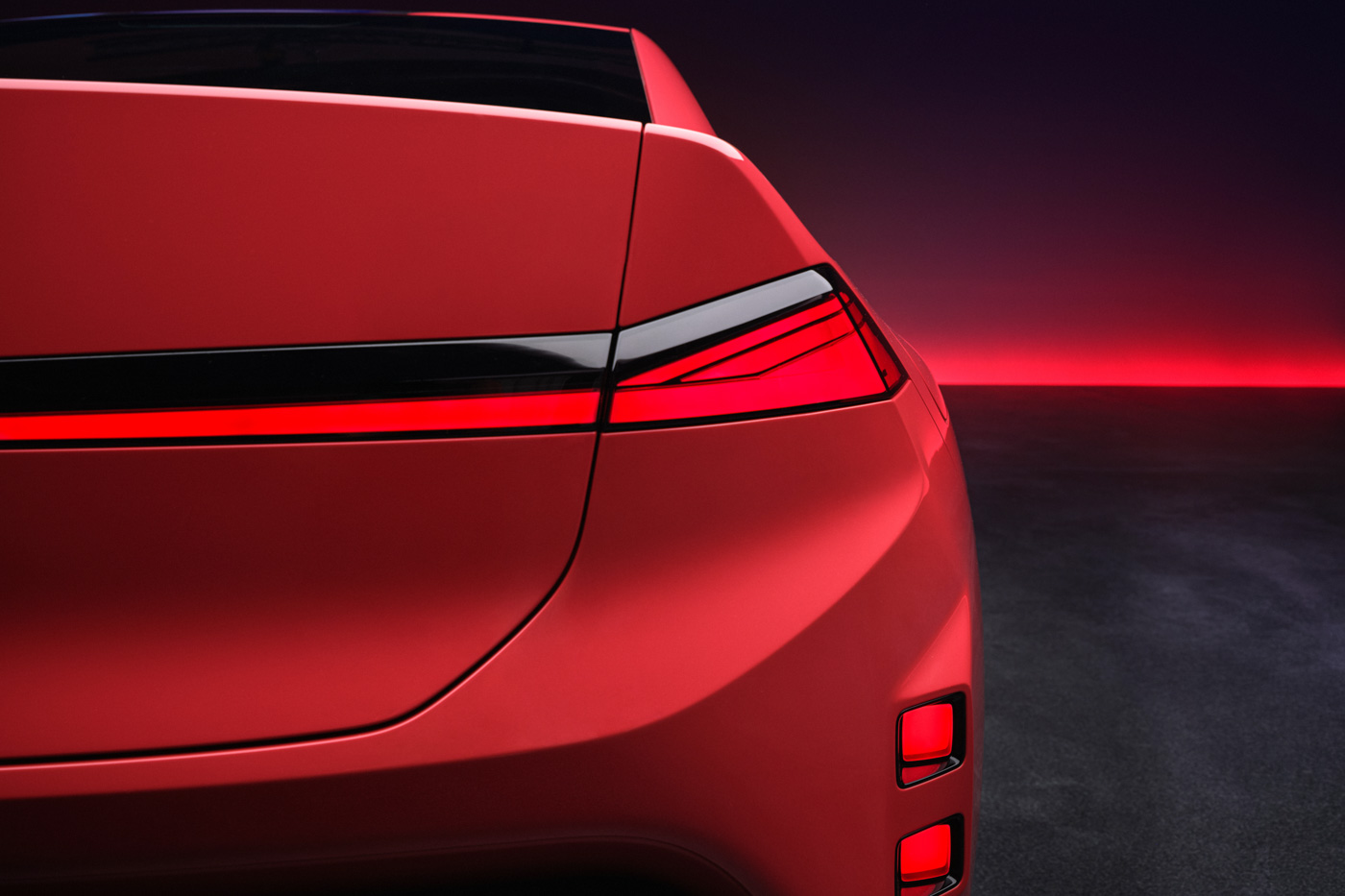
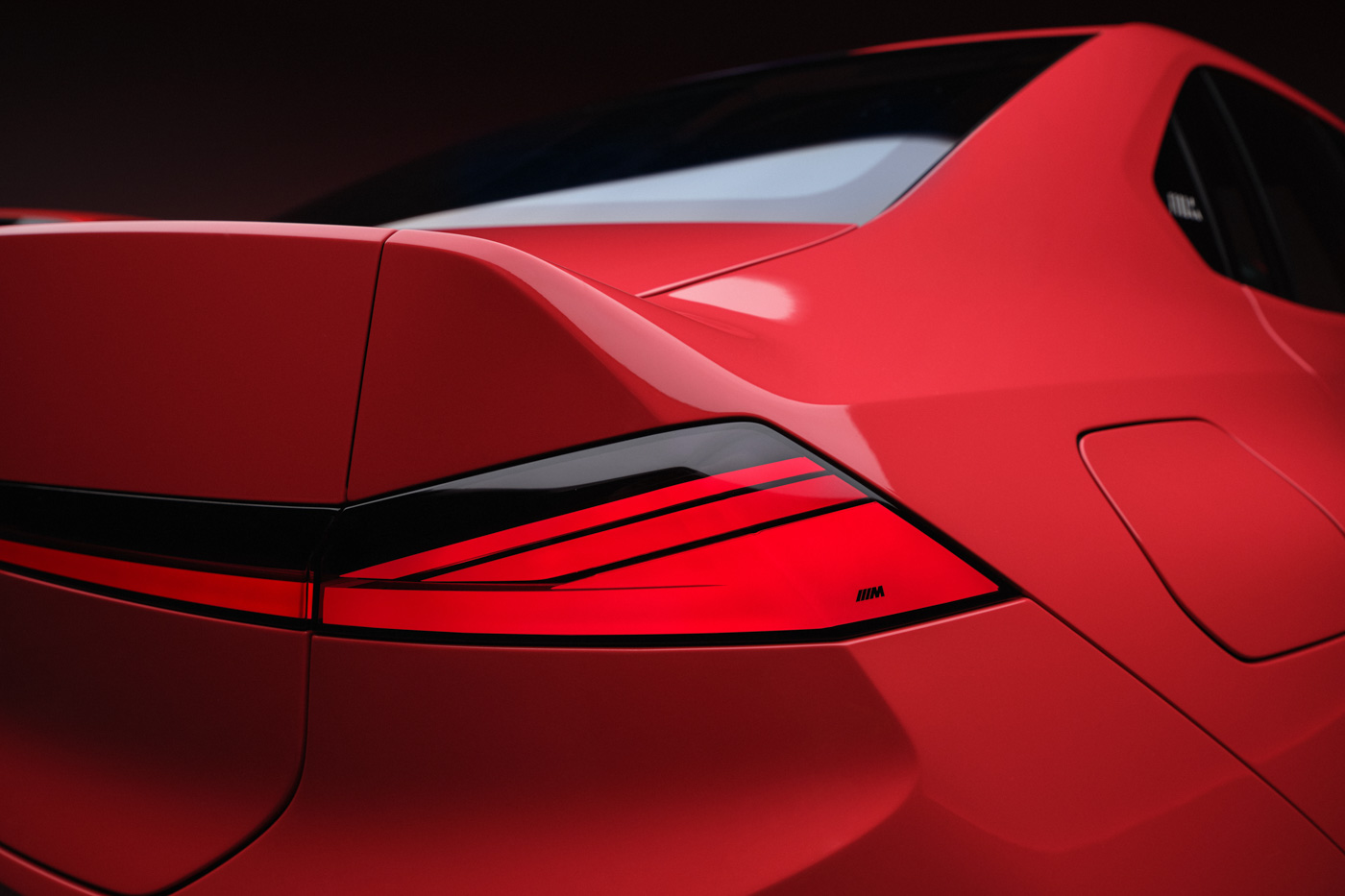
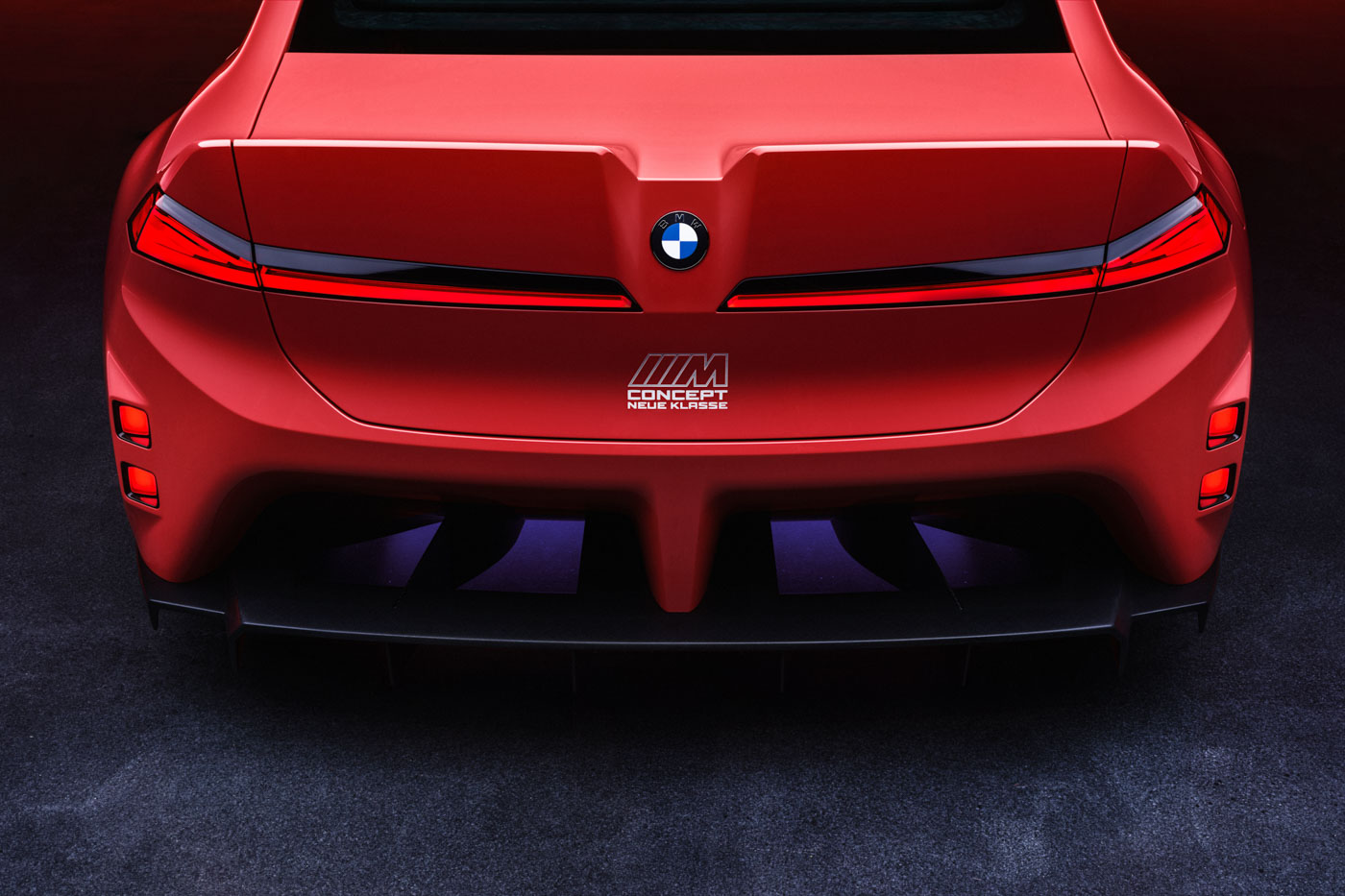
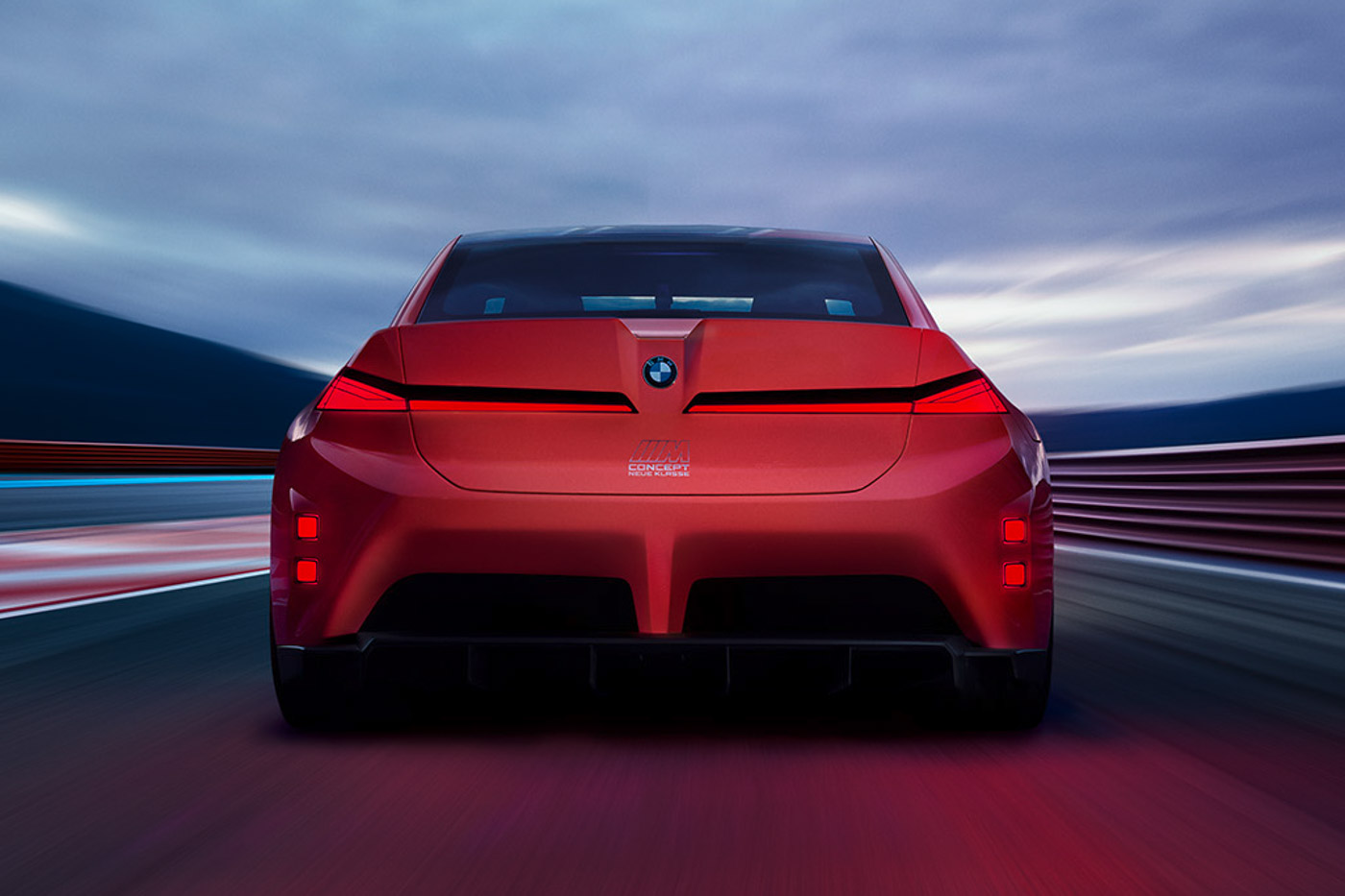
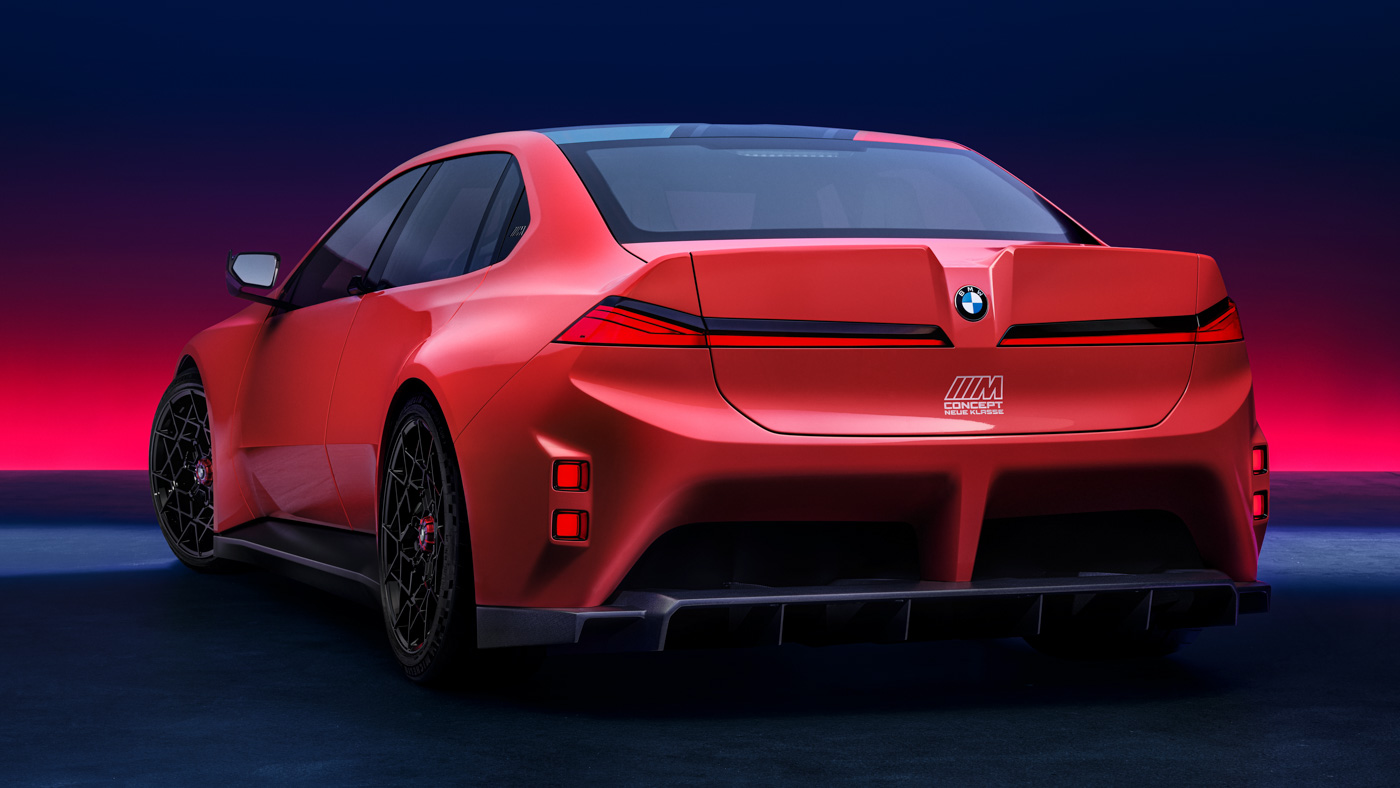
The rear section matches the front with the trimaran-style apron complemented by a floating diffuser. Sitting above it is a ducktail spoiler that not only improves aerodynamic efficiency and increases downforce, but also gives the concept a particularly dramatic finish.
ALSO READ: Is this our first look at the all-new electric BMW M3?
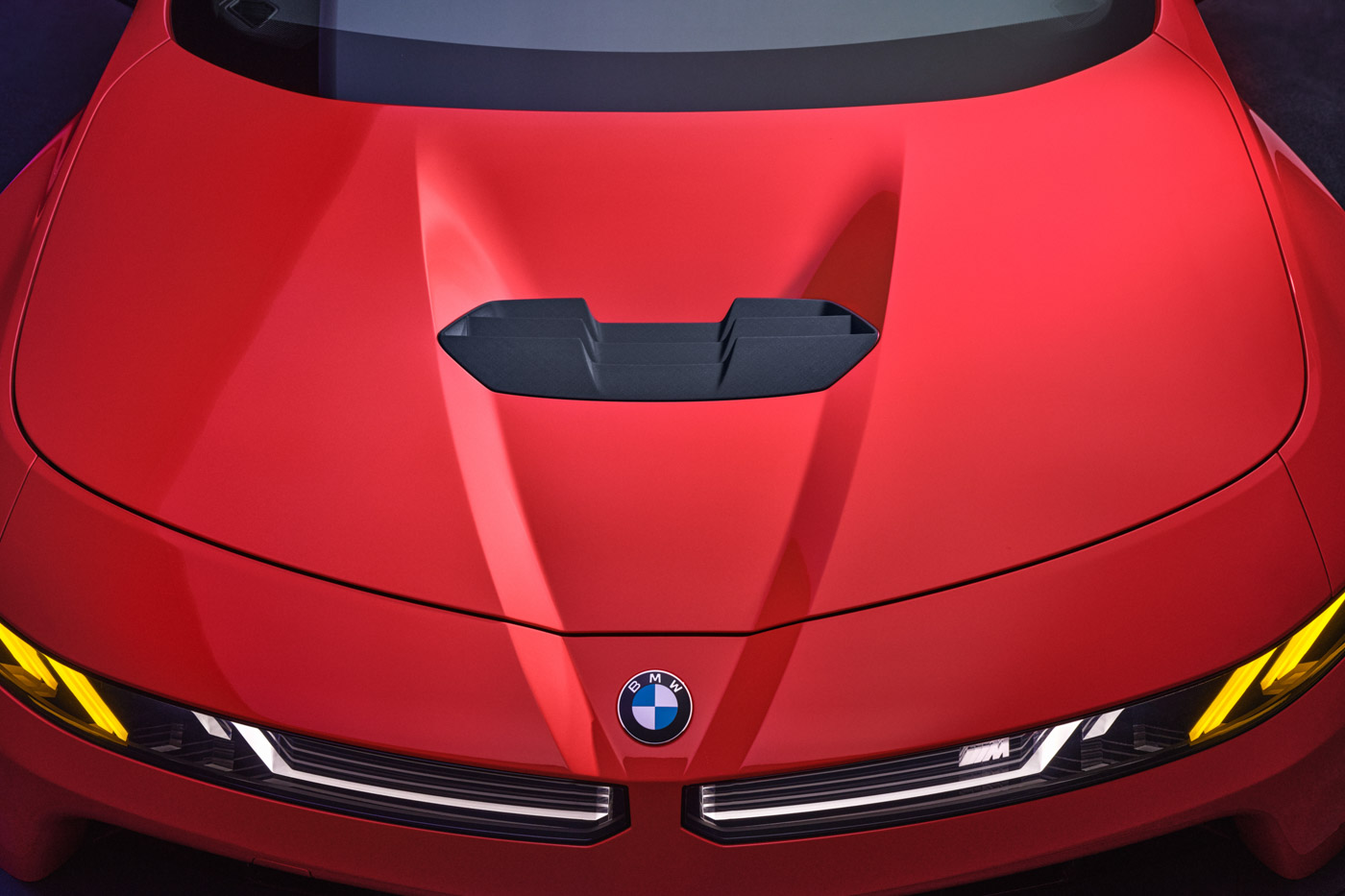
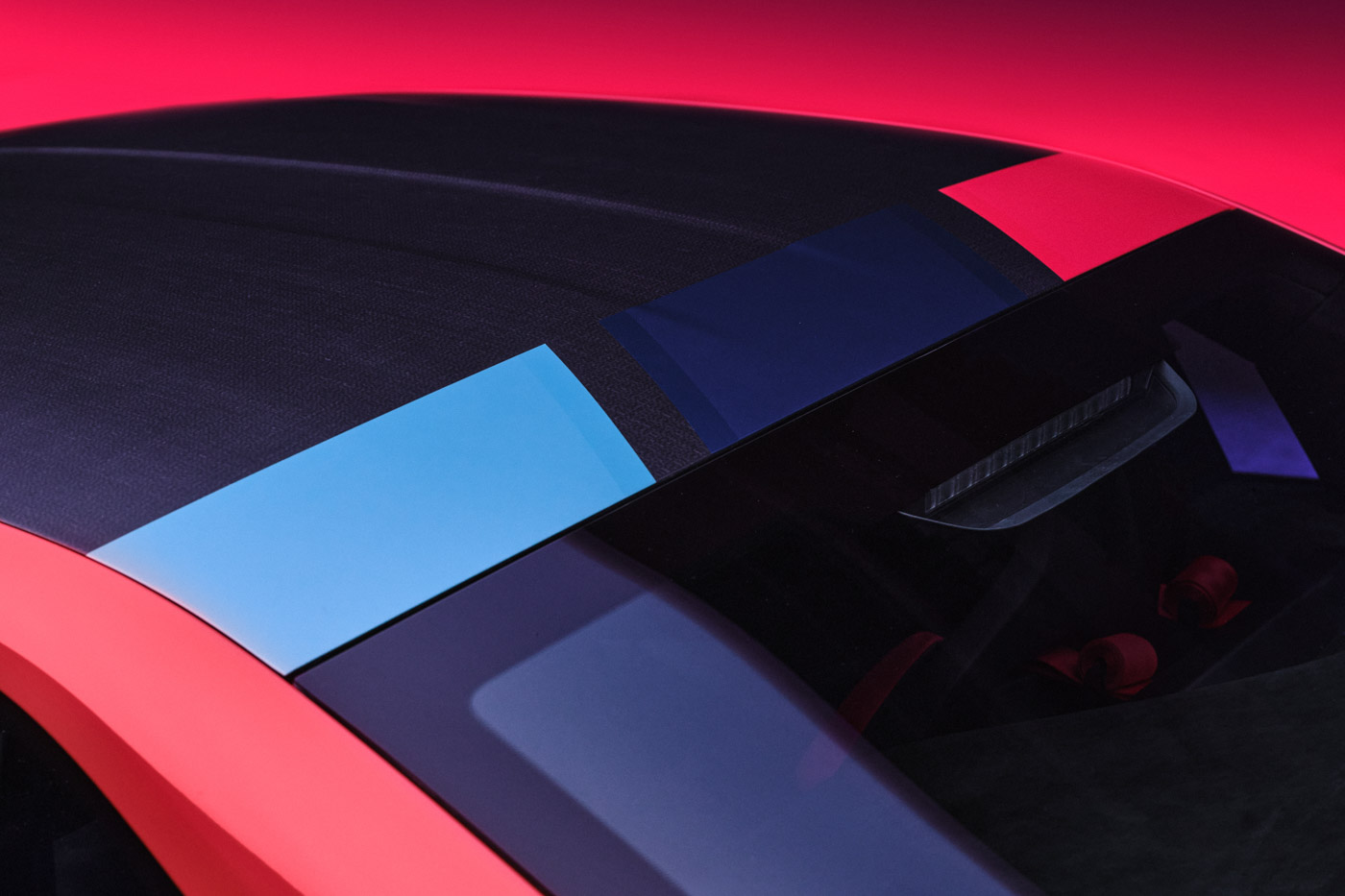
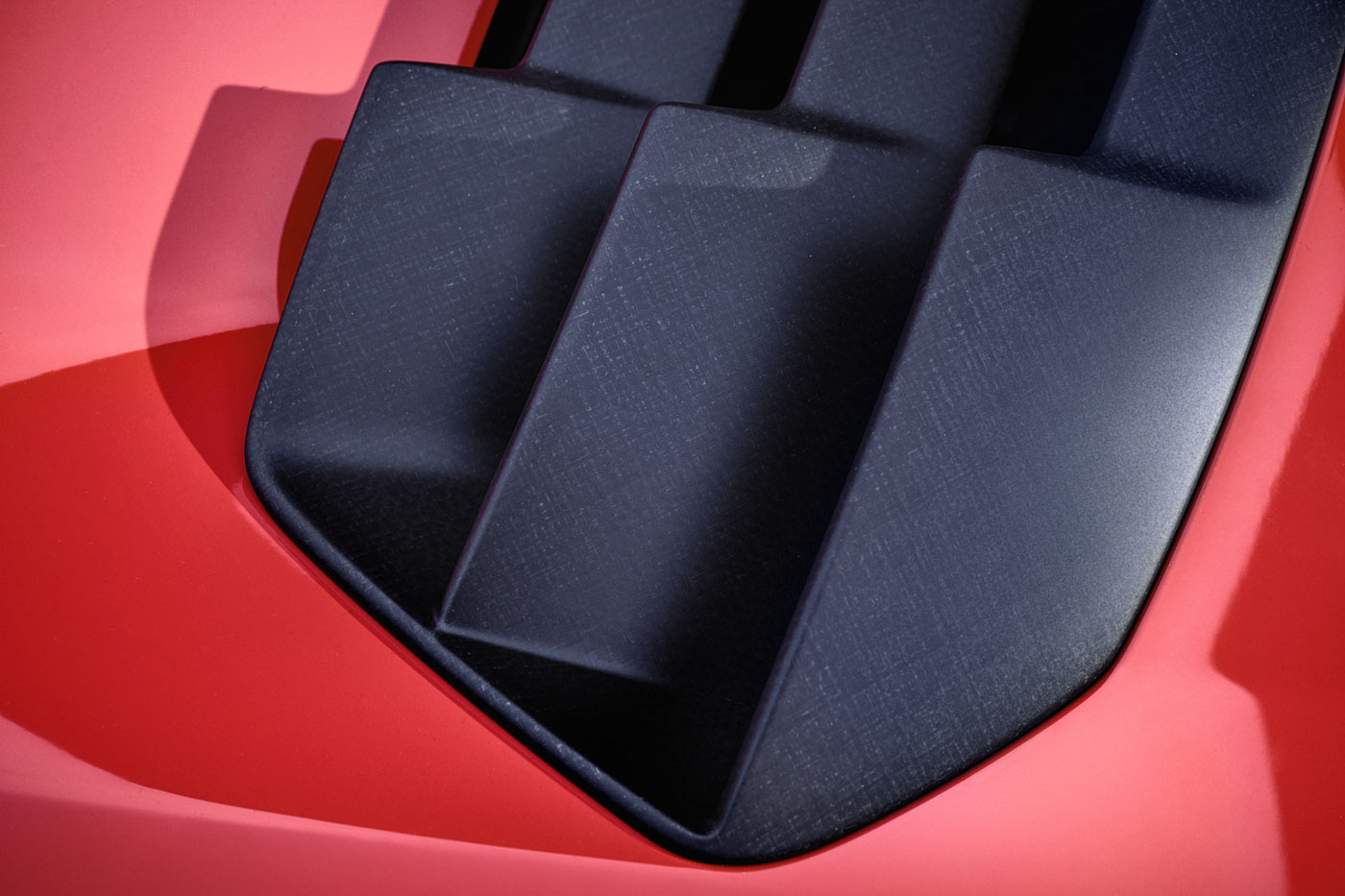
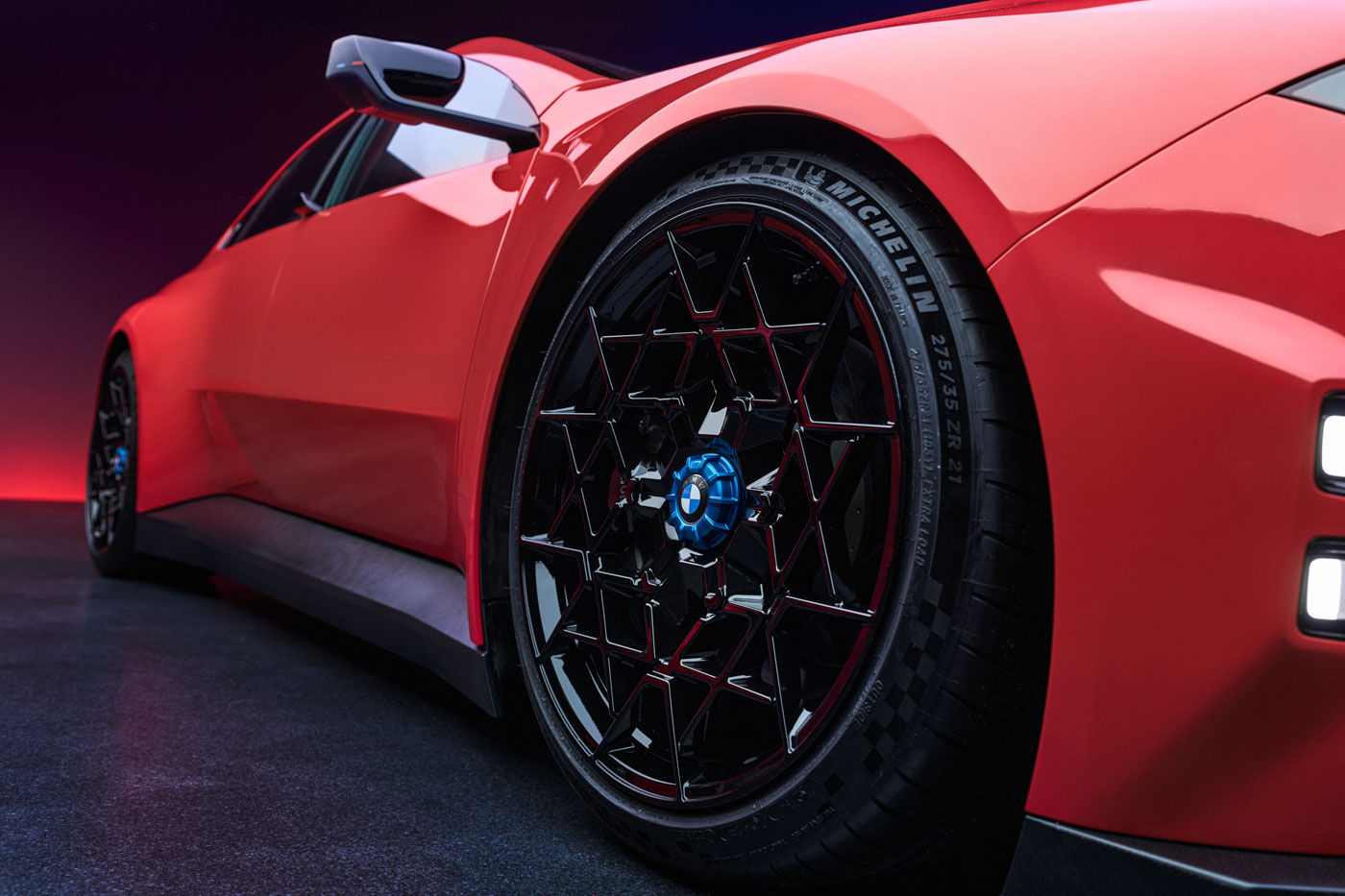
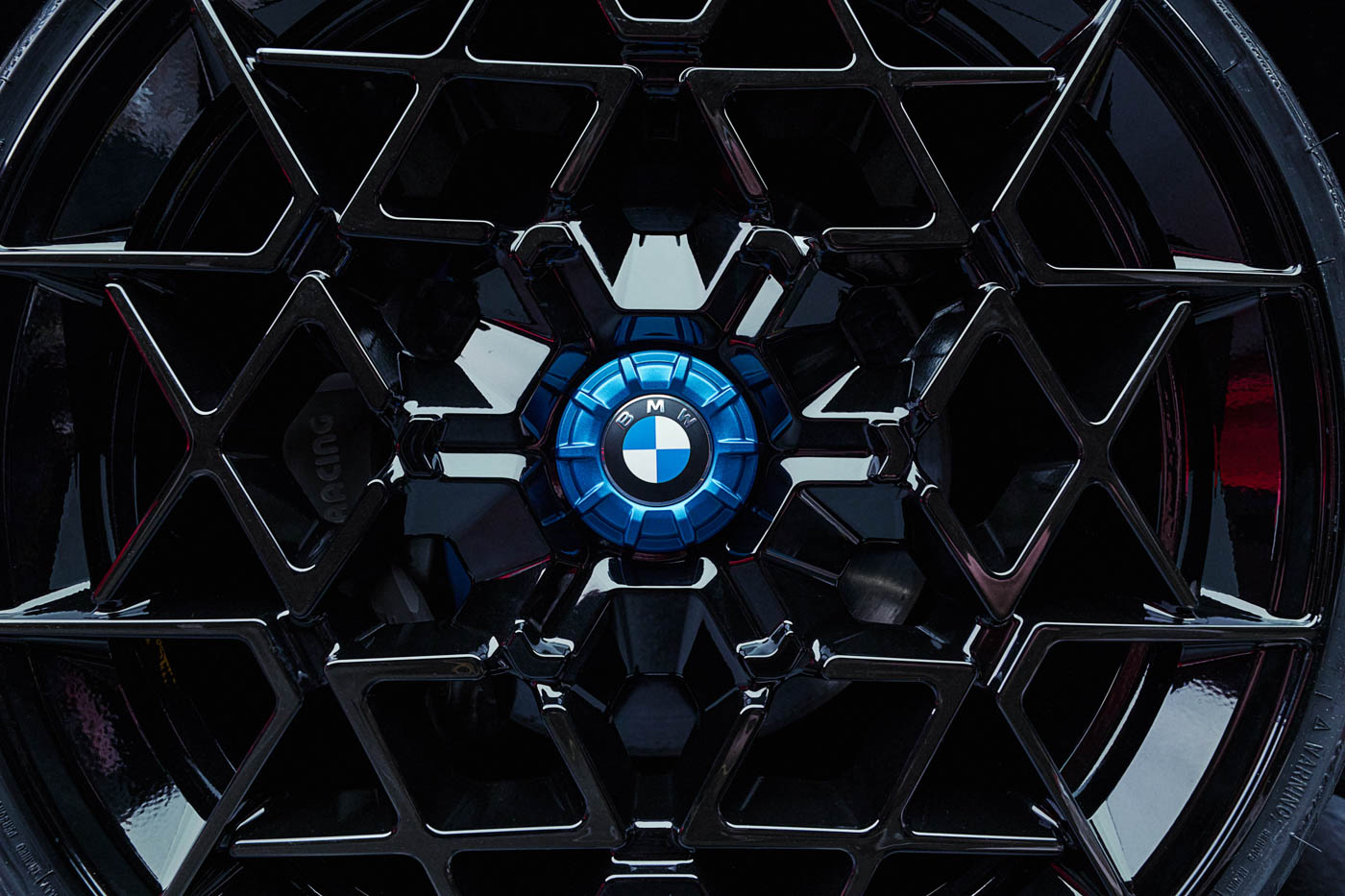
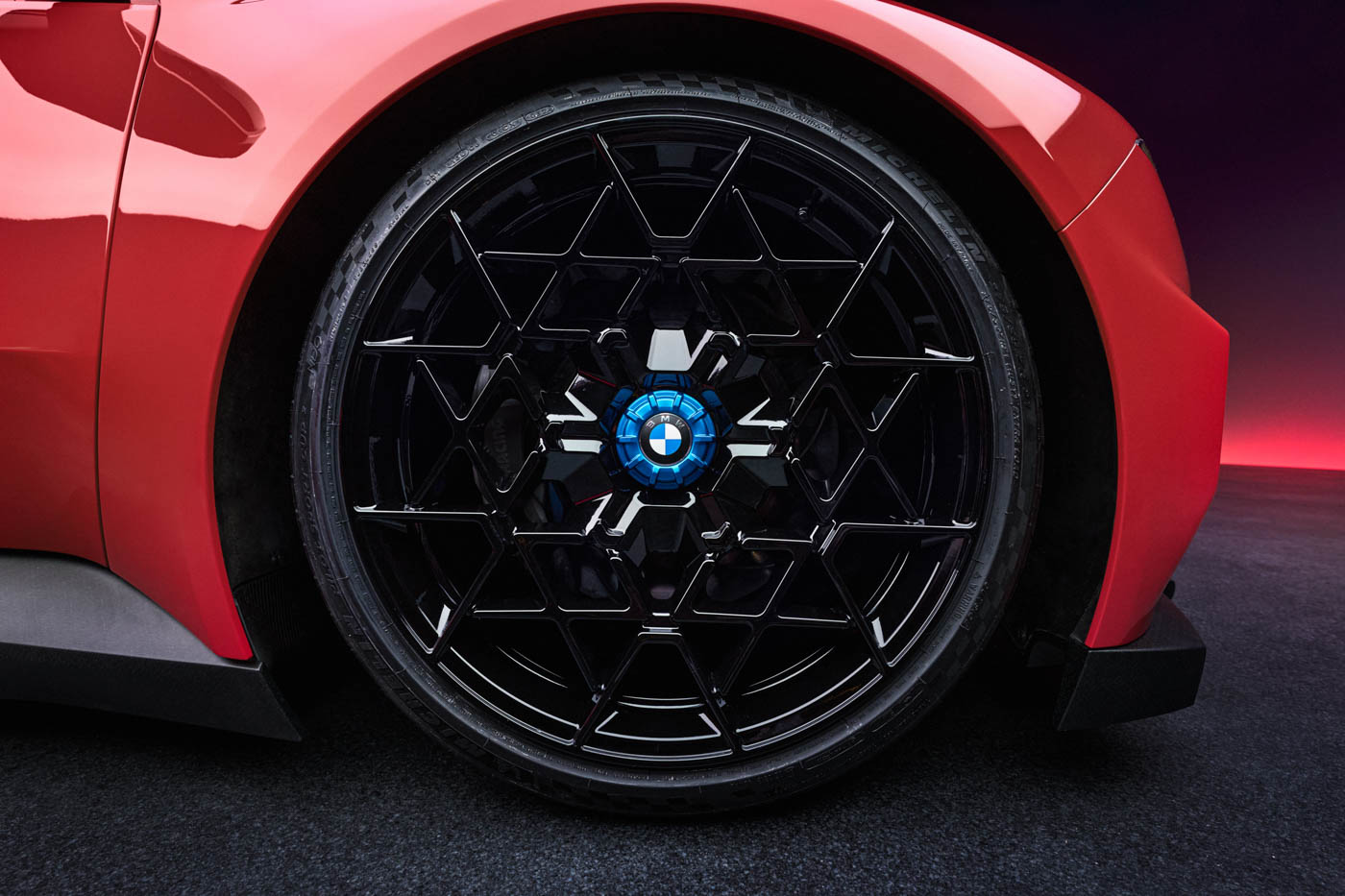
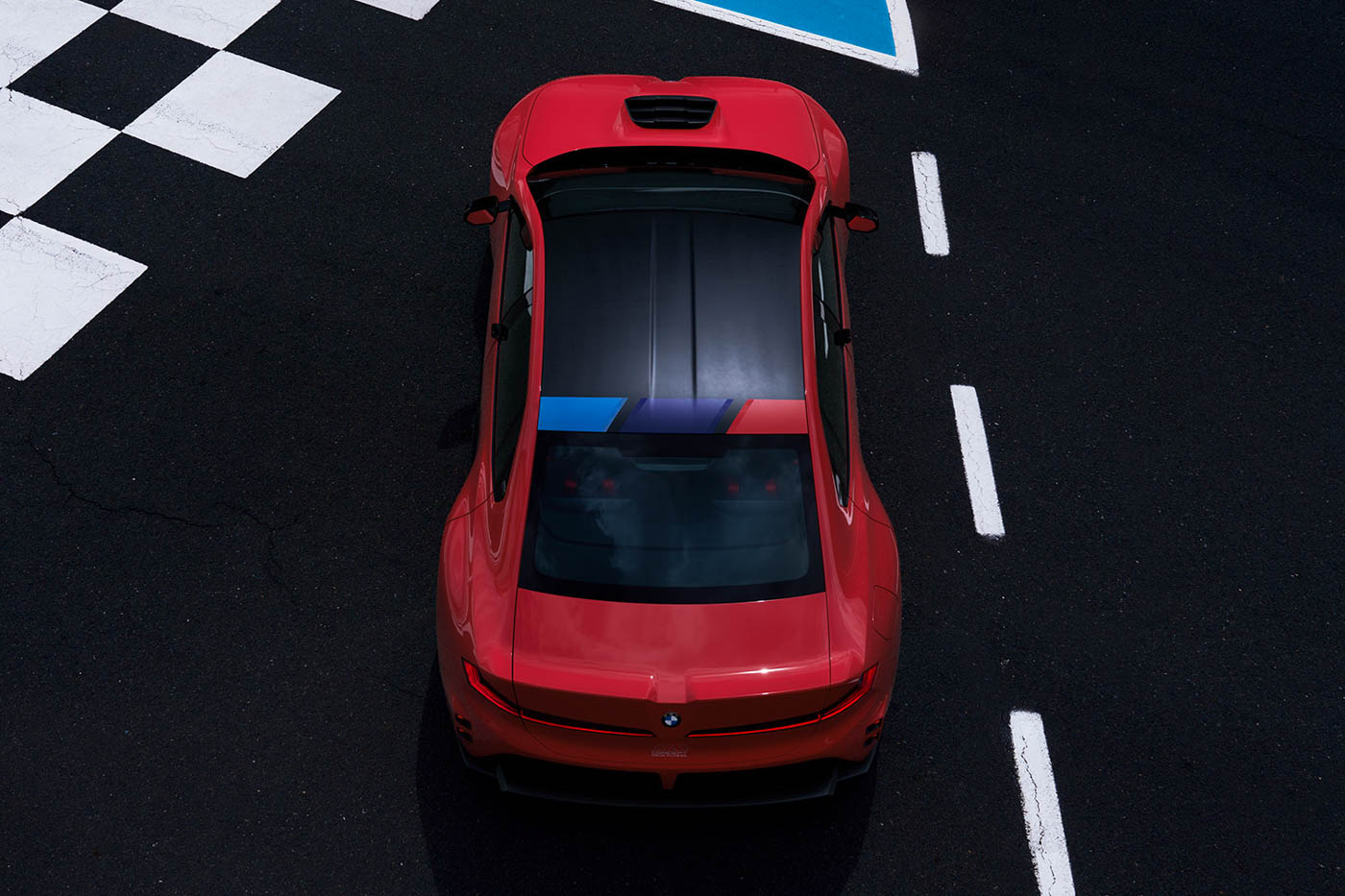
Natural-fibre composite elements are used both inside and out, appearing on components such as the front splitter, bonnet air outlet, and rear diffuser. The roof also debuts a graphic treatment for the first time, while the concept is finished in a newly developed Monza Red metallic paint. Completing the look are red-and-blue centre-lock wheels, a subtle nod to BMW’s rich motorsport heritage.
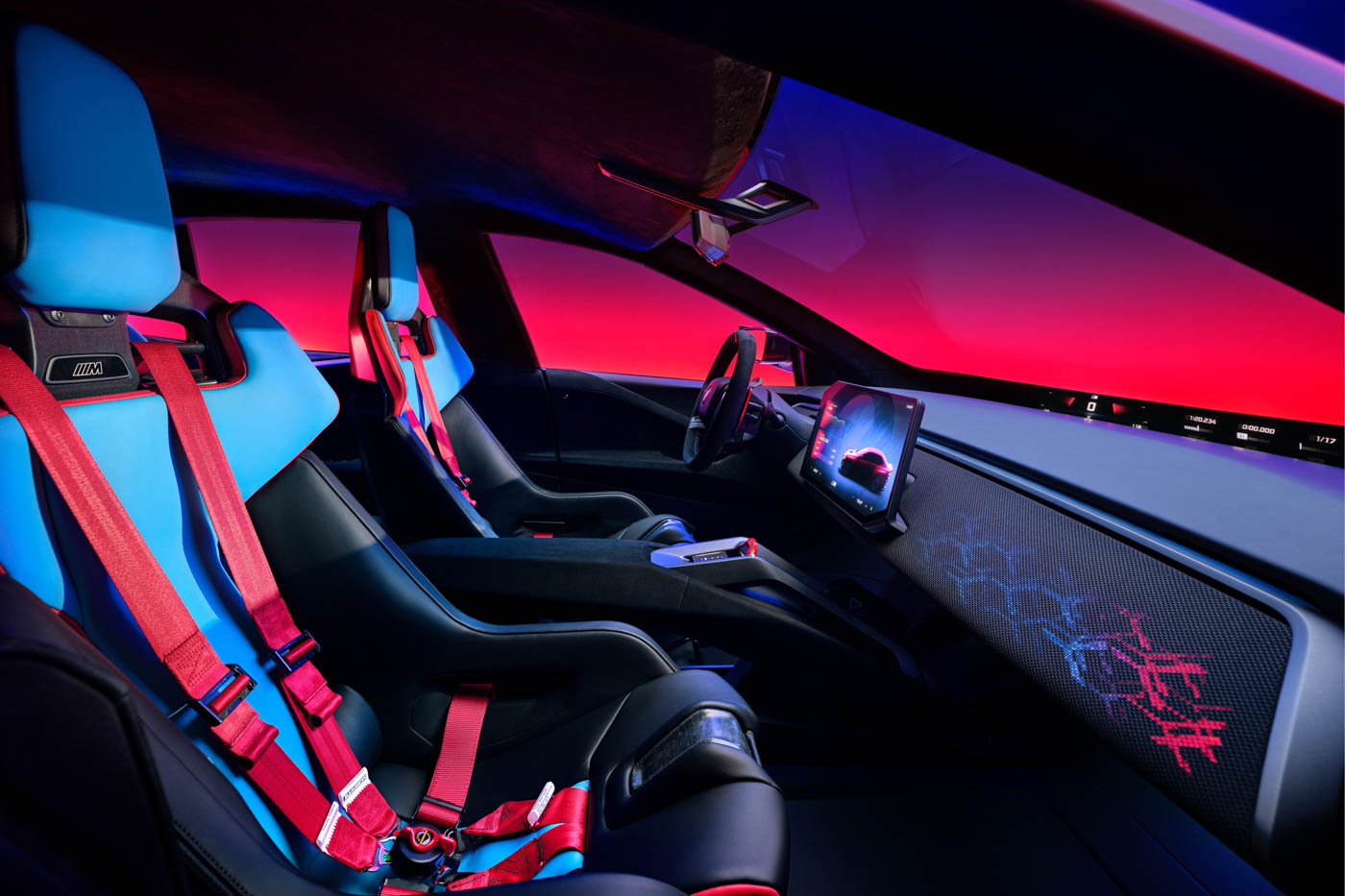
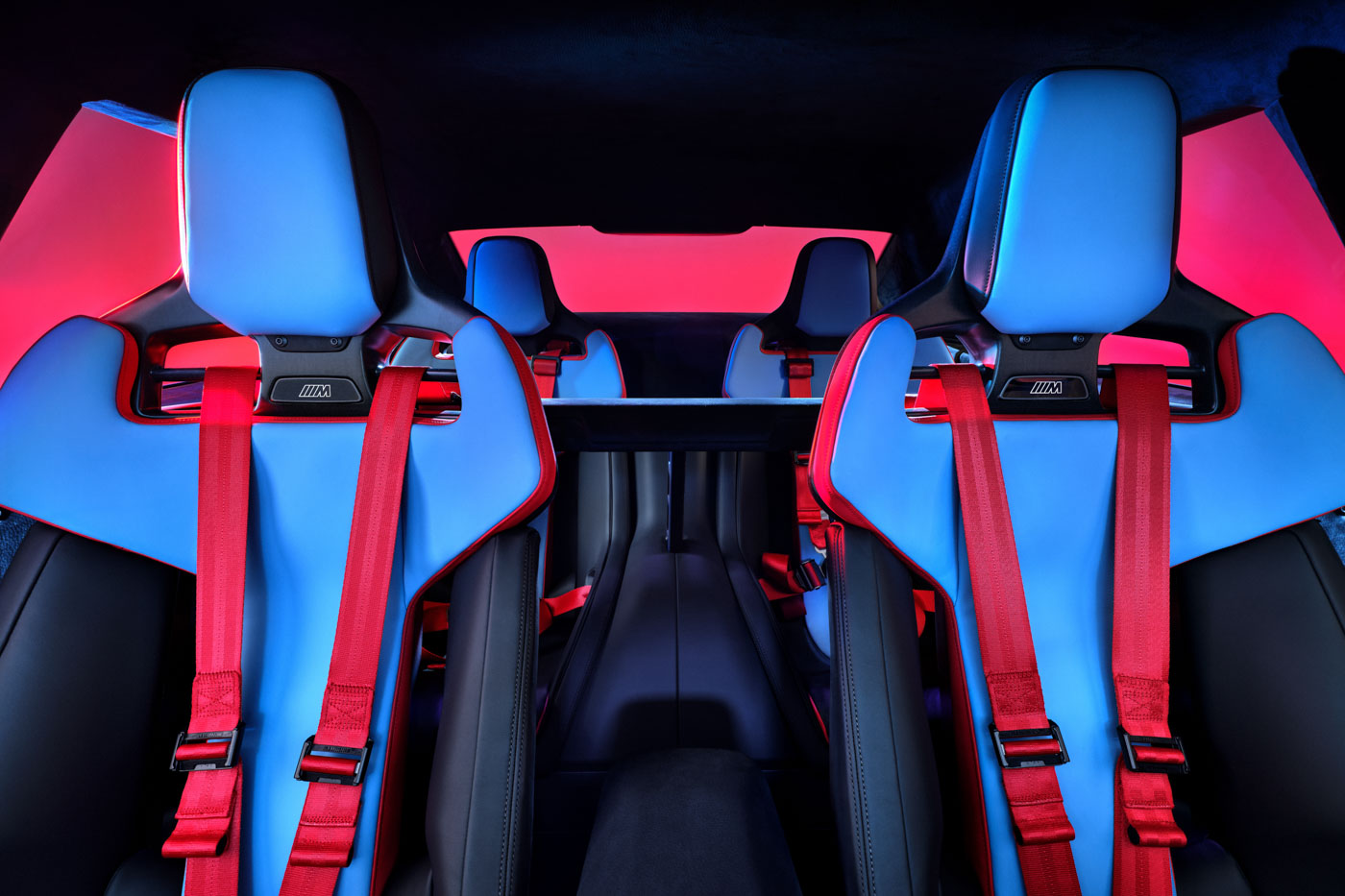
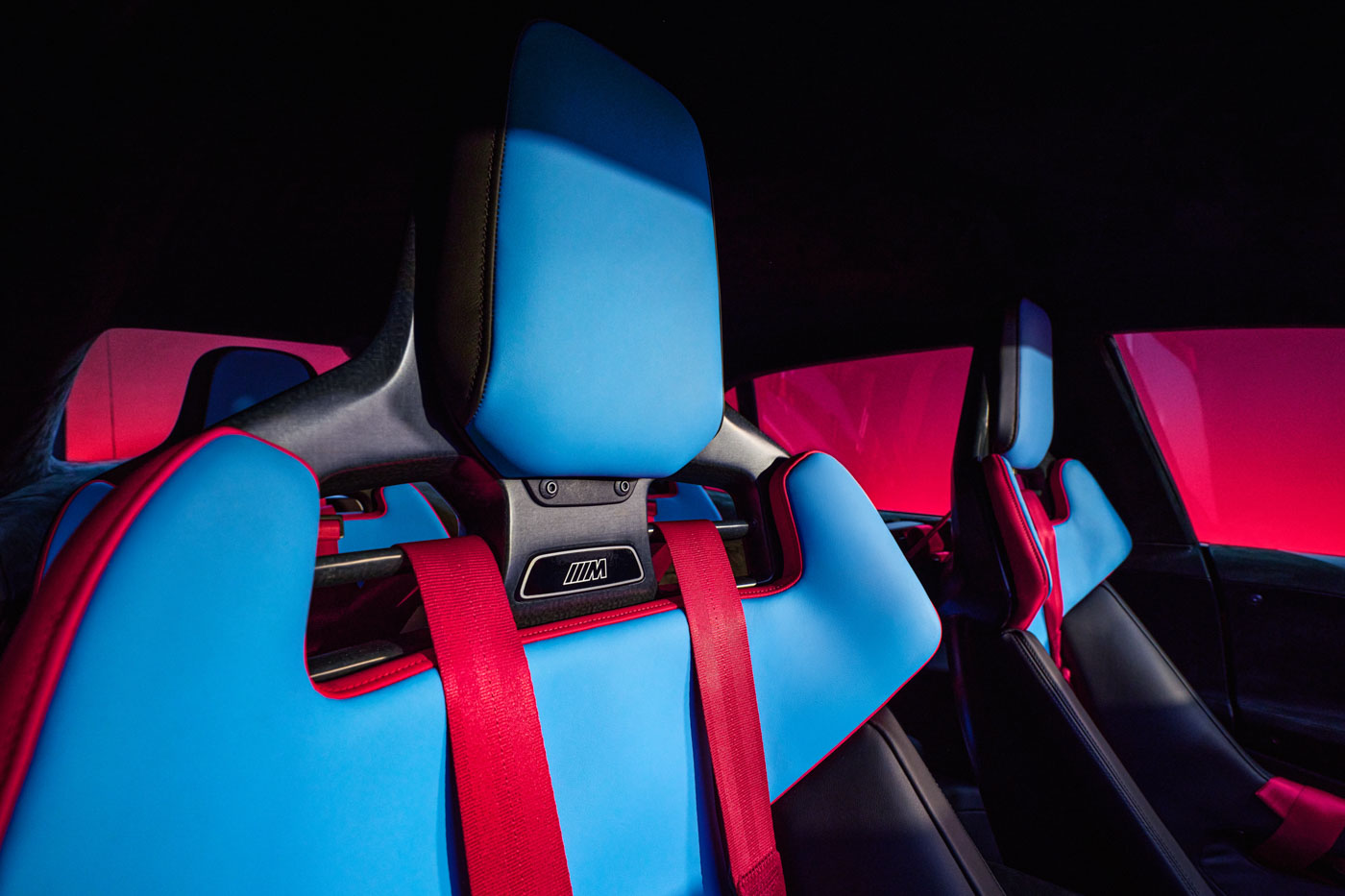
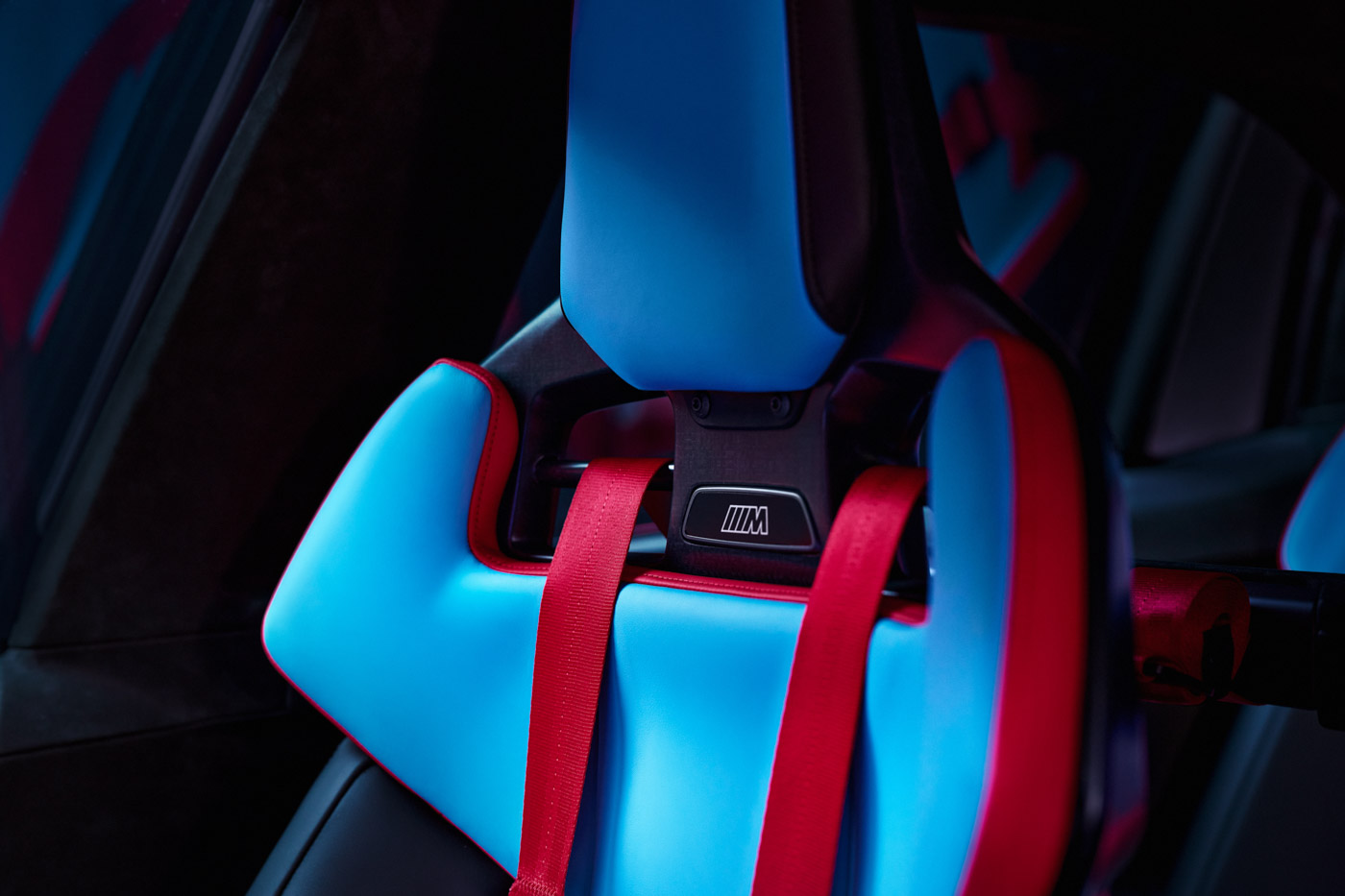
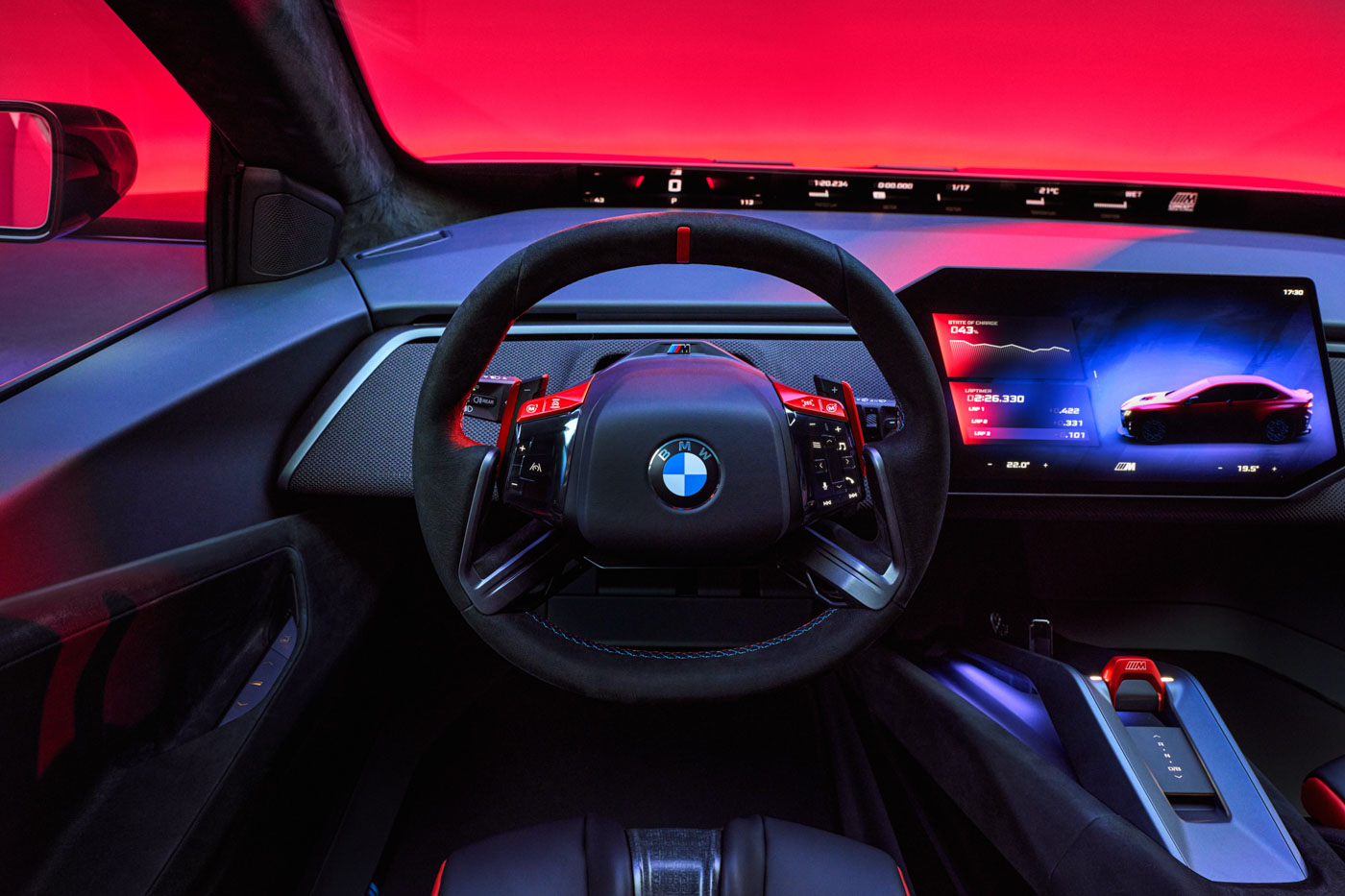
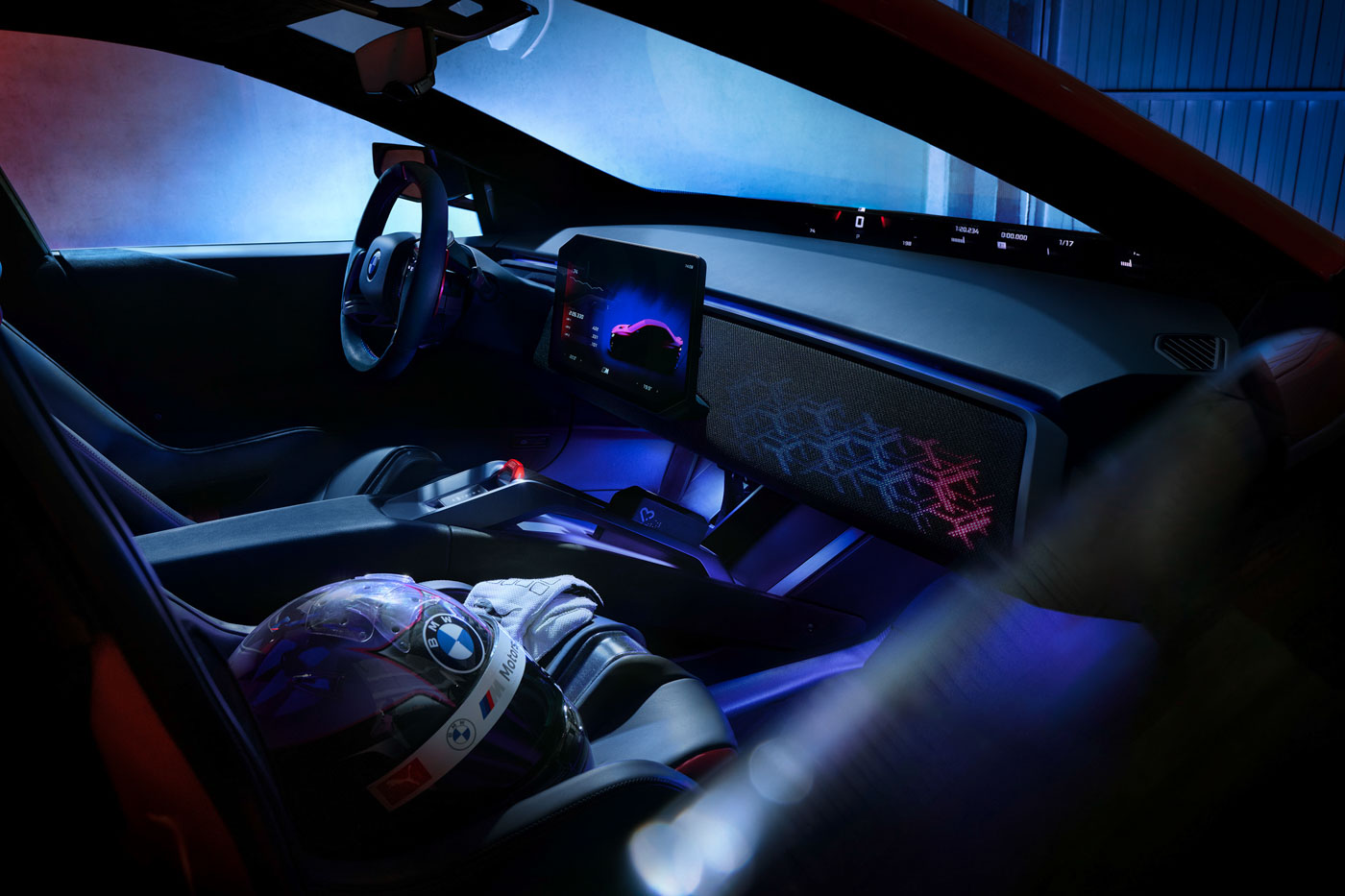
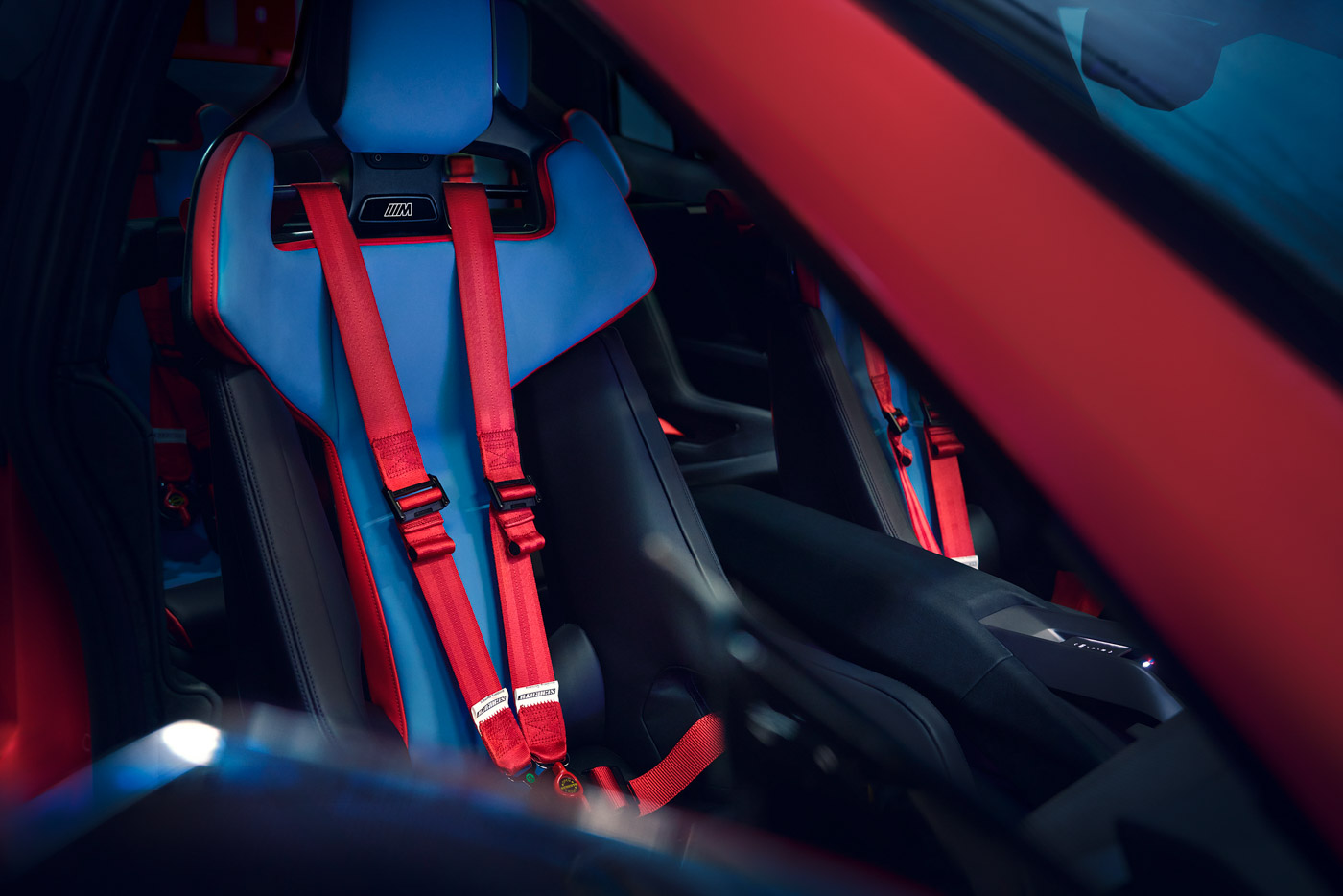
Inside, the cabin features four individual bucket seats constructed from BMW’s new Natural Fibre material, reinforcing the brand’s focus on lightweight construction. One of the most striking elements is the substantial brace spanning the rear section of the cabin, which appears to serve as a structural reinforcement measure while also emphasising the concept’s performance-oriented character.
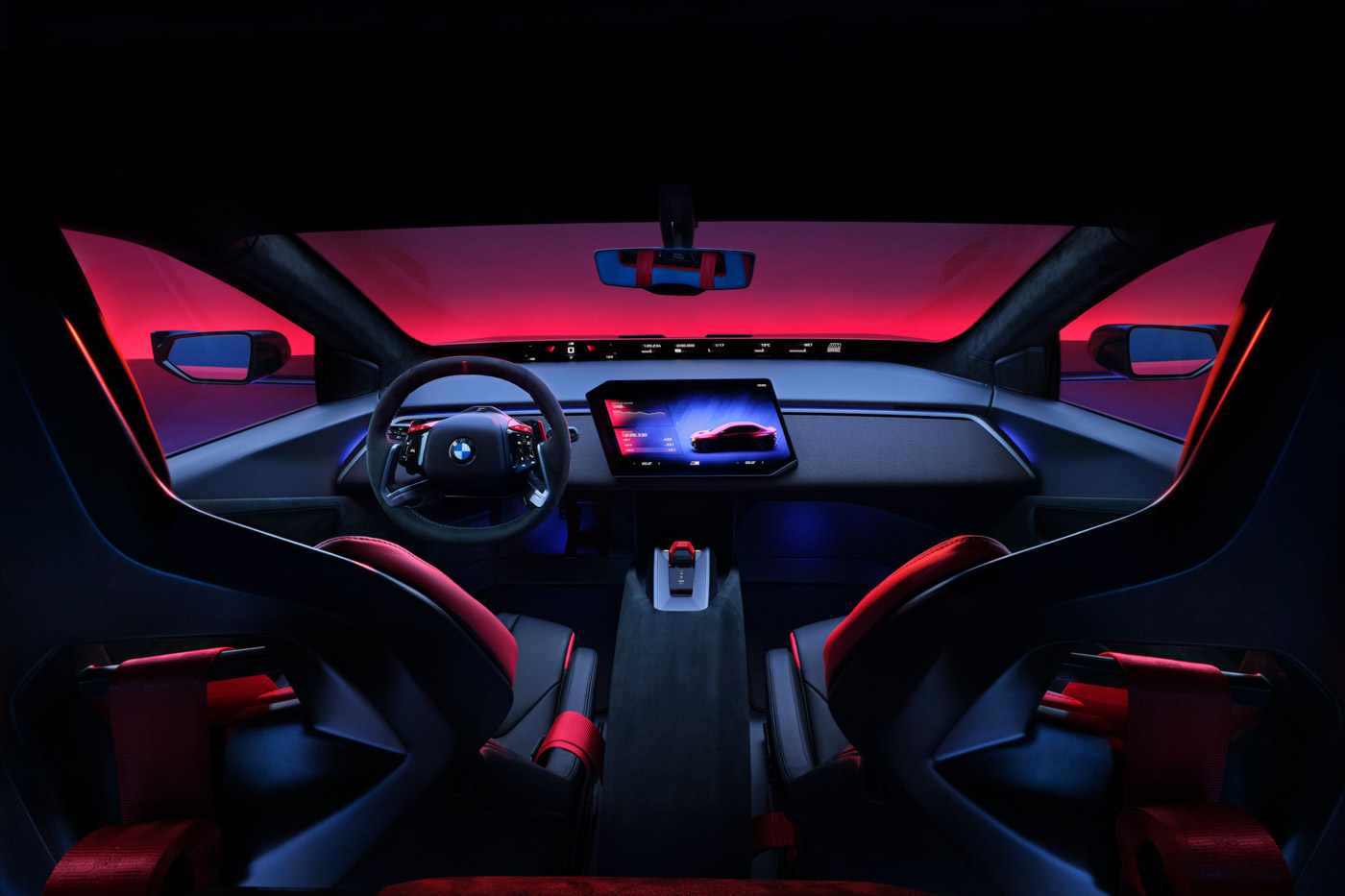
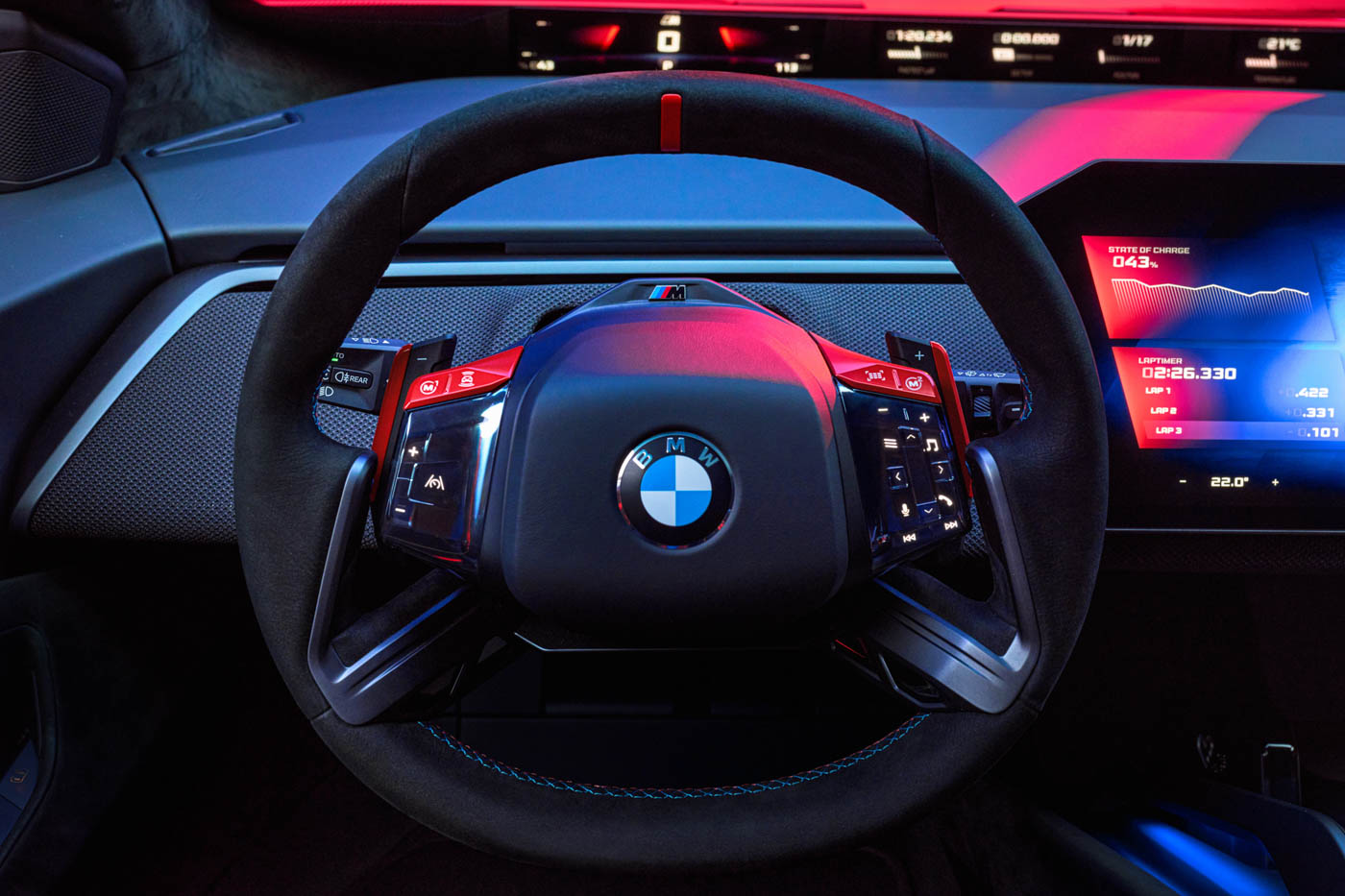
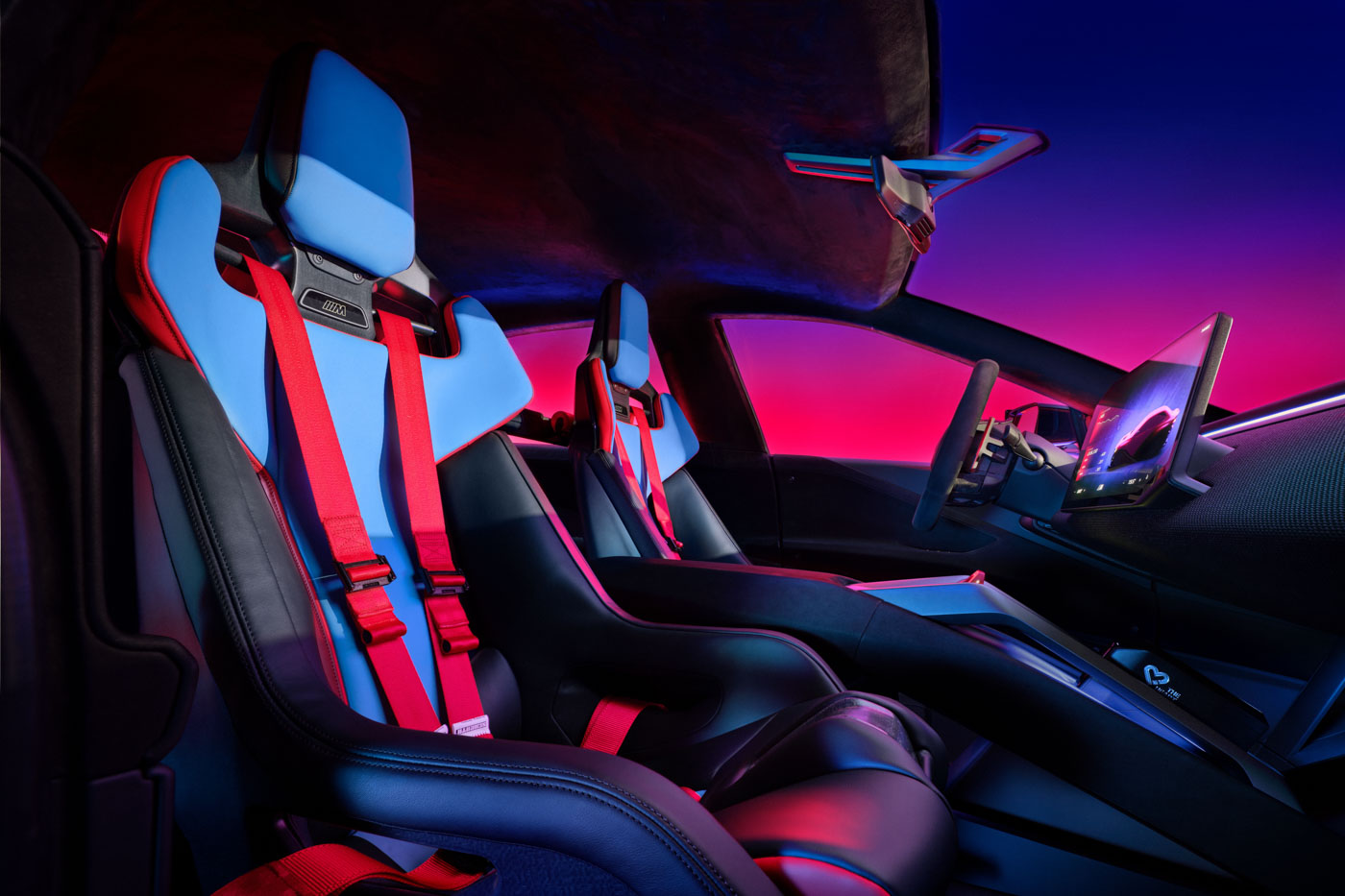
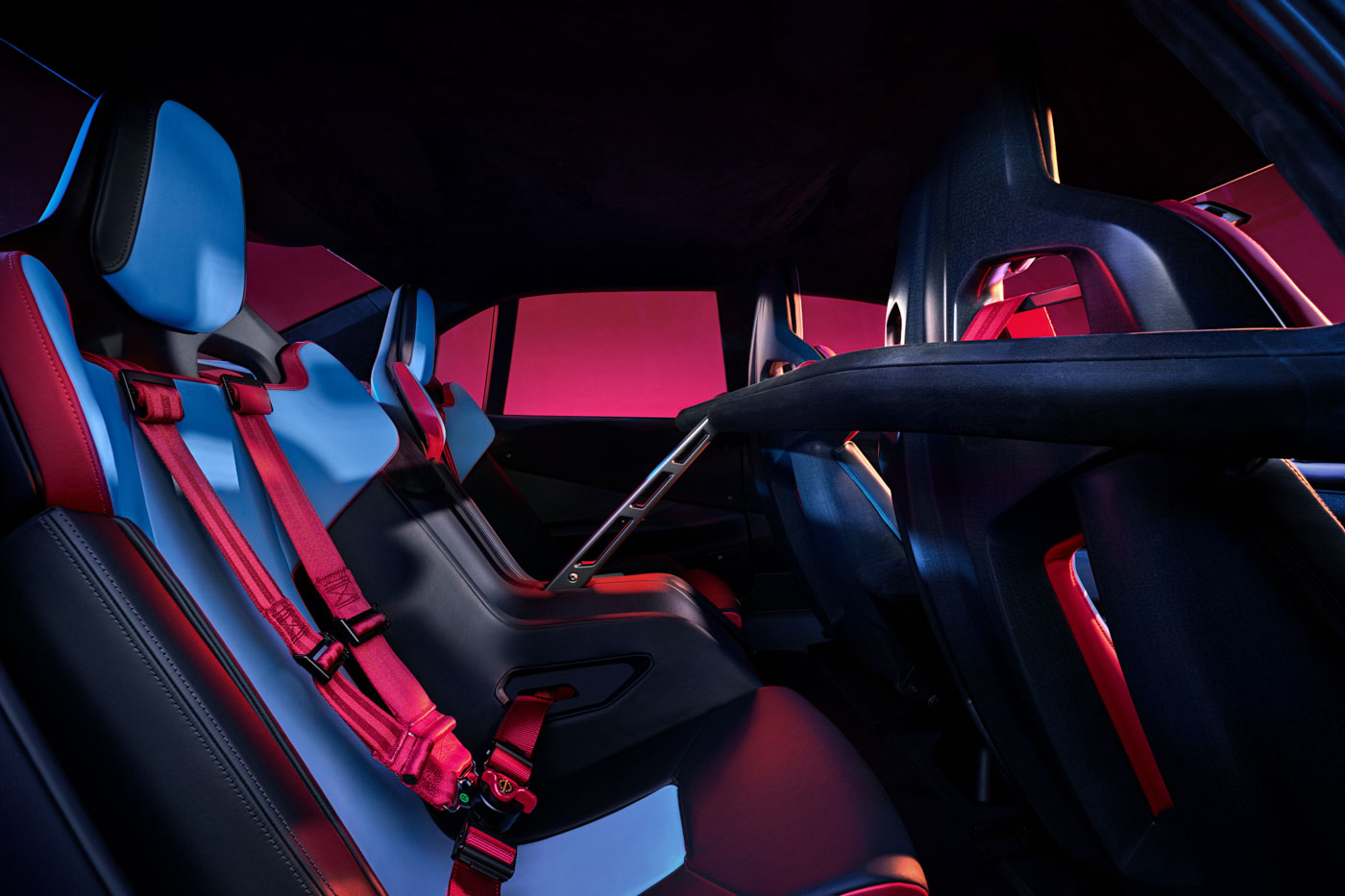
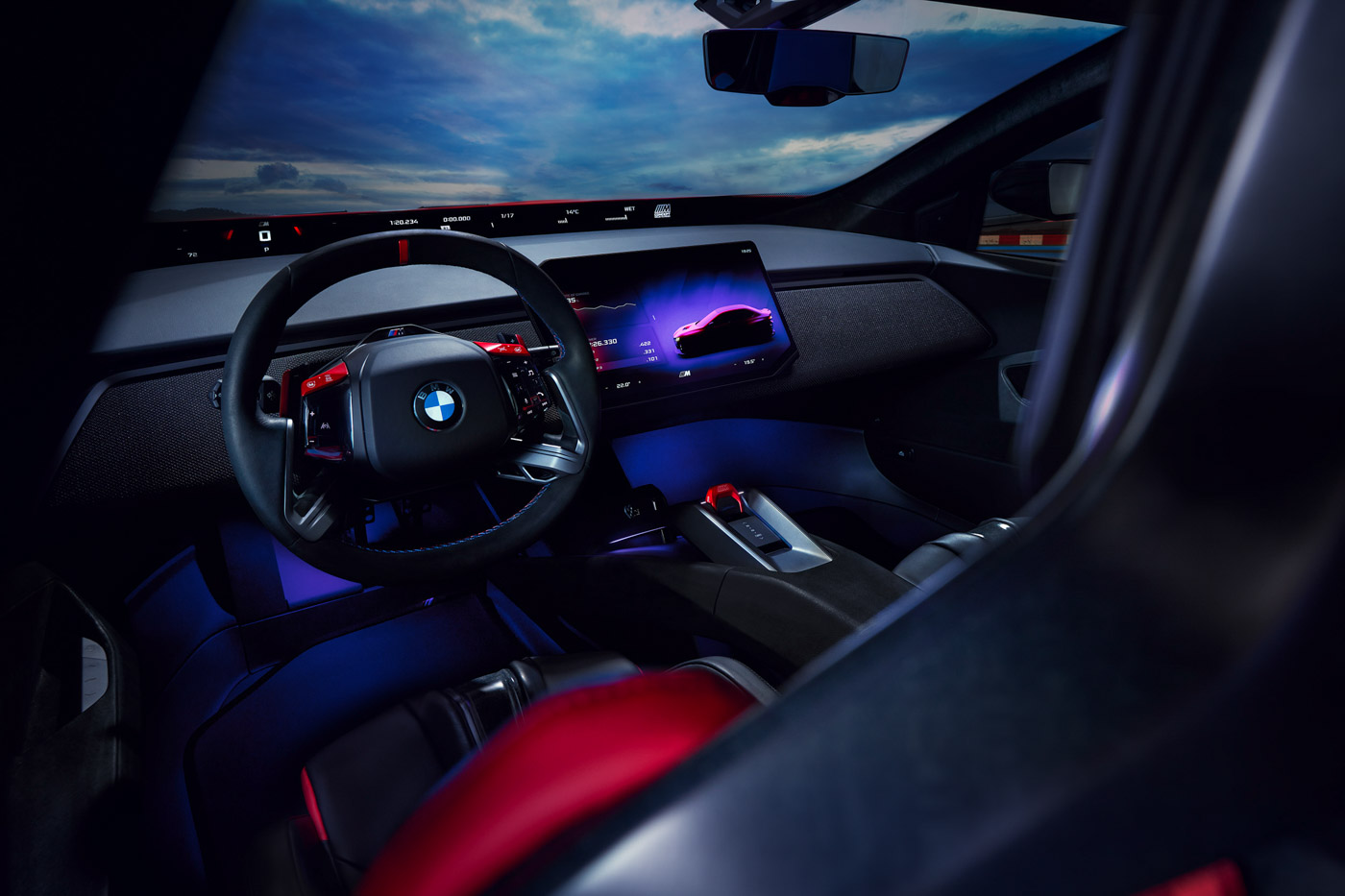
The upholstery combines Bathurst Blue and Berry Red Merino leather, creating a dramatic two-tone finish that mirrors the car’s bold exterior. BMW has also introduced high-quality nubuck leather to an M car for the first time, with the material applied to the steering wheel, door panels, and roll bar.
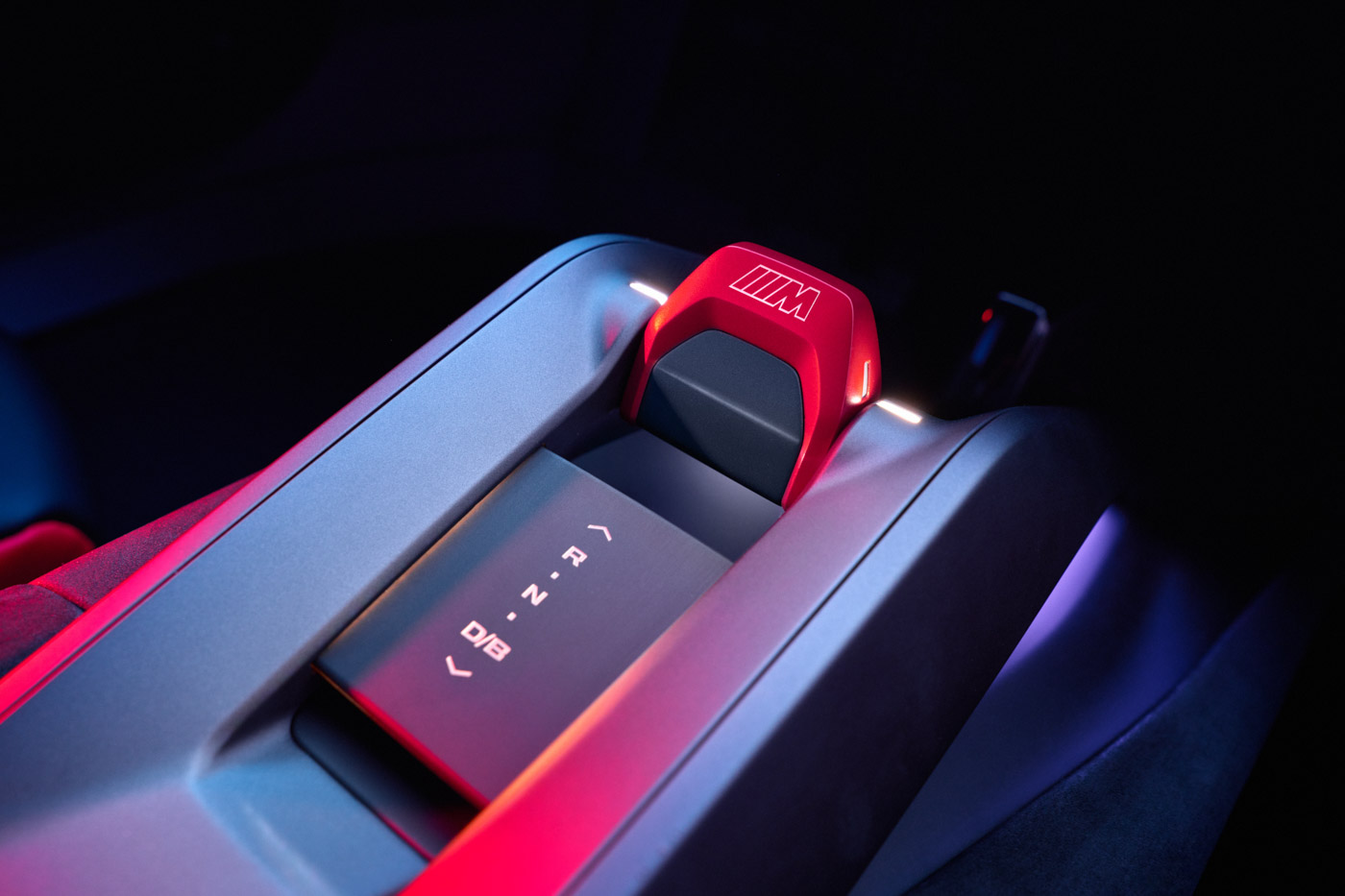
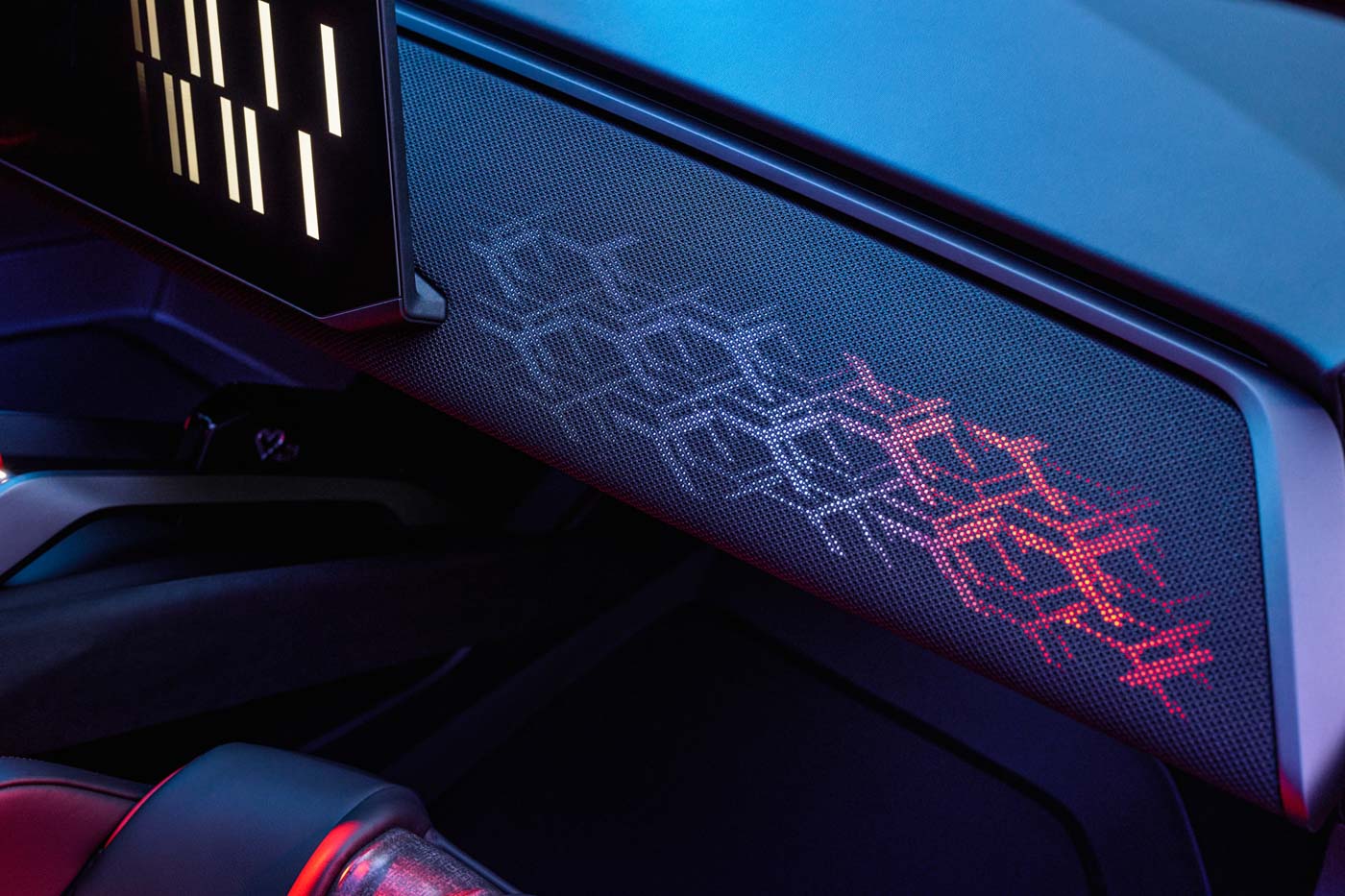
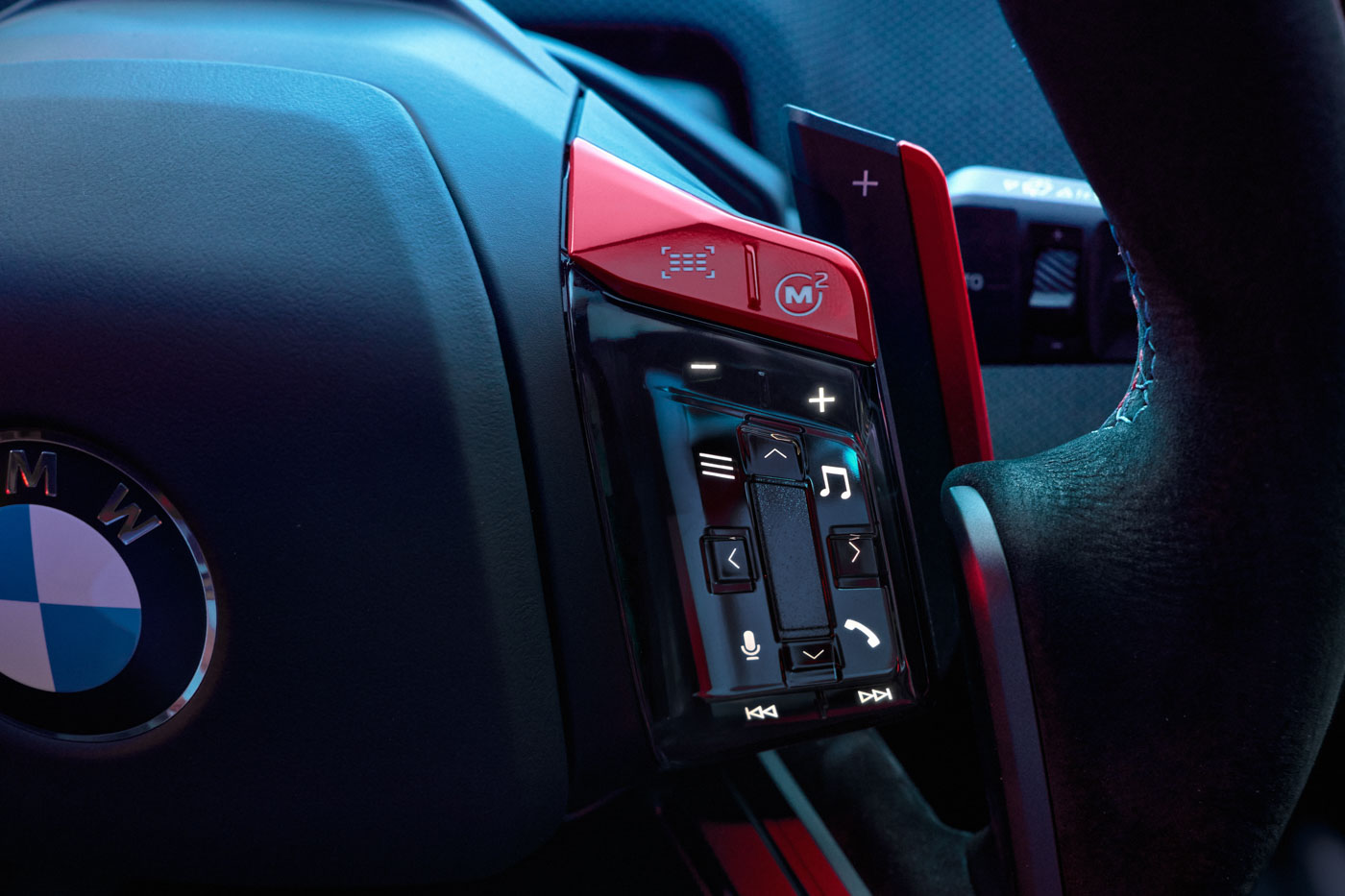
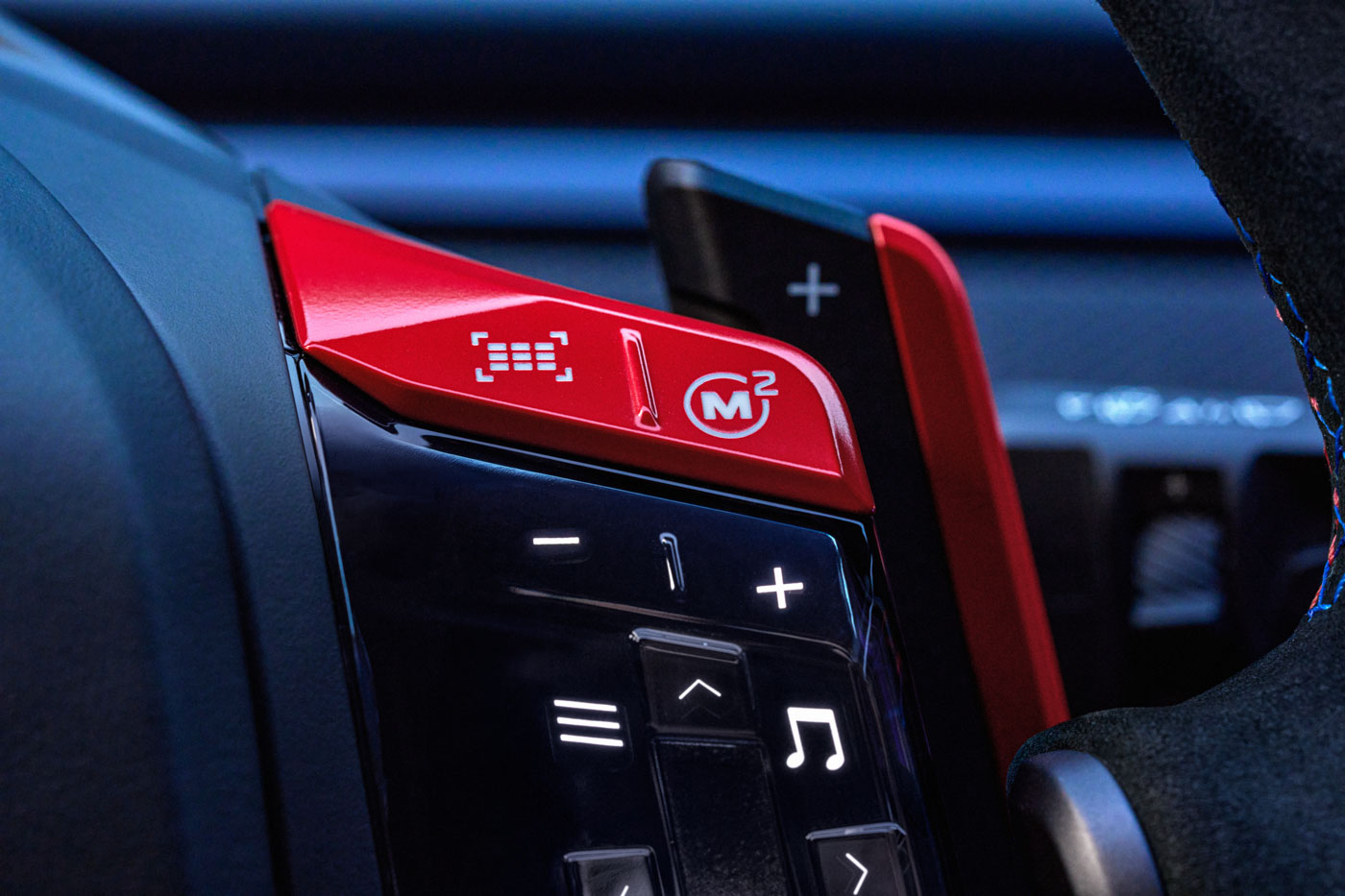
Elsewhere, a black knitted material stretches across the dashboard, while familiar M touches remain present throughout the cabin. These include red accents on the gear selector, paddle shifters, and M steering wheel, adding a splash of colour to the otherwise minimalist interior.
Unlike conventional electric vehicles that typically utilise one or two motors, the BMW M Concept Neue Klasse features a dedicated electric motor for each wheel, resulting in a four-motor all-wheel-drive setup. BMW refers to the new powertrain as BMW M eDrive. While it is based on the Neue Klasse platform’s sixth-generation electric architecture, the system has been specifically engineered for future all-electric BMW M models.
Working alongside the powertrain is BMW M Dynamic Performance Control, housed within the brand’s new high-performance control unit known as the Heart of Joy. BMW says the advanced level of integration between the drivetrain and braking systems enables wheel-specific control, allowing the car to precisely manage power delivery and braking forces at each corner. The result, according to BMW, is improved traction, stronger energy recuperation, and more immediate responses to driver inputs — key characteristics expected of any future M car.
The concept also rides on an 800V electrical architecture and is equipped with a high-voltage battery pack exceeding 100 kWh in capacity. However, BMW says this is far from a standard Neue Klasse battery, as the company has developed M-specific versions of its sixth-generation cylindrical cells to meet the demands of high-performance applications.
ALSO READ: BMW iX3 L unveiled in China with exclusive add-ons – coming to Malaysia soon
Further contributing to the vehicle’s dynamics is the battery housing itself, which has been structurally integrated into both the front and rear axle assemblies to improve chassis rigidity and handling characteristics.
BMW has yet to reveal official power figures, though rumours suggest the production version could deliver between 800 hp and 900 hp. Should those figures prove accurate, the electric M3 would become the most powerful BMW M car ever produced.
While BMW seems to be pushing hard towards an electric future, petrol heads need not worry just yet. The next-generation BMW M3 is still expected to be offered with an ICE variant powered by with a twin-turbocharged inline-six engine, now likely paired with a 48V mild-hybrid system. It should also feature BMW’s new M Ignite technology first seen on the updated M2, allowing the iconic sports sedan to meet stricter emissions standards without abandoning its combustion roots.
ALSO READ: The BMW M2 finally gets an M xDrive AWD version for 2026
GALLERY