Malaysian banks are introducing changes to hire-purchase financing practices as part of the Hire-Purchase (Amendment) Act 2026 (HPAA). To aid the transition, the banks will be offering ‘goodwill discounts’ for individuals who would like to settle their existing fixed-rate hire-purchase loans early, at a more favourable rate than what they would have paid with the ‘Rule of 78’ method.
The new HPAA 2026 essentially outlaws the Rule of 78 method and flat interest rates for hire-purchase loans. When the new law comes into force, all new hire purchases will move to using an Effective Interest Rate (“EIR”) instead of a fixed interest rate, and will be calculated with the reducing balance method. The change is aimed at strengthening consumer credit fairness, as well as modernising the hire-purchase framework in Malaysia.
Most existing car loans in Malaysia use a flat interest rate, where interest is calculated based on the total amount borrowed over the full loan tenure. However, the “hidden” Rule of 78 repayment calculation method front-loads interest payments, meaning a larger portion of the interest is charged at the beginning of the loan, with less applied towards the later stages.
This is generally unfavourable for borrowers who wish to settle their loans early, as a significant portion of their initial repayments goes towards interest repayment rather than reducing the principal. As a result, those who wish to settle their hire-purchase loans early might find a higher outstanding principal amount than expected.
ALSO READ: MOF boosts BUDI diesel cash aid to RM300 for March amid fuel price surge

EIR, on the other hand, better reflects the true cost of borrowing by taking into account additional fees, charges as well as the amortisation schedule. This also helps consumers to better compare various loan offers thanks to better transparency.
With the reducing balance method for repayment calculation, the interest payable is also calculated only on the remaining loan amount, much like a typical housing loan. So as you repay the loan, the balance gets smaller, and the interest charged also decreases over time.
In a joint media statement, the Association of Banks in Malaysia (ABM), the Association of Islamic Banking and Financial Institutions Malaysia (AIBIM), and the Association of Development Finance Institutions of Malaysia (ADFIM) announced that the discount will take effect on 1 June 2026 as banks transition to the new framework.
ALSO READ: Work-from-home directives unlikely to reduce fuel usage in Malaysia, says Employers Federation
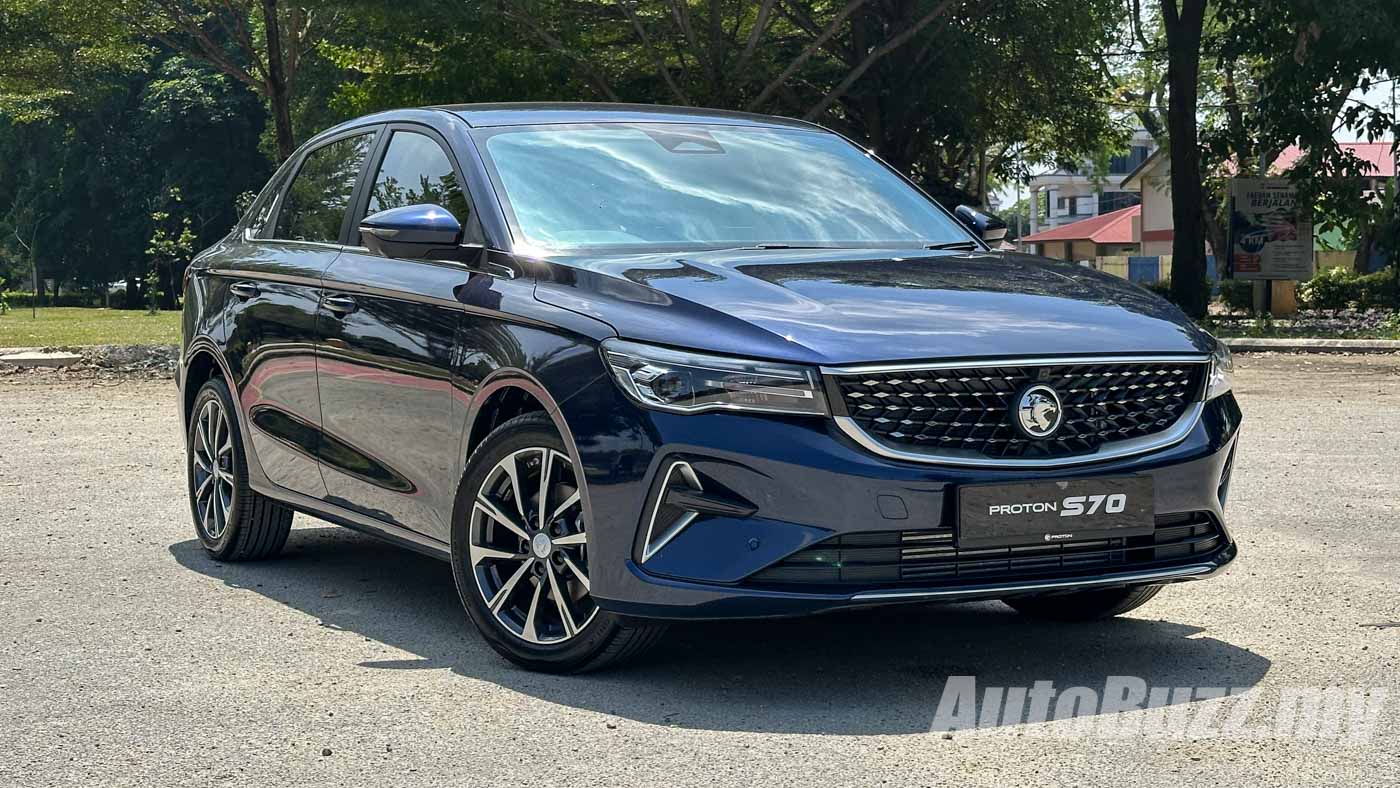
During the transition period, effective from 1 June 2026 to 31 March 2027, banks can still continue to offer financing under the Rule of 78 and fixed rate method as they adapt their systems, but with the aforementioned discounts to compensate for the upcoming amendments.
The statement said, “With the goodwill discounts, customers who entered into hire-purchase agreements before banks’ implementation of the HPAA and choose to early settle their hire-purchase financing early will have an outstanding balance that is more comparable with what it would have been under the reducing balance method.”
“Each bank will calculate goodwill discounts based on features of the customer’s existing agreement, including the financing tenure and the timing of early settlement. The exact discount and details will be given to customers when they request for early settlement,” it added.

Goodwill discounts will apply to individuals, as well as micro and small businesses, with fixed-rate hire-purchase agreements that use the Rule of 78 method. This applies to agreements entered before 1 June 2026, or during the transition period ending 31 March 2027, provided the customer chooses to settle the loan early before its maturity.
At the point of early settlement, the customer’s account must be in good standing. This means it must not be in arrears exceeding 90 days, under legal action or subject to a repossession order, or under any restructuring and rescheduling (R&R) arrangement or enrolled in a formal debt management programme.
ALSO READ: Pickup trucks in Malaysia now classified as de-controlled vehicles – what does that mean?