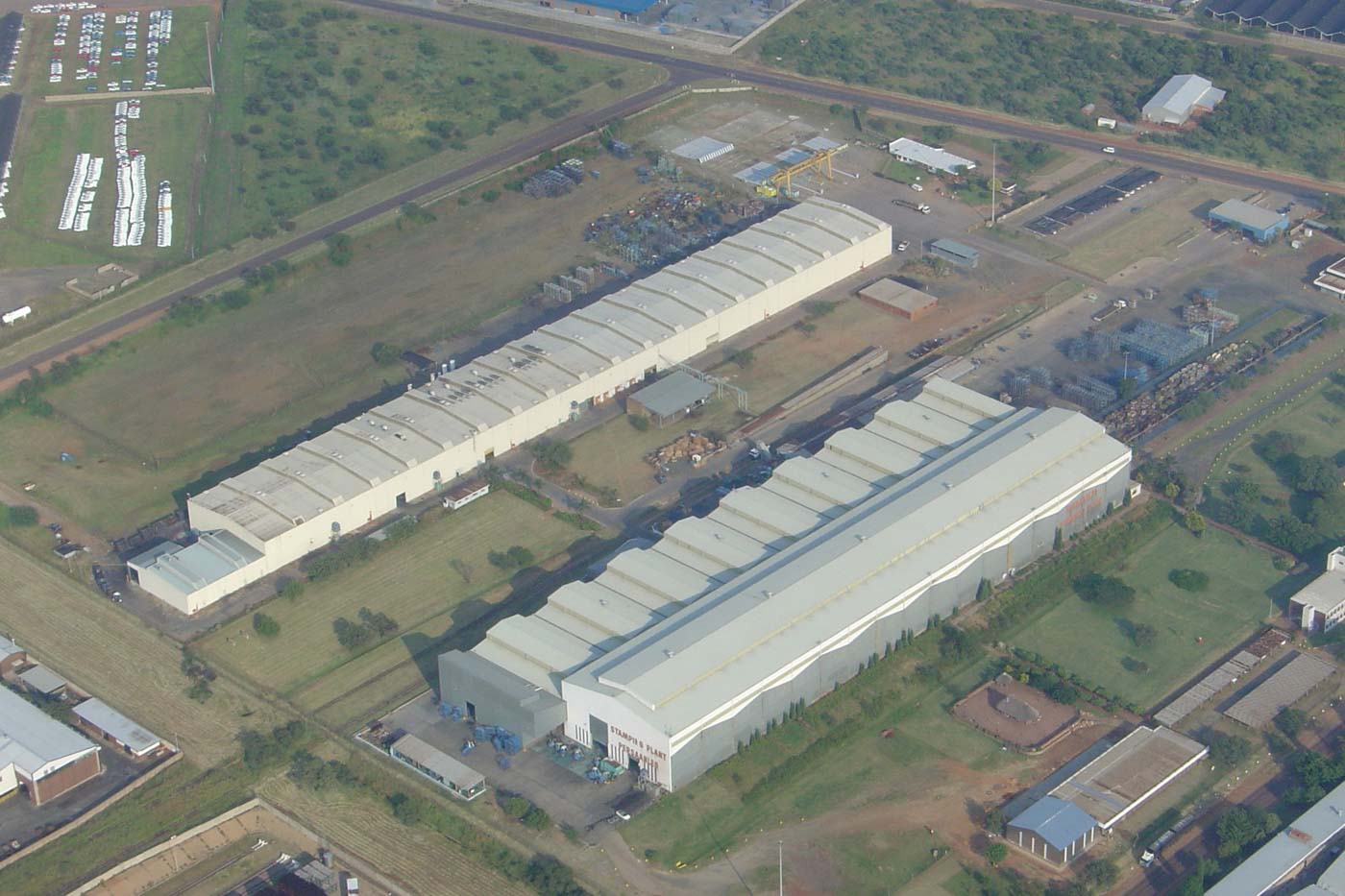
Nissan has agreed to sell its manufacturing assets in Rosslyn, South Africa, to China’s automotive giant, Chery. In line with the Japanese marque’s Re:Nissan recovery plan, the deal is expected to be completed by mid-2026, pending conditions, and includes the land, buildings, and associated facilities, as well as its nearby stamping plant.
The deal is subject to “fulfilment of certain conditions”, including regulatory approvals, but once through, the agreement will see the majority of Nissan staff at the Rosslyn factory offered employment by Chery South Africa under similar terms and conditions, Nissan’s press release states.
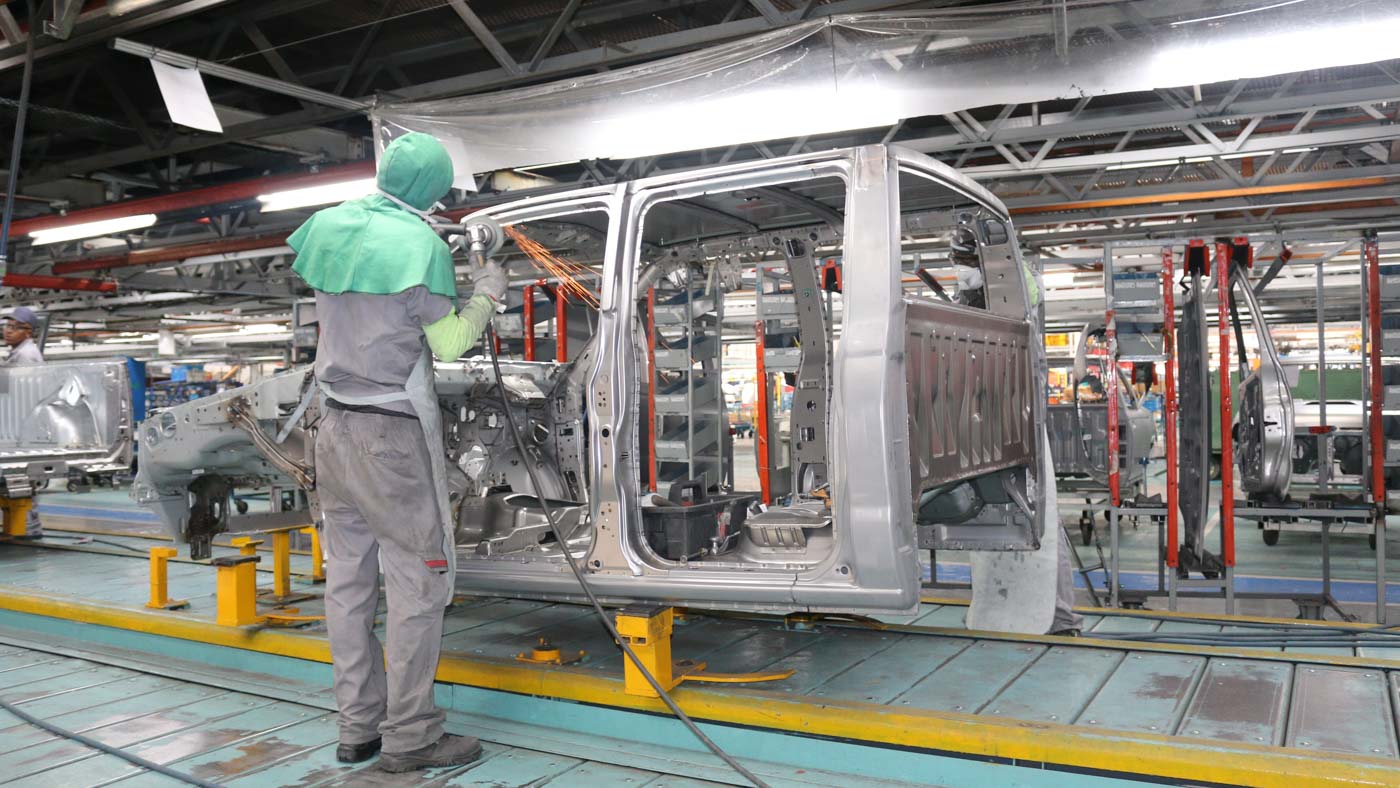
The Nissan Navara is the sole model in production at the Rosslyn factory currently, built for the local market and also exported to several countries, mainly within Africa. If the deal goes through, production for the model is expected to end in May, Reuters reports.
Despite the sale of the facility, Nissan reiterates that it is not exiting South Africa entirely. The company says it will “continue to offer vehicles and services” to its local customers, with several new model launches planned for the 2026 fiscal year, including the Nissan Tekton and Nissan Patrol.
RELATED: Nissan’s historic Oppama plant to stop vehicle production by the end of 2027
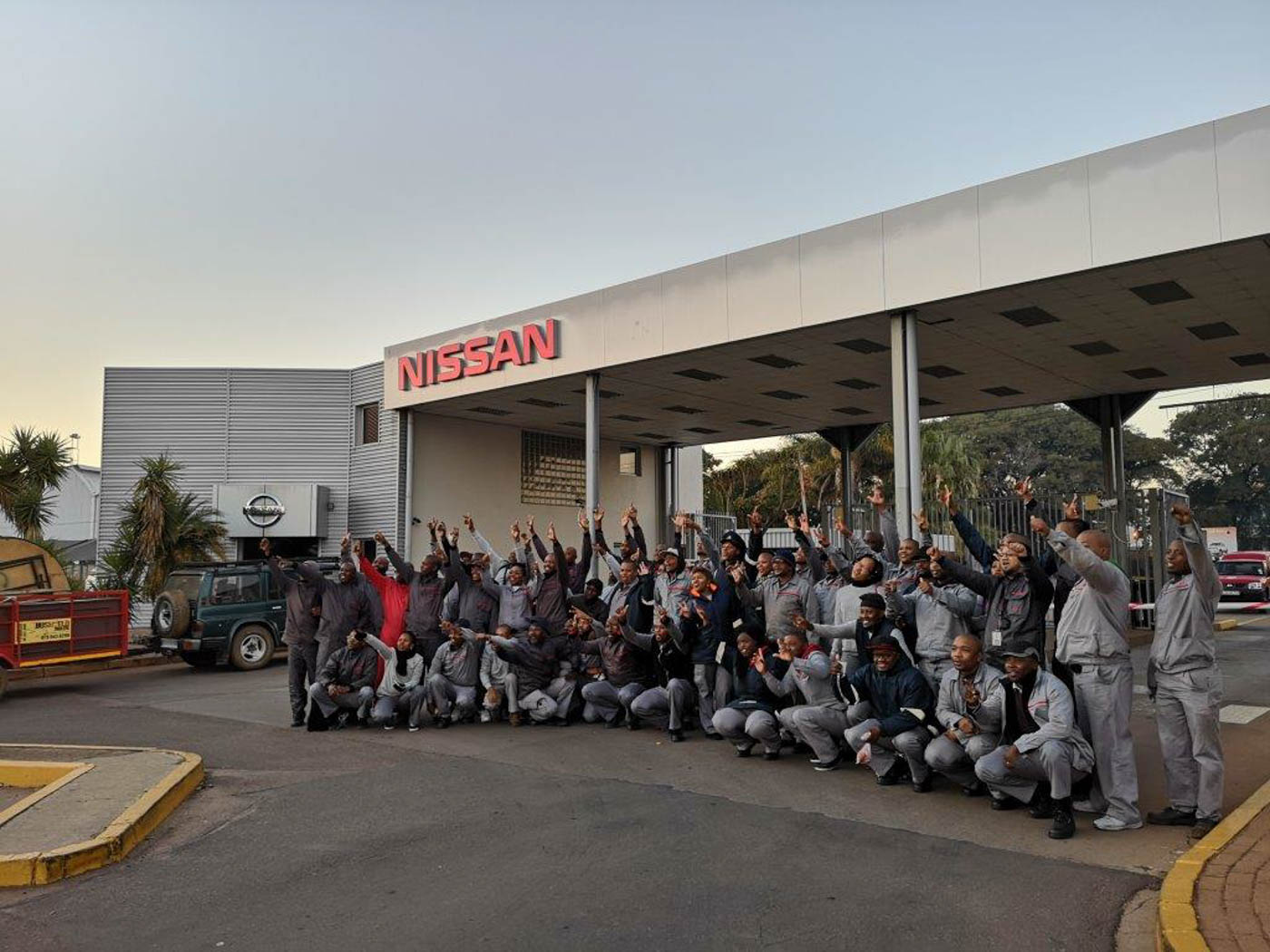
Commenting on the agreement, Nissan Africa President Jordi Vila said: “Nissan has a long and proud history in South Africa and we have been working to find the best solution for our people, our customers, and our partners. External factors have had a well-known impact on the utilisation of the Rosslyn plant and its future viability within Nissan.”
“Through this agreement, we’re able to secure employment for the majority of our workforce, while also preserving opportunities for our supplier network. This move ensures that the Rosslyn site will continue contributing to the South African automotive sector,” he added.
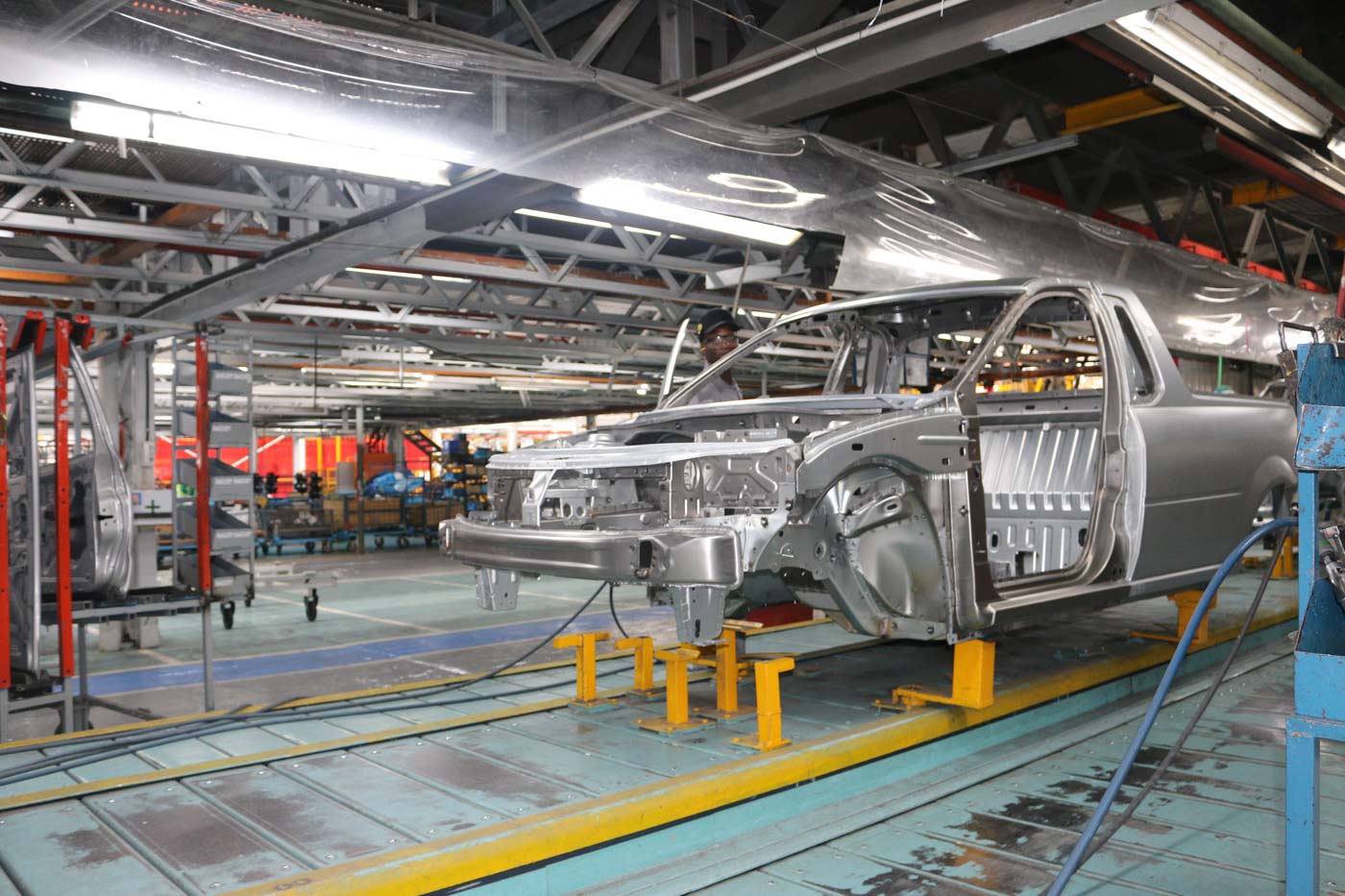
Announced last year, the Re:Nissan recovery plan aims to reduce Nissan’s global production capacity from 3.5 million to 2.5 million units, while increasing plant utilisation to around 100%. As part of this effort, the company plans to close seven of its 17 plants worldwide and cut its workforce by 15%.
With operations dating back to 1966, the Rosslyn facility represents nearly 60 years of Nissan manufacturing in Africa, closing a long chapter for the brand while opening a new one for the booming Chinese automotive industry.
ALSO READ: Nissan wants to be cool again, to double Nismo lineup and expand heritage restoration programme