Celebrating its third consecutive victory at the 24 Hours of Le Mans with the Ferrari 499P, Ferrari has now unveiled the F76 — a car that isn’t built for mass production, or even as a concept. It exists only in the digital world, purely as a non-fungible token, or more commonly known as NFT.
In typical Ferrari fashion, the Ferrari F76, just like any other Ferrari, is developed with clear intent. While it won’t manifest into a physical form, the marque’s first digital car aims to offer a “new frontier in the brand experience”.

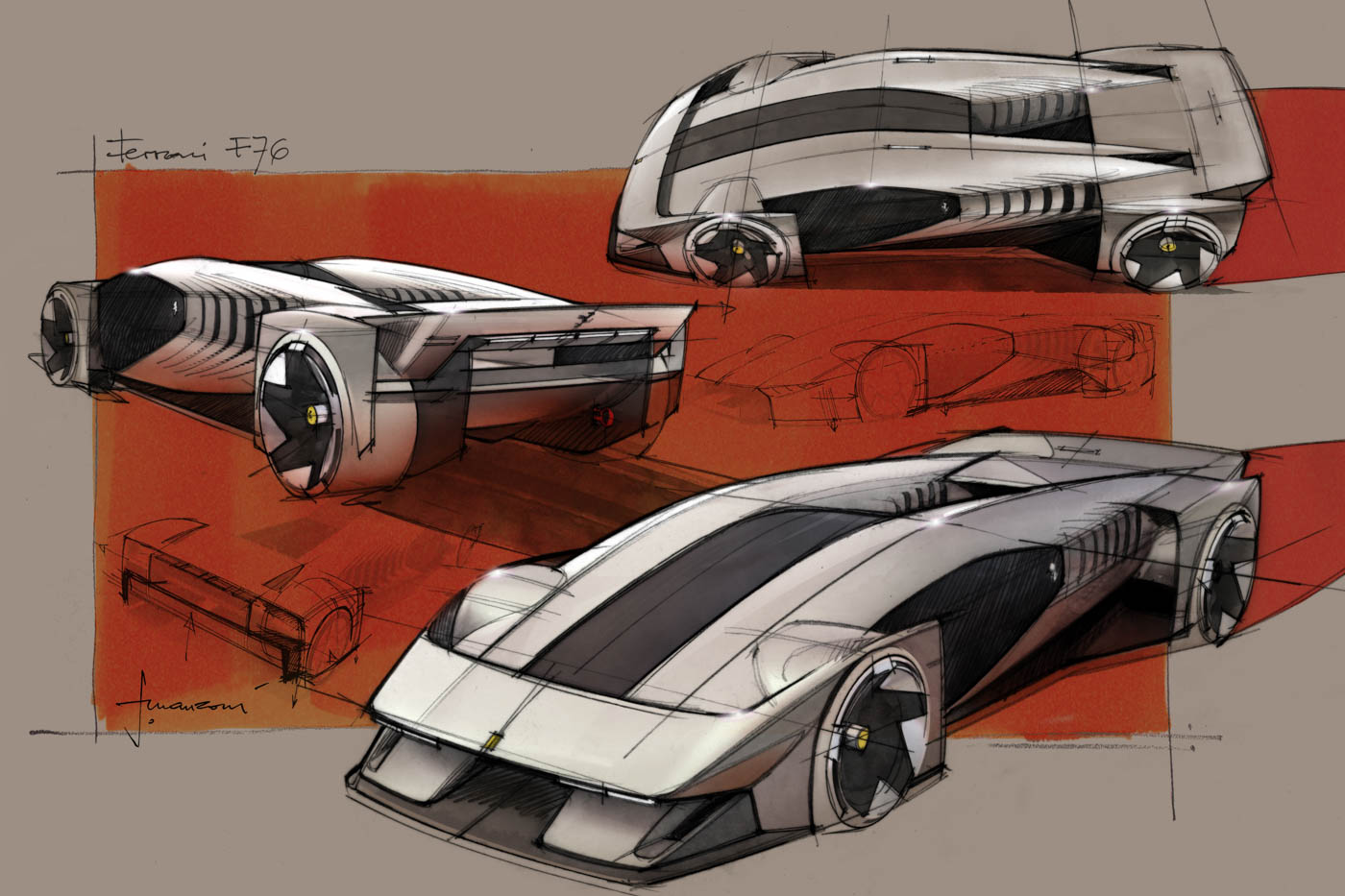
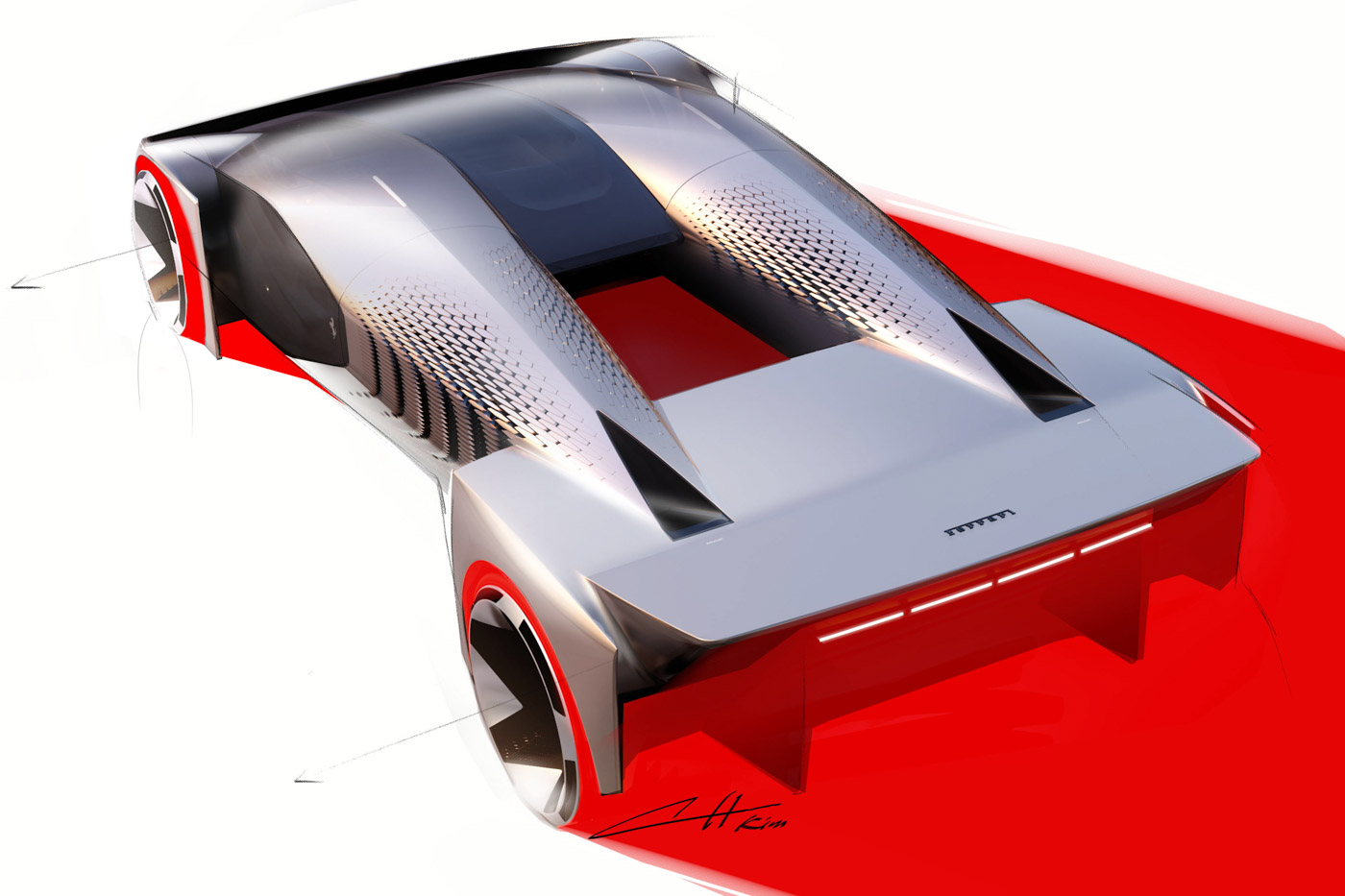
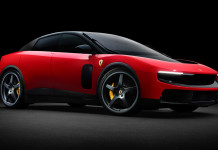
The design of the Ferrari F76 blends the aggressive lines of the Ferrari F80 hypercar with a distinct Cyberpunk-inspired aesthetic. Designed by Flavio Manzoni — the man behind icons like the Ferrari Daytona SP3, Roma, 296 GTB, and LaFerrari — the F76 stands out as one of his most radical works yet, featuring a double-fuselage layout that separates the driver and passenger seats for optimal airflow management.
Ferrari says the separation turns the car’s body into a wing, boosting ground effect with improved airflow through the central channel between the underbody and bodywork. On its sides, the side fenders feature the same vertical cuts seen in the Ferrari F80.
ALSO READ: Ferrari Elettrica – the first-ever electric Prancing Horse is here… Sort of
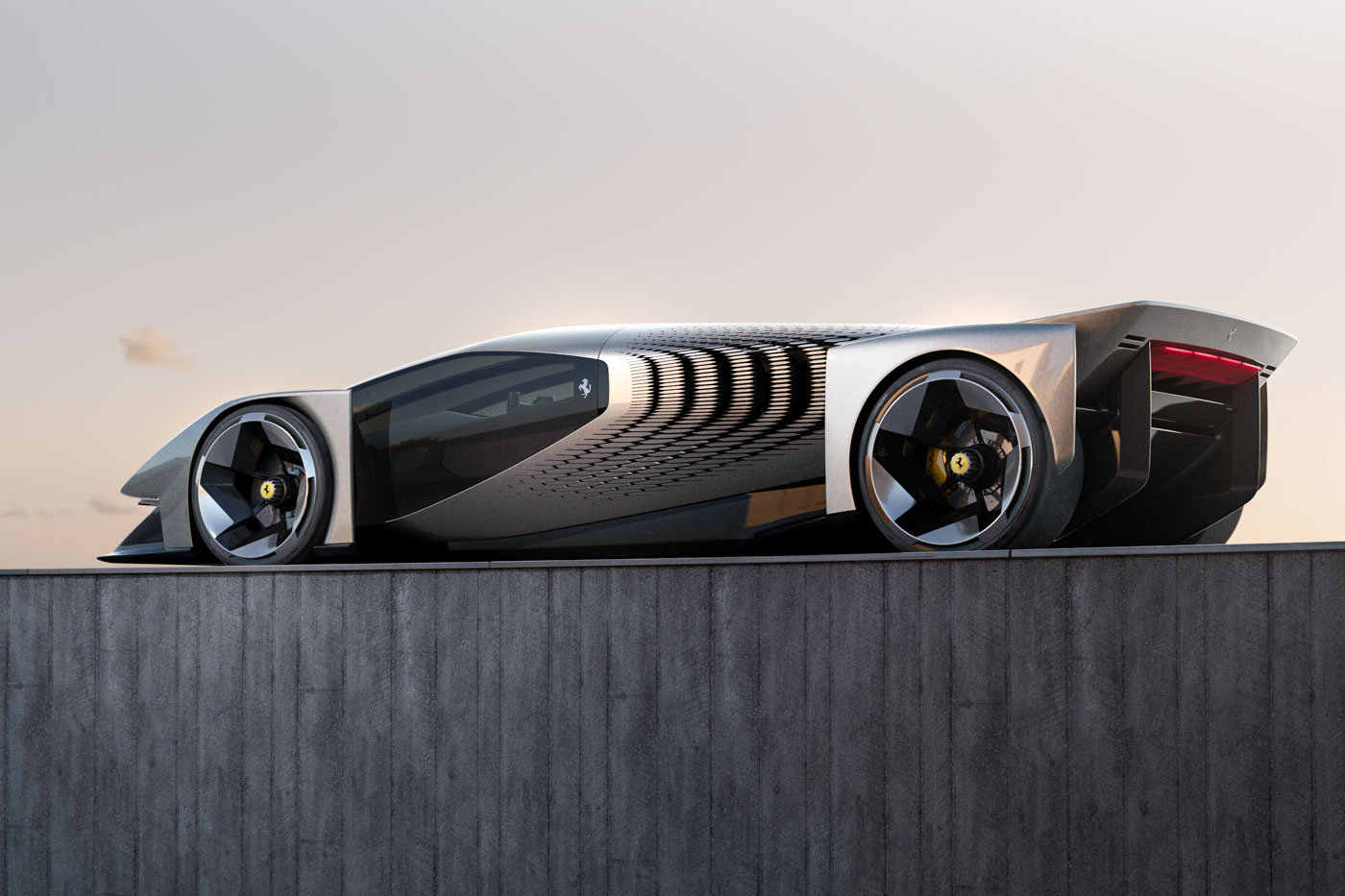
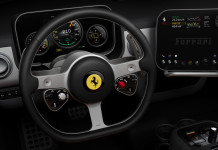
Inside the Ferrari F76, the dual-fuselage design enables a driving experience unlike any other: two separate cockpits using full drive-by-wire control systems that synchronise every driving input — from steering wheel to pedals — so that both occupants share the same real-time sensations and engagement behind the wheel.
While Ferrari hasn’t explicitly referenced the use of AI, the F76 was partly designed using what the company calls “generative algorithms”. These algorithms supported the optimisation of complex structural and aerodynamic elements, while preserving Ferrari’s signature Maranello aesthetic.
ALSO READ: Ferrari reinvents the icon with the all-new Ferrari 849 Testarossa
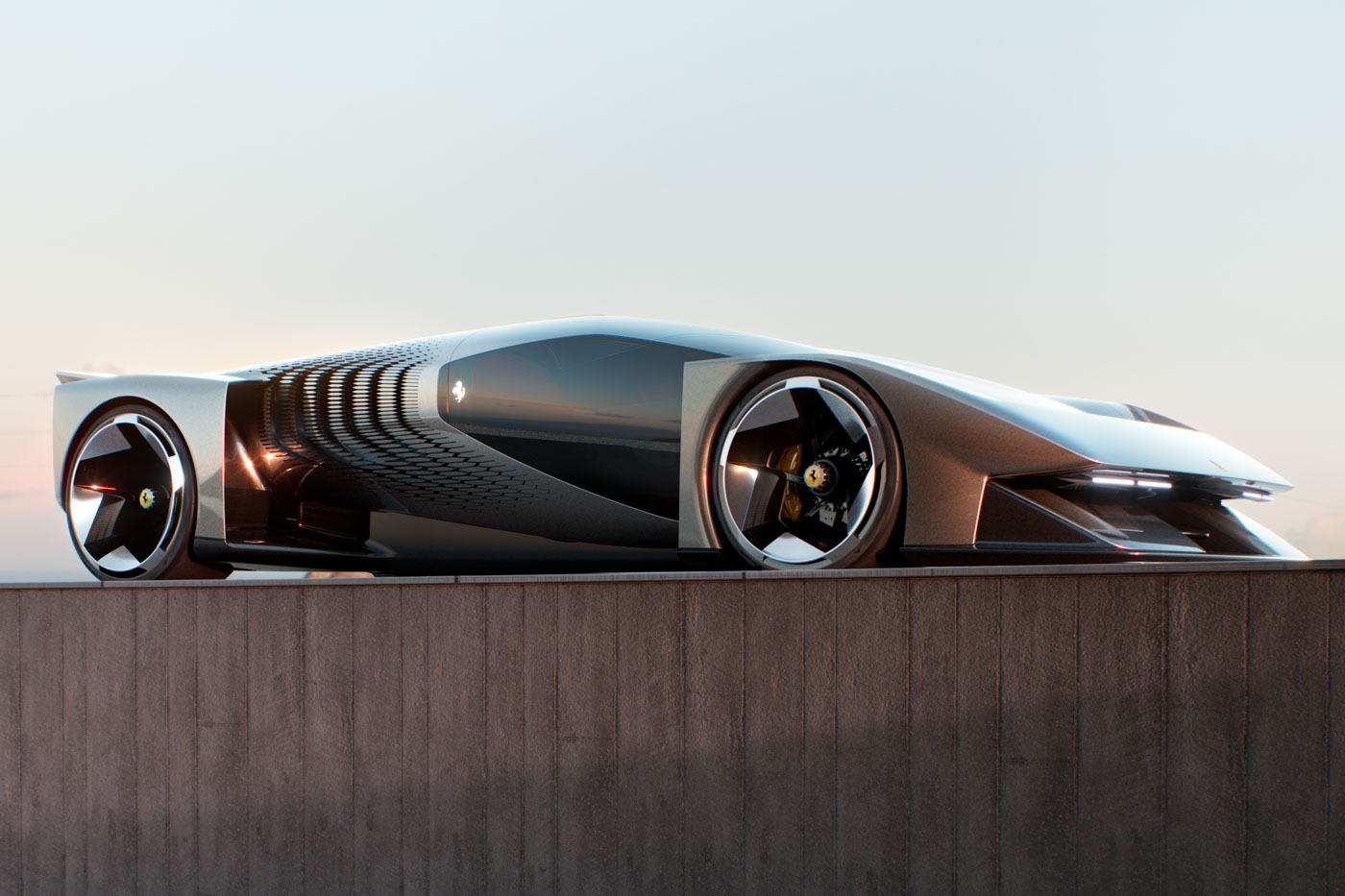
Although the idea of an NFT from Ferrari may sound unconventional, the brand explains that the F76 was “designed for clients of the exclusive Hyperclub program.” Ferrari suggests that NFT owners were contributors to the championship-winning effort, allowing them to “experience this journey alongside the official team.”
The name of the Ferrari F76 itself also pays tribute to that racing legacy — marking 76 years since Ferrari’s first victory at the legendary 24 Hours of Le Mans, achieved in 1949 by Luigi Chinetti and Lord Selsdon. It’s a digital creation that not only celebrates its recent wins and innovation but also honours the spirit that started it all.
GALLERY