Despite reportedly facing huge financial trouble, Nissan is still making waves in advanced driving assistance systems (ADAS) by demonstrating its next-generation ProPilot ADAS technology on public roads. This new system is said to mimic “a skilled human driver behind the wheel” (i.e. not your average Joe) and is set to debut during the 2027 fiscal year.
A fleet of prototype vehicles based on the electric Nissan Ariya were deployed on the streets of Tokyo to demonstrate the system’s capabilities. Nissan says the cars were able to “drive safely and confidently within the complex urban environment of central Tokyo”.

The cars were able to achieve this thanks to an extensive hardware equipment which included 11 cameras, five radar sensors, and a LiDAR unit mounted at the top of the windshield.
Using all its onboard hardware, Nissan has integrated an AI system developed by Wayve to process camera and sensor data for smoother driving even in complex urban settings. The system can interpret its surroundings – and more importantly – predict what might happen next, adjusting its actions accordingly for quick, appropriate responses.
Nissan adds that the system will continue to improve over time as it learns from real-world driving conditions.
ALSO READ: Godzilla retires from the road as the final Nissan R35 GT-R rolls off the production line

Supplementing the AI system is a next-generation LiDAR sensor that Nissan calls “Ground Truth Perception”. This sensor is said to detect objects way further than what a camera is capable of with great precision.
Nissan Chief Technology Officer, Eiichi Akashi, said, “Our current ProPilot 2.0 system has been well received, but Nissan’s next-generation ProPilot technology will bring even more innovative features and deliver the feeling that a skilled human driver is behind the wheel. It will adapt to more complex traffic conditions and truly provide greater confidence and peace of mind — enhancing safety not only for the driver, but for everyone using the road”.
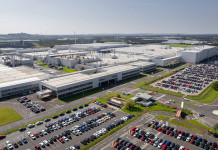
ALSO READ: Nissan’s historic Oppama plant to stop vehicle production by the end of 2027
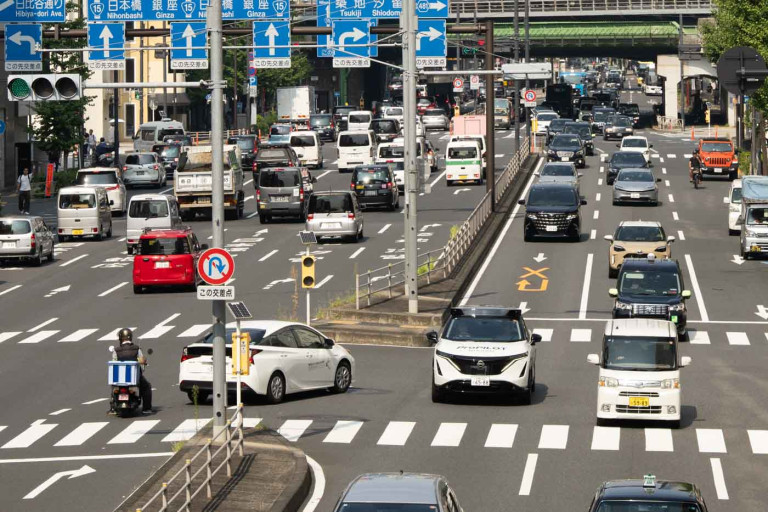
Speaking to Automotive News, Nissan autonomous drive development general manager said “It’s similar to Tesla’s Full Self-Driving, but ours is maybe even a little more clever,” certainly setting the bar of expectations high.
Tesla’s Full Self-Driving (FSD), available in fewer than 10 countries, handles nearly all driving tasks — including route navigation, steering, lane changes, and parking — under active driver supervision. However, it has faced criticism online for bugs and inconsistent performance in various traffic patterns.
A big part of Tesla’s challenge is its insistence on using purely camera vision, which could hamper object detection – especially in more complex conditions. With a more advanced set of sensors, can Nissan’s ProPilot ADAS system really be “more clever” than Tesla? Only time will tell.
GALLERY