Selling electric vehicles (EVs) is proving to be an uphill battle, with sluggish demand forcing many carmakers to rethink their EV strategies. In response, BMW is charting its own course by embracing product diversity, with the BMW X5 set to offer five different powertrain options, including petrol, plug-in-hybrid (PHEV), battery electric vehicle (BEV), diesel, and the BMW iX5 Hydrogen with hydrogen fuel cell technology that will debut in 2028.
BMW credits its ability to achieve this to its “flexible manufacturing structures” and integration expertise, which has allowed for two types of electric powertrains — hydrogen fuel cell and BEV — of the BMW iX5 to be developed together and built on the same production line.

The all-new BMW iX5 Hydrogen will use the marque’s third-generation fuel cell system co-developed with Toyota. BMW says it features a more compact design that is more powerful and efficient, resulting in increased range and output. The company says that first prototypes are already being built in the company’s Steyr and Munich facilities.
BMW says it’s pushing forward with hydrogen fuel cell as it believes that the technology holds a promising future for lowering carbon emissions, saying it is “the missing piece for completing the electric mobility puzzle where battery electric drive systems are not an optimal solution.”
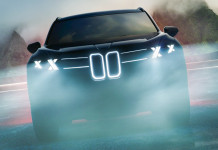
ALSO READ: BMW’s big grille era is over with the all-new 2nd-generation electric BMW iX3

The company adds that hydrogen is an effective storage medium for renewable energy sources — enabling a more stable and reliable integration of renewables into the energy grid.
At a BMW event in New York, Member of the Board of Management of BMW AG, Development, Joachim Post, adds, “Hydrogen has an essential part to play in global decarbonisation, which is why we are committed to driving the technology forward.”
ALSO READ: Future Mercedes-Benz cars could be powered by BMW engines

But the challenge to hydrogen fuel cell vehicles has – and still continues to be – fuel availability. To make hydrogen power sustainable and accessible for drivers, BMW is also investing more in the Hydrogen Mobility at Scale (HyMoS) initiative, which was established to support hydrogen ecosystems for mobility in cooperation with industry and institutional partners — increasing its economic viability.
BMW says that the pilot phase has already begun by collaborating with existing ecosystems in Germany and France. Moving forward, the company plans to deploy more support for hydrogen mobility in metropolitan areas and is open to expanding into other countries as well.
ALSO READ: BMW just sold its 3-millionth electrified vehicle
GALLERY