The Malaysian Government has revealed plans to introduce a capped quota system for individuals who are eligible for the RON95 fuel subsidy, as part of the fuel subsidy rationalisation mechanism that is set to be introduced in September this year.
Speaking in the Special Chambers on Monday, Finance Minister II Datuk Seri Amir Hamzah Azizan added that this is to prevent misuse of the subsidy and ensure that it will go to those who need it most, The Edge reports.

Amir Hamzah emphasised that the quota system, which is still being finalised, is expected to distinguish between ordinary road users and those whose occupations depend on fuel, such as p-hailing and e-hailing drivers.
During the Parliament meeting, he said, “We will have a quota. We must have a quota. We do not want someone to pump fuel for other people. Ordinary users will have a set quota, but for p-hailing and e-hailing drivers, the quota will be higher because this is their primary task. We will make that distinction.”
ALSO READ: No toll fee hikes in 2025 – Government to absorb RM500 million in compensation

Regarding eligibility, the government will be using the PADU database for reference. He promised that the government will take into account factors such as income levels and ownership of vehicle types — luxury or mass market.
PADU centralises data from agencies including the Inland Revenue Board (LHDN), Road Transport Department (JPJ), and National Registration Department (JPN), allowing for a holistic and precise approach that ensures aid reaches only those who are truly eligible.

Full details of the subsidy rationalisation mechanism are slated to be finalised by the end of September, said Datuk Seri Amir Hamzah. He stressed that the government will prioritise ensuring that those in need will continue to receive support.
Along with this quota system, the minister added, “Currently, the government is in the final phase of refining eligibility criteria and the implementation method for the targeted RON95 petrol subsidies, in consultation with all relevant stakeholders.”
To ensure that the subsidy is widely accessible and easy to understand for the public, Amir Hamzah said the government is currently experimenting with multiple systems, such as MyKad, e-wallets, and oil company applications, The Star reports.
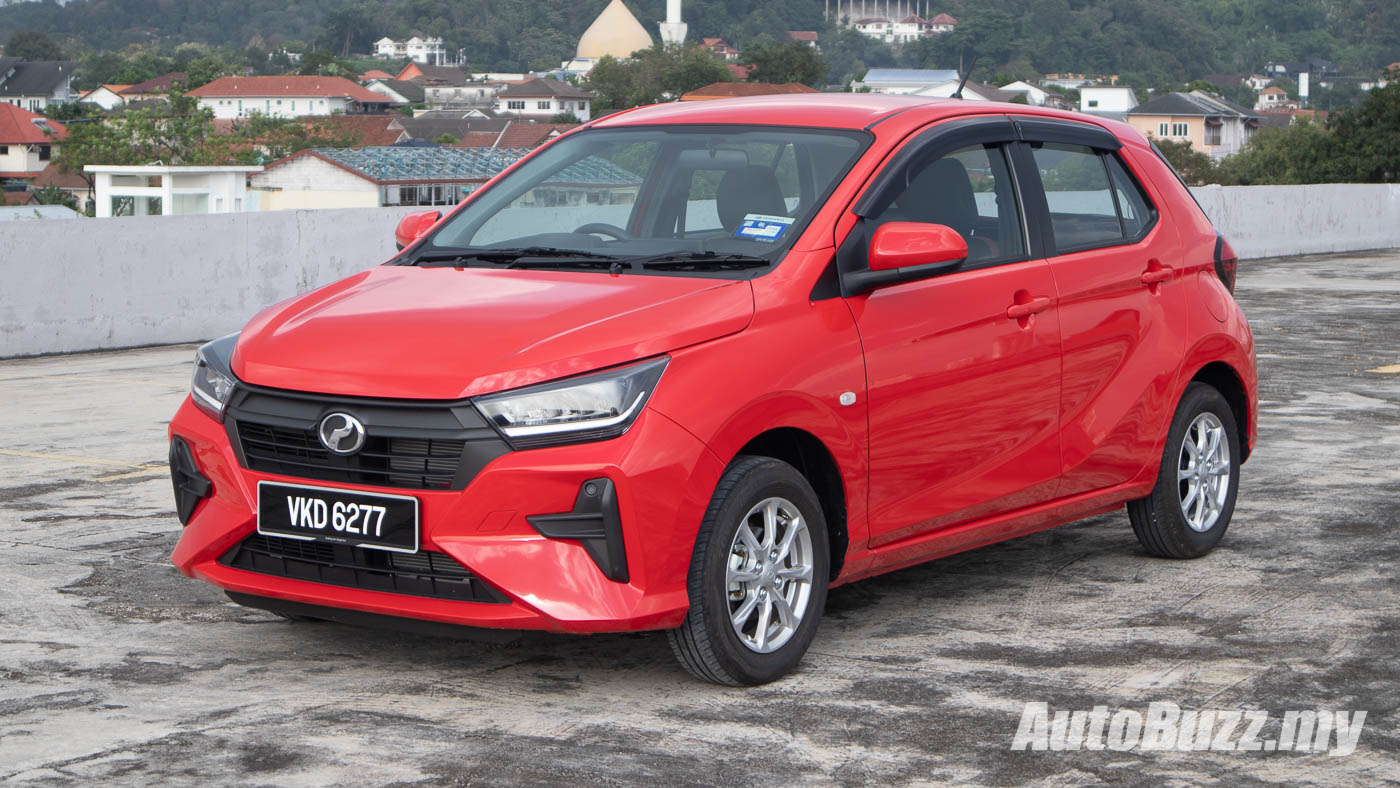

When asked about the eligibility of using MyKad and the possibilities of its misuse, he replied, “When a person arrives at the petrol station, they simply scan their MyKad on the machine. The system will verify their eligibility for subsidised fuel. If they are eligible, they can buy RON95 at the subsidised price.”
“If not eligible, they can still buy RON95 but at the full, unsubsidised price. There will be no intervention needed from the pump attendant; the entire process is automated. If a foreigner tries to buy petrol, since they do not have a MyKad, they will not be able to tap the card. This mechanism helps curb subsidy leakage. By leveraging MyKad and technology, we can effectively reduce leakage,” he added.
ALSO READ: MOT evaluating proposal to establish dedicated Transportation Safety Body