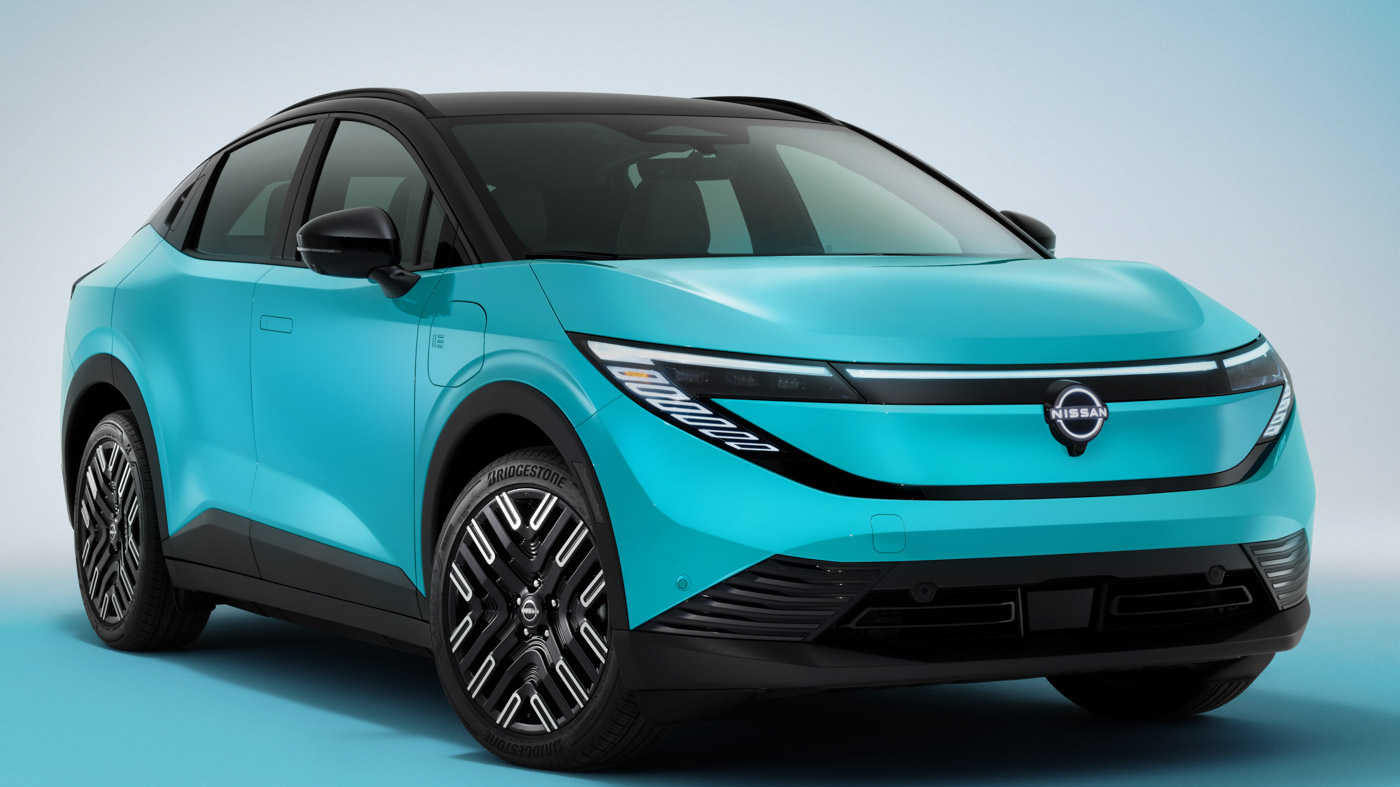
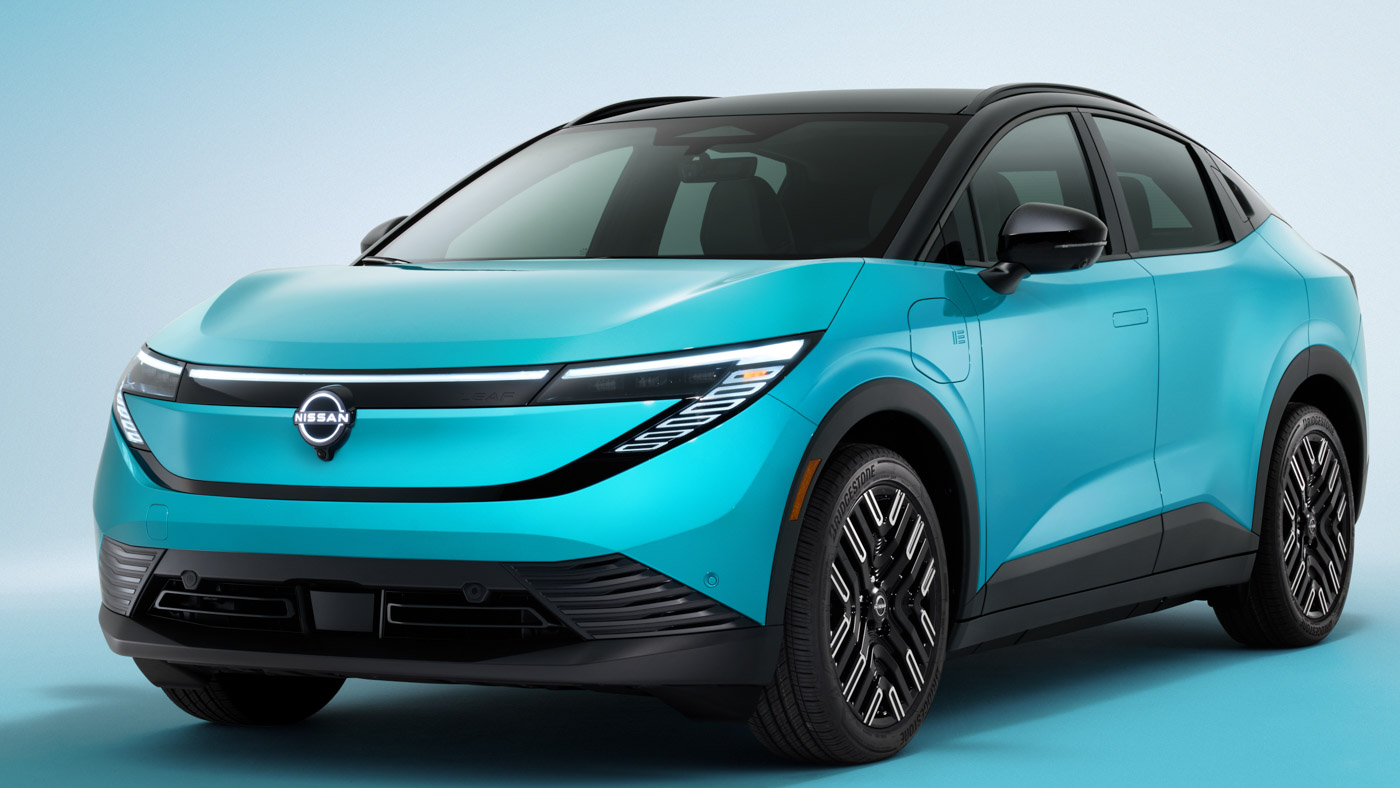
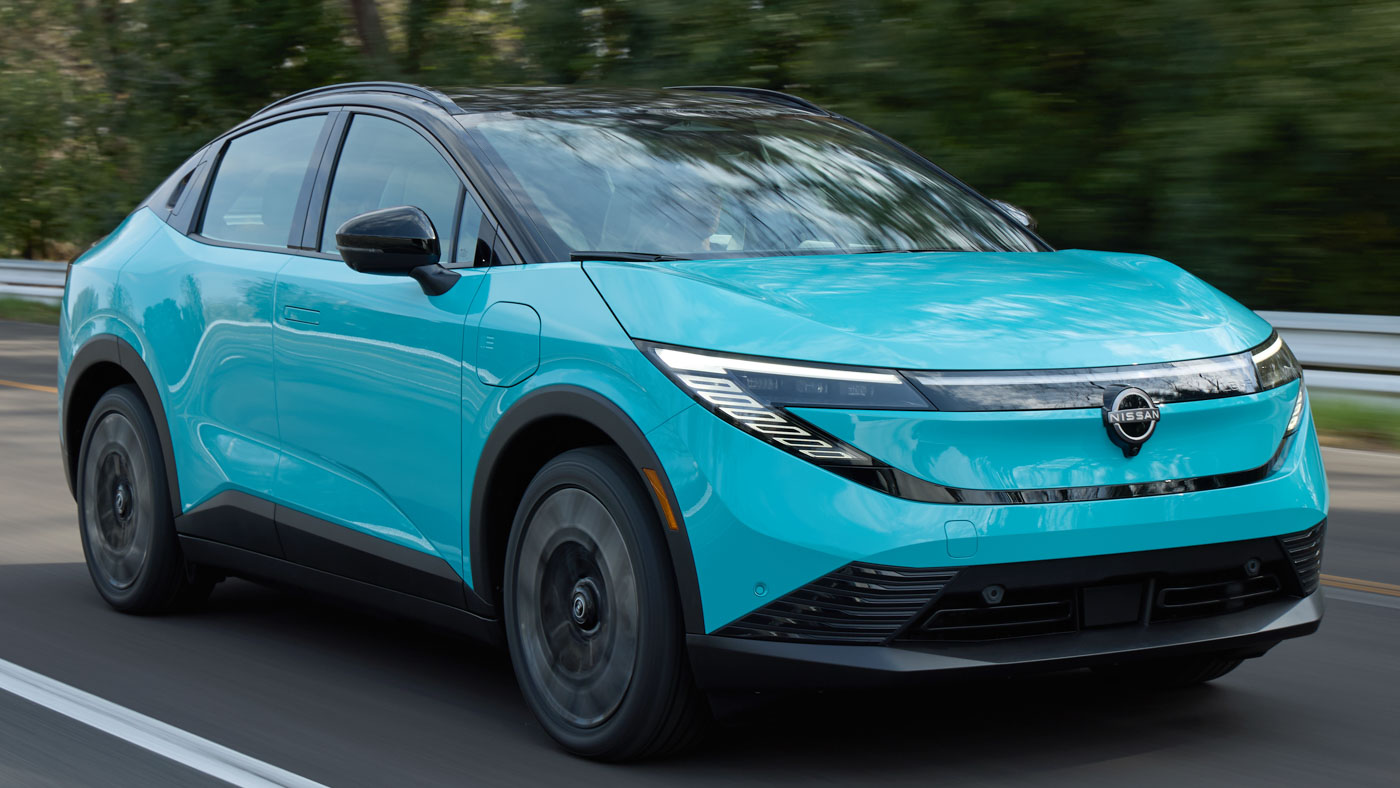
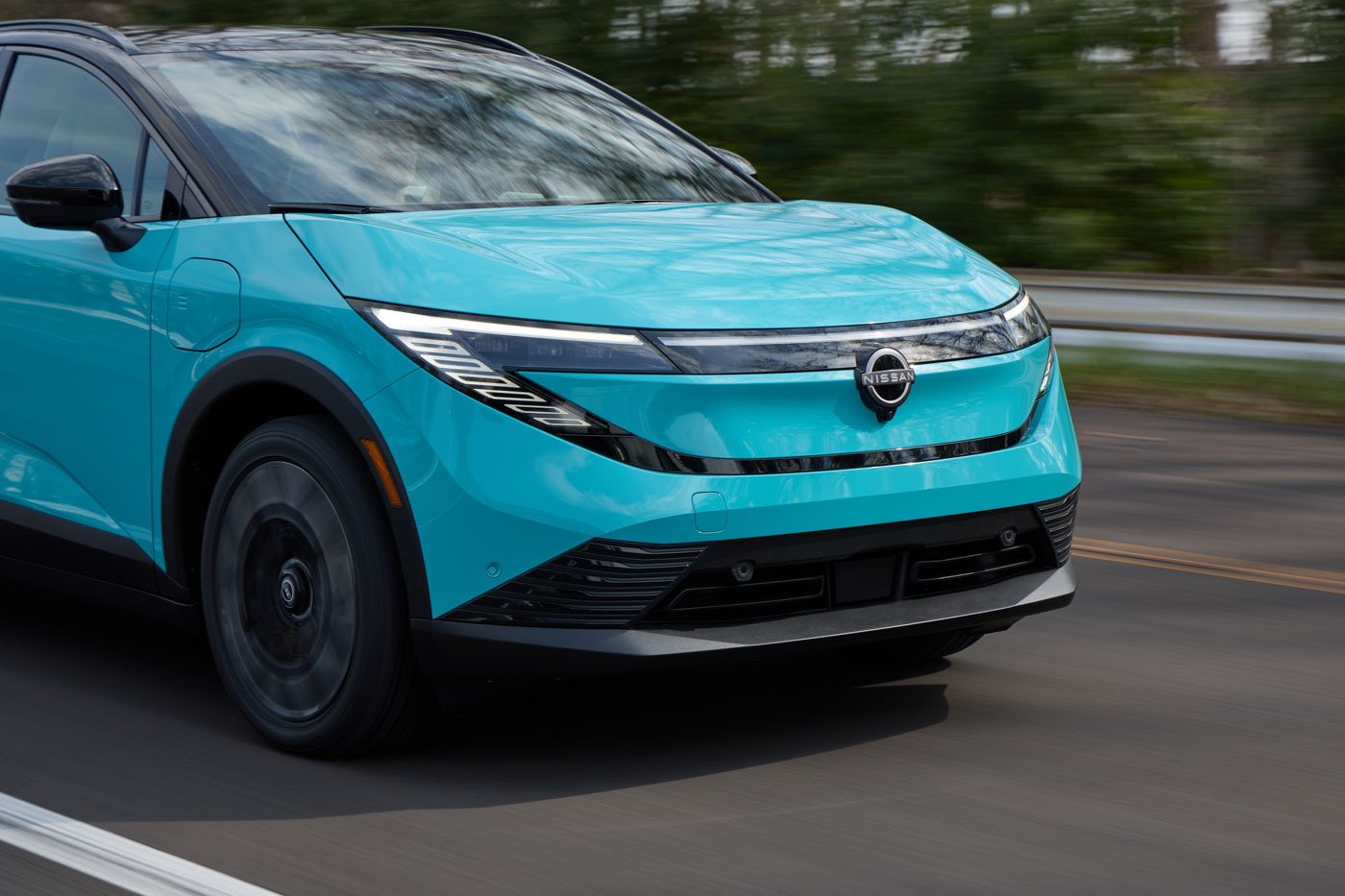
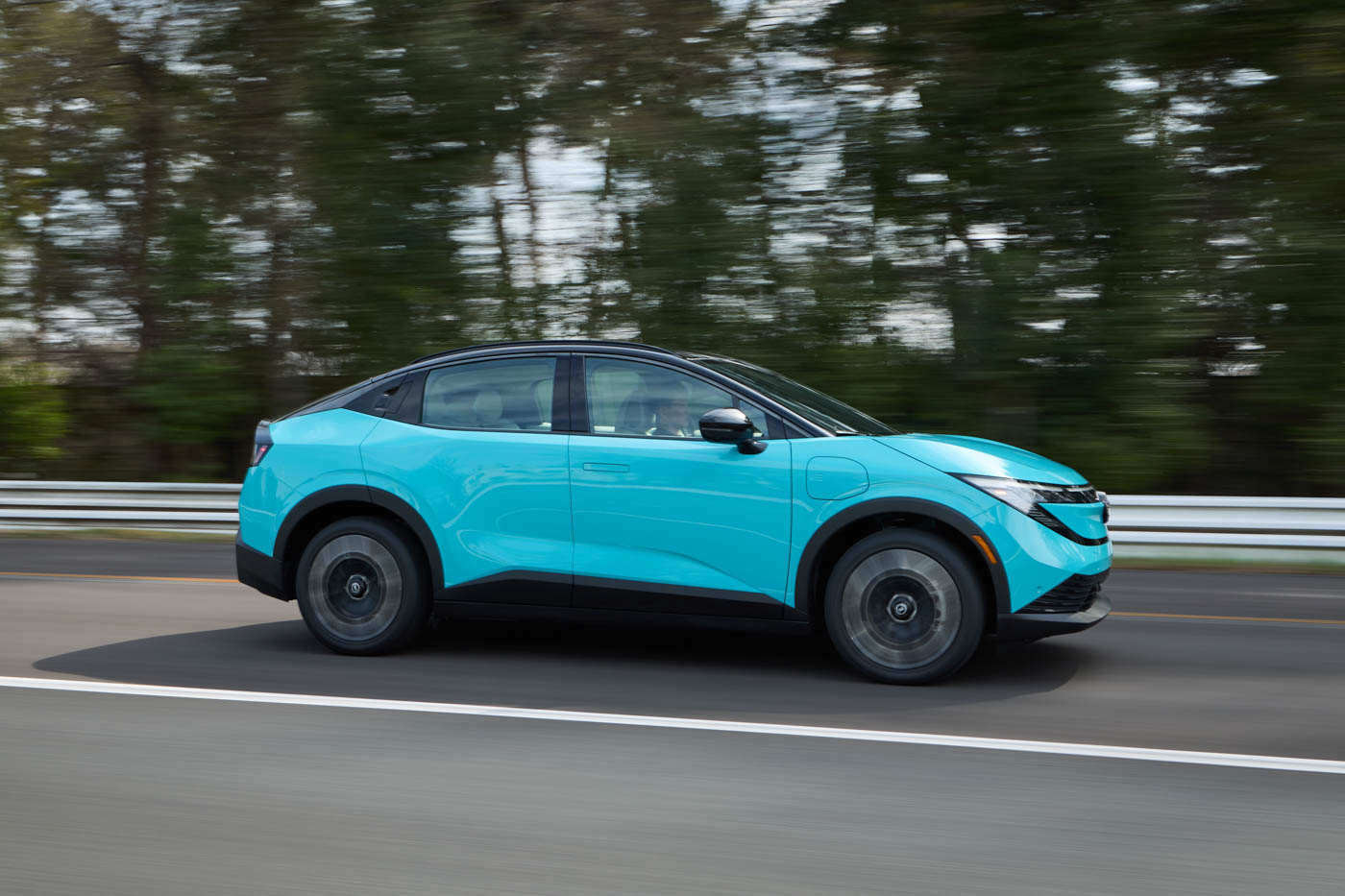
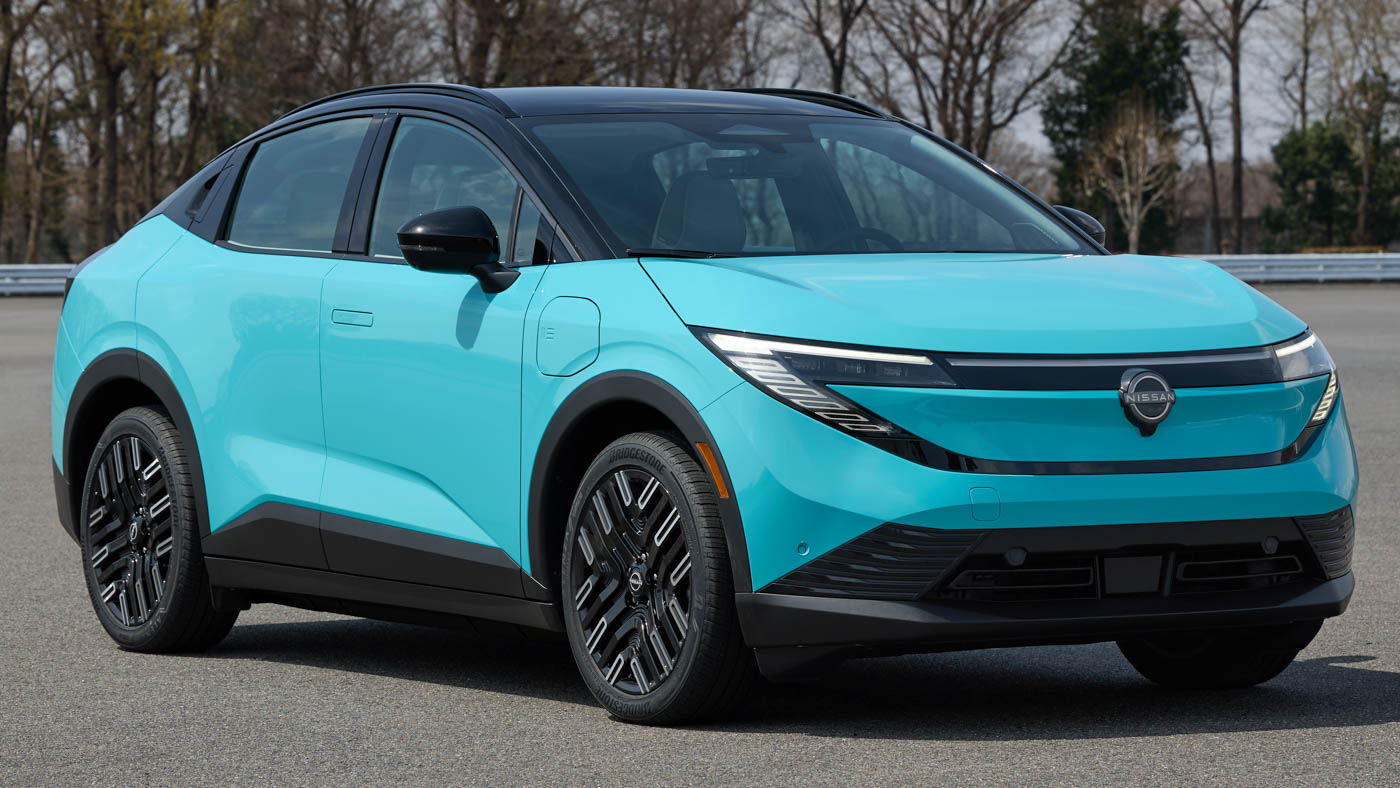
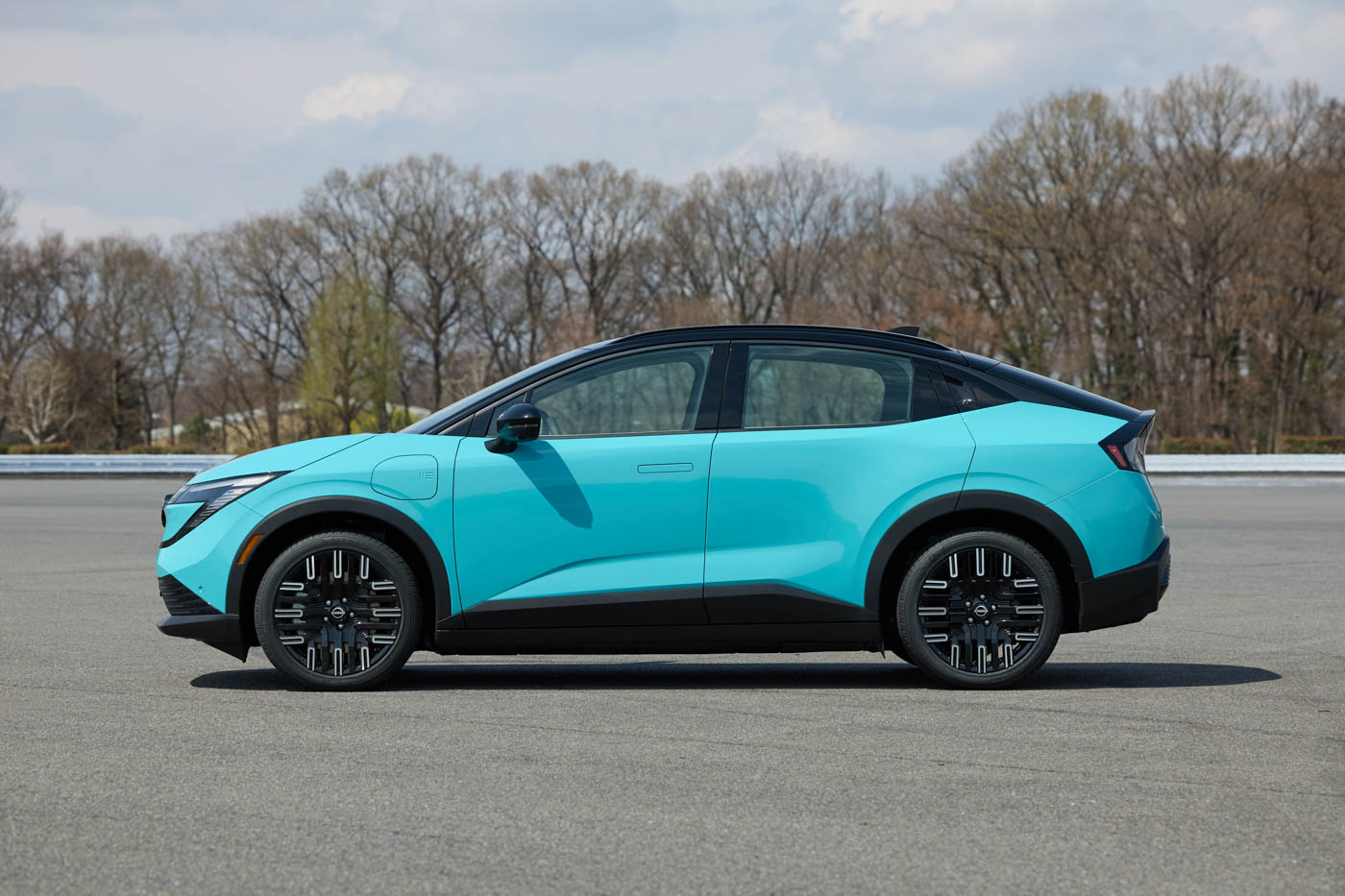
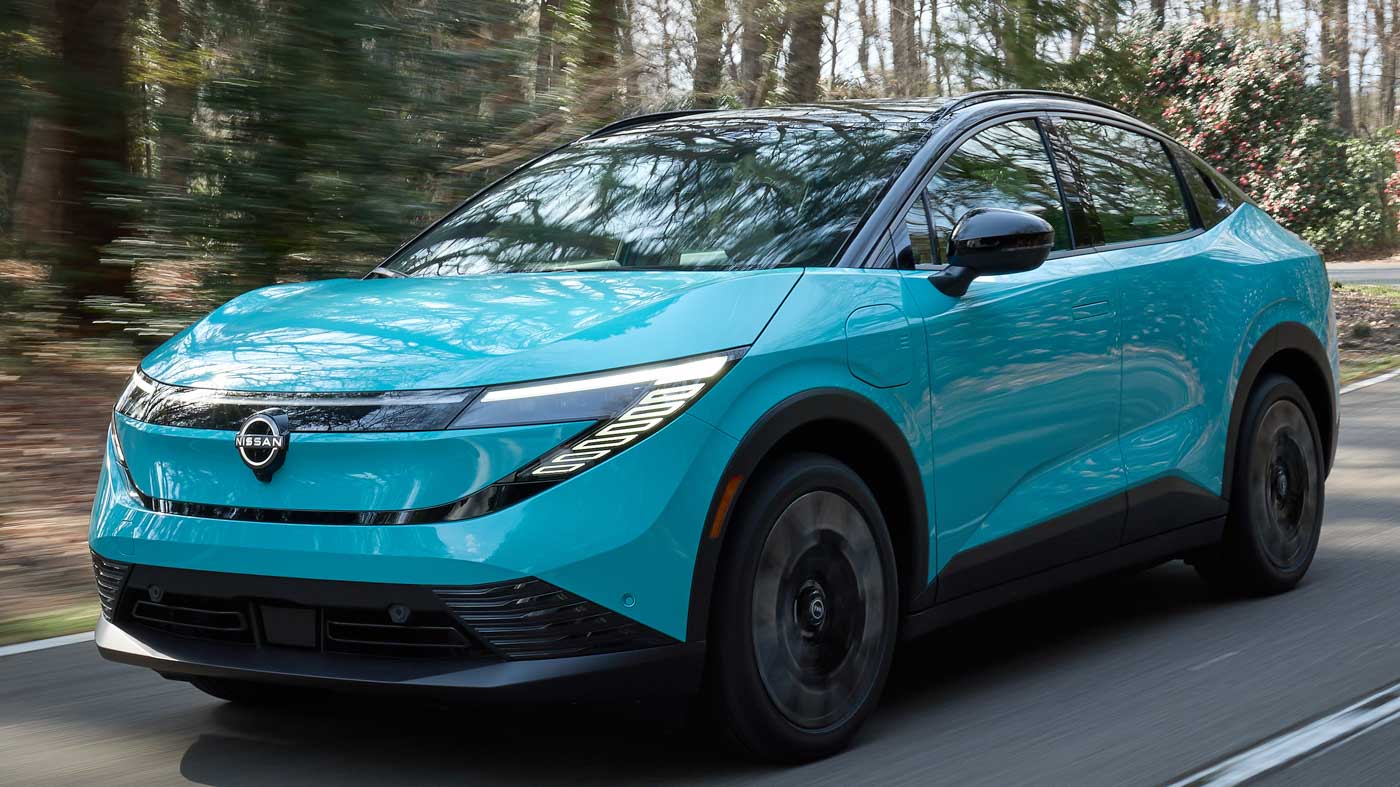
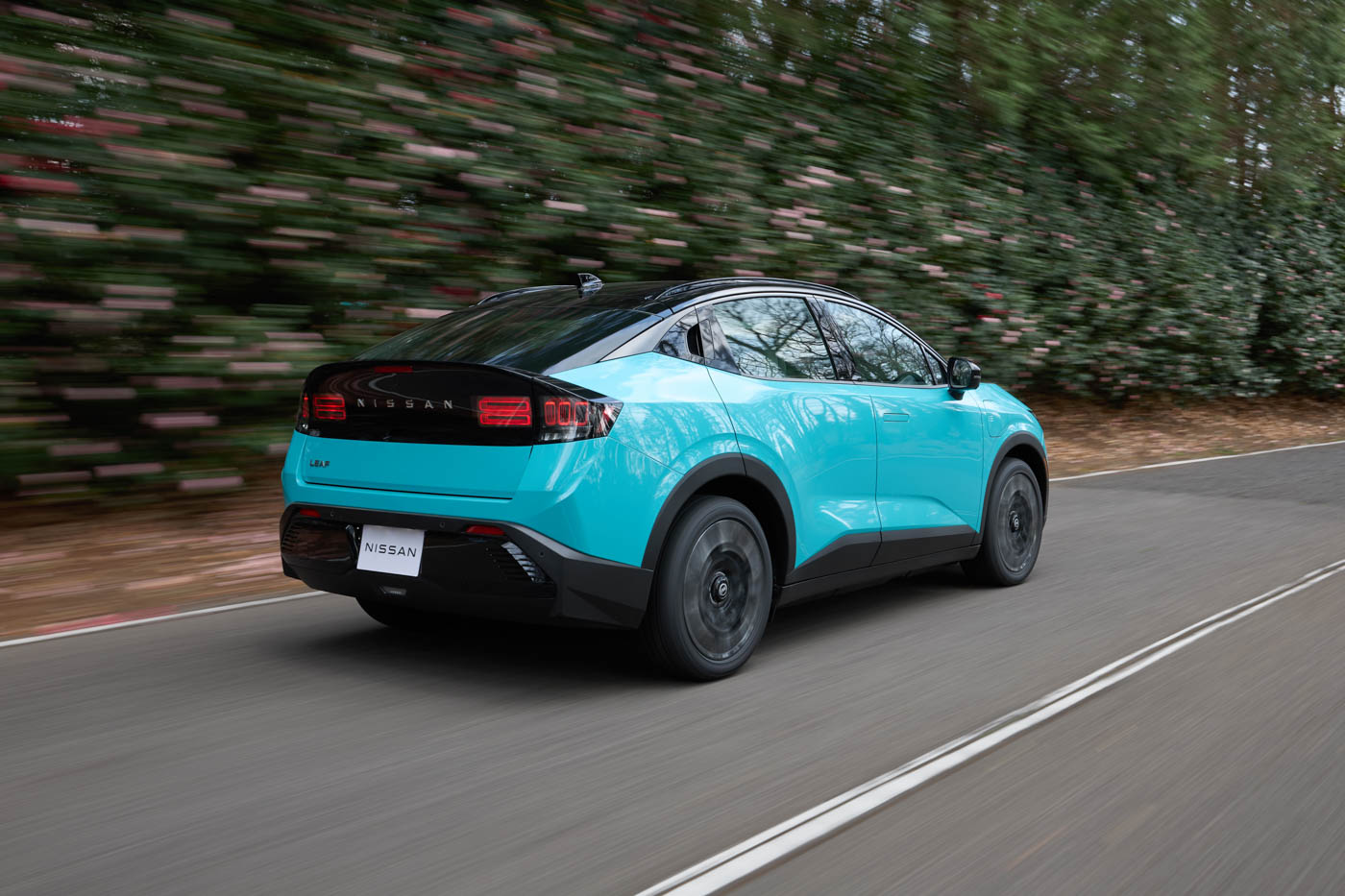
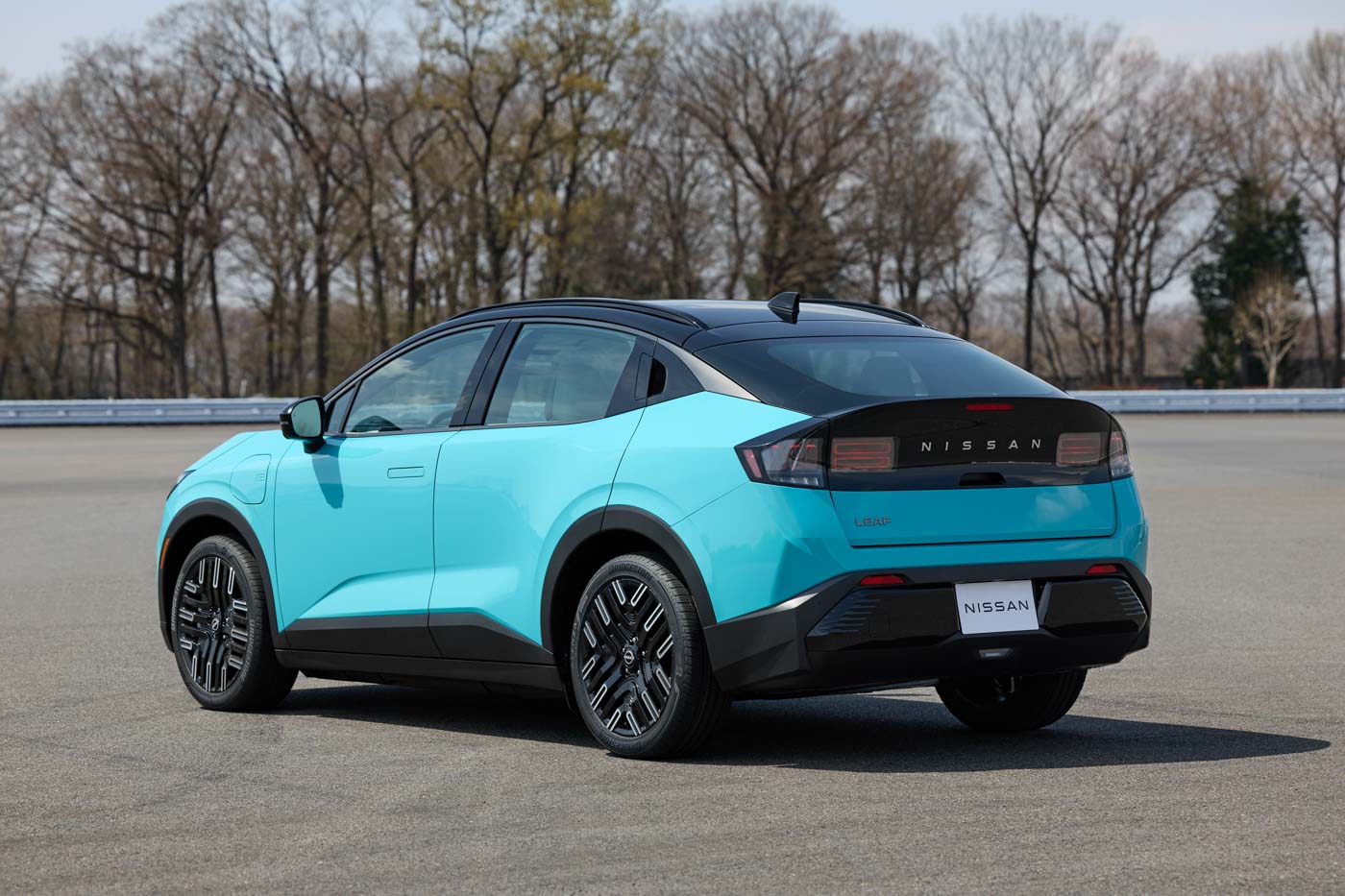
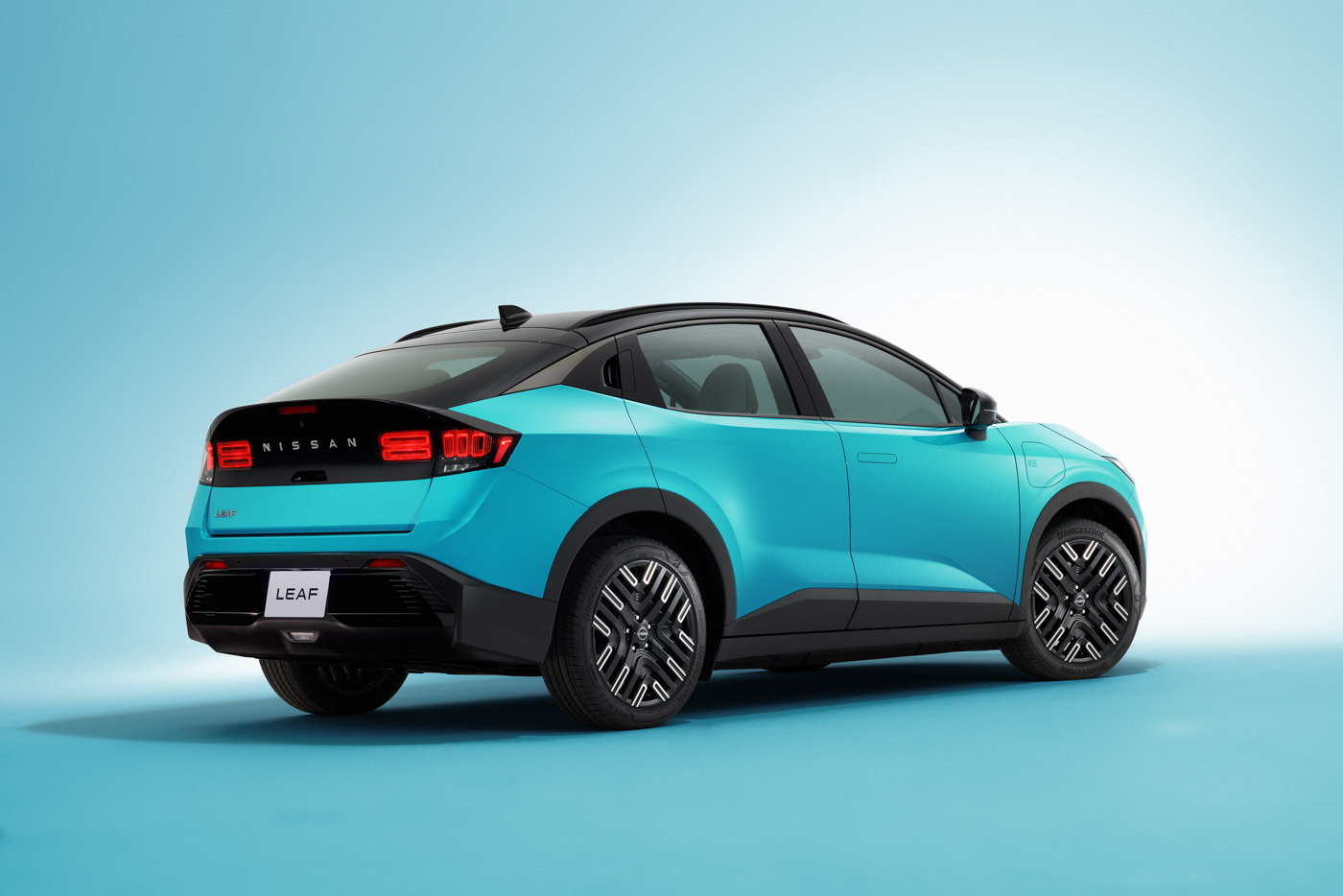
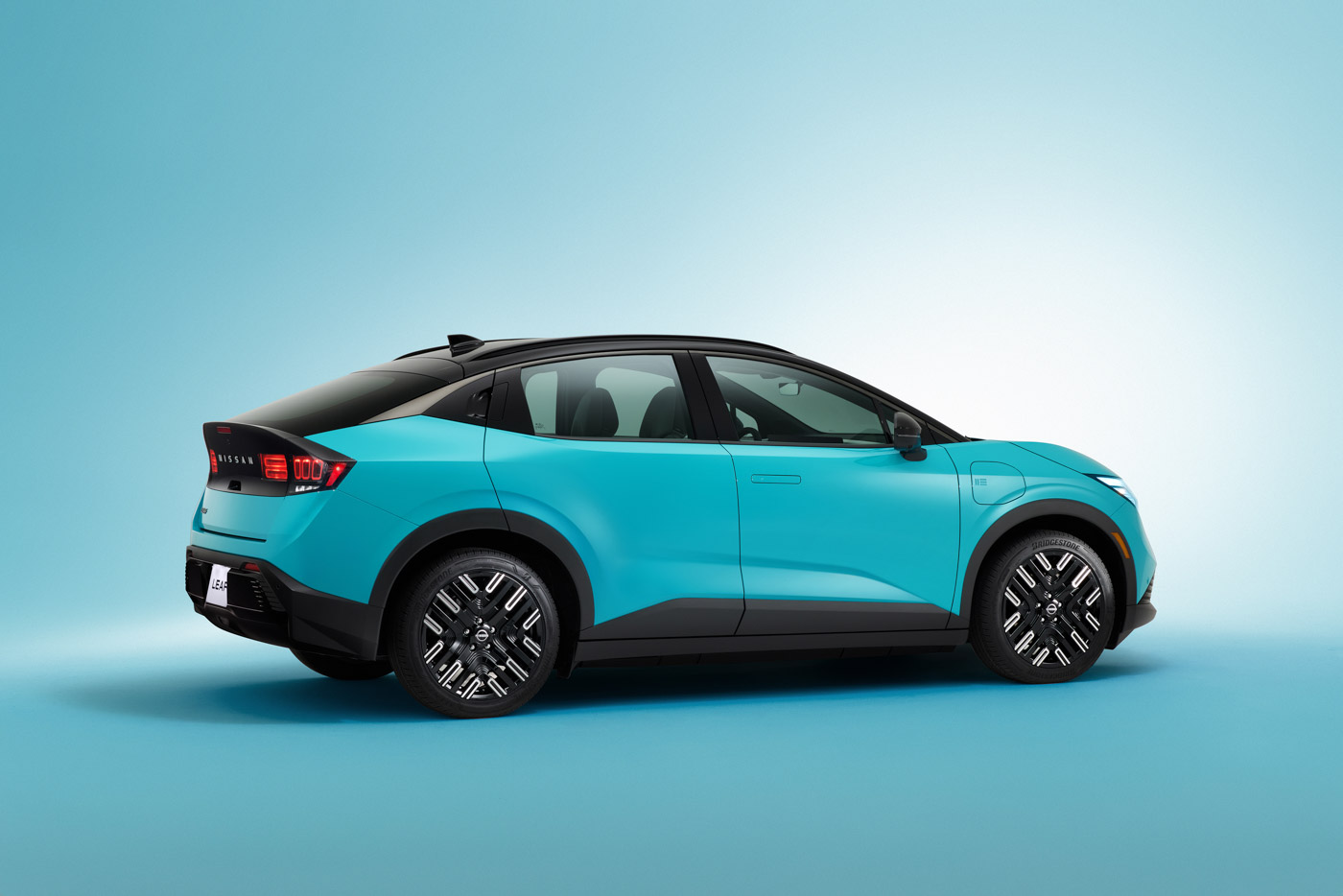
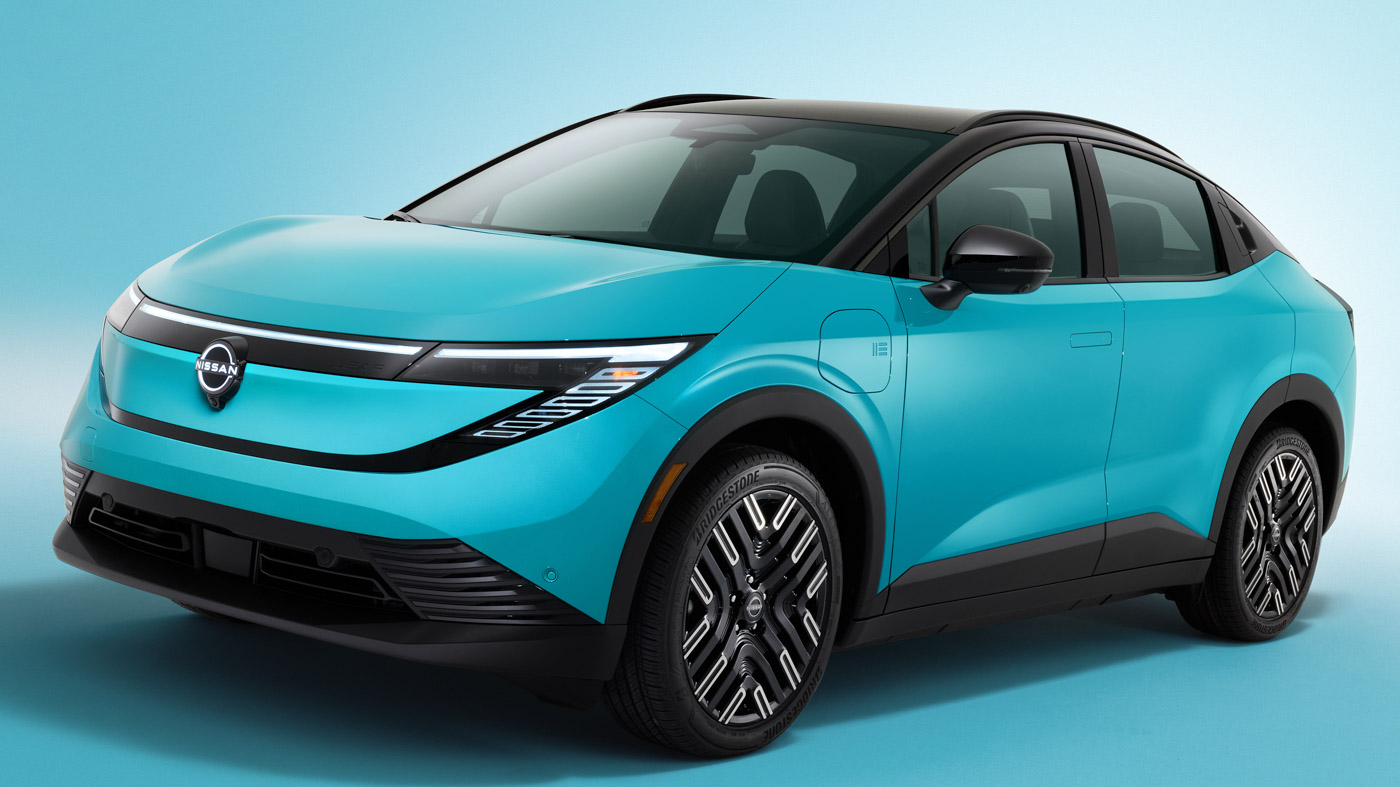
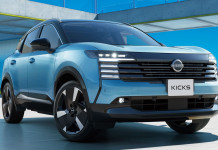
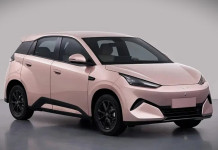
Nissan has unveiled the all-new third-generation fully electric (EV) Nissan Leaf. After being a hatchback for two generations since its debut back in 2010, the third-generation model now sports a new crossover body style. The new Leaf is slated to arrive in showrooms across the United States from autumn 2025, with other regions to follow.
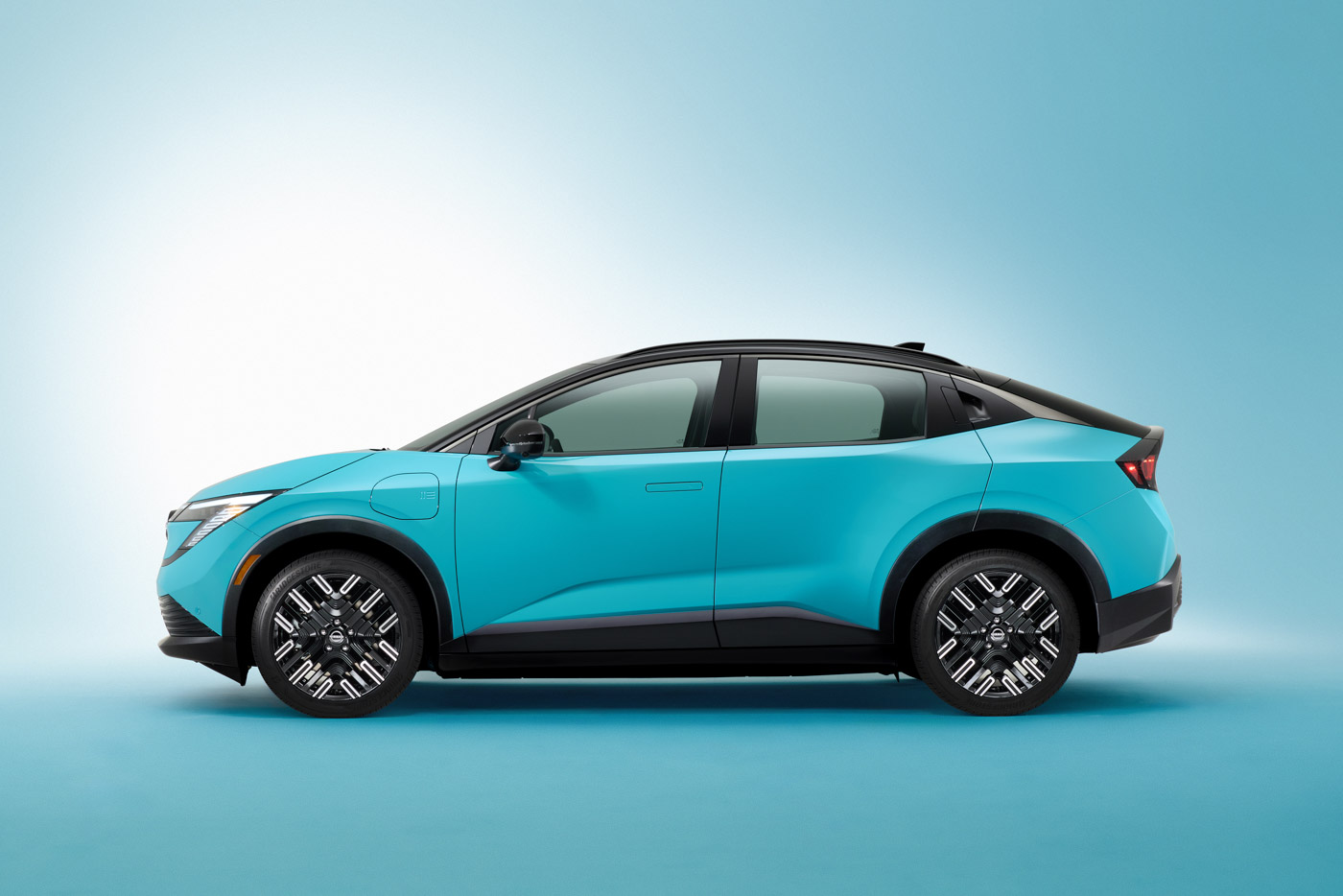
The all-new third-generation Nissan Leaf now measures 4,360 mm long, 1,810 mm wide, 1,550 mm tall, with a wheelbase of 2,690 mm. Compared to the second-generation model, the new crossover is shorter (in length), wider, and obviously taller, while sharing the same wheelbase.

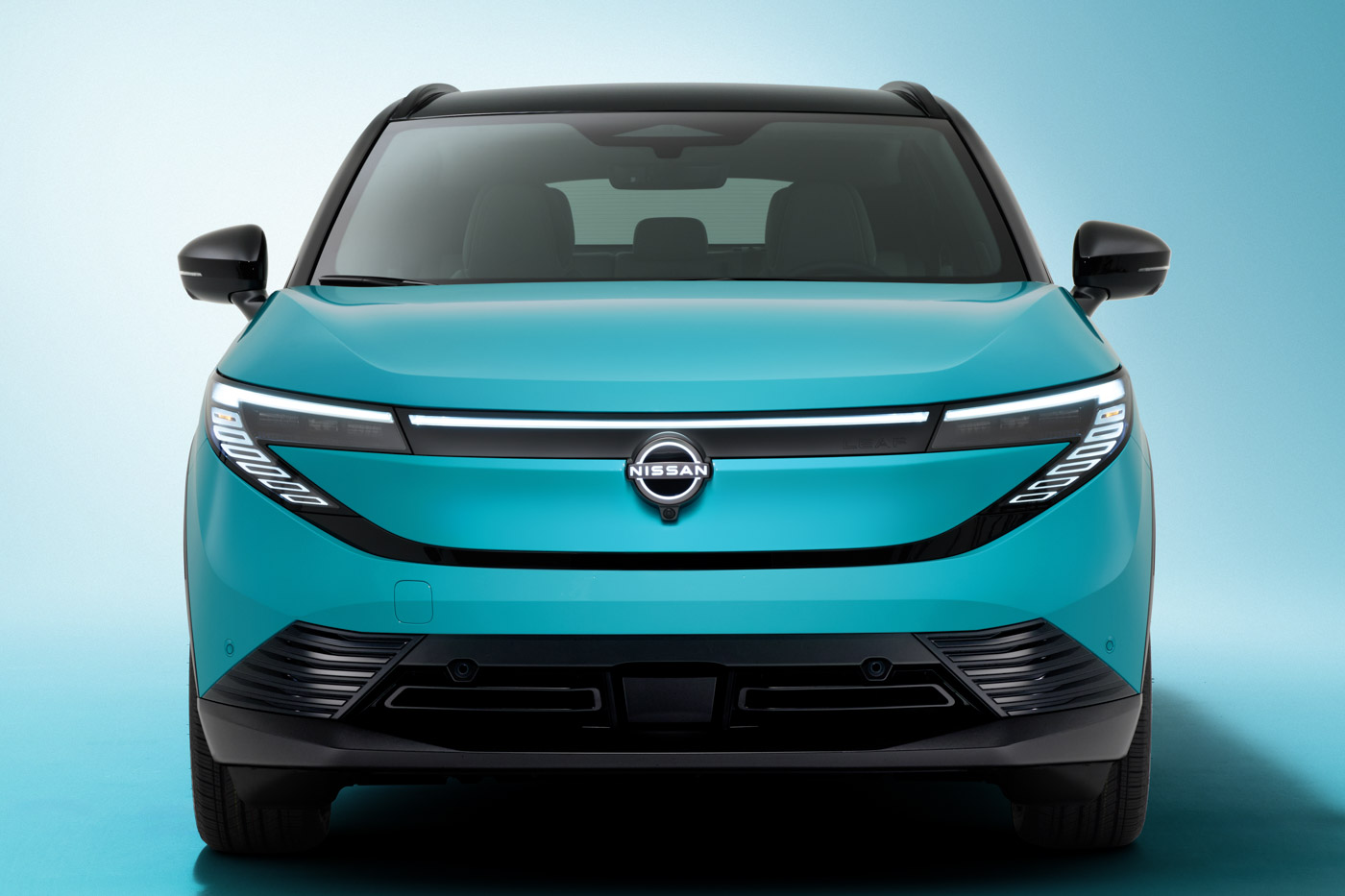
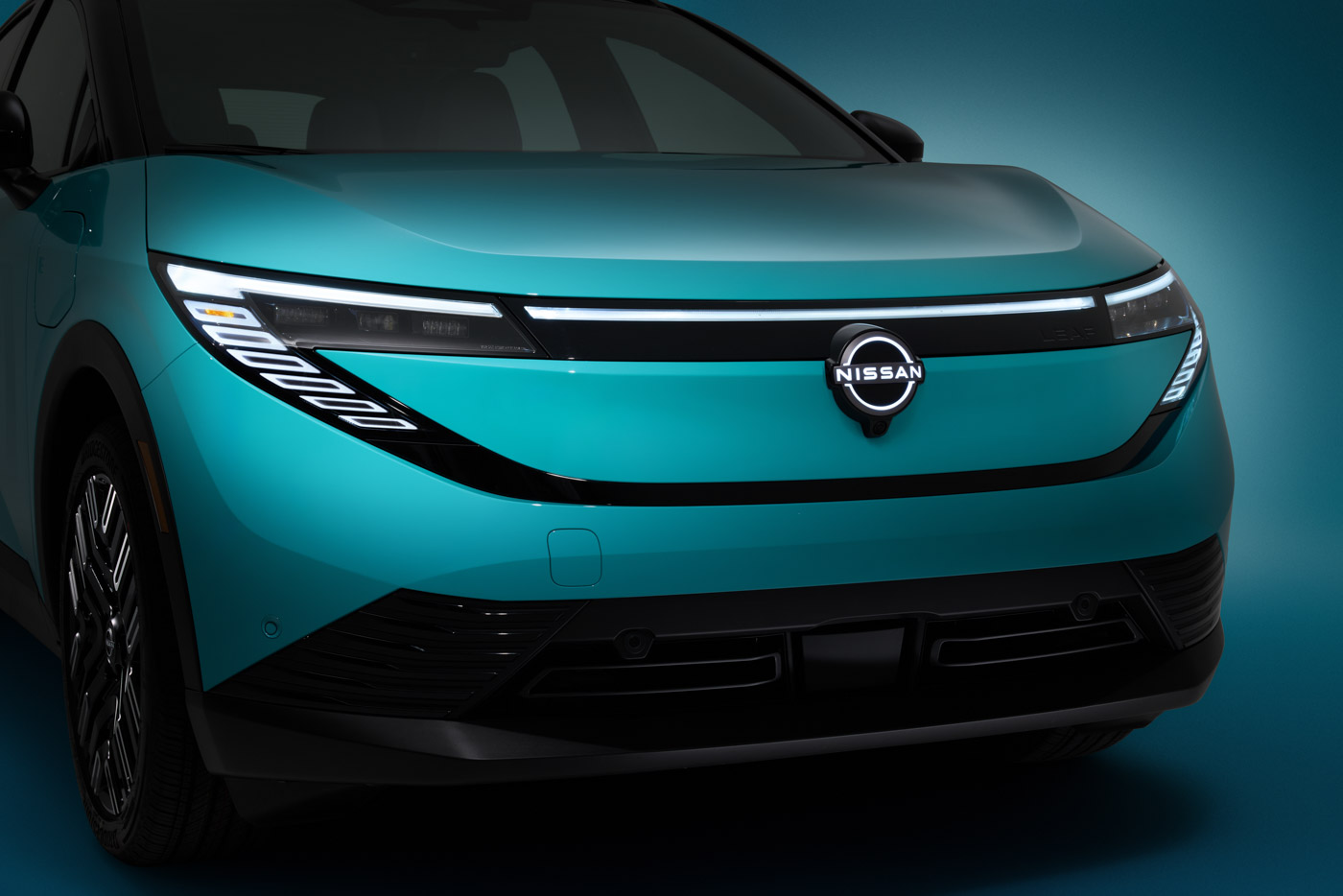
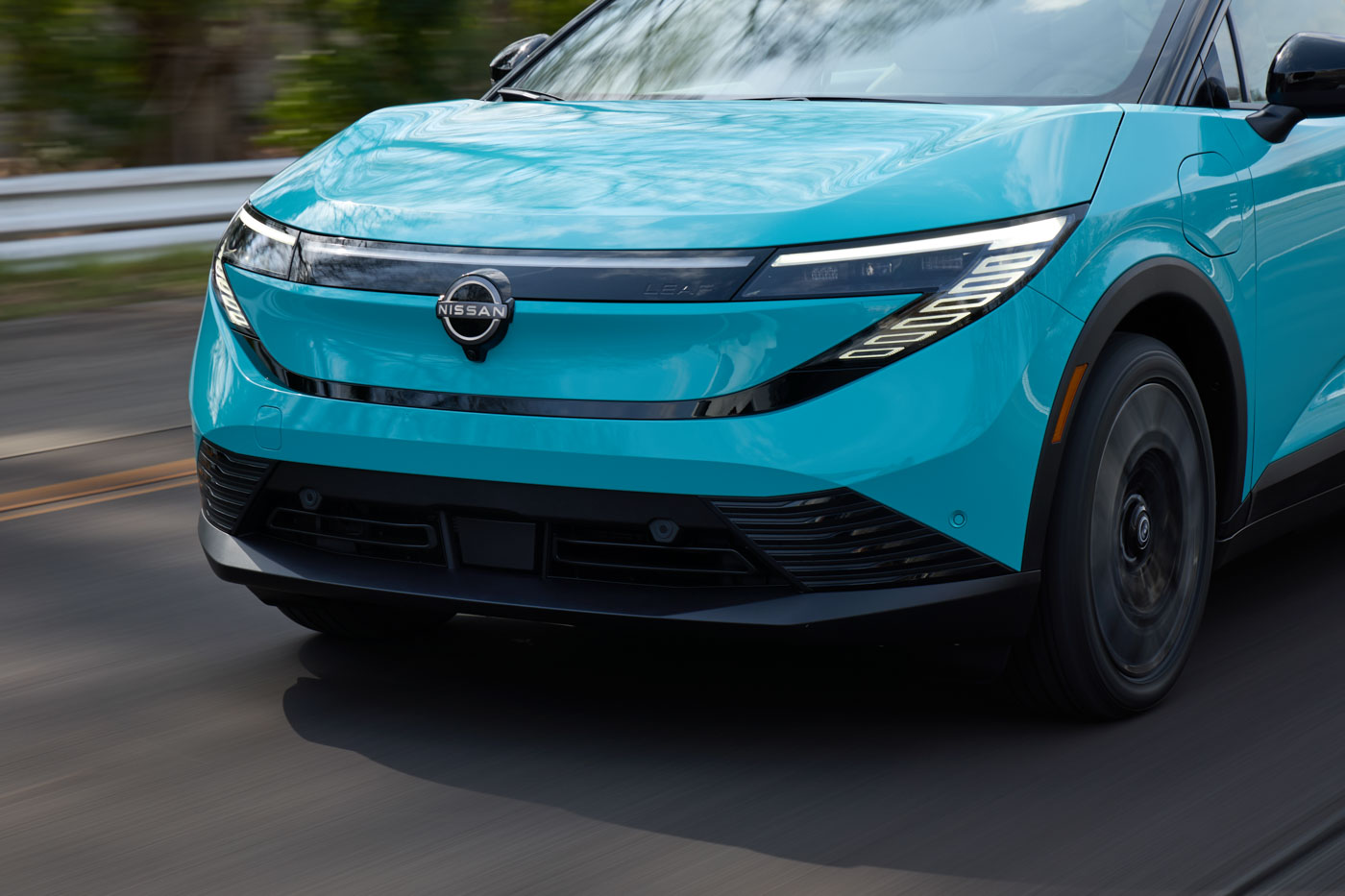
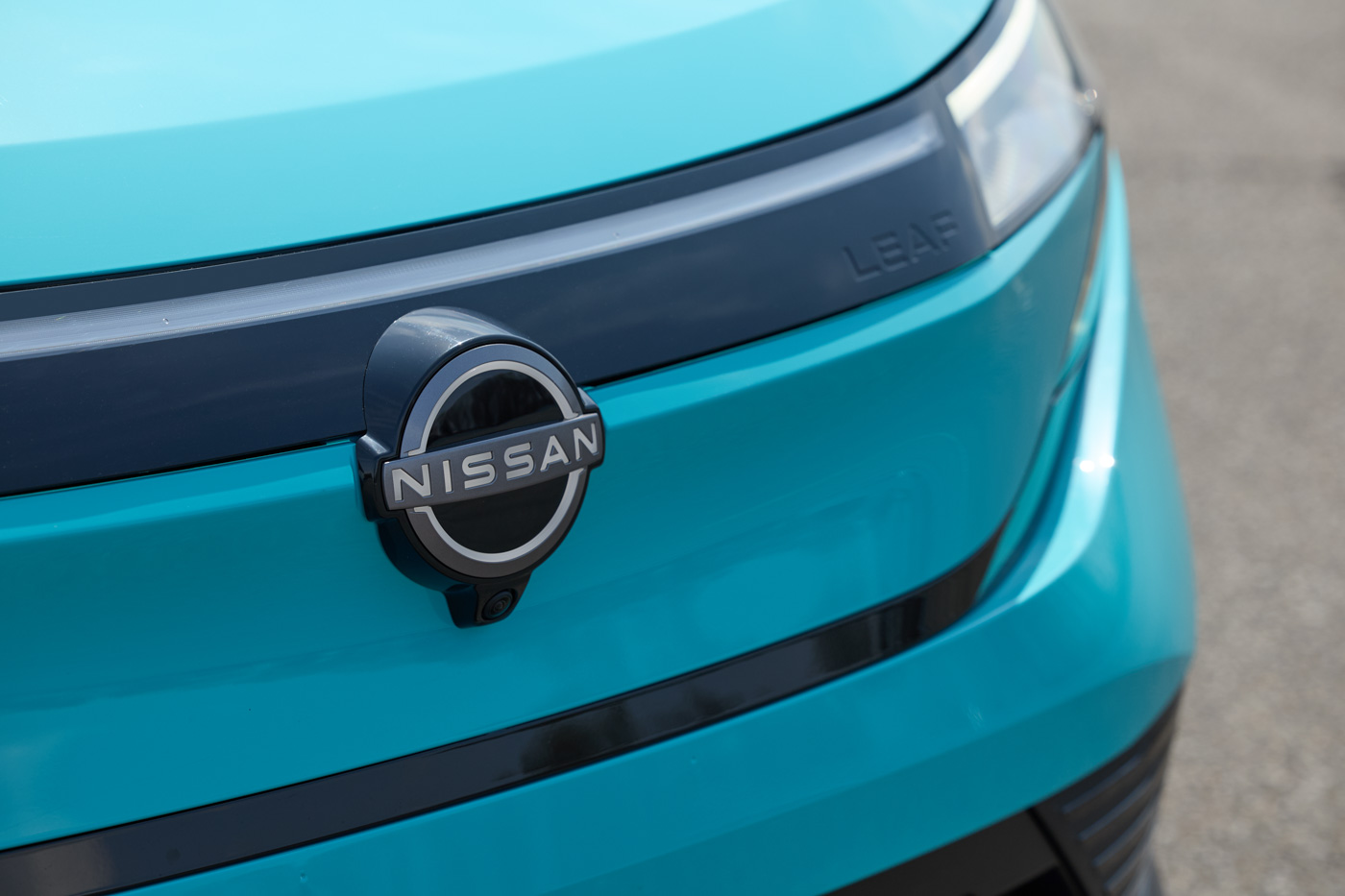
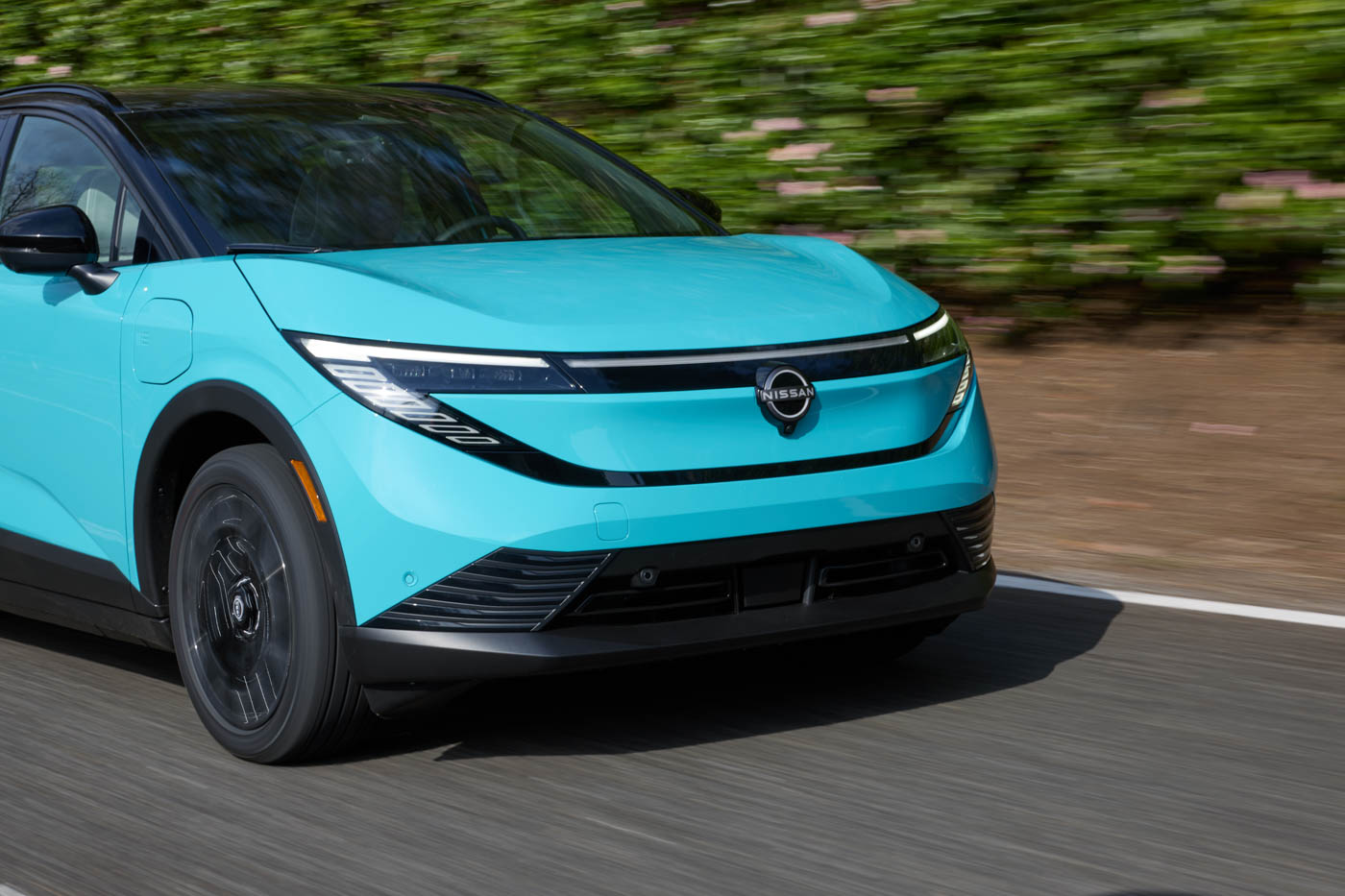
Designed according to Nissan’s Timeless Japanese Futurism design language, first debuted on the Nissan Ariya, the all-new Nissan Leaf now has a bold and futuristic front design, featuring daytime running lights (DRLs) separated into three elements across the front bumper, and the main headlight units positioned within the bumper itself.
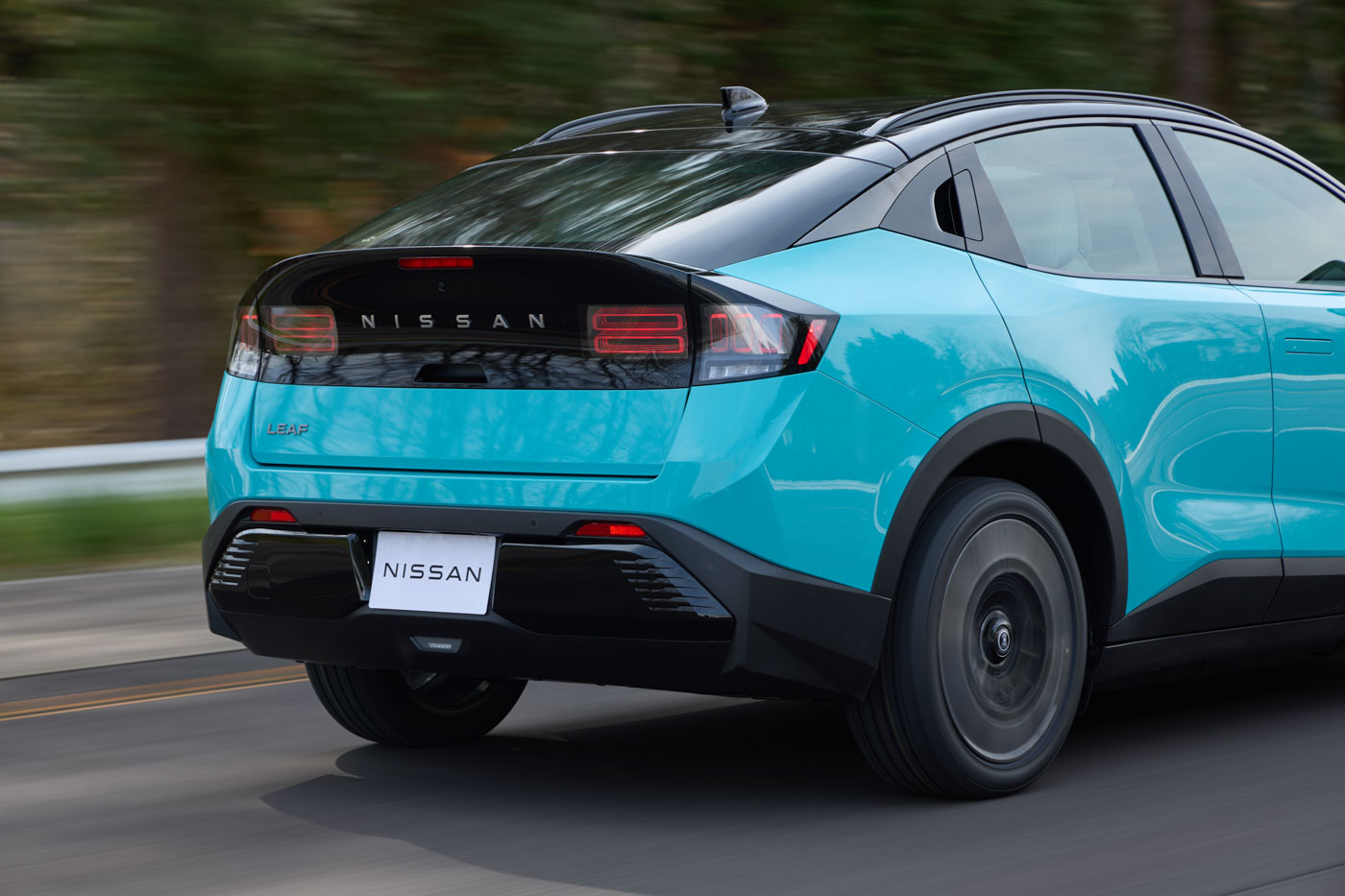
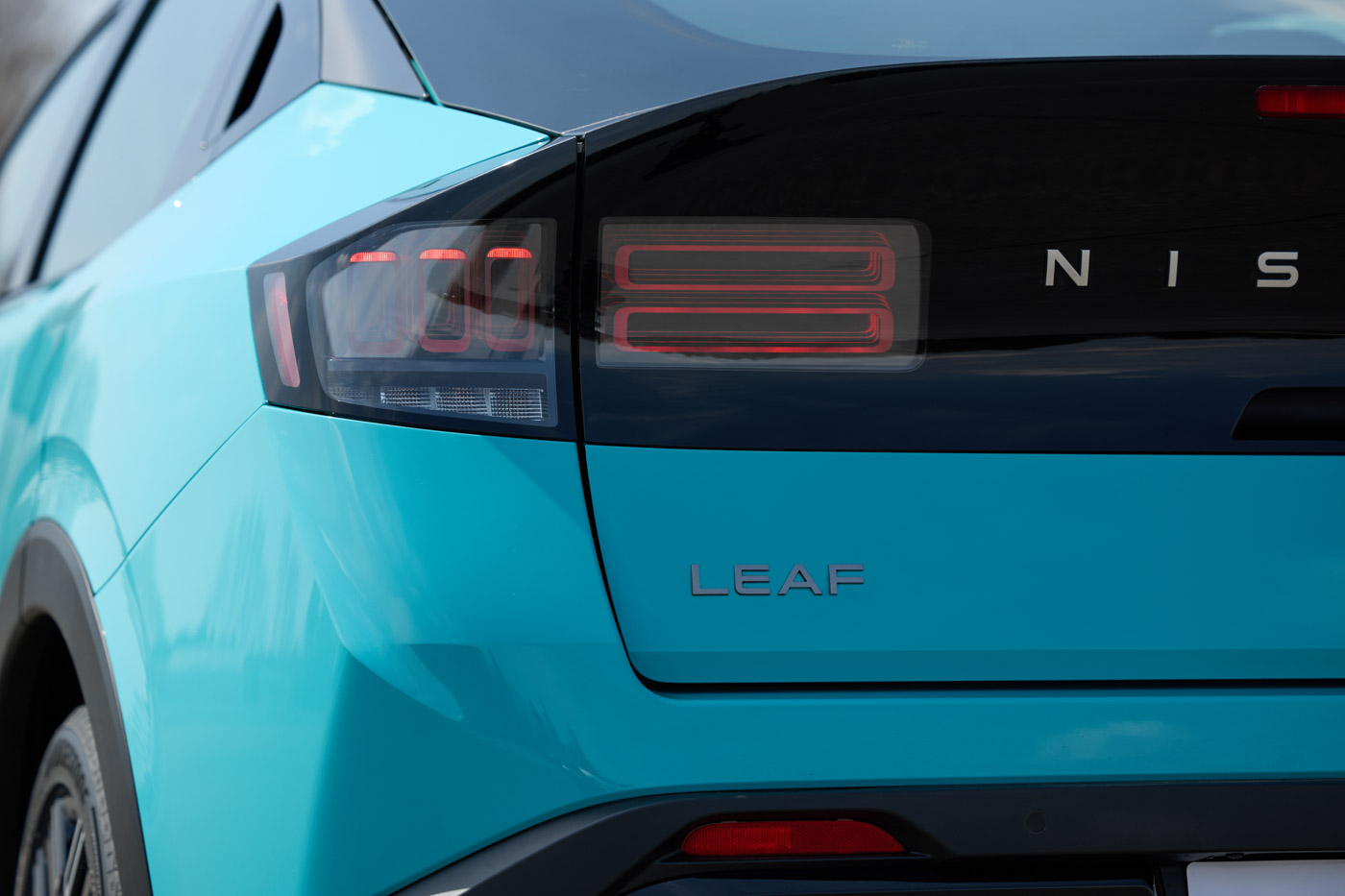
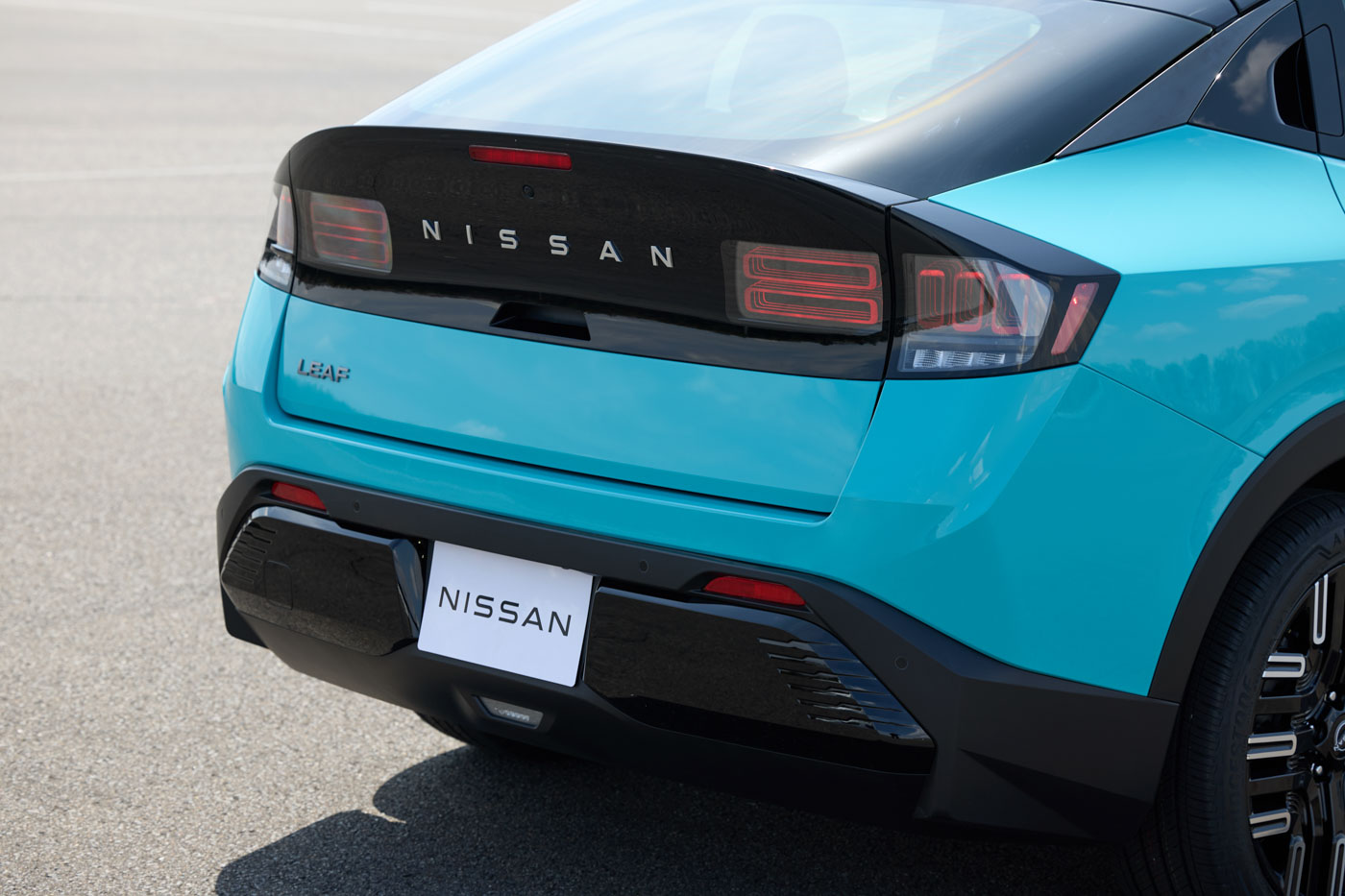
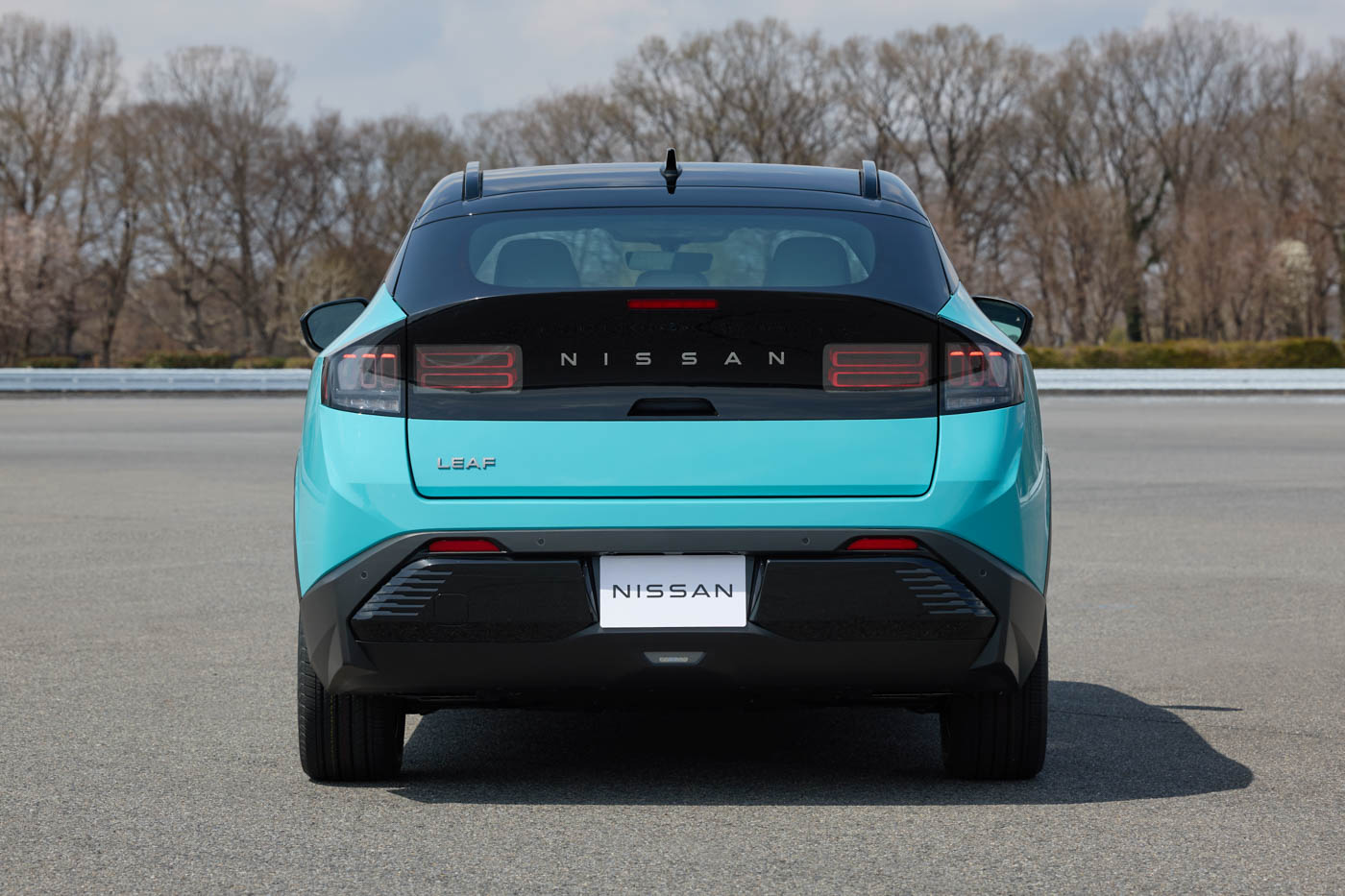
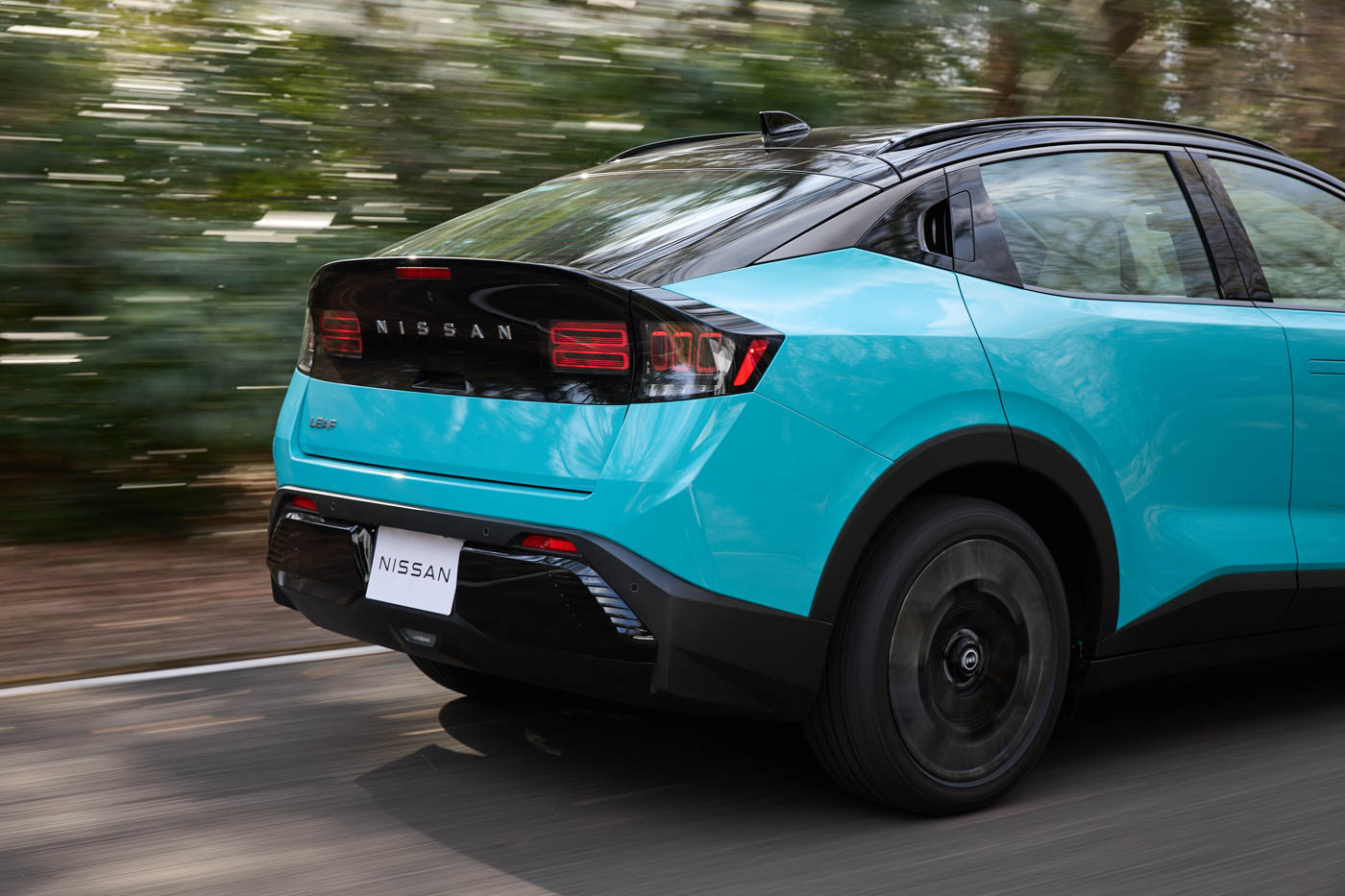
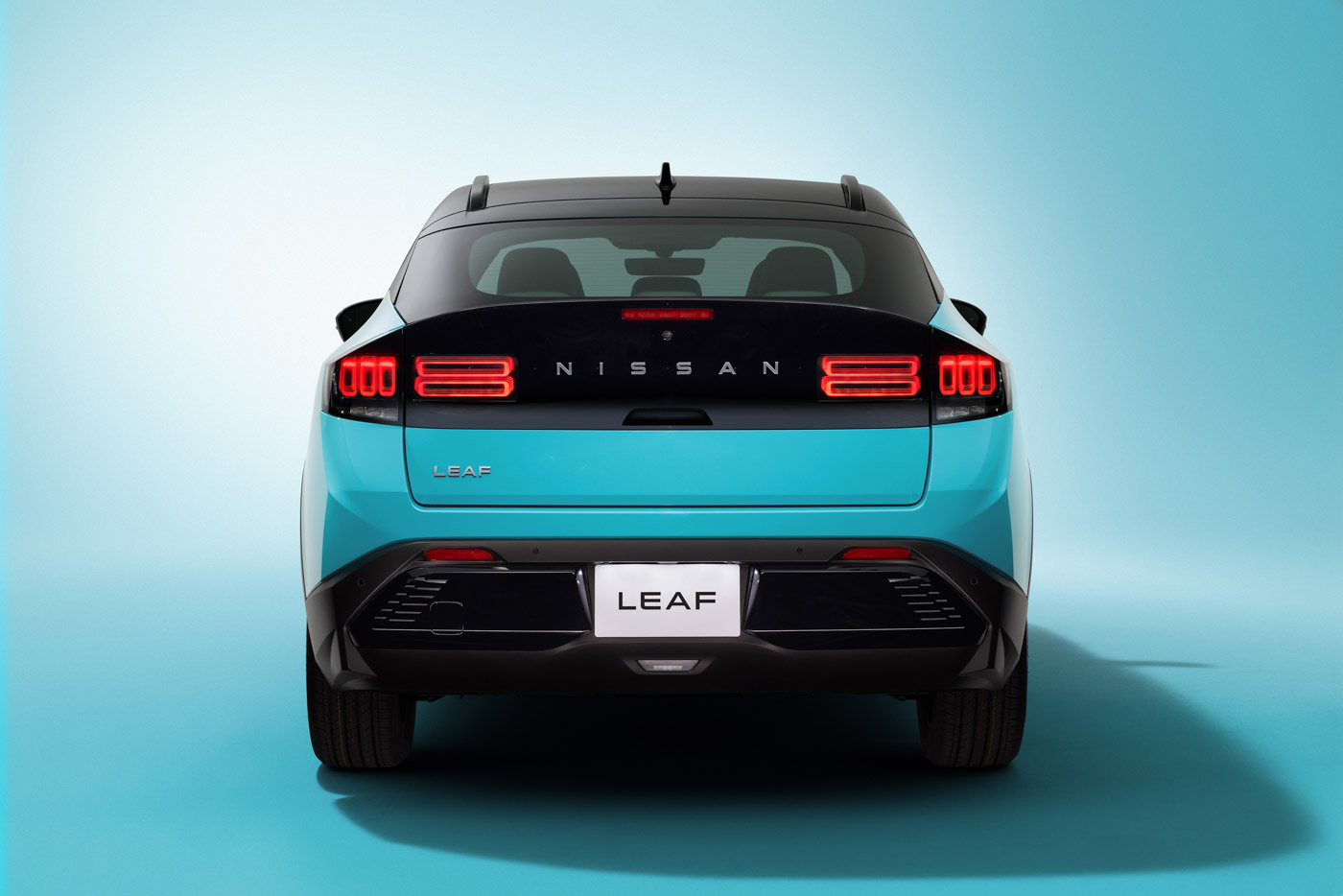
Towards the rear, there’s a high lip spoiler and a set of taillights that resemble those on the Nissan Z, but they come with a 3D holographic effect, which Nissan calls the “digital zen” element.
RELATED: The new Nissan Micra EV is a rebodied Renault 5 E-Tech, but with much cooler looks

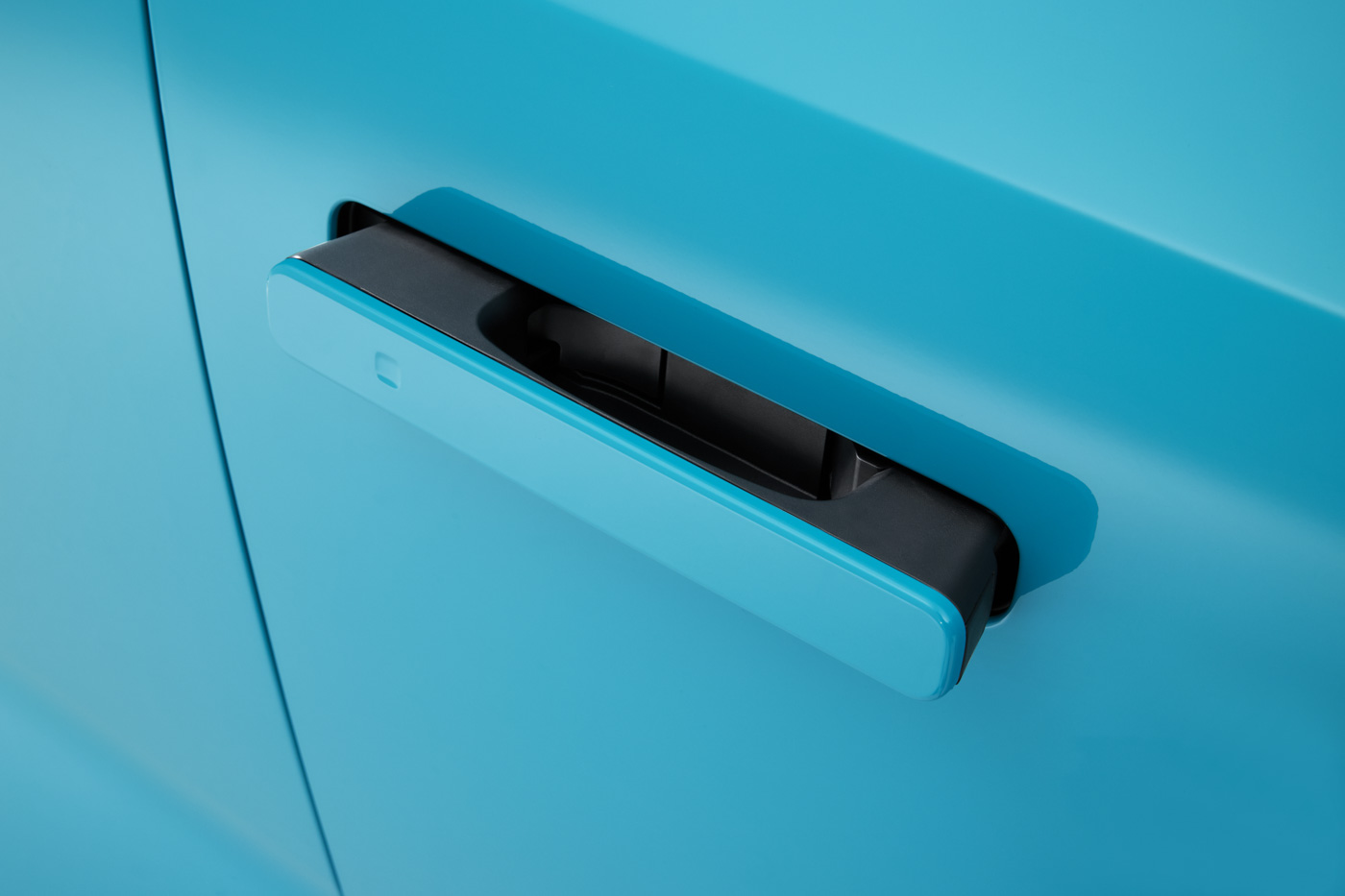
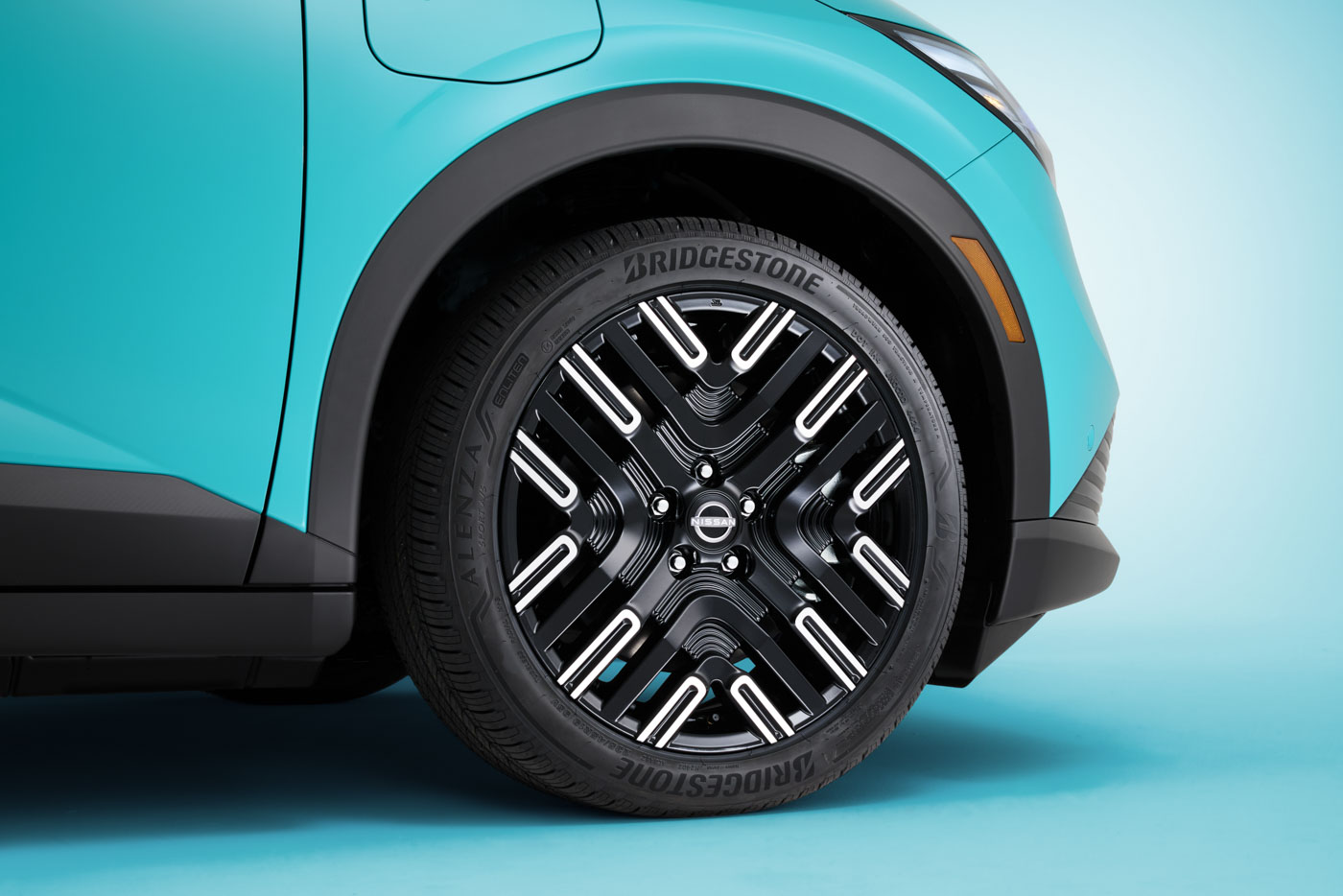
As an EV, the Nissan Leaf also features a host of aerodynamically profiled exterior elements designed to reduce drag. These include flush door handles, a flat underbody, and aero-tuned wheels.
Altogether, these help the Nissan Leaf cut through the air with a drag coefficient of 0.26 Cd, with European models being more slippery at 0.25 Cd. A first for Nissan is the addition of the dimmable panoramic roof with embedded Polymer Dispersed Liquid Crystal (PDLC) technology.

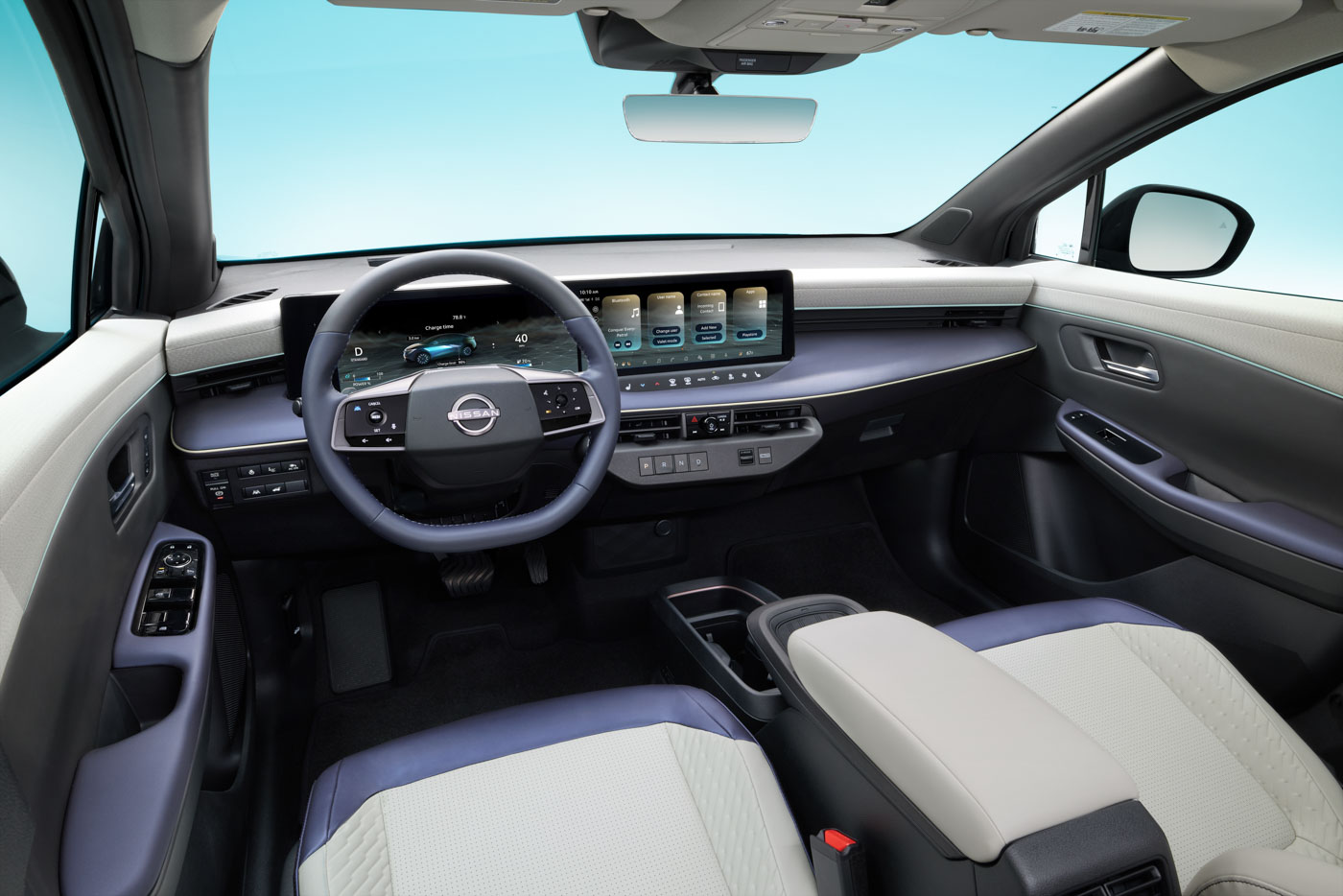
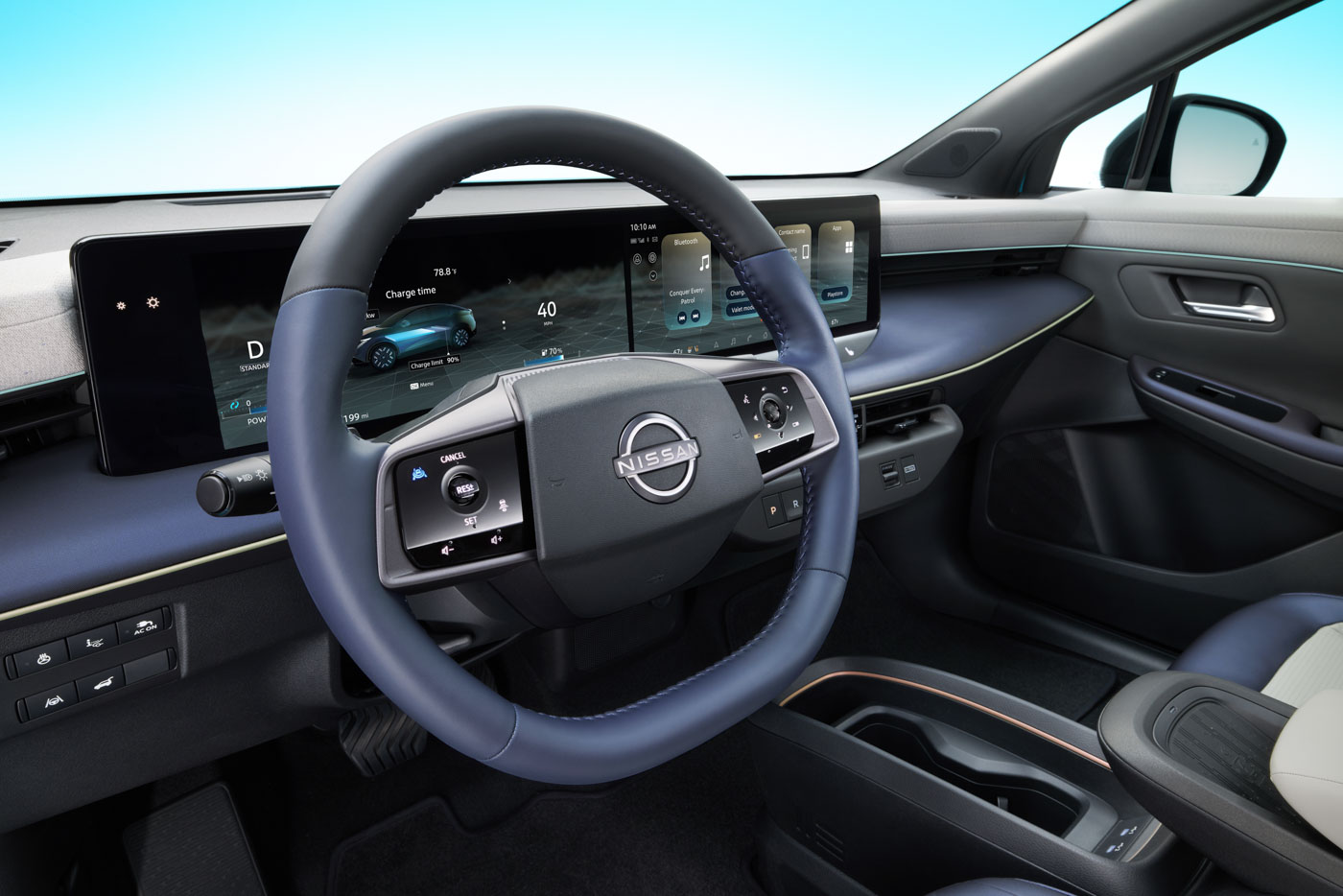
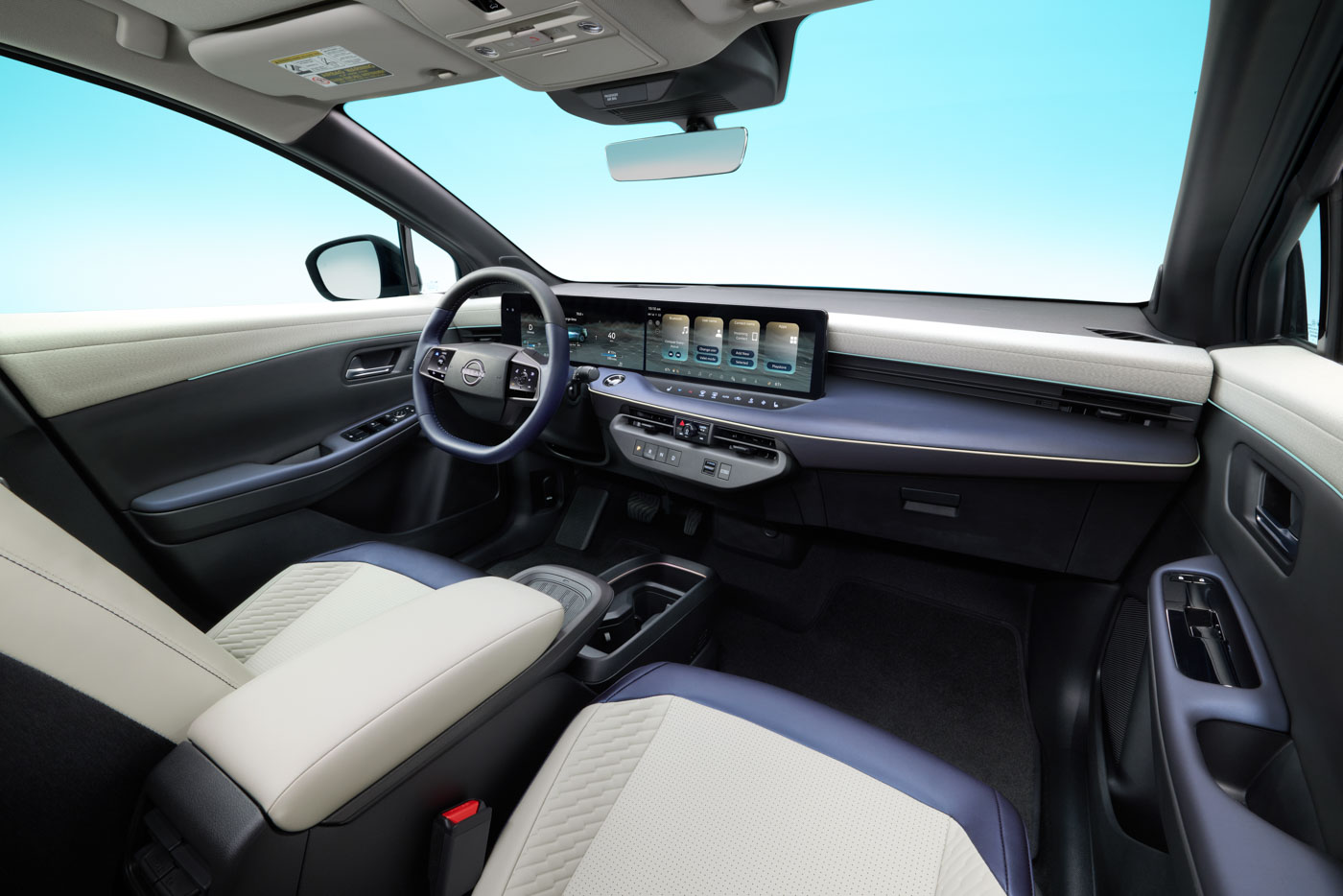
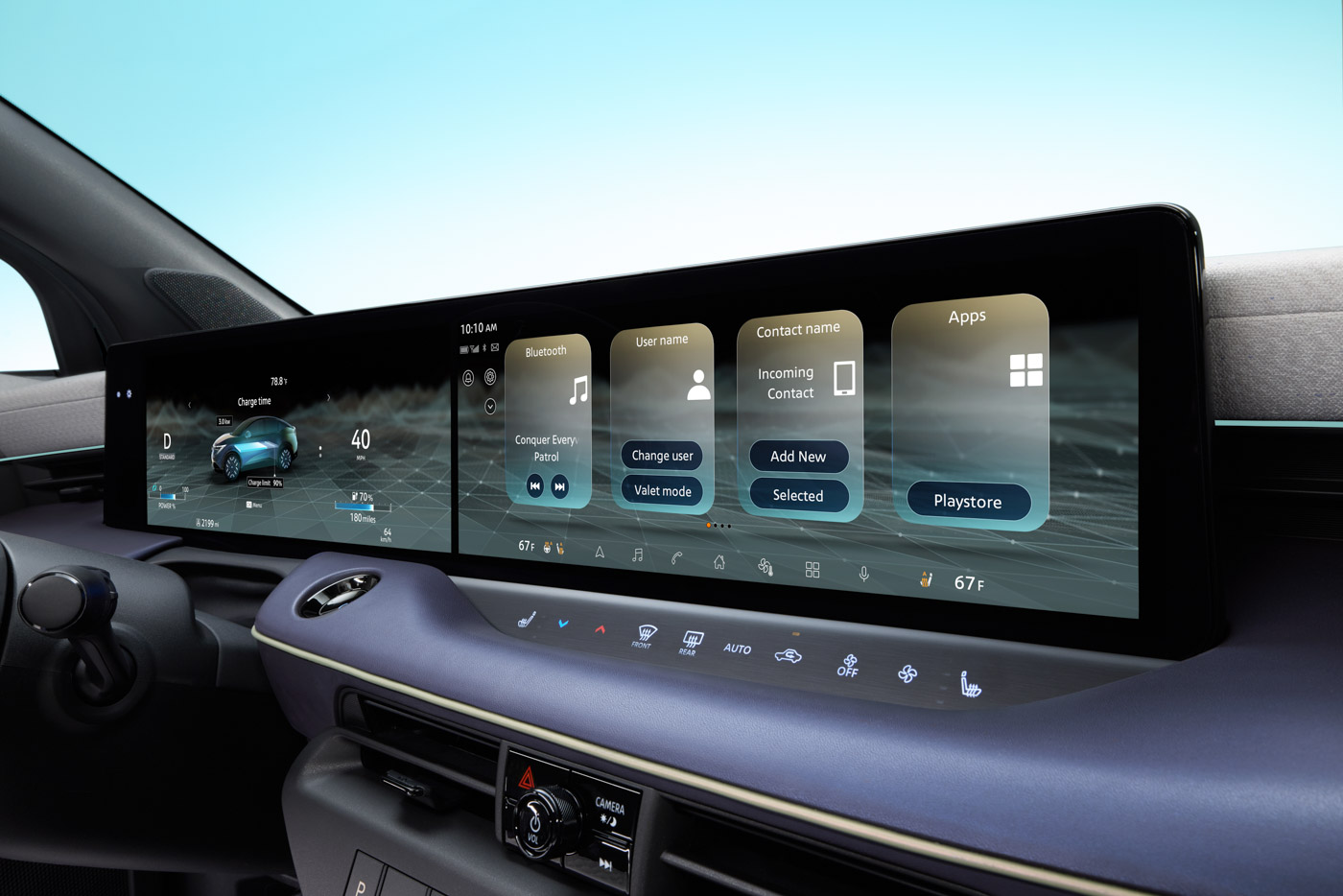
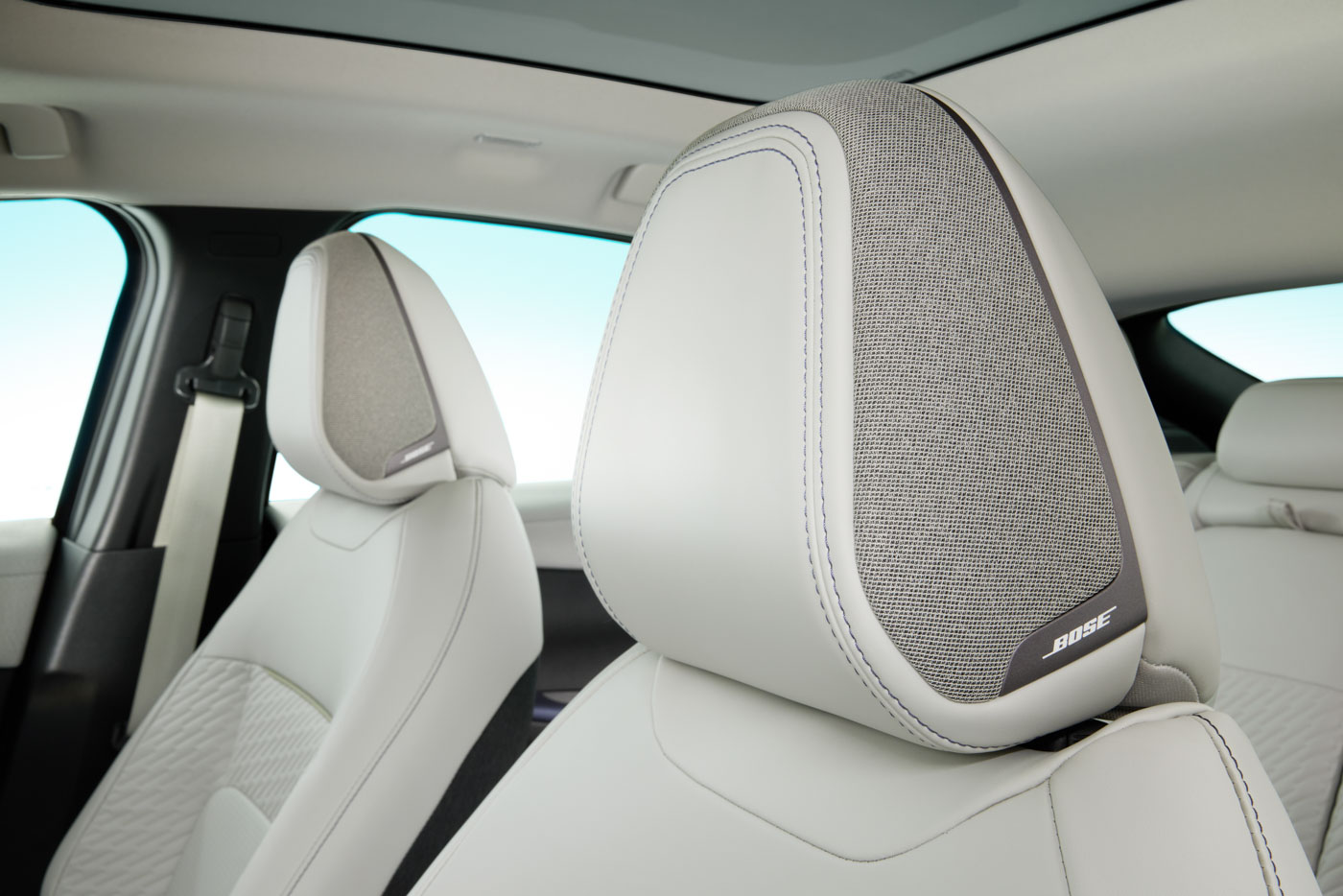
Depending on the variant and region, the all-new Nissan Leaf will come equipped with either dual 12.3-inch displays or dual 14.3-inch integrated screens. Other interior equipment includes a Bose Personal Plus sound system with integrated headrest speakers.
For convenience features, the Nissan Leaf will also come with an intelligent route planner which provides real-time route information, state of charge, identification of convenient charging stations, and a new intelligent navigation-linked thermal conditioning function optimises battery cooling based on the selected drive route.

It also has an enhanced thermal recovery and management system that harvests heat created by the onboard charger (OBC) to warm up the battery. This increases its regeneration potential in cold weather, which should translate to more range in cold climates, where EVs are known to perform poorly.
Two powertrains are available at launch, both of which comprise an all-new front-mounted 3-in-1 powertrain. This new unit is 10% smaller than its predecessor and achieves a 75% reduction in motor vibrations thanks to a new high-rigidity motor mount bracket.

The first is a 177 hp (130 kW) and 345 Nm motor paired to a lithium-ion battery pack with 52 kWh. Nissan did not disclose the range figures of this variant.
The second powertrain features a more powerful electric motor, producing 217 hp (160 kW) and 355 Nm of torque. This is paired with a larger 75 kWh battery pack of the same chemistry. This setup enables the crossover to boast a range of over 600 km, though the company did not disclose the specific test cycles used. However, referencing the US-bound Leaf with the same powertrain, it has an EPA range estimate of 487 km.

The company also did not disclose exact AC charging specifications, but states that the Nissan Leaf can support DC charging at 150 kW, which enables it to recharge from 10% to 80% charge in 35 minutes.
In terms of safety features, the Nissan Leaf is equipped with a suite of advanced driver assistance systems (ADAS), which includes a 3D Intelligent Around View monitor, invisible hood view, and front wide view functionality.

Beyond just driving, the new Nissan Leaf also boasts vehicle-to-everything (V2X) capabilities with different abilities depending on the region.
For instance, the US-bound Nissan Leaf is equipped with vehicle-to-load (V2L) capability via two 120V outlets for powering external devices. European models are vehicle-to-grid (V2G) compatible, enabling them to send stored energy back to the grid. Japanese variants meanwhile will feature vehicle-to-home (V2H) functionality, allowing owners to use their Leaf as a mobile power bank for their homes.
All in all, the third-generation Nissan Leaf marks a significant evolution from its predecessor, boasting a new exterior design, fresh interior features, and significantly improved range. Will Edaran Tan Chong Motor (ETCM) bring the Nissan Leaf to Malaysian shores? Only time will tell.
ALSO READ: Nissan introduces Re:Nissan plan – new cars in less time, Skyline GT-R coming?
GALLERY