Toyota and BMW have signed a new memorandum to develop the hydrogen fuel cell technology. The partnership aims to accelerate the development of next-generation zero-emission vehicles. With that, BMW also announced plans to introduce its first hydrogen-powered model in 2028.
The collaboration aims to standardise components and reduce costs by jointly developing a shared powertrain. Additionally, they will collaborate to expand the hydrogen fueling stations network, addressing the main barrier of users in adopting hydrogen fuel cell technology.

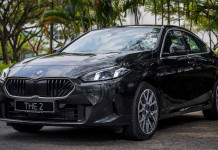
BMW is currently developing a hydrogen-powered model based on its upcoming Neue Klasse platform. While technical details remain limited, the company aims to introduce this model as a hydrogen-powered variant from an existing vehicle lineup. In addition, BMW and Toyota are collaborating on hydrogen-powered commercial vehicles. The companies are urging for government support to foster the growth of hydrogen technology in the automotive industry.
Toyota has announced plans to develop its own line of fuel cell electric vehicles (FCEVs), utilising a shared powertrain system with BMW. This departure from a simple rebadging strategy demonstrates Toyota’s commitment to independent development in the FCEV segment.
RELATED: MoT: Malaysia EV sales more than doubled in 1H 2024 – 12,850 units sold

BMW AG Board of Management Chairman Oliver Zipse stated, “This is a milestone in automotive history: the first-ever series production fuel cell vehicle to be offered by a global premium manufacturer. Powered by hydrogen and driven by the spirit of our cooperation, it will underscore how technological progress is shaping future mobility.”
Toyota Motor Corporation President and Board of Management Member Koji Sato stated, “This is a milestone in automotive history: the first-ever series production fuel cell vehicle to be offered by a global premium manufacturer. Powered by hydrogen and driven by the spirit of our cooperation, it will underscore how technological progress is shaping future mobility.”
GALLERY