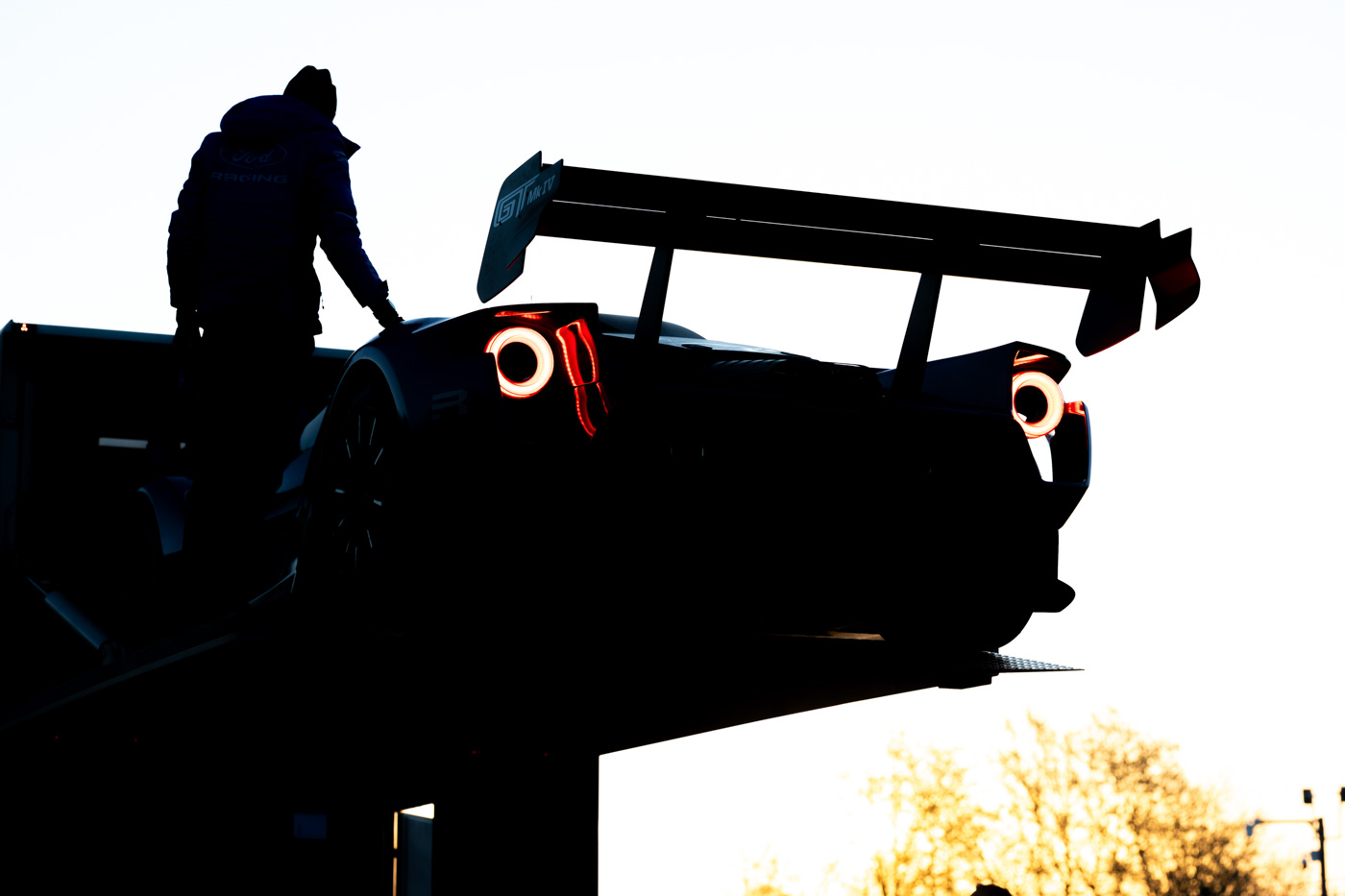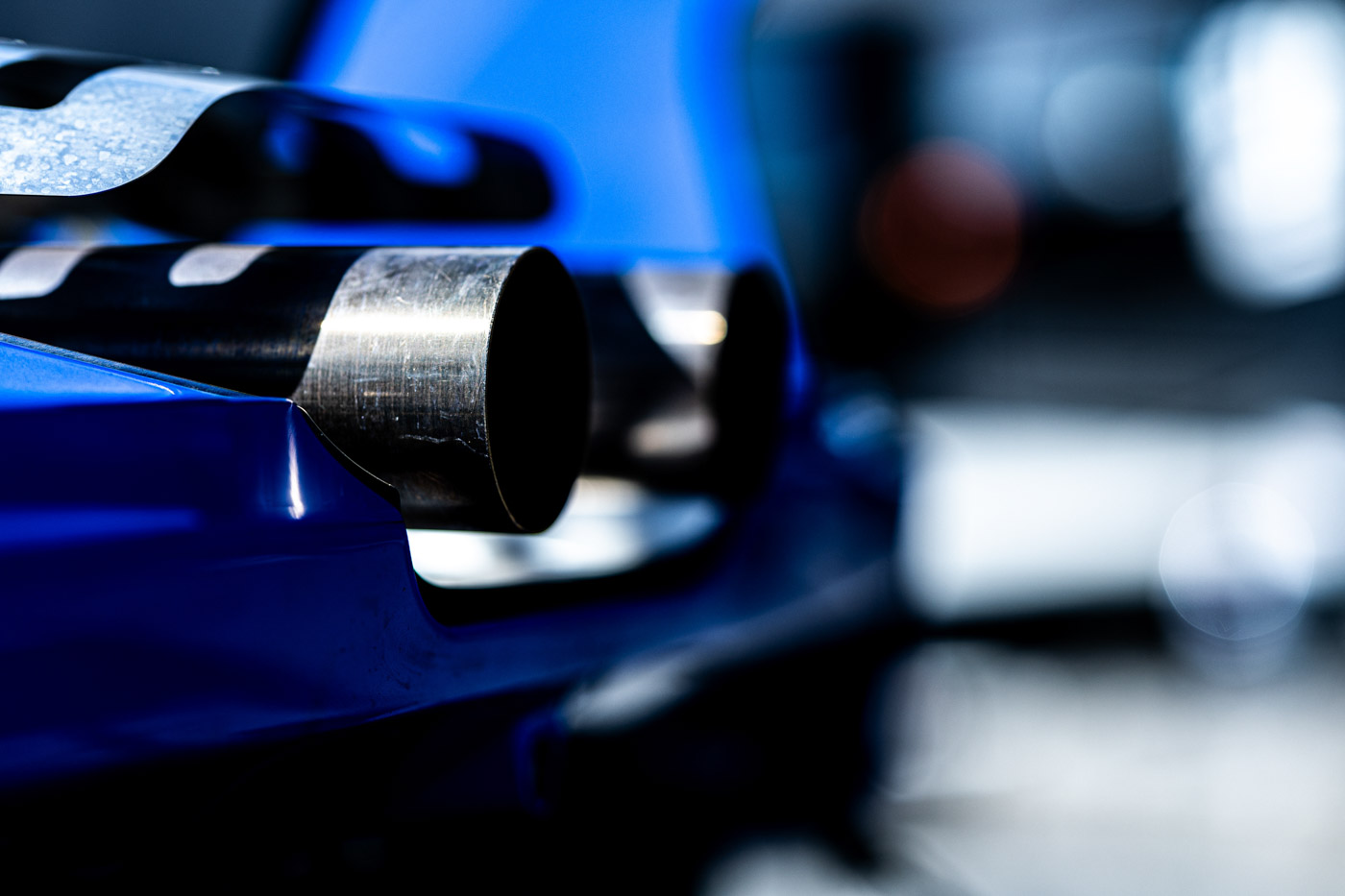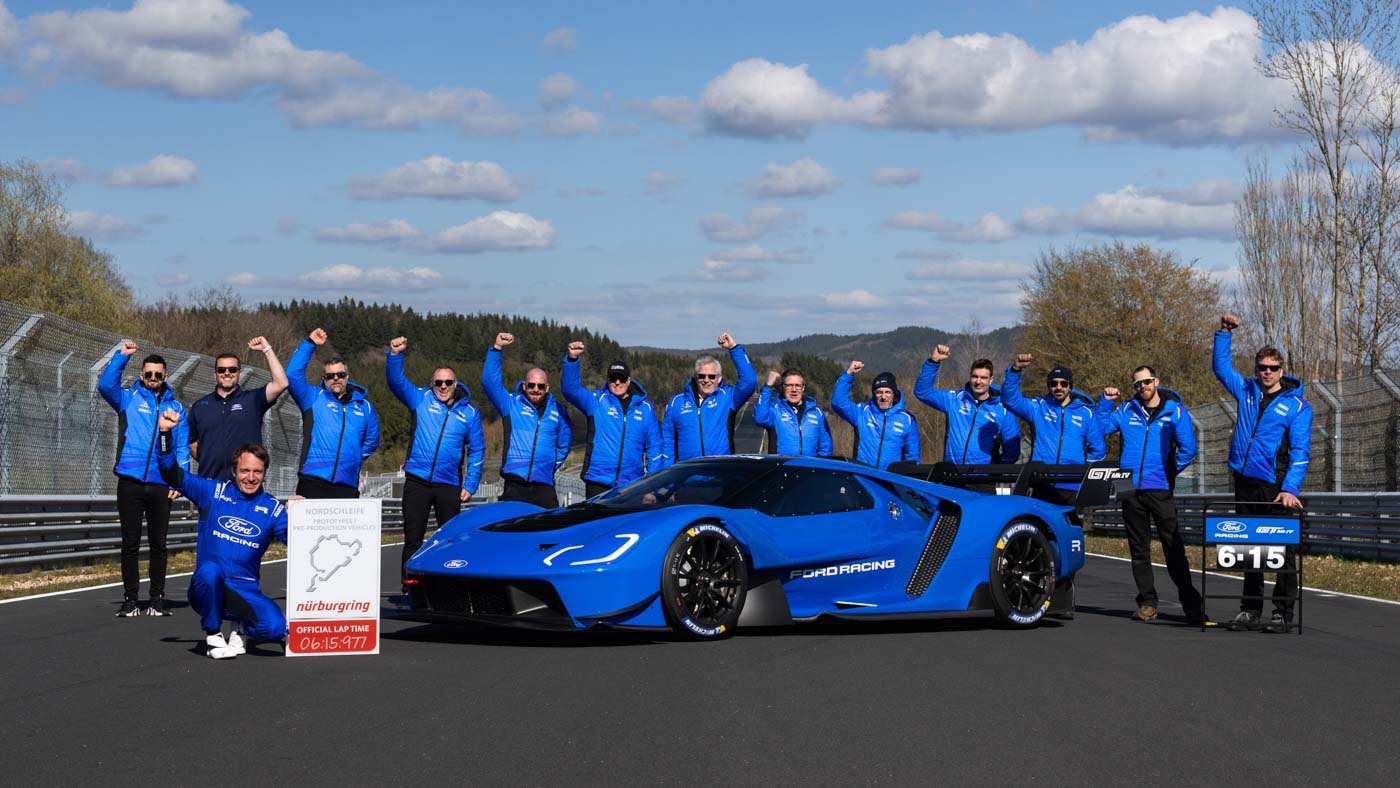
Ford has now created history with its GT Mk IV. It is officially the fastest American car to ever lap the Nürburgring Nordschleife, setting a blistering time of 6.15.977 around the notorious Green Hell.
This performance effectively dethroned the Chevrolet Corvette ZR1X and its time of 6.49.275, meaning the Ford was more than 33 seconds faster over a single lap.
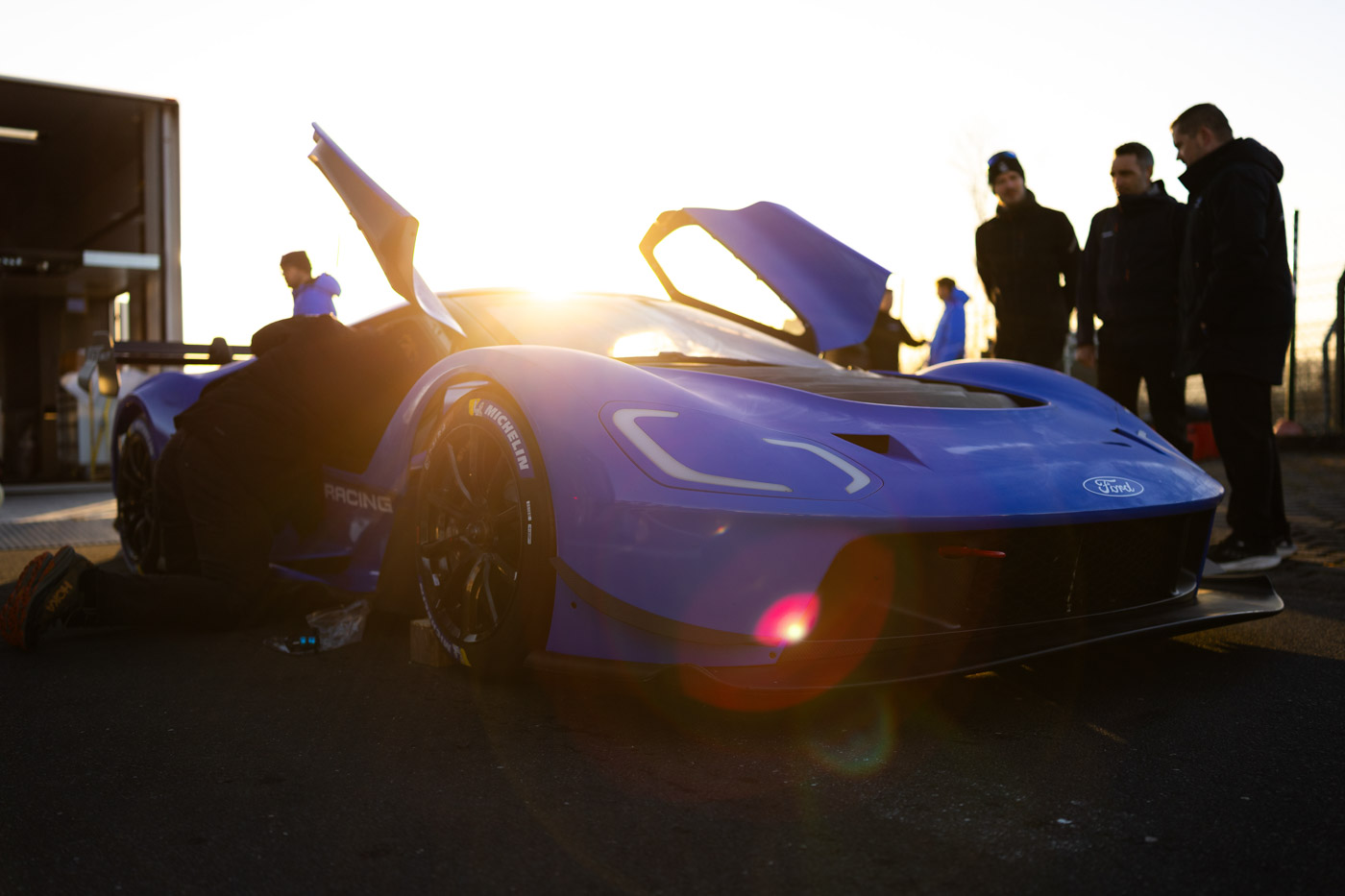
This result secures the Ford GT Mk IV the title of the fastest internal combustion car to ever lap the 20.8 km circuit. Currently, only two vehicles in history have gone faster. These are the electric Volkswagen ID.R, which clocked a 6.05.336, and the overall record holder, the Porsche 919 Hybrid Evo, which sits at 5.19.546.
Still, 6.15.977 is an achievement when you consider that the Ford GT Mk IV is powered purely by an internal combustion engine with zero electrification. It features a 3.8-litre twin-turbocharged V6 engine producing more than 800 hp. For a bit of perspective, the standard road-going Ford GT makes do with a 3.5-litre V6 producing 647 hp and 746 Nm of torque.
RELATED: Ford and Geely reportedly in talks to share technologies and Europe production facilities
The man tasked with harnessing this power was Frédéric Vervisch, a Ford Racing factory driver. Vervisch brought significant circuit pedigree to the seat, having won the Nürburgring 24 Hours in 2019 and 2022, as well as taking the Mustang GT3 to victory at the 2025 Rolex 24 Hours of Daytona.
This is far from a standard Ford GT with a few stickers slapped on the side. Ford has only built 67 units of the Mk IV, a specific nod to the GT40 that won Le Mans in 1967. Each one is a bespoke, track-only weapon featuring a longer wheelbase, a racing sequential gearbox, track-focused suspension and a unique long-tail carbon fibre body. How much? If you weren’t one of the lucky few invited to pay USD1.7 million (approx. RM6.85 million) for the privilege, you are likely too late.
READ MORE: Next-gen Nissan GT-R could return as early as 2030, featuring an electrified VR38 engine
GALLERY