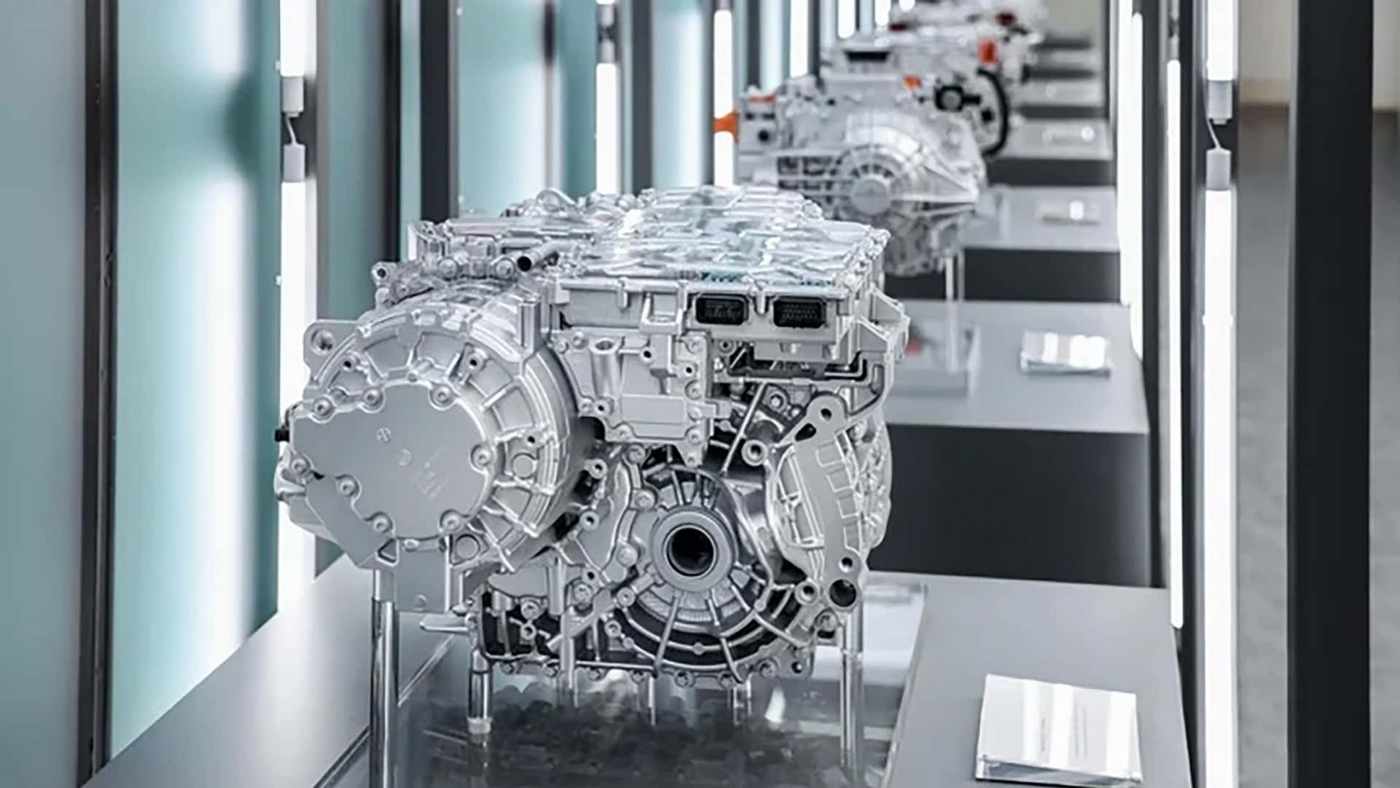
The saying ‘less is more’ is universally applicable to many fields, and although integrating various functions into electric drive systems for EVs is not something new, Geely has just taken it to a new level with its Thunder 16-in-1 system that sheds unnecessary components for 93.8% efficiency.
To that end, the development of electric drive systems that have many major functions integrated into a single component has recently seen major leaps and bounds, especially from Chinese carmakers.
This time around, the revolutionary Thunder system was developed by Geely Holding Group’s subsidiary, InfiMotion, and its 93.8% efficiency rate is a production-level record in the industry, with a power density of 11.8 kW/kg (15.8 hp/kg).
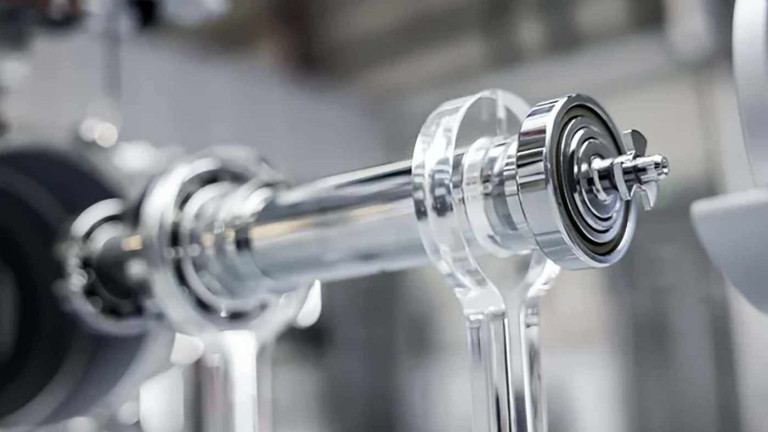
If you are wondering exactly how the Thunder system achieves its efficiency by integrating 12 hardware functions; motor, motor controller, reducer, DCDC, OBC, PDU, HBMS, LBMS, VCU, TMS, active pre-charge control and power domain gateway, as well as four software capabilities; intelligent energy management, intelligent charging management, intelligent motion control and intelligent health management.
Consequently, the resultant is over 180 components made redundant. Further use of a magnesium alloy for the housing and by applying an integrated design for the motor, reducer, and mounting brackets drops weight down to just 75 kg, approximately 15% less than mainstream industry products.
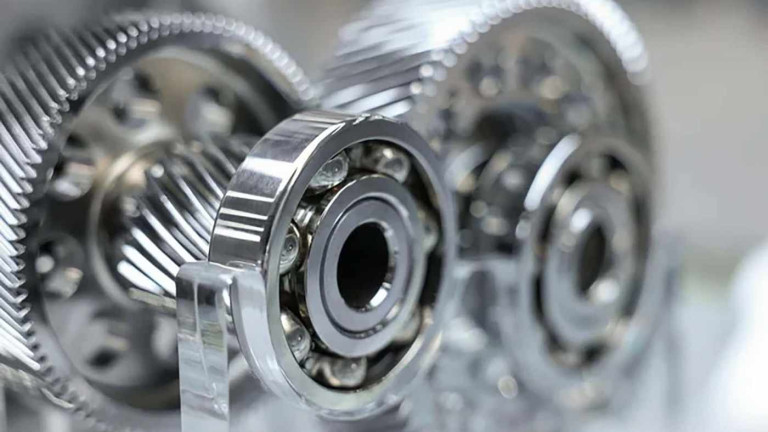
Additionally, the engineers managed to reduce high-voltage wiring by 30% and low-voltage wiring by 15%, further contributing to the weight reduction.
All the integration and redundancy has also made the Thunder system incredibly compact, measuring up at just 325 mm tall. This frees up around 28 litres of extra trunk space in the rear of the car.
How does it perform though? Well, its 800V platform powers ‘One-Chip’ technology, extensively reducing latency from 40 ms to as fast as 2ms. The tech shortens the distance electrical or light signals travel to increase response and reduce power waste.
ALSO READ: Proton now exports powertrain components for Geely cars sold internationally
A recent condition-specific test saw it achieve a record-breaking energy consumption of 8.2 kWh/100 km whilst it returned figures as low as 10.7 kWh/100 km for a CLTC-rated energy consumption.
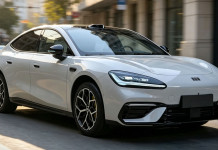
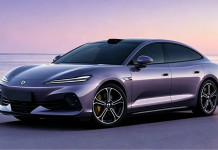
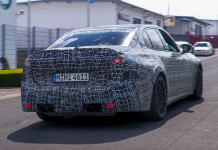
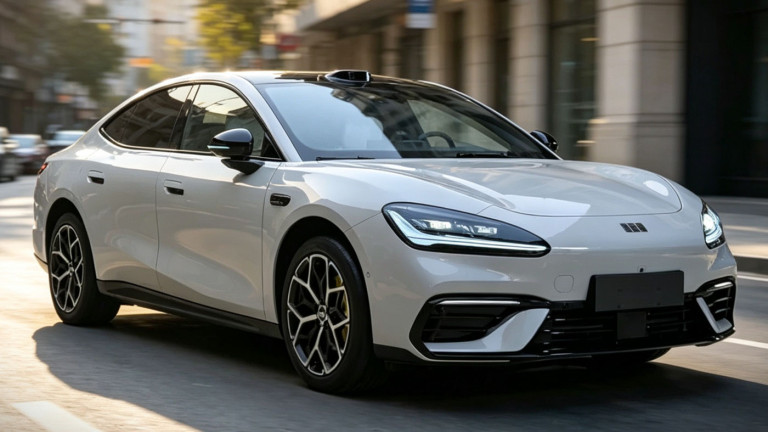
The Thunder system has already debuted in the Geely Galaxy TT, a pure electric sports sedan that looks to take on the Xiaomi SU7.
There are two variants of the Galaxy TT available, a two-wheel drive version with 329 hp and a four-wheel drive version with 570 hp. Three battery packs can be optioned, a 52.4 kWh, 63.8 kWh and 75.2 kWh, providing CLTC ranges of 540 km, 640 km, 650 km, and 725 km, respectively depending on the configuration.
ALSO READ: Proton unveils new 1.5L HEV hybrid powertrain, assembled in Malaysia