Driving video recorders (DVR), or more commonly known as dashcams, could soon be a mandatory requirement in buses, lorries, heavy vehicles, and other public transport vehicles in Malaysia.
The Land Public Transport Agency (APAD) is currently in the process of updating the safety guidelines for land public transport regulations to require the installation of dashcams in these vehicles, and could be gazetted and be in effect as early as the first quarter of 2026.
This was revealed in the preliminary report of the tragic crash of a tour bus at Gerik that has tragically taken the lives of 15 Universiti Pendidikan Sultan Idris (UPSI) students, and left 33 others injured.

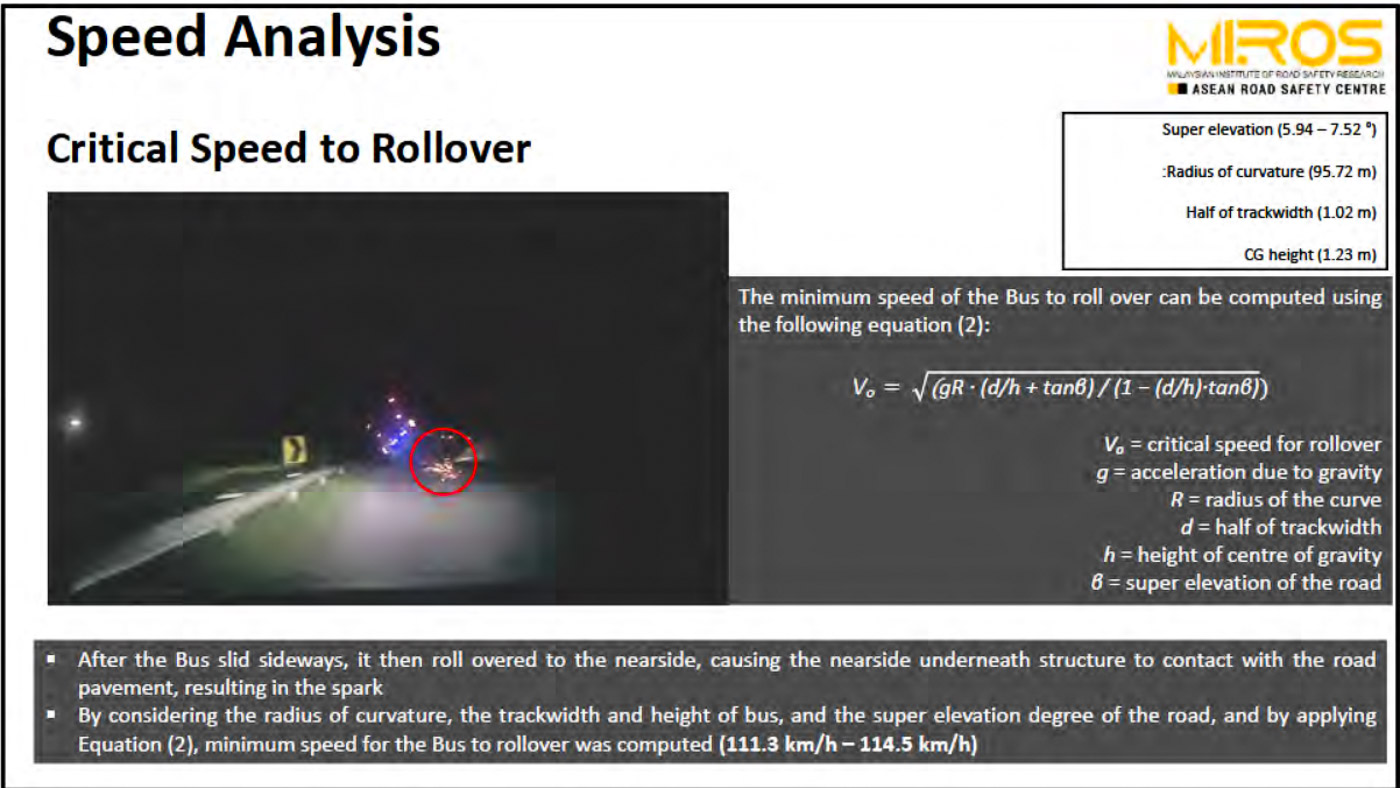
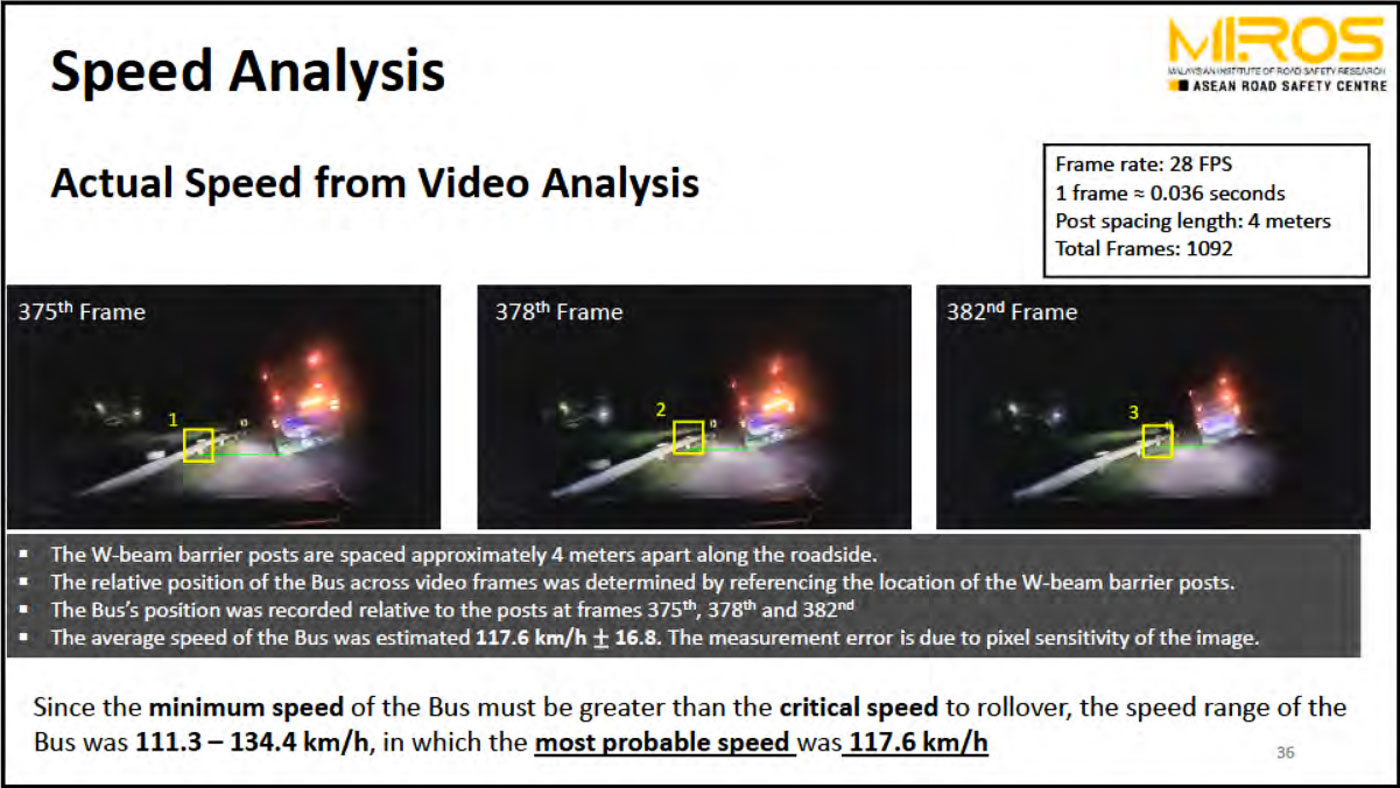
The Ministry of Transport’s report stated that the bus involved in the crash was not equipped with any dashcams or GPS tracking devices, which meant the special task force in charge of investigating the crash cannot certifiably determine the speed of the bus before the crash.
However, based on mathematical calculations and video footage analysis from a dashcam footage from a trailing vehicle, it was alleged that the bus was likely travelling at speeds upwards of 117.6 km/h, or nearly twice the speed limit (60 km/h) at the particular stretch of winding roads.
In response to the tragic crash, the Ministry of Transport has also recently announced that Speed Limiter Device (SLD) will be made fully mandatory on heavy vehicles starting next year, in a move to improve road safety and cut down risk of accidents.
Additionally, the Road Transport Department (JPJ) will also begin enforcing seat belt usage for all express buses, tour buses, and goods vehicles starting July 1. Passengers who do not buckle up will be fined up to RM300, and the driver and bus companies could also be subject to legal action for failing to ensure passenger safety.