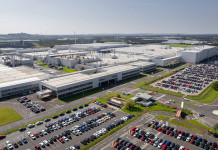
Just a few days after the official announcement of terminating merger talks with Honda, Nissan Thailand announced today in a press statement that it will be consolidating its two production plants in Thailand’s Samut Prakan province into one.
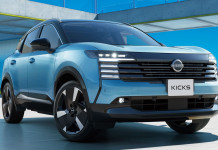
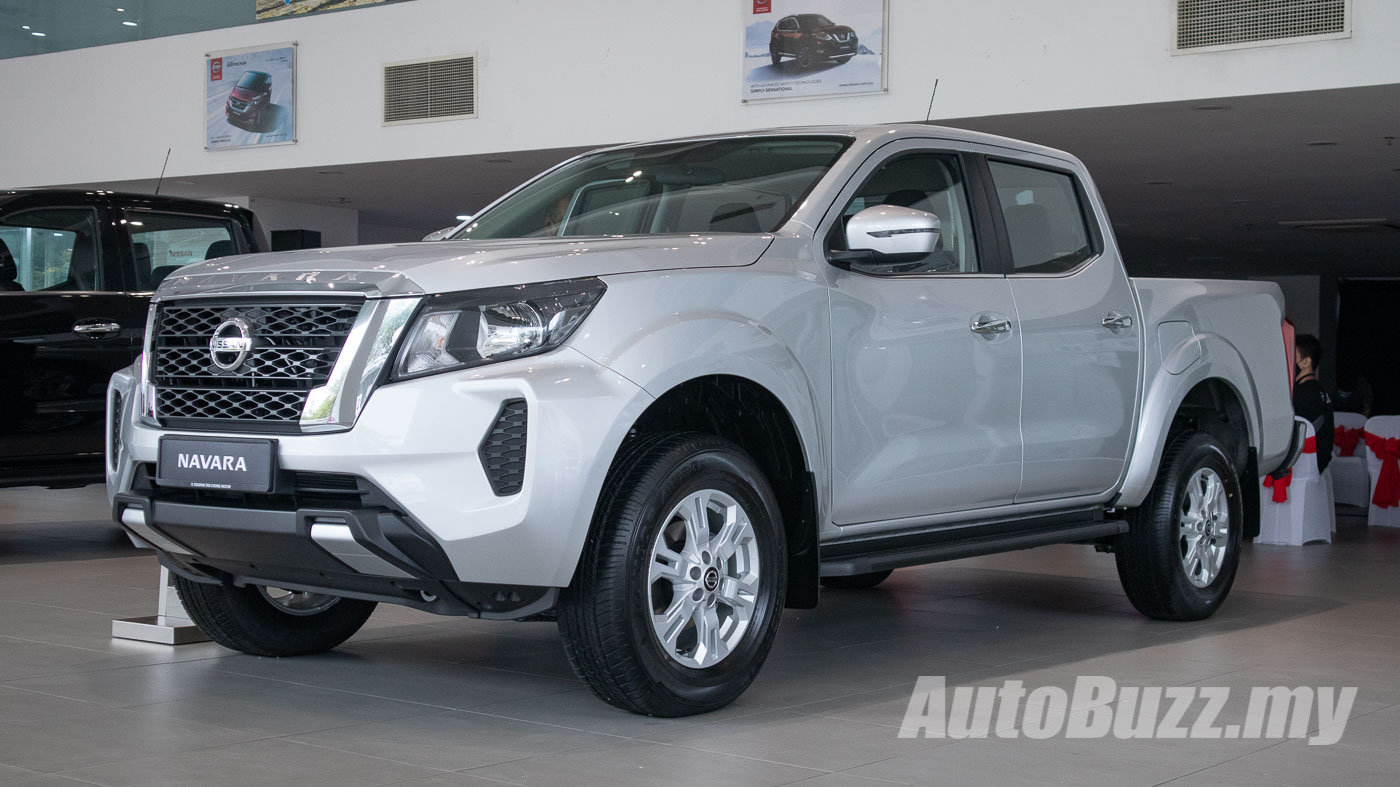
The restructuring will see Plant 1 – which currently manufactures the Nissan Navara and Terra – cease vehicle production and converted into a body, plastic, and press shop, as well as its operations logistics centre. Meanwhile, Plant 2 (currently manufacturing the Kicks, Almera) will be upgraded to take on the production of all four models.
Upgrades to the assembly lines are expected to begin in Q1 2025.

Nissan Thailand says that the plant consolidation is to “optimize fixed costs as well as prepare for future model localization in Thailand”. Operating under one roof instead of two could also reduce its overhead, while also improving production efficiency.
Moving all production under one roof, however, could also mean that the overall production capacity is reduced, and will have limited headroom for future expansions in capacity.
Despite the reorganisation plan, Nissan reiterates its commitment to grow its business and brand in the ASEAN region, with Thailand remaining “a key market” for the brand in Southeast Asia.
The consolidation of the Thailand assembly plant is in line with the Nissan’s current overall plans worldwide to cut costs and keep themselves afloat financially. Reuters previously reported that a senior official close to Nissan had said that the company only has enough money to last for 12 to 14 months.
According to the report, Nissan will cut about 9,000 jobs and close down its factories globally – including in the United States and Thailand – to save about JPY400 billion (approx RM11.5 billion). Overall, Nissan’s cost-cutting measures will see an overall reduction in global production by 20%.
READ: No finance, no romance – Nissan pulls the plugs in merger talks with Honda

In case you missed the whirlwind of chaos in the past couple of months: In December 2024, Honda and Nissan announced that they had signed a Memorandum of Understanding (MoU) for a merger of the two companies, which would have made it the third-largest carmaker in the world.
However, cracks in the merger plans formed when Honda proposed a change in the partnership structure, which will see Honda become the parent company, and Nissan its subsidiary, which Nissan rejects. The latter’s complicated relationship with Renault and Mitsubishi also made the merger untenable.

After talks broke down with Honda, Nissan is now scrambling at their feet in search of a new potential partner. As of now, Foxconn seems to be a very likely prospect; the Taiwanese company that manufactures iPhones has already entered the EV space under the Foxtron subsidiary.
Despite the merger falling through, both carmakers – alongside Mitsubishi – will still continue to develop electric vehicles (EV) and software together through a separate, older MoU.