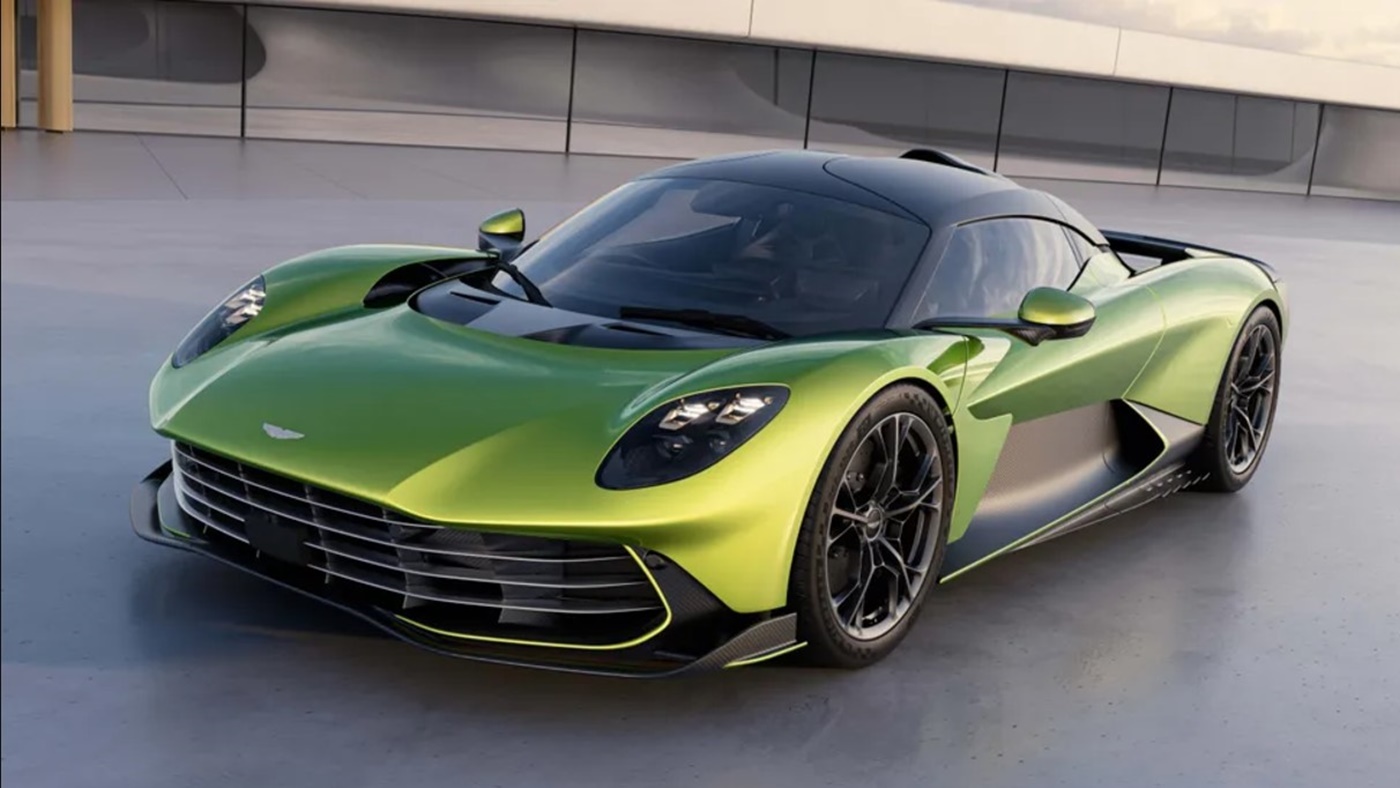
In Norse mythology, Valhalla is a hall in which the souls of heroes slain in battle are welcomed by Odin. To be received in this atrium is the greatest honour for a warrior. Perhaps aptly, the new Aston Martin Valhalla and its mighty 1,064hp plug-in hybrid twin-turbo V8 is capable of sending even the mightiest supercars to Valhalla.
It wasn’t all smooth sailing though as the many thought the Valhalla had itself met demise before raising a tachometre needle and gone to the great hall. After its reveal in 2019, things at Gaydon went silent. A revival in a different form came in 2021, with the initial V6 ditched for a V8 and power bumped up.
In its final form, the Valhalla will be a plug-in-hybrid with a twin-turbo 4.0-litre V8 engine paired with three electric motors and an eight-speed dual-clutch transmission.
The V8 is the familiar AMG-based unit found in other Aston Martin models. However, here it has been dry-sumped with the engineers also reworking the camshafts, exhaust manifolds, turbos and pistons. Don’t forget the new flat-plane crank as well, good for 817 horsepower from the engine.
RELATED: Aston Martin allocated 5 units of the Valhalla to Malaysia, 2 have been sold!
Two radial flux e-motors power the front axle while the third is integrated into the transmission. A liquid-cooled 6-kWh battery designed for frequent and rapid charge deployment as well as recharging under deceleration quickly feeds the electric motors.
That new eight-speed dual-clutch box sends the power to the rear wheels, with the e-motor and electronic rear differential between. The former has quite the responsibilities to shoulder as it starts the engine, adds a torque boost, compensates for turbo lag and also serves as the reverse gear.
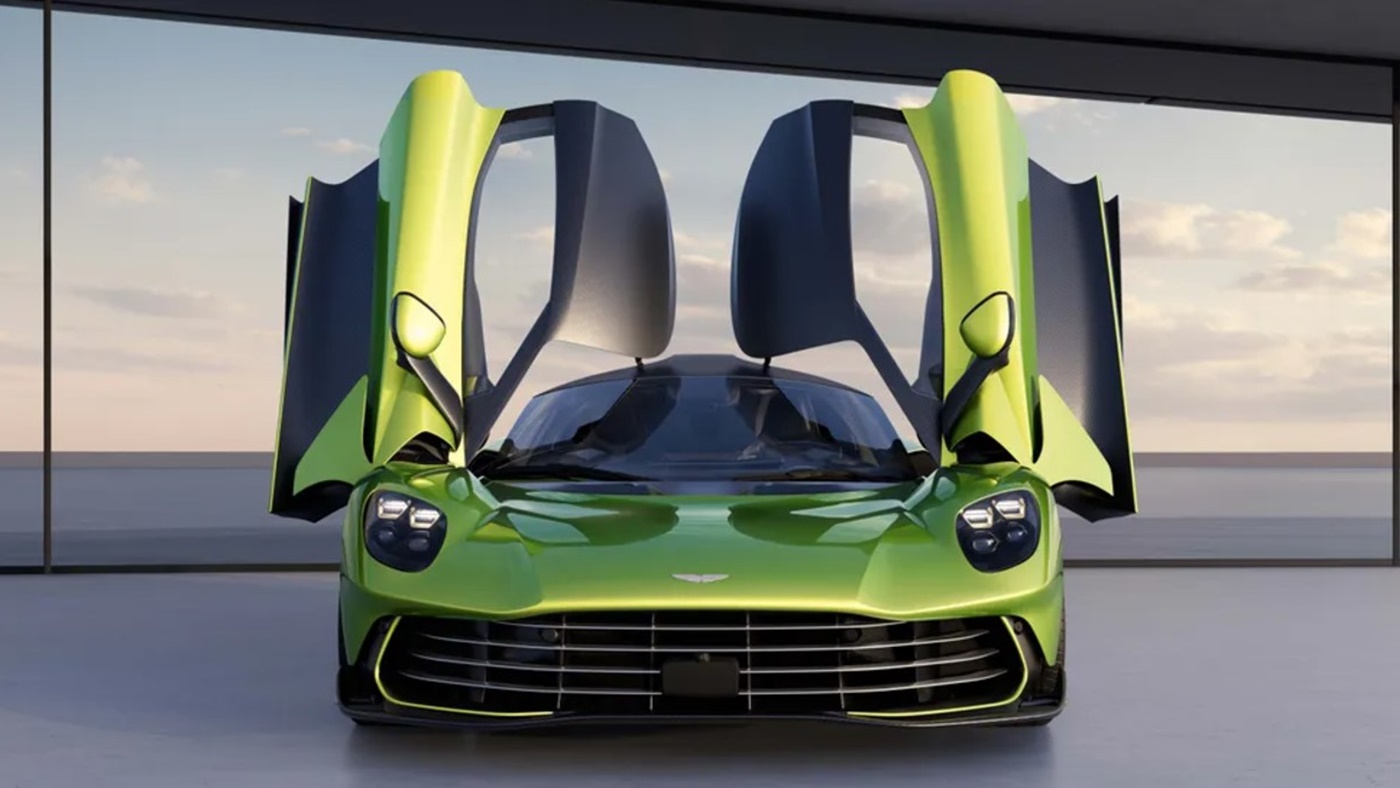
Combined output is the aforementioned 1,064 hp and 1,100 Nm of torque. The century sprint is dealt with in 2.5 seconds and the top speed is 349 km/h.
A carbon fibre tub with aluminium subframes at both ends keeps the weight down. The front features pushrod suspension with inboard-mounted springs and dampers inspired by Formula 1 as they improve airflow within the wheel arch while the rear is a multilink setup. Bilstein supplies the adaptive dampers.
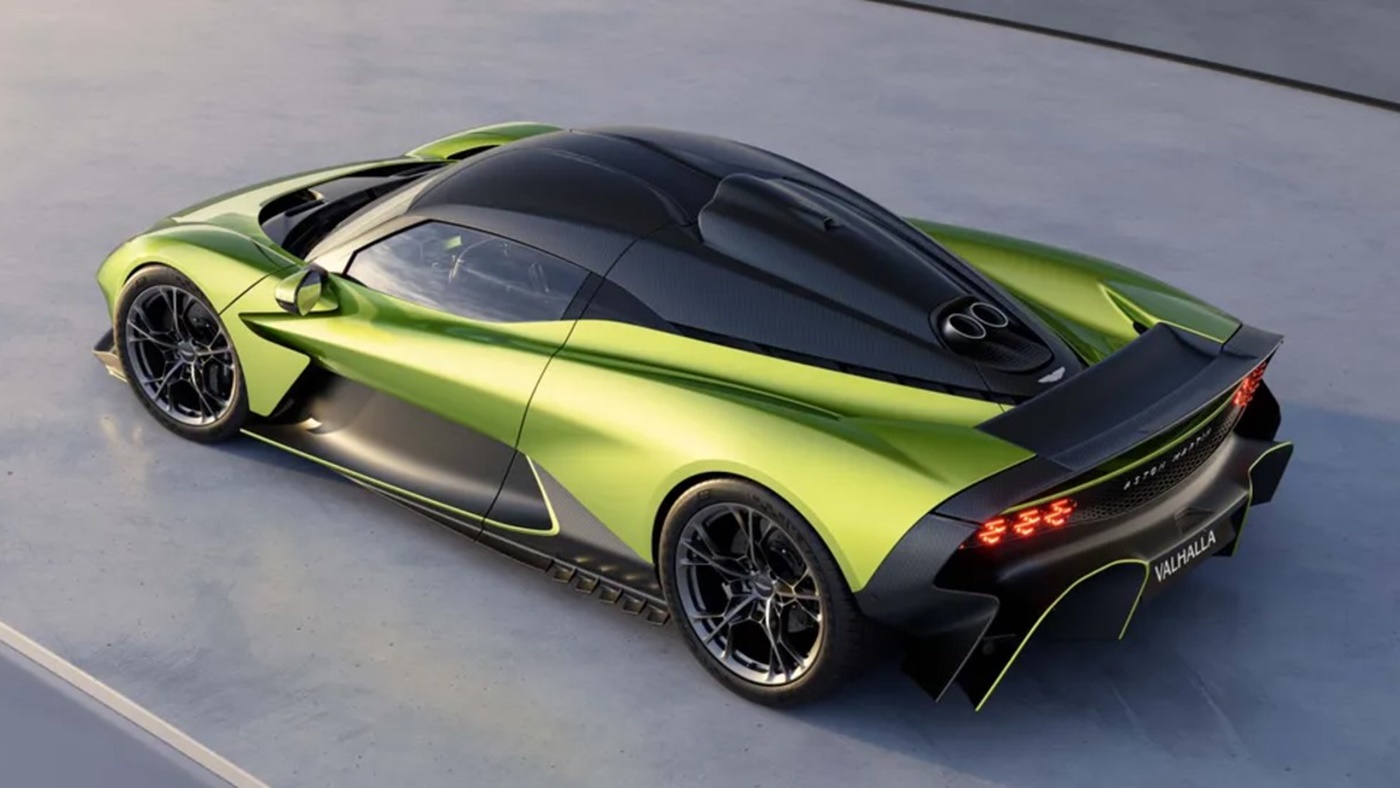
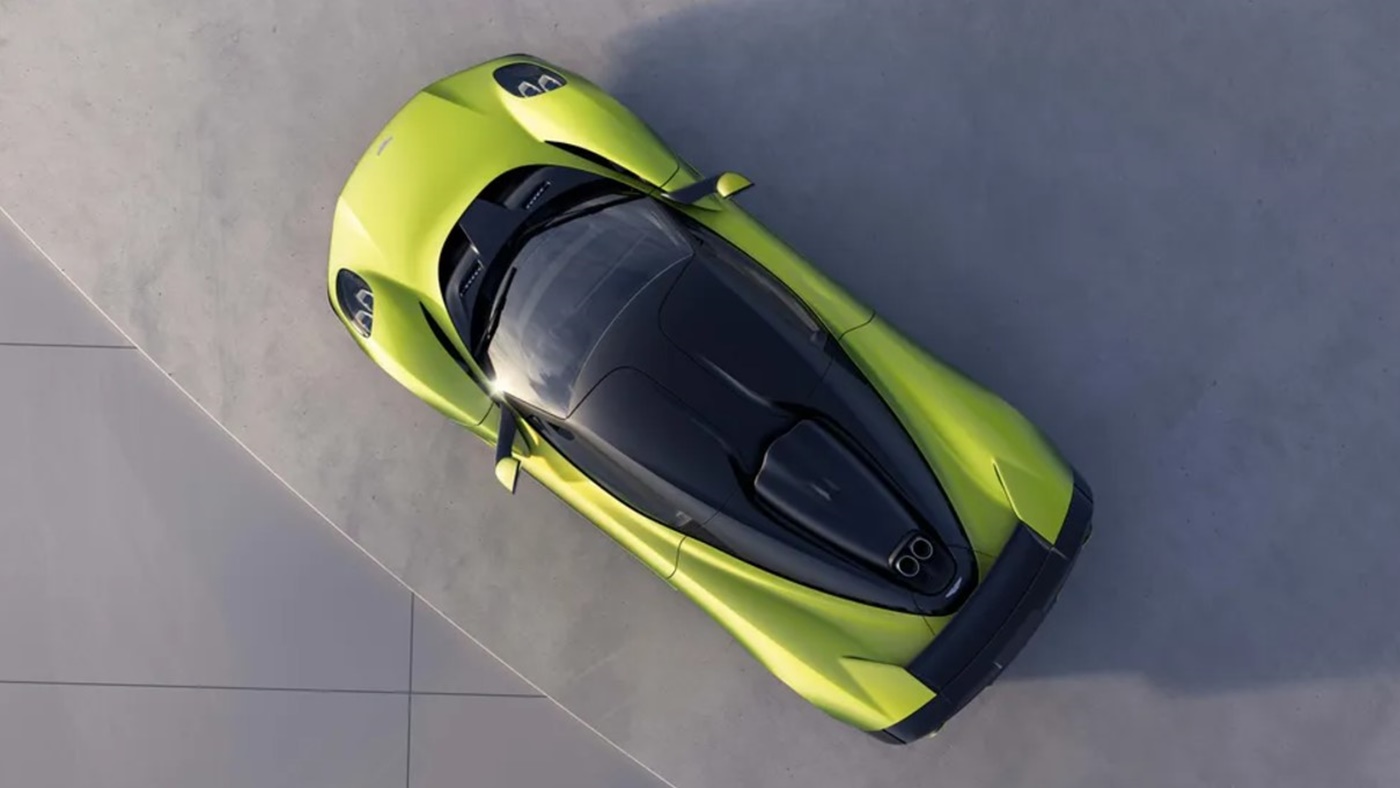
Extreme aerodynamics is key to the Aston Martin Valhalla’s performance and a maximum 600 kg of downforce drives that point home. In Race mode, hydraulic arms push the rear wing 10 inches above the body, and it doubles up as an air brake under heavy braking. Lastly, an automated DRS function reduces drag under heavy acceleration.
Furthermore, the underbody features much more airflow magic for downforce with two large venturi tunnels feeding air to the huge rear diffuser and vanes on the doors to direct air towards the side-mounted oil coolers.
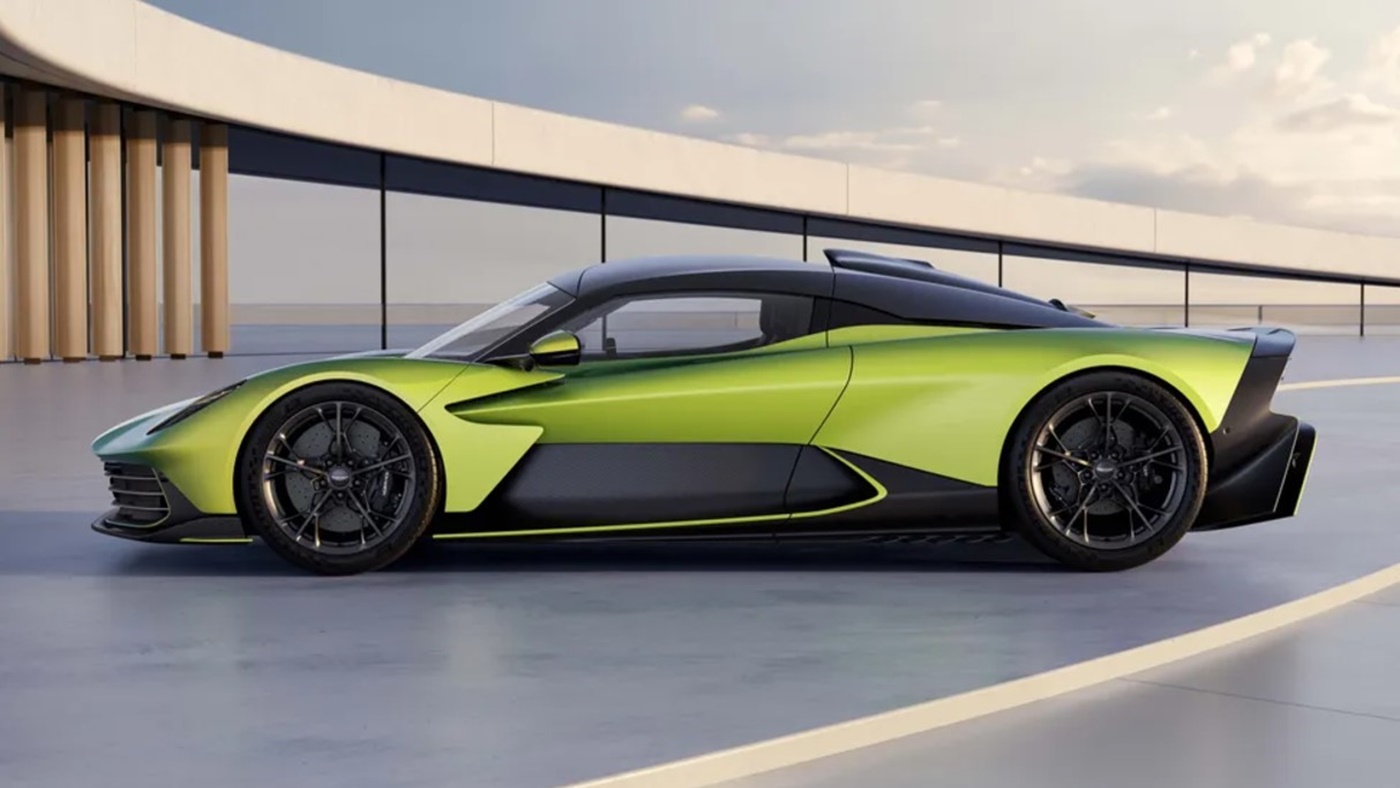
Brakes are by Brembo, comprising six-piston ventilated monobloc calipers and four-piston units, front and rear. Wheels are forged aluminium 20-inch or 21-inch pieces wrapped in Michelin Pilot Sport S 5 tires, but you can opt for a lightweight magnesium wheel and Michelin Pilot Sport Cup 2 combo.
The brake-by-wire system governs two forms of regenerative braking. As the driver brakes, “CAT B” uses the front e-motors to slow the car and recharge the battery. “CAT A” is when the drivers lifts off the throttle and the system applies regeneration via the rear e-motor.
ALSO READ: 2024 Aston Martin Vanquish launched in Malaysia, from RM5 million – 5.2L V12, 835 hp
You’ll find four drive modes that; Sport, Sport+, Race and Pure EV. The modes alter everything from powertrain to suspension to active aero and steering calibration. Only in Race does the rear wing pop up.
Pure EV sees the front-mounted e-motors driving the car, making it a front-wheel drive machine with a range of around 14.5 km.
There is no physical connection between the front and rear axles. Instead drive distribution is managed by Integrated Vehicle Dynamics Control (IVC).
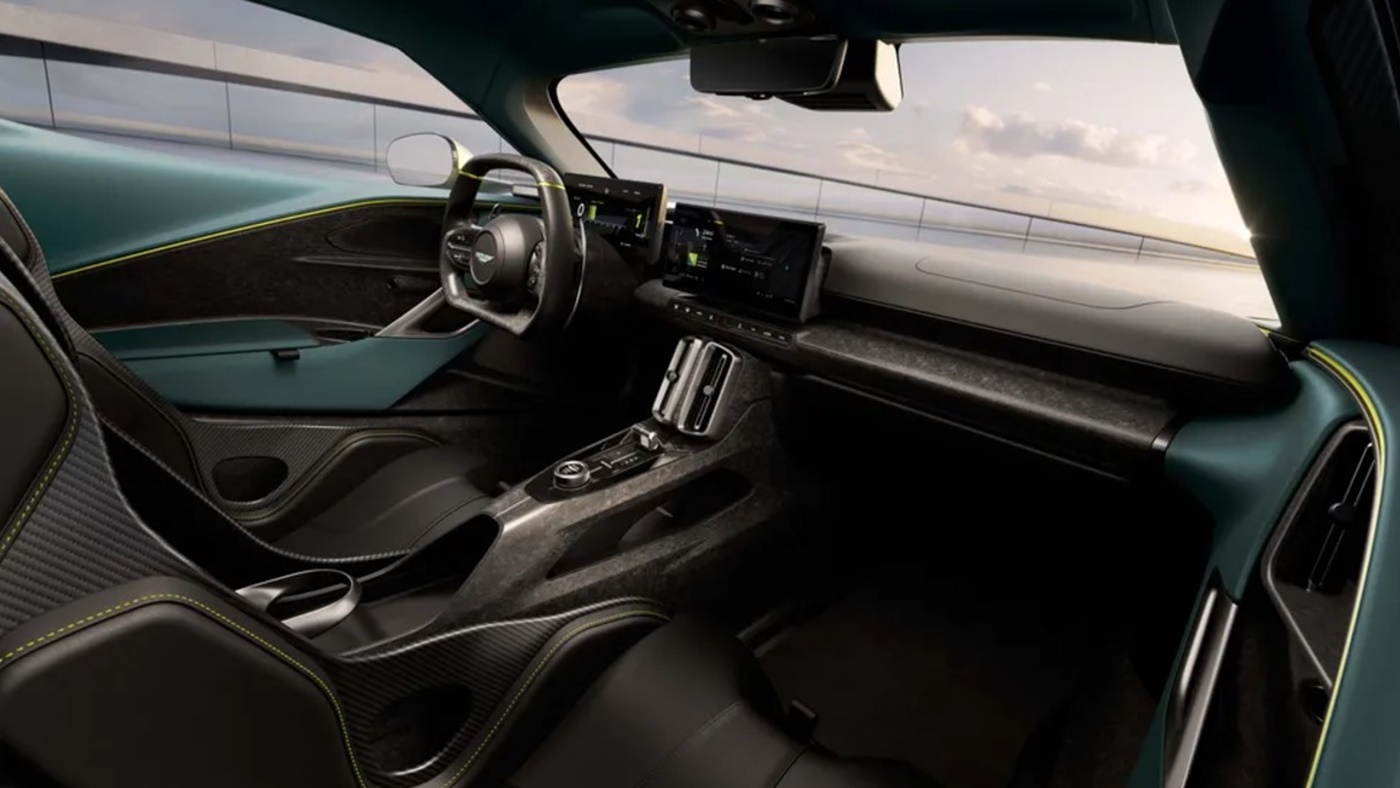
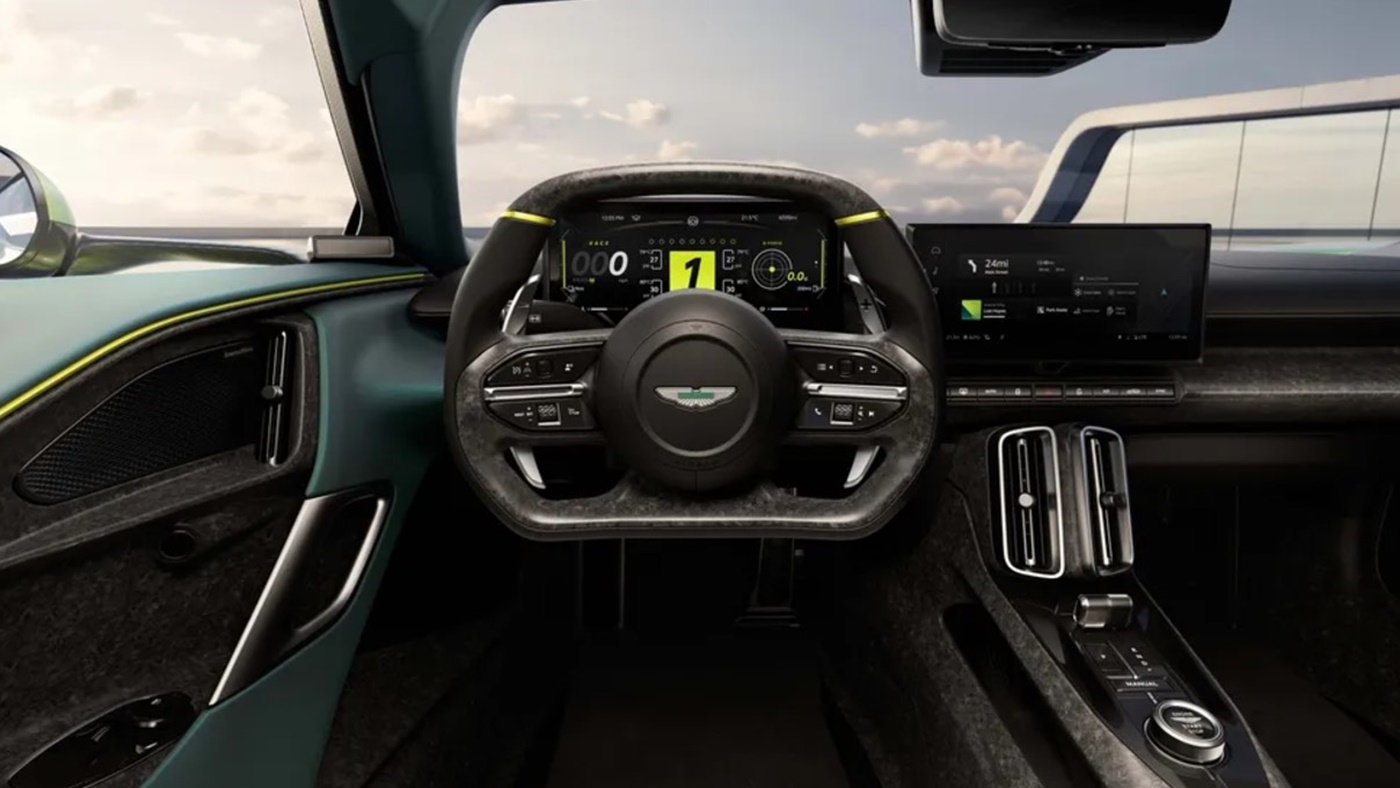
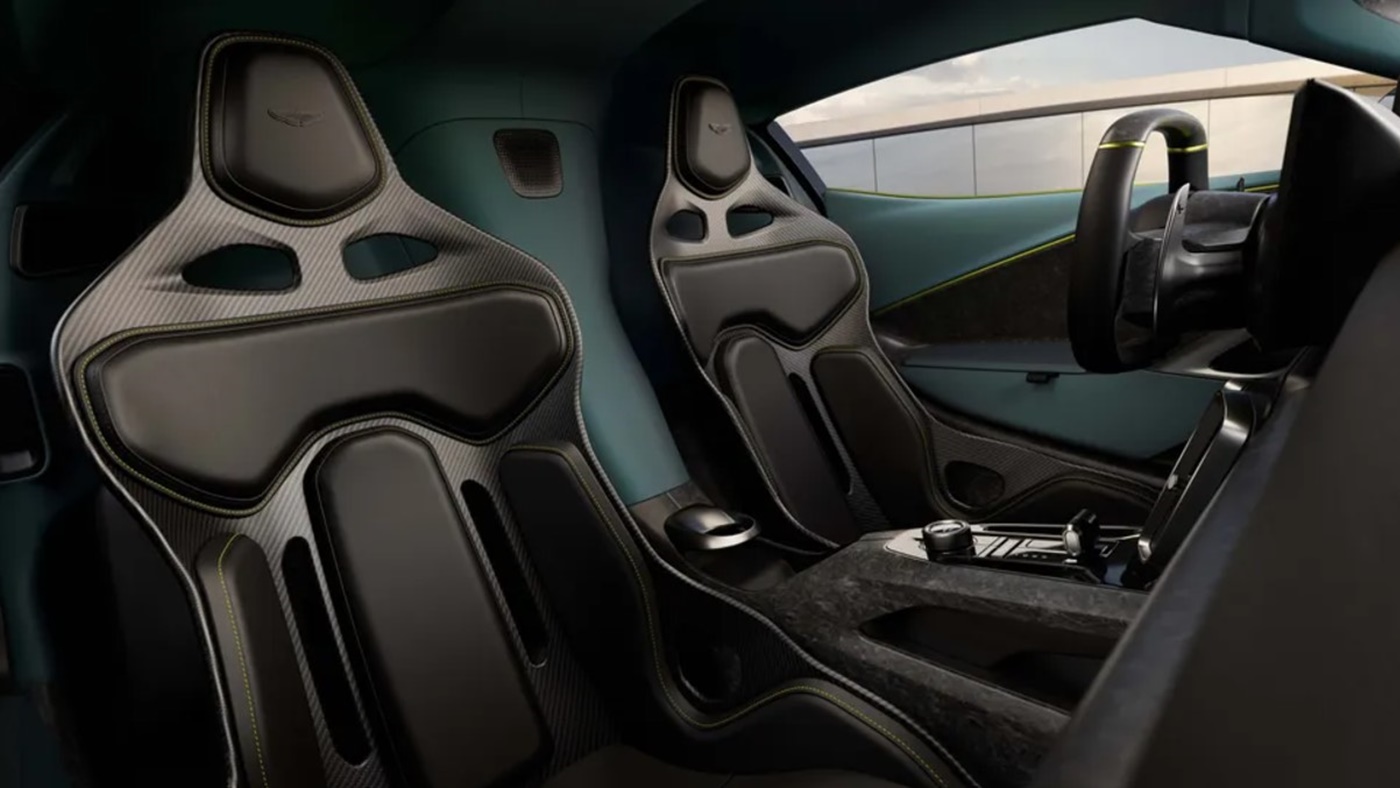
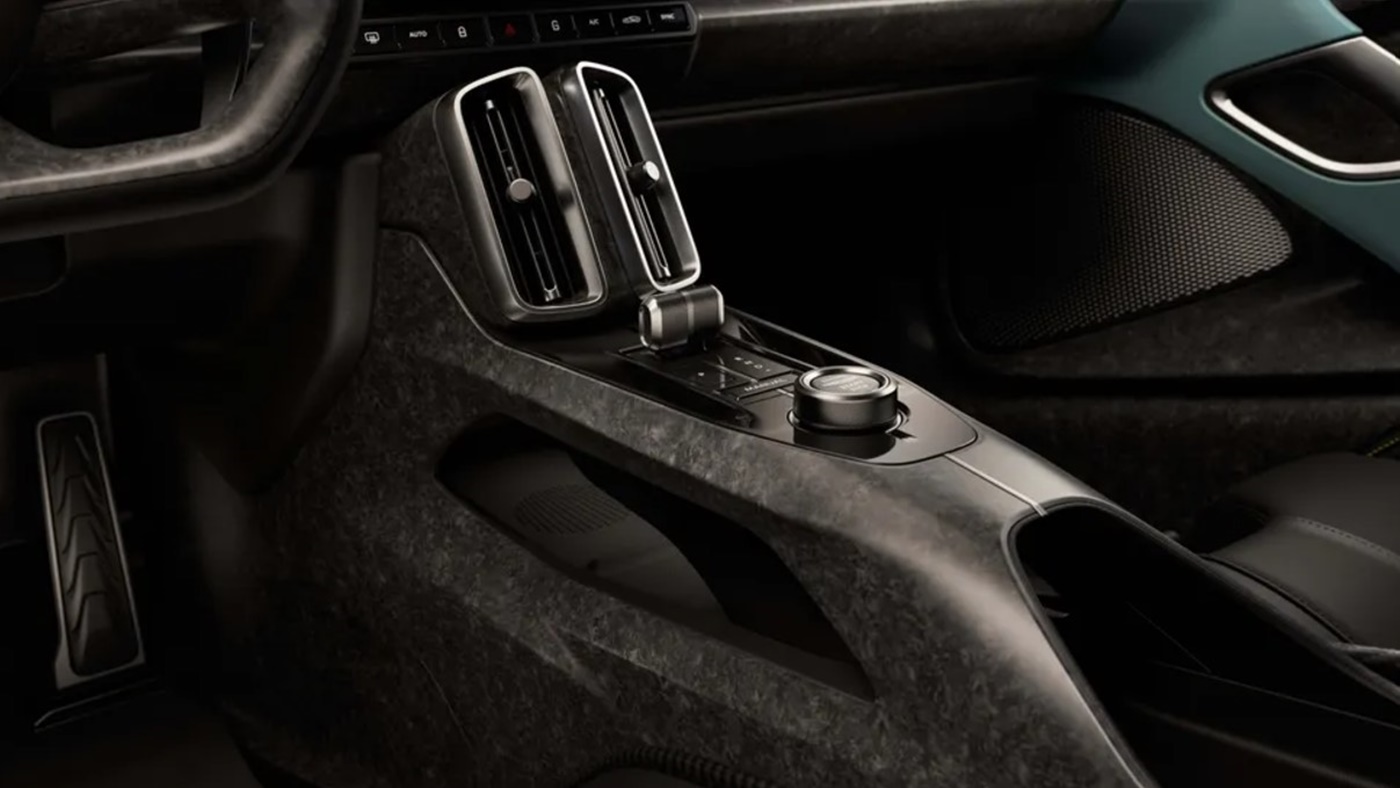
It’s a very sparse cabin, influenced by motorsports. The flat-bottomed steering has a yoke shape with carbon fibre the material of choice for the centre console, steering wheel and dashboard. There are hints of forged carbon as well.
A digital gauge cluster on the centre touchscreen changes its layout according to modes, with Race displaying a linear tachometer with shift lights on the steering like Lance Stroll has in his Formula 1 machine.
Aston Martin will only build 999 units of the Valhalla.
RELATED: The Aston Martin Valkyrie Spider is the best way to enjoy a high-revving 6.5-litre V12 engine