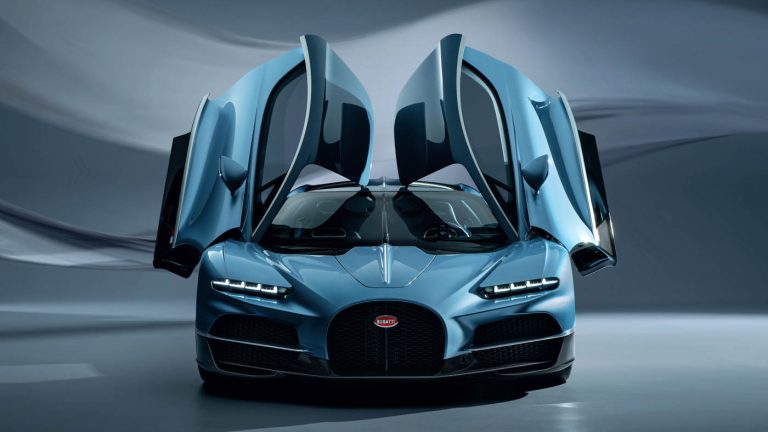
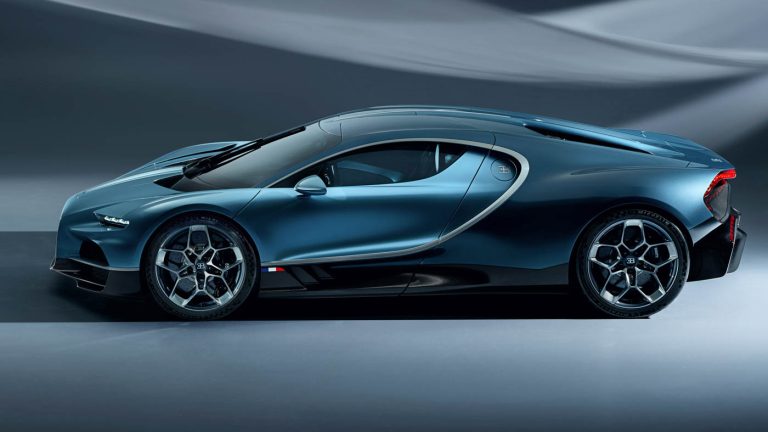
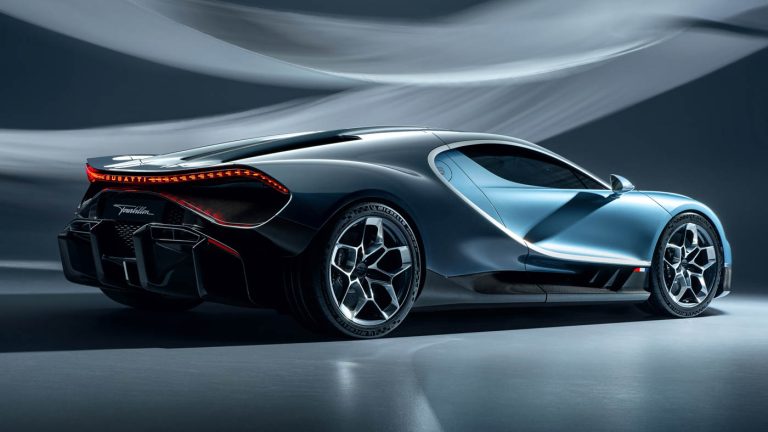
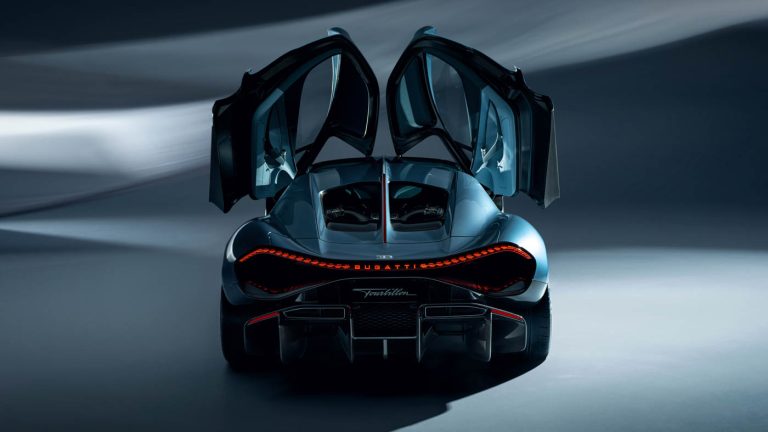
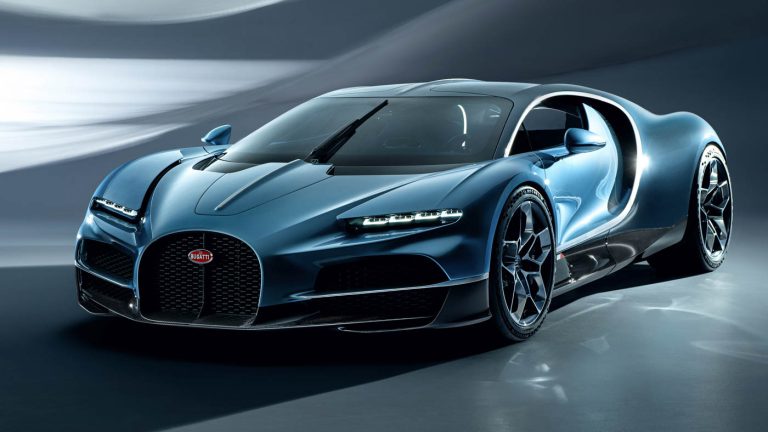
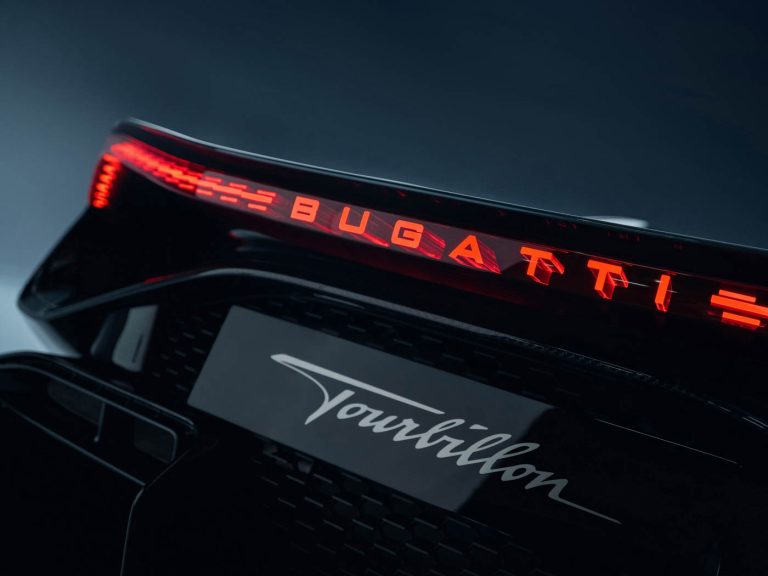
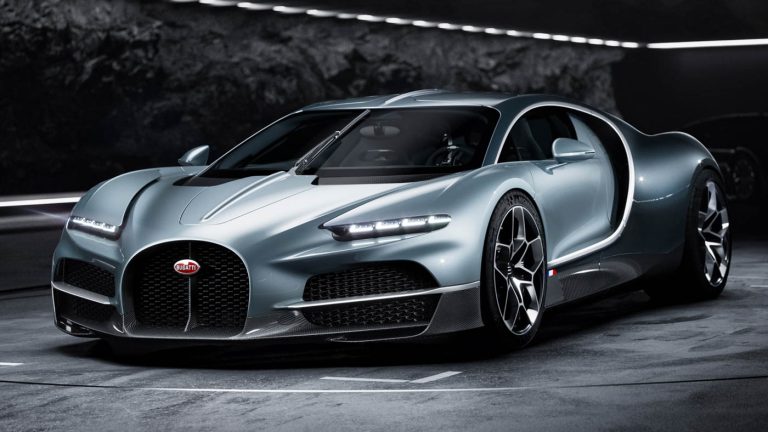
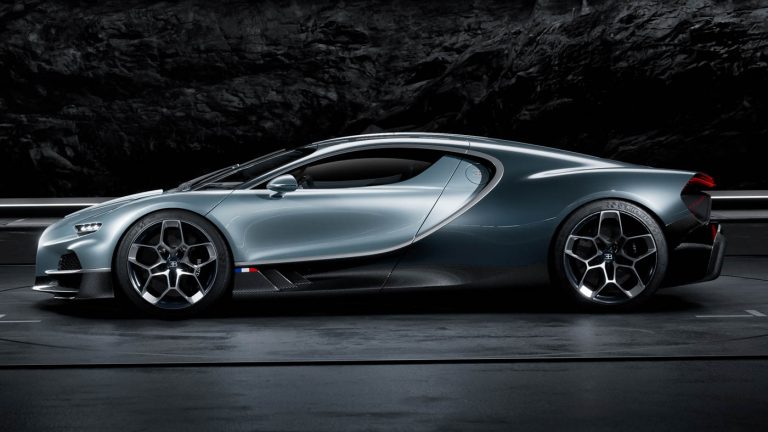
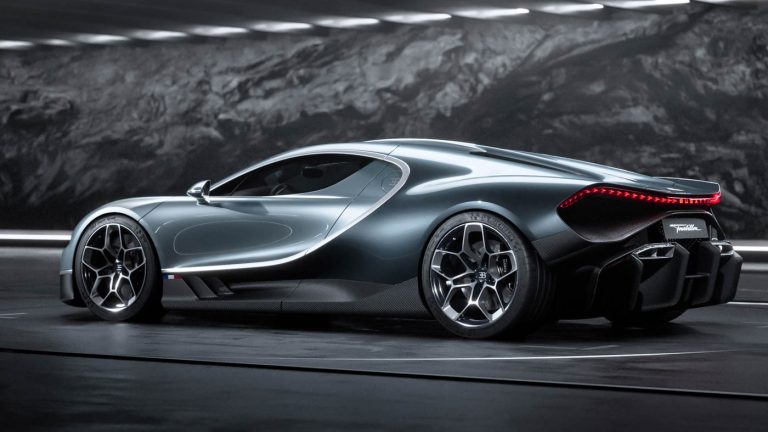
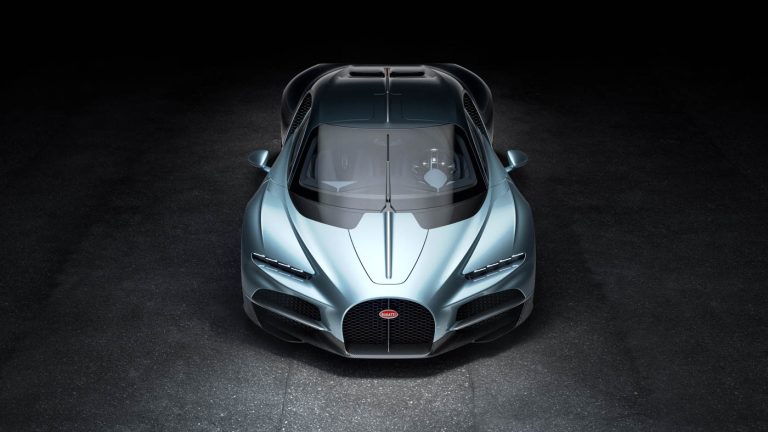
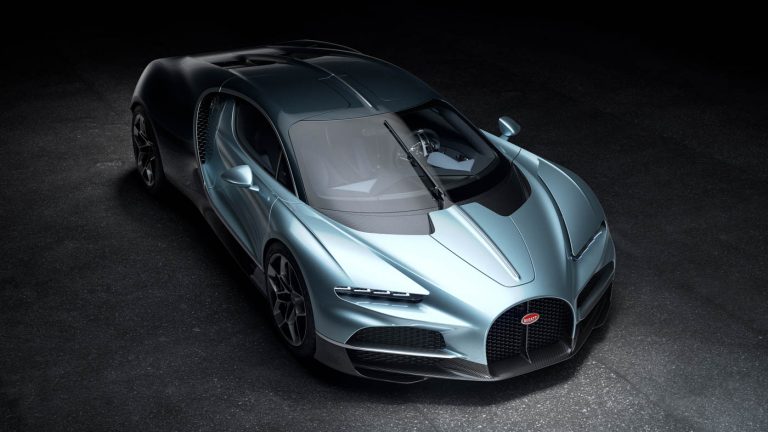
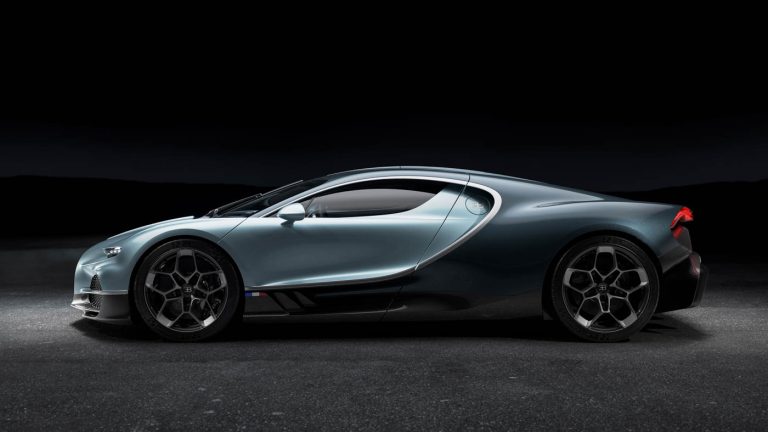
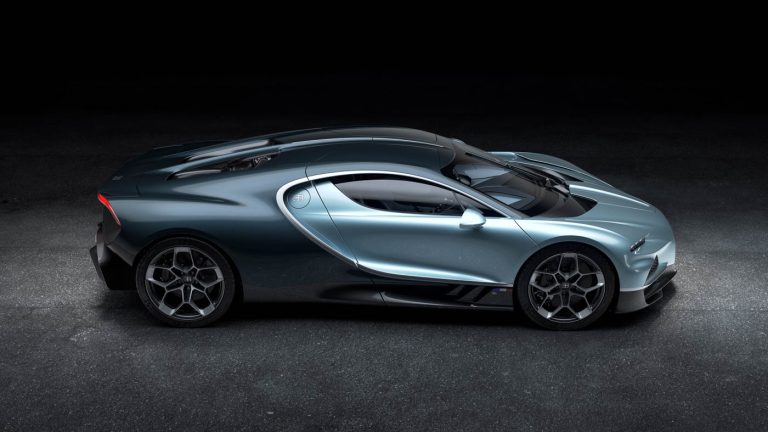
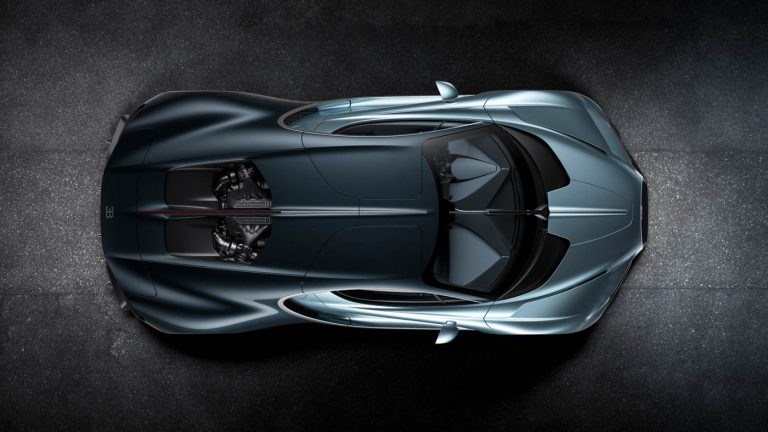
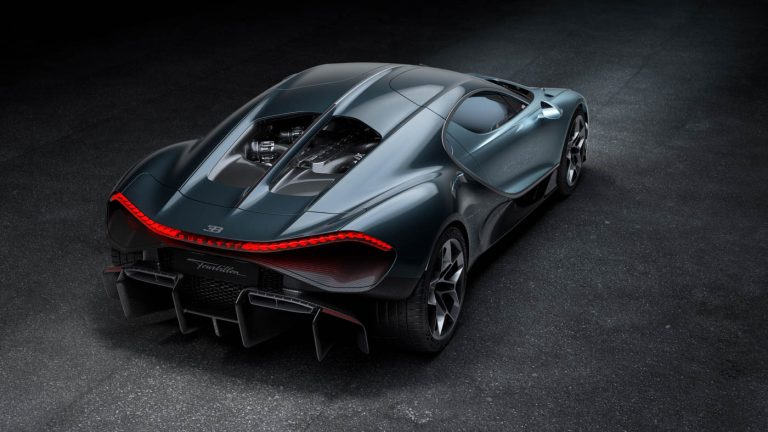
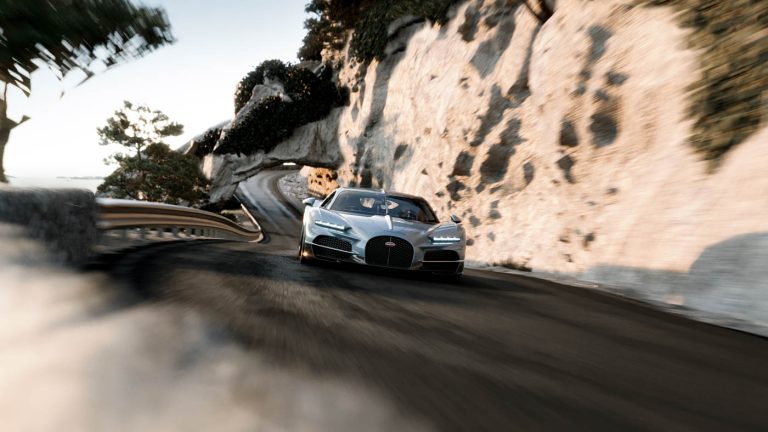
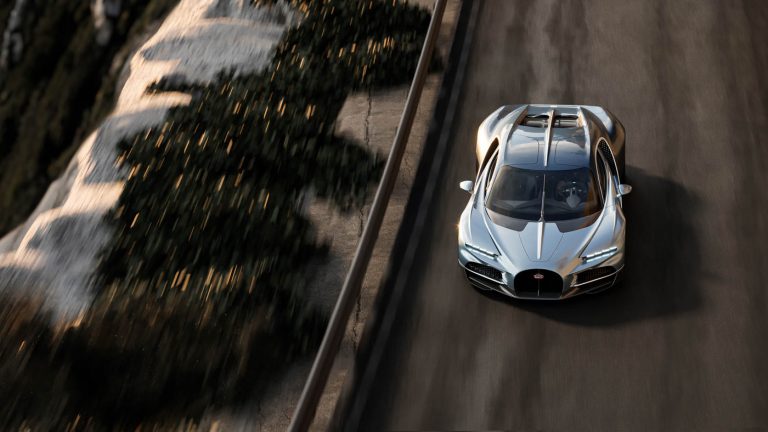
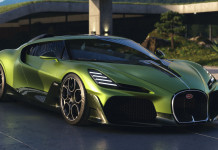
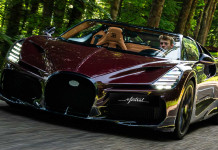
In pursuit of being incomparable, Bugatti has unveiled its latest creation – the Bugatti Tourbillon. Tourbillon is a French term that means whirlwind, and if you’re a watch connoisseur, that term may be familiar too (and there’s a really good reference to this in the car). This is Bugatti’s first car in more than 20 years to not be powered by the iconic W16 engine, and it is also… a plug-in hybrid (PHEV).
The Tourbillon is pretty much a semi-middle finger to the barrage of contemporary technology, especially the likes of huge fingerprint-stained screens and capacitive controls. It even hates both turbochargers and superchargers as the V16 (yes, not W16) engine gets no form of forced induction. It does, however, seem to have a soft spot for electric assistance. And unlike Gordon Murray Automotive’s T50, the Tourbillon also favours an automatic dual-clutch transmission instead of the good old manual.

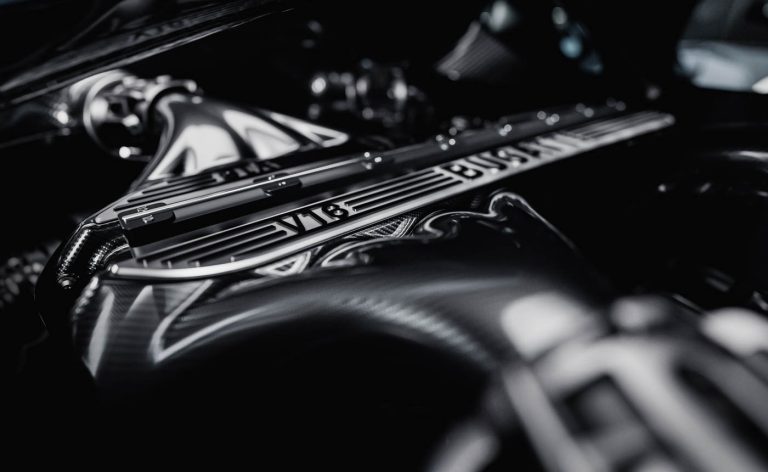
And since we’re already blabbering about the technical, we might as well address what is powering the Bugatti Tourbillon. The heart of it is a plug-in hybrid (PHEV) system that consists of an 8.3-litre V16 naturally aspirated engine and of course, an electric drive system. This naturally aspirated behemoth of an engine by itself makes 1,000 hp and 900 Nm.
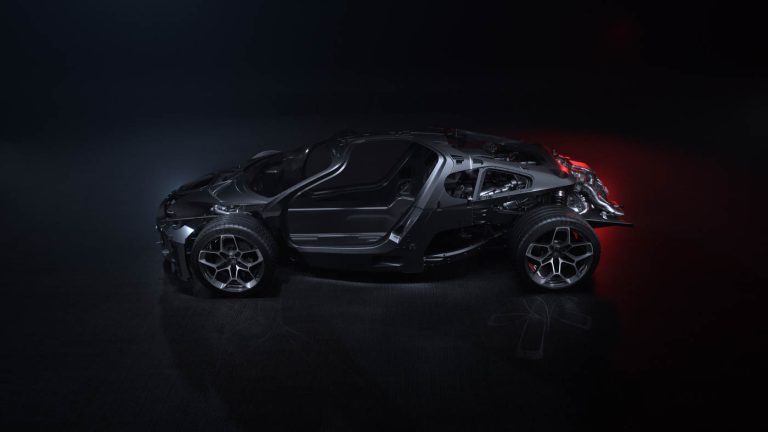
The electric drive system, on the other hand, consists of 3 electric motors – 2 for the front axle and 1 for the rear axle. The 2 front motors make 250 kW (340 hp metric) each and together with the engine, put down 3,000 Nm to the front wheels. At the back, the single rear motor makes 250 kW (340 hp metric) and 240 Nm. Some may not fancy the presence of an electric drive system in the Tourbillon, but according to Bugatti, it is what enables the presence of a naturally aspirated V16 engine.
With one V16 engine and 3 electric motors, the PHEV powertrain’s maximum system output is rated at a whopping 1,800 hp. Its maximum torque output is not listed, but you very well know that plenty of it is accessible. As for the transmission, the Tourbillon sports an 8-speed longitudinal dual-clutch transmission (DCT).

With all of its drive components pushed to their absolute limit, the Bugatti Tourbillon is capable of a 0-100 km/h acceleration time of just 2.0 seconds. It then proceeds to do 0-200 km/h in 5.0 seconds, 0-300km/h in 10.0 seconds, and 0-400 km/h in just 25.0 seconds! And while its remarkable acceleration may seem like a never-ending climb, the Tourbillon’s top speed tops out at 445 km/h. But that is with its “Speed Key”. Without it, the Bugatti Tourbillon’s top speed is limited to 380 km/h.
Just in case you were curious, the Bugatti Tourbillon is capable of being driven on pure electricity, but only for about 60 km (WLTP). It can manage this since there is a 24.8-kWh battery pack. Surprisingly even with a rather small battery capacity, the Tourbillon has an 800 V architecture, allowing for a 600+ kW peak power from the battery.


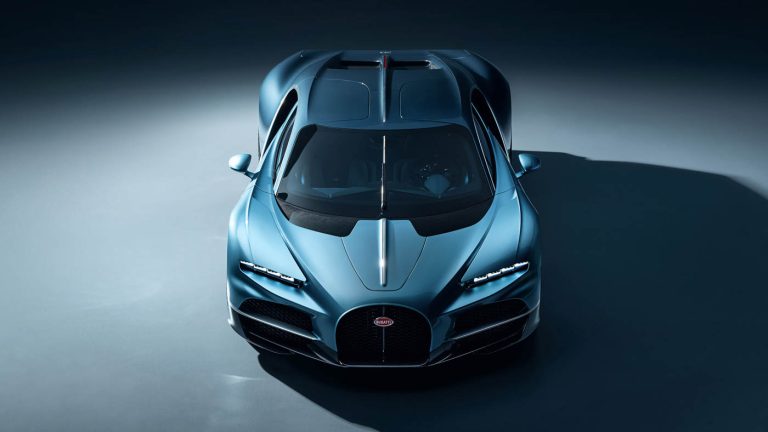
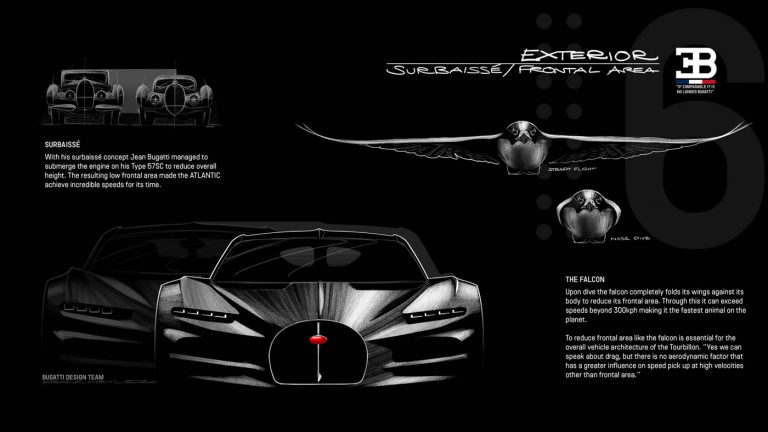
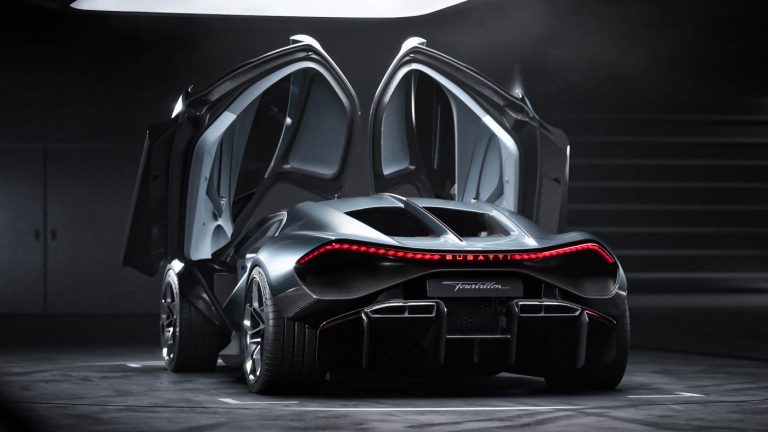
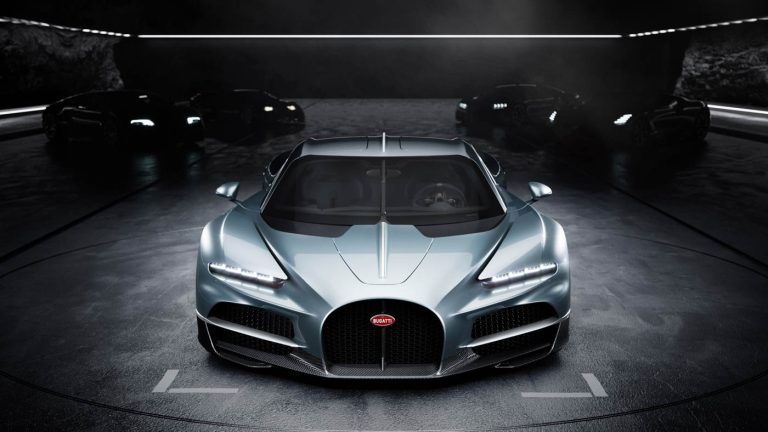
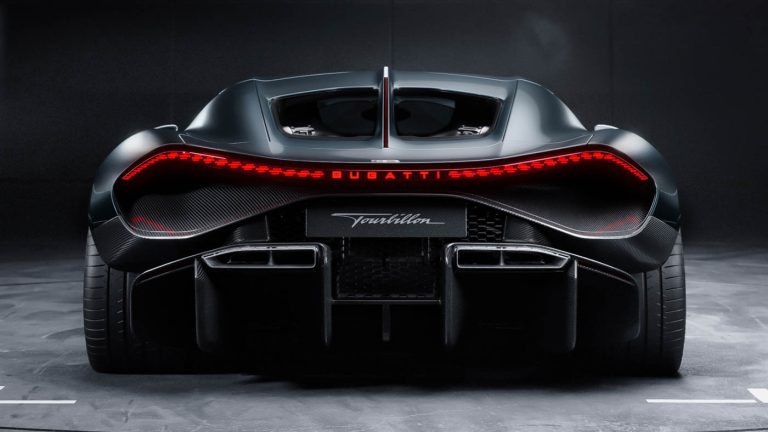
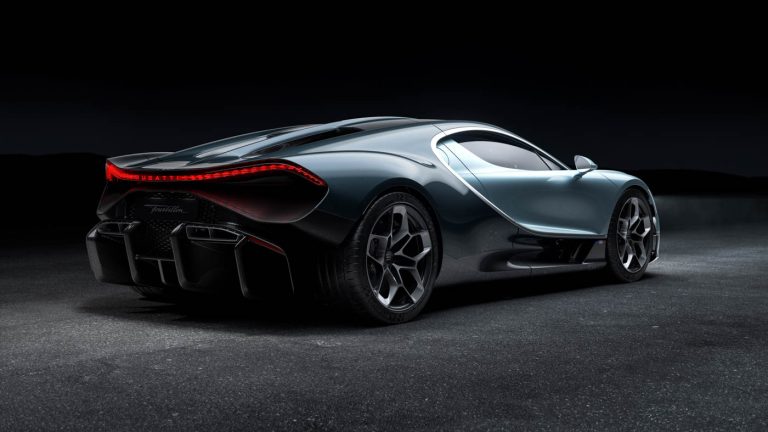
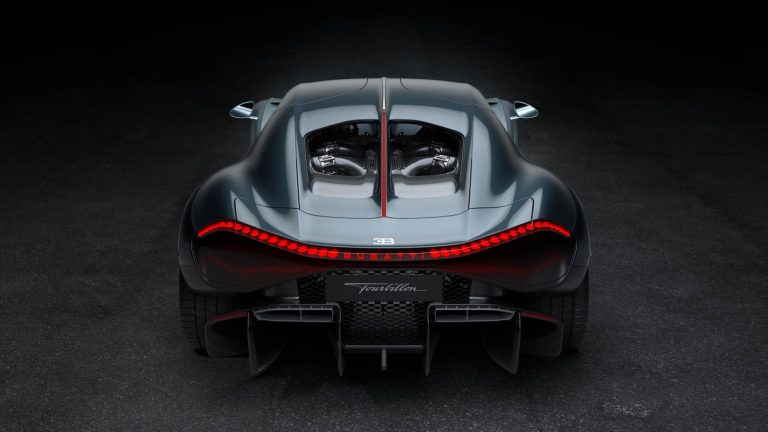
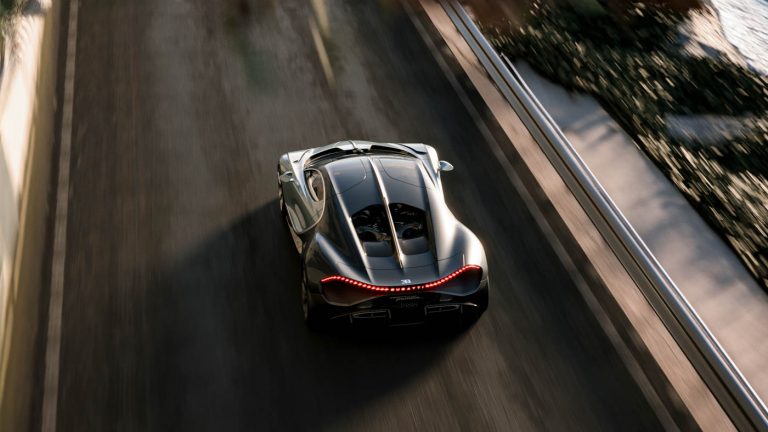
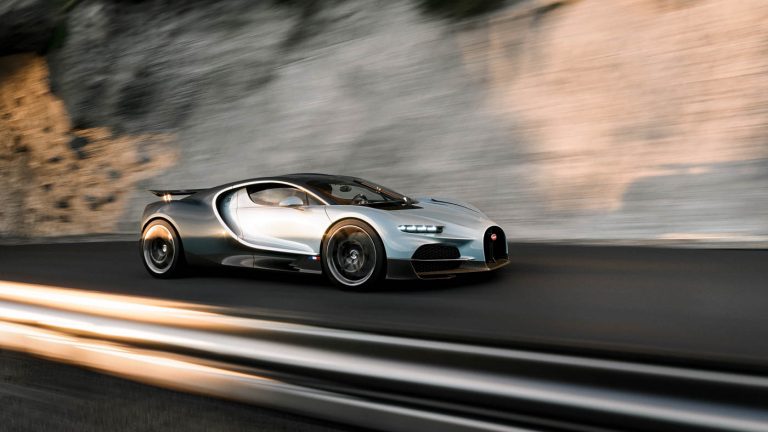
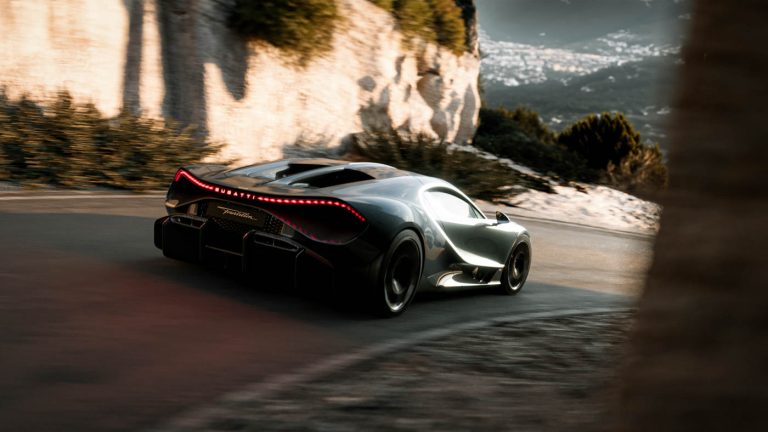
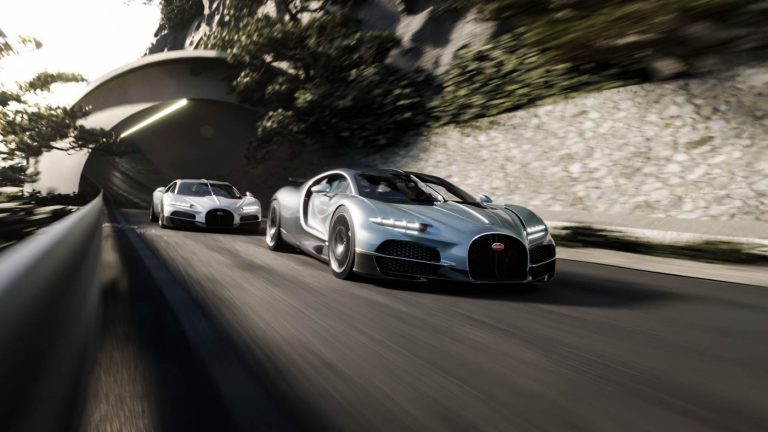
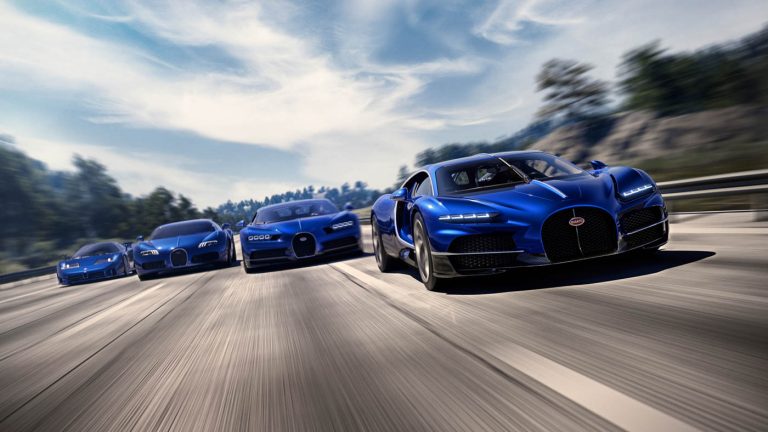
At first glance, the Tourbillon does just look like the Chiron. It is only when you take a second look that you realise that it is an evolved exterior design from the Chiron (naturally since the Chiron is an evolved design of the Veyron). The Tourbillon’s horseshoe grille is much wider and its headlights are more Asian. The signature swoop of the rear pillar also becomes more dramatised and its rear end now somewhat looks like a McLaren. As a hypercar should, it adds drama with butterfly doors and just dramatic lines all around (but done in a tasteful manner).
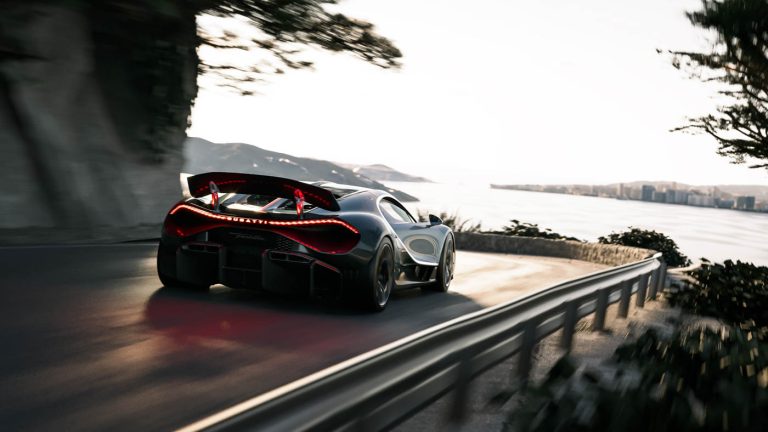
You’d also expect the Bugatti Tourbillon to be an aerodynamic masterpiece, and it is. It sports a new diffuser concept which starts to climb from just behind the passenger cabin. Bugatti says that this allows for an ideal diffuser angle to keep it stable. The diffuser is built around a completely new crash concept, which is fully integrated within the structure of the diffuser itself, keeping it both enormously effective but also hidden from sight, enabling the open rear-end design.
Then there’s the retractable spoiler which surprisingly remains submerged during top speed runs. It only activates at lower speeds as an airbrake for improved stability under deceleration. Oh, and lastly if you’re wondering how much the Bugatti Tourbillon’s weight is, it is just under 2 metric tonnes at 1,995 kg.


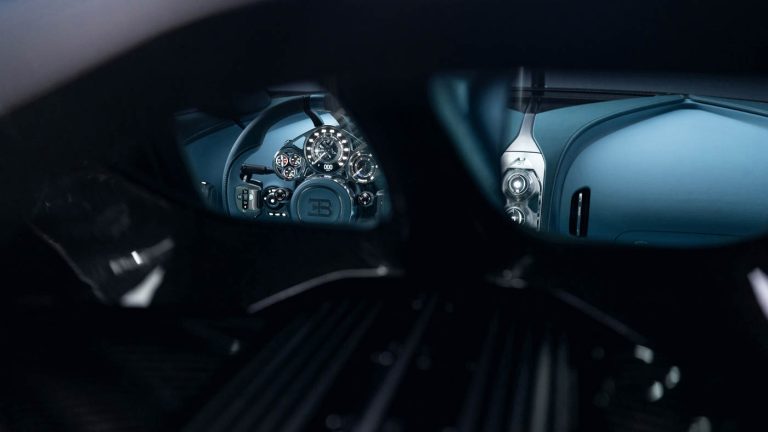
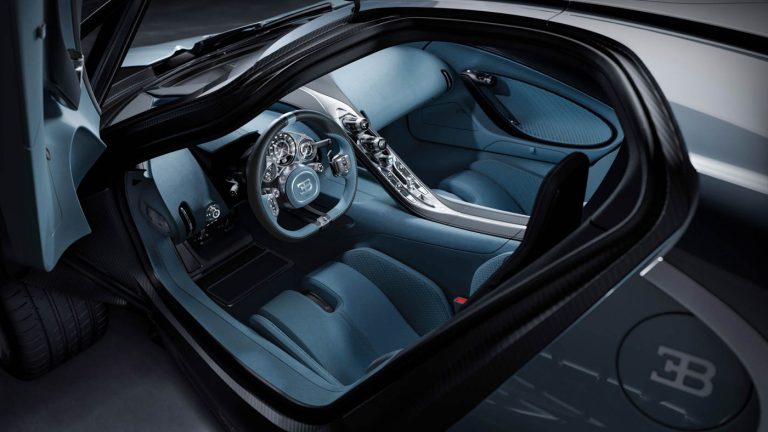
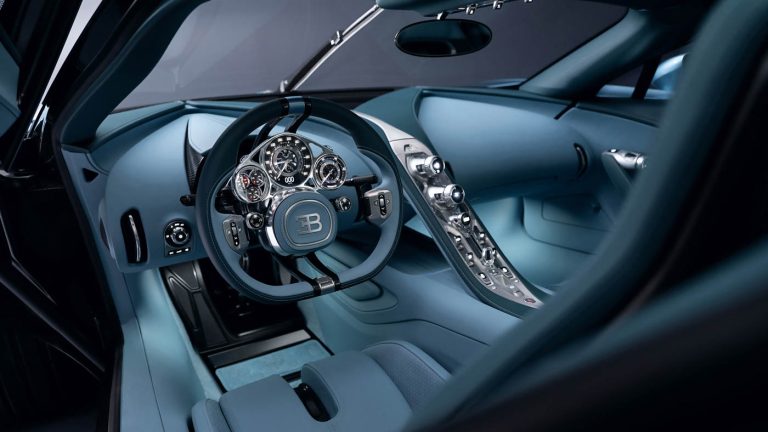
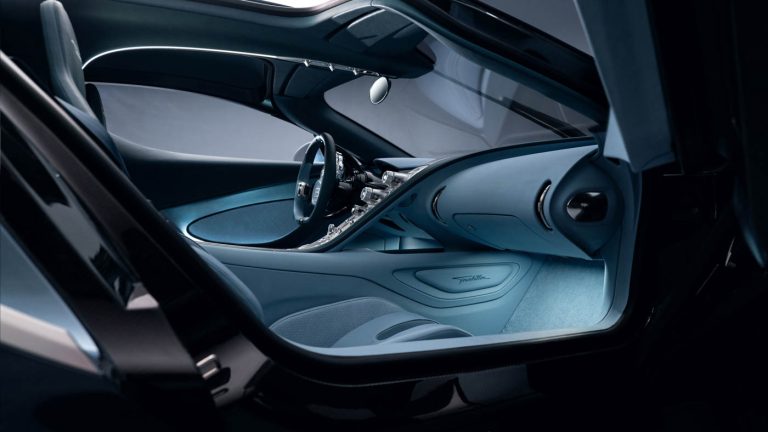
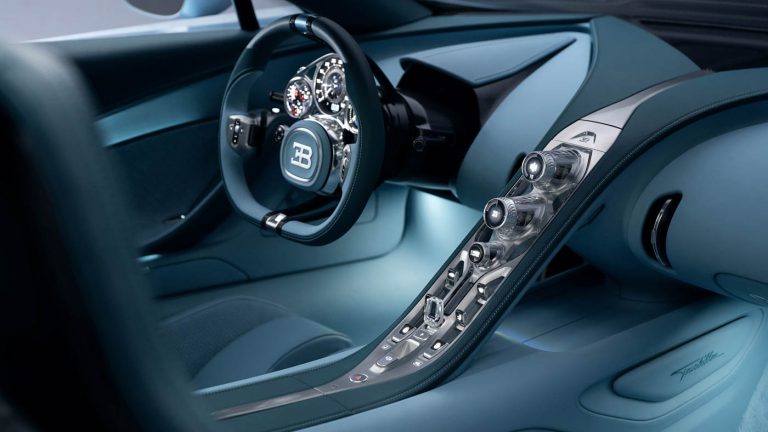
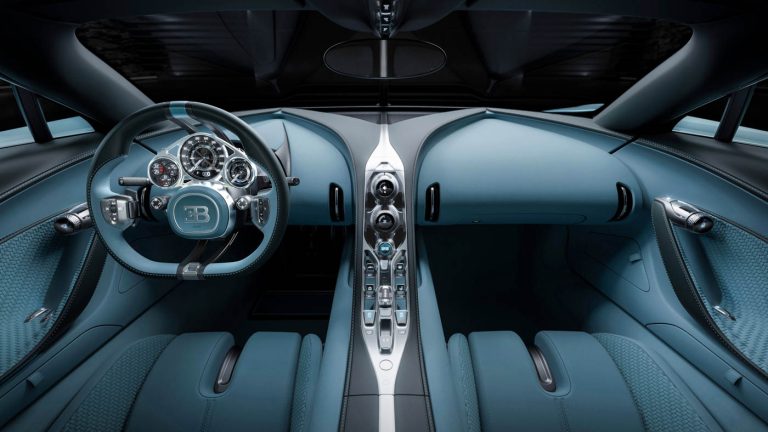
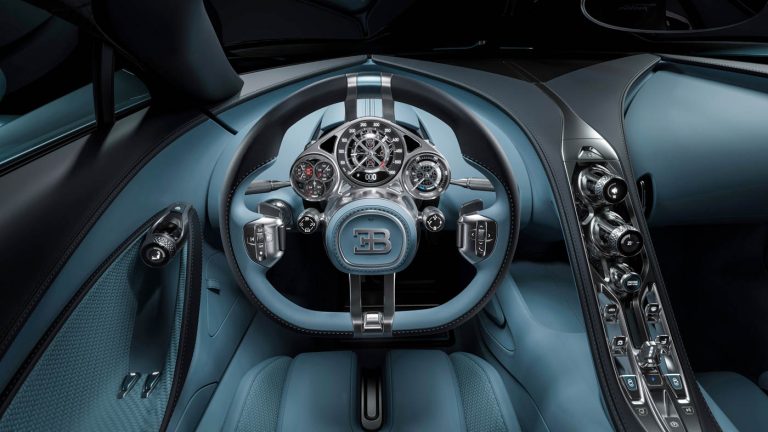
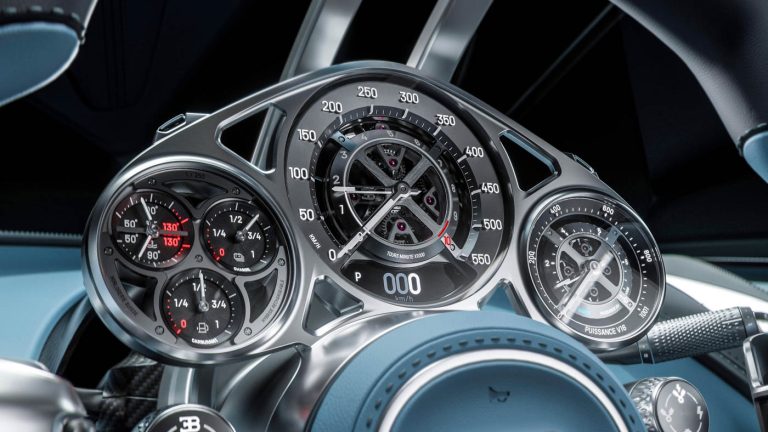
If you hate screens in cars (and have a whole load of money to spend), the Bugatti Tourbillon is perfect for you. Remember the origin of the Tourbillon name? It all makes sense when you get into the driver’s seat and stare into the horology-inspired instrument cluster.
Looking like a prop from a steampunk movie, the Tourbillon’s instrument cluster consists of more than 600 parts and it is constructed from titanium and gemstones. You can’t cast Google Maps on this instrument cluster, but you do get an analogue display of the engine’s power output, PHEV battery charging, vital temperatures, engine speed, and fuel level. There is, however, one small digital display which should show the top speed, transmission display, and perhaps could also be switched with a few more information.

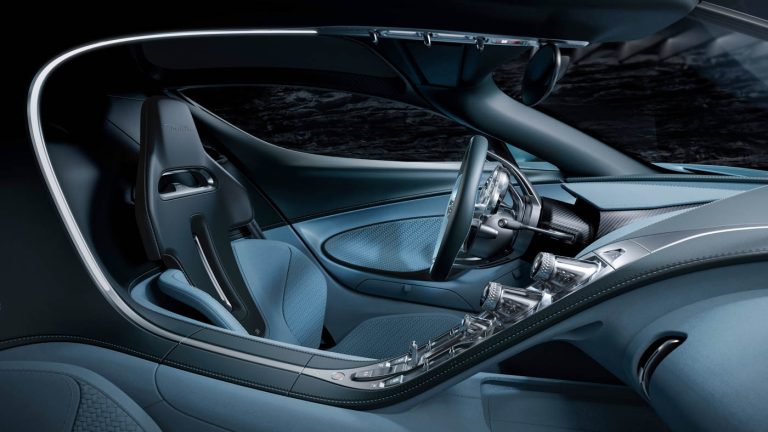
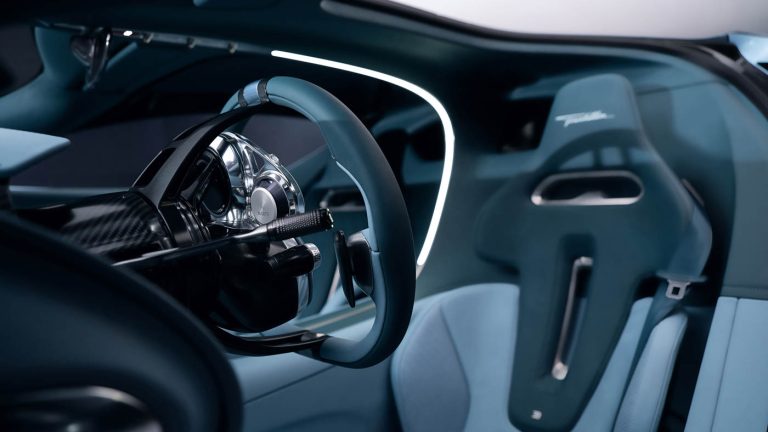
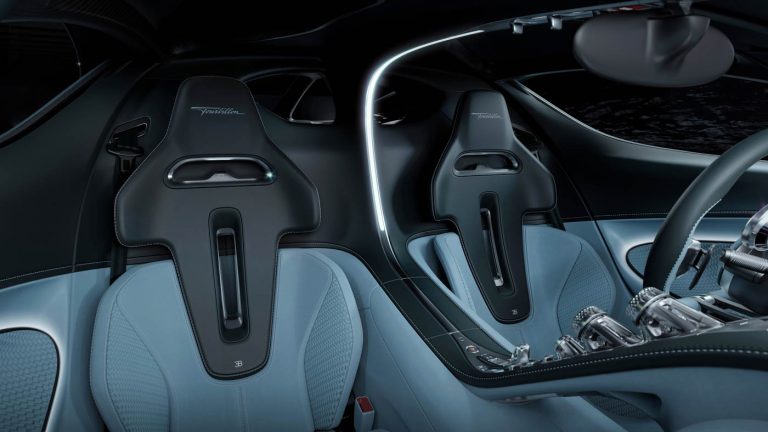
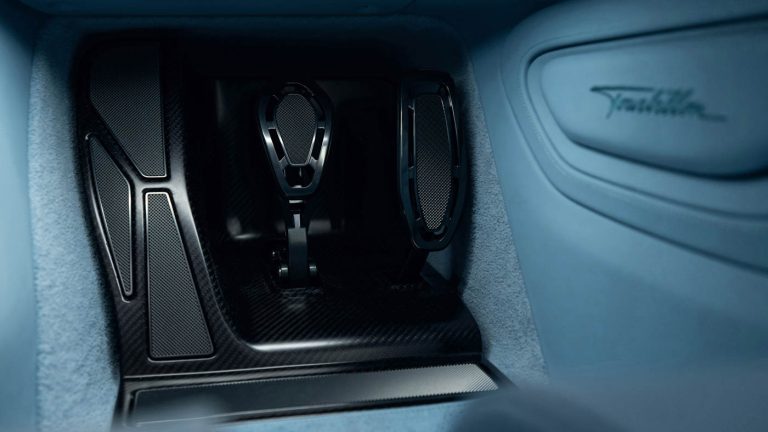
Zooming out from the instrument cluster, you’ll realise that the steering wheel of the Tourbillon is also unique with its centre piece fixed in position while its rim rotates around it. The Tourbillon’s centre console blends crustal glass and aluminium and features highly tactile dials and switches. It also separates the driver from the passenger, cocooning each in a cockpit of their own.
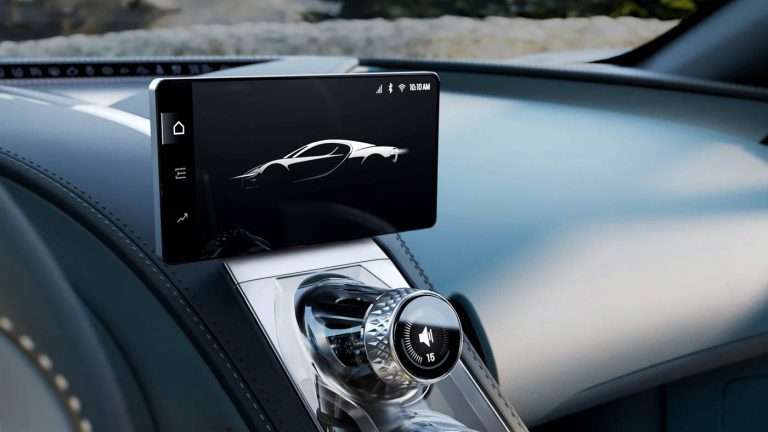
And while the Tourbillon tries its best to resist using screens, it still has a retractable one for the head unit. Rather ironically, its screen is able to rotate between landscape and portrait mode, like the BYD Atto 3 and the BYD Seal. The Tourbillon’s screen, however, will rotate into portrait mode when you’re reversing and landscape mode for everything else.
Thoughts on the new Bugatti Tourbillon?
GALLERY