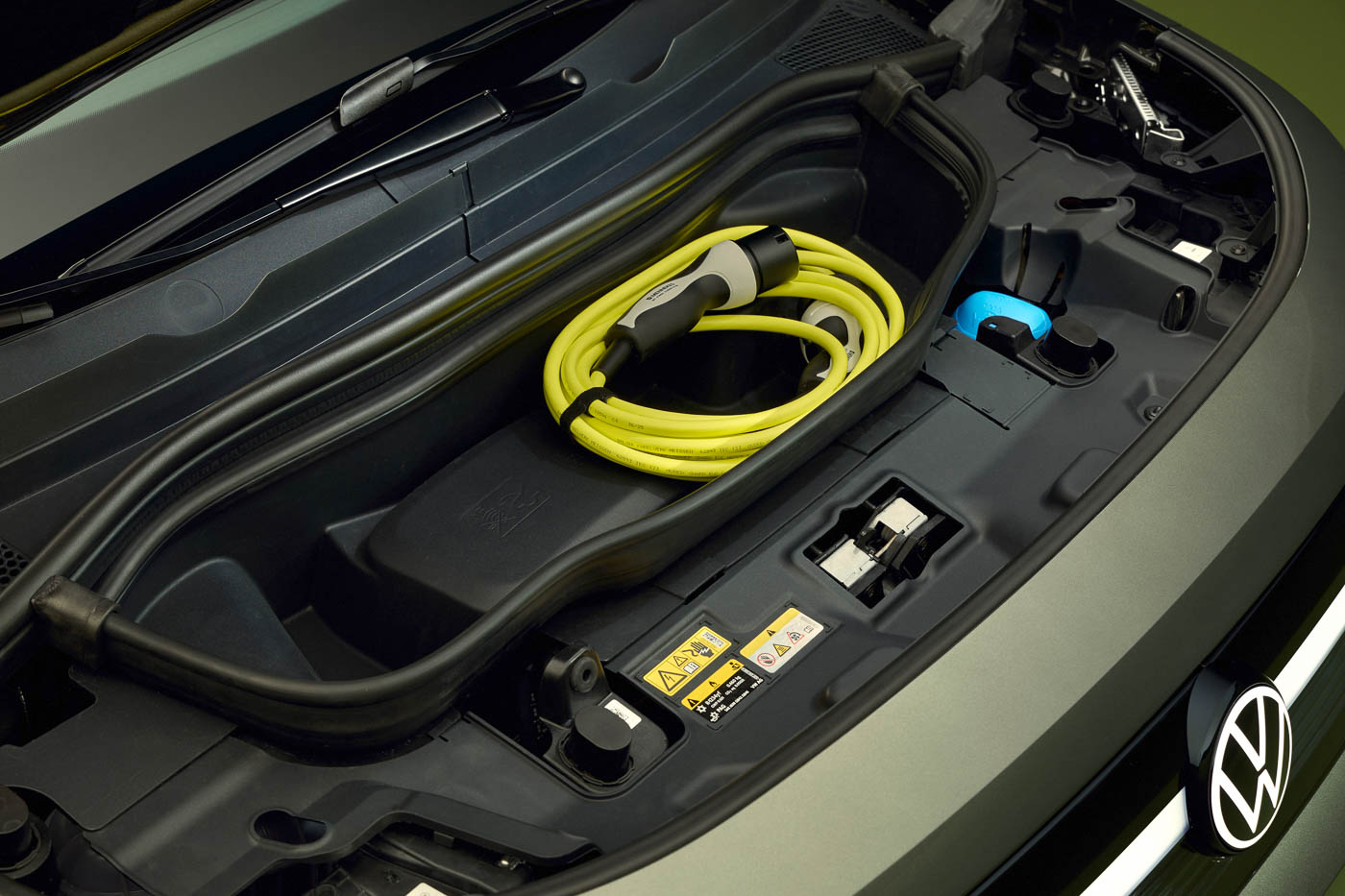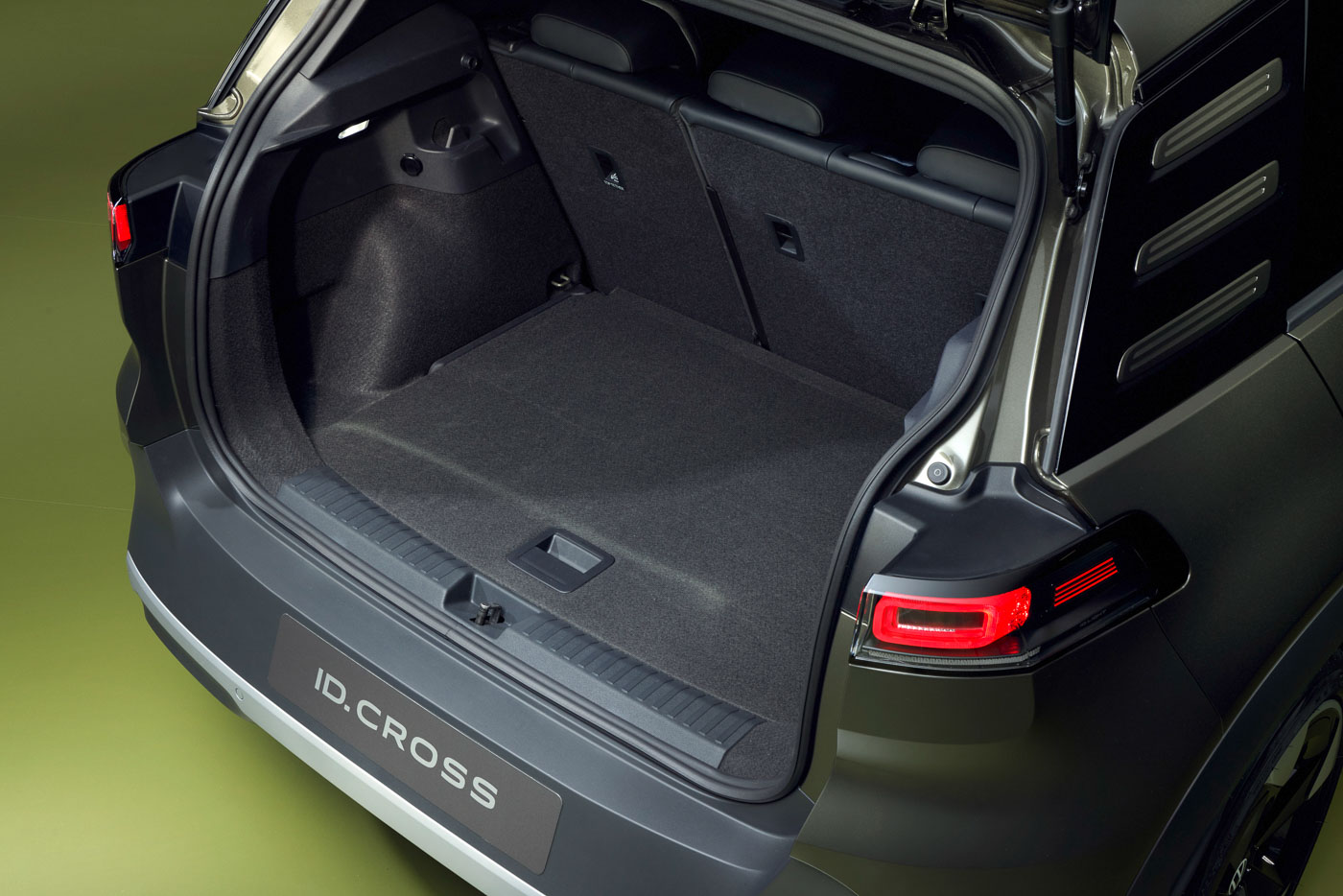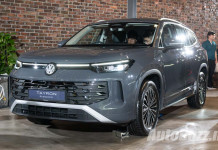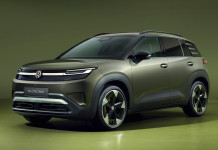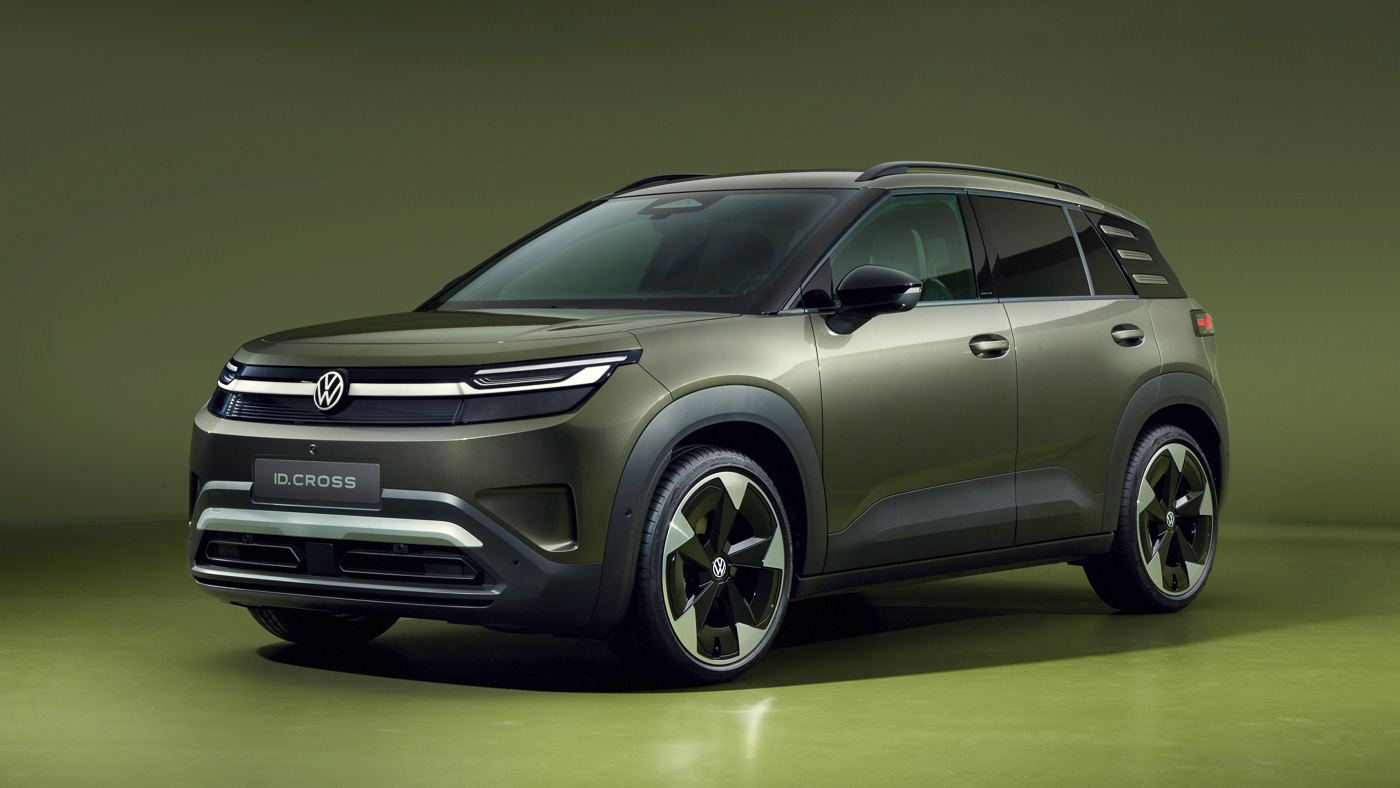
The Volkswagen ID Cross has been teased too may times in various states of prototypes and previews that we had to triple check in the office that this is the actual, final, undisputable production version that buyers will get to own, given that it looks – on the outside at least – pretty much just like the concept shown last year.
Having double and triple checked, we can indeed confirm that the new compact electric SUV has made the official leap from prototype to production. In doing so, it also completes the Volkswagen Group’s quartet of models that share the same MEB+ platform, the remaining trio being the Volkswagen ID Polo, Cupra Raval, and Skoda Epiq.
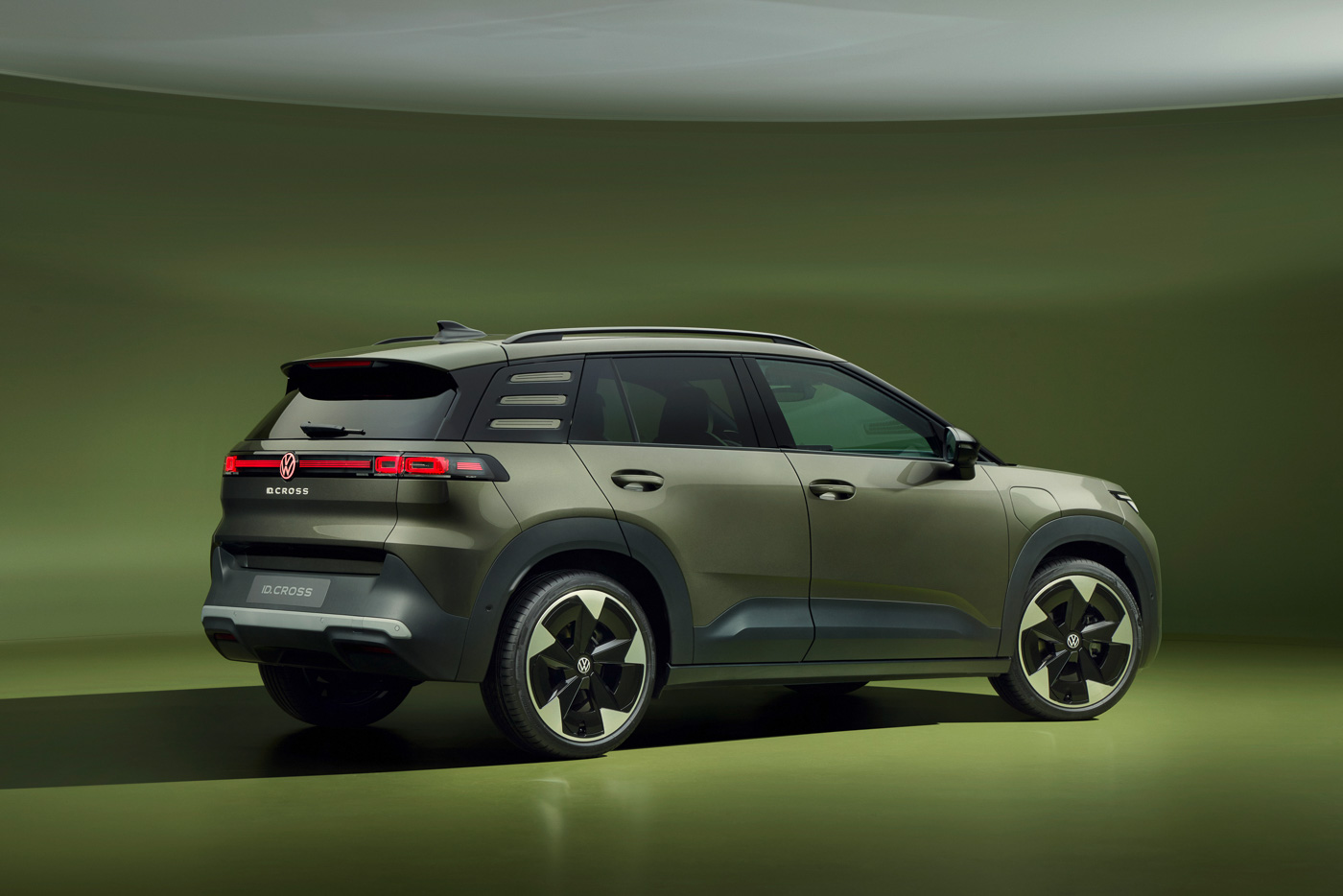
Wolfsburg are positioning the ID Cross as an electric option to the combustion-engined Volkswagen T-Cross, having it train its crosshairs on the funky Renault 4 and Ford Puma Gen-E, though that is a battle for the old continent.
On the local front, it would have its work cut out for it with a burgeoning compact EV SUV segment. Competition could come in the shape of the Volvo EX30, Toyota Urban Cruiser, and even the Zeekr X or BYD Atto 3.
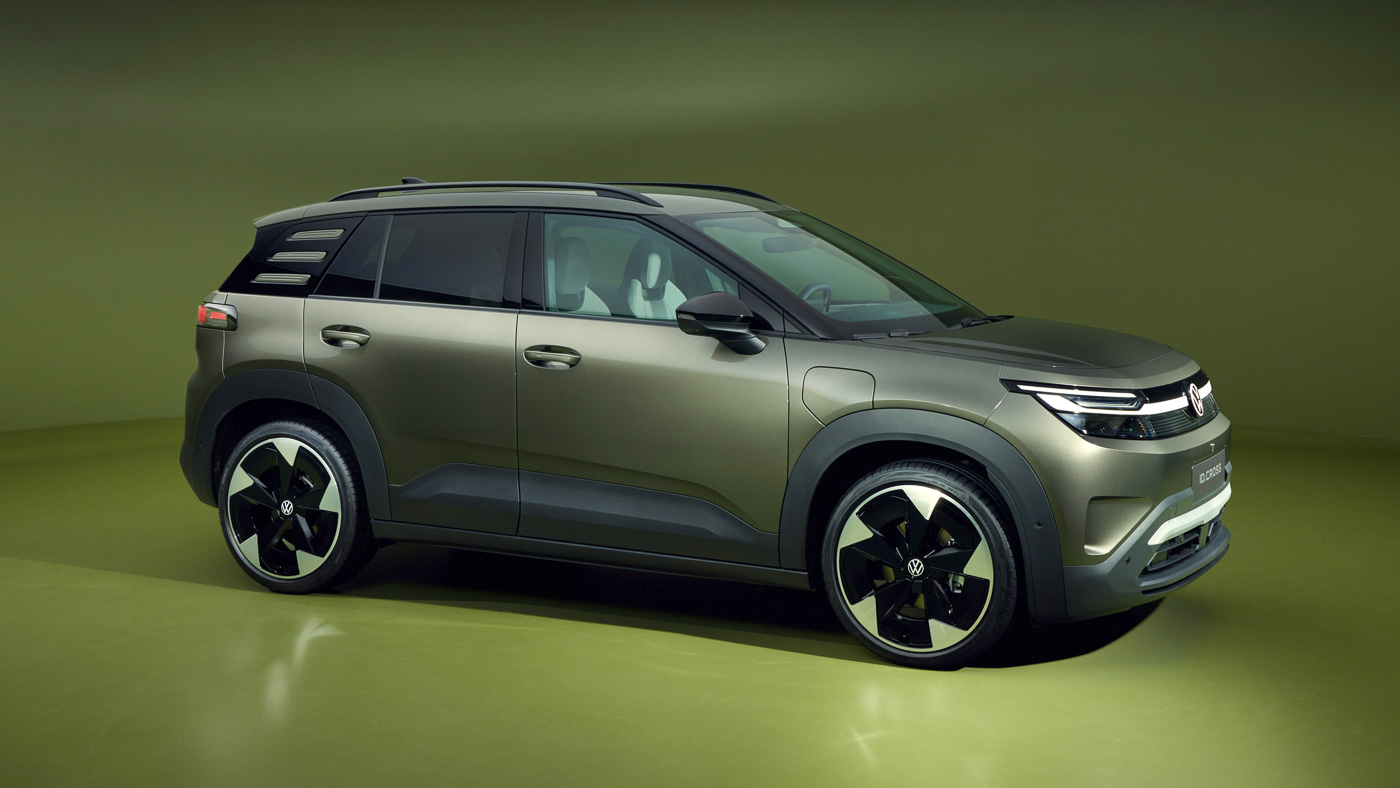
A total of three front-mounted electric motors will be available, with outputs rated at 114 hp, 133 hp, and 208 hp respectively. These can be paired with two battery options: a 37 kWh lithium-iron-phosphate (LFP) pack for a 315 km range, or a larger 52 kWh nickel-manganese-cobalt (NMC) pack bringing 436 km of range.
Charging stats are up to 90 kW DC for the smaller pack with the larger NMC unit supporting 105 kW. Both can be charged from 10-80% in less than 30 minutes.
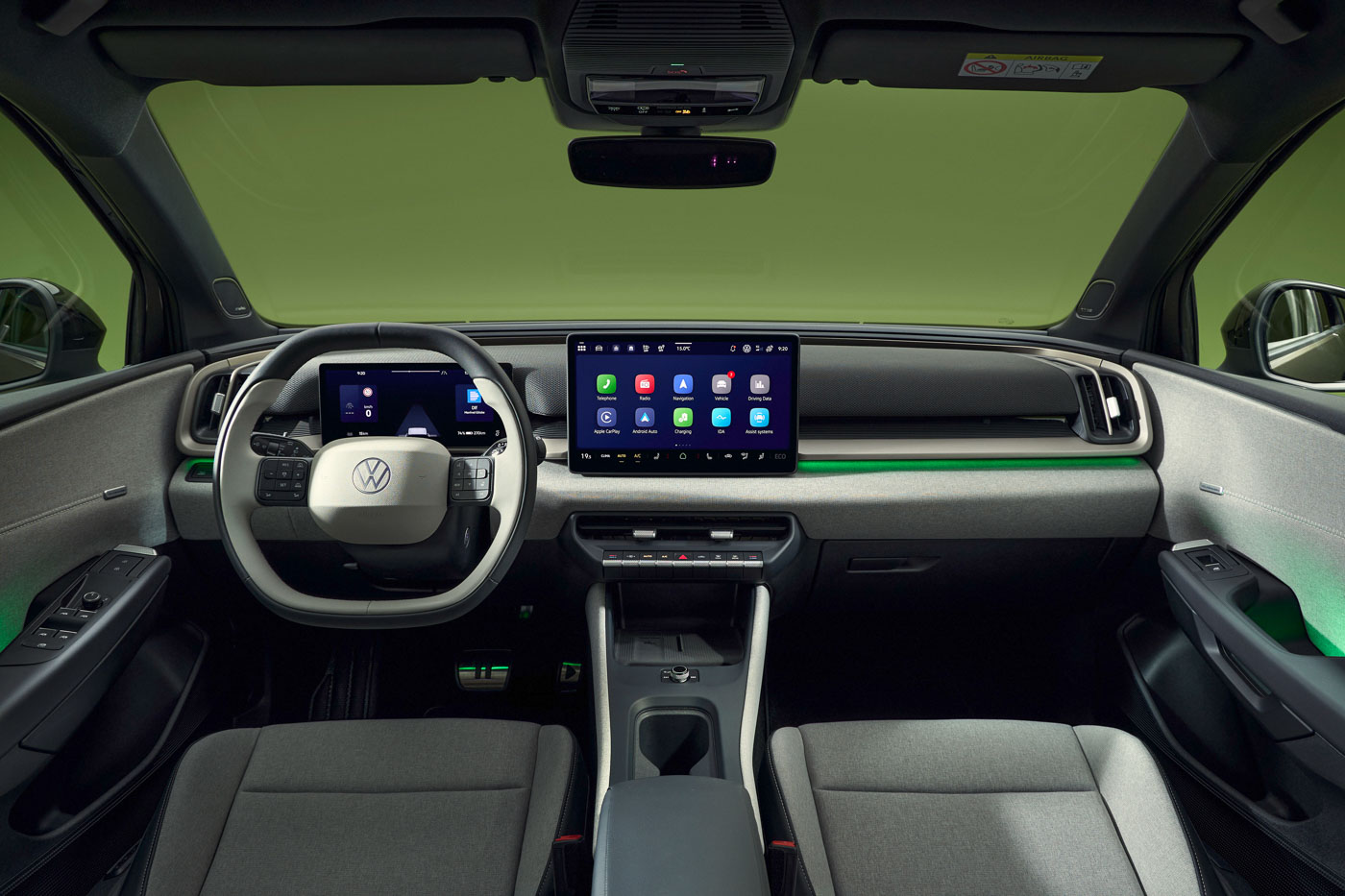
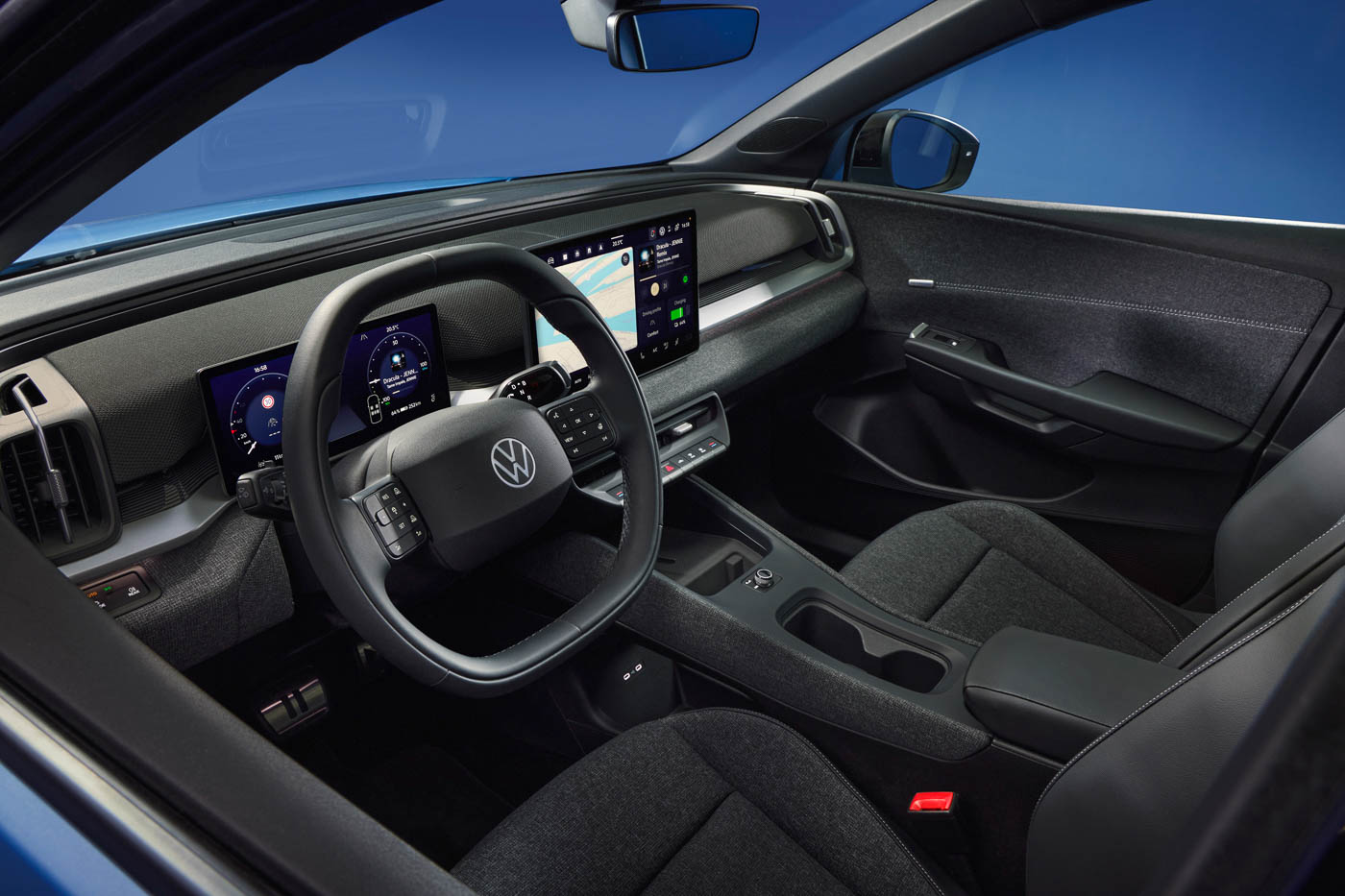
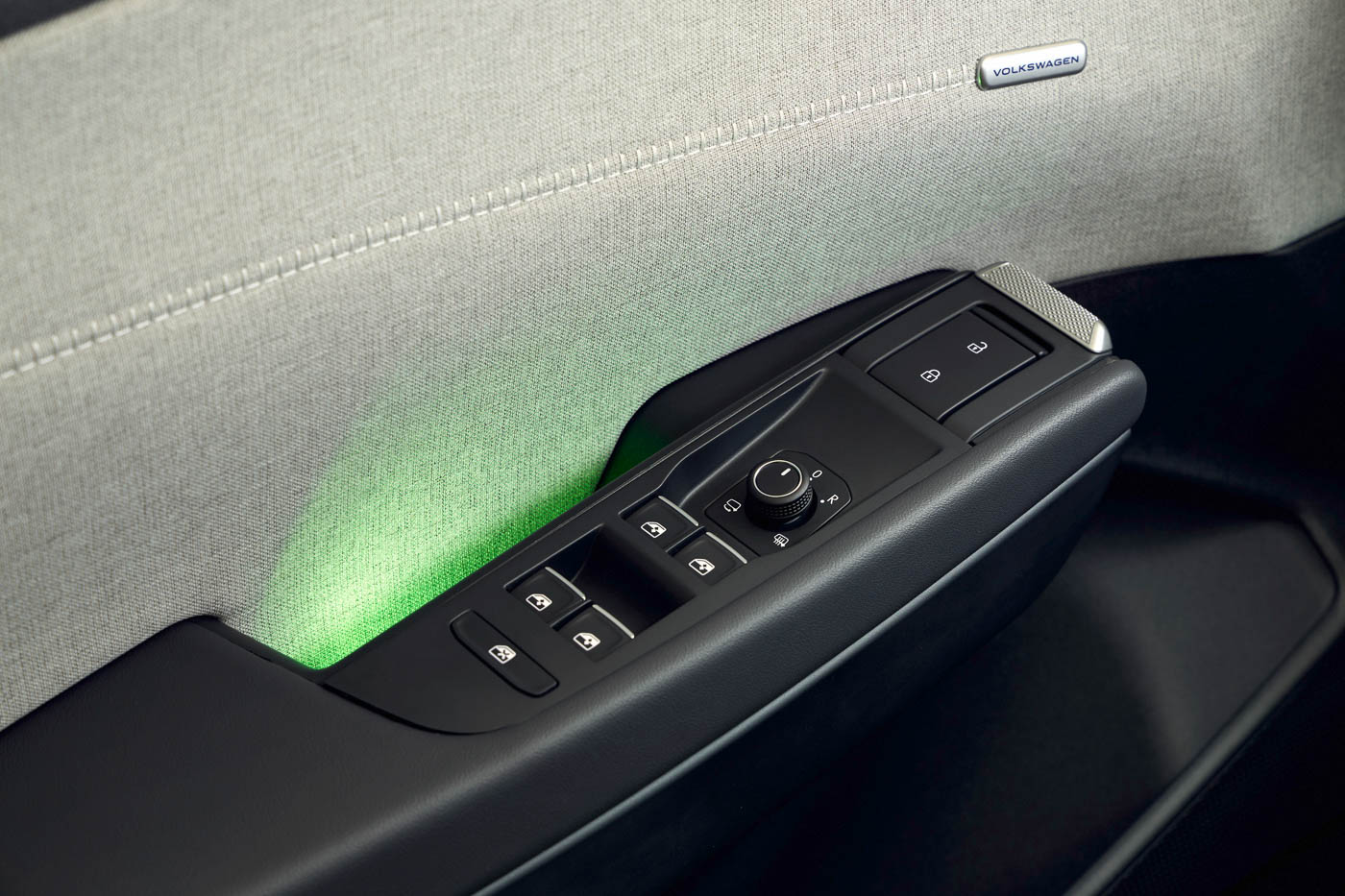
Volkswagen’s design director, Andreas Mindt, had previously admitted the decision to drop physical buttons was a mistake and the marque plans to repent, with the ID.Cross’s interior a commendable reflection of that.
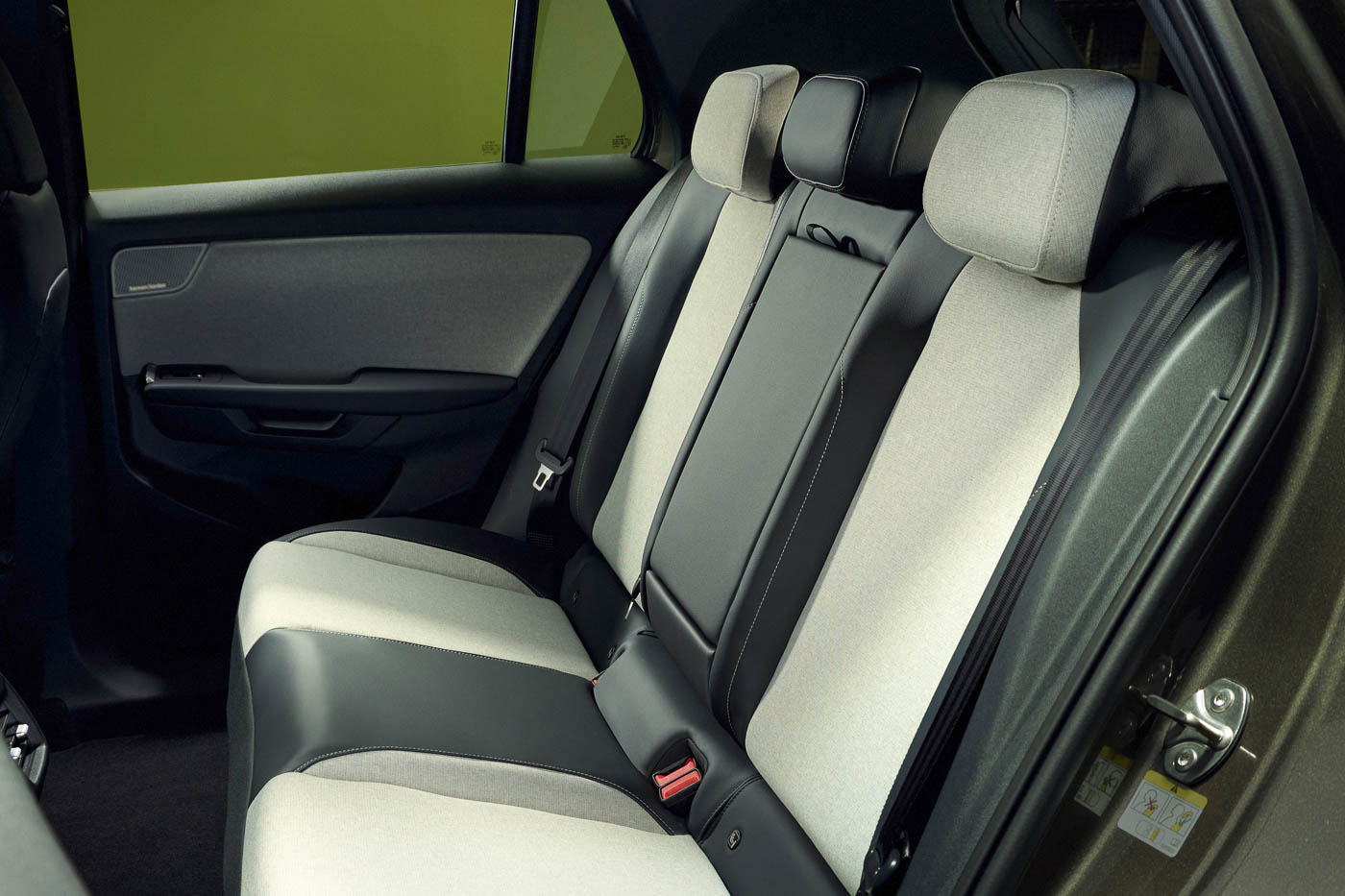
The goal was to craft a cabin that “feels like a friend,” a lounge that allows you to relax and feels like home. Extensive use of fabric on the centre console, dashboard and door cards is a good start.
RELATED: The Volkswagen ID. Cross Concept wants to win you over with its “Secret Sauce” design
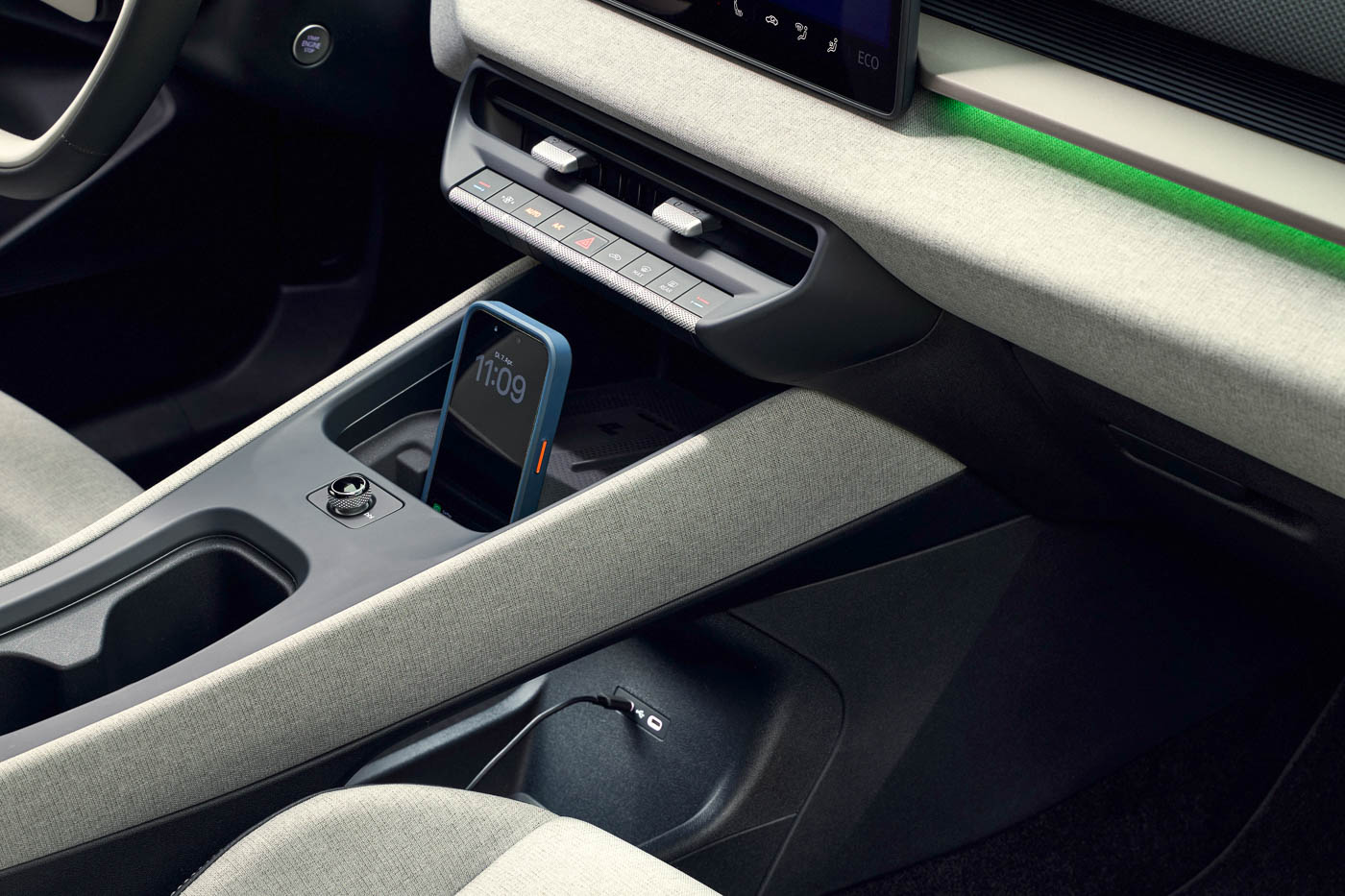
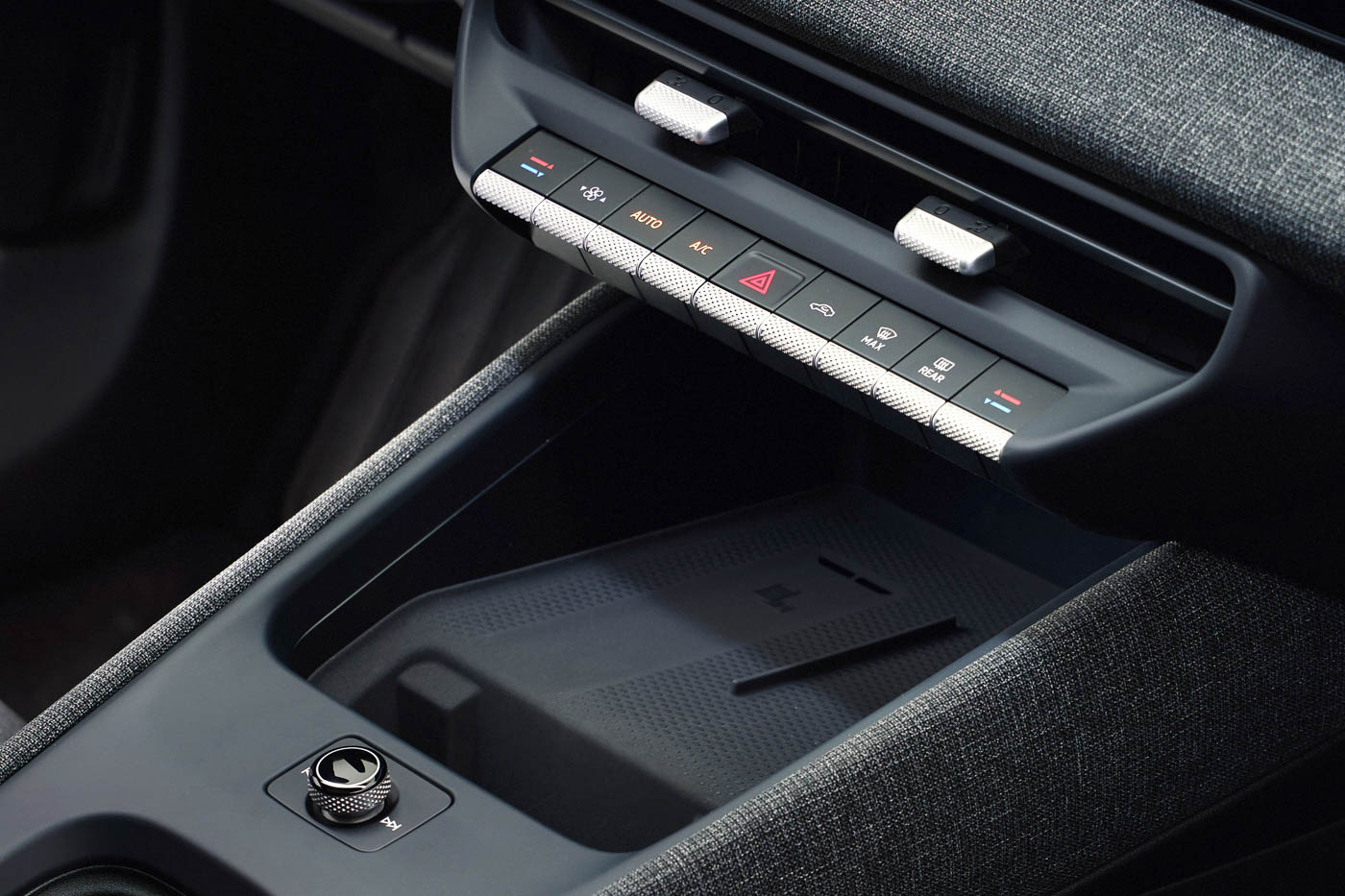
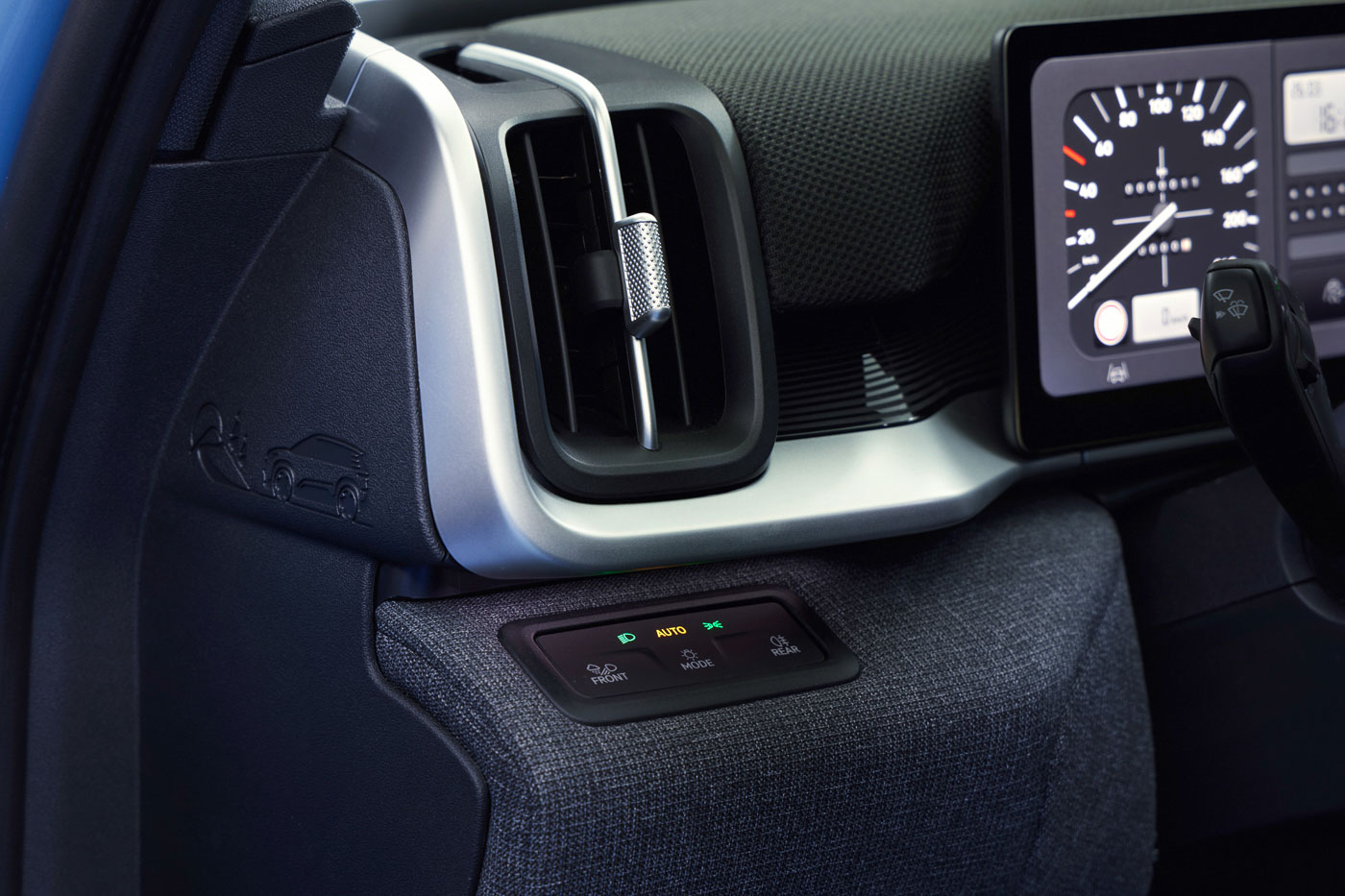
Buyers will find physical buttons on the steering wheel and dashboard that are intuitive to use, bringing back tactile response over the much-maligned haptic feedback controls during the brand’s stray from the proven path.
A small rotary-style controller on the centre console is perfectly positioned to be within each reach for the driver or front passenger and give easy access to volume control or switching tracks.
GALLERY