It is the automotive industry’s favourite trend, but a car’s touchscreen infotainment display serves only to turn a capable driver into a distracted hazard on the roads, according to a new joint study conducted by researchers from the University of Washington and the Toyota Research Institute.
While integrated touchscreen controls allow carmakers to flaunt their minimalist designs, multiple studies have now confirmed what we’ve all surmised – touchscreens are making you a demonstrably worse driver. This time, the researchers even went into forensic detail by analysing pupil dilation and stress-induced skin responses, which are established methods for measuring cognitive load, alongside the precise eye and hand movements of 16 volunteers.

These volunteers navigated a realistic virtual urban environment in a driving simulator equipped with a 12-inch touchscreen. While concurrently undertaking a memory test, the volunteers were tasked with completing tasks that require routine functions, such as those you might perform while driving.
The result was a total breakdown of basic competence. While performing simple tasks on the touchscreen, a staggering 42% of volunteers drifted out of their lane. When the mental effort increased, over a quarter of the participants struggled even to glance at the screen correctly.
RELATED: Touchscreen/touch-sensitive controls for air-con: Looks modern but how effective are they?
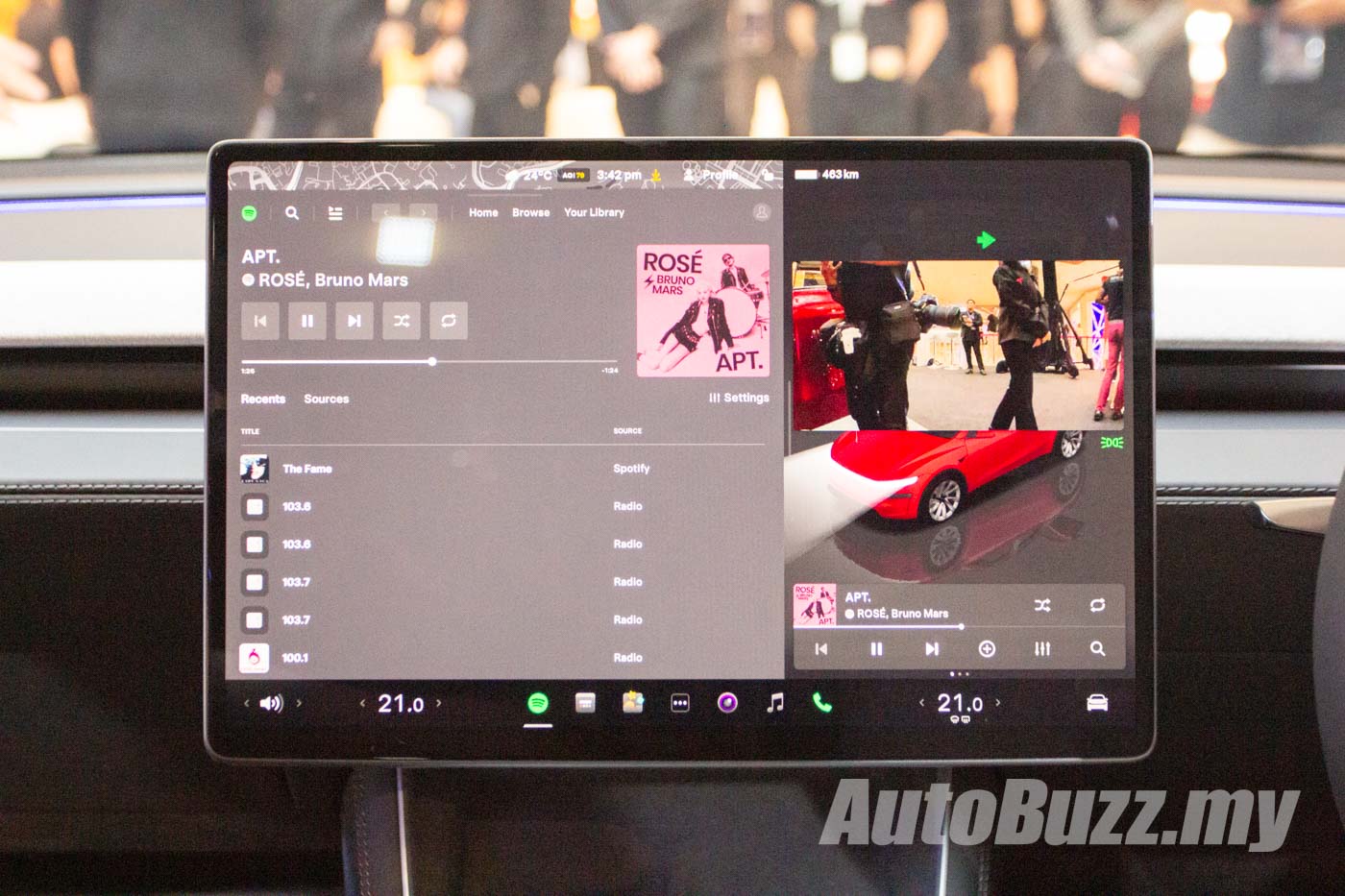
These sensors also recorded a 58% drop in speed and accuracy when operating the touchscreen. This plummeted by a further 17% when the driver’s brainpower was stretched by the memory test. Essentially, the more the driver had to think, the more the touchscreen turned them into a hazard.
Because while adjusting the climate controls used to be done with a simple muscle-memory twist of a dial, now, most controls require a series of taps and flicks – and even remedial attempts tested in the study, such as larger on-screen icons, did not improve the situation either. As it turns out, a big button on a flat screen is still no match for a physical dial you can actually feel.

The automotive industry is currently split on how to handle this digital mess. Several carmakers, including Mercedes-Benz, Volkswagen, and Hyundai have all committed to bringing physical buttons back. But Mazda, despite previously championing physical controls, has stripped essentially all physical buttons off the dashboard of the all-new third-generation CX-5. Their reasoning is almost poetic in its irony, as they now claim customers prefer the large touchscreen infotainment system.
Aside from design considerations, a simple touchscreen could also translate to significant cost savings in the manufacturing process in the bigger picture. But with Europe New Car Assessment Programme (Euro NCAP) putting their foot down demanding carmakers bring back physical buttons for key functions or forget about their five-star ratings, perhaps we’ll soon see the tide changing…
ALSO READ: Find touchscreen controls in cars annoying? Hyundai agrees