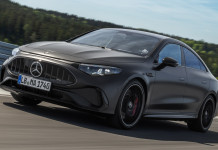
Mercedes-Benz is rolling out its “biggest product launch programme” ever, starting with the all-new CLA and the recently revealed all-new GLC. Surprisingly, these new Mercedes-Benz models also mark the return of something many thought was gone for good — physical buttons and controls in the cabin.
Speaking to Autocar, Mercedes-Benz Chief Software Officer Magnus Östberg confirmed that the Three-Pointed Star is committed to bringing back physical controls into their cars – at least on the steering wheels – on all of its new models moving forward.

He said, “We’re completely data-driven, seeing that what is actually something that is used high-frequency, the data shows us the physical buttons are better, and that’s why we put them back in.”
These data, Mercedes-Benz says, was taken from its new software-defined vehicles (SDV) — the first being the all-new CLA and the second being the all-new GLC. Along with more advanced and convenient software update capabilities, these vehicles also allow Mercedes-Benz to assess drivers’ usage habits and data.
ALSO READ: Mercedes-Benz rolls up their sleeves with 30 new cars planned over the next 2 years

Östberg explained, “You can see a difference if you move from the CLA, which has a touchscreen and fewer hard buttons, to the [all-new] GLC, where we put back the rollers and buttons, because we see in the data that the rollers and these physical buttons are very important for certain age groups and certain populations.”
“So having that balance between physical buttons and the touch is extremely important for us,” he added.
ALSO READ: Mercedes-Benz is keeping its V12 engine alive – and a new V8 is coming soon too

Mercedes-Benz will make the new steering wheel standard on all future models and is bringing it to existing ones as well, starting with the all-new CLA sedan. According to Östberg, this is the simplest and most cost-effective way to bring physical controls back to cars already on the market — without losing the brand’s digital-first interiors.
Along with this, he said that Mercedes is planning to add more physical controls in other parts of the cabin. While it’s definitely a step in the right direction (we think), this will likely be reserved for larger SUV models as they offer more space for interior designers to work with, and their buyers tend to value physical buttons more.

Östberg also hinted that other wheel designs could be used depending on the region, based on the data it collects on customer preference. For instance, drivers in Europe tend to prefer physical buttons, while those in Asia favour touchscreens and voice controls.
Speaking of which, AI voice commands are a big thing in China and will play a crucial role for Mercedes-Benz in winning back the Chinese buyers from competitive local brands. Mercedes-Benz is also working on adding more artificial intelligence (AI) to its cars, mainly to make voice commands smarter and more intuitive.
When asked whether Europeans would use it, Östberg pointed out that voice command usage in the CLA has already “tripled” among Mercedes-Benz drivers in Europe.
ALSO READ: Mazda says they removed physical buttons in the all-new CX-5 because people liked it more


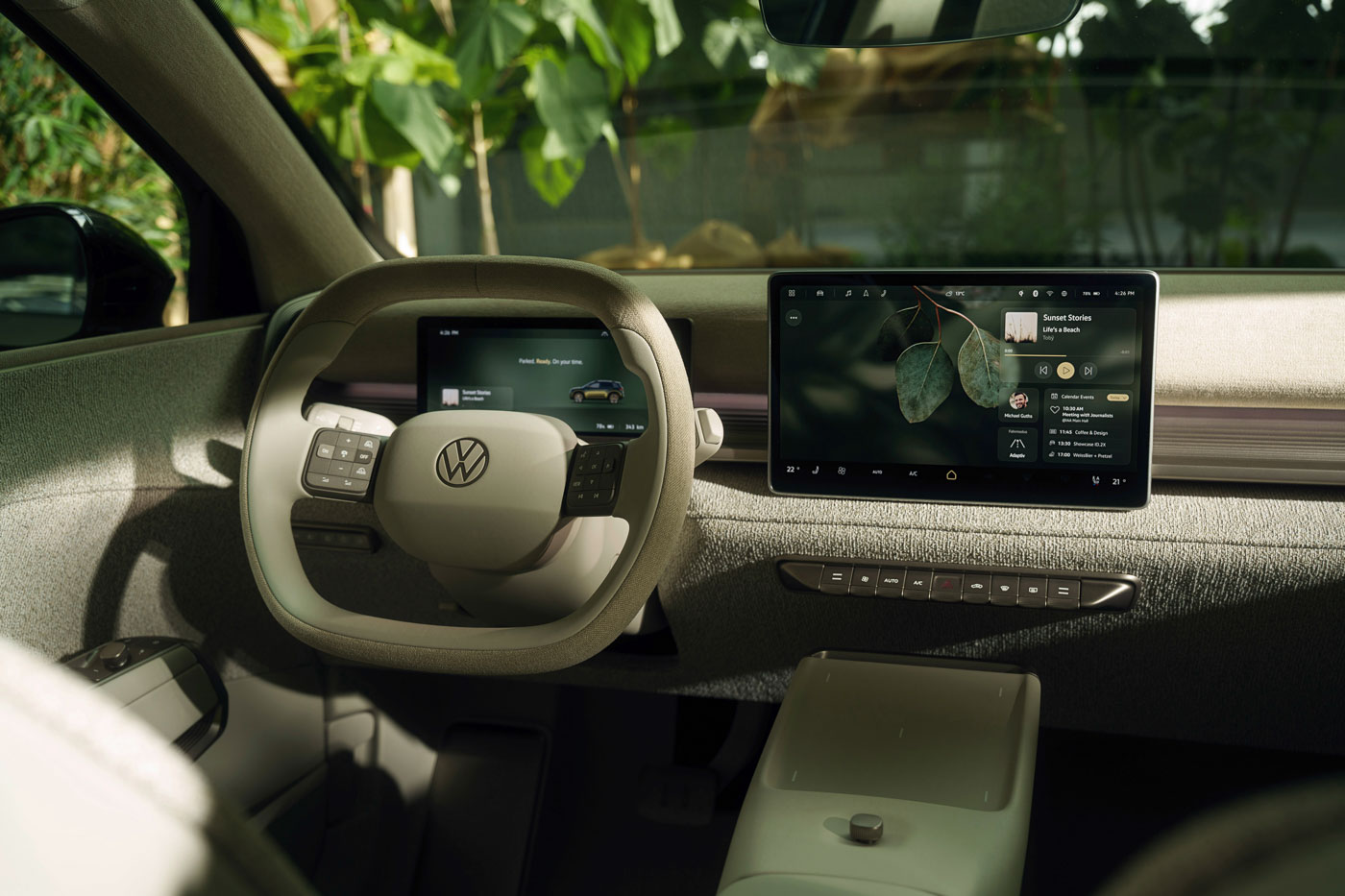
Mercedes-Benz is not the first brand to admit they’re wrong on buttons. Many other marques have recently started to shift away from buttonless interiors, including Volkswagen, Hyundai, and even Ferrari. However, you still have brands going all-in on touchscreens, too, such as Mazda, and most recently BMW with the all-new Neue Klasse iX3.
In such a heavily contested automotive market today, could buttons be the deciding factor – especially in the premium segment?
RELATED: Study confirms that buttons are indeed better than touchscreens in cars