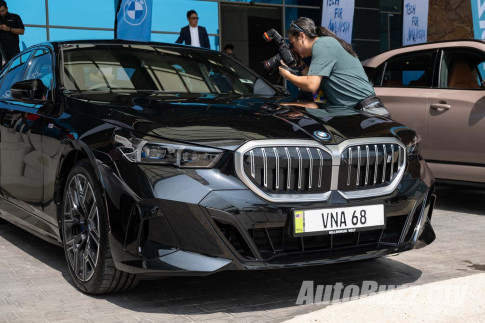
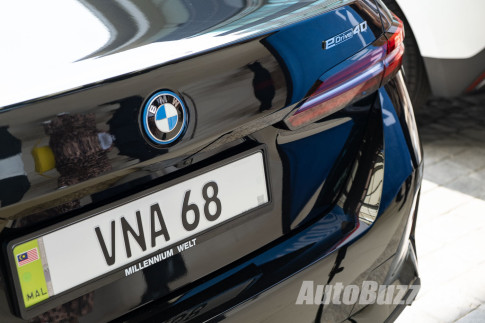
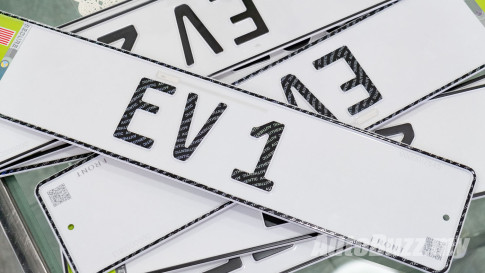
The highly-awaited JPJ ePlate standardised number plate system has been unveiled by Transport Minister Anthony Loke Siew Fook today. Meant for use on electric vehicles (EVs) only for now, the new JPJ ePlate will be mandatory for new EV registrations starting today in the first phase of its implementation. Existing EV owners can order a set of plates for their vehicles (at RM98) if interested, starting November 2024.
In addition to the new physical number plate designs, the ministry of transport (JPJ) has also unveiled a new ‘EV’ number plate series (‘EV 1’ – ‘EV 9999’), which will also be reserved specifically for electric vehicles only. The ‘EV’ series is now open for bidding through the JPJeBid website.

Based on the IDePlate technology from German company Toennjes, the new JPJ ePlate will be manufactured and distributed by local vendor Handal Ceria, which has been selected through an open tender process, Loke says. The JPJ ePlate is built to the European/UN number plate standards, and feature several safety systems designed to prevent forgery and fraud.
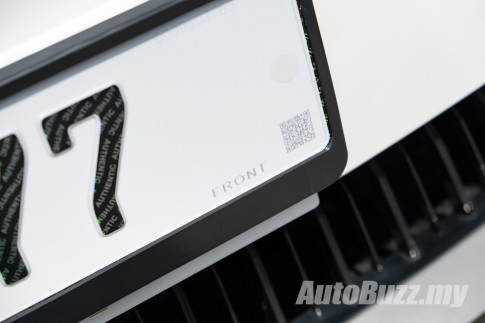
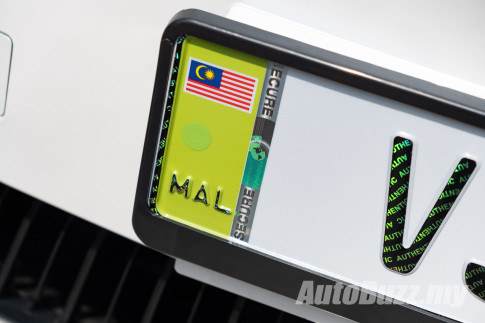
These include an embedded RFID chip in the aluminium number plate, embossed lettering with holographic foil, as well as a digital signature integrated into a QR code on the number plate itself. The number plates will also come with anti-tamper one-way screws, though the use of that has not been mandated yet – but installation must still be done by the vehicle dealers or JPJ-appointed parties only.
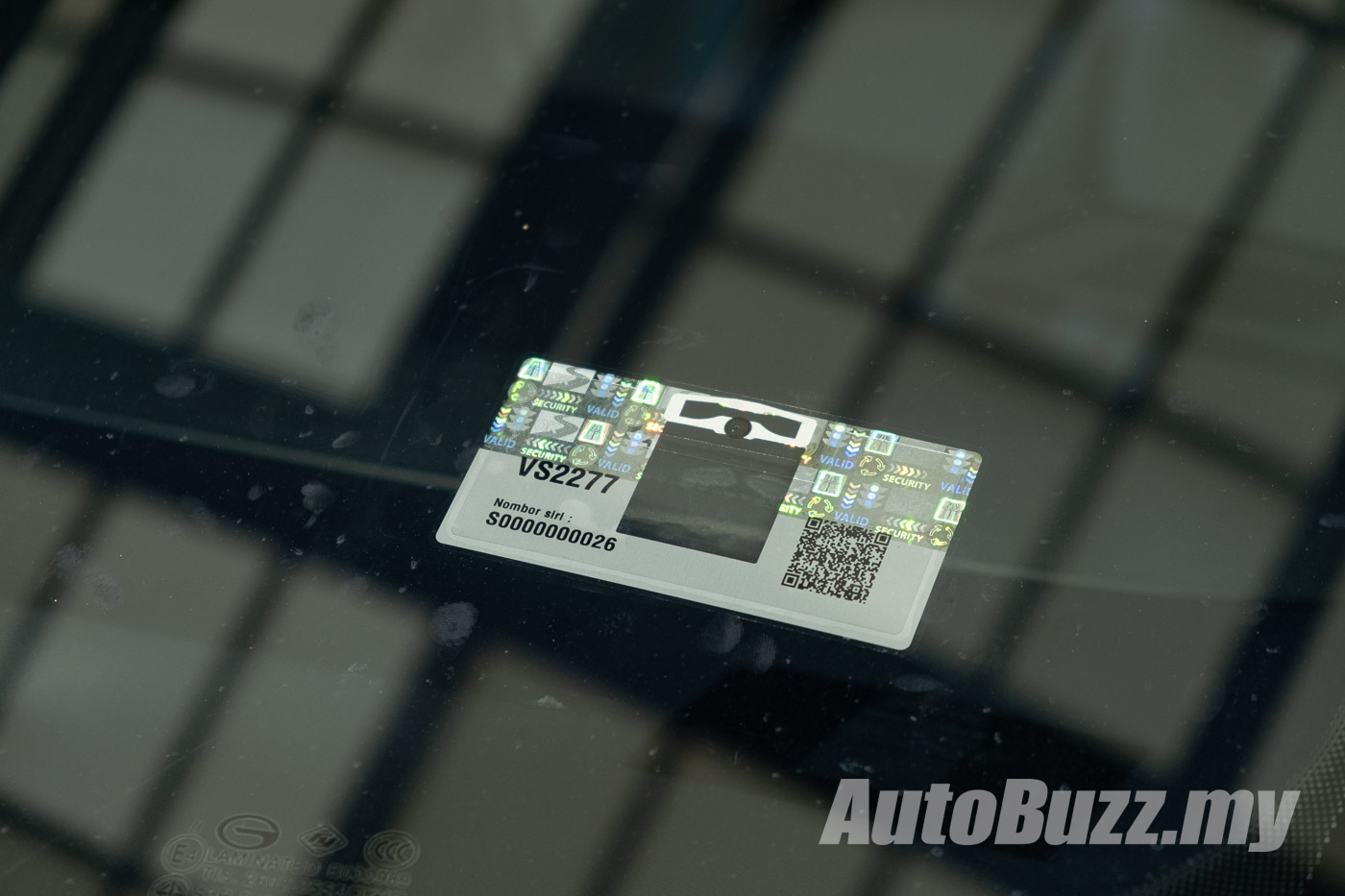
Additionally, the number plates (front and rear) will also be paired to a separate anti-tamper RFID sticker, to be installed on the inside of the windscreen, as secondary identification.


In a recent media briefing, Loke revealed that while the JPJ ePlate is meant for EVs only (full battery EVs, not even PHEVs) for now, it is also an opportunity for the government to explore moving away from acrylic licence plates on all vehicles in the future – which Malaysia is one of the 5% remaining nations to still be using today.
The use of standardised licence plates will effectively eliminate non-regulation fonts, which will help with vehicle identification especially for law enforcement purposes. Vehicle “cloning” will also be more difficult, as the number plates will come from a centralised distribution source, thus ensuring traceability.
ALSO READ: MoT: Malaysia EV sales more than doubled in 1H 2024 – 12,850 units sold

For now, though, the use of the JPJ ePlate on EVs will aid fire and emergency services in identifying the nature of the vehicle, ensuring appropriate and timely response in accidents, the minister said.
In the future, the RFID technology embedded in the plates itself can also potentially be used for toll and parking payments, replacing the existing MyRFID tags in use today, though that is still up for discussions with the highway operators and other stakeholders.

For existing EV owners, interested parties can head to the new JPJ website (jpjeplate.jpj.gov.my) starting today to place a pre-booking. The package will cost RM98, and includes both the front and rear number plates, alongside the additional RFID sticker. Deliveries and installation, which has to be done by selected partners, will begin in November 2024.
Vehicle documentations will need to be submitted as part of the registration process, so non EV owners, don’t bother wasting your time.
RELATED: New 2026 EV Road Tax in Malaysia, from RM40 – here’s how it works
GALLERY