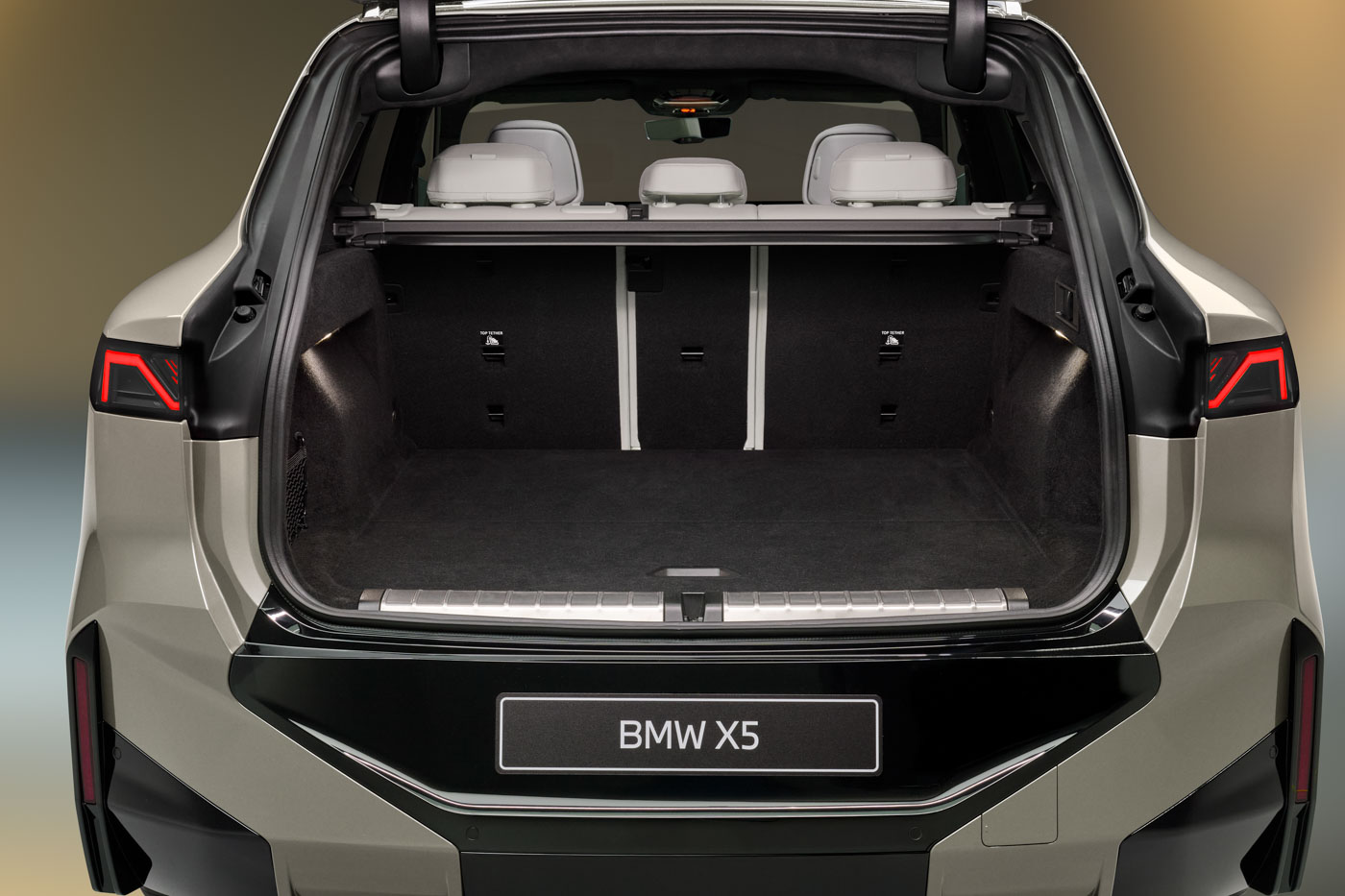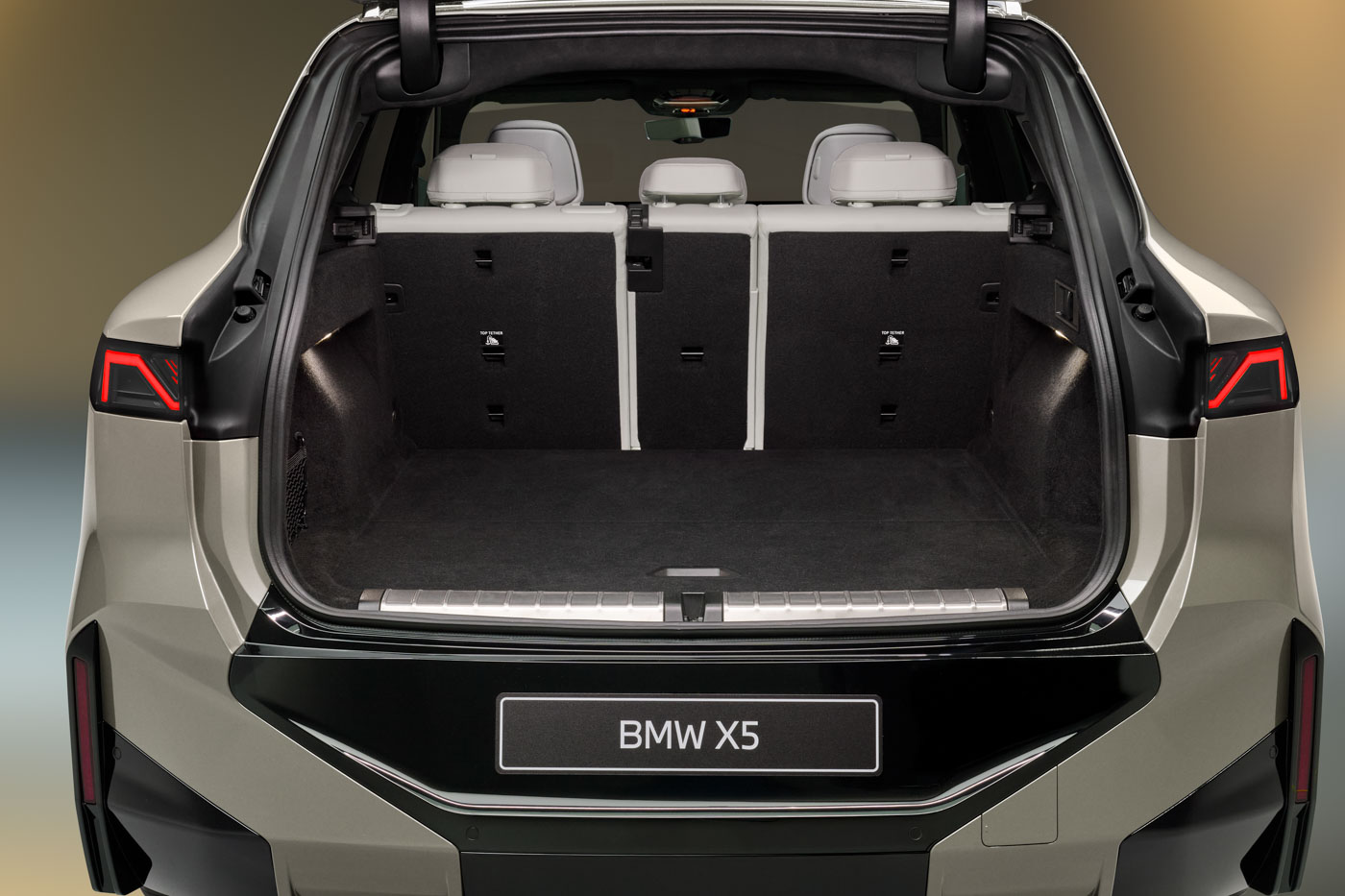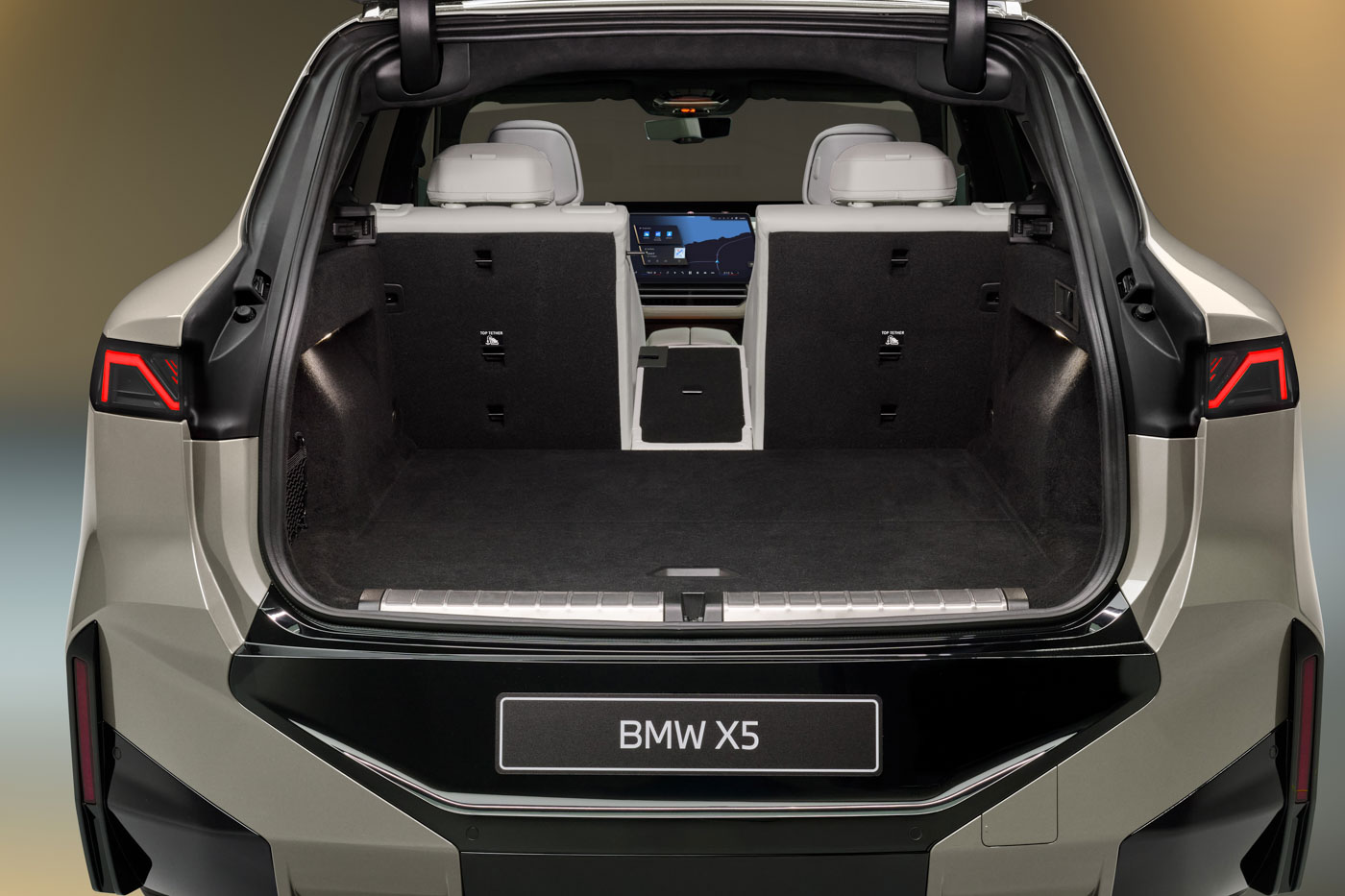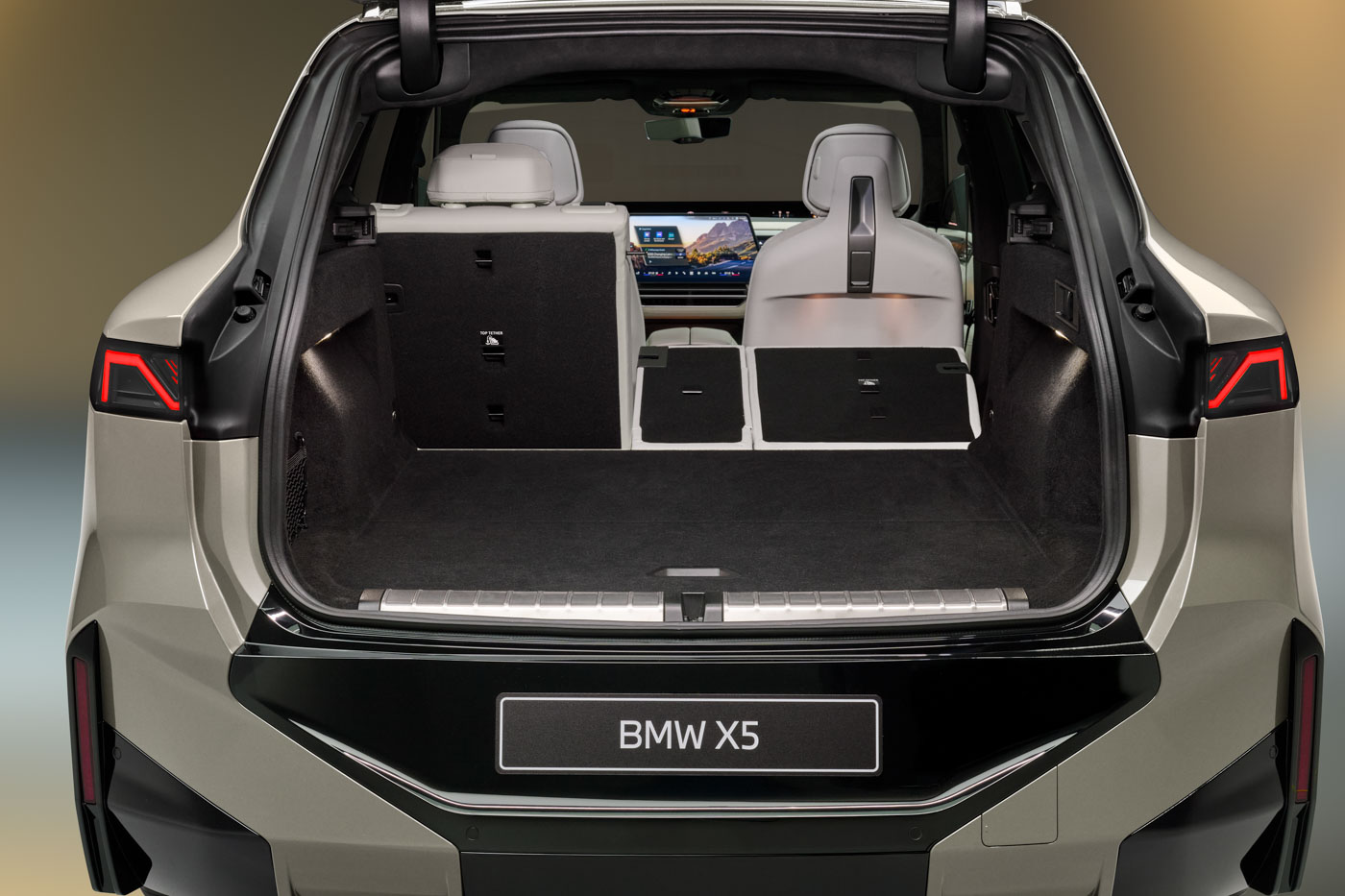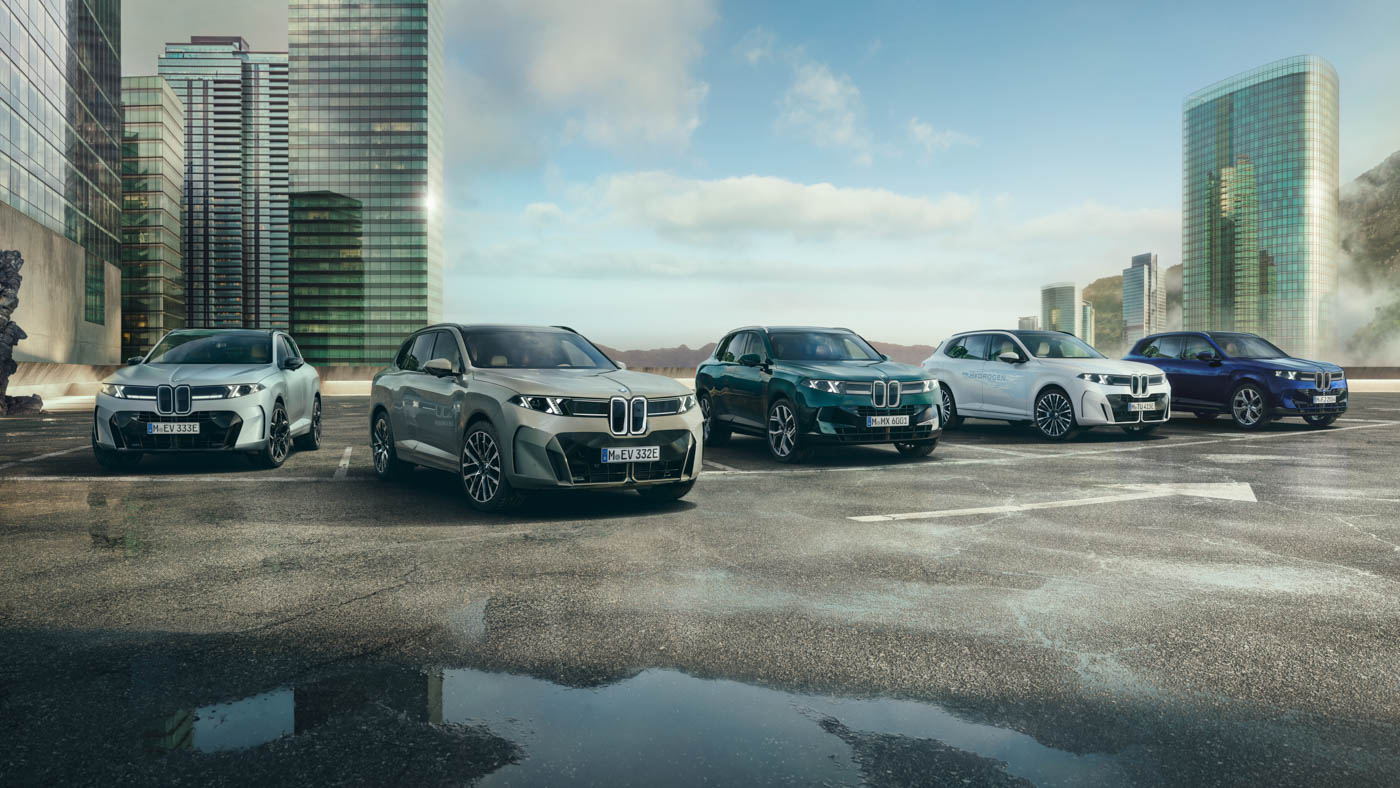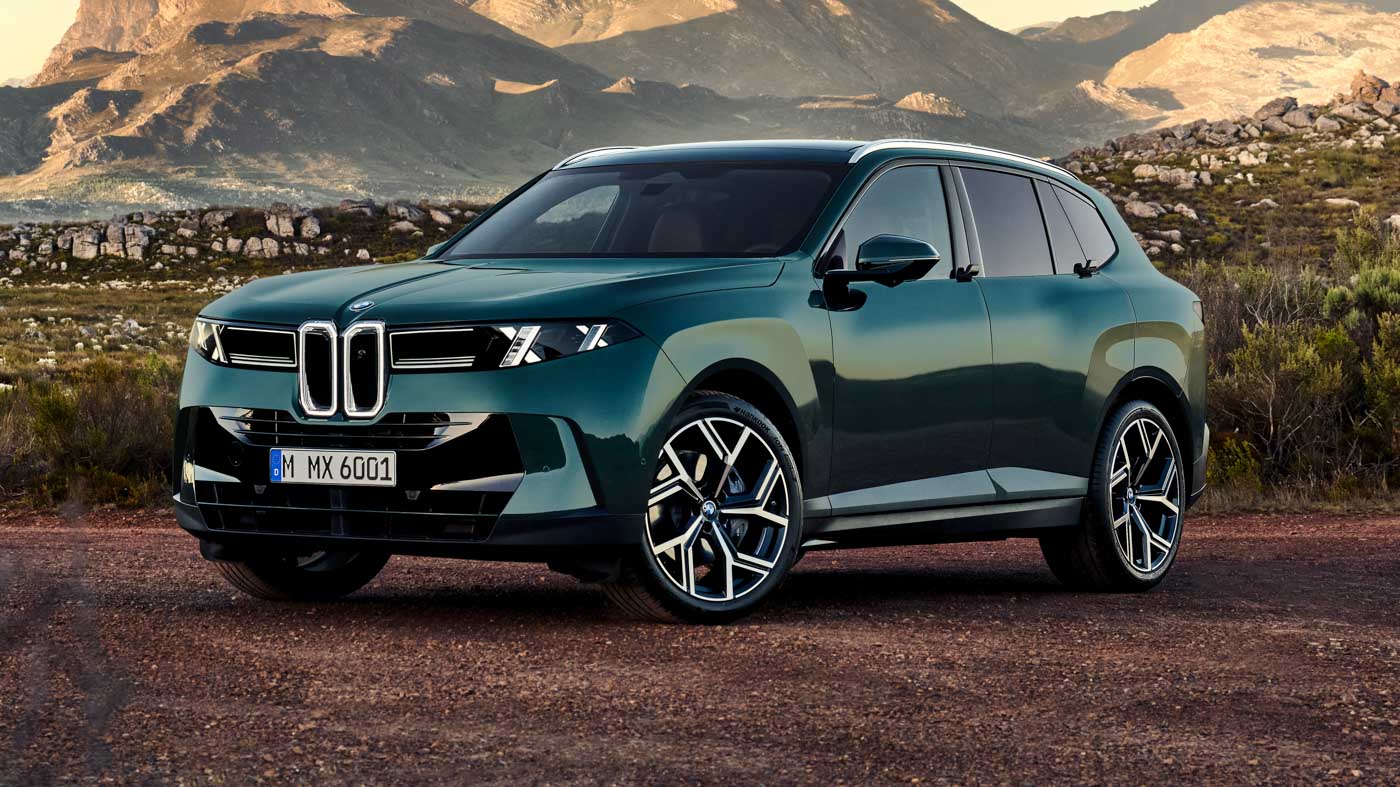
BMW has finally pulled the covers off the all-new BMW X5 — and this time, five is very much the magic number. The fifth-generation X5 SUV arrives in the Neue Klasse age with five distinct powertrains, including, for the first time ever, a fully electric iX5 and a hydrogen fuel-cell electric vehicle (FCEV) version.
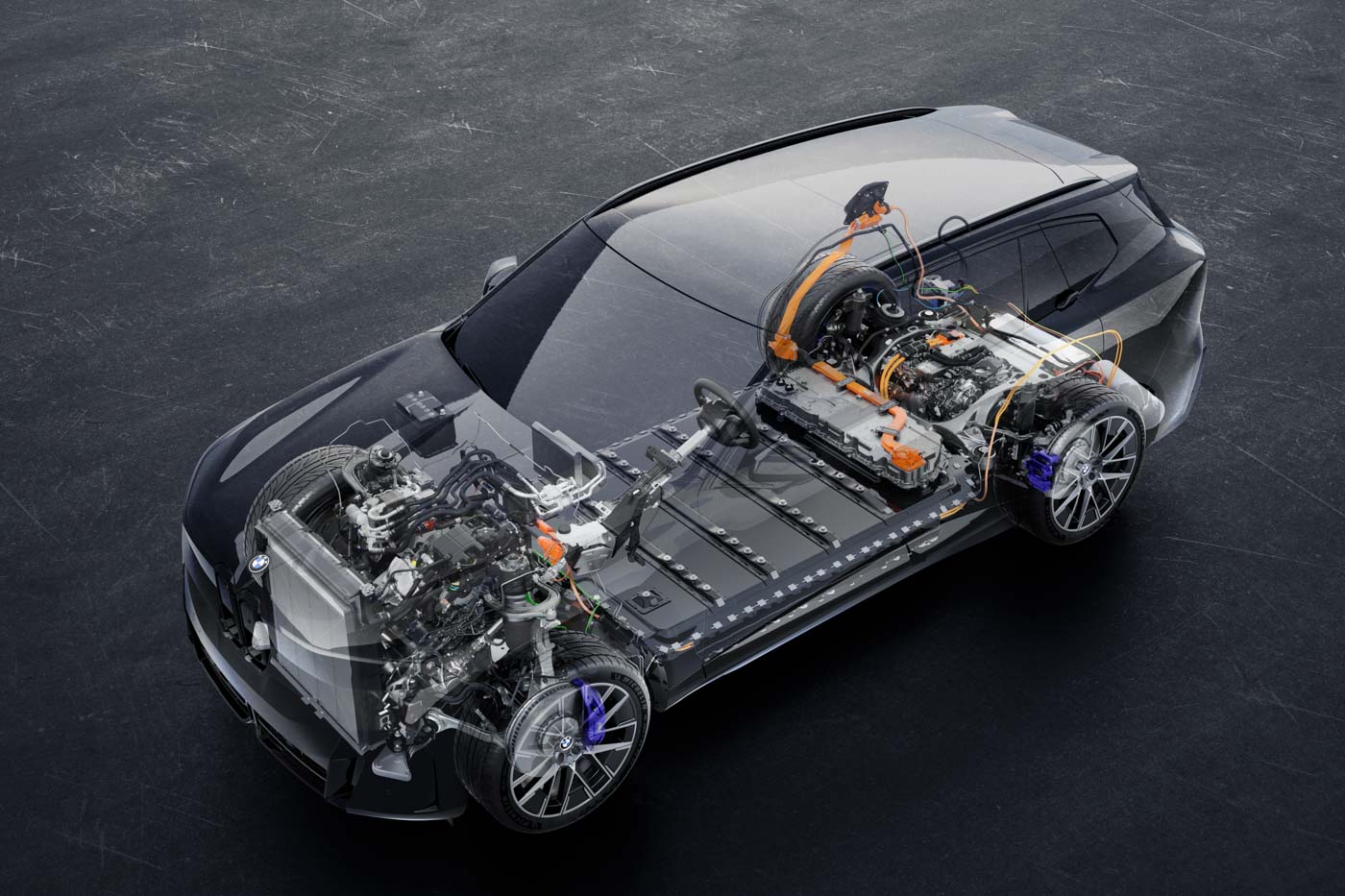
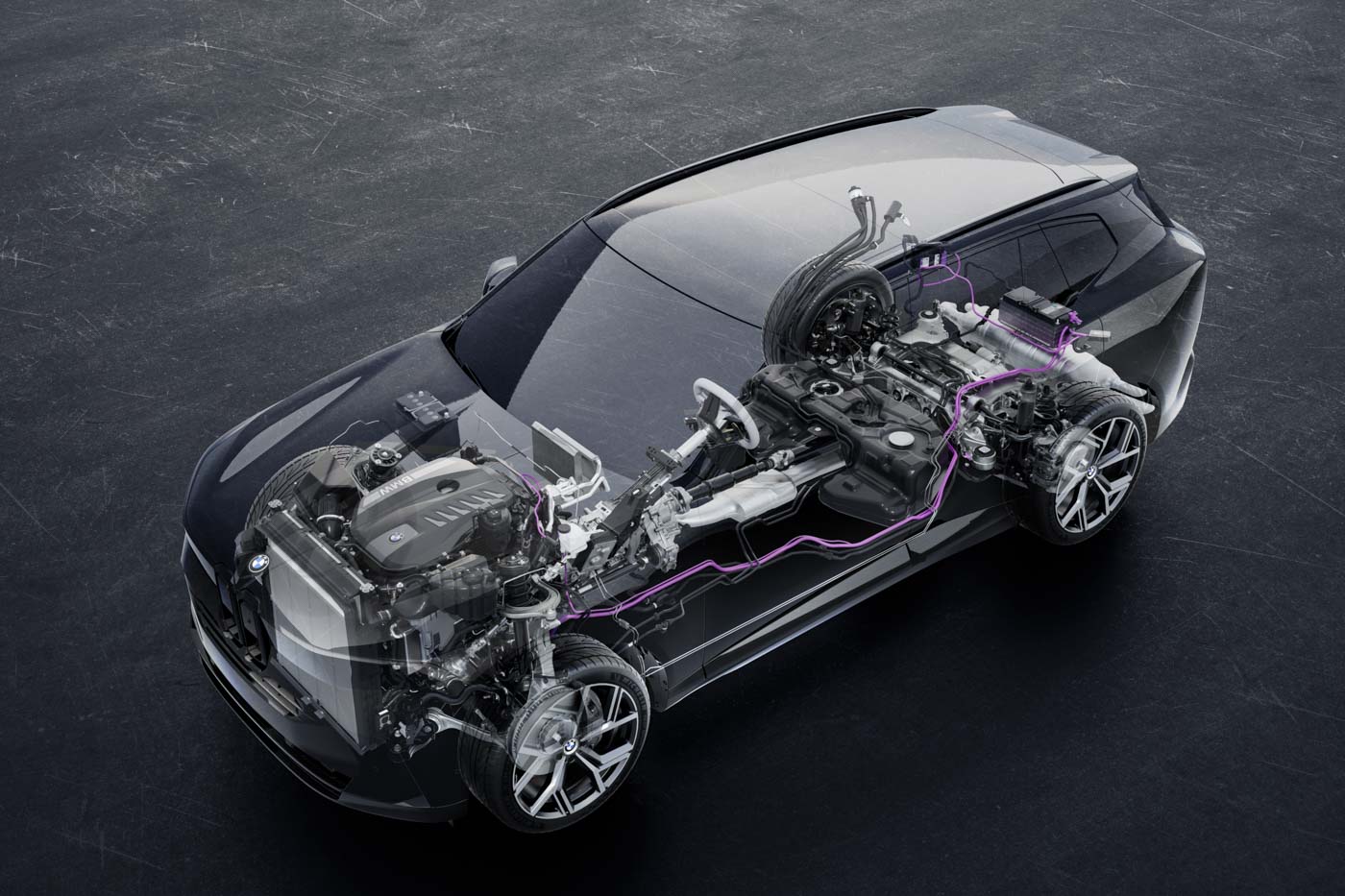
Interestingly, Munich’s all-new “Sports Activity Vehicle” (SAV) is still built on the outgoing Cluster Architecture (CLAR), wearing the chassis code G65 — not the same underpinnings as its Neue Klasse siblings like the iX3 and i3. That being said, BMW has reworked the platform to be more versatile than ever, flexible enough to support petrol, diesel, plug-in hybrid (PHEV), fully electric (EV), and hydrogen powertrains all in one architecture.
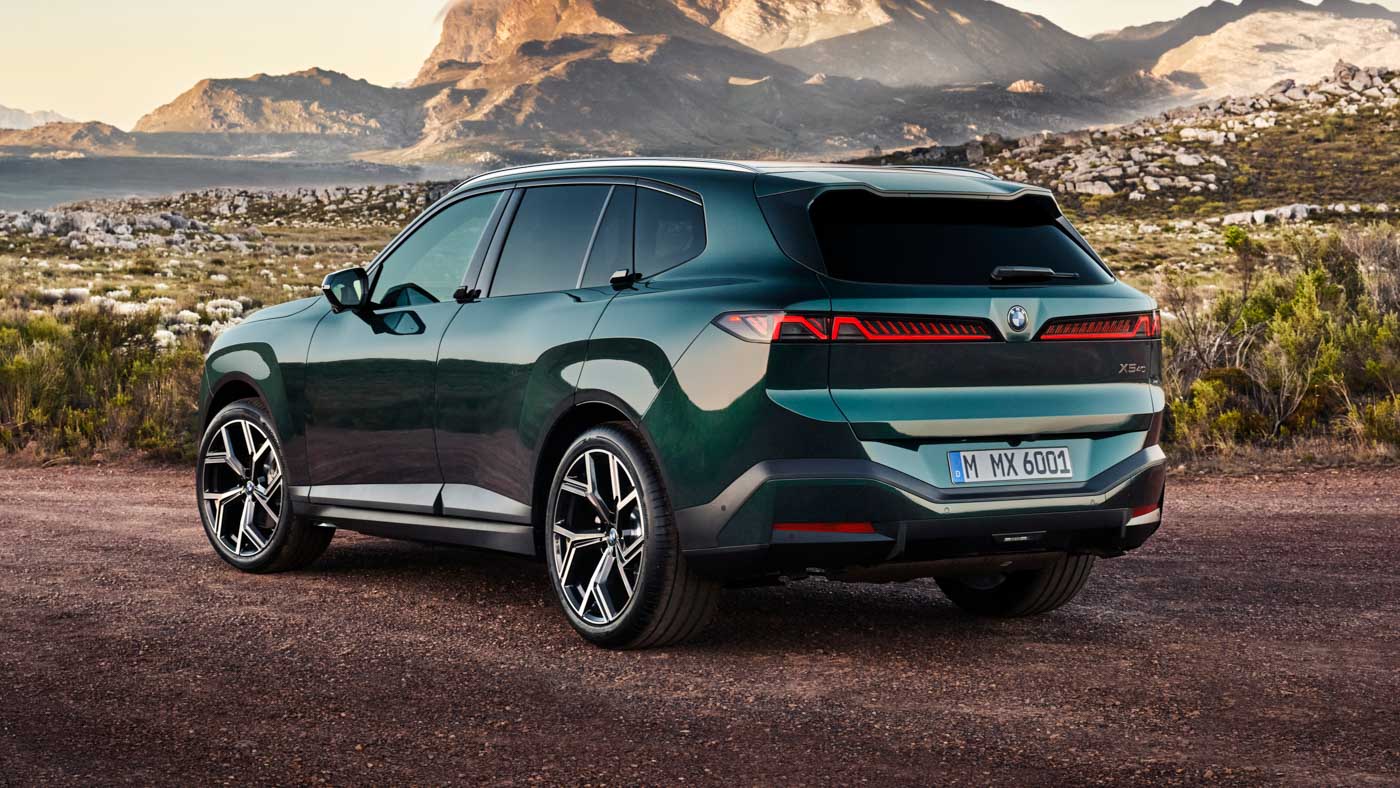
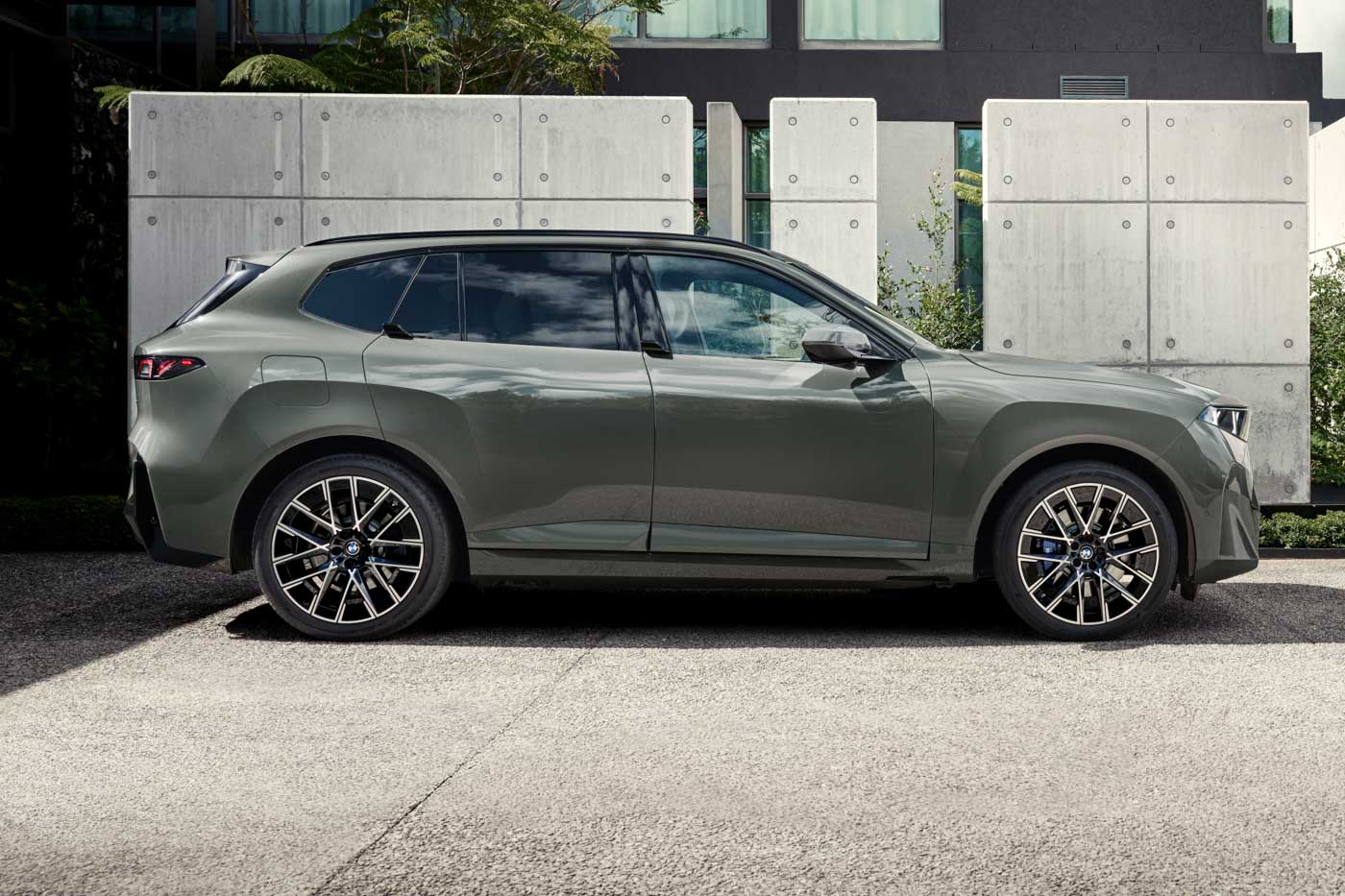
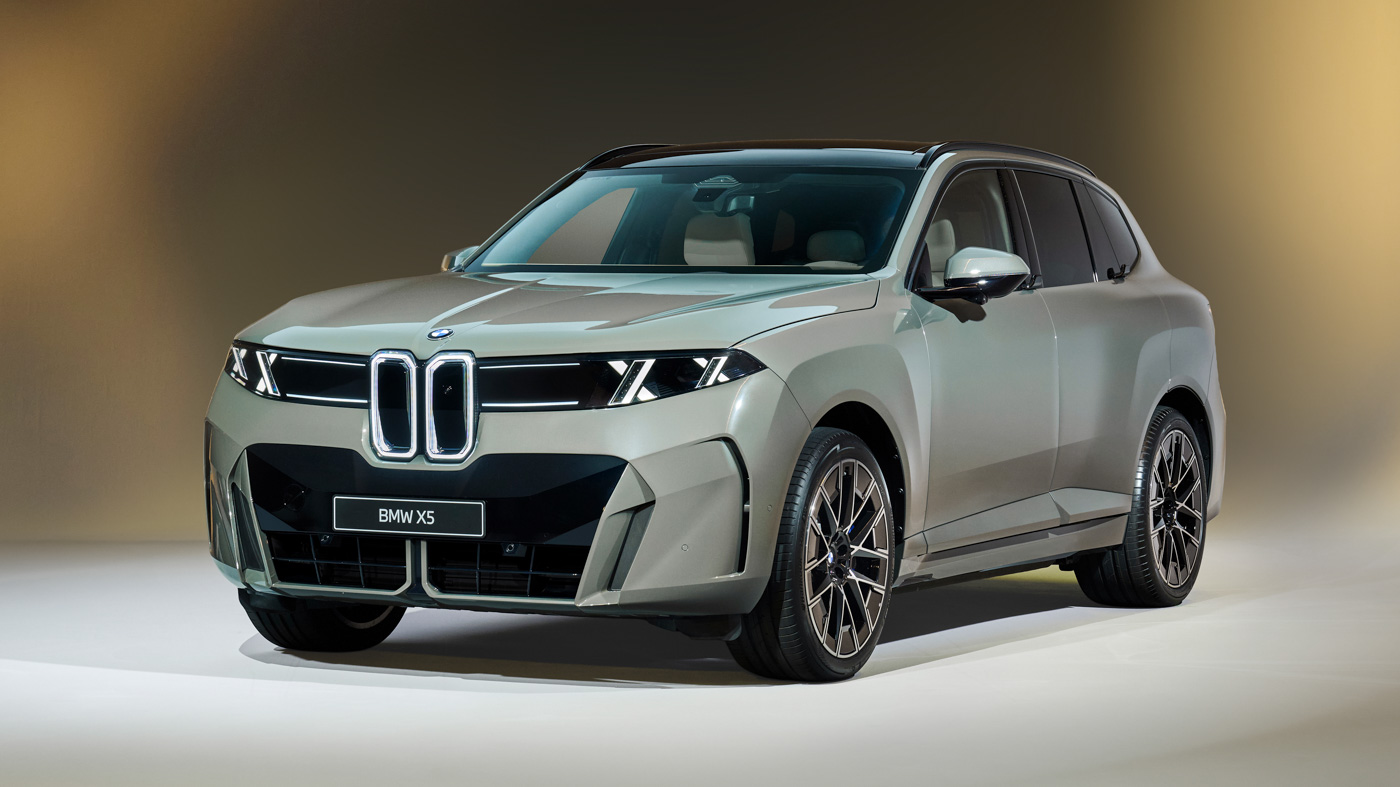
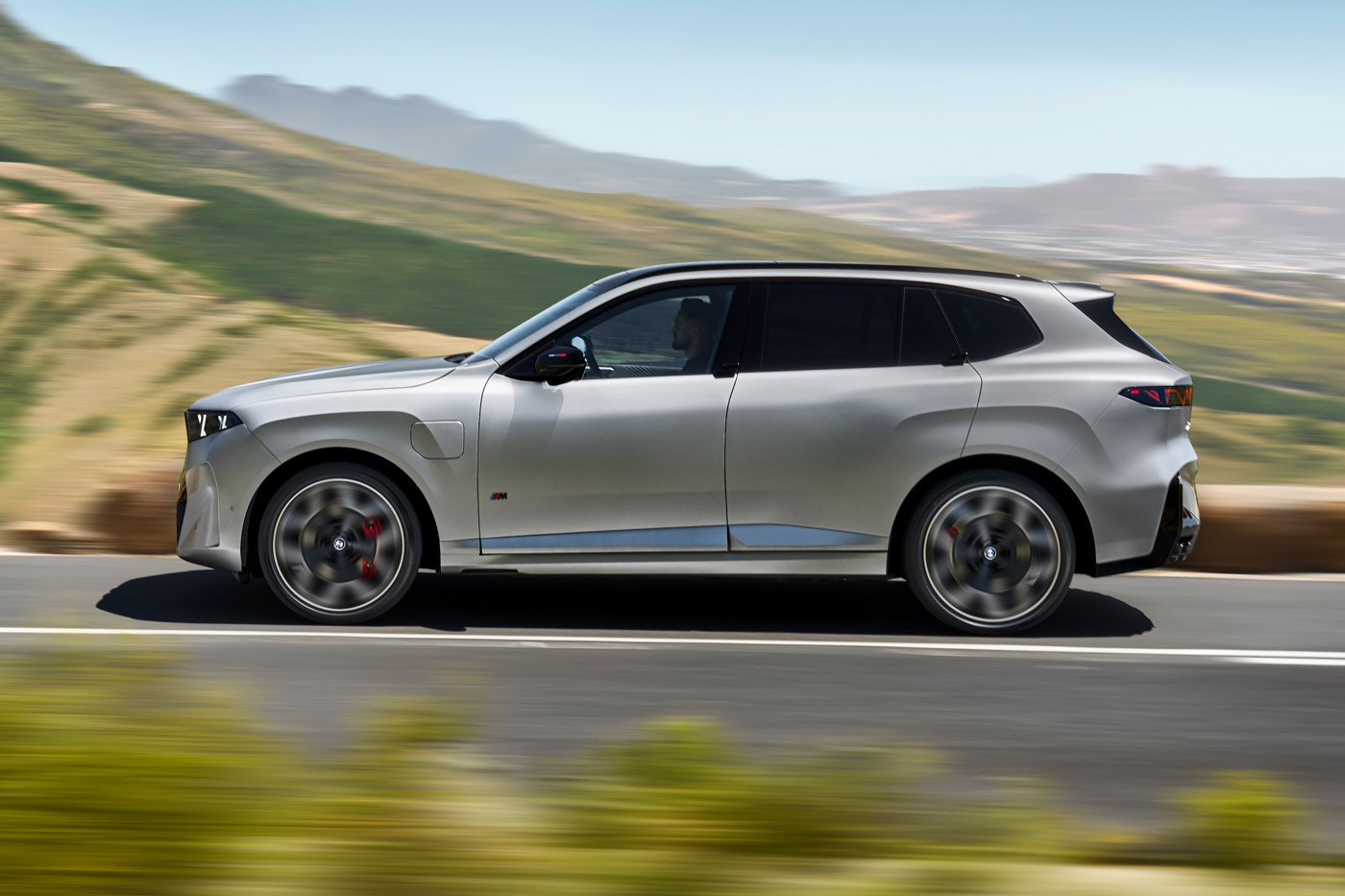
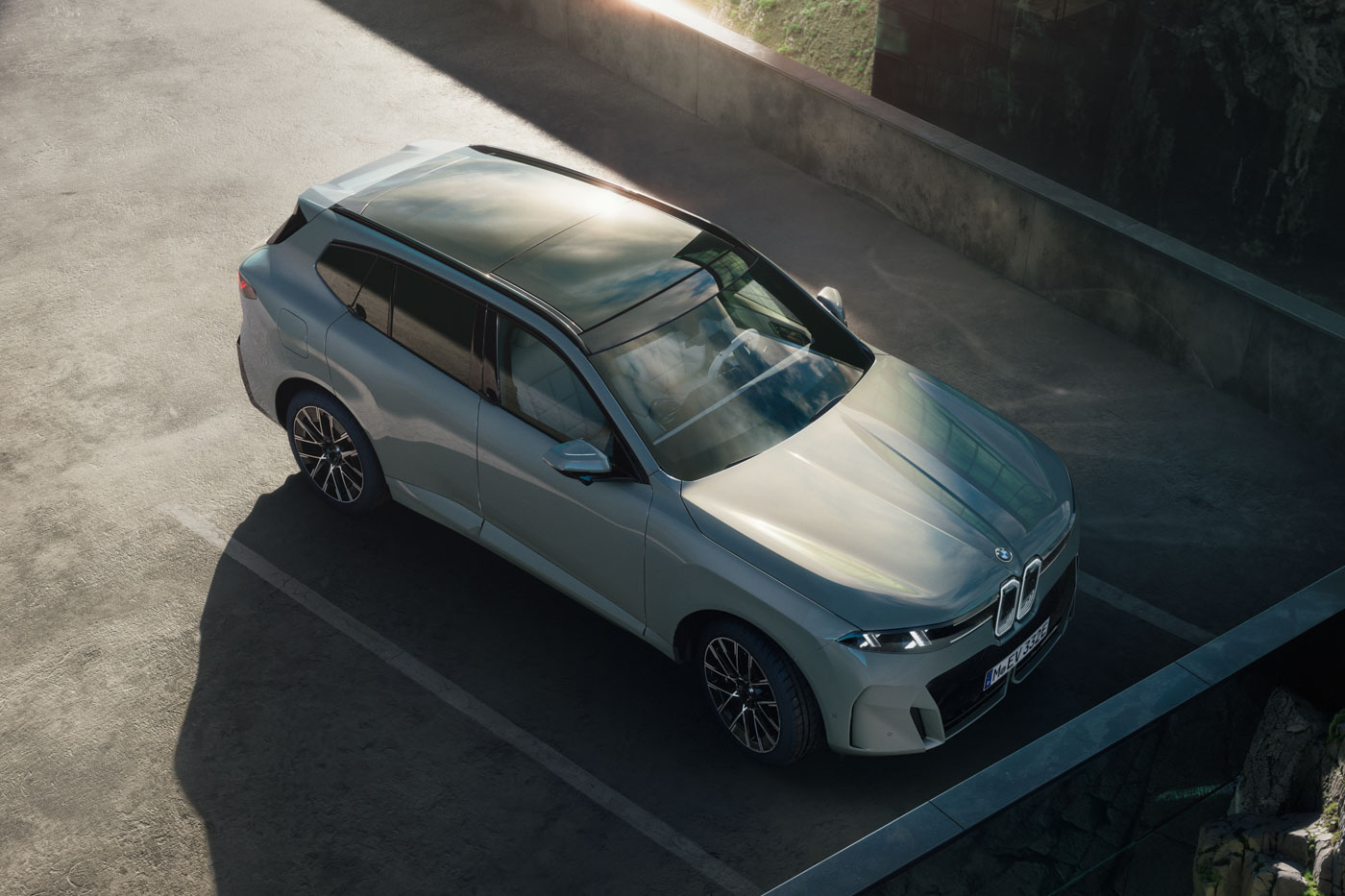
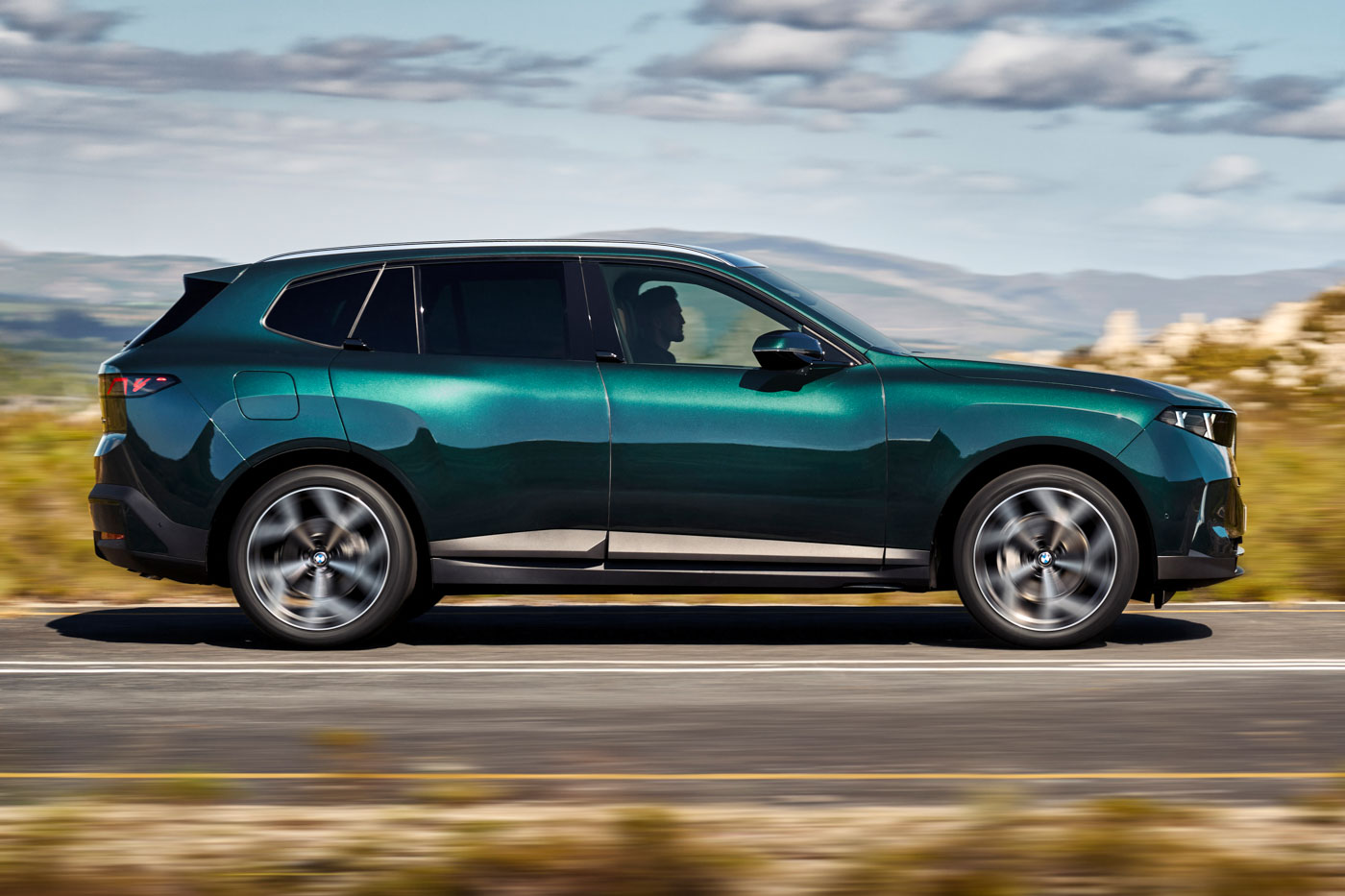
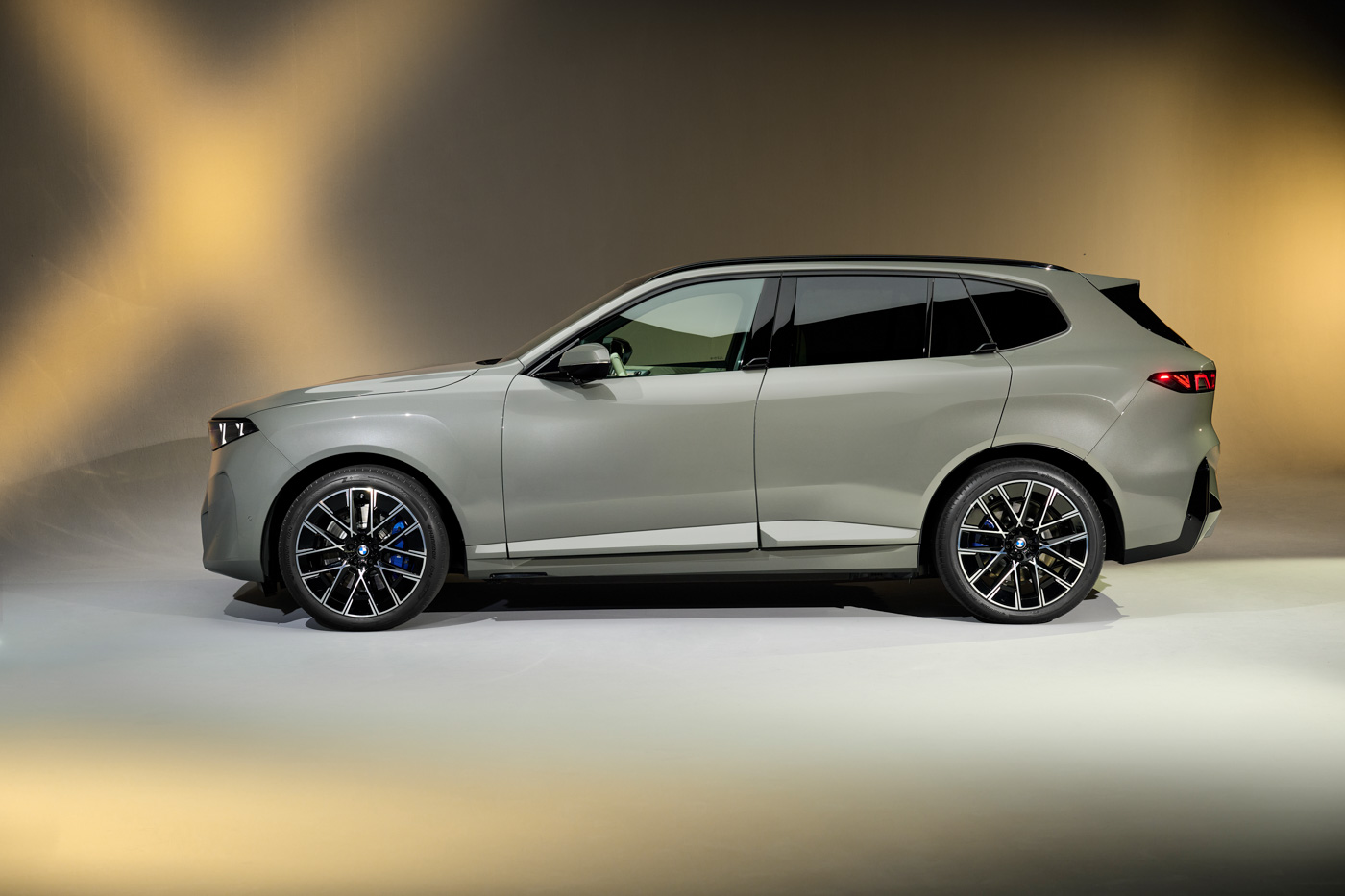
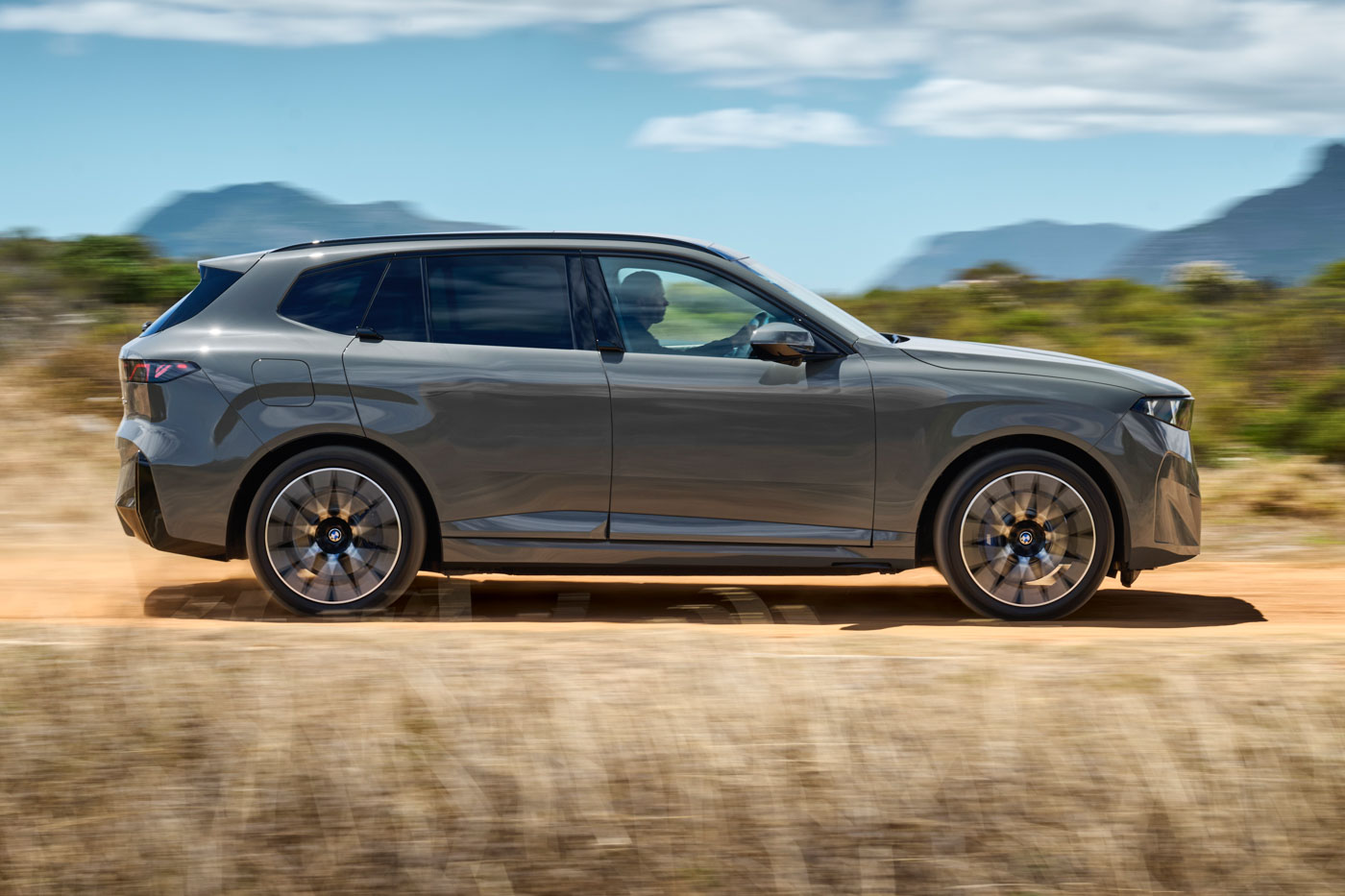
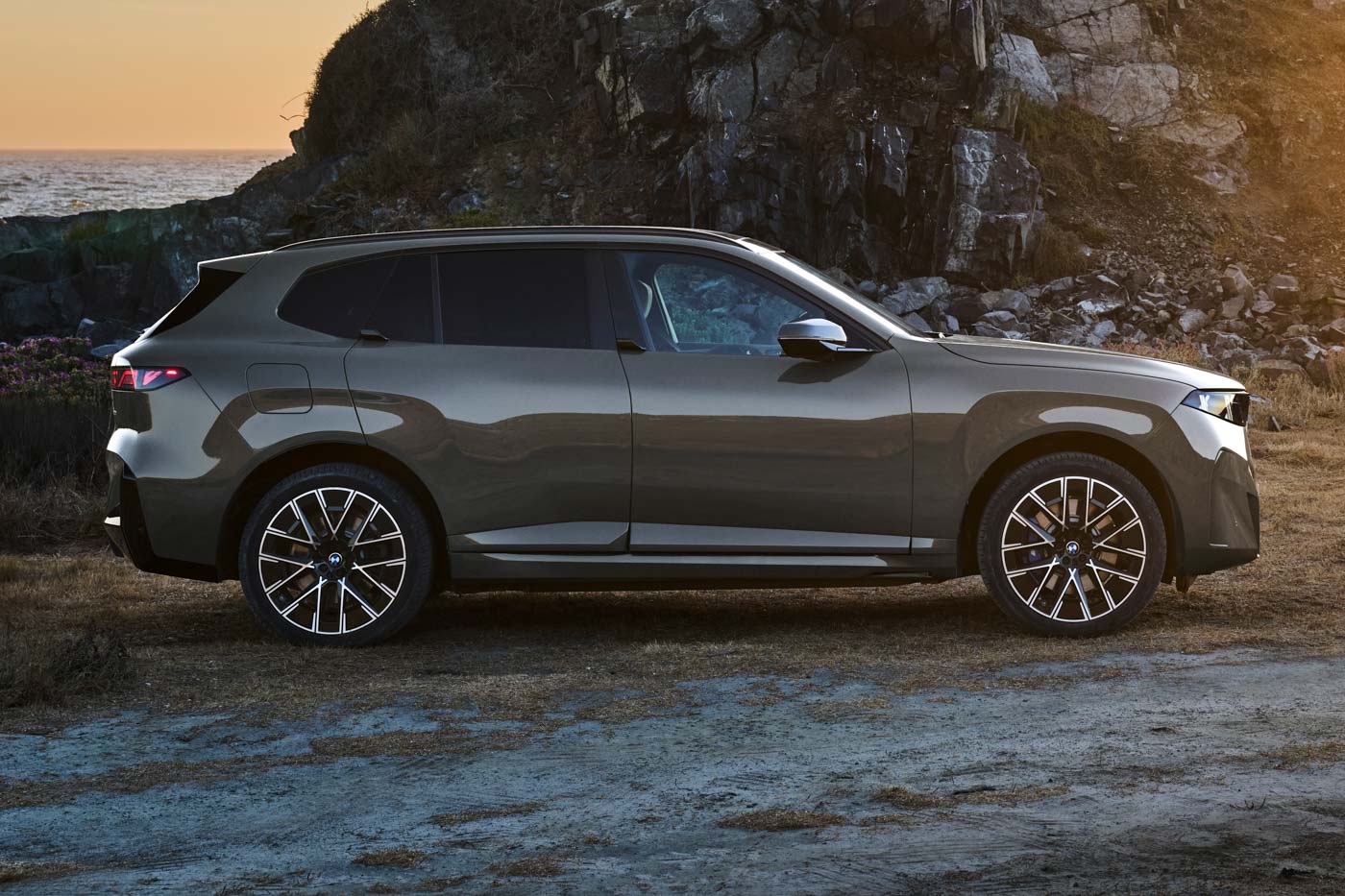
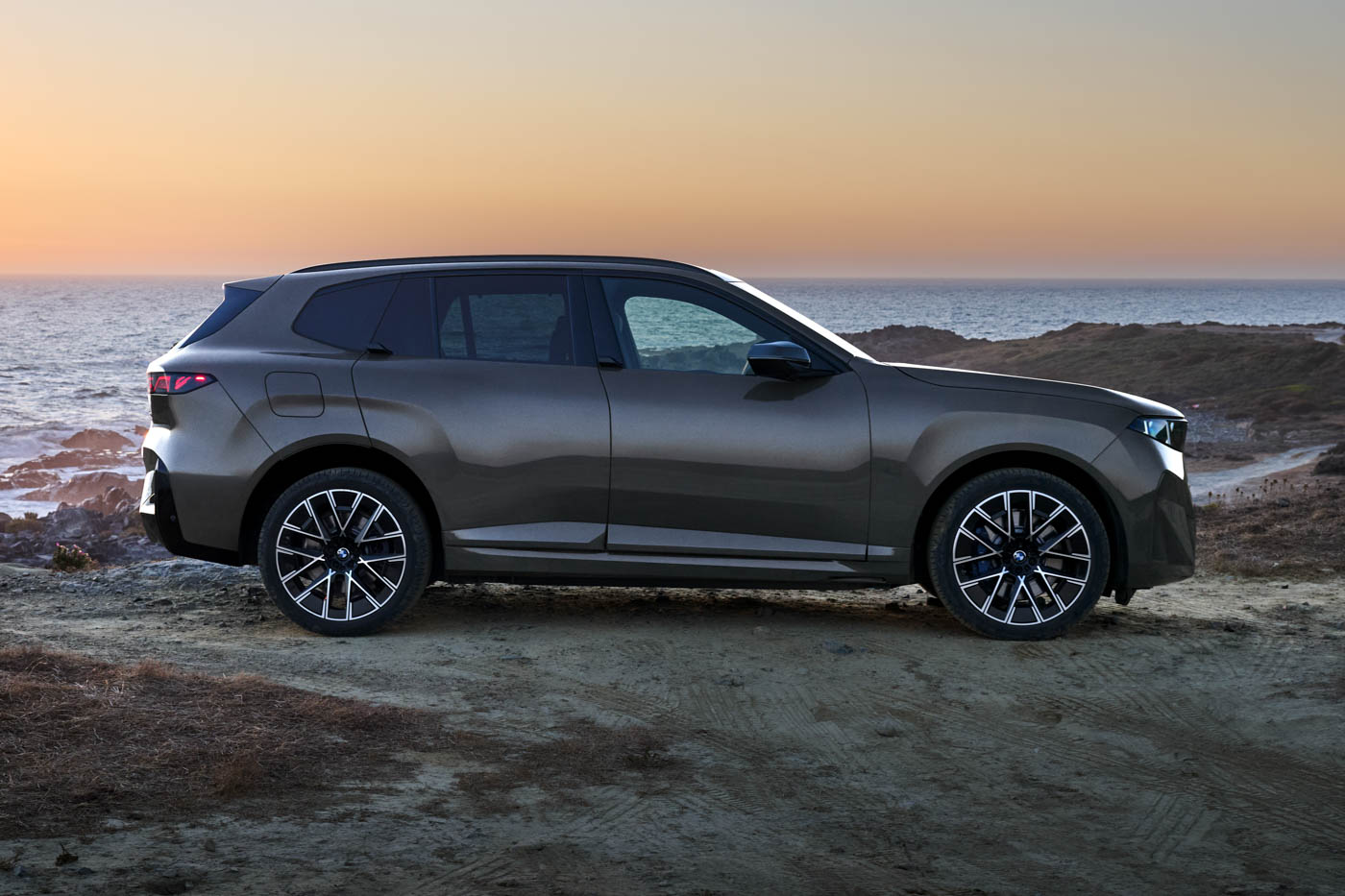
Size-wise, the new X5 measures in at 4,994mm long, a full 2,000mm wide, and 1,742mm tall, riding on a 3,035mm wheelbase. Compared to its predecessor, that makes it 4mm narrower, 23mm lower, but 59mm longer — with most of that extra length going straight into the wheelbase.
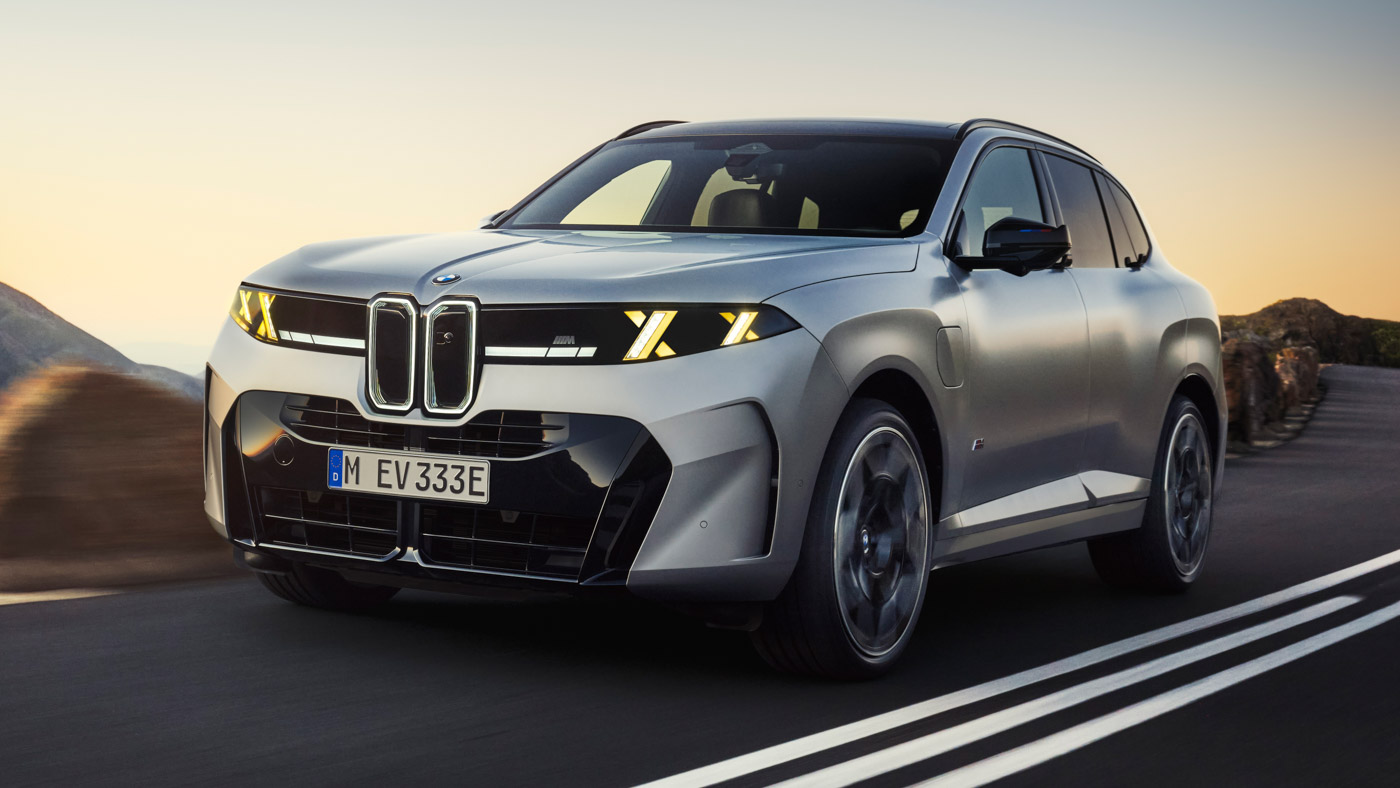
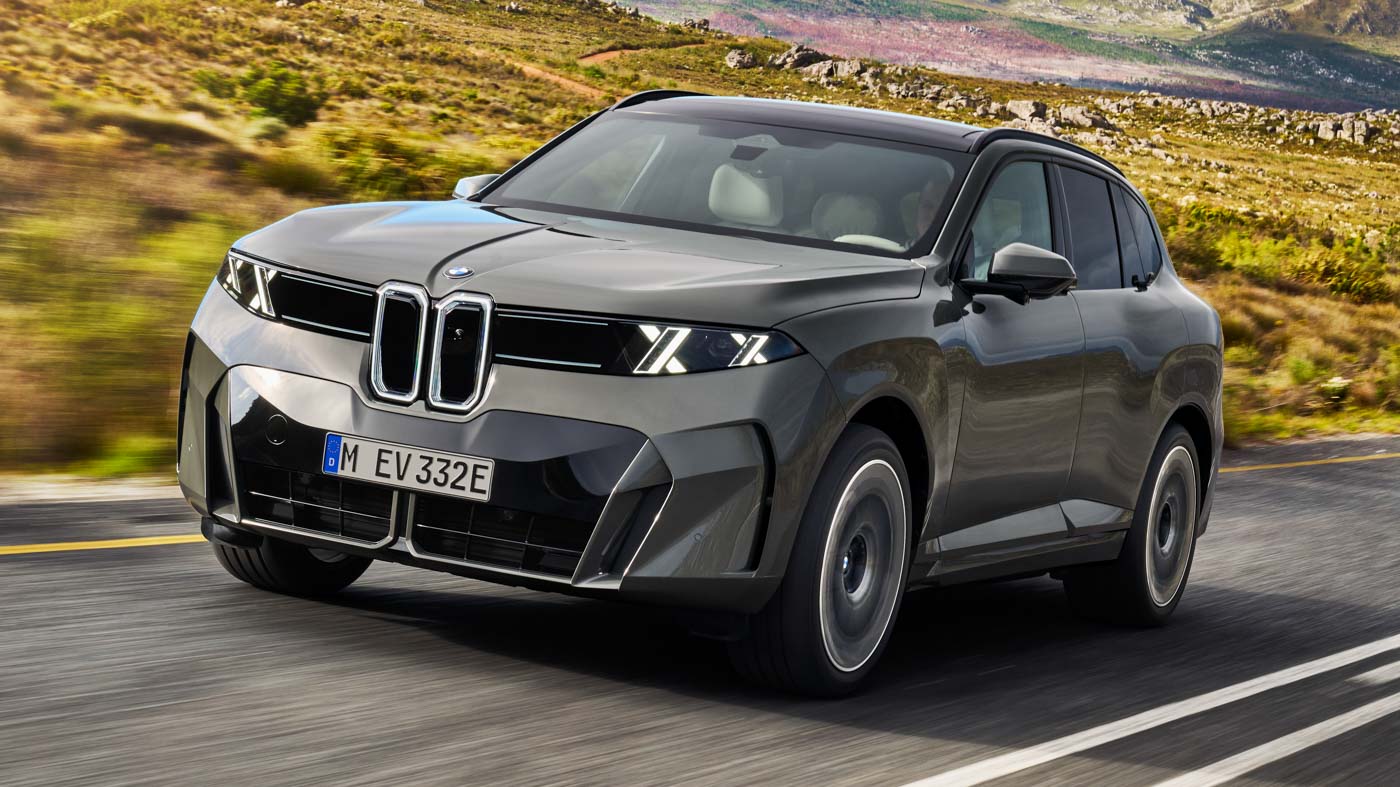
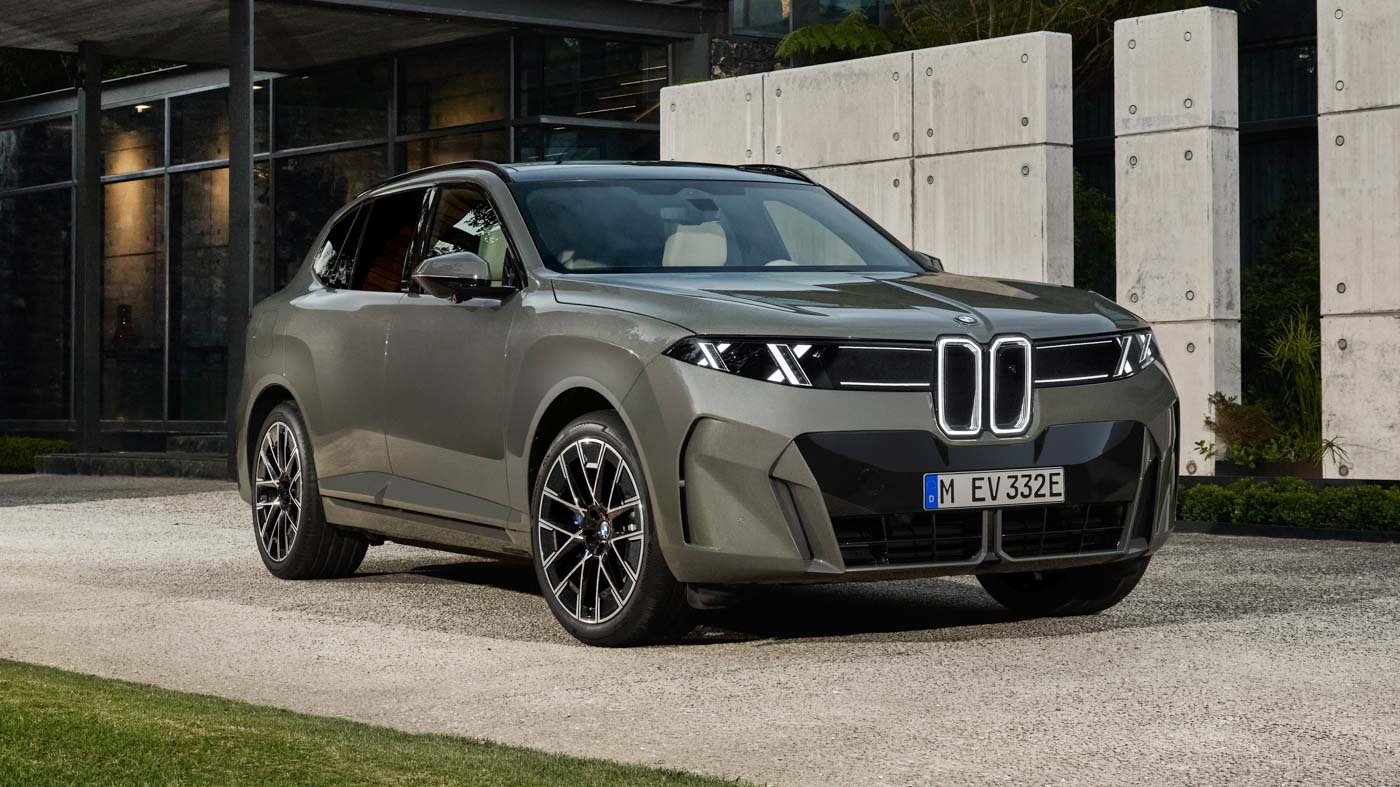
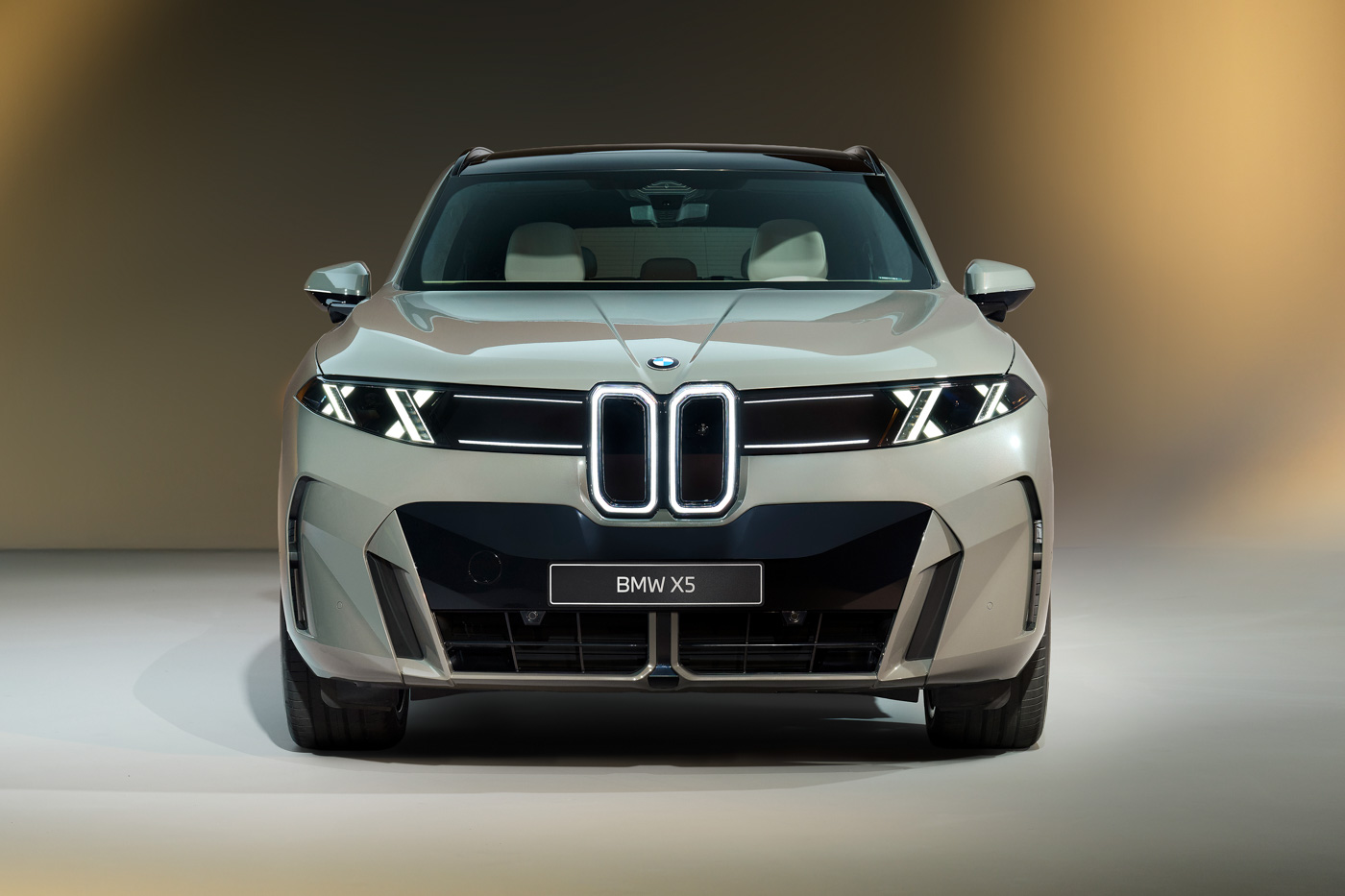
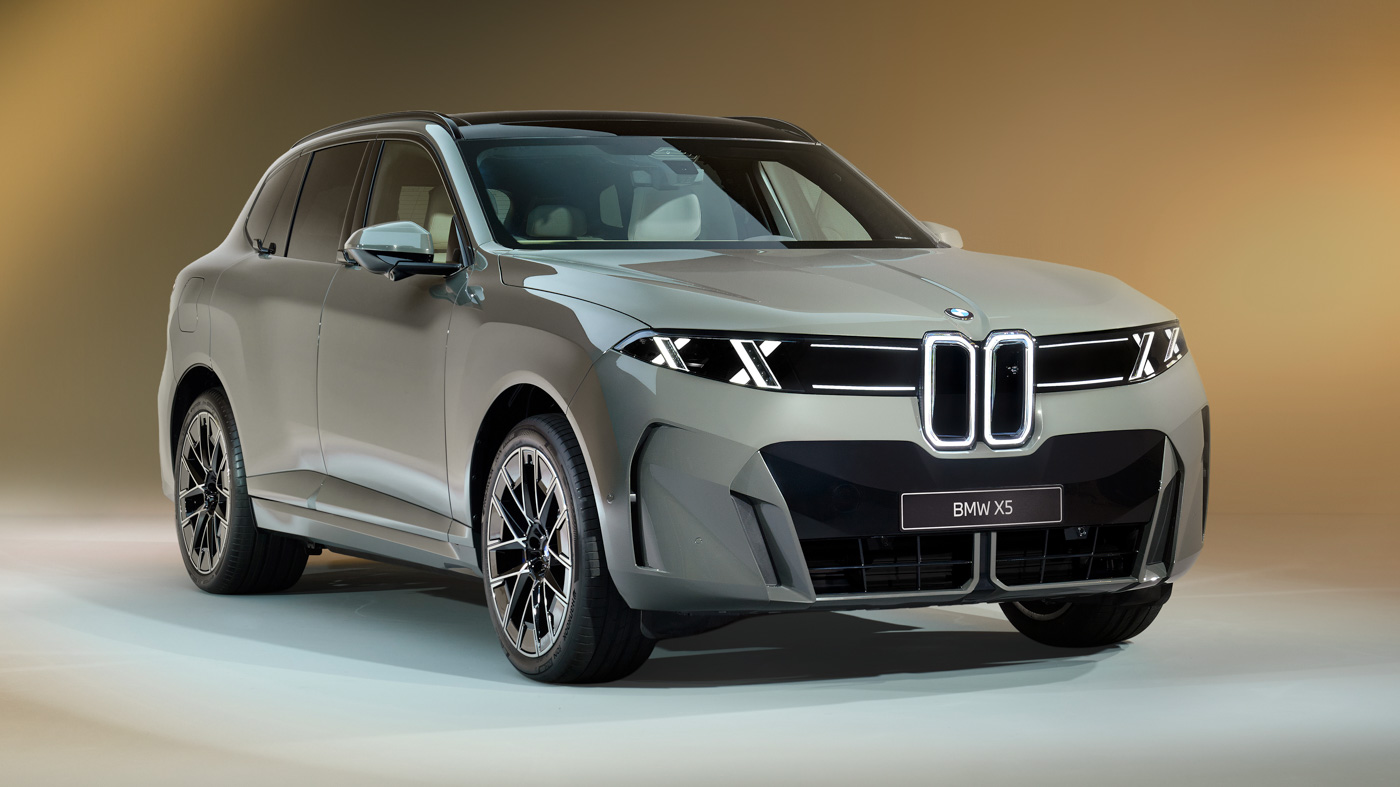
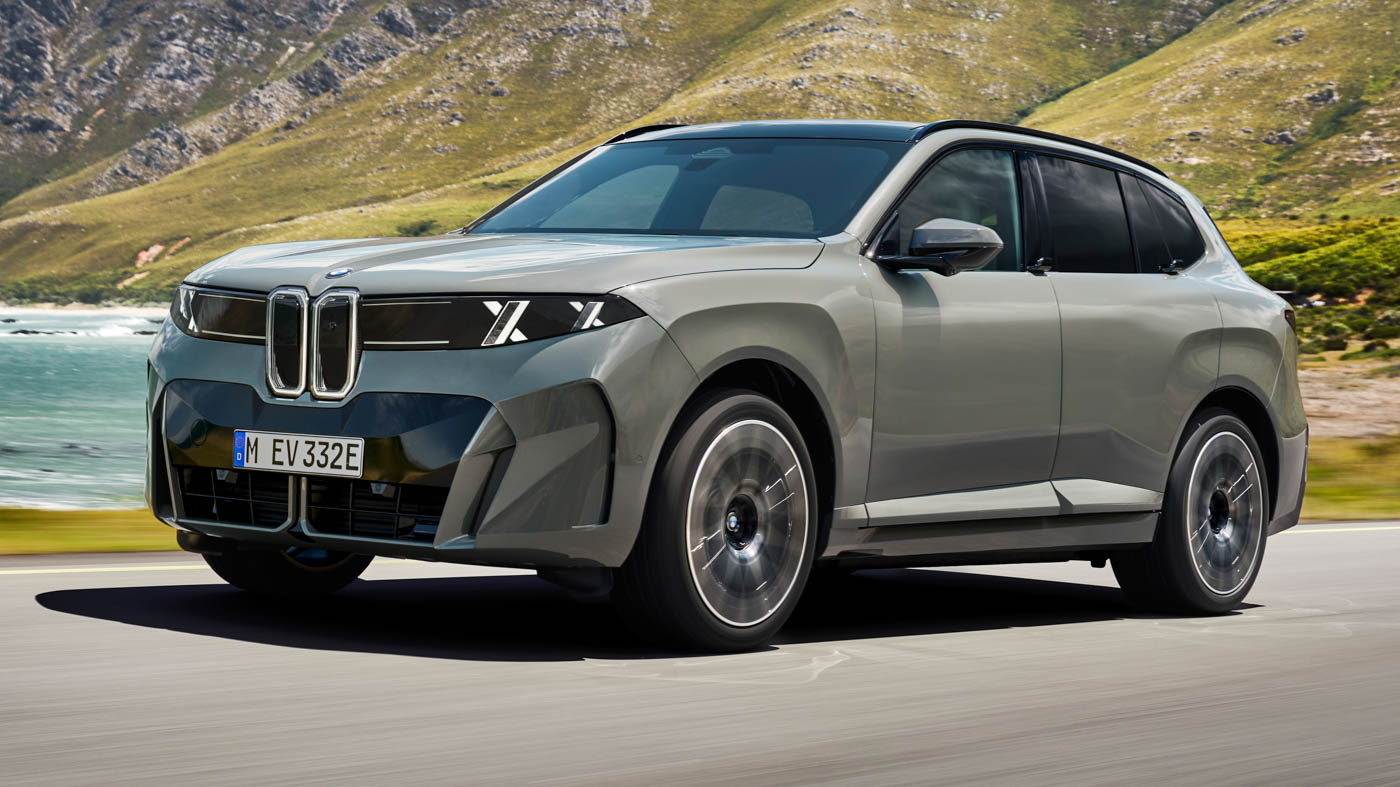
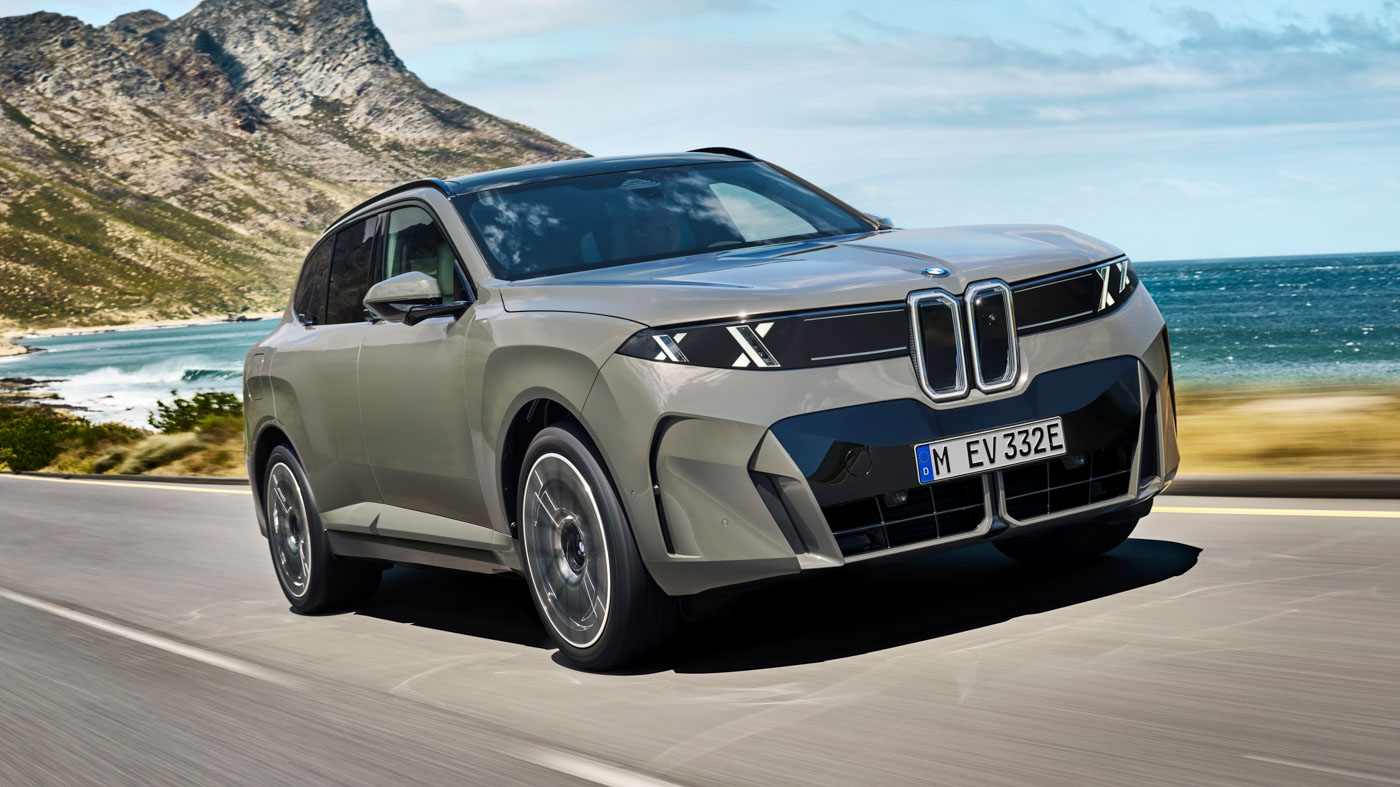
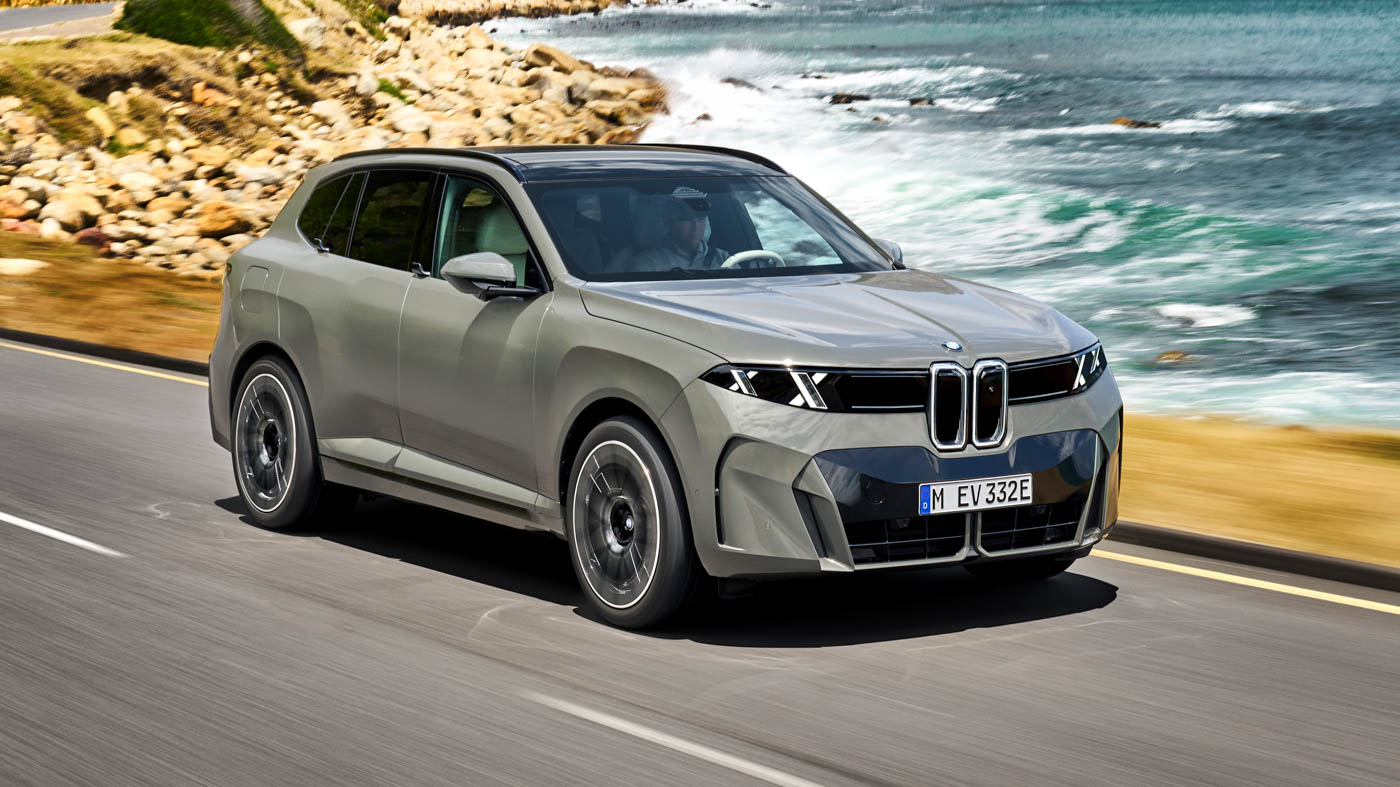
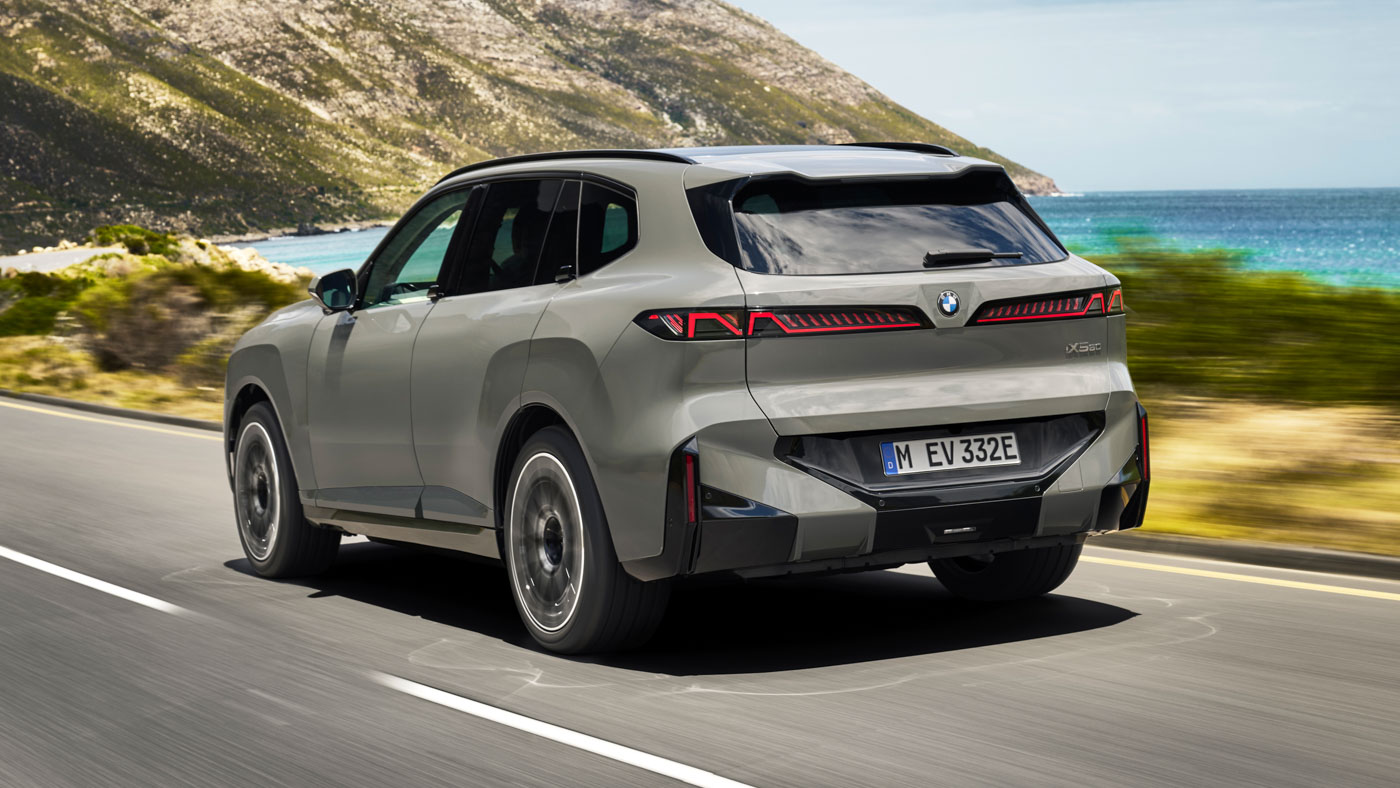
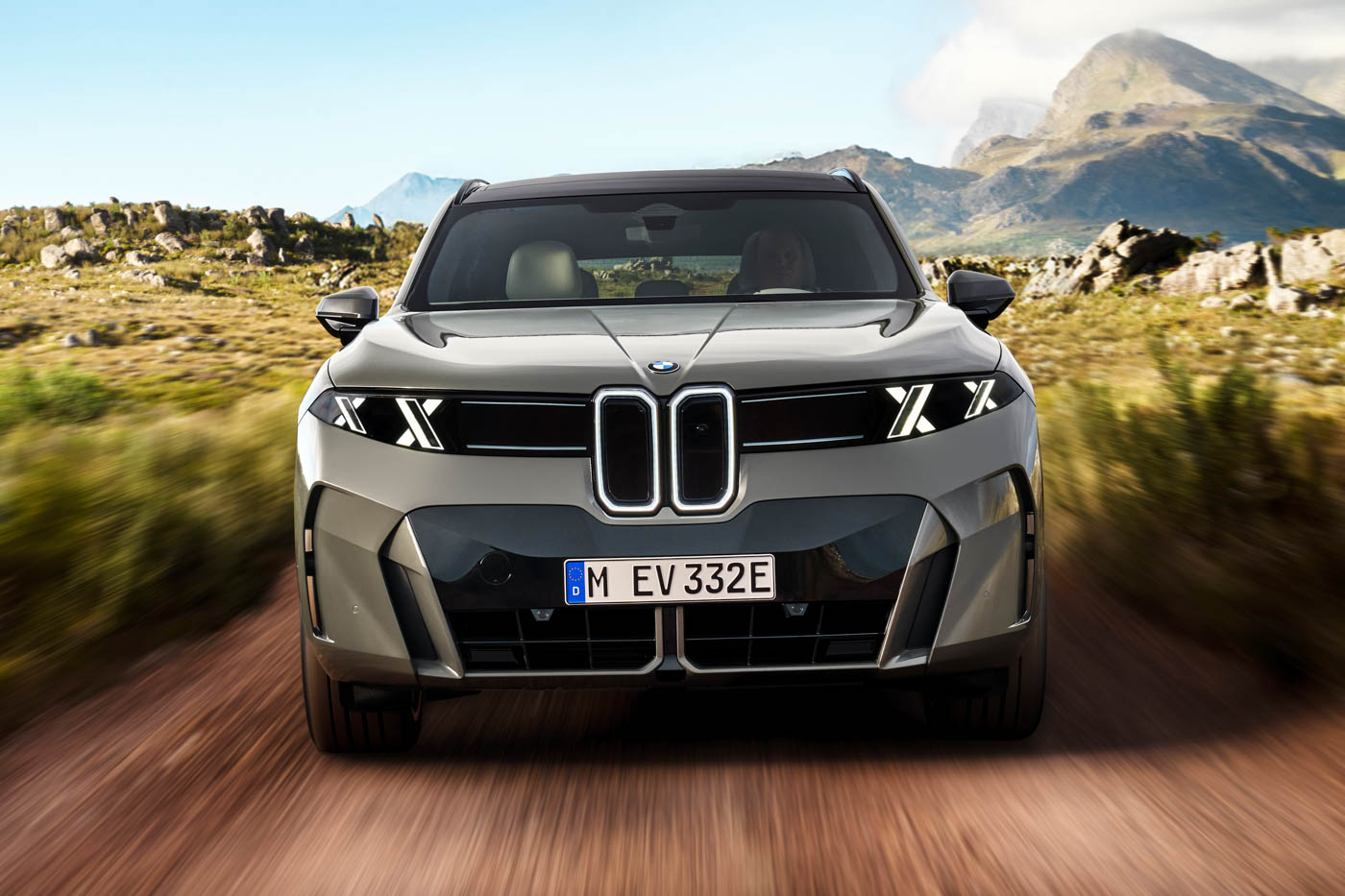
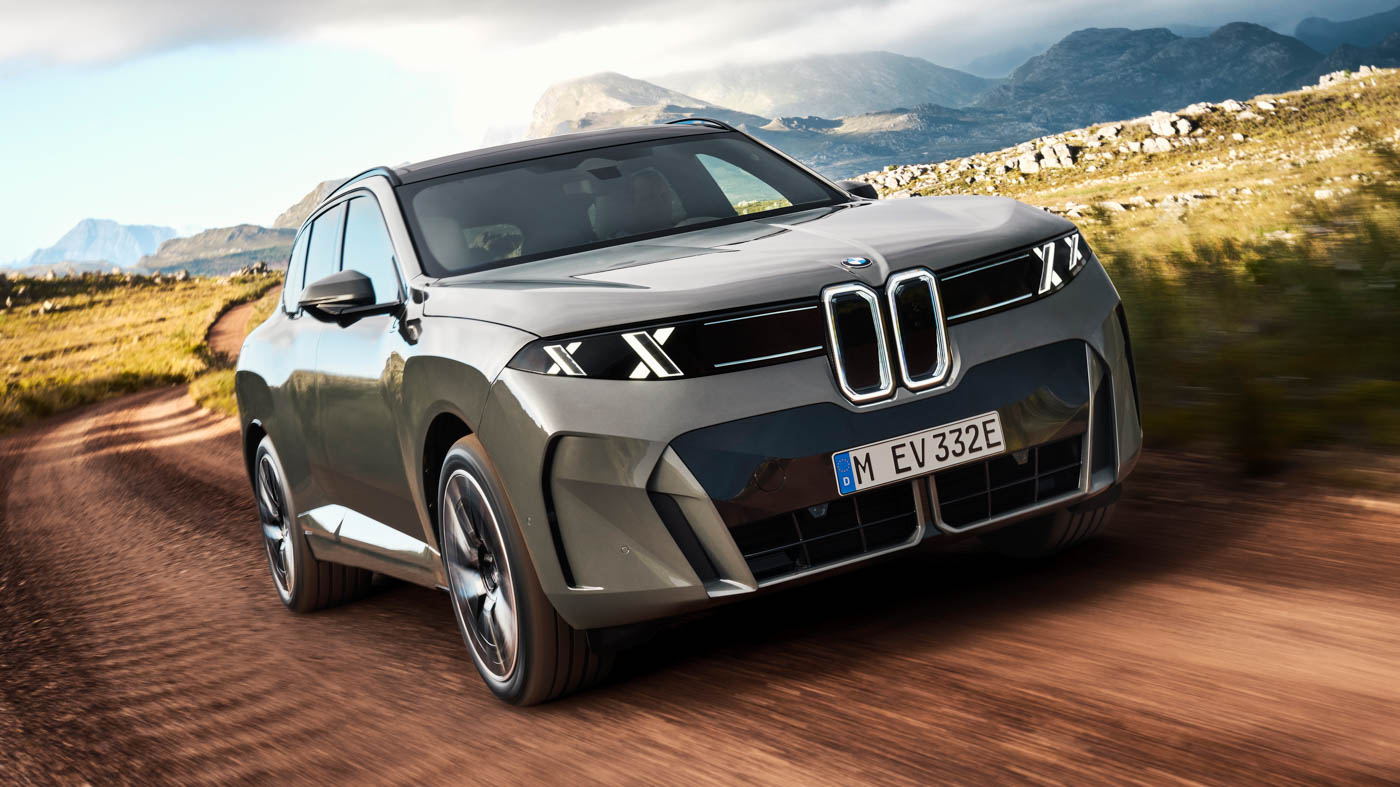
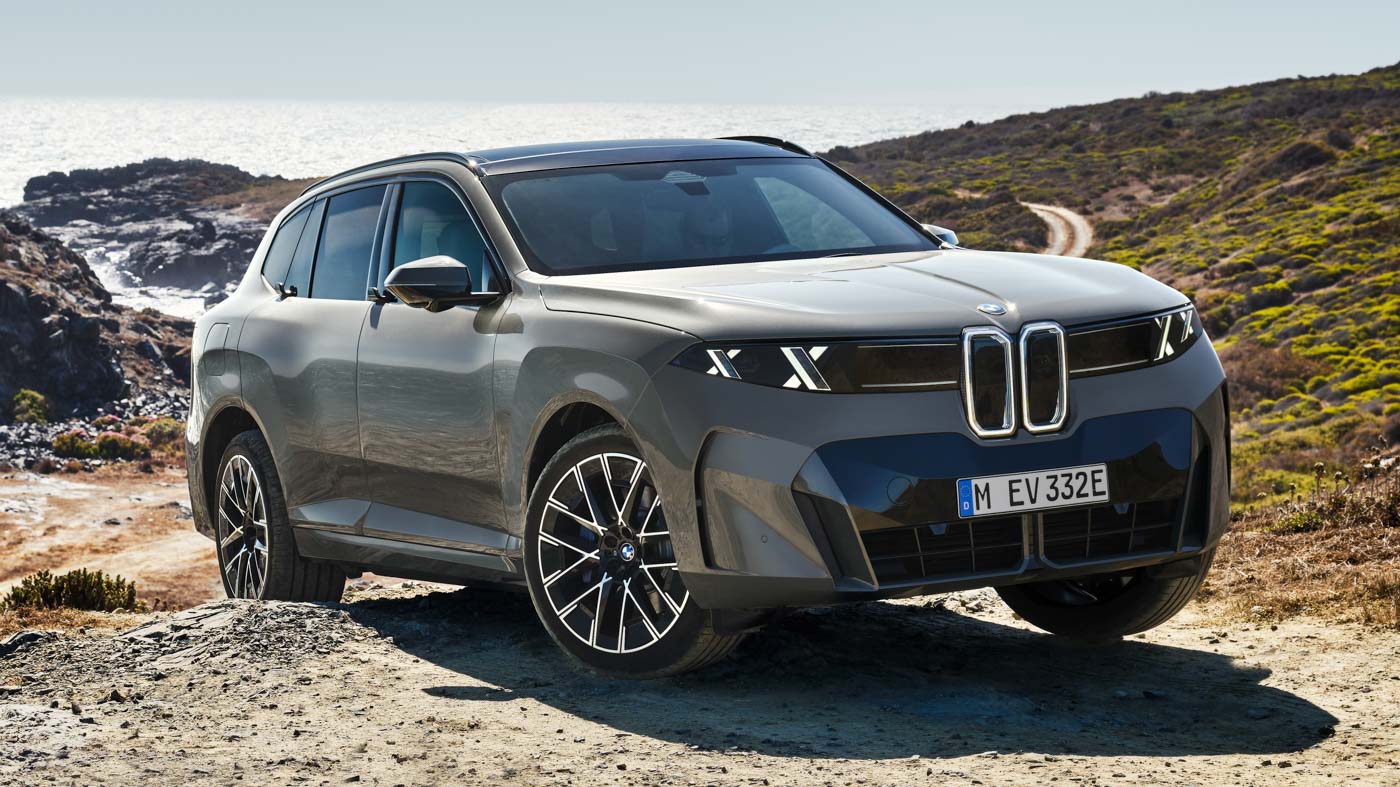
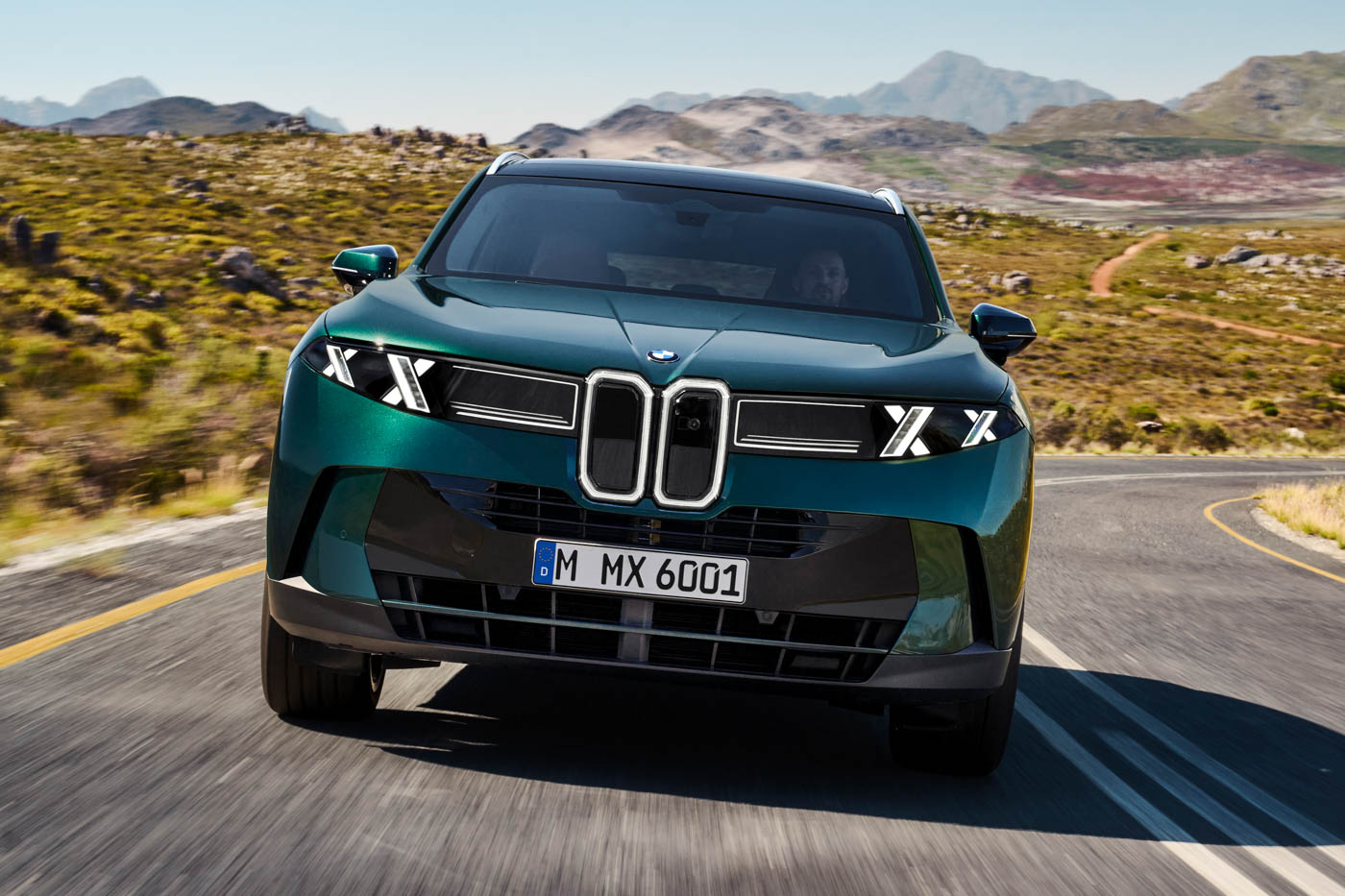
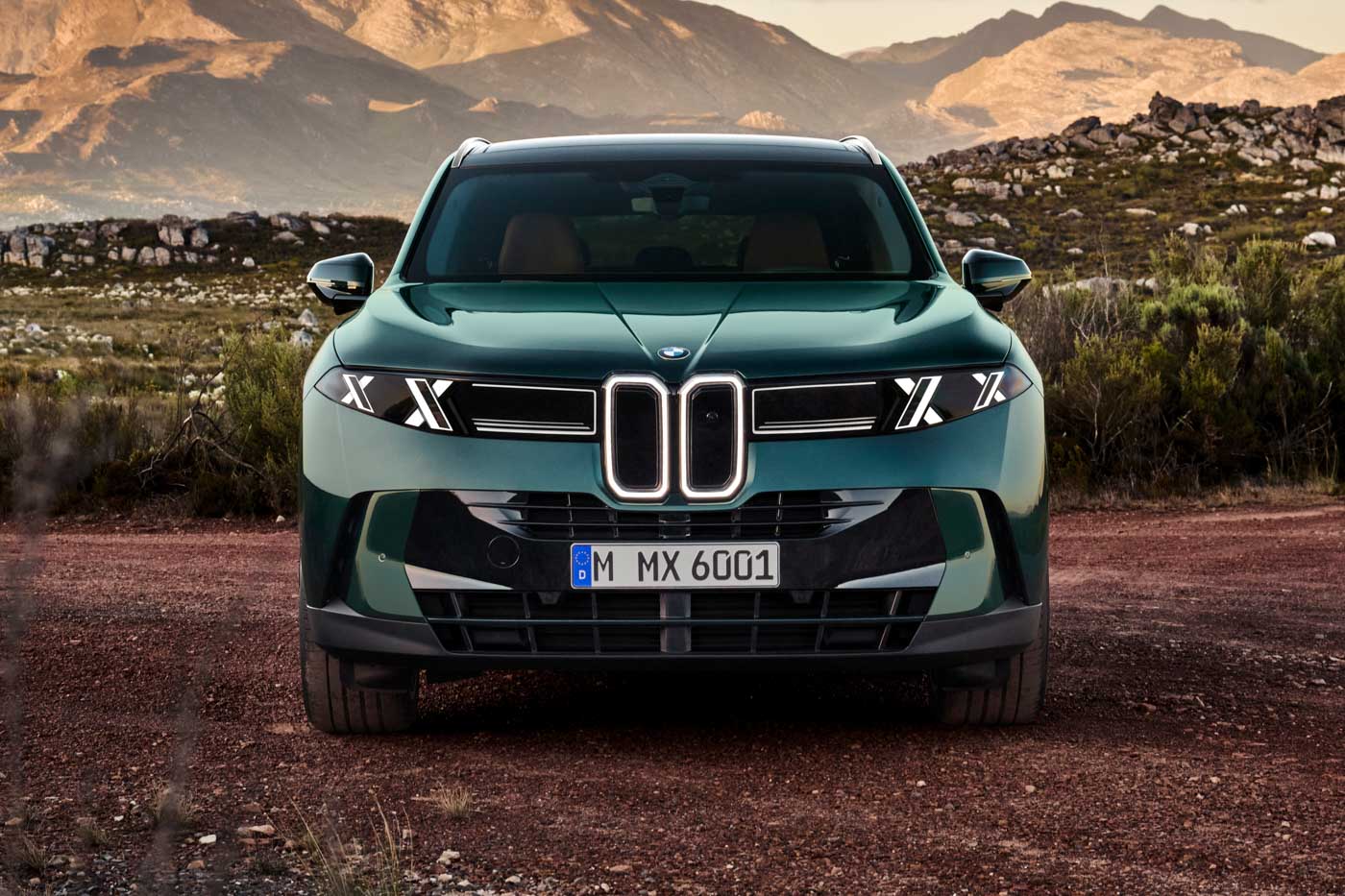
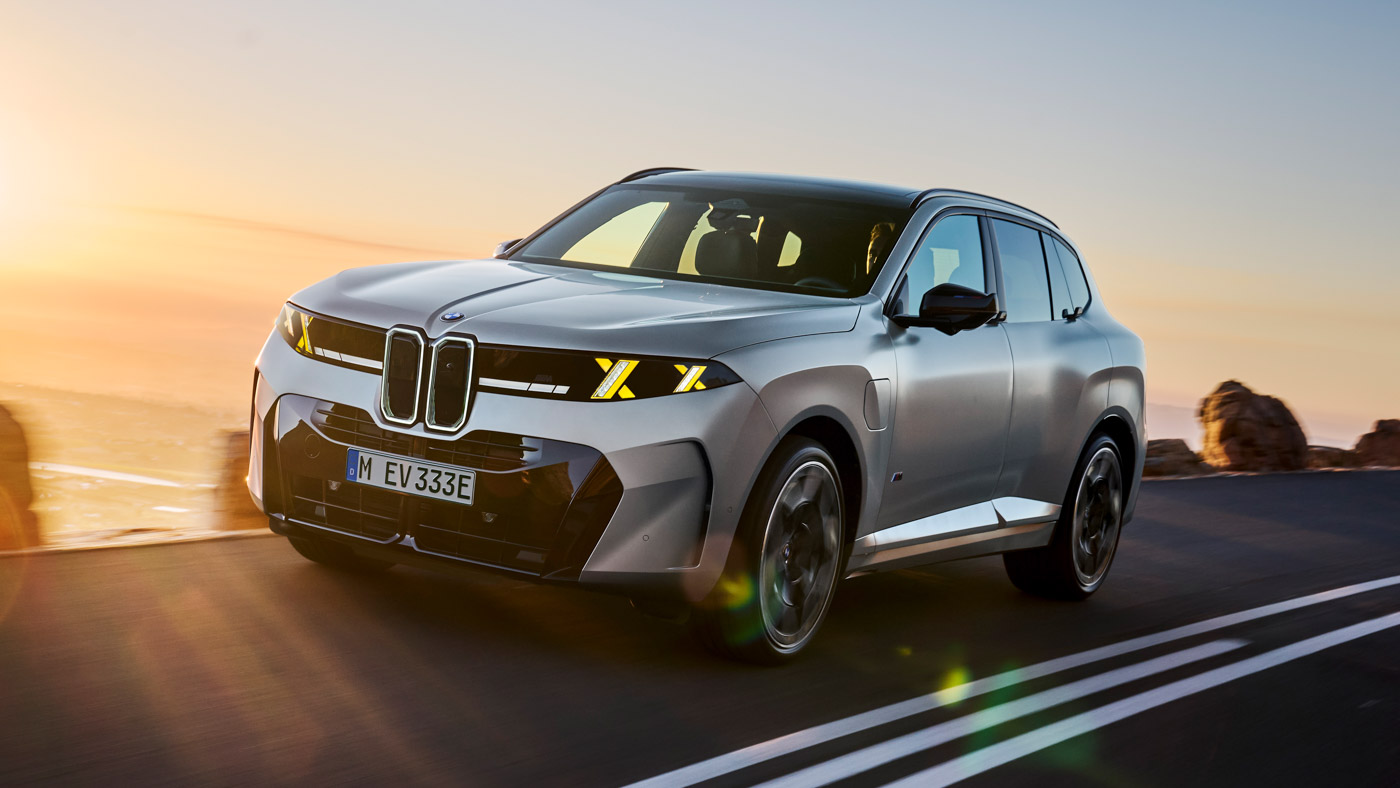
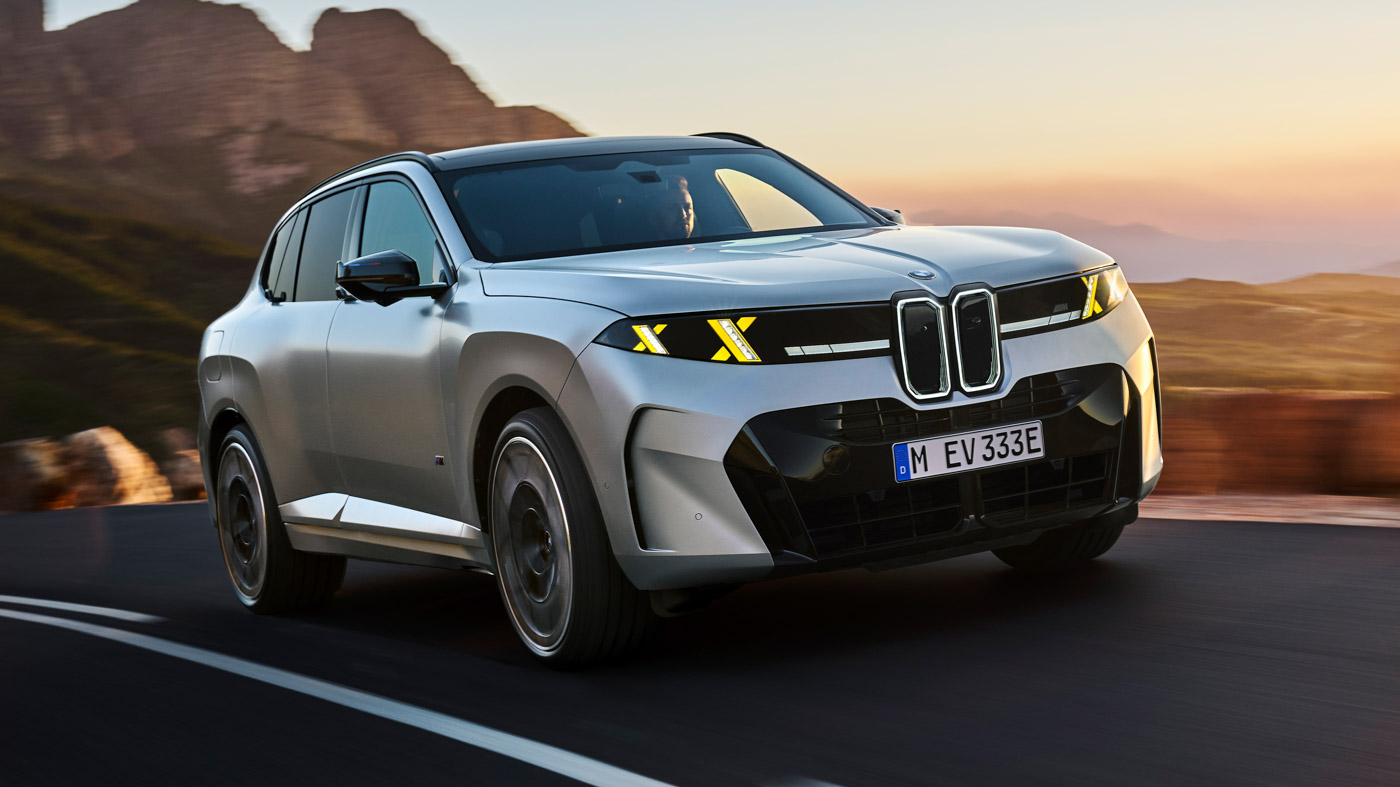
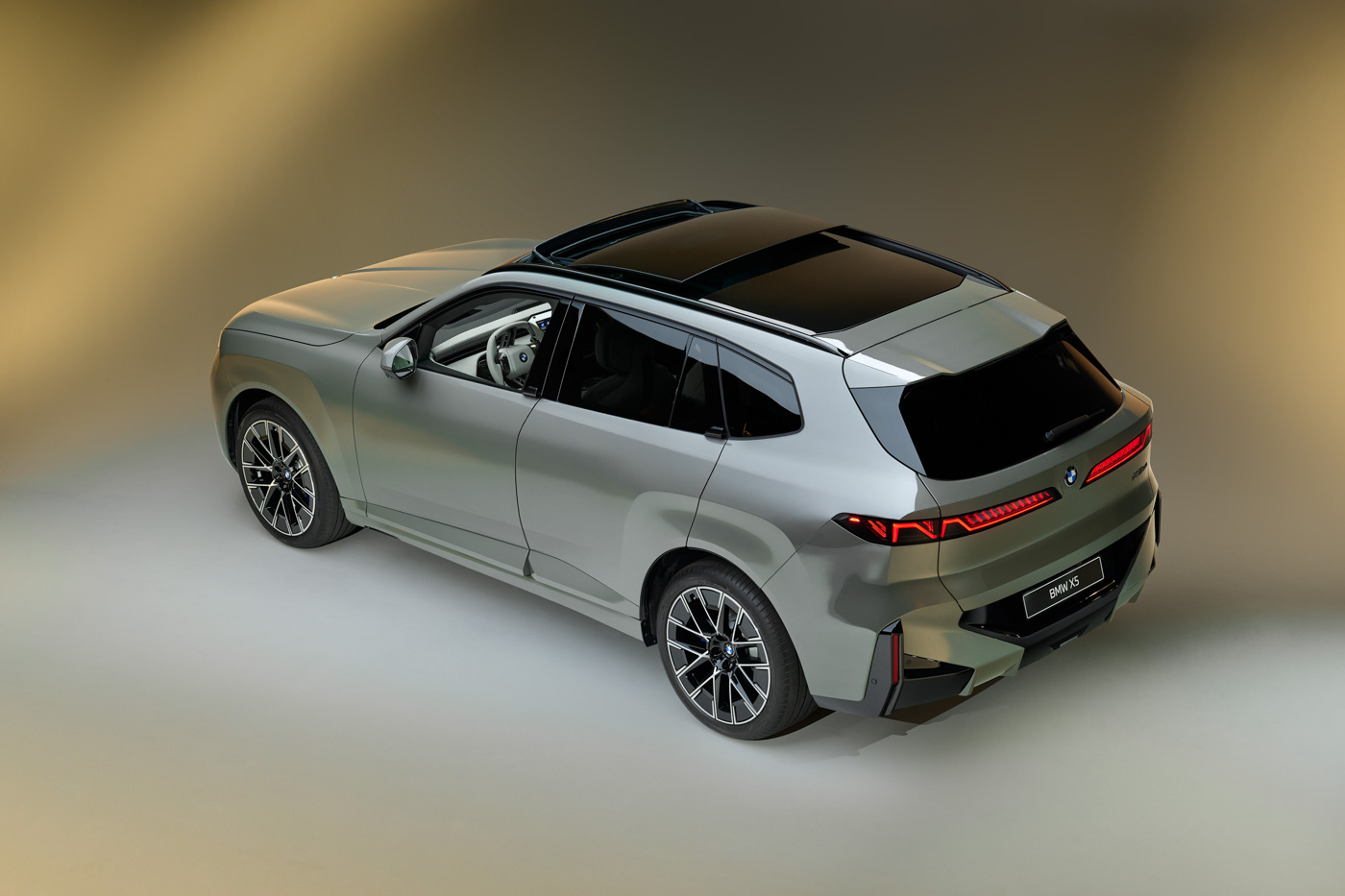
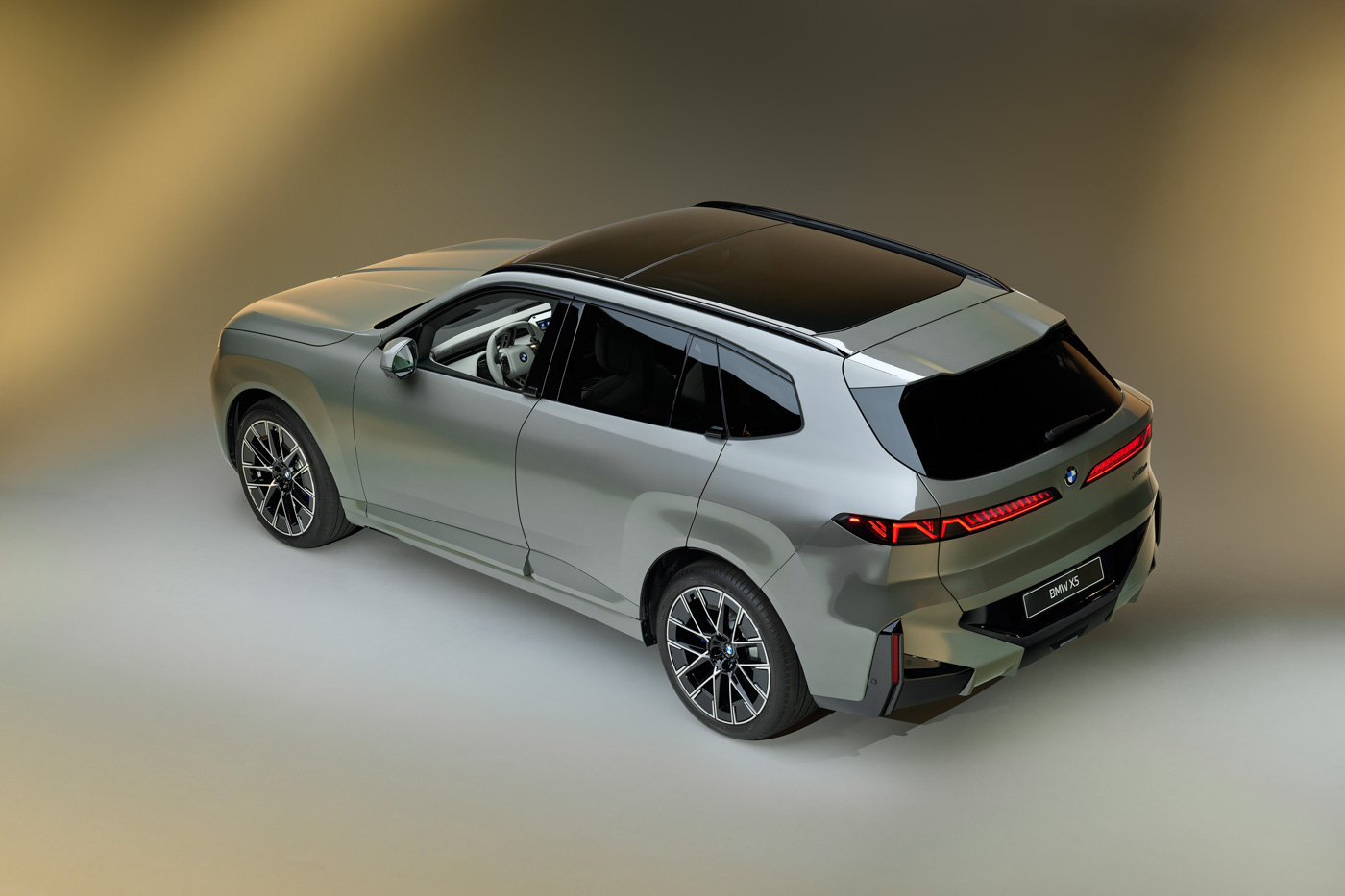
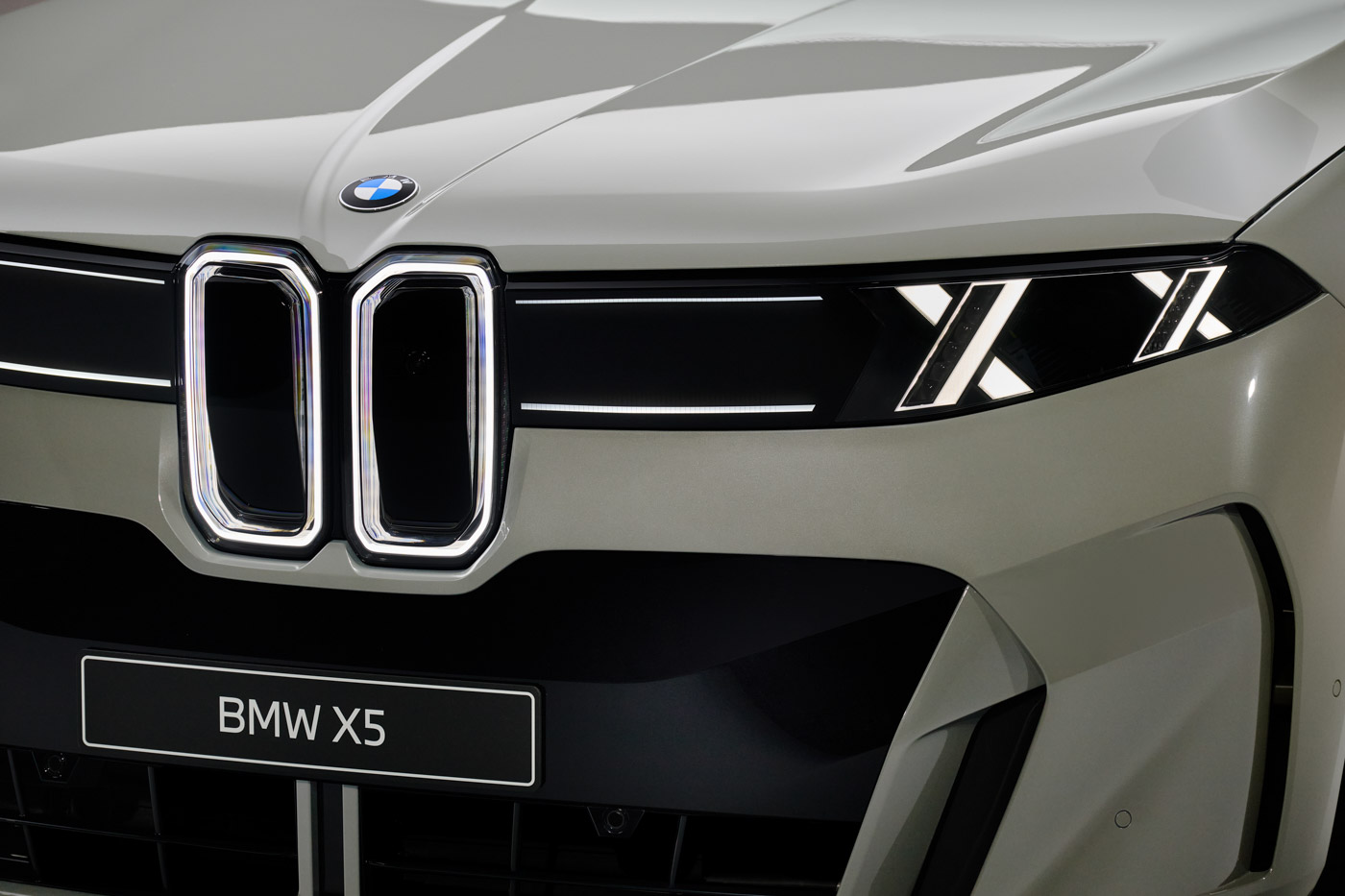
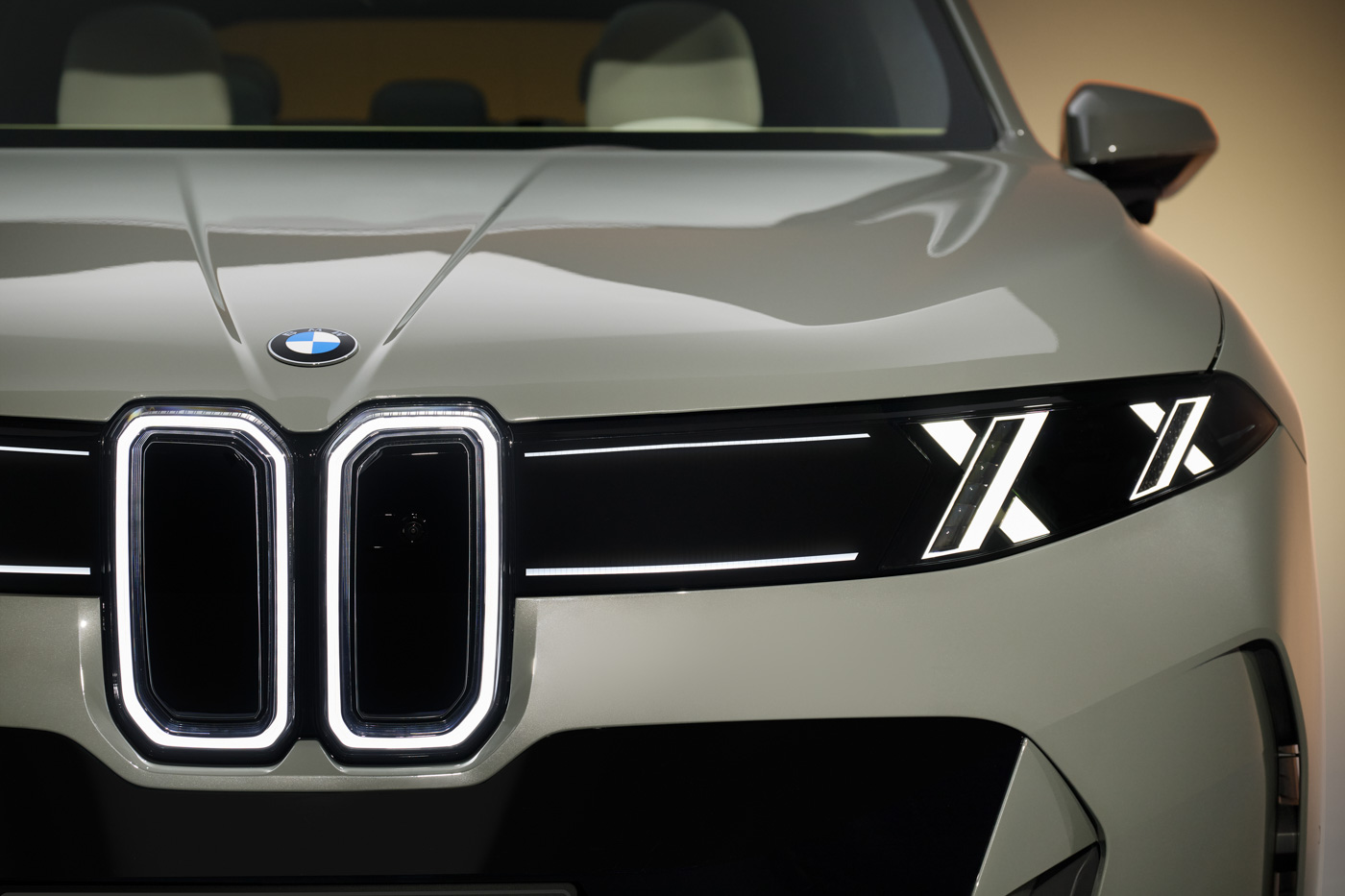
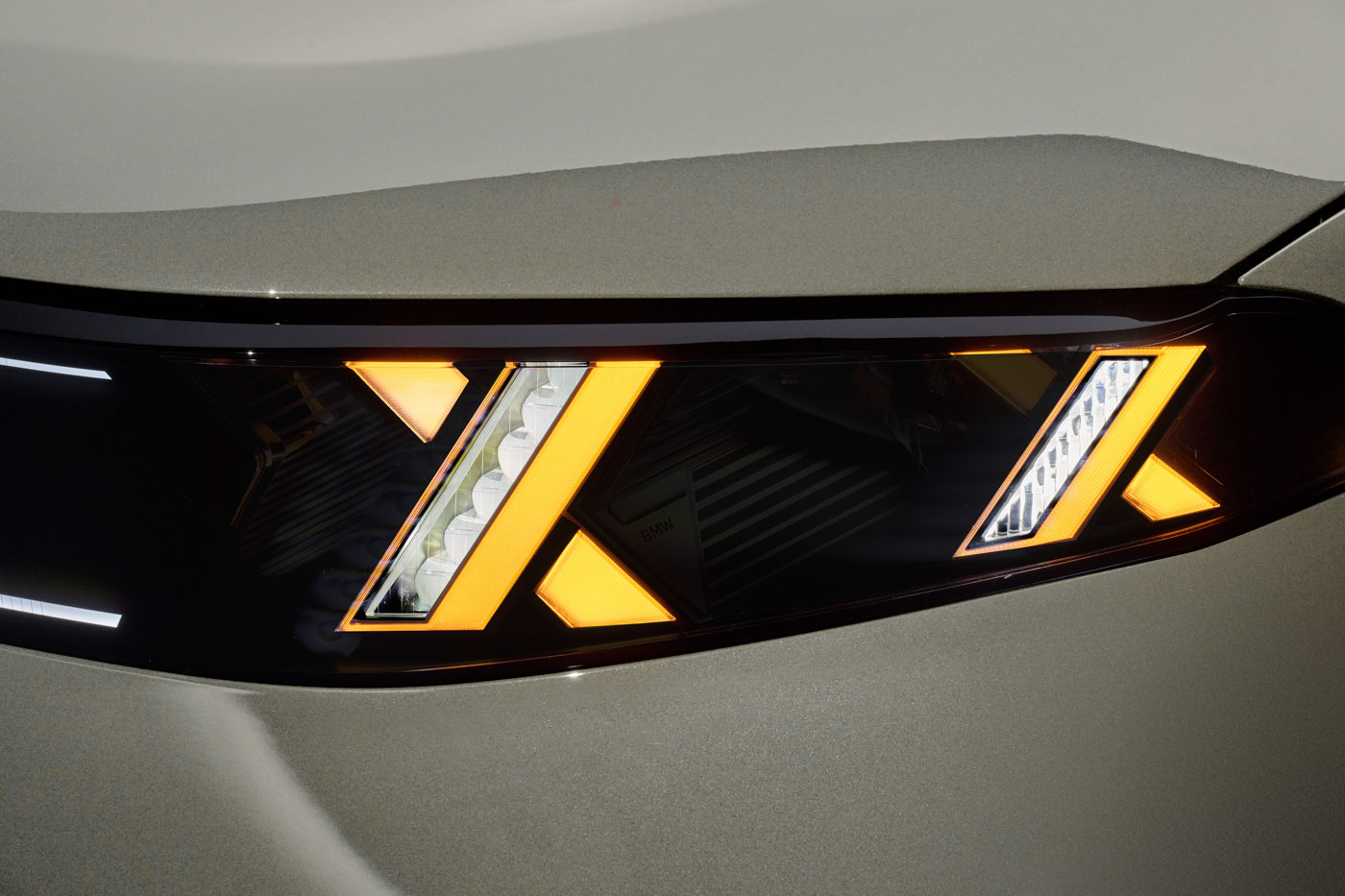
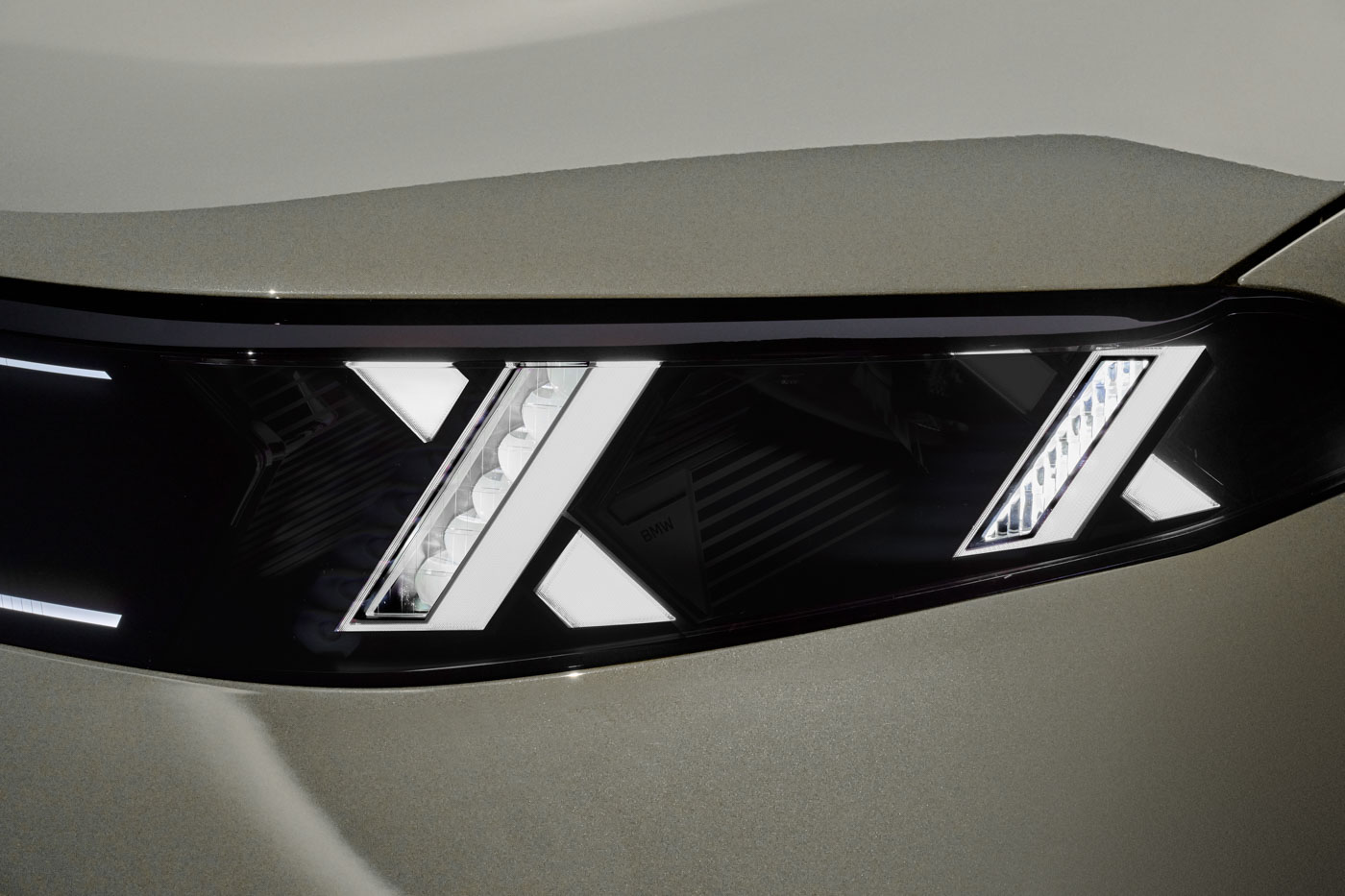
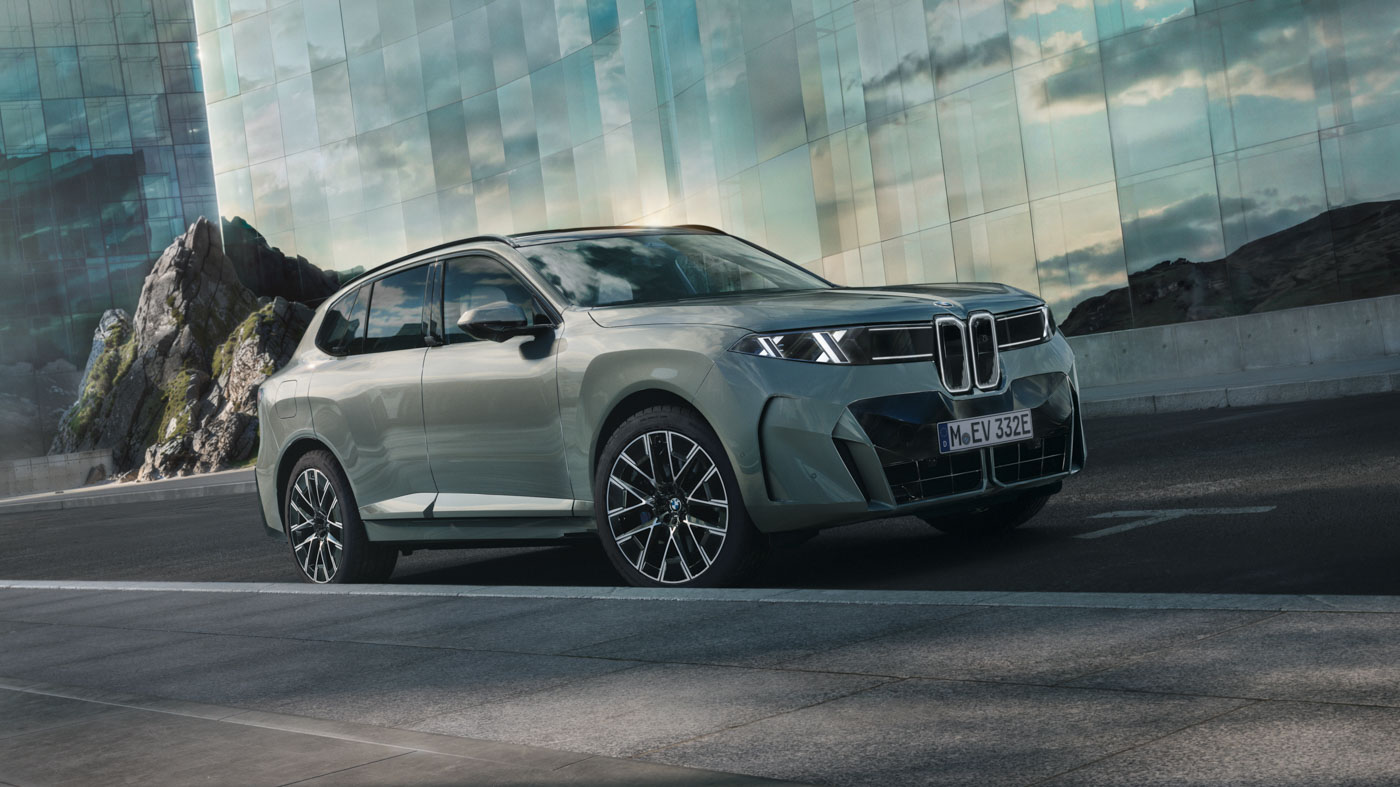
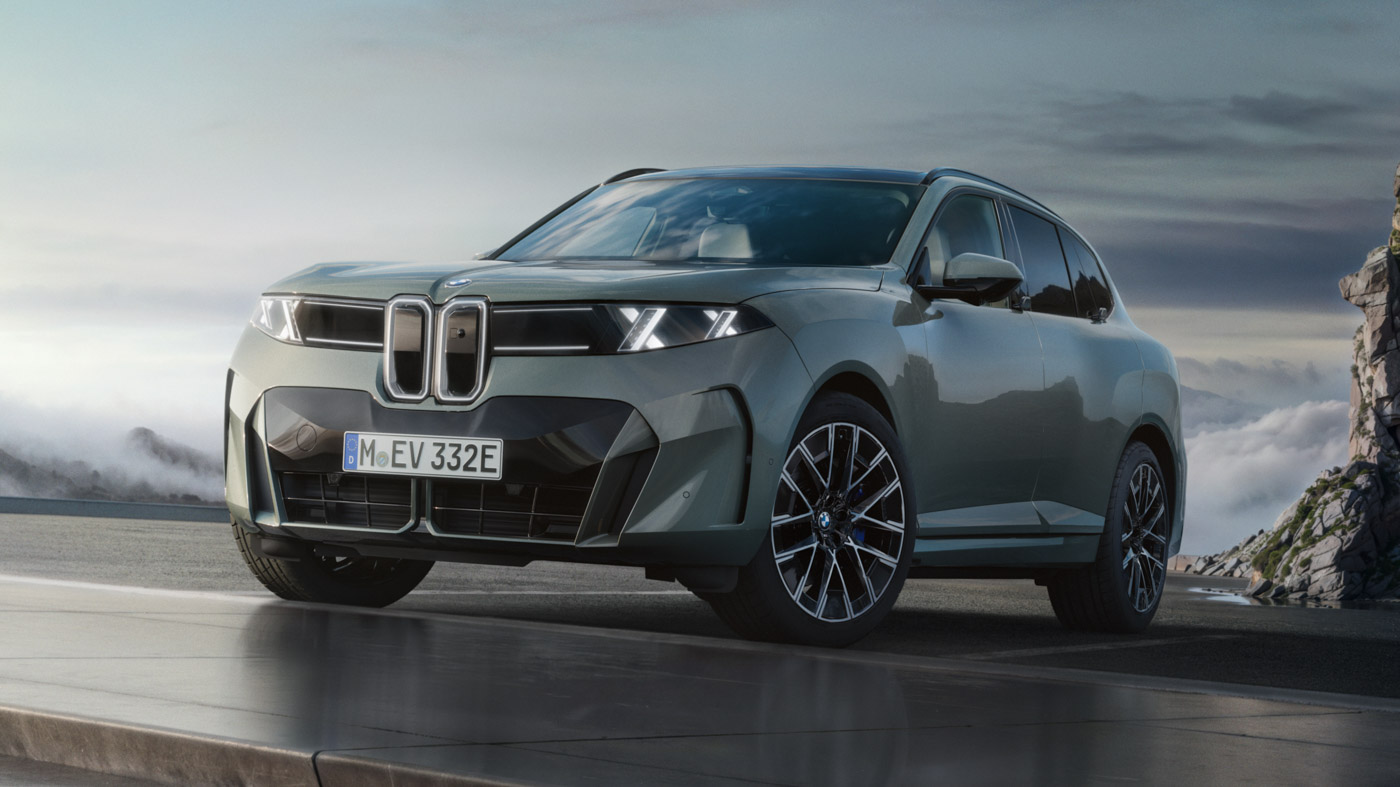
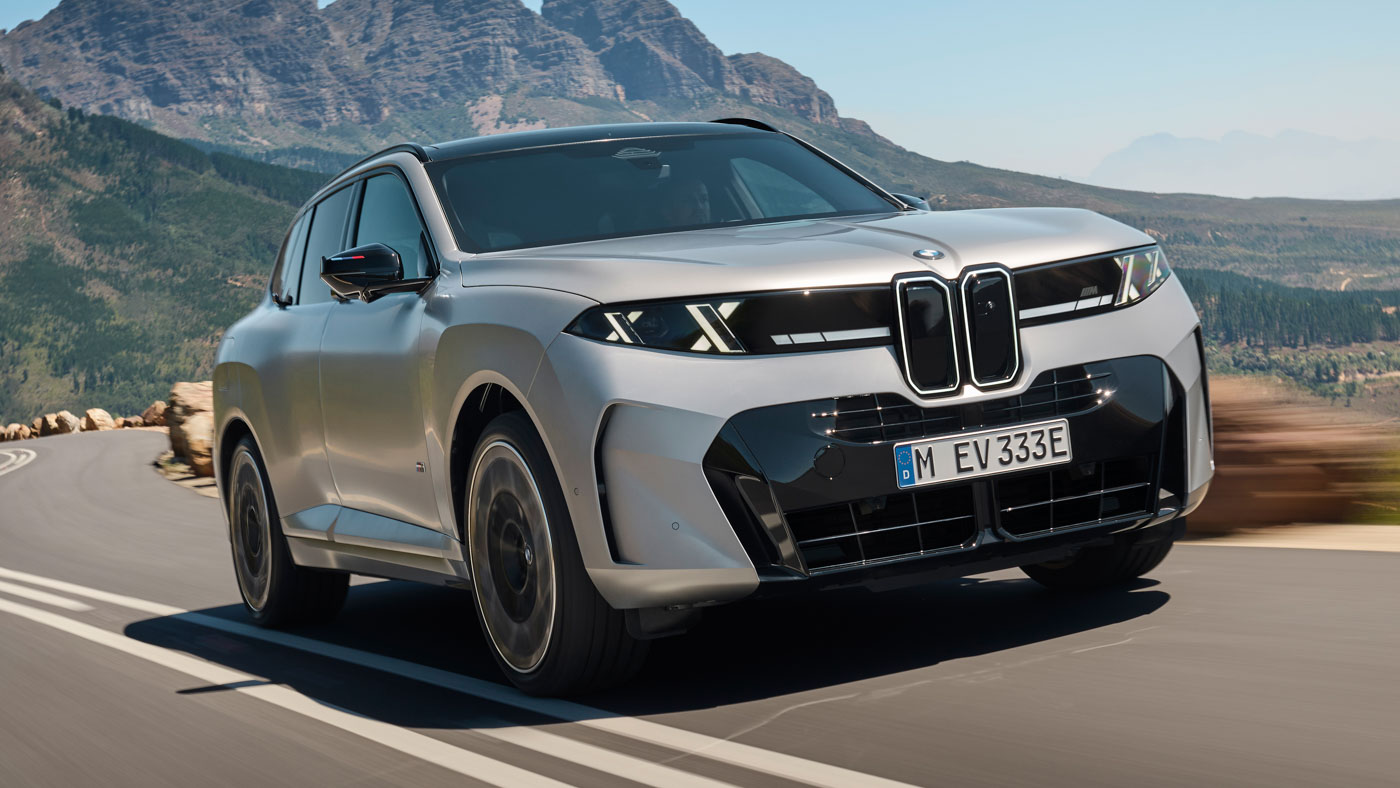
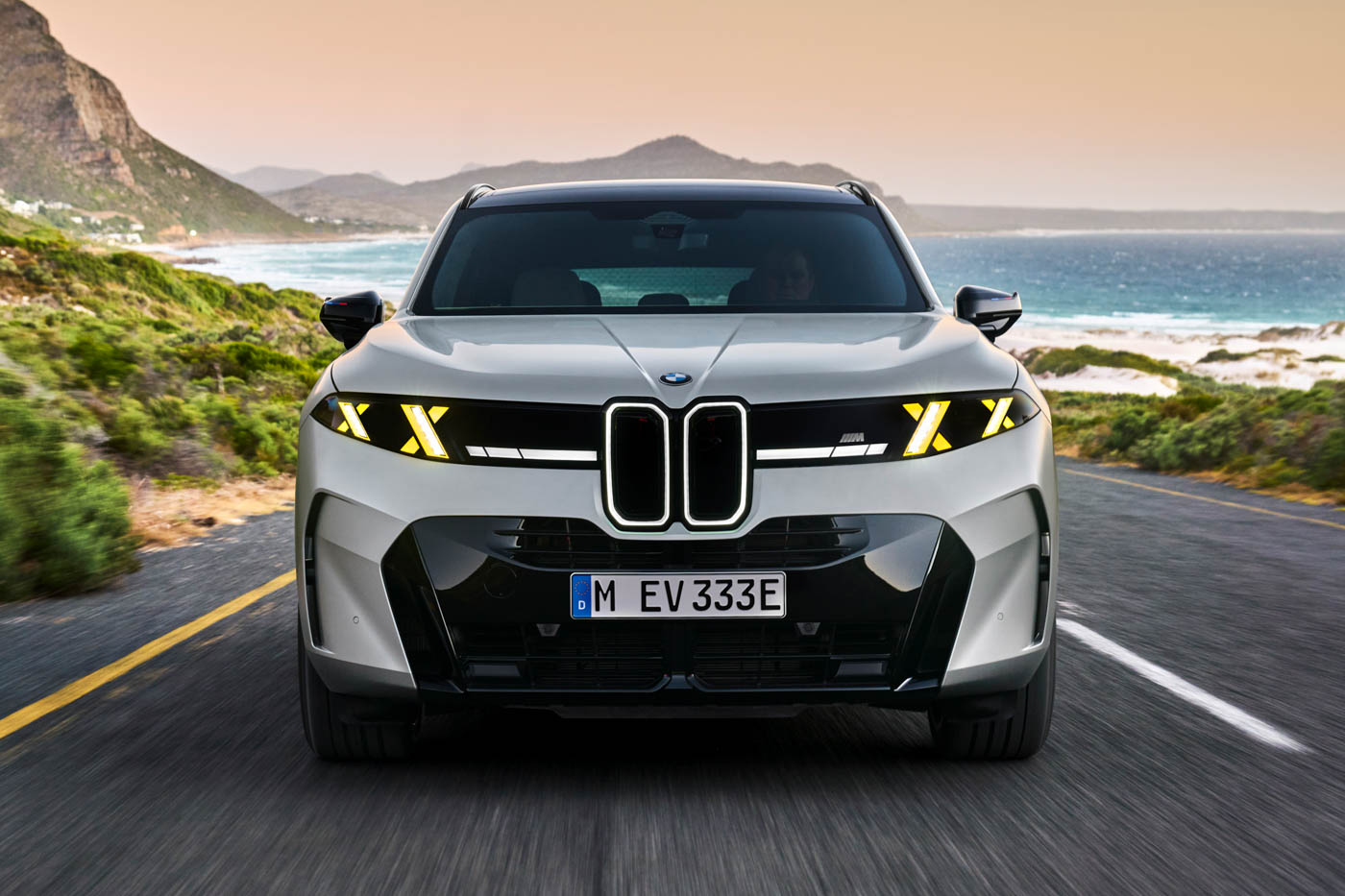
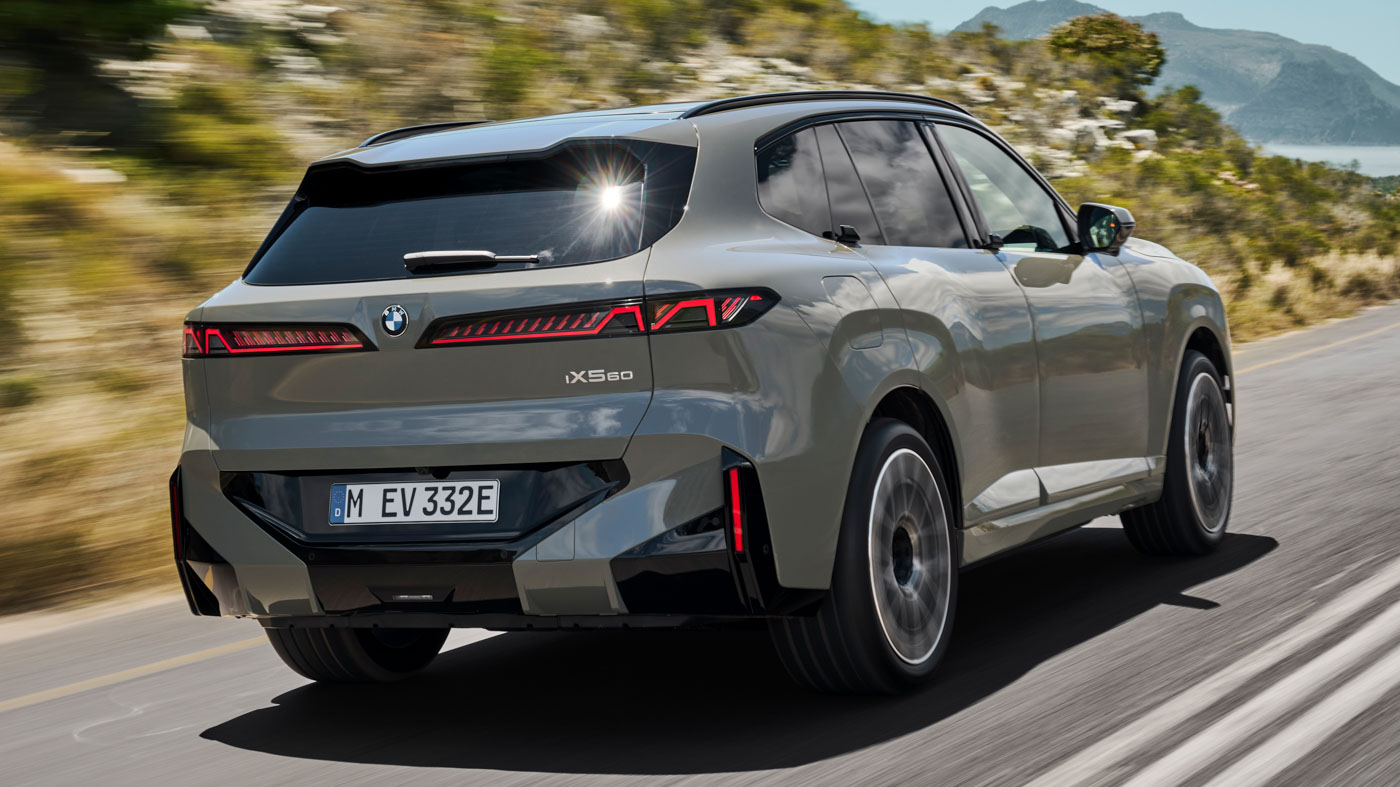
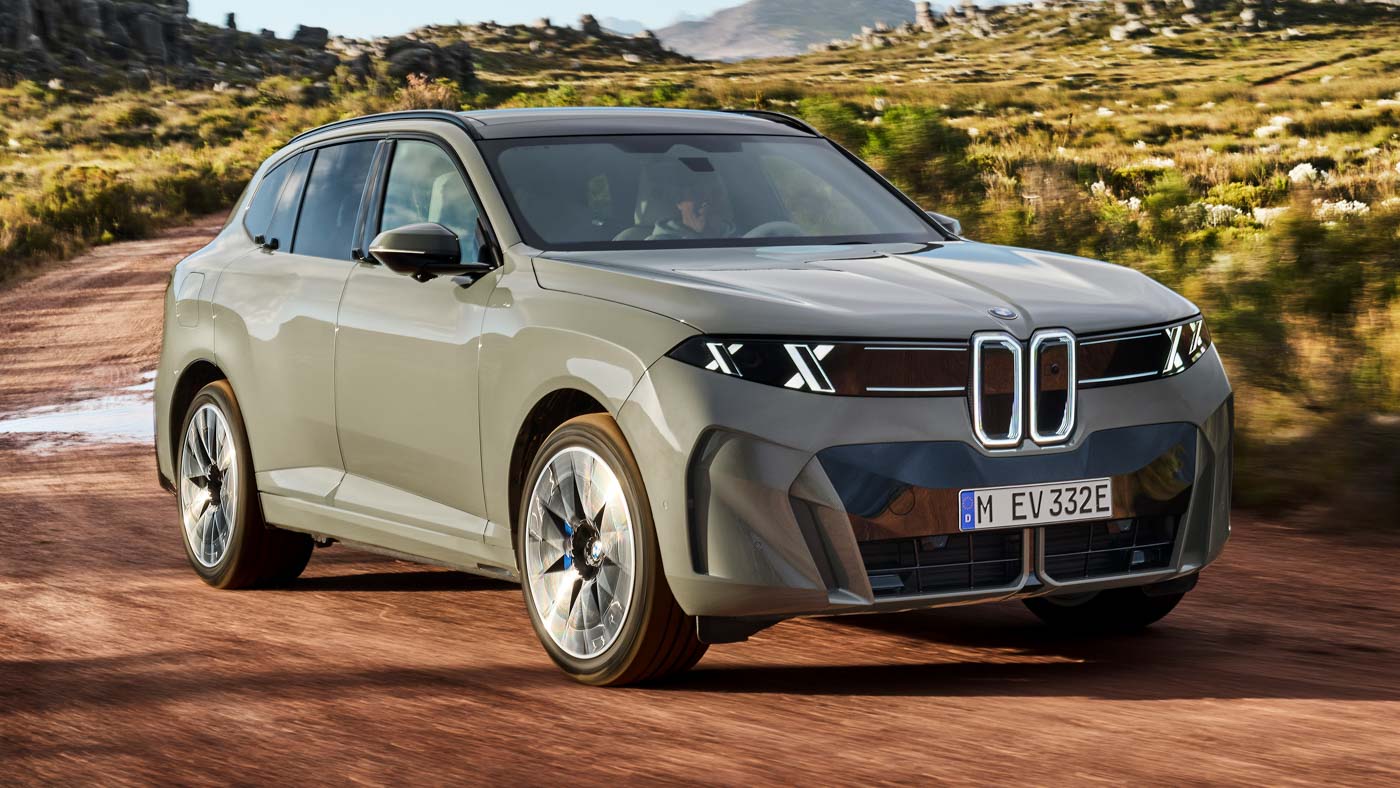
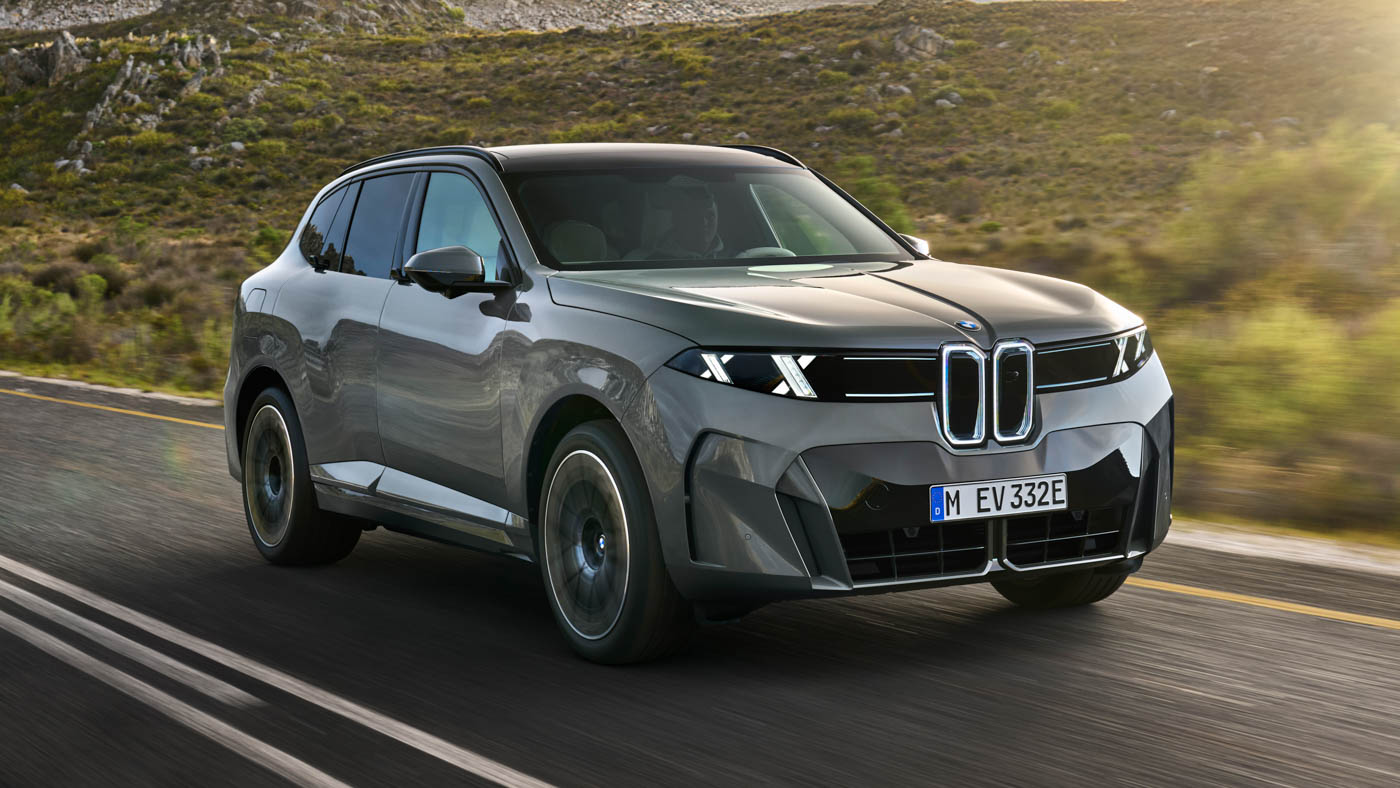
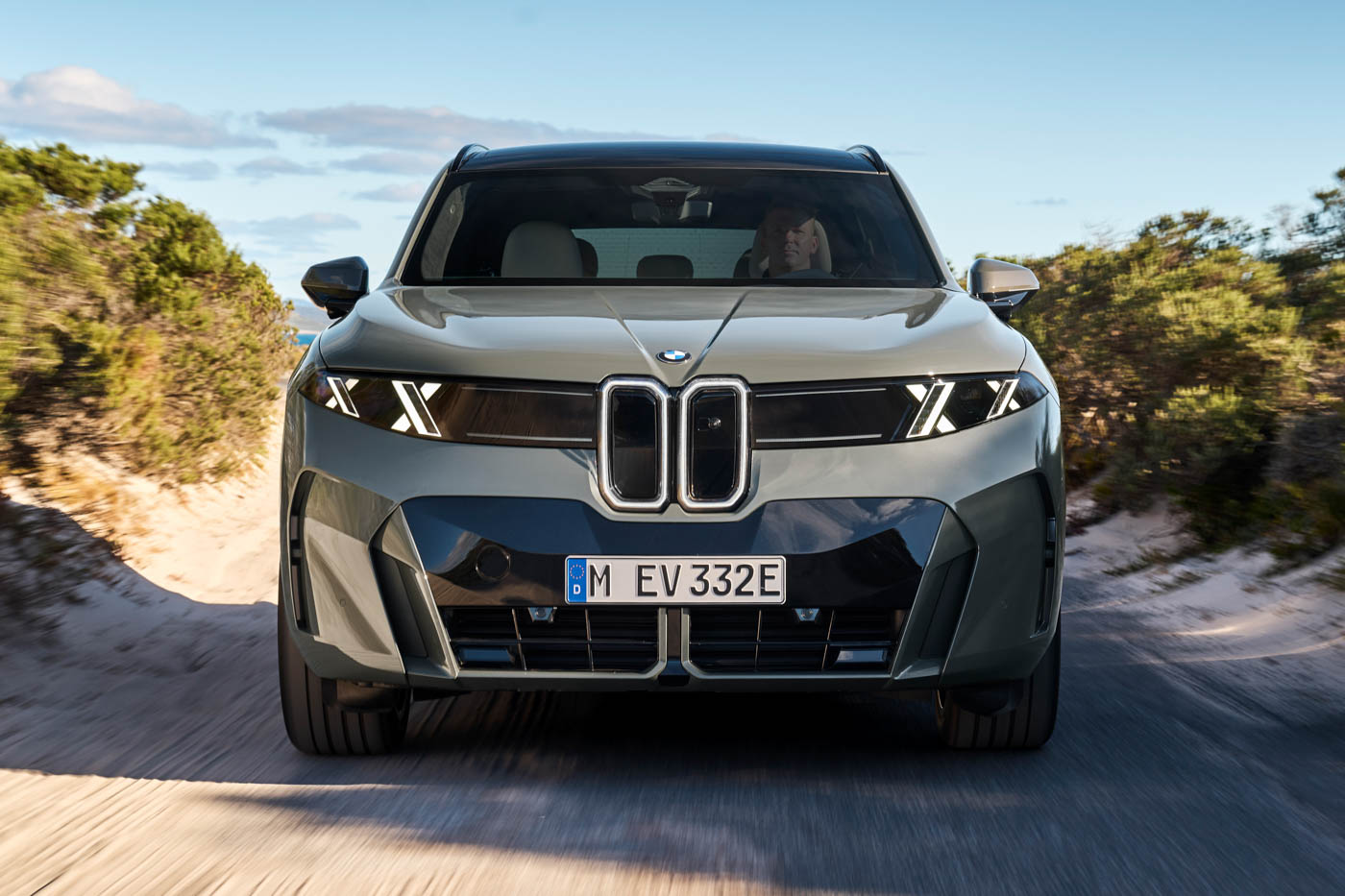
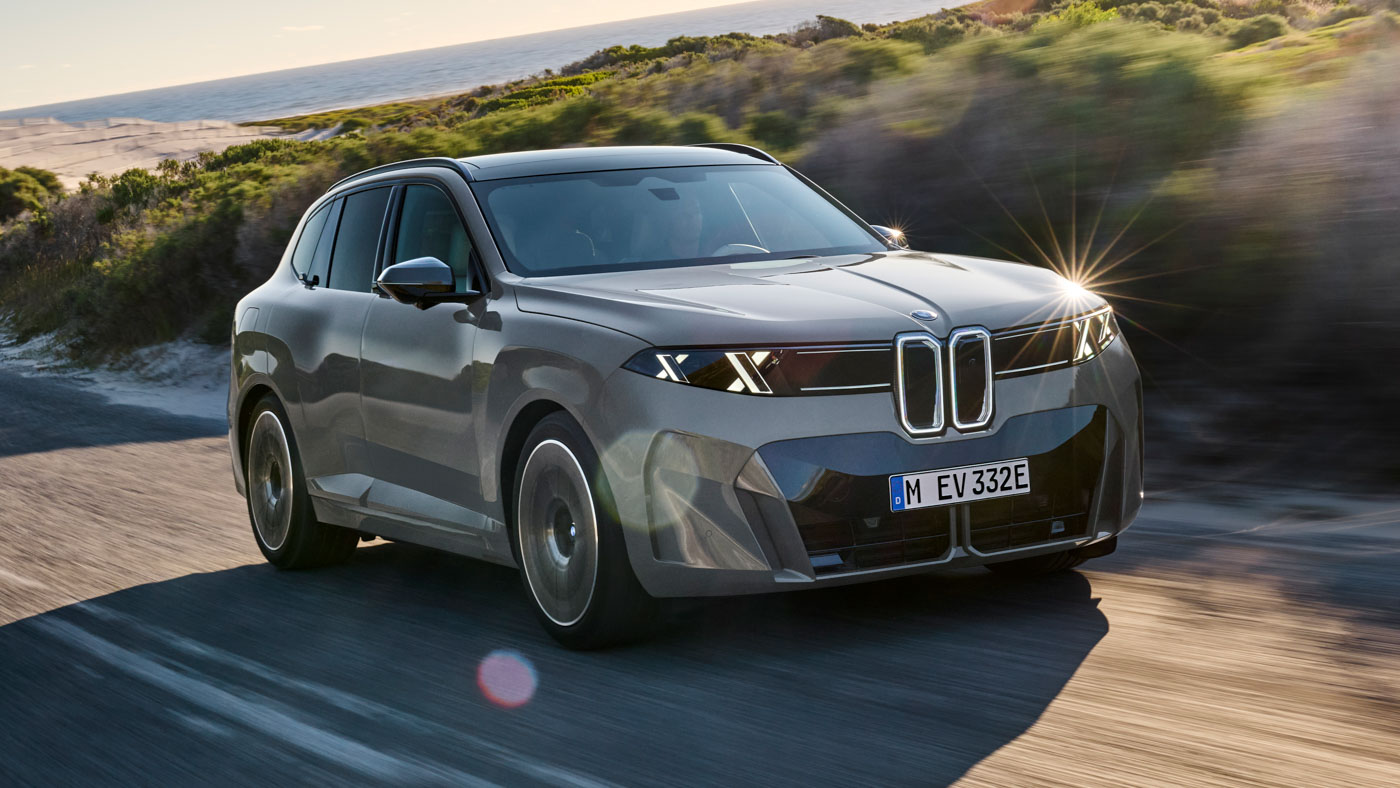
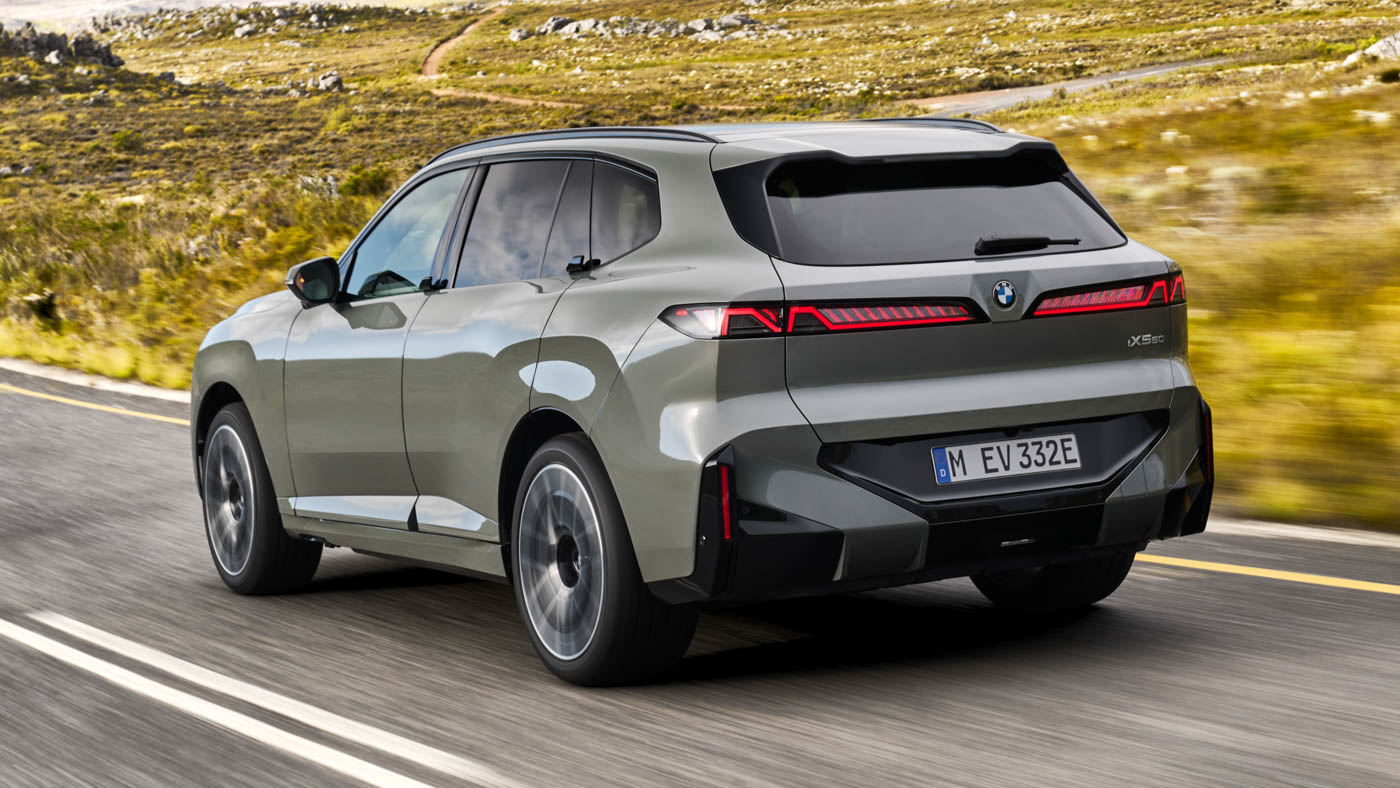
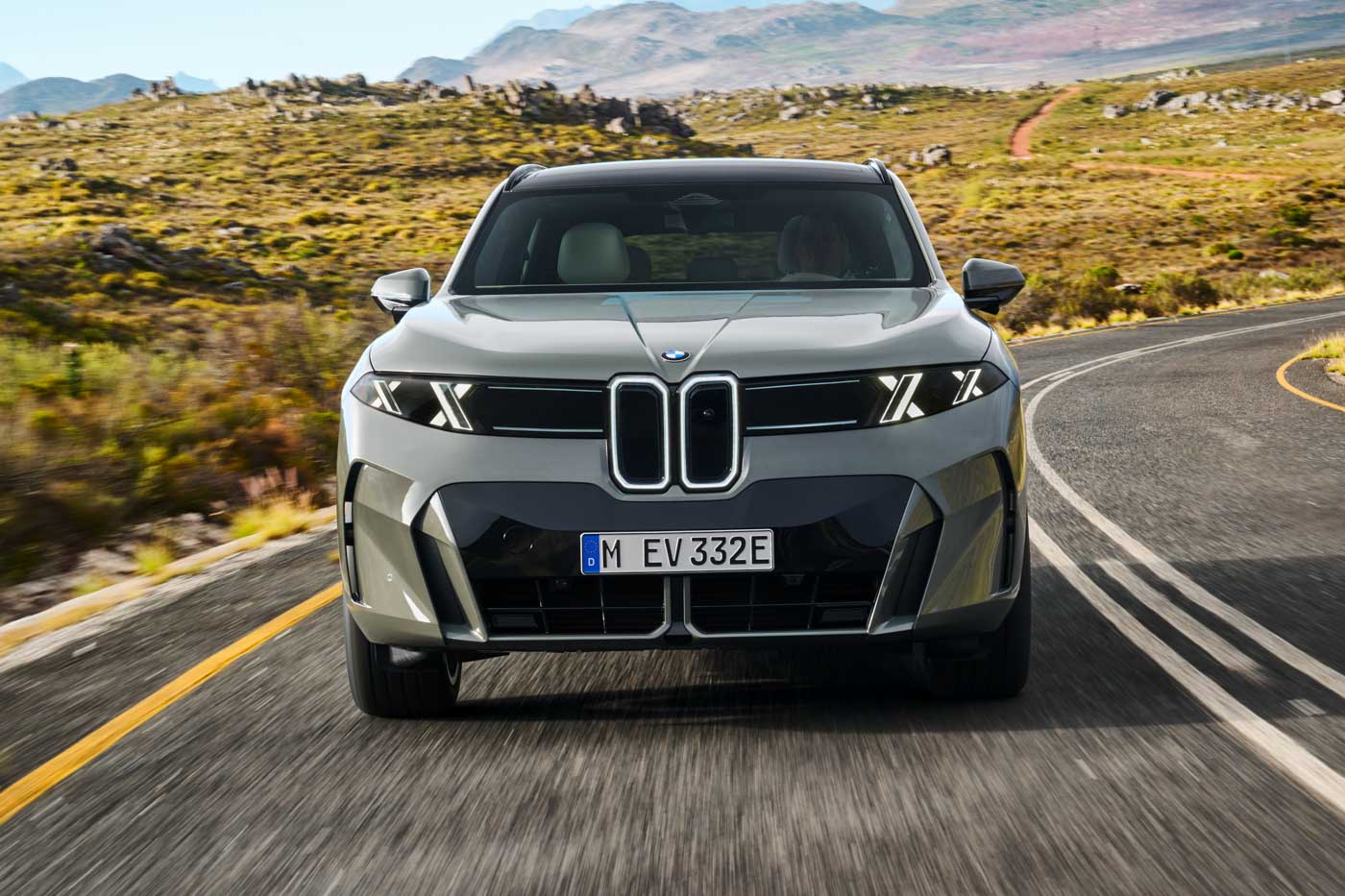
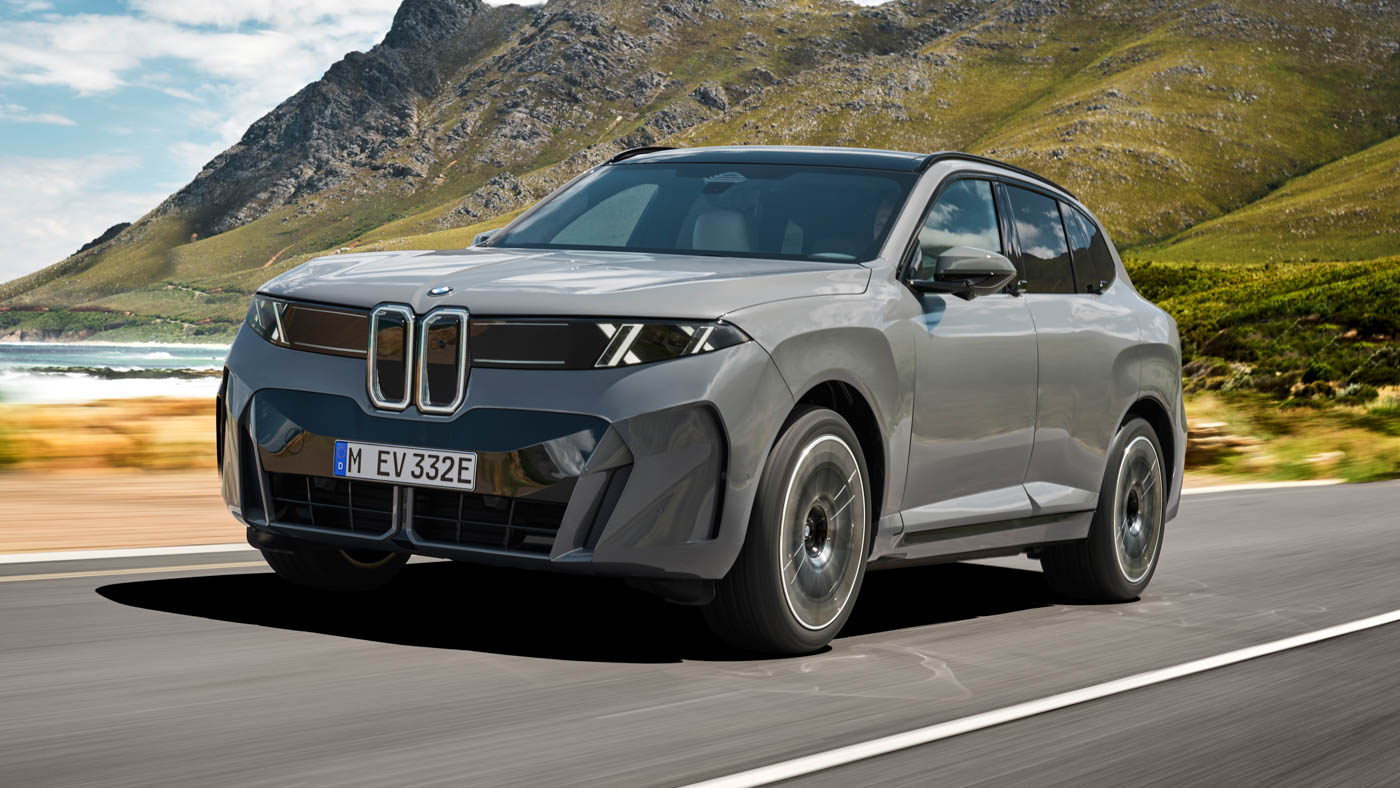
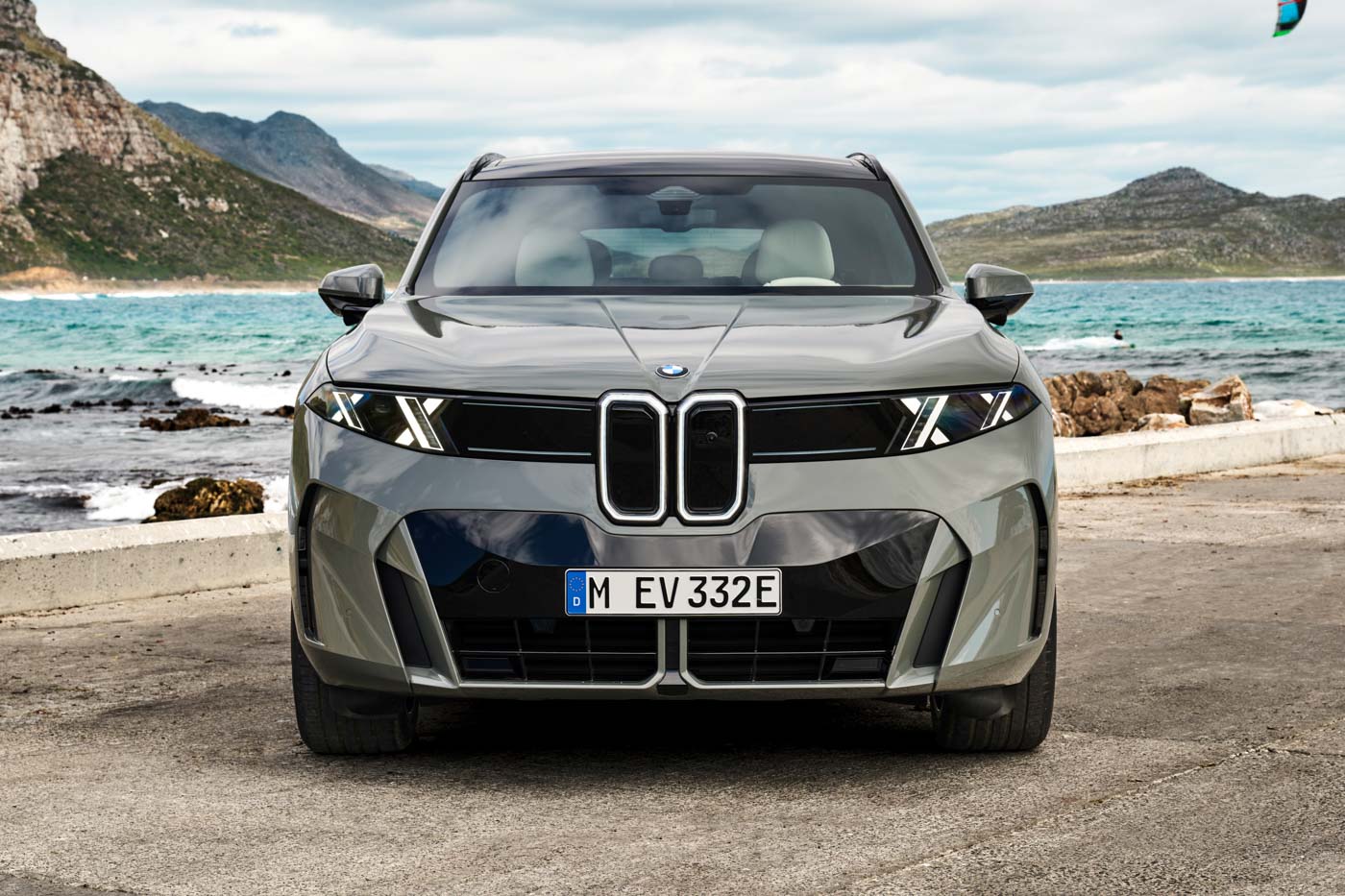
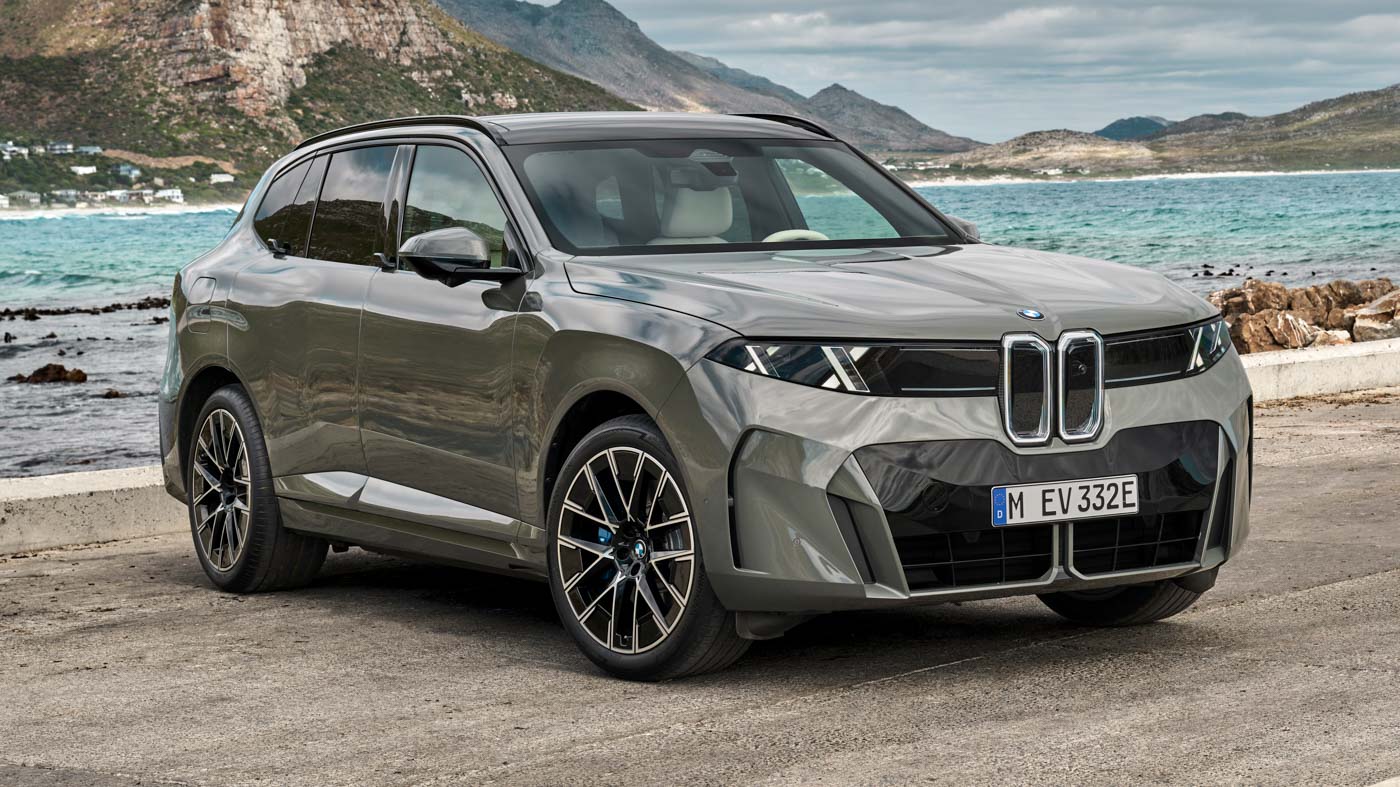
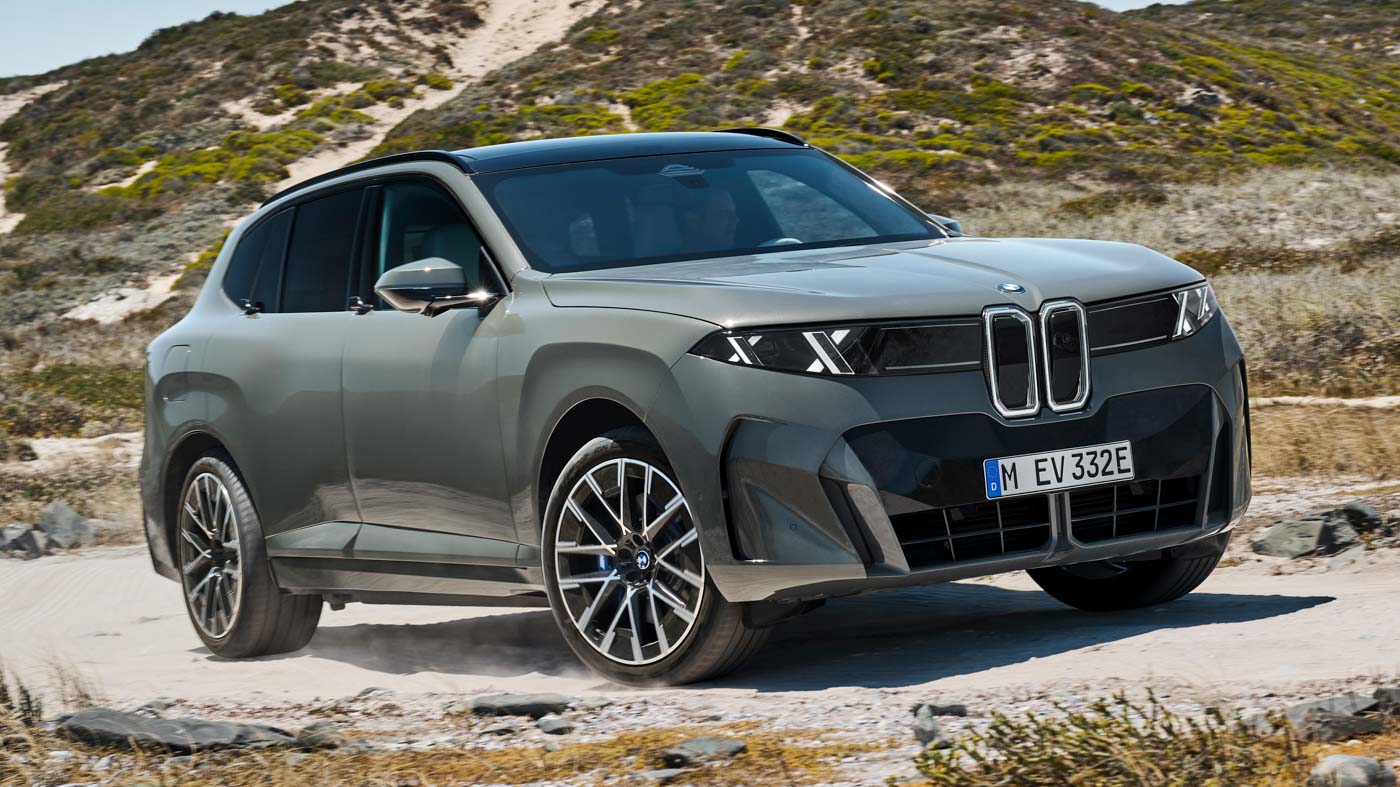
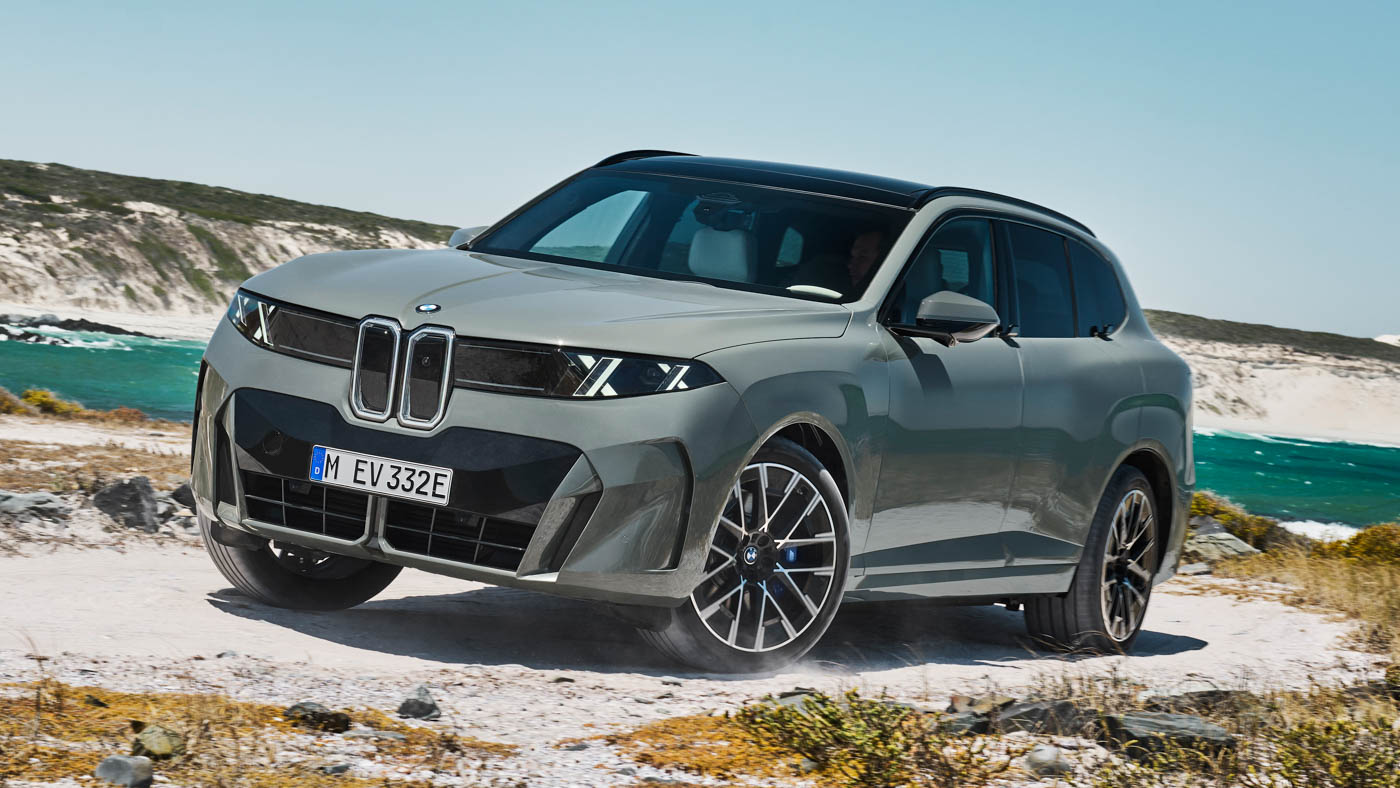
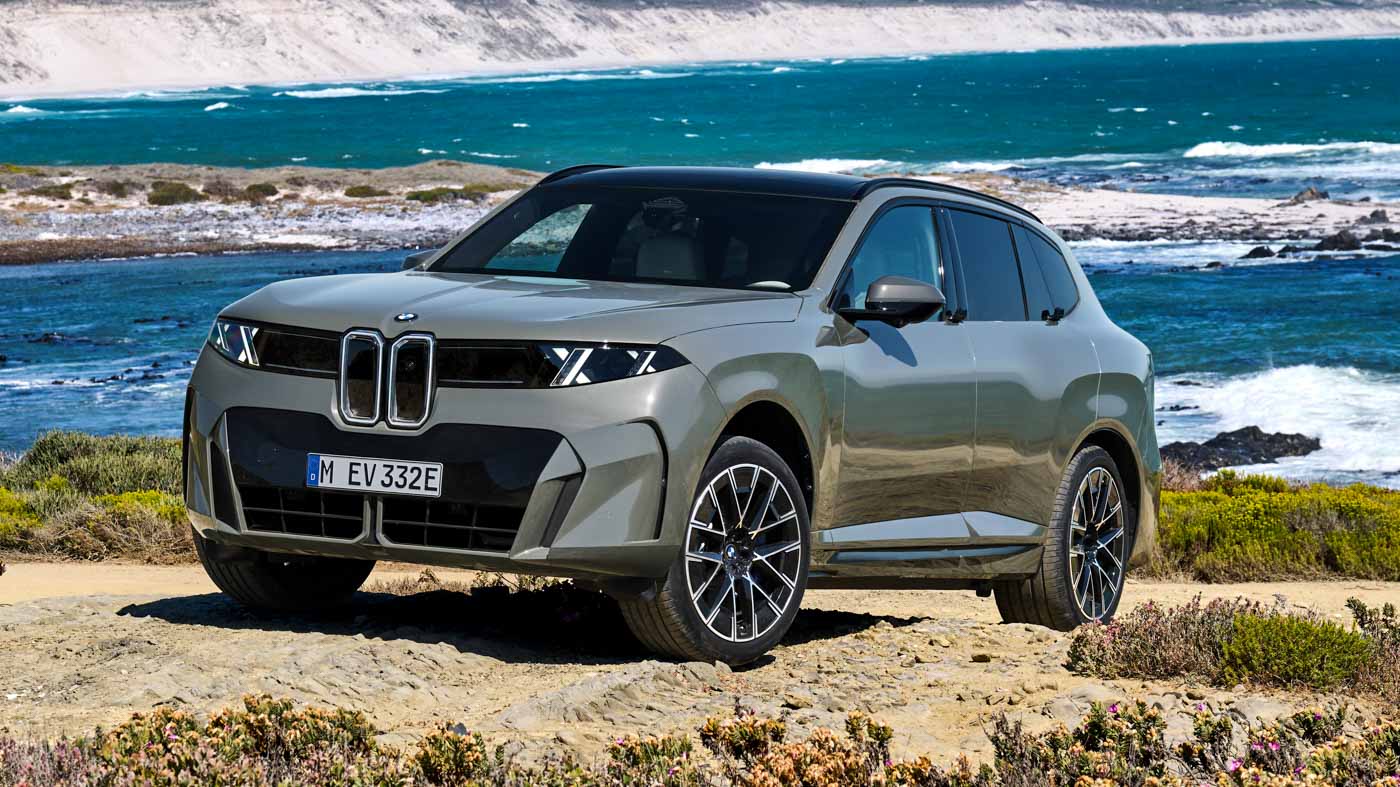
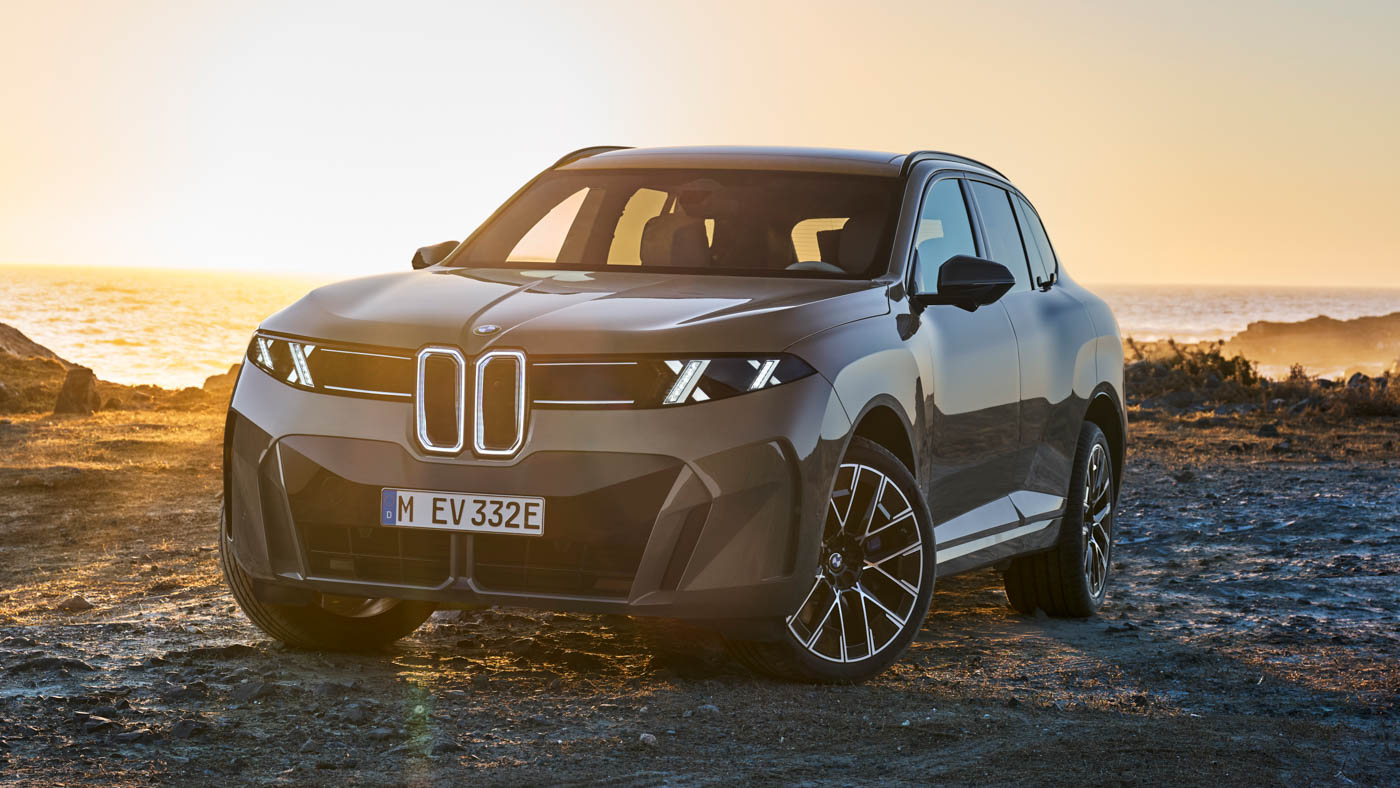
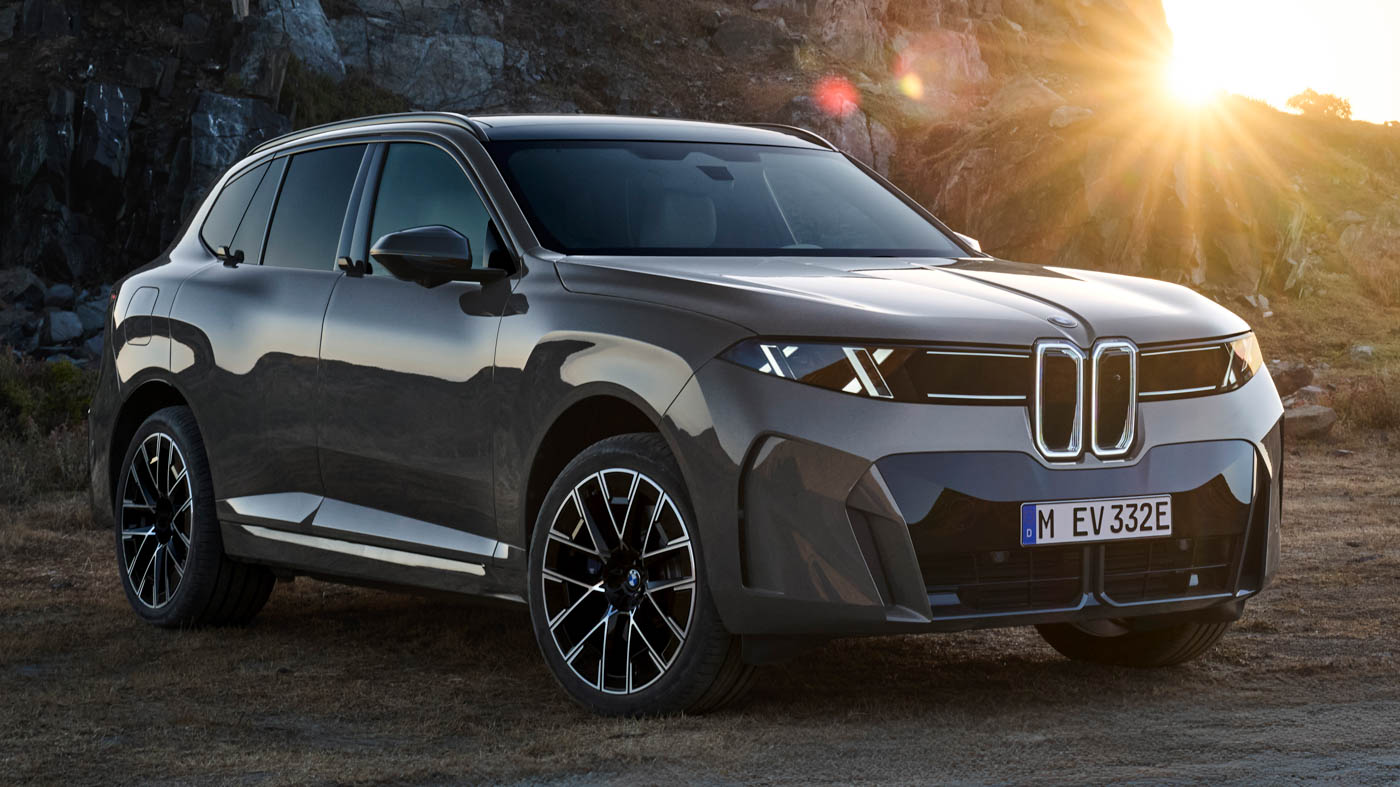
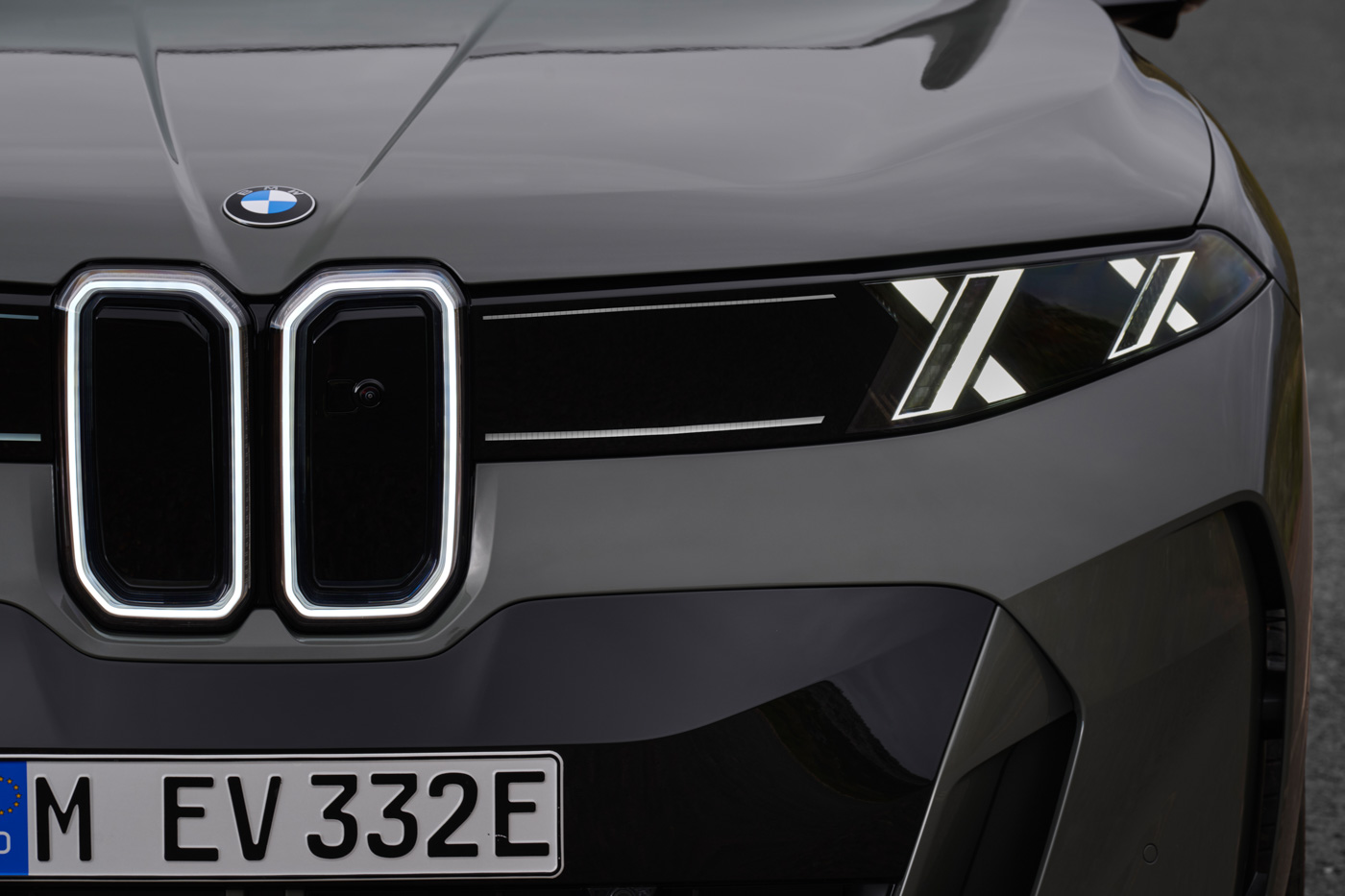
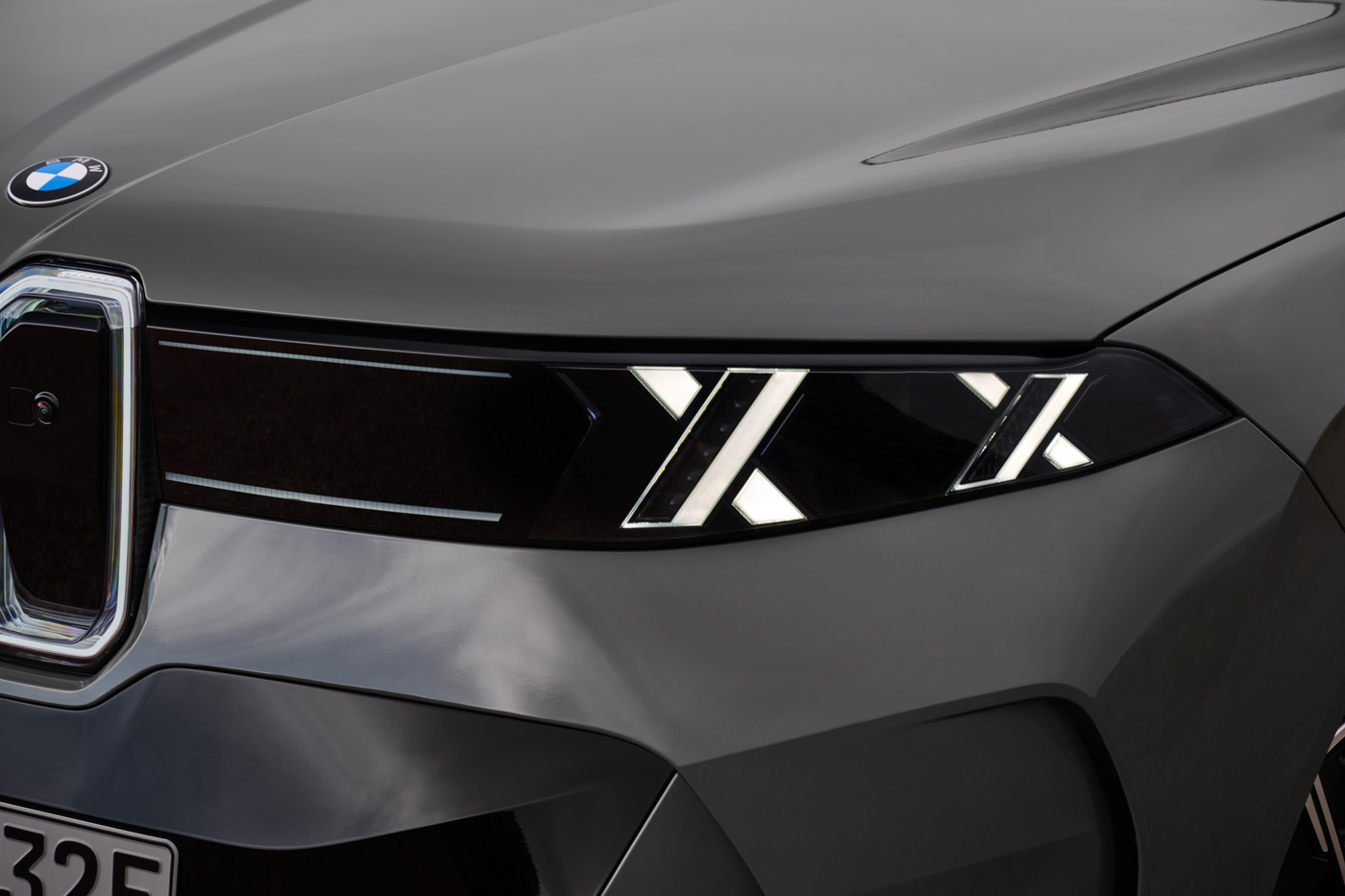
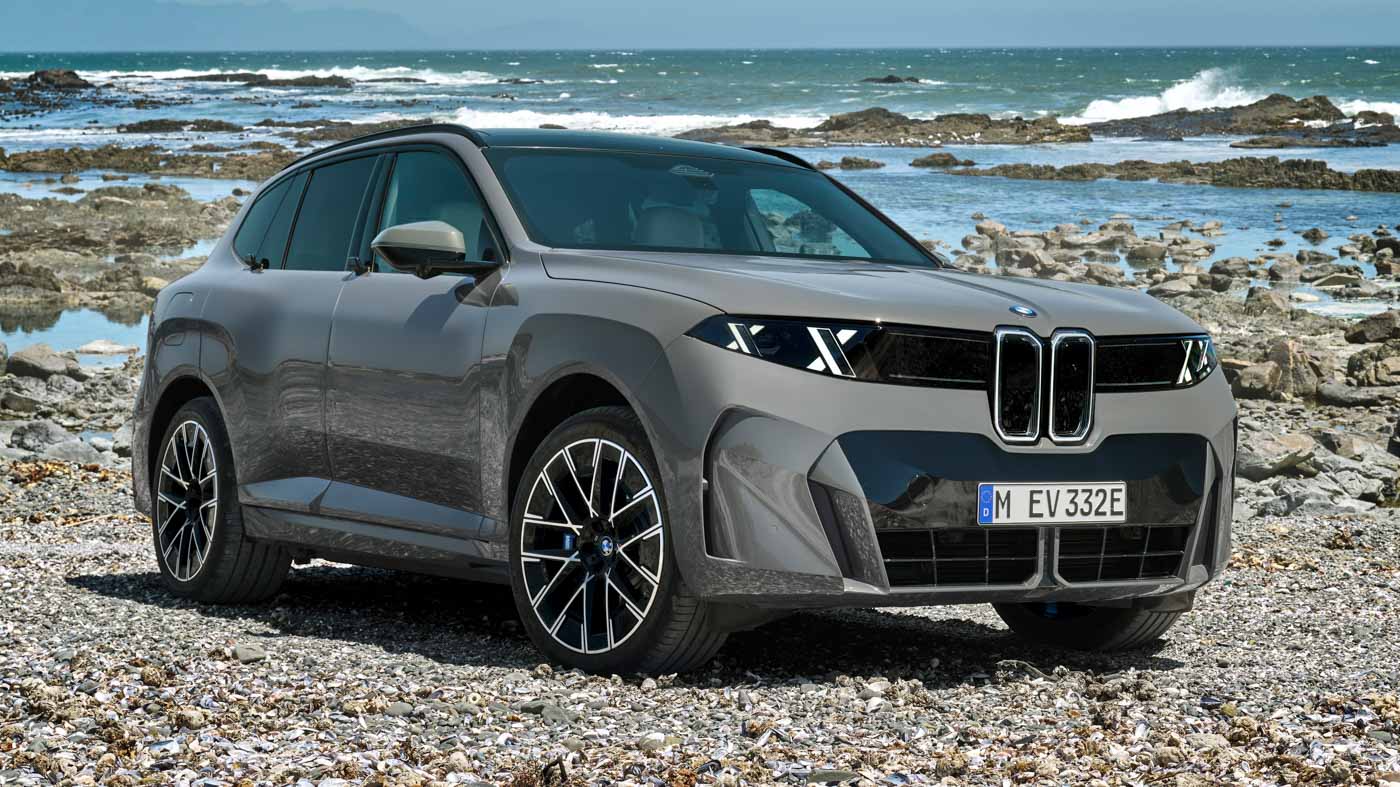
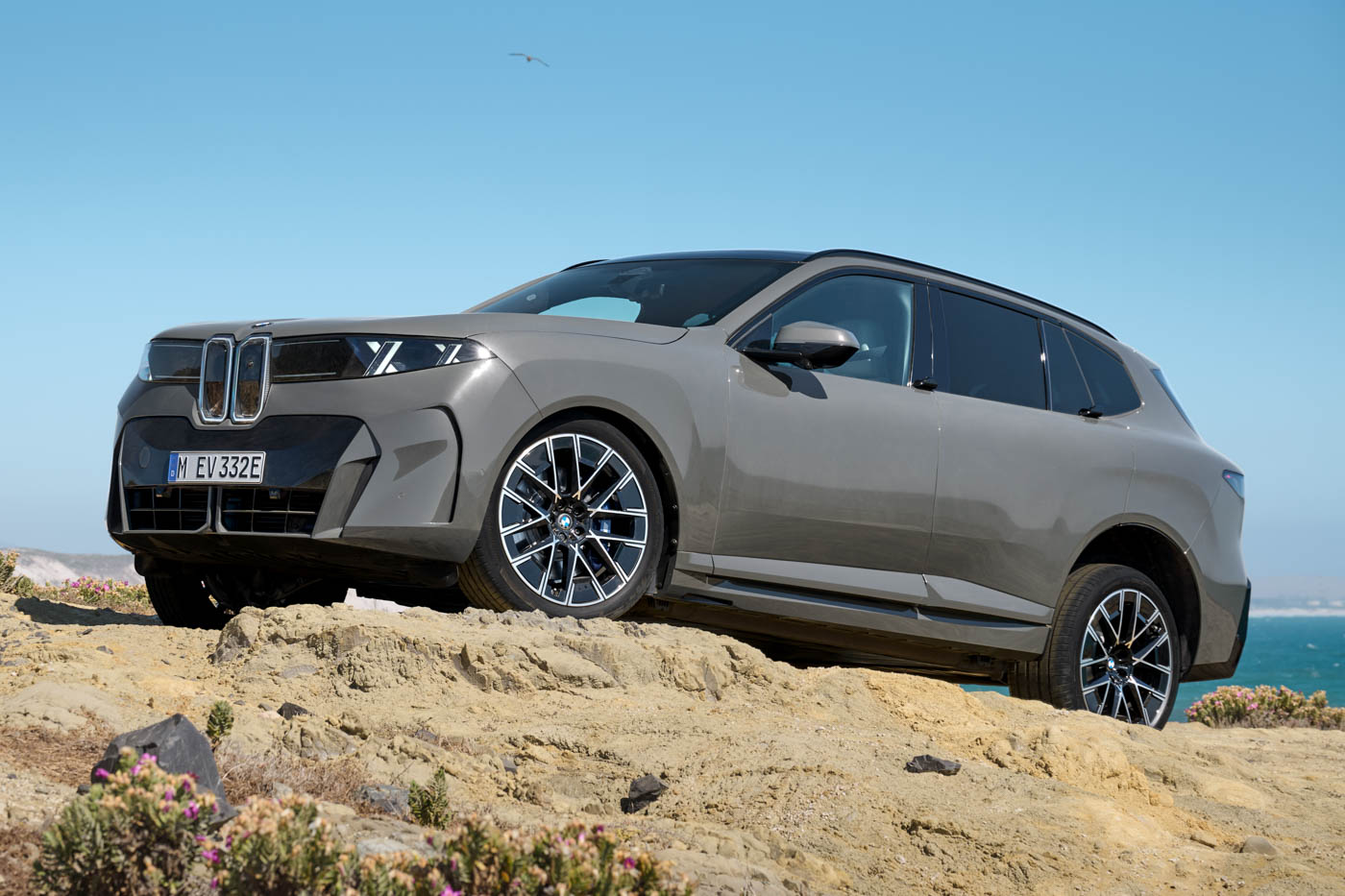
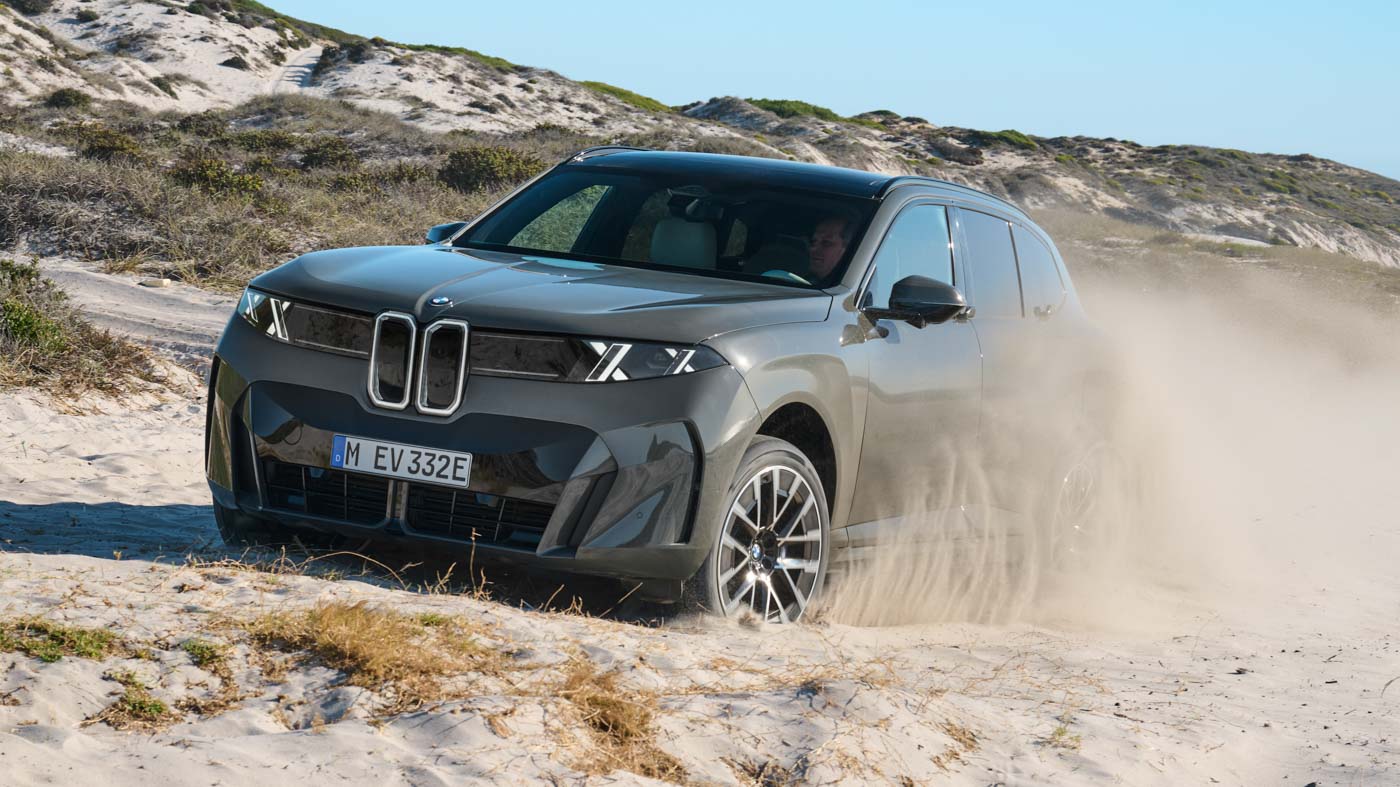
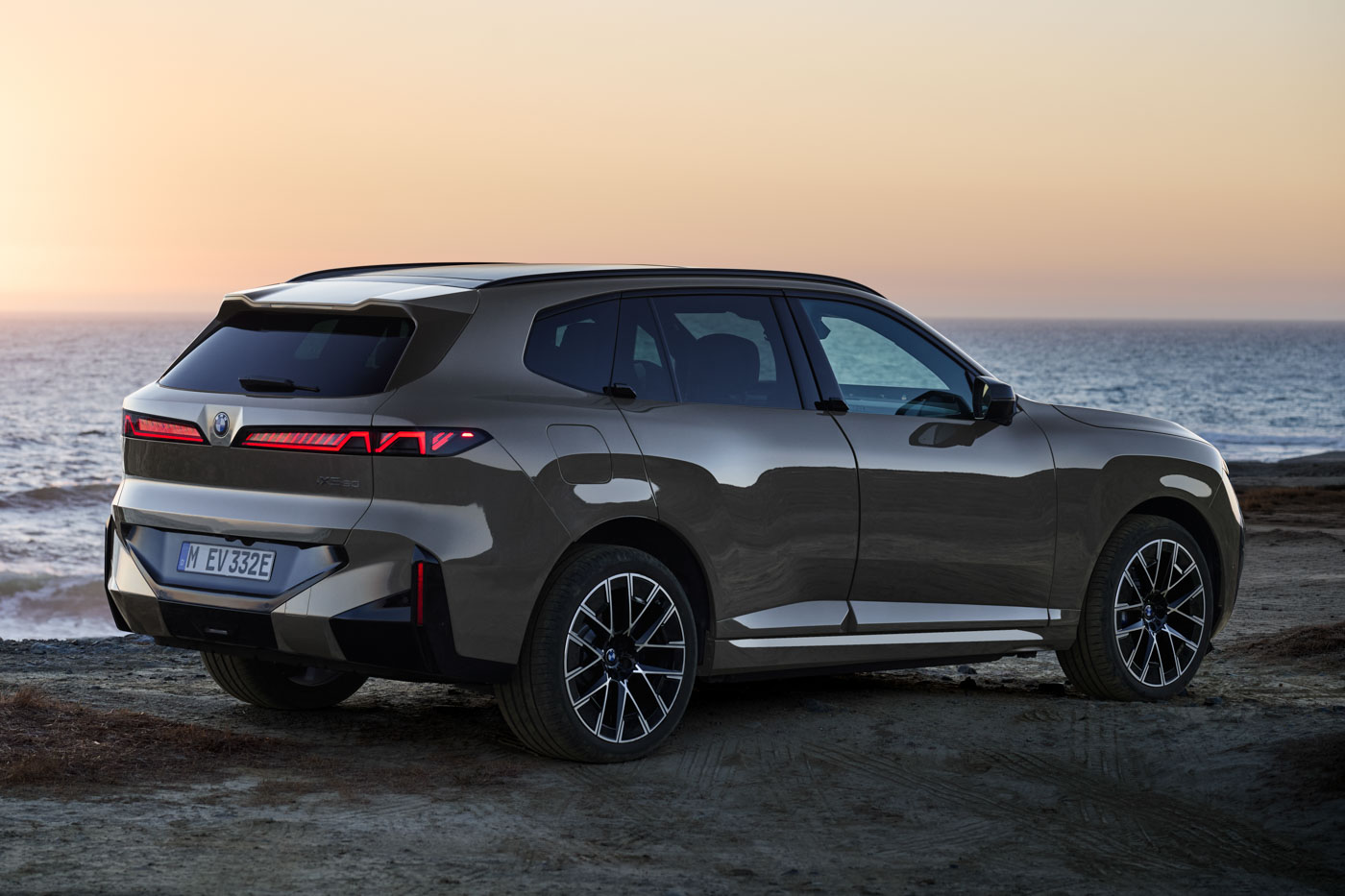
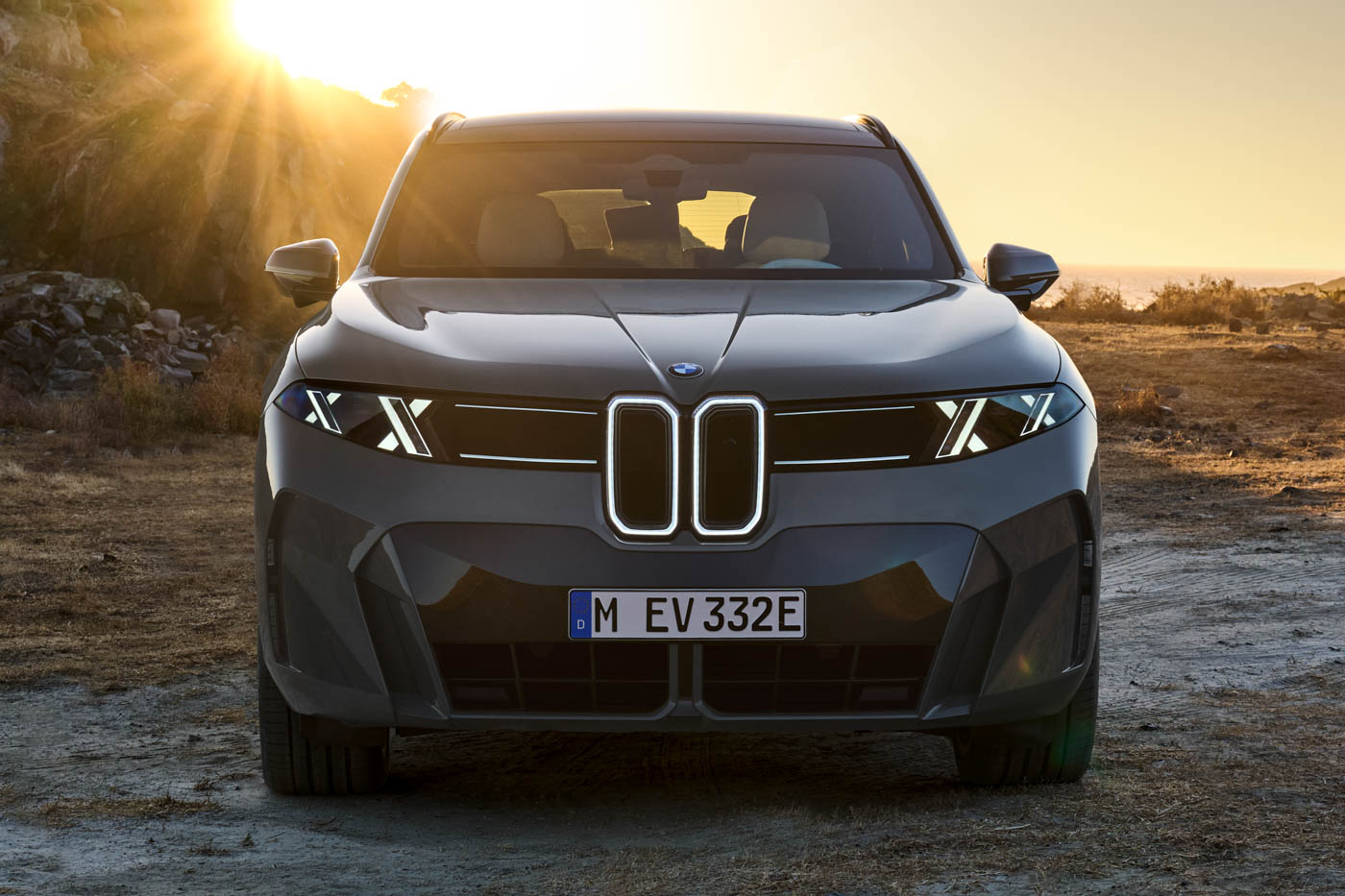
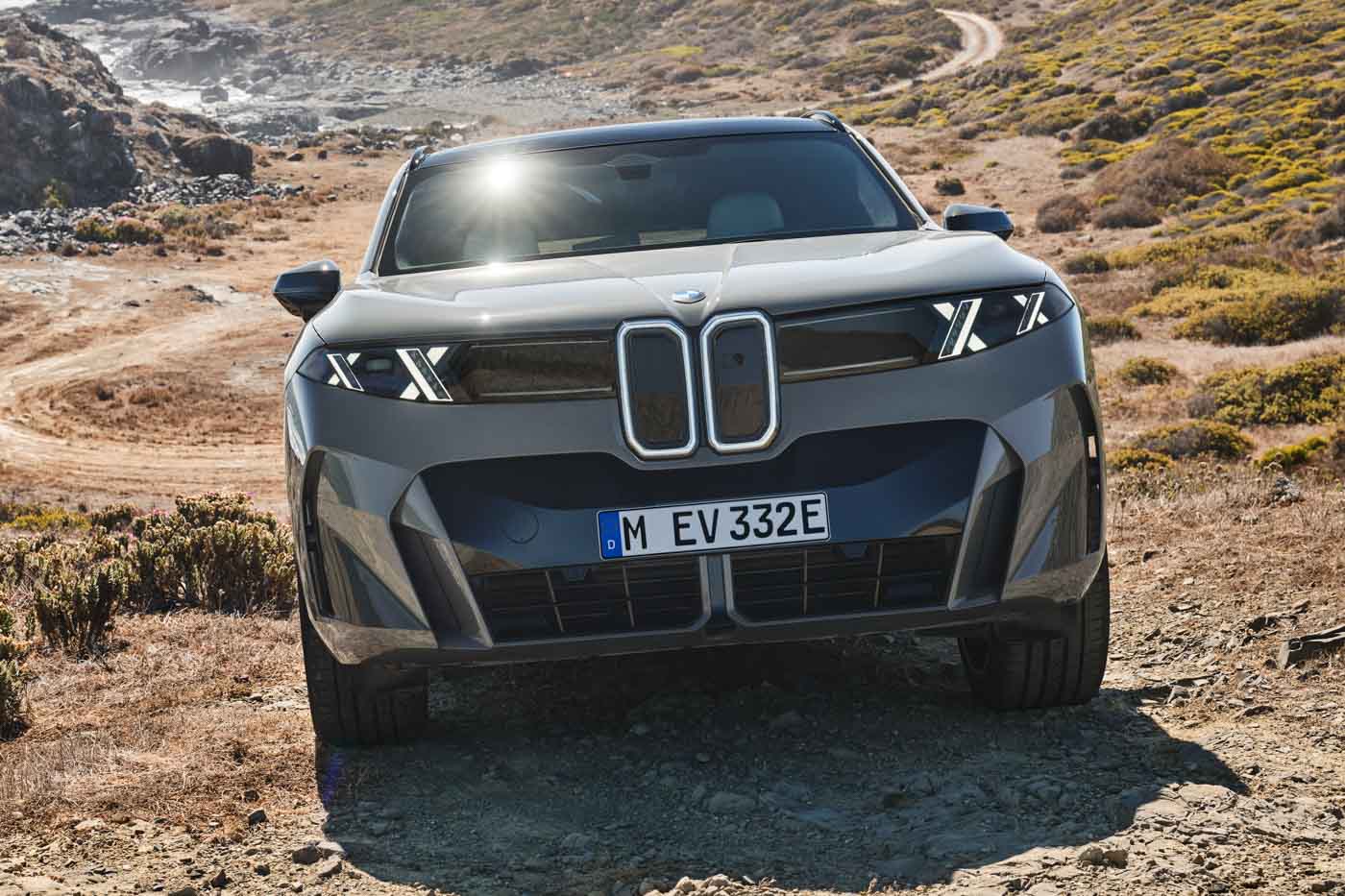
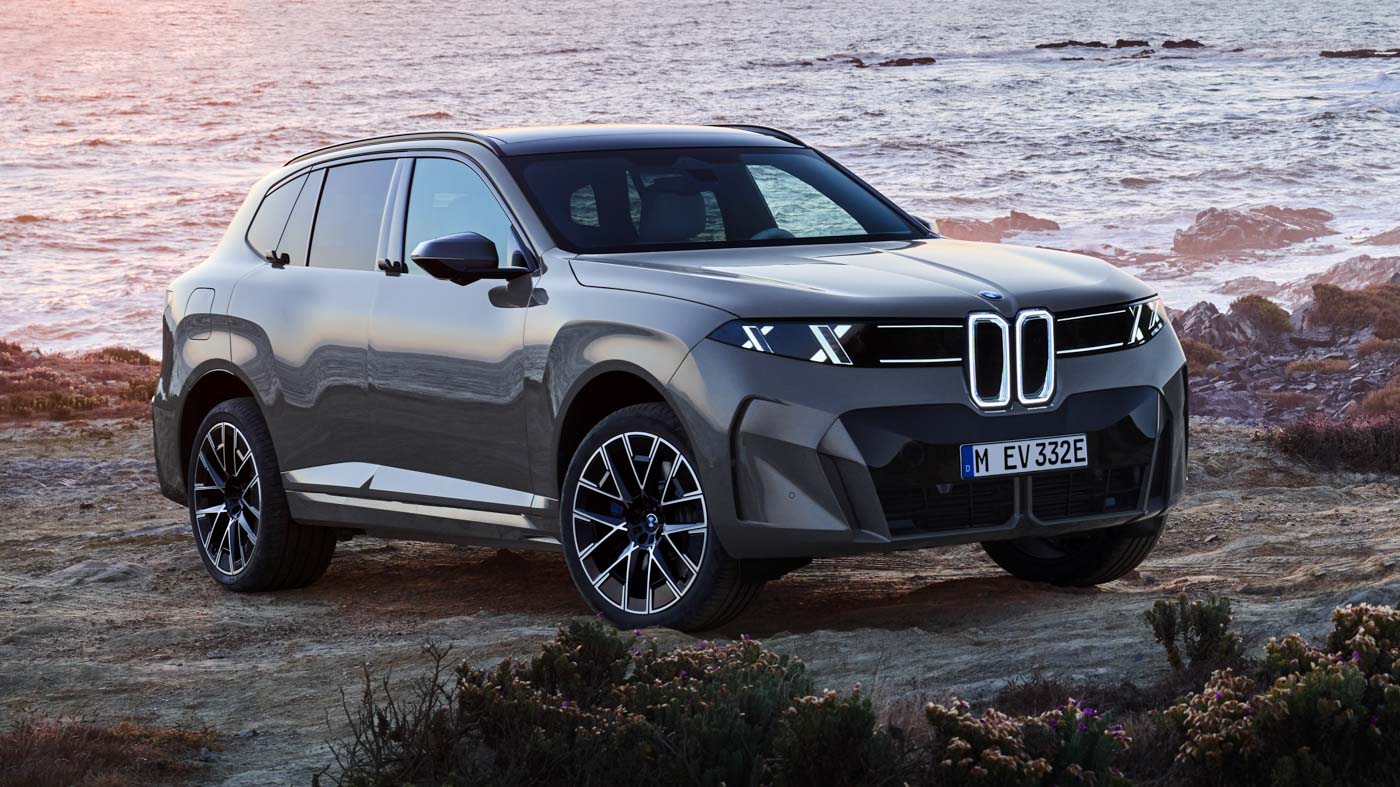
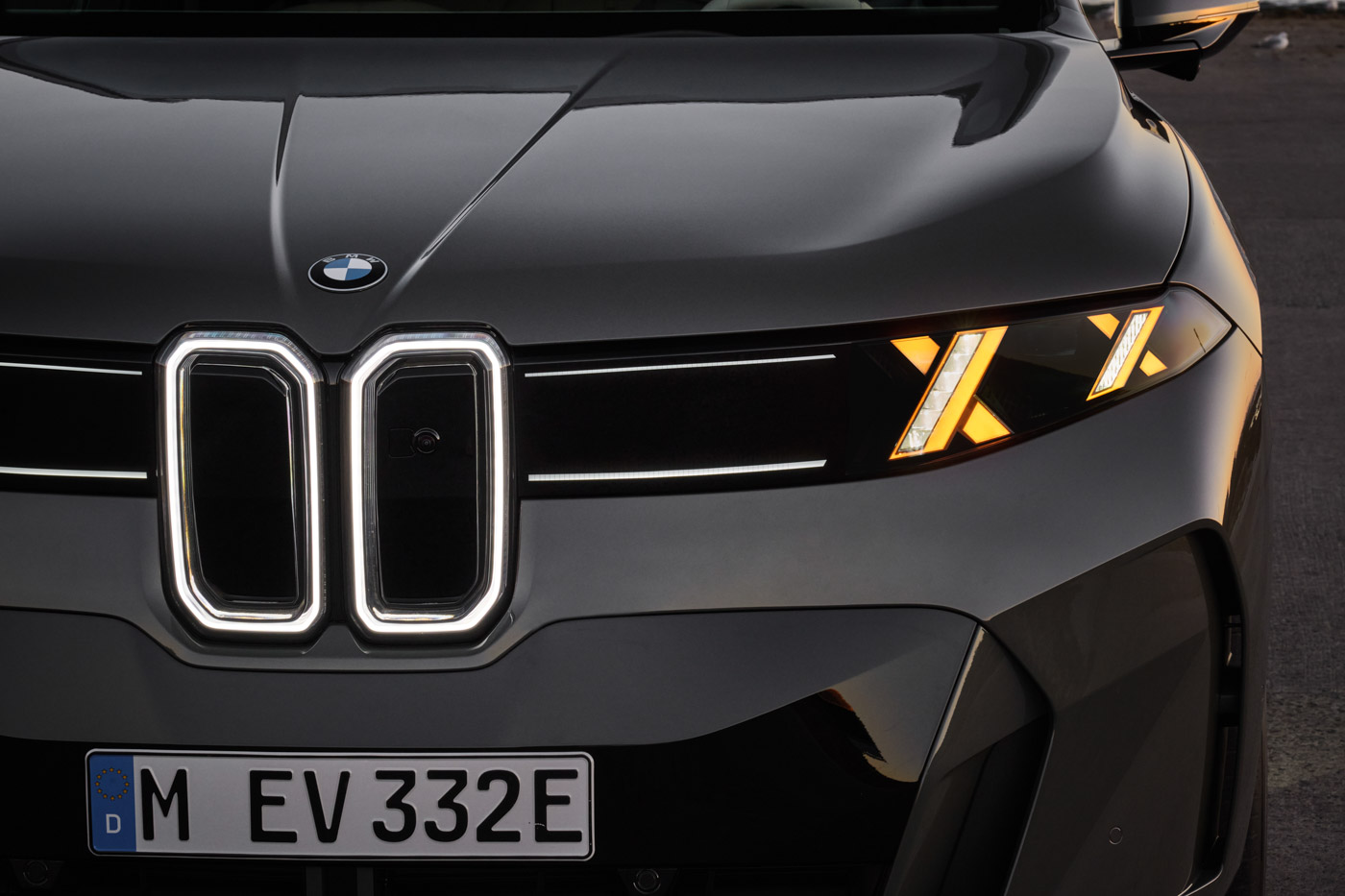
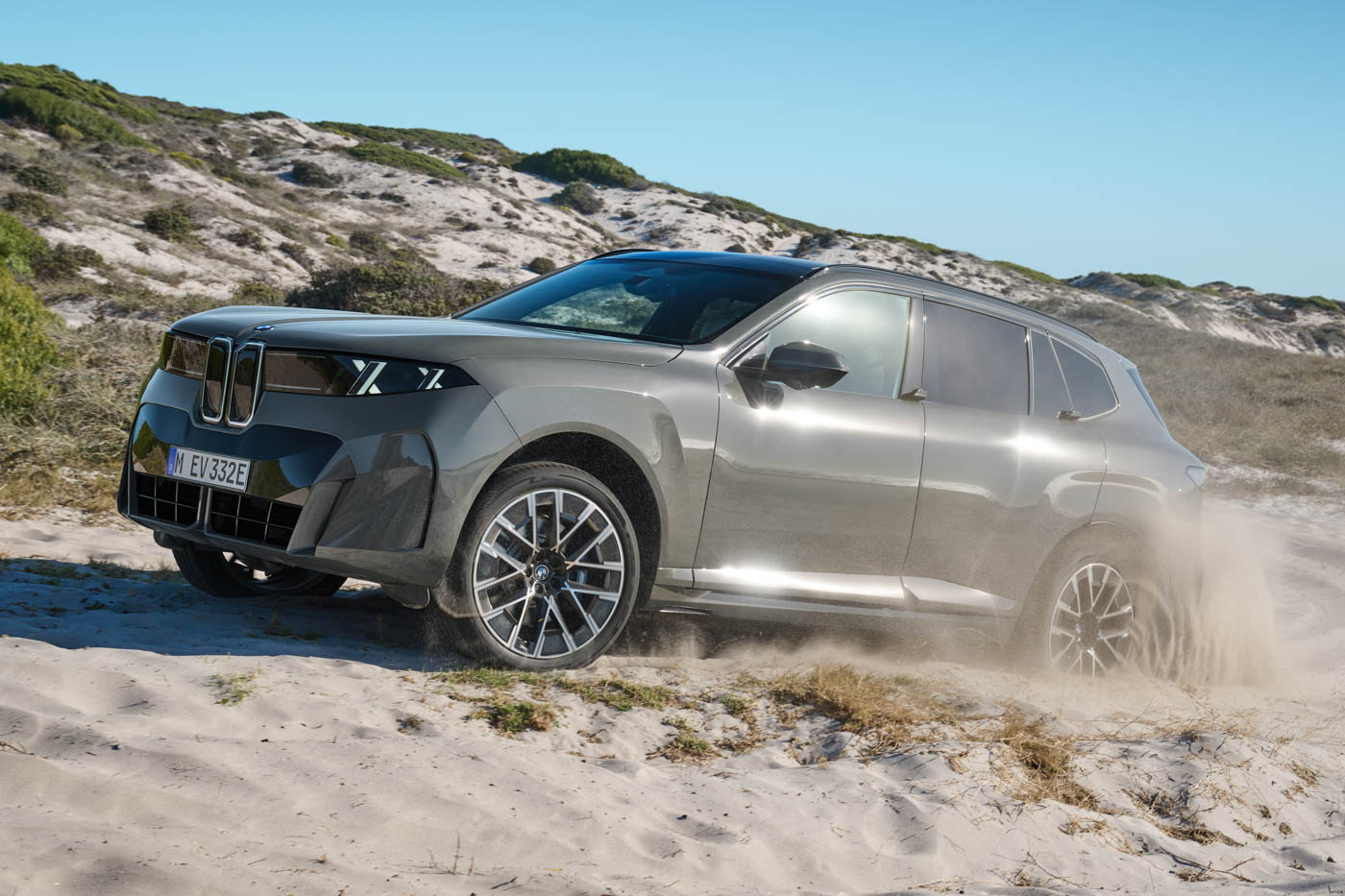
Design-wise, the X5 slots into the same Neue Klasse family as the iX3 and 3 Series, and the most telling sign of that is the grille. All five powertrain variants, including the ones with a full engine under the bonnet, share the same closed-off, narrow kidney grille, with no bespoke opening for the combustion cars. It’s flanked by a pair of X-shaped daytime running lights that signal the X5’s more upmarket standing within the range.
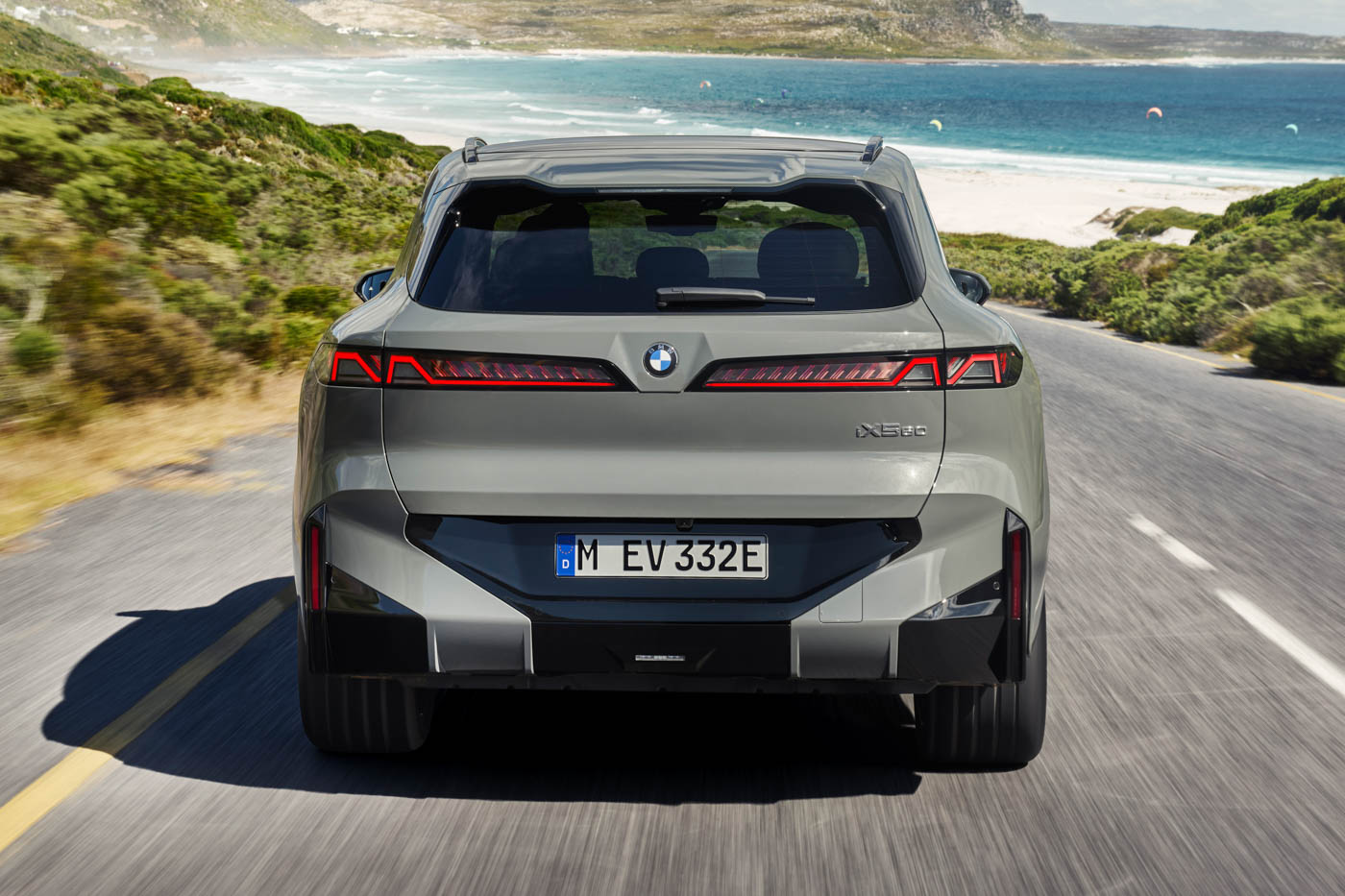
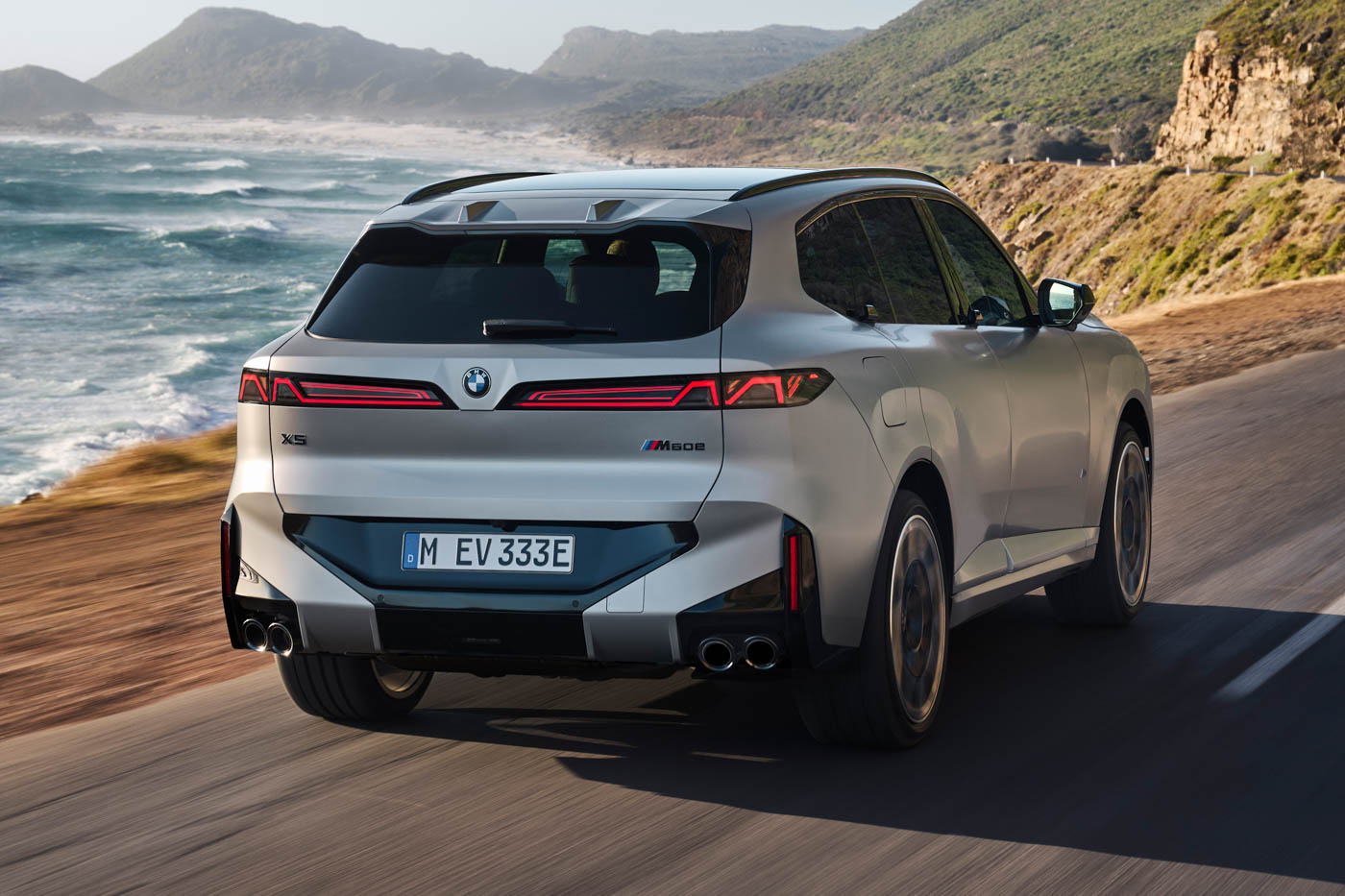
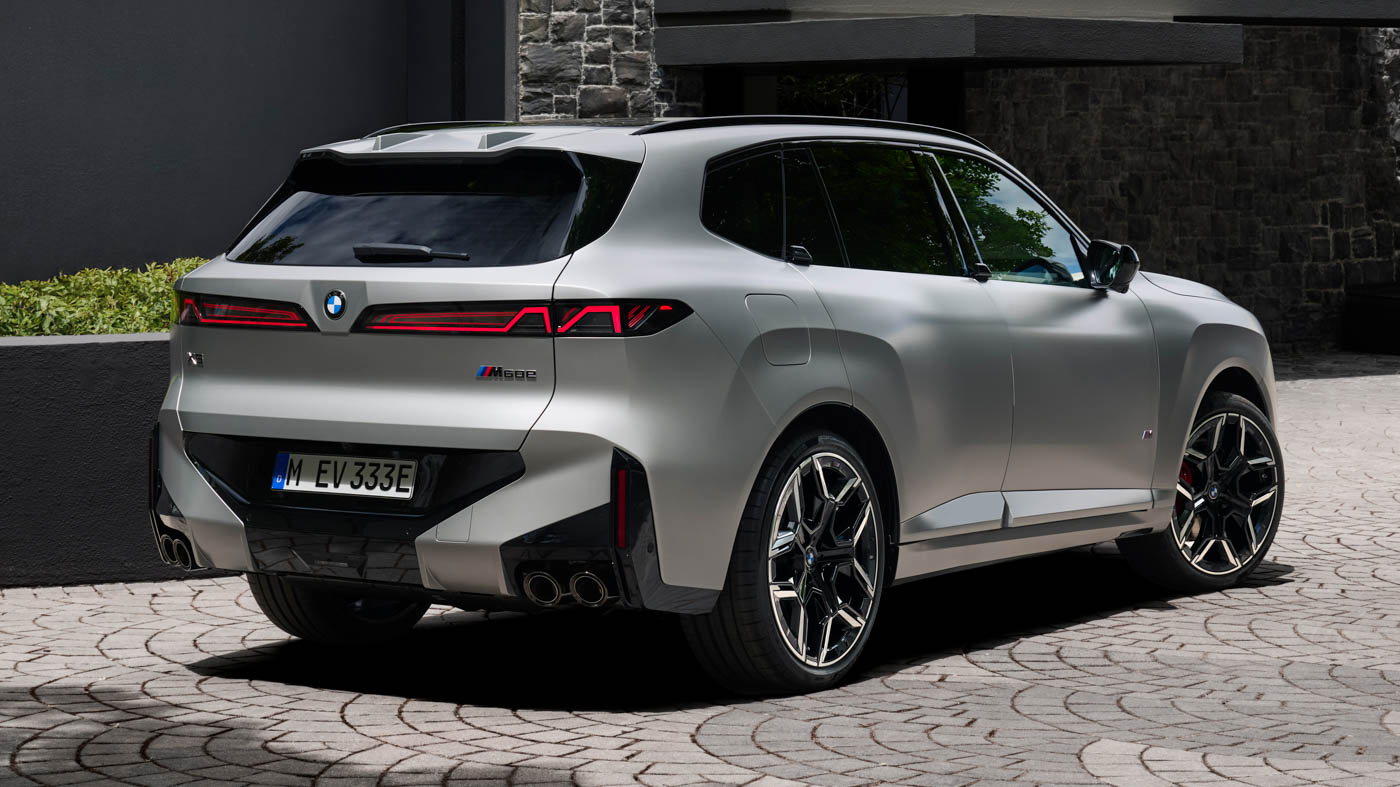
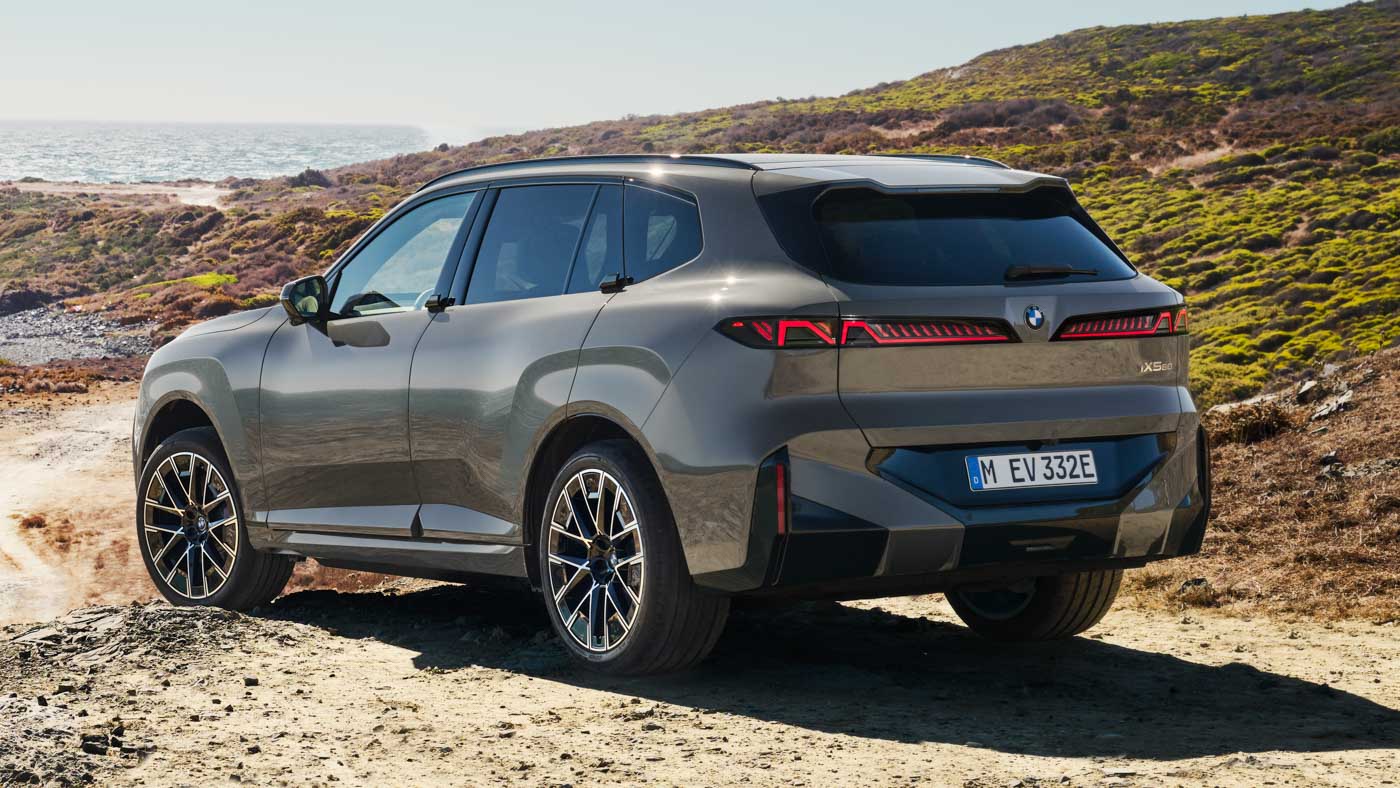
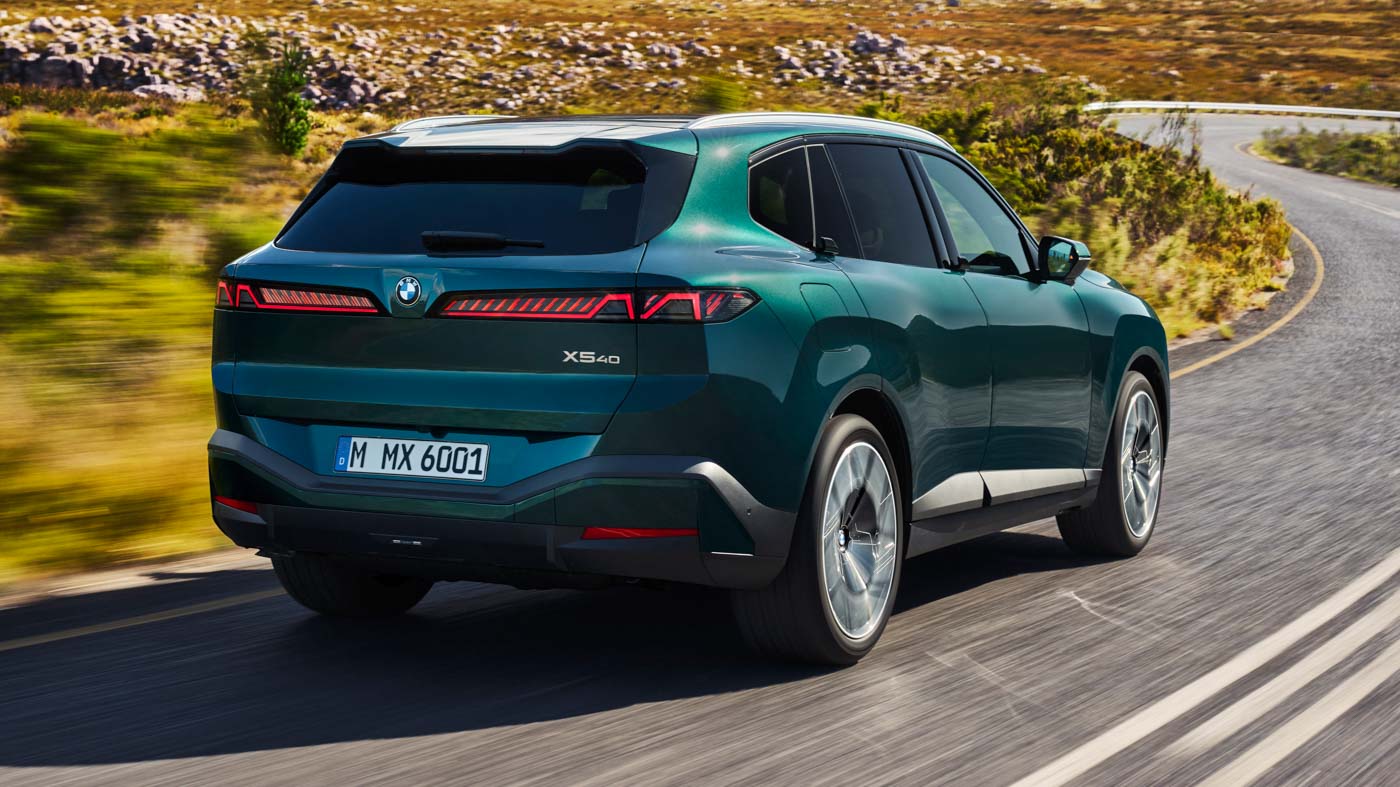
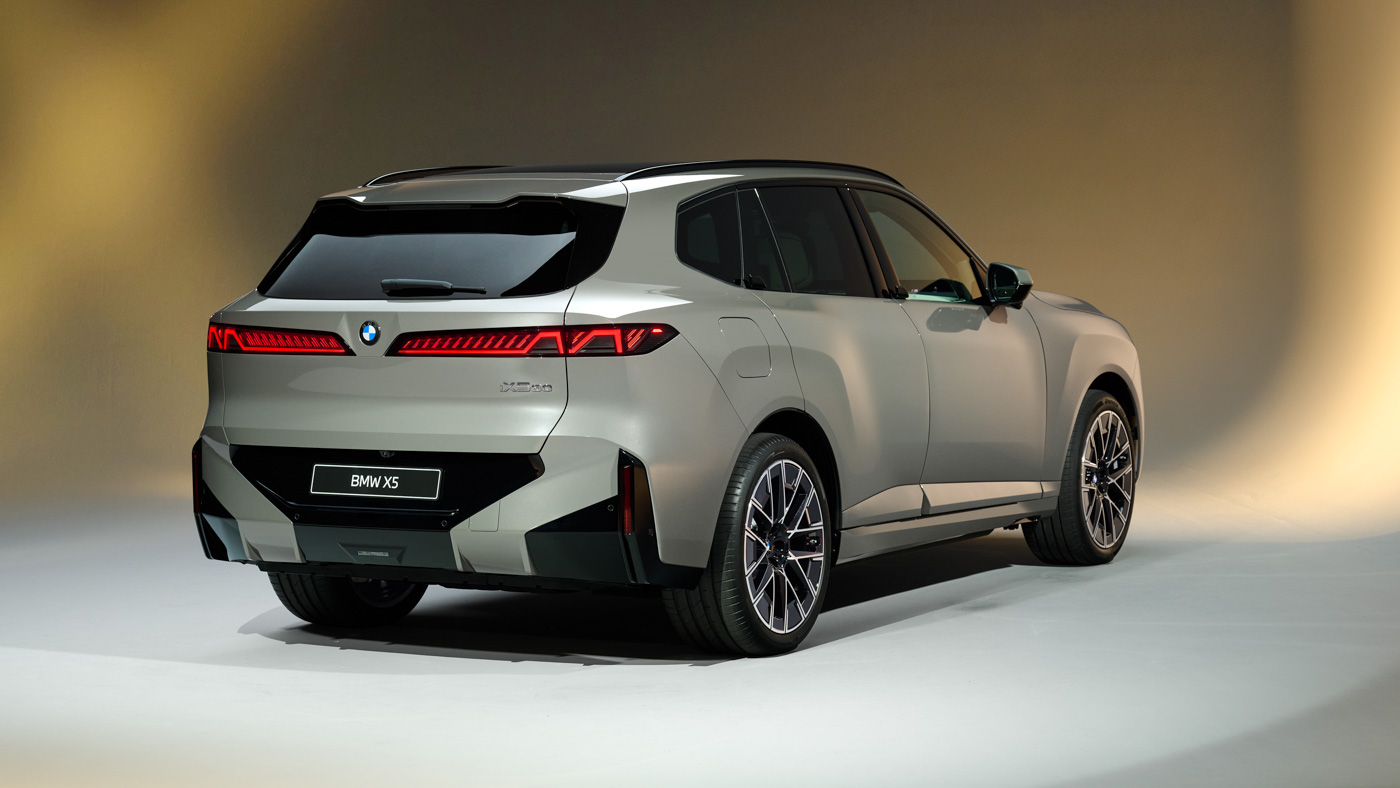
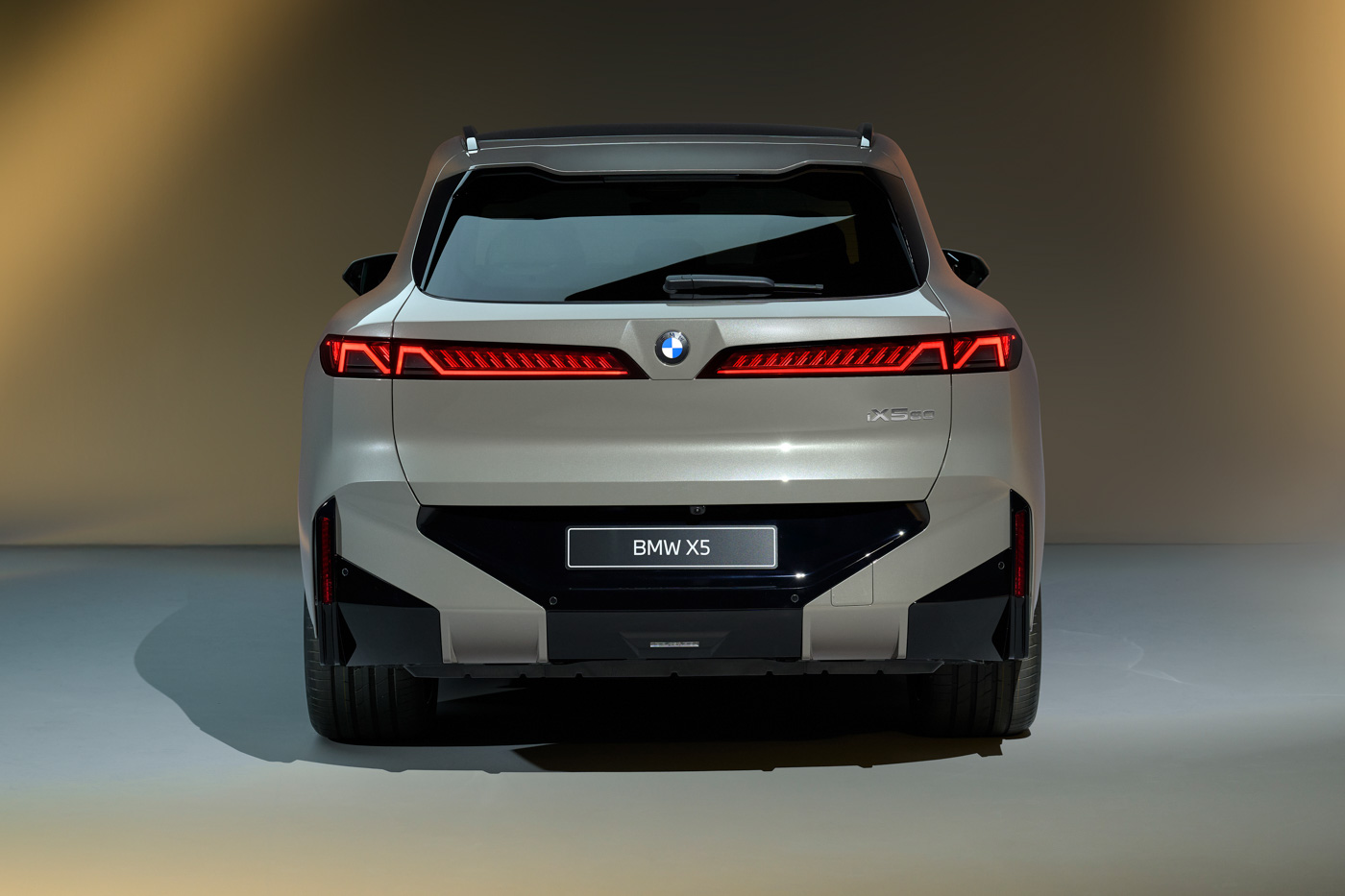
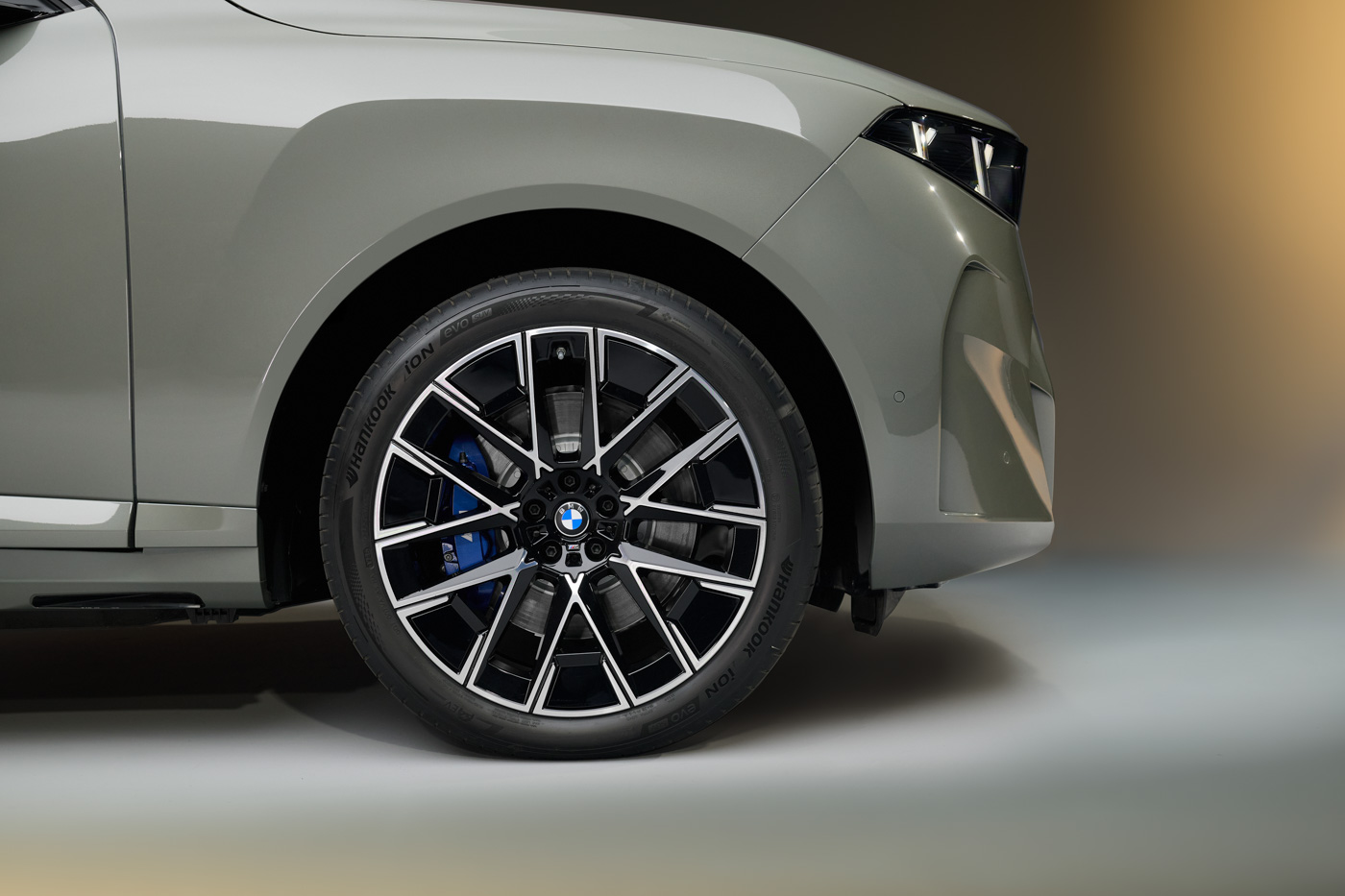
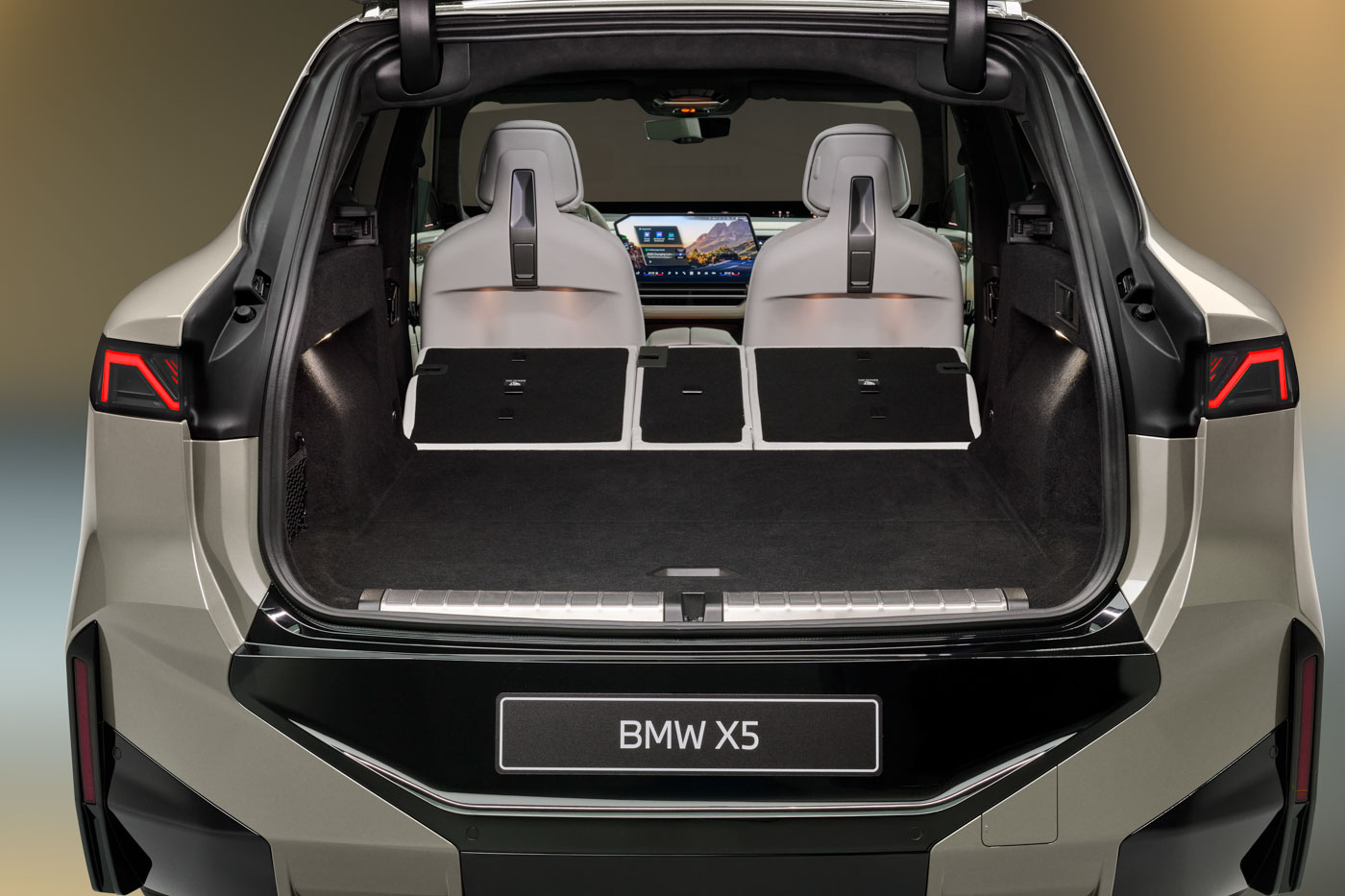
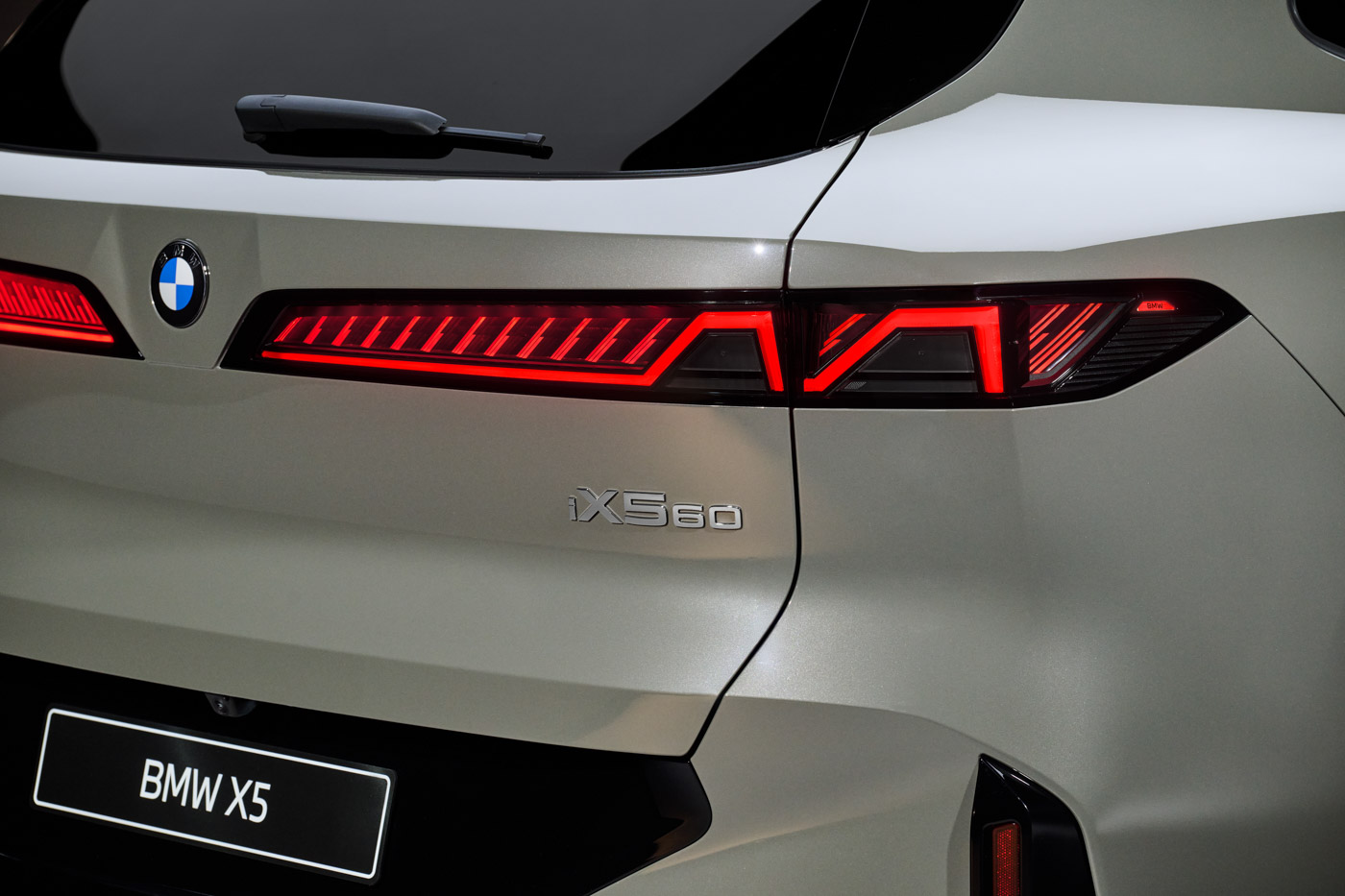
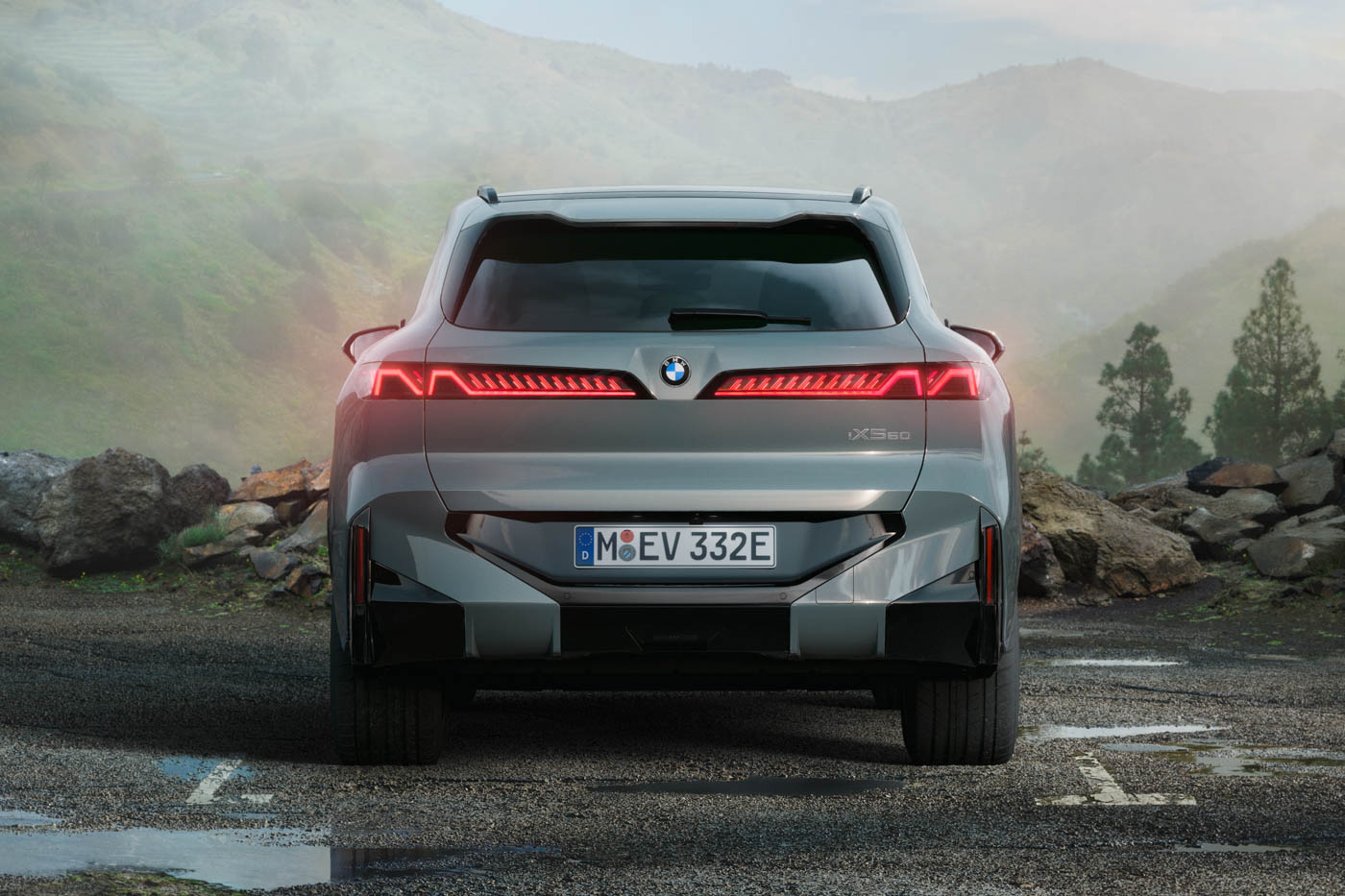
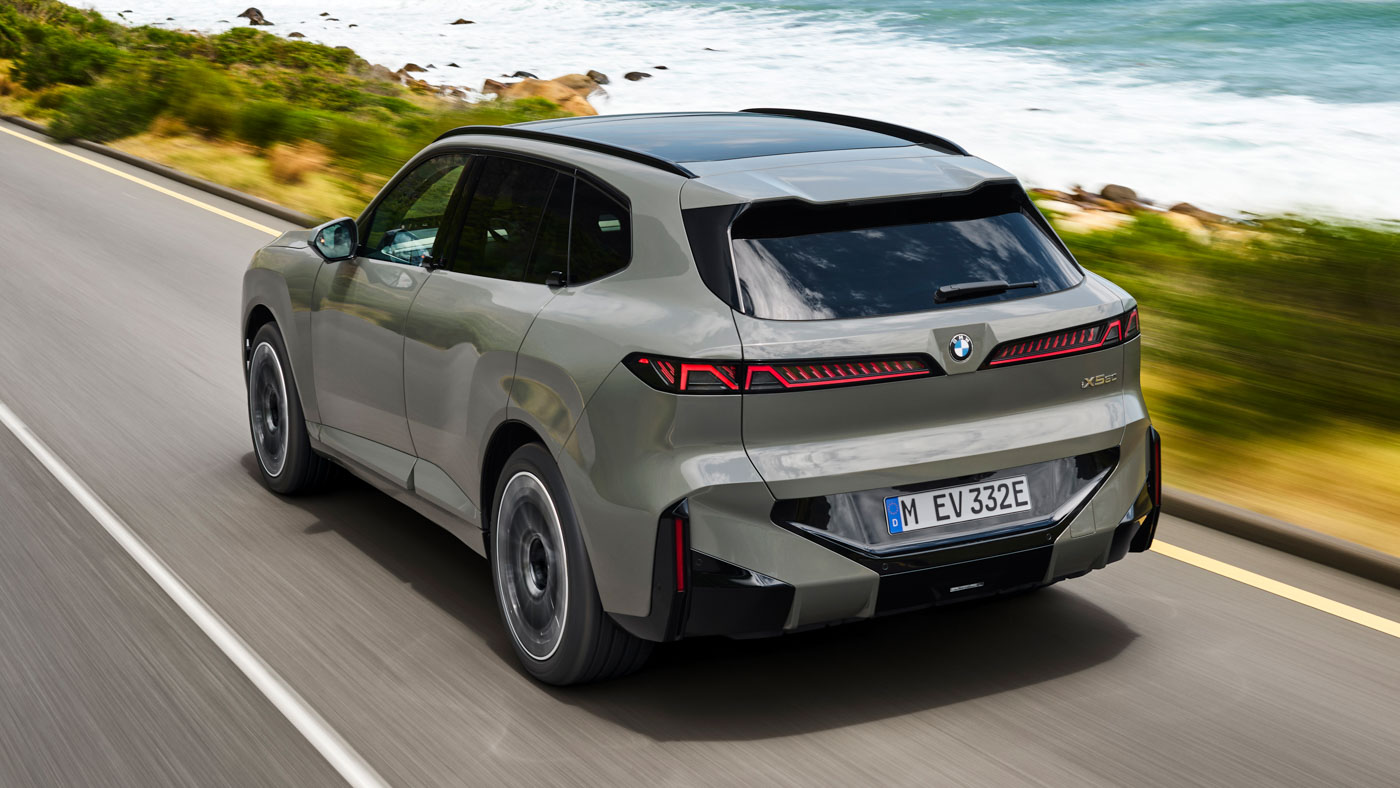
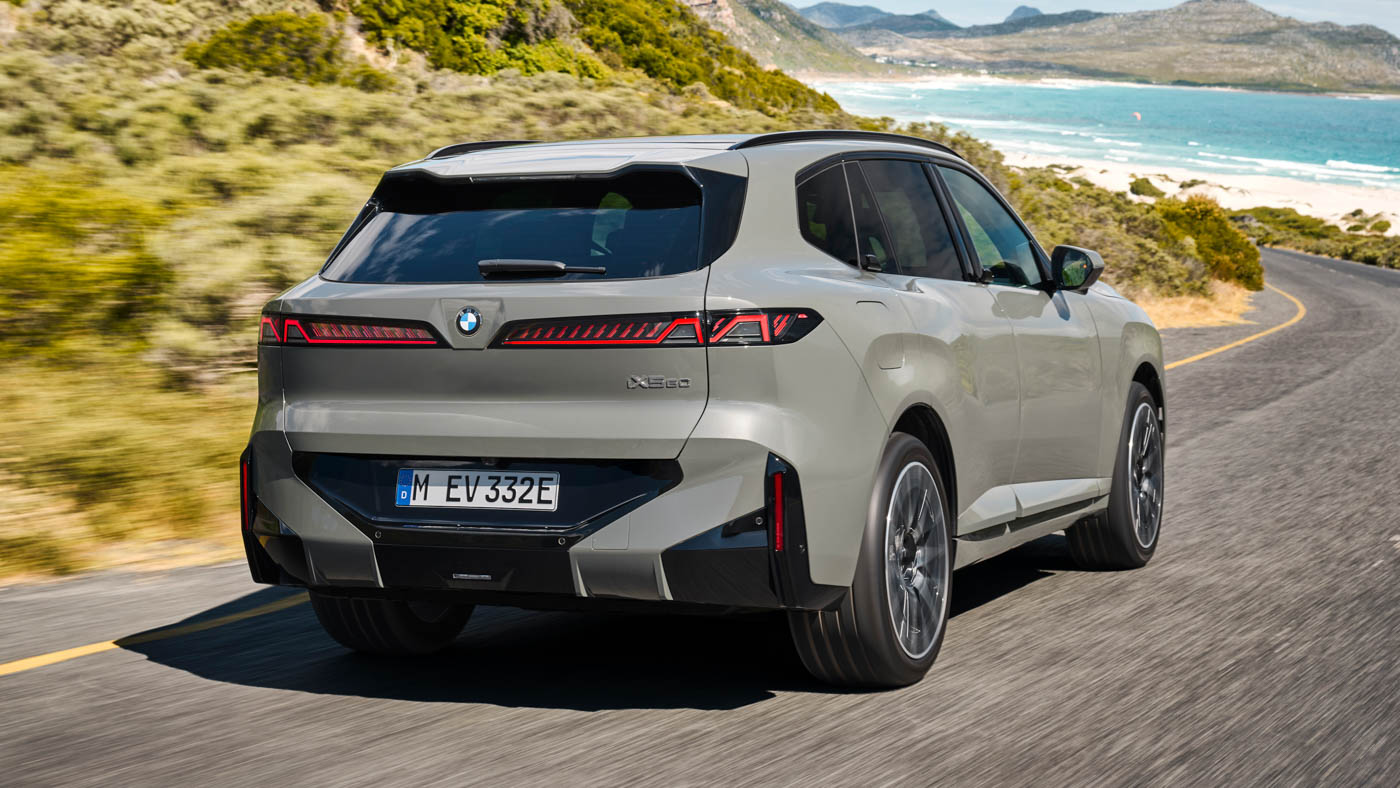
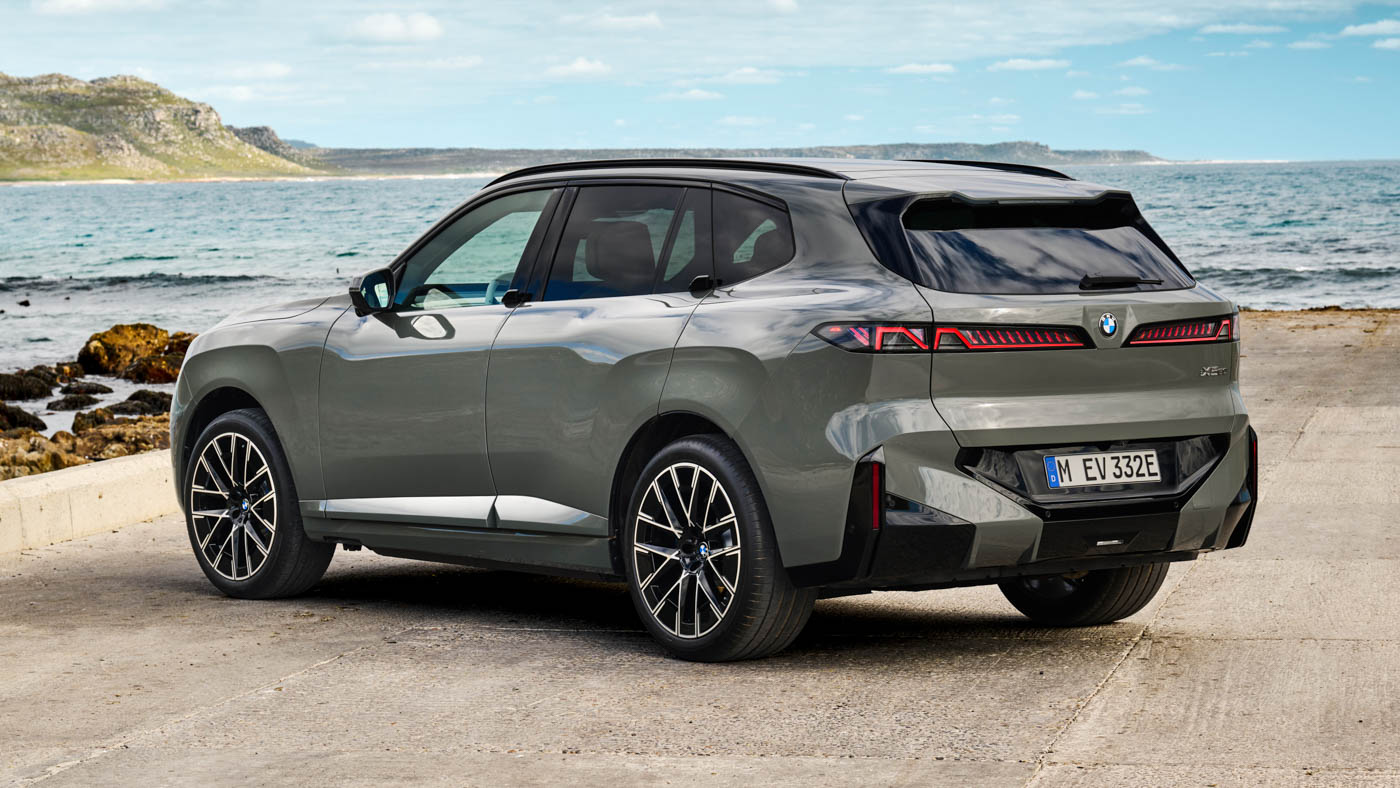
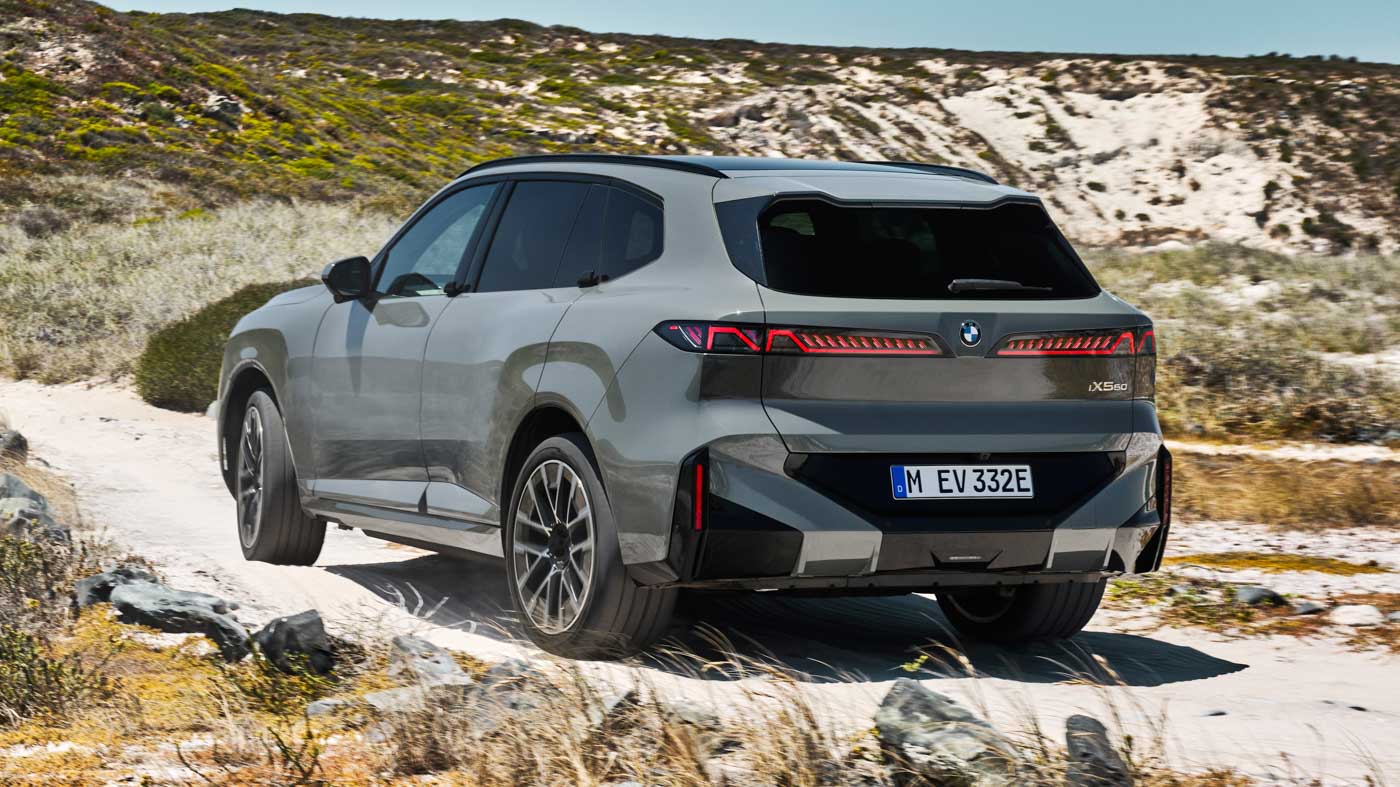
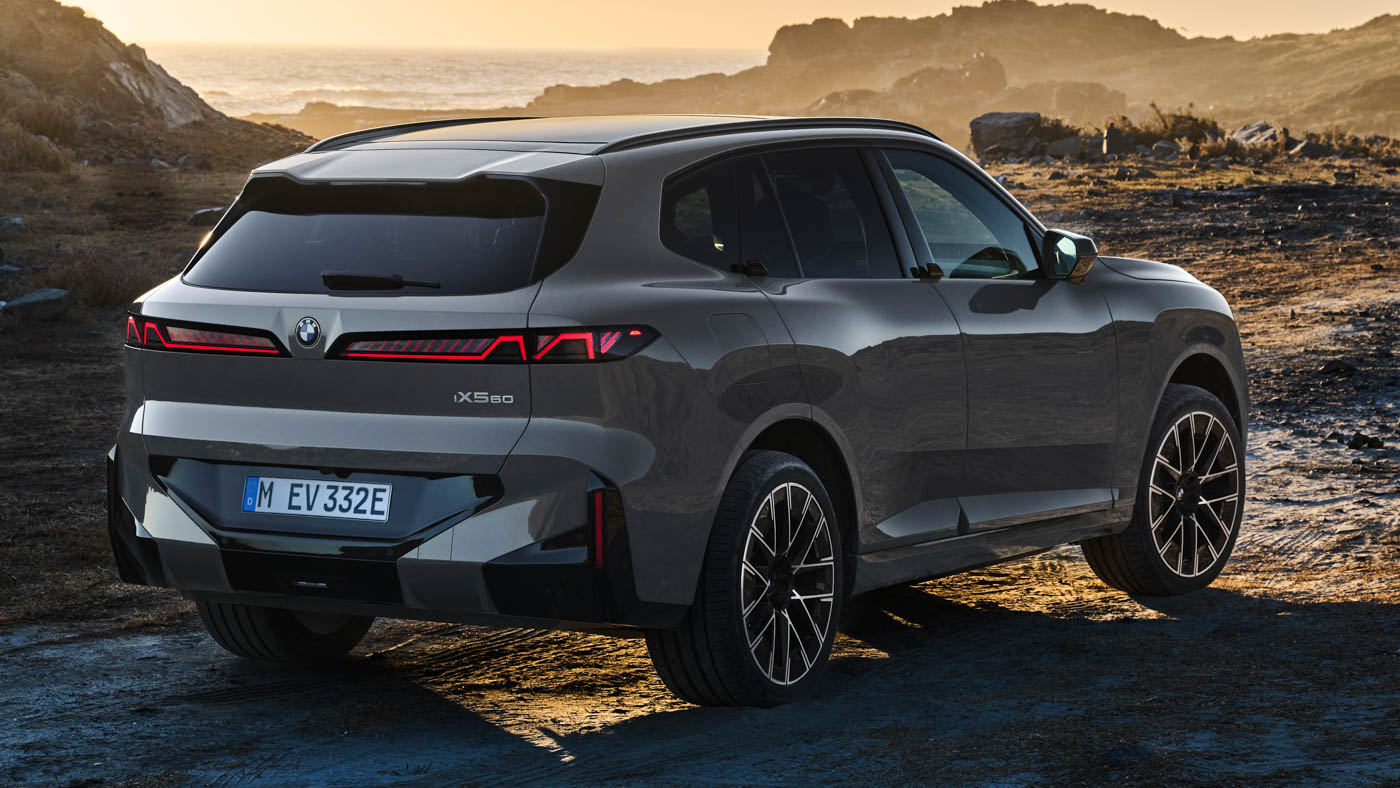
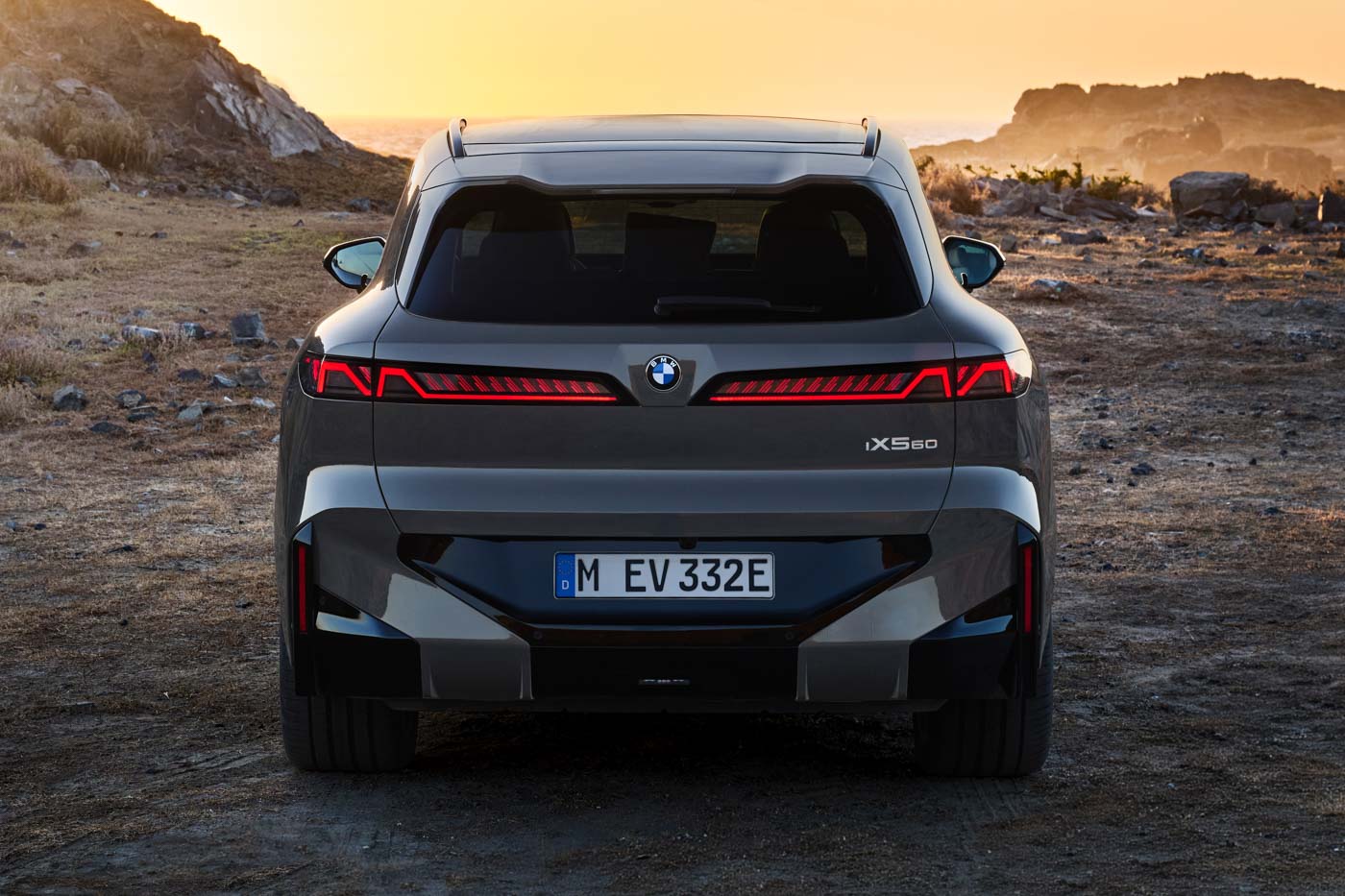
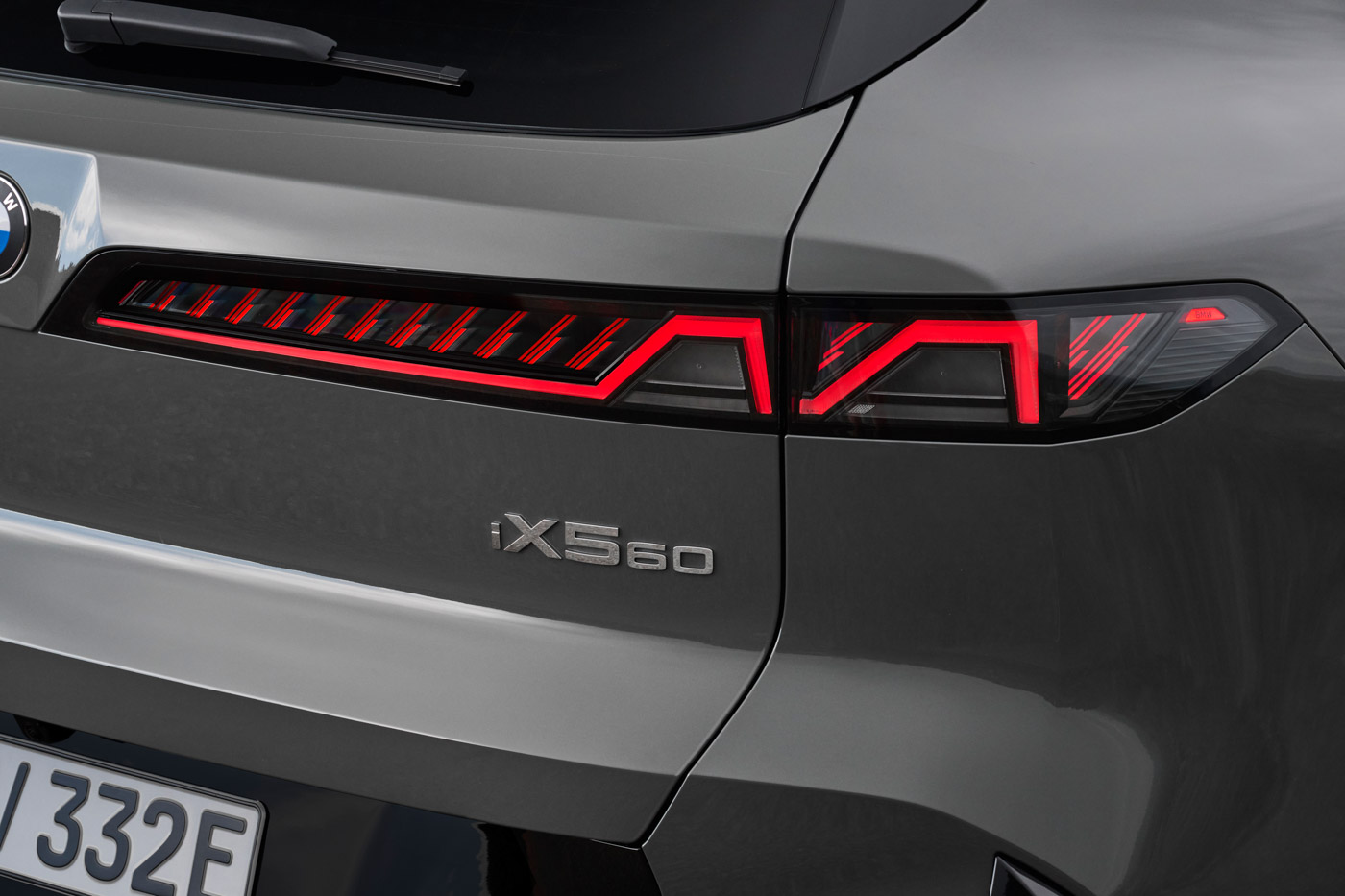
Befitting its role as “the Boss” of the X lineup, the new car carries much more muscular proportions, with bolder body lines, heavily sculpted wheel arches, and a large, gaping lower front grille. Round back, the taillight assembly stretches almost to the centre of the tailgate, with the BMW badge splitting the light bar, a signature borrowed from the iX3 though here dressed up with a more intricate lighting design. Unfortunately, this is also the generation where BMW bids farewell to the signature split tailgate in previous models.
ALSO READ: The all-electric BMW i3 forges a new future for the 3 Series while honouring its heritage
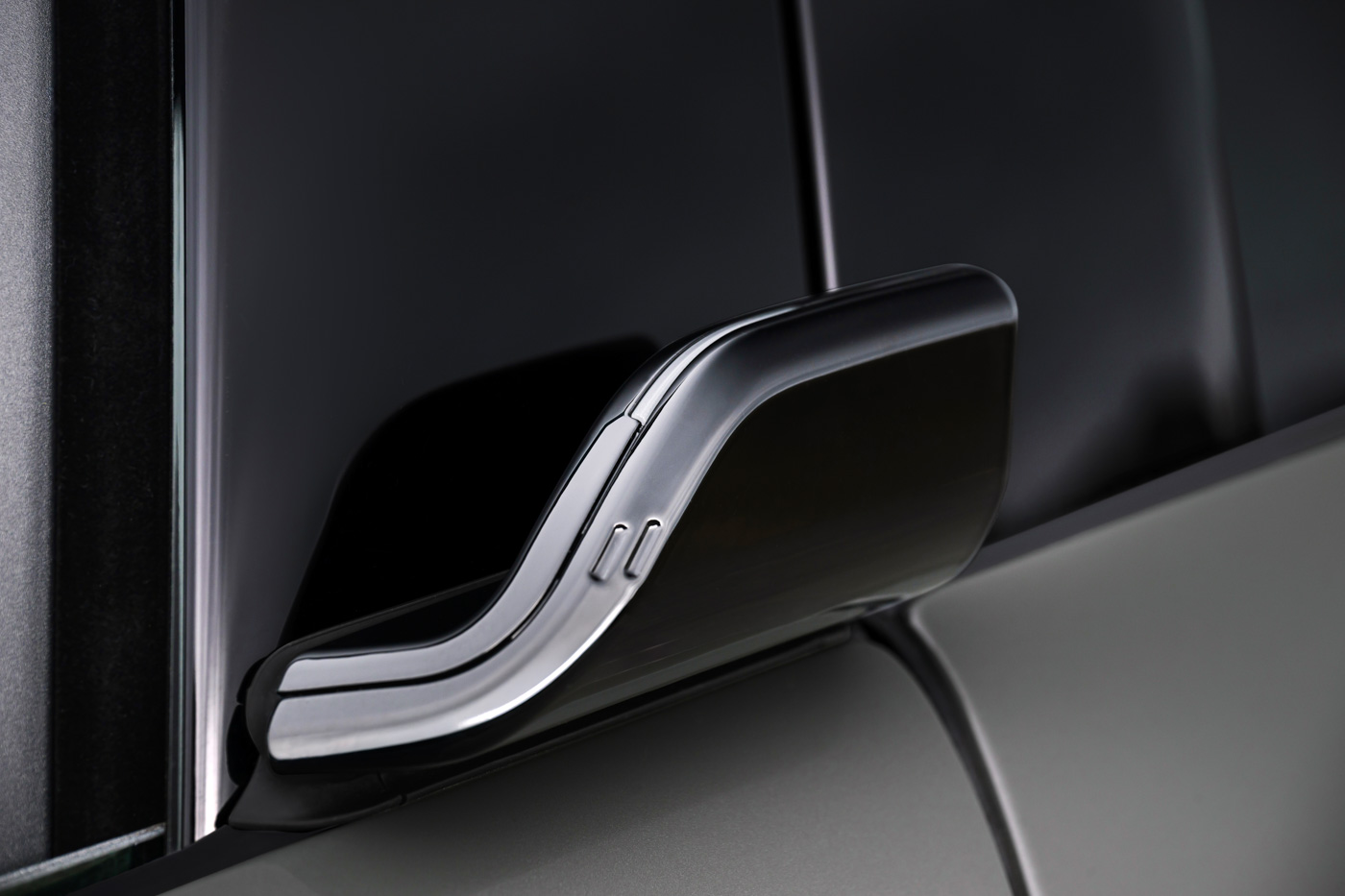
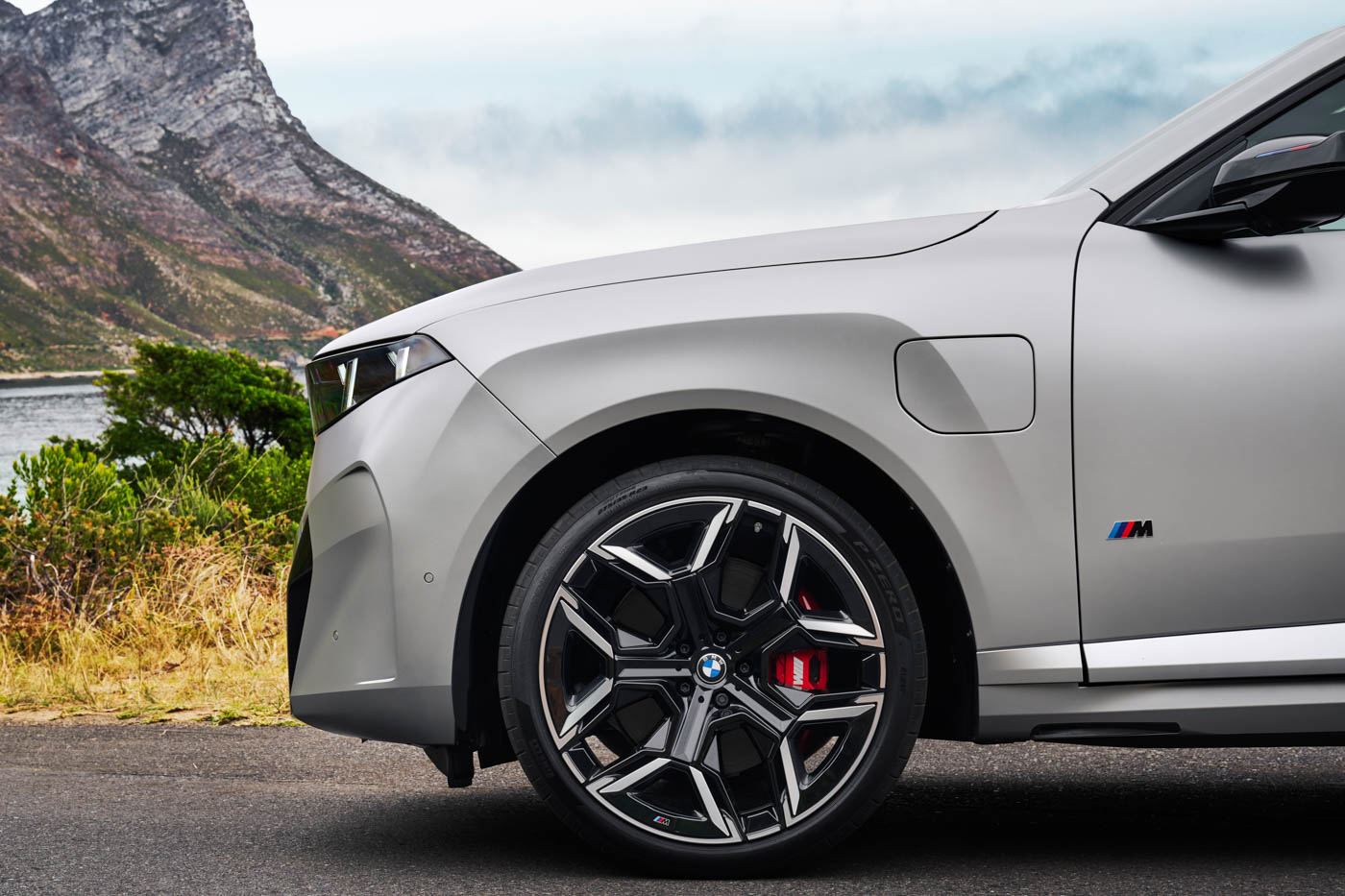
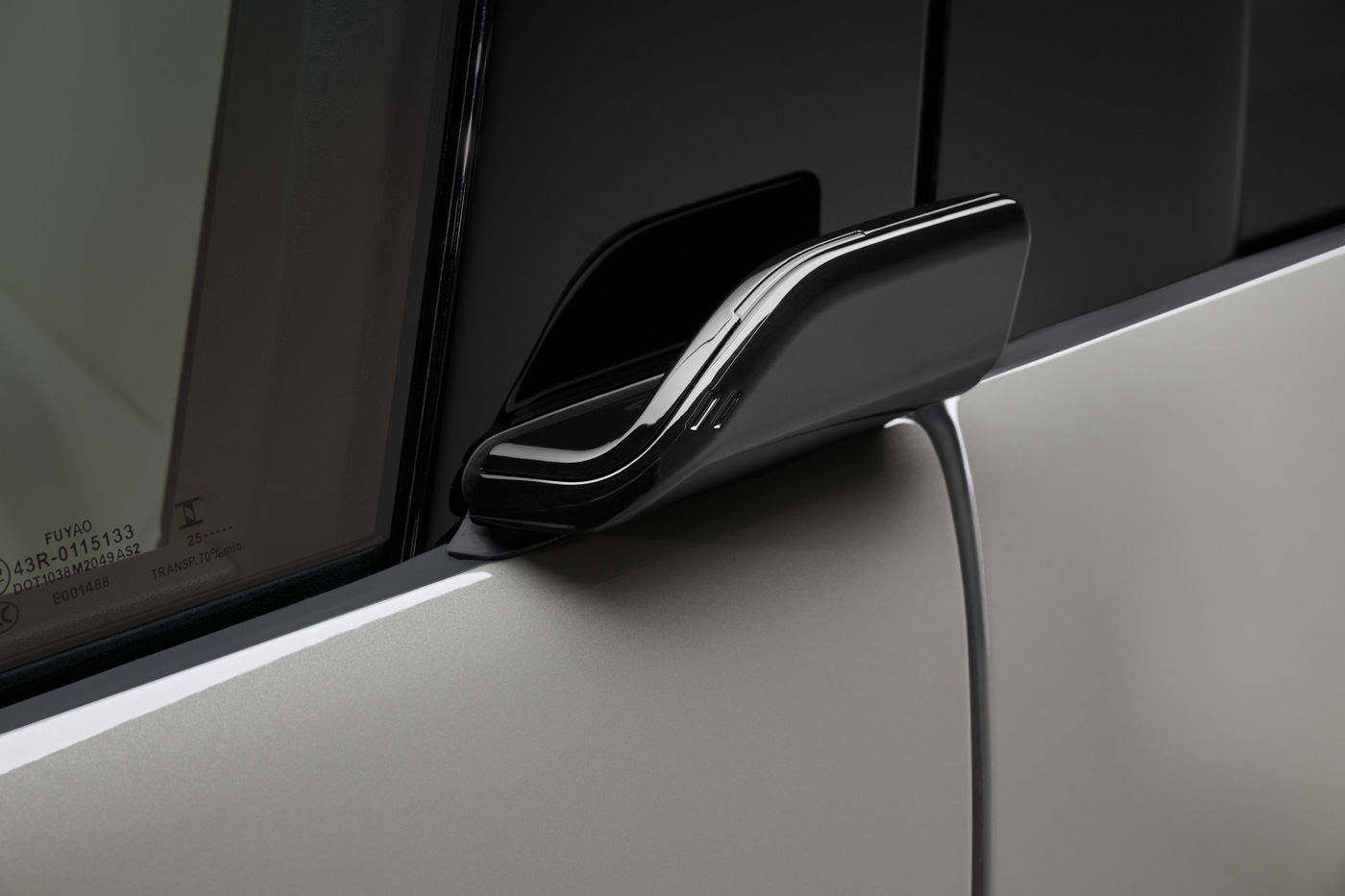
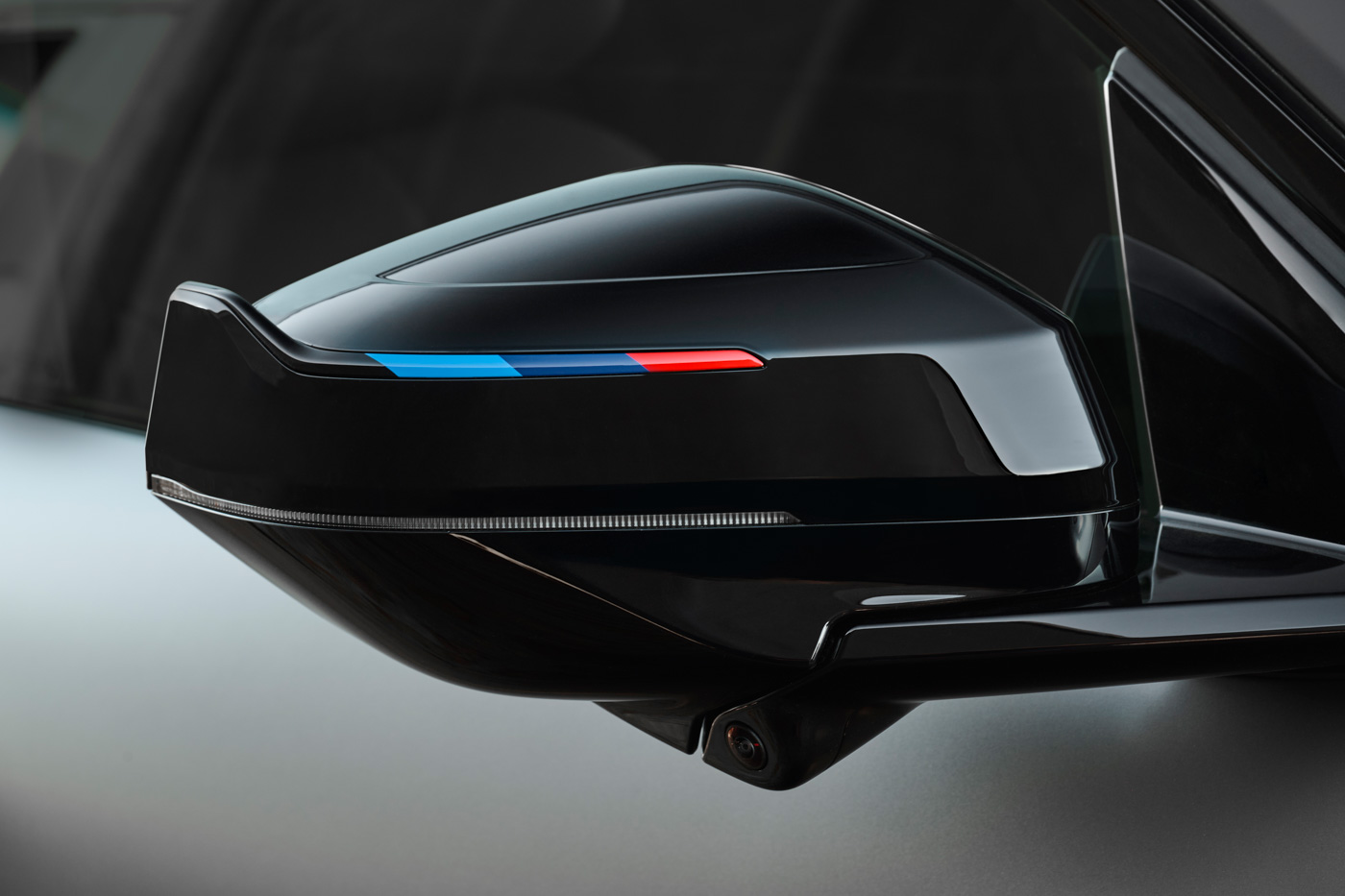
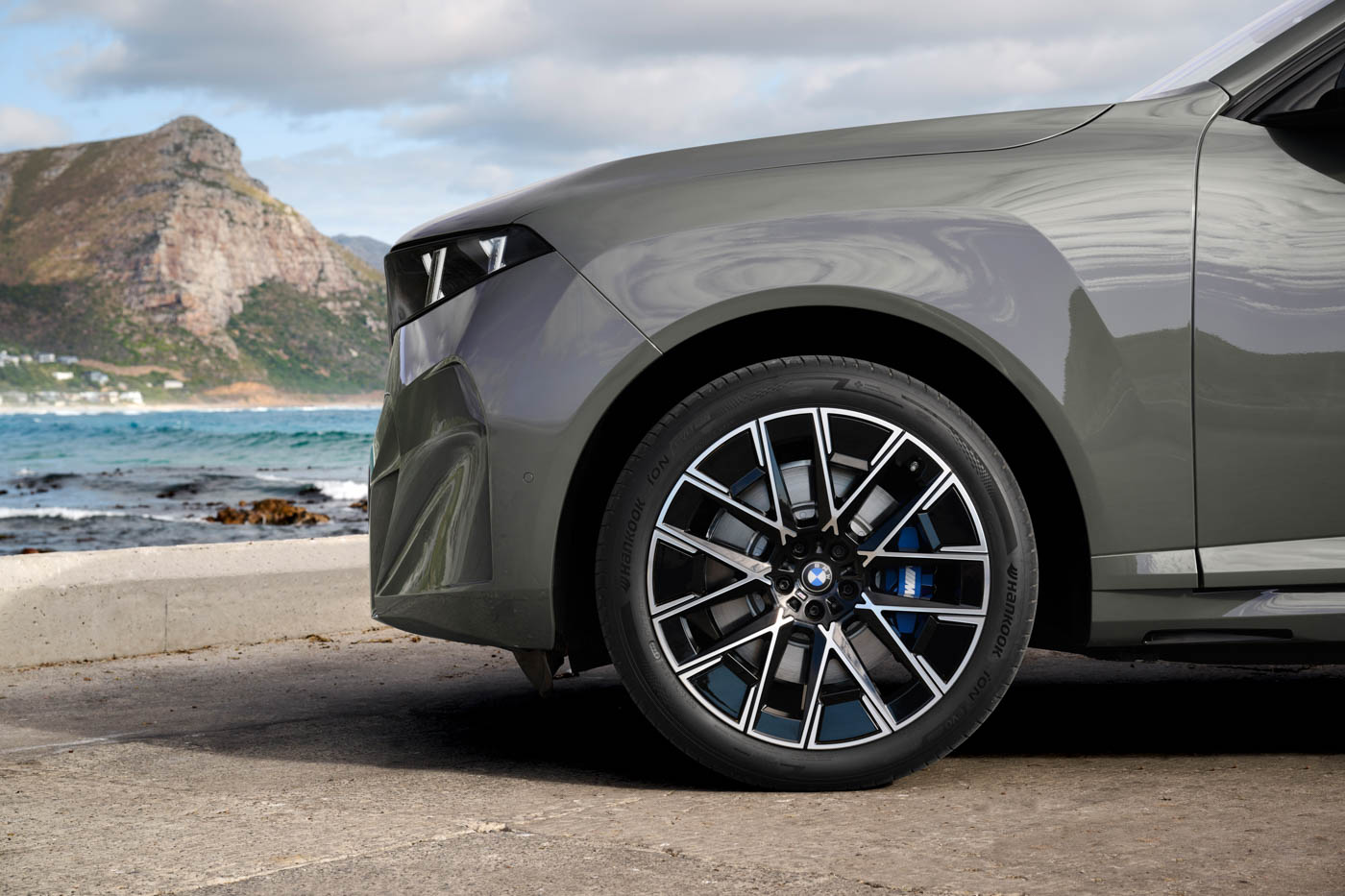
Depending on the variant, buyers can also get genuine quad-tailpipes, while wheels go up to 23 inches for the first time. The door handles get the Neue Klasse treatment too, with recessed Winglet handles that pop the door open with just a light touch. China has since banned purely electronic door handle mechanisms over safety concerns; it wouldn’t be surprising if a mechanical version eventually finds its way into our markets as well.
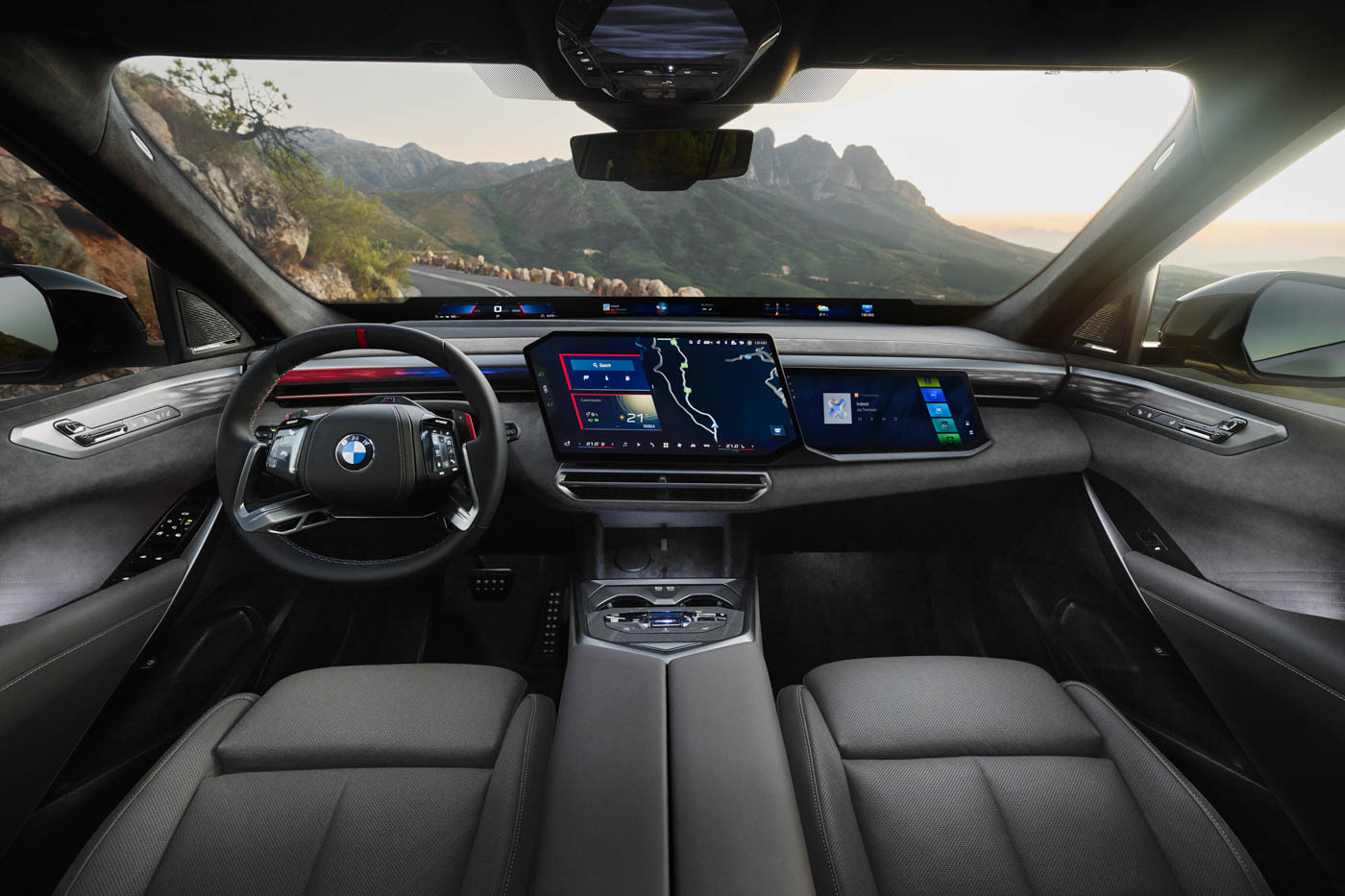
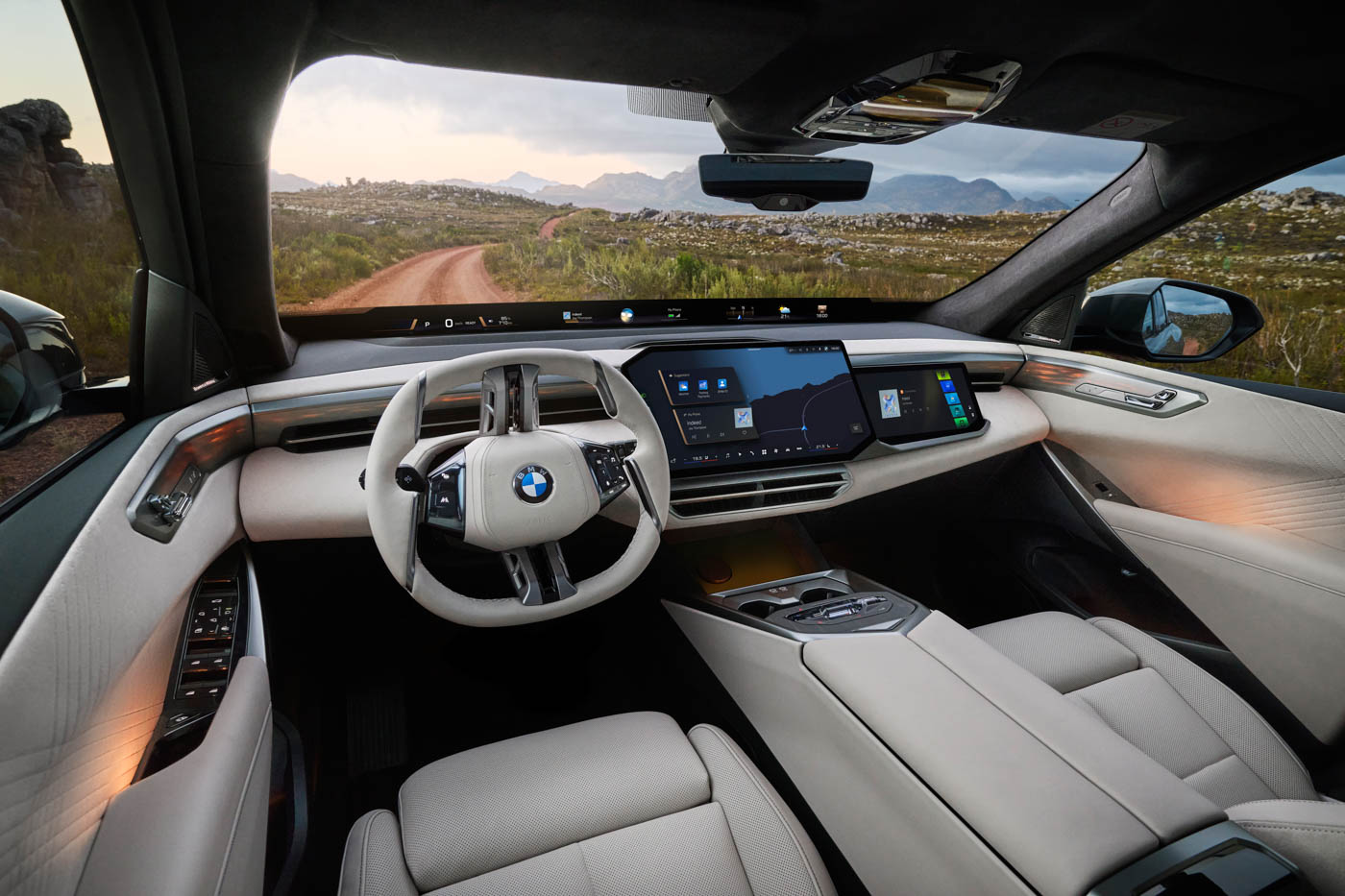
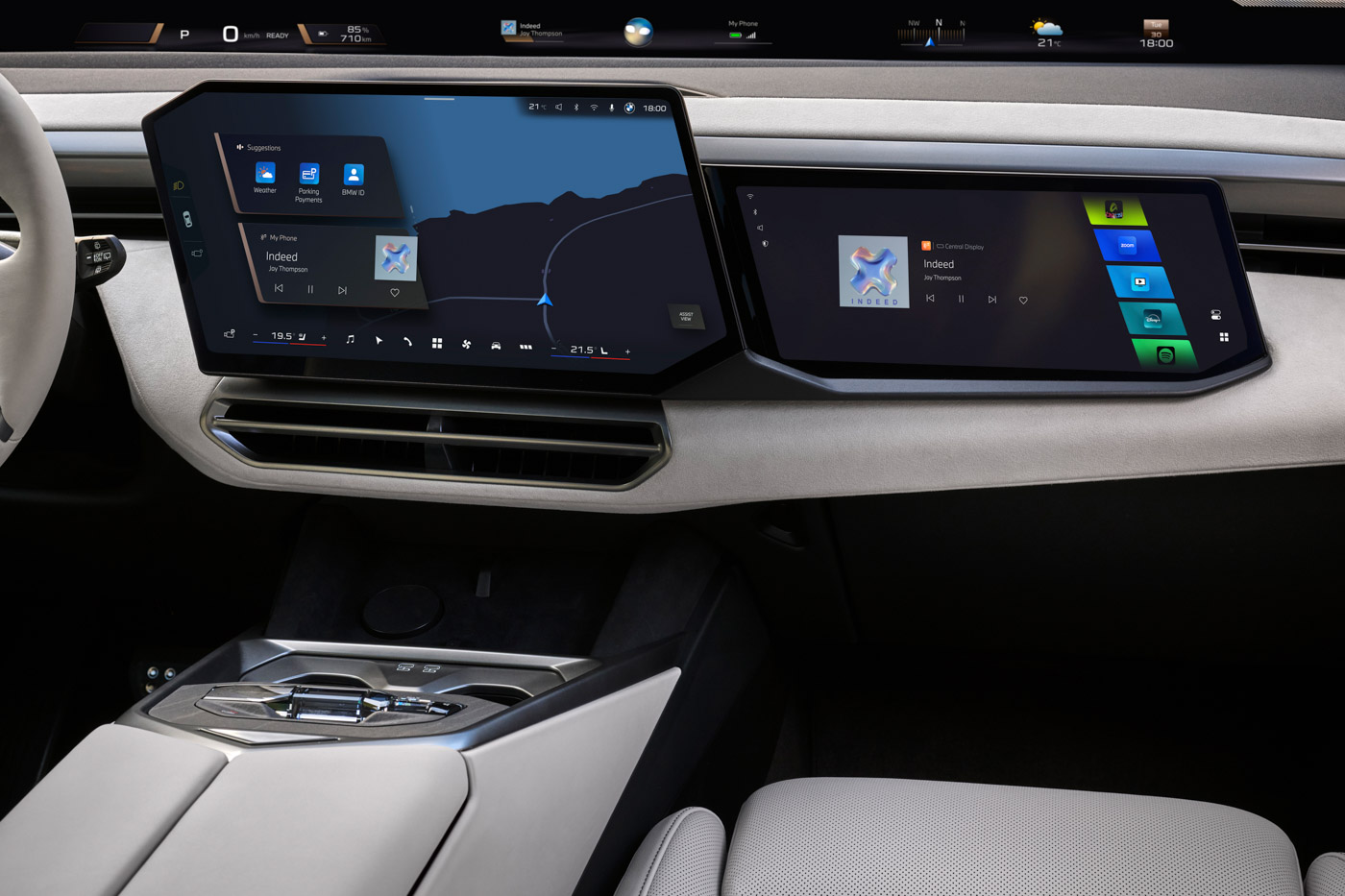
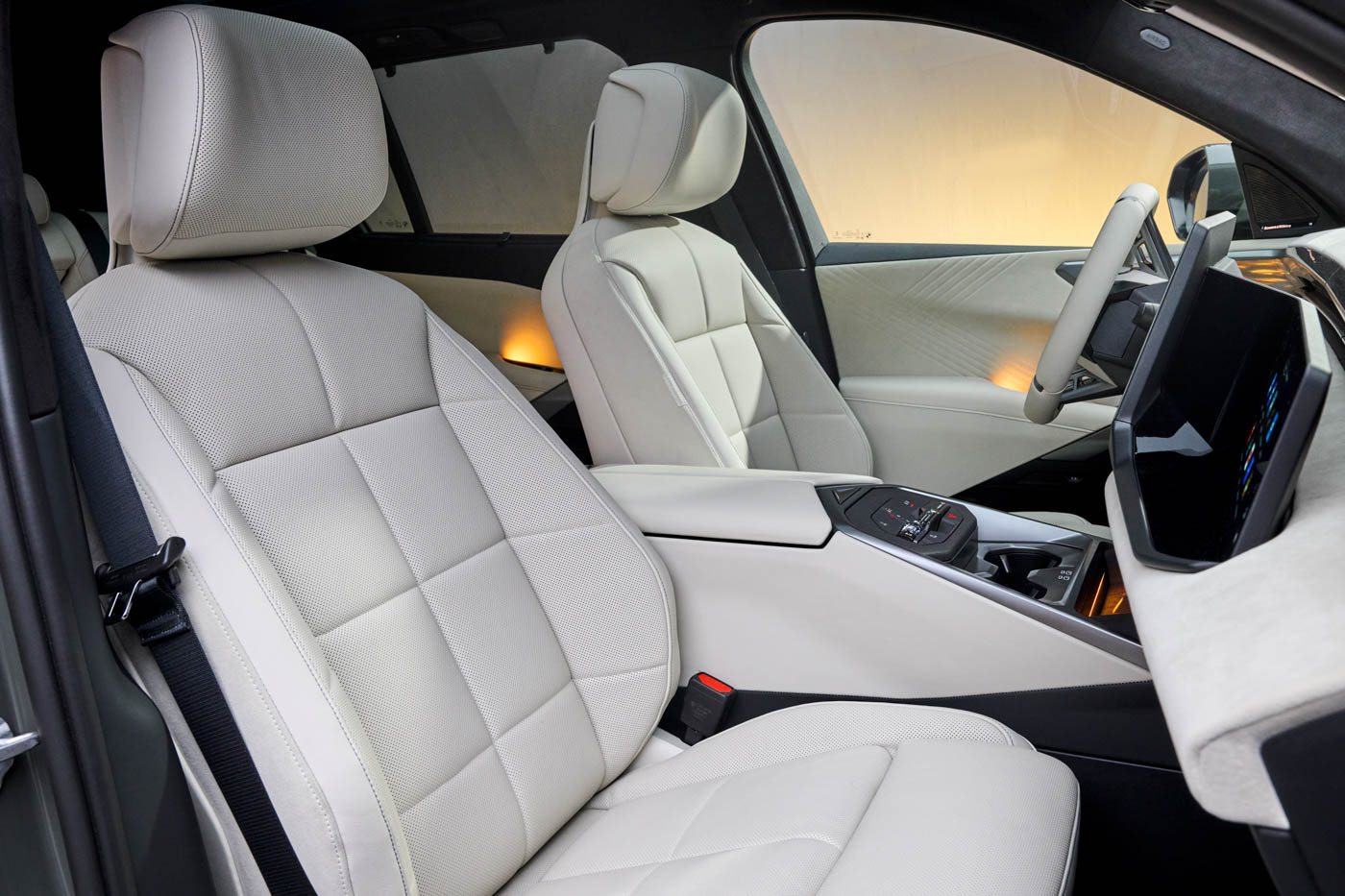
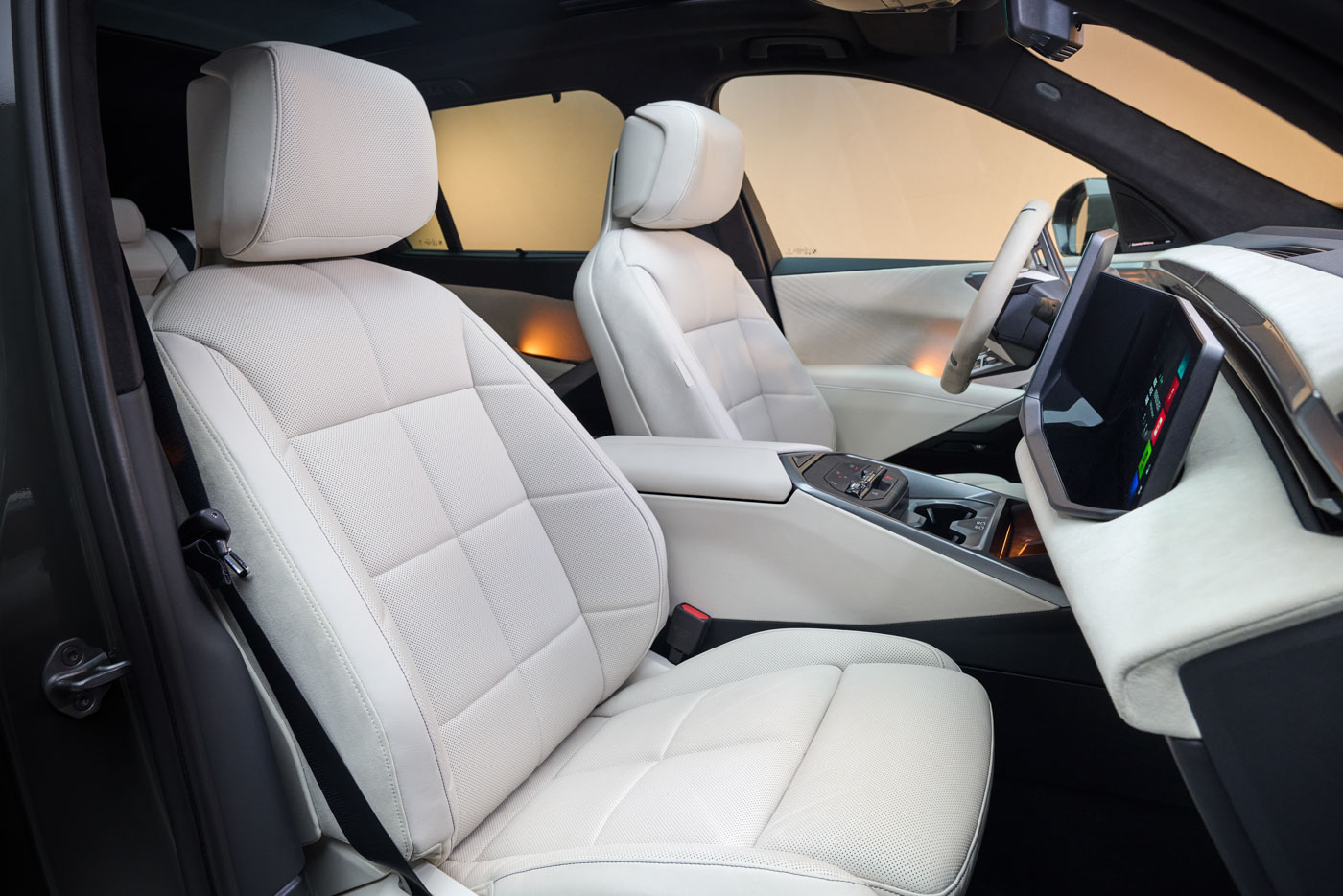
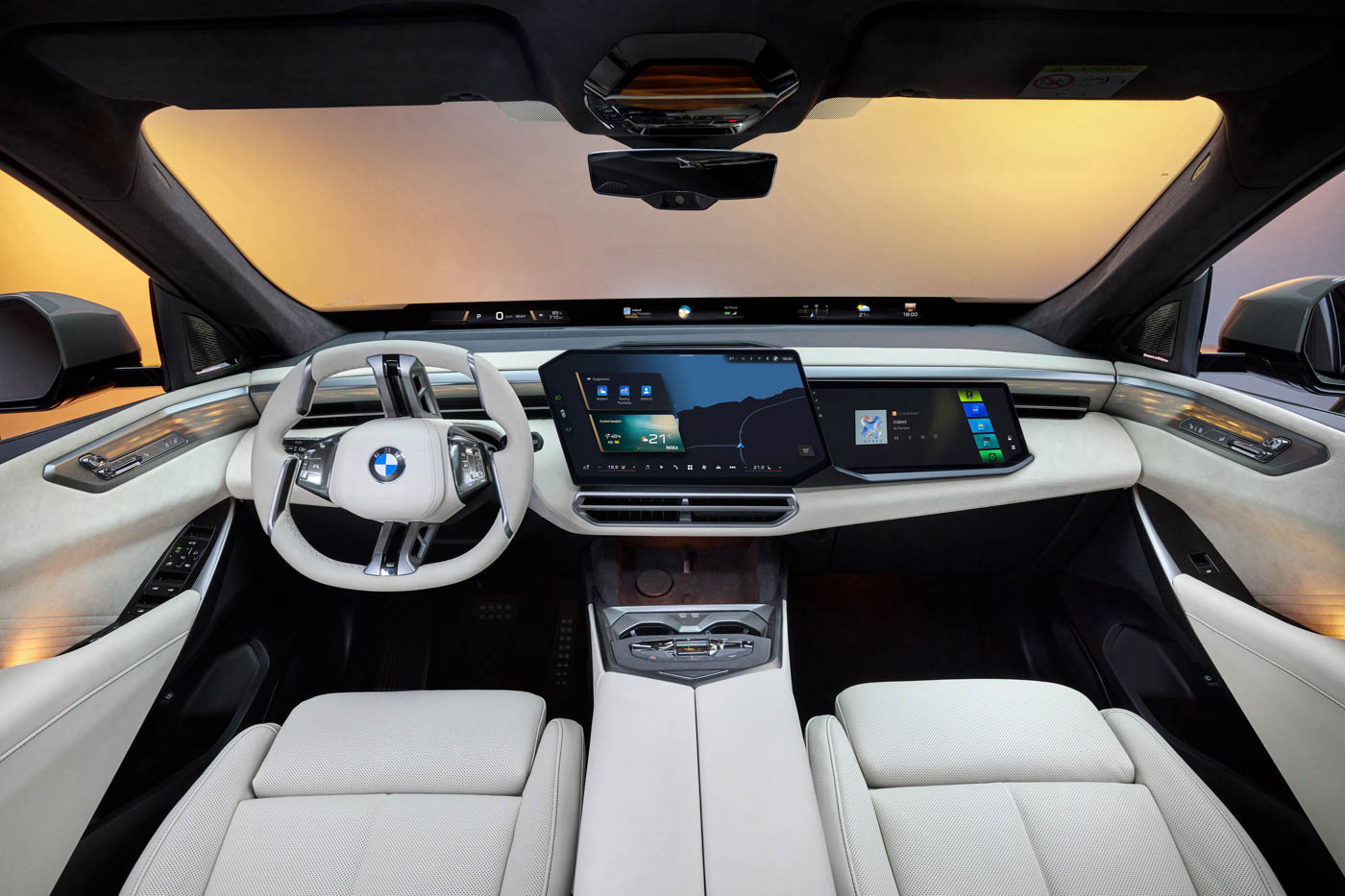
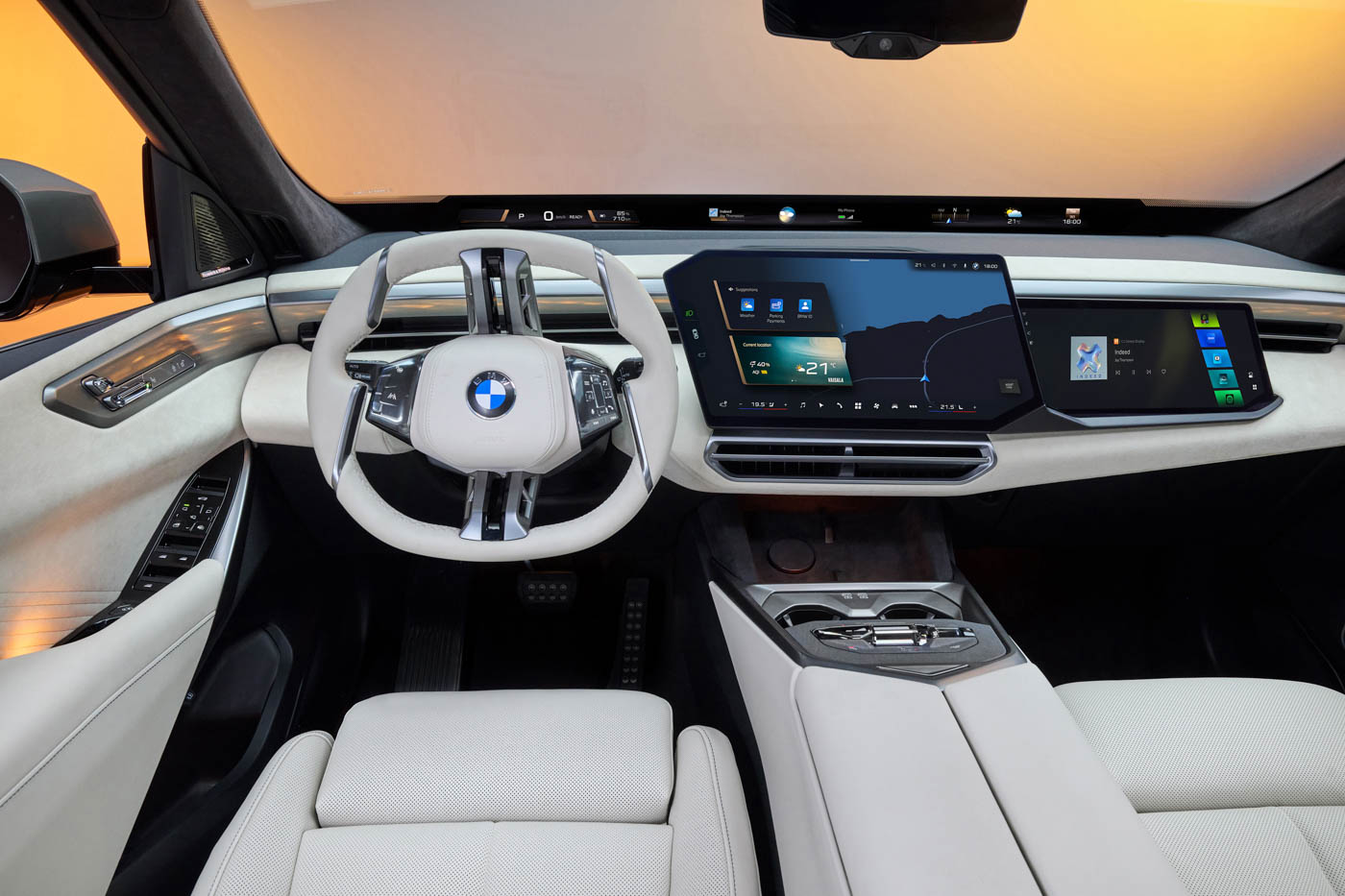
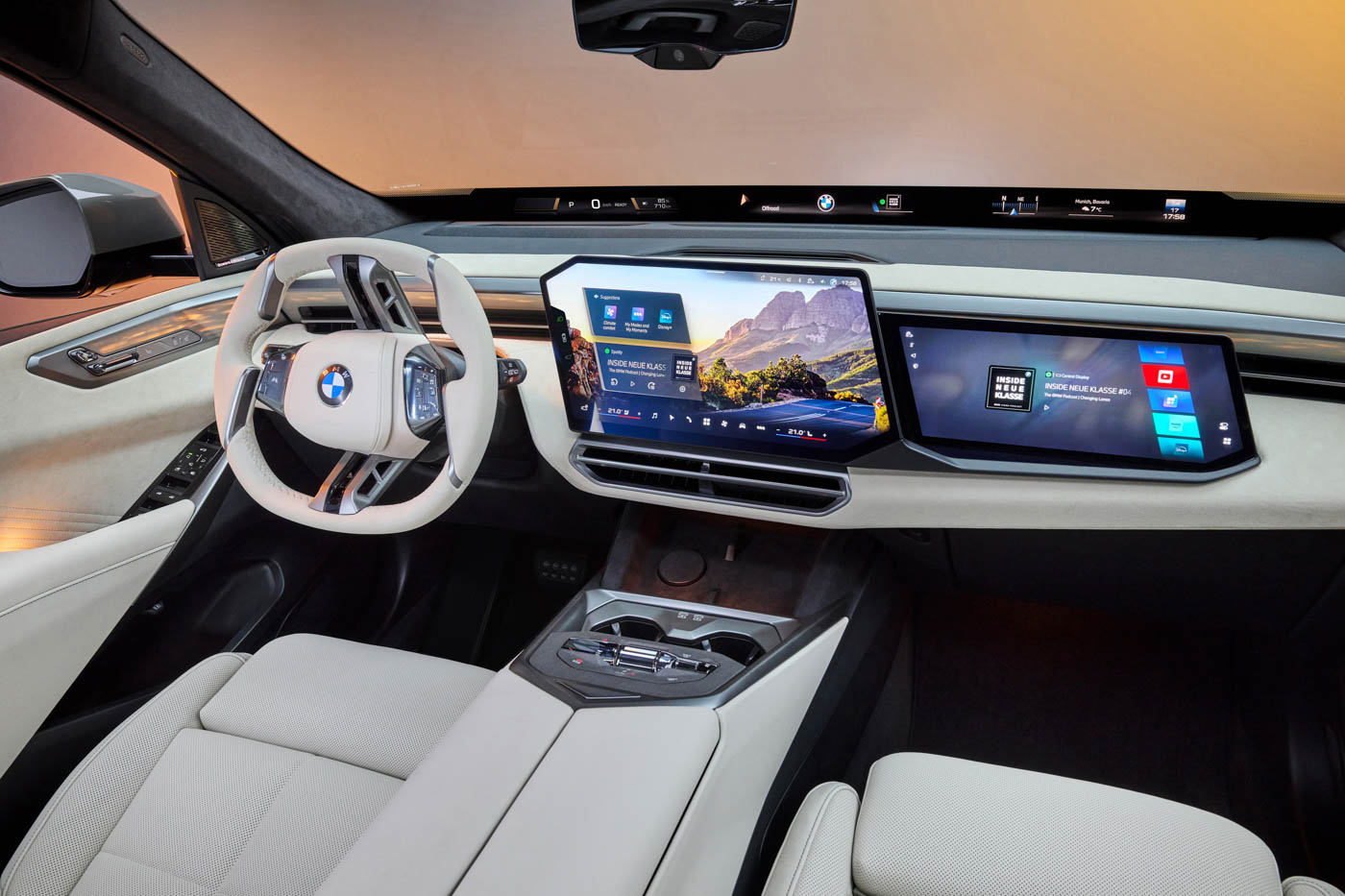
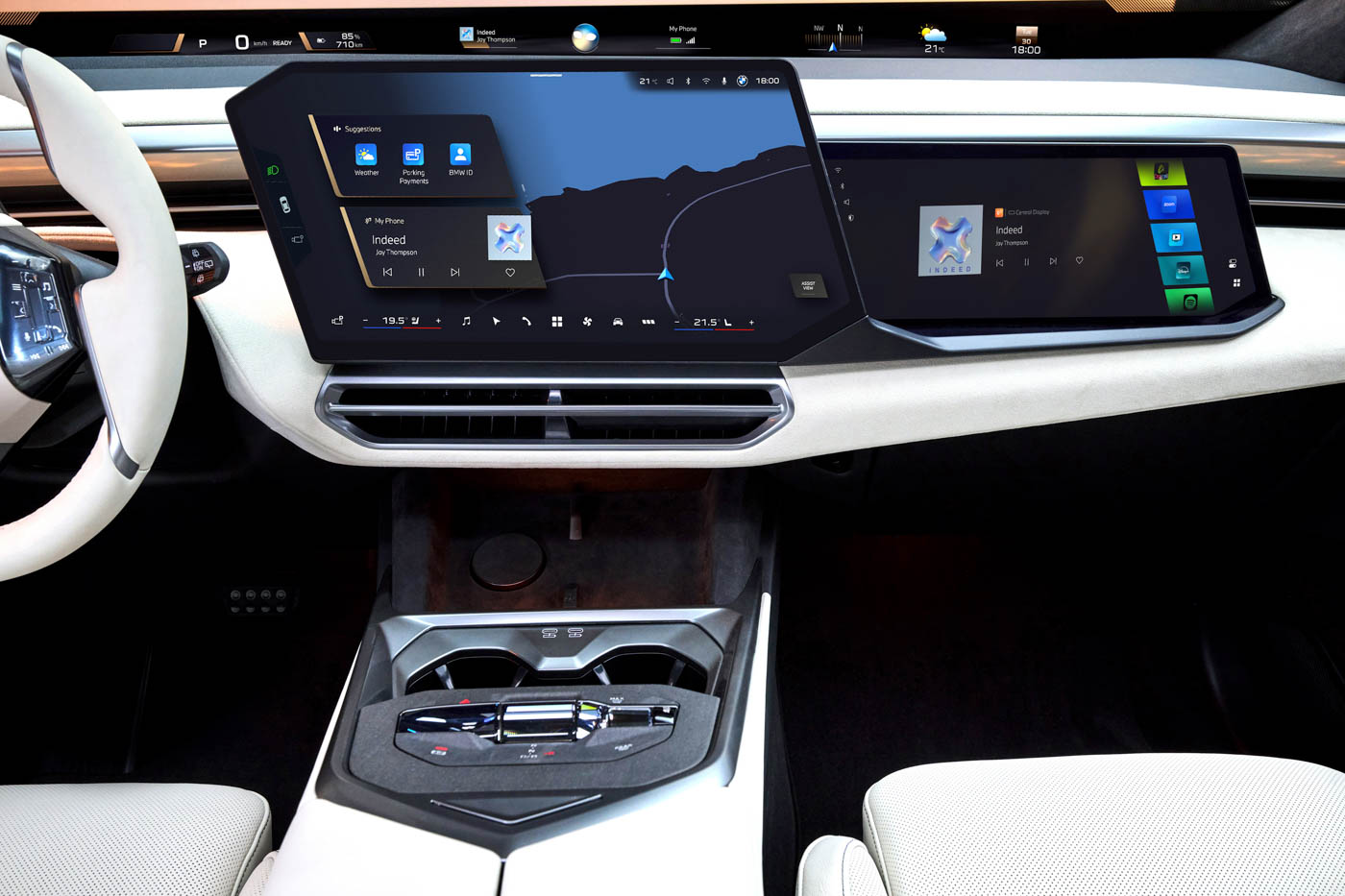
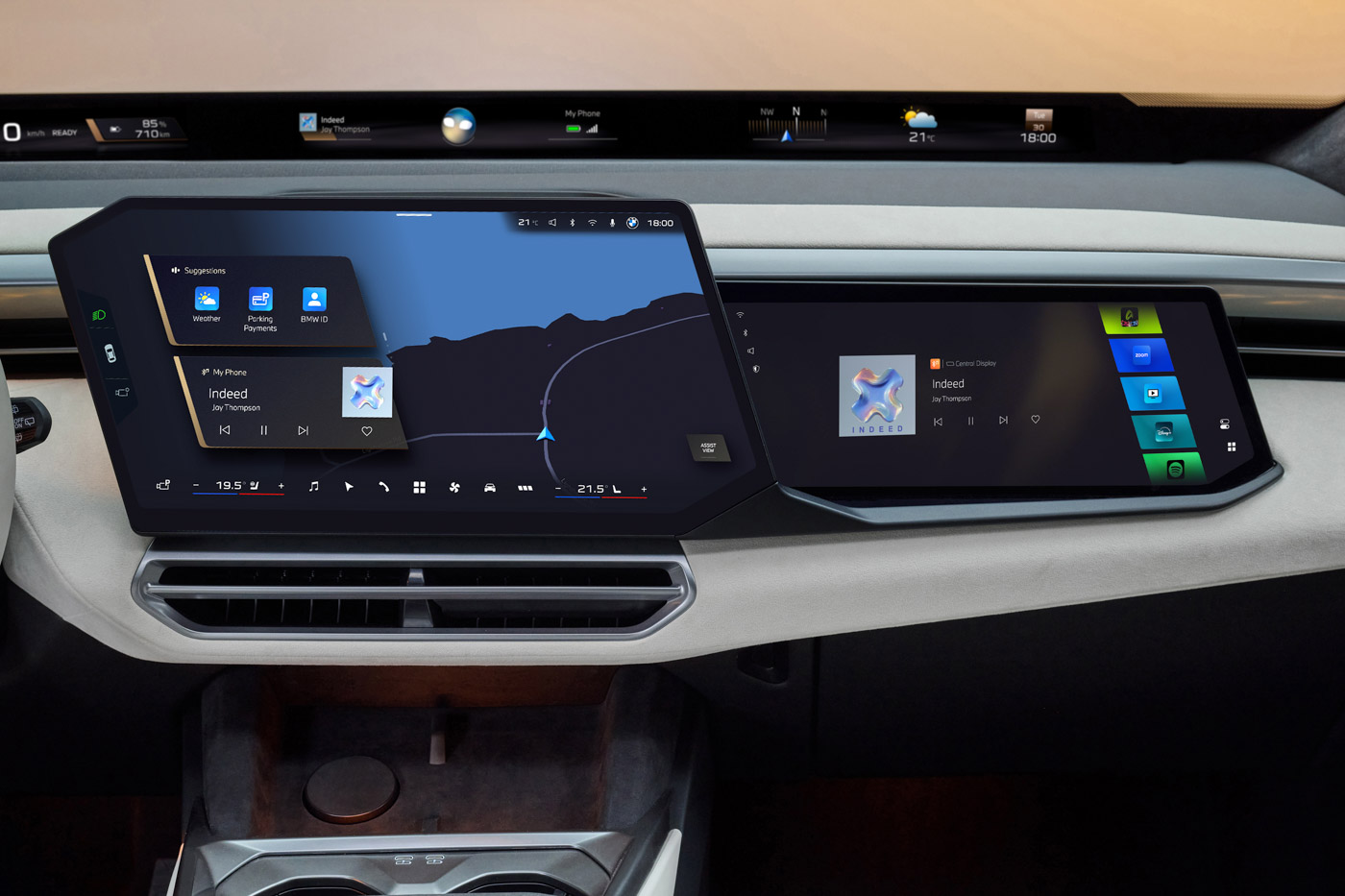
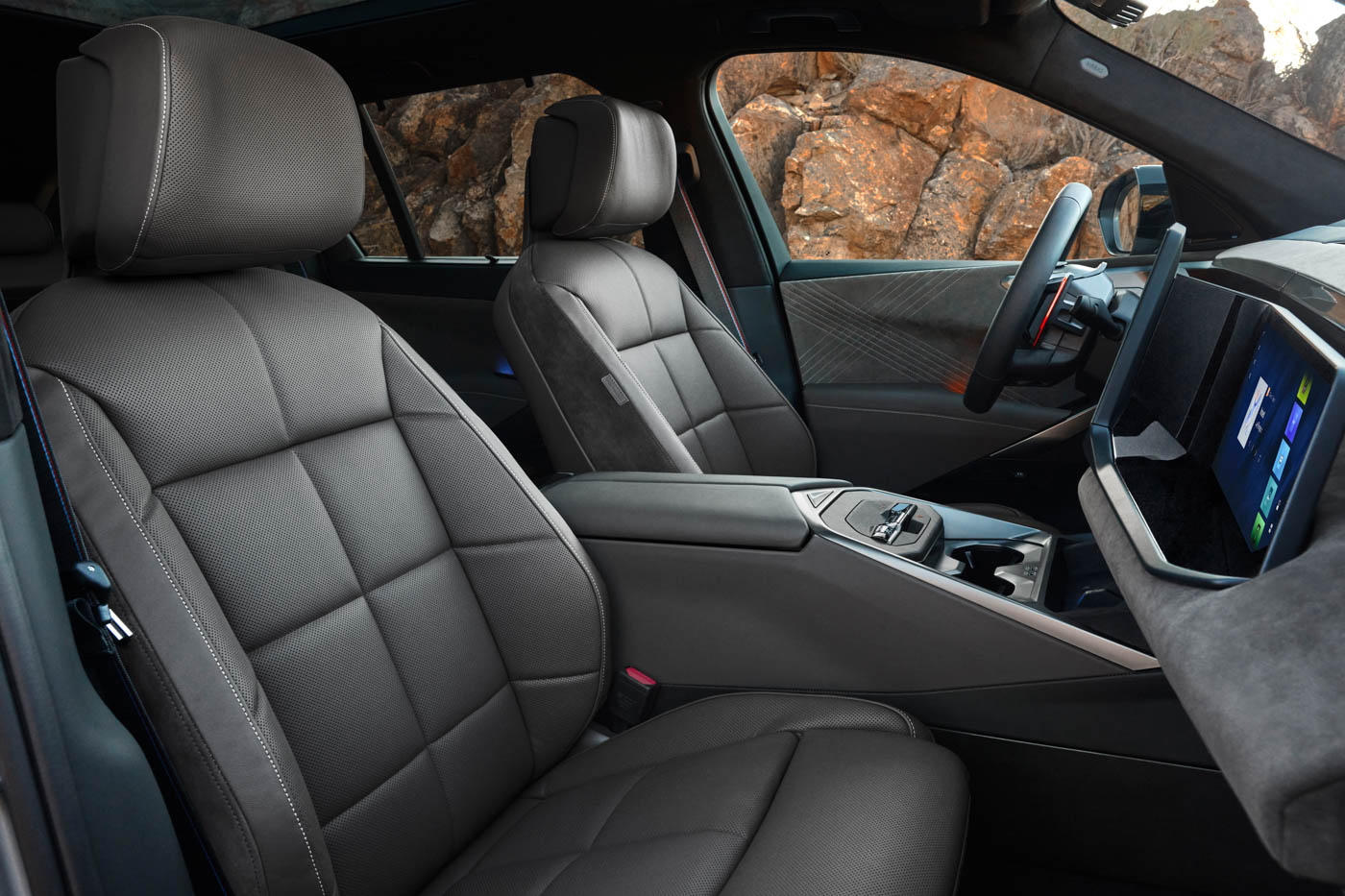
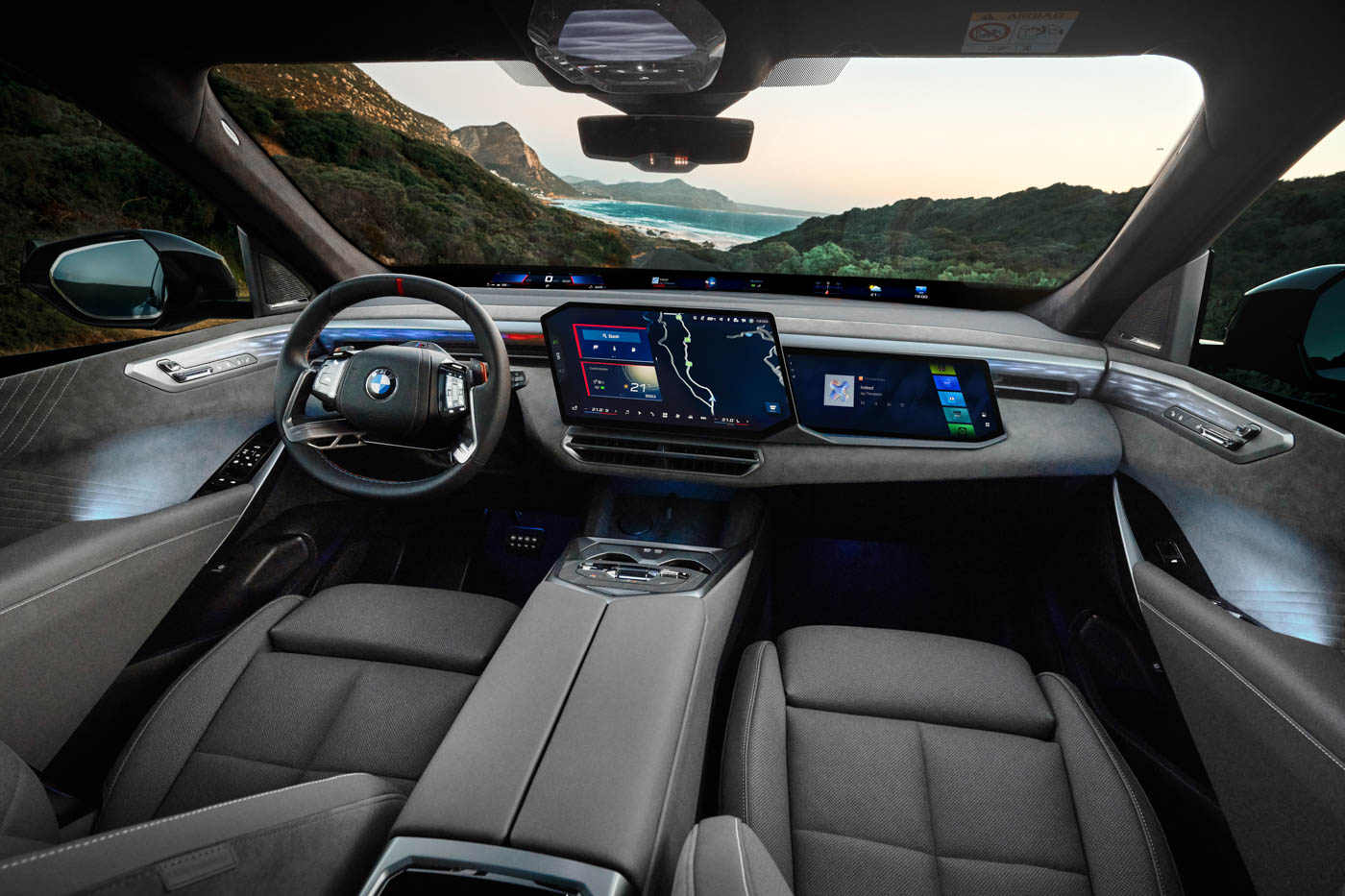
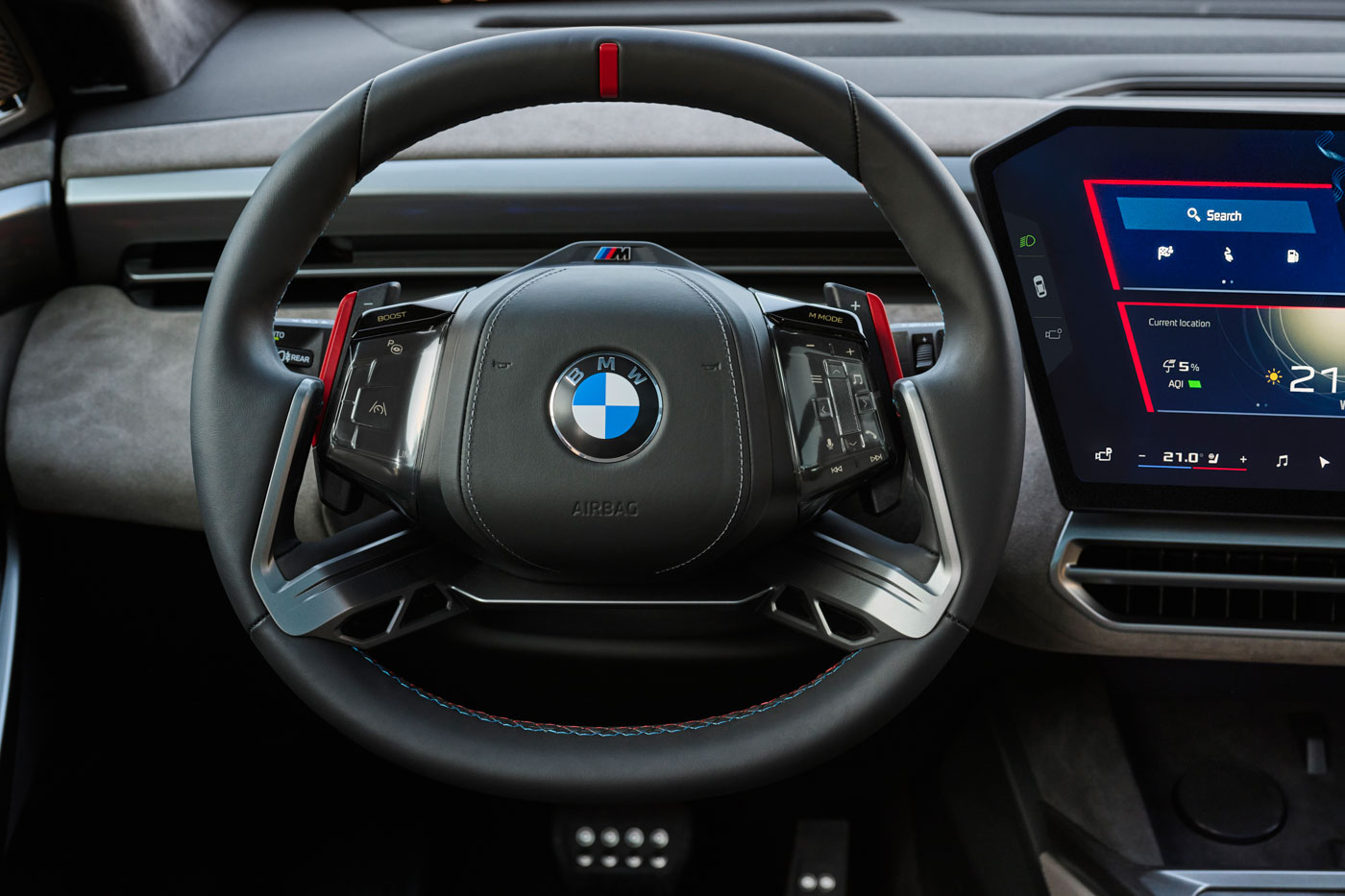
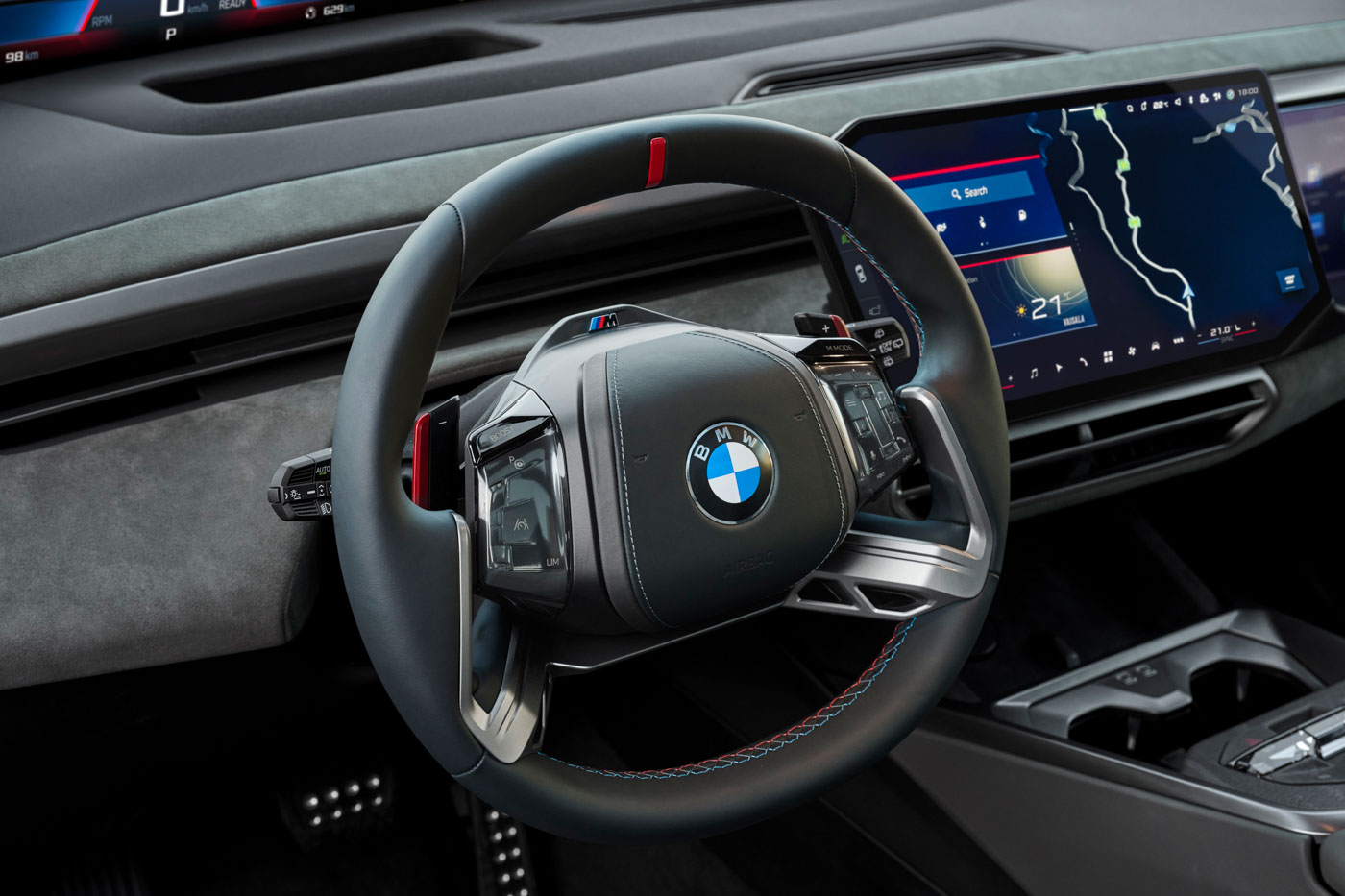
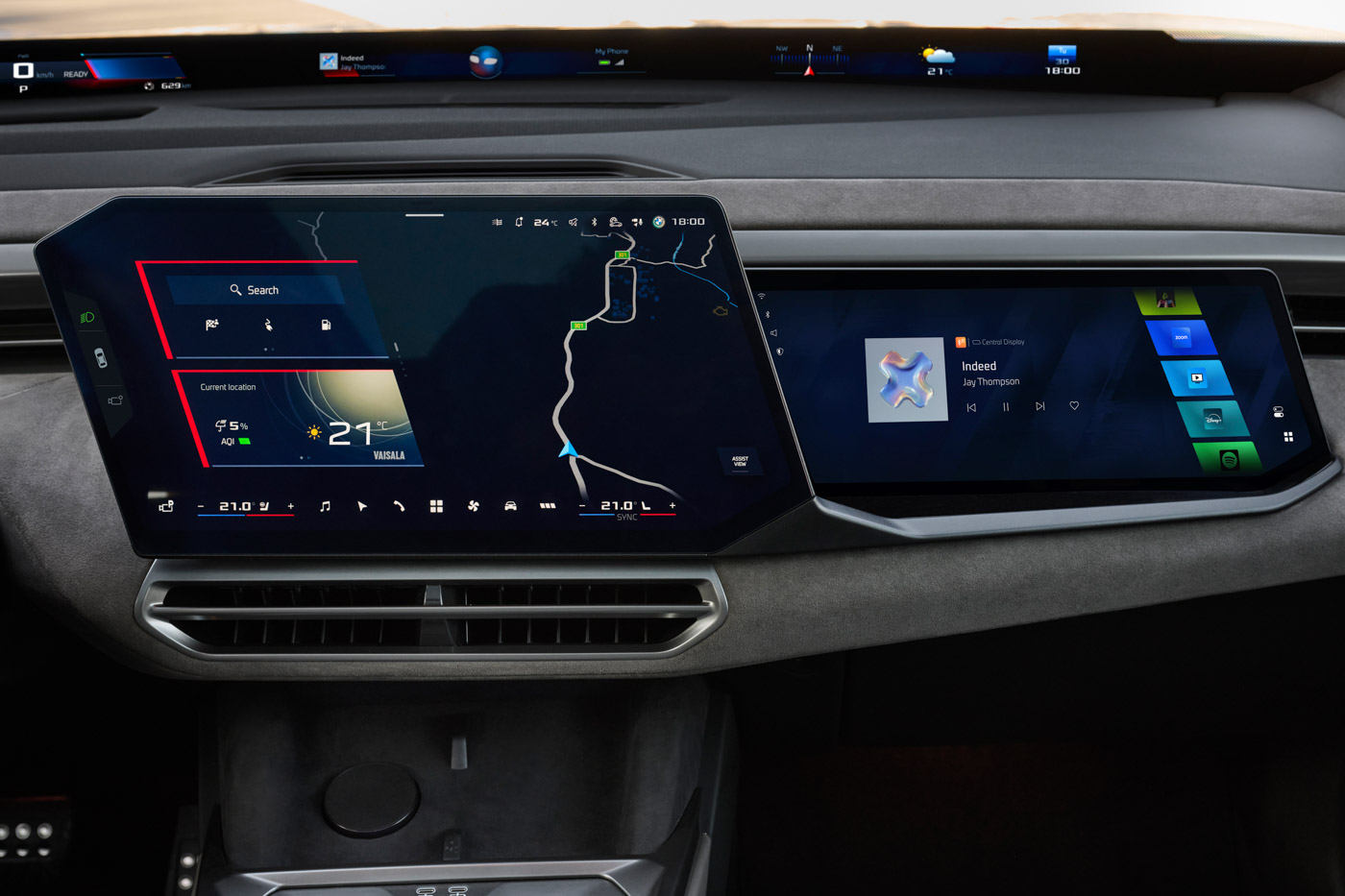
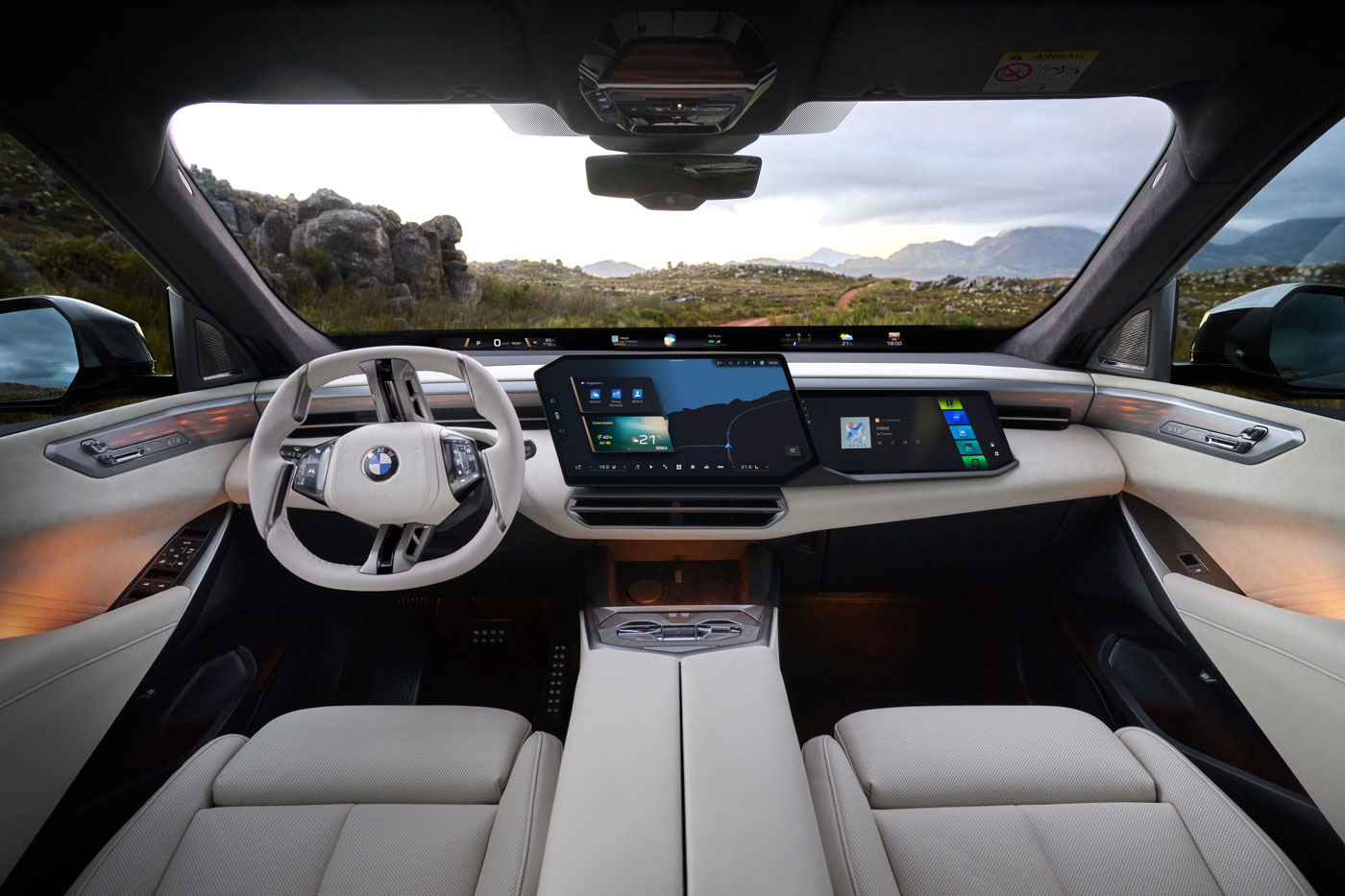
Inside, the cabin follows a similar script to its Neue Klasse siblings, dressed up with extra attention to detail. The centrepiece is a 17.9-inch parallelogram-shaped touchscreen, joined by a full-width Panoramic Vision projection display and a separate head-up display. Following the lead of the updated 7 Series, there’s also a dedicated 14.6-inch screen for the front passenger.
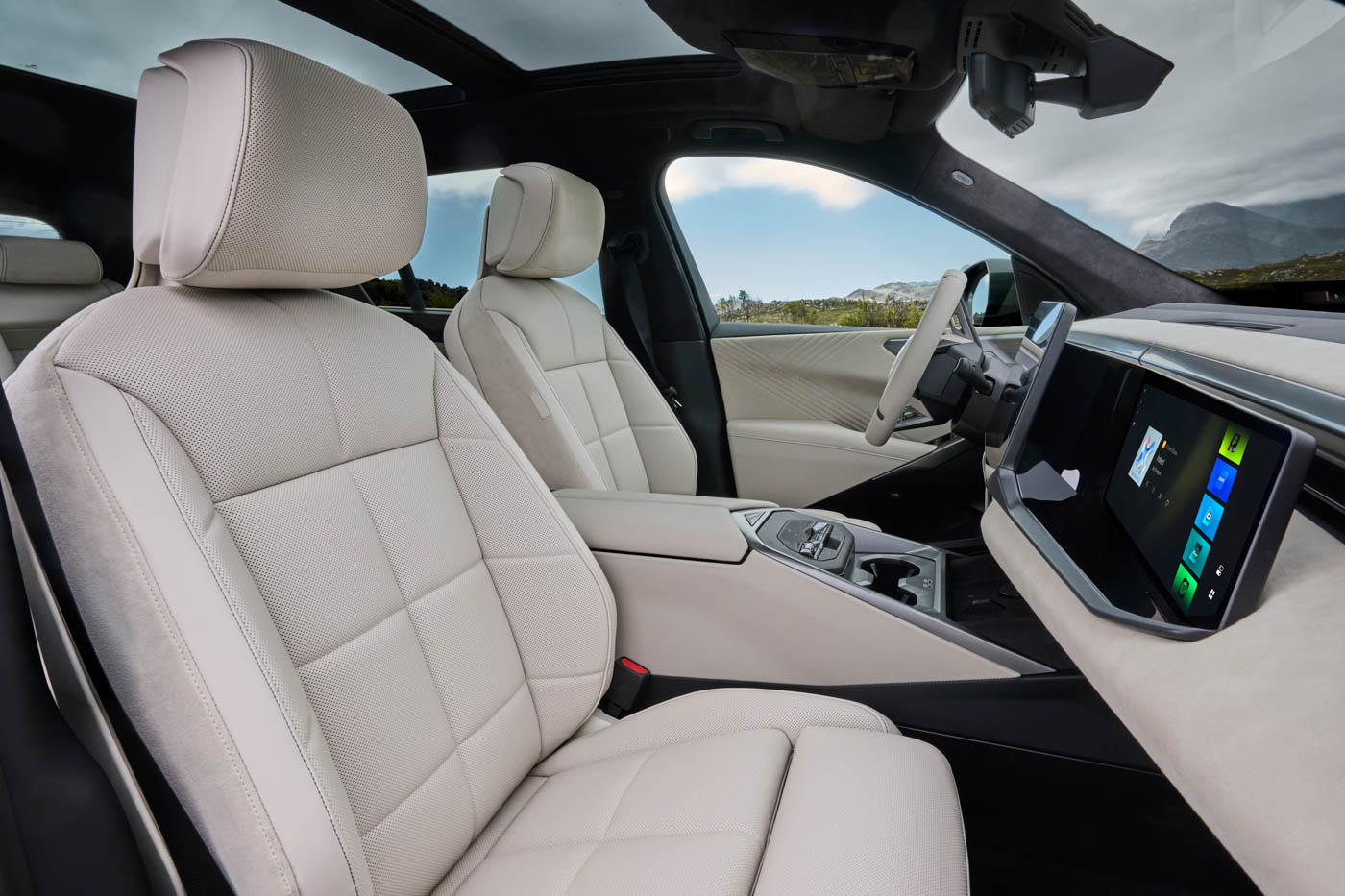
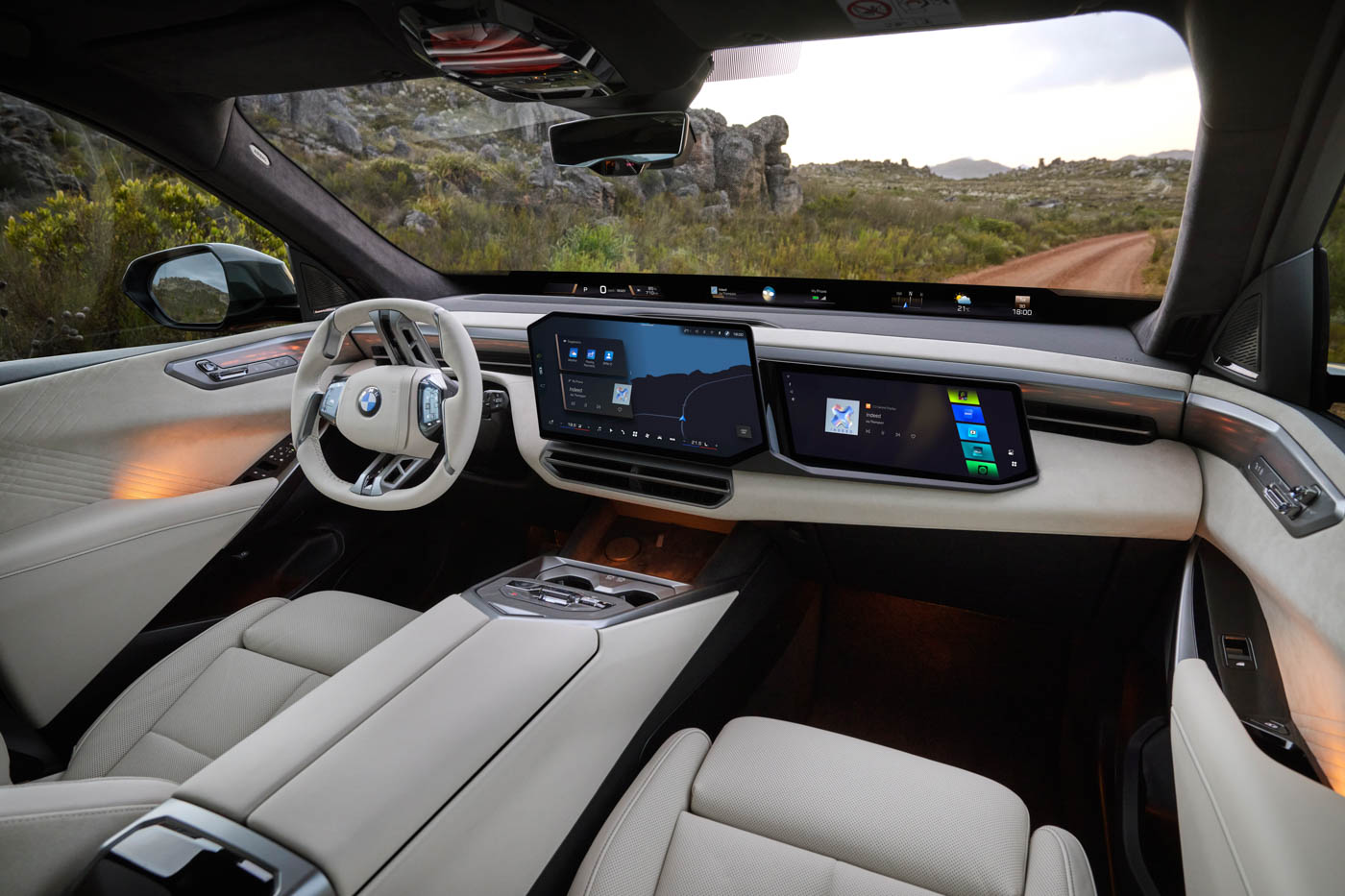
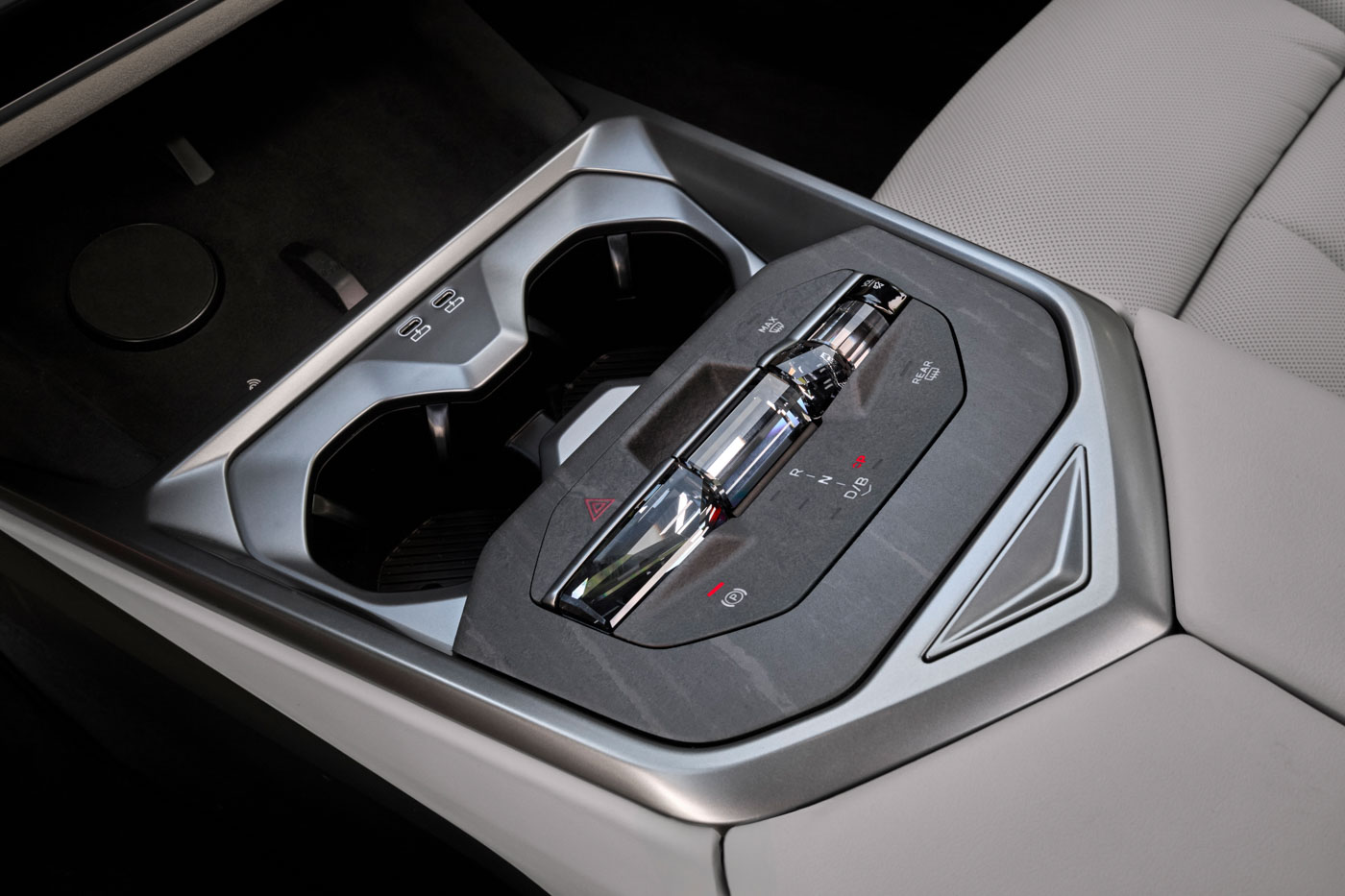
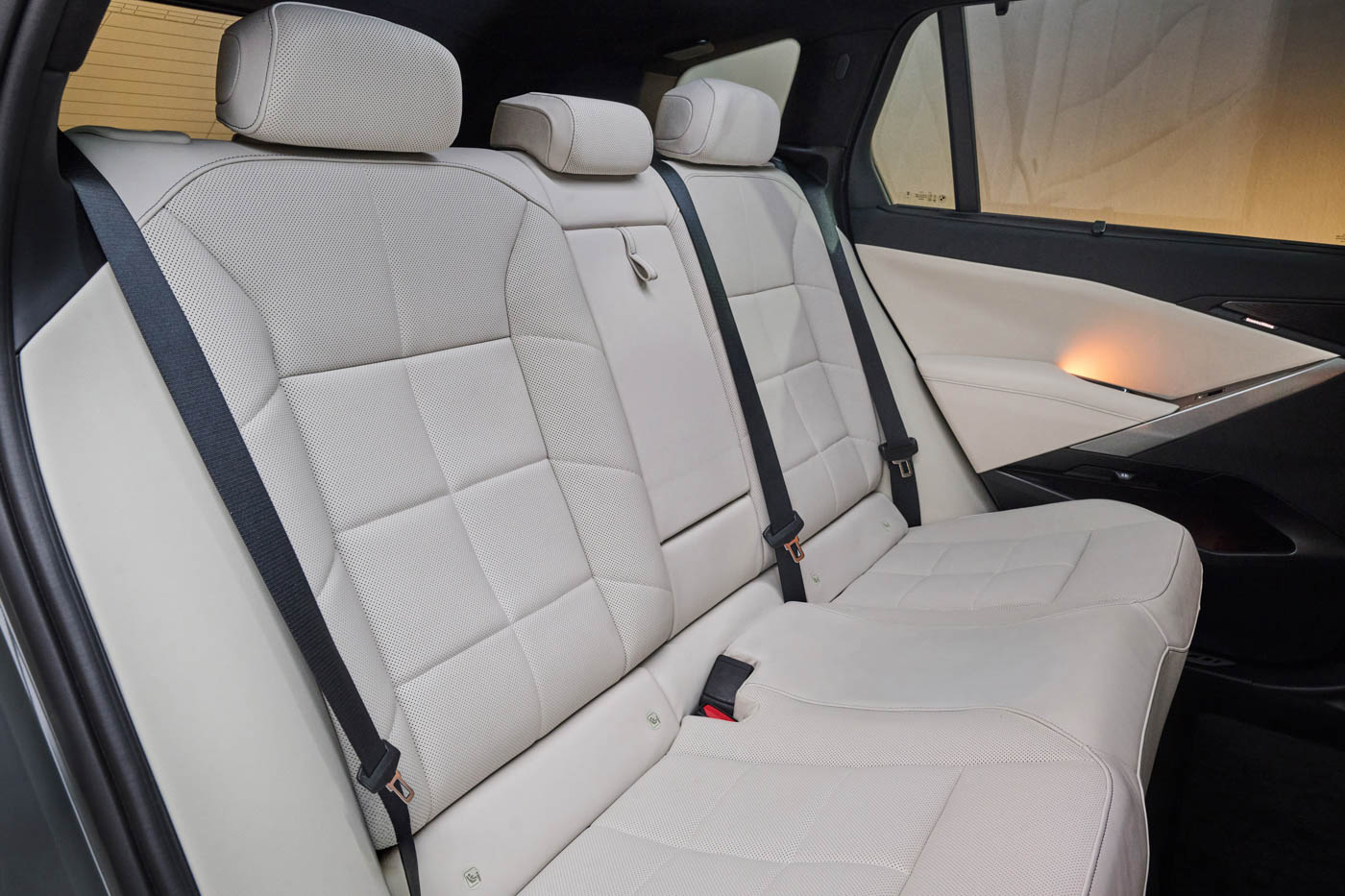
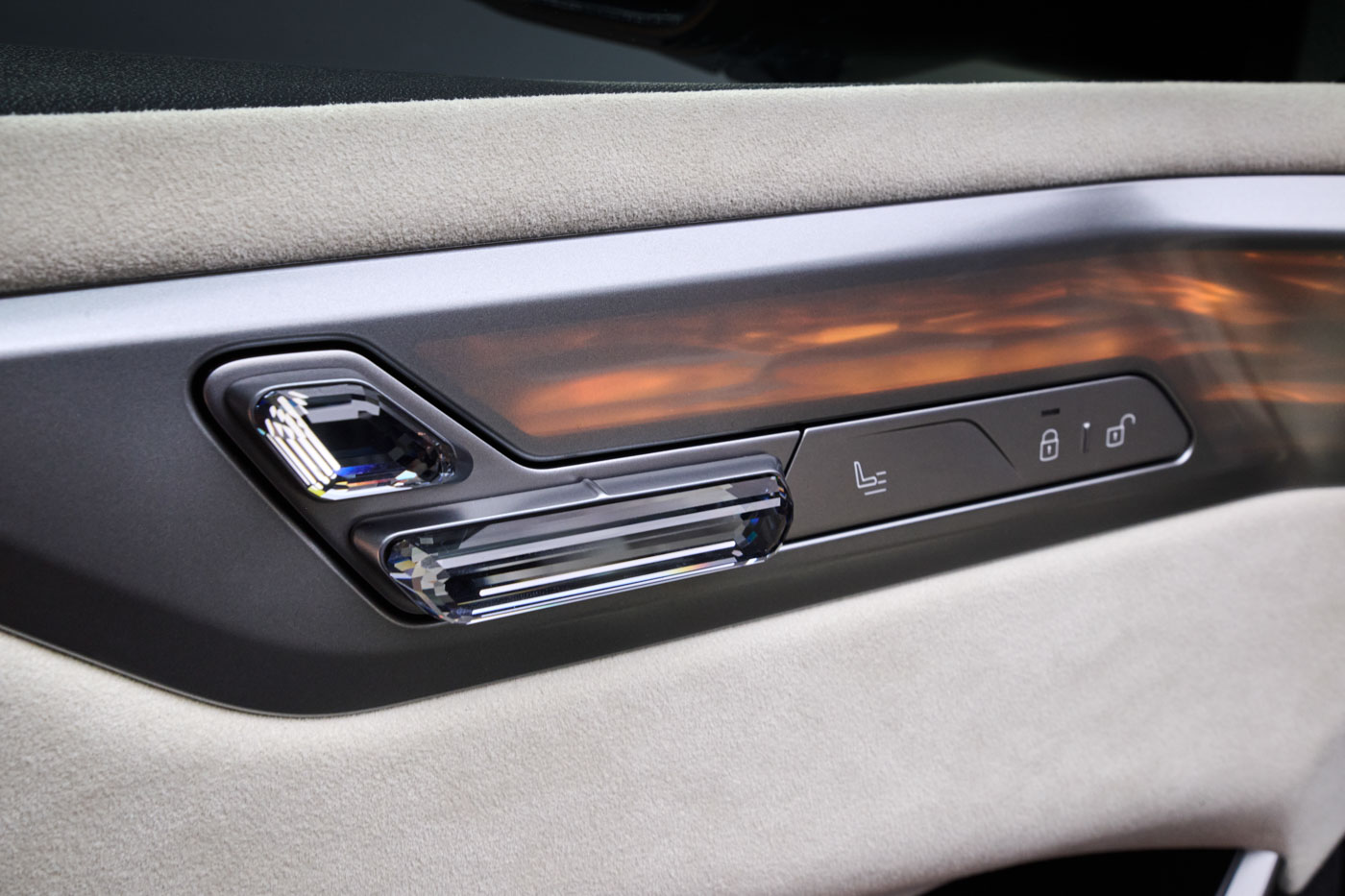
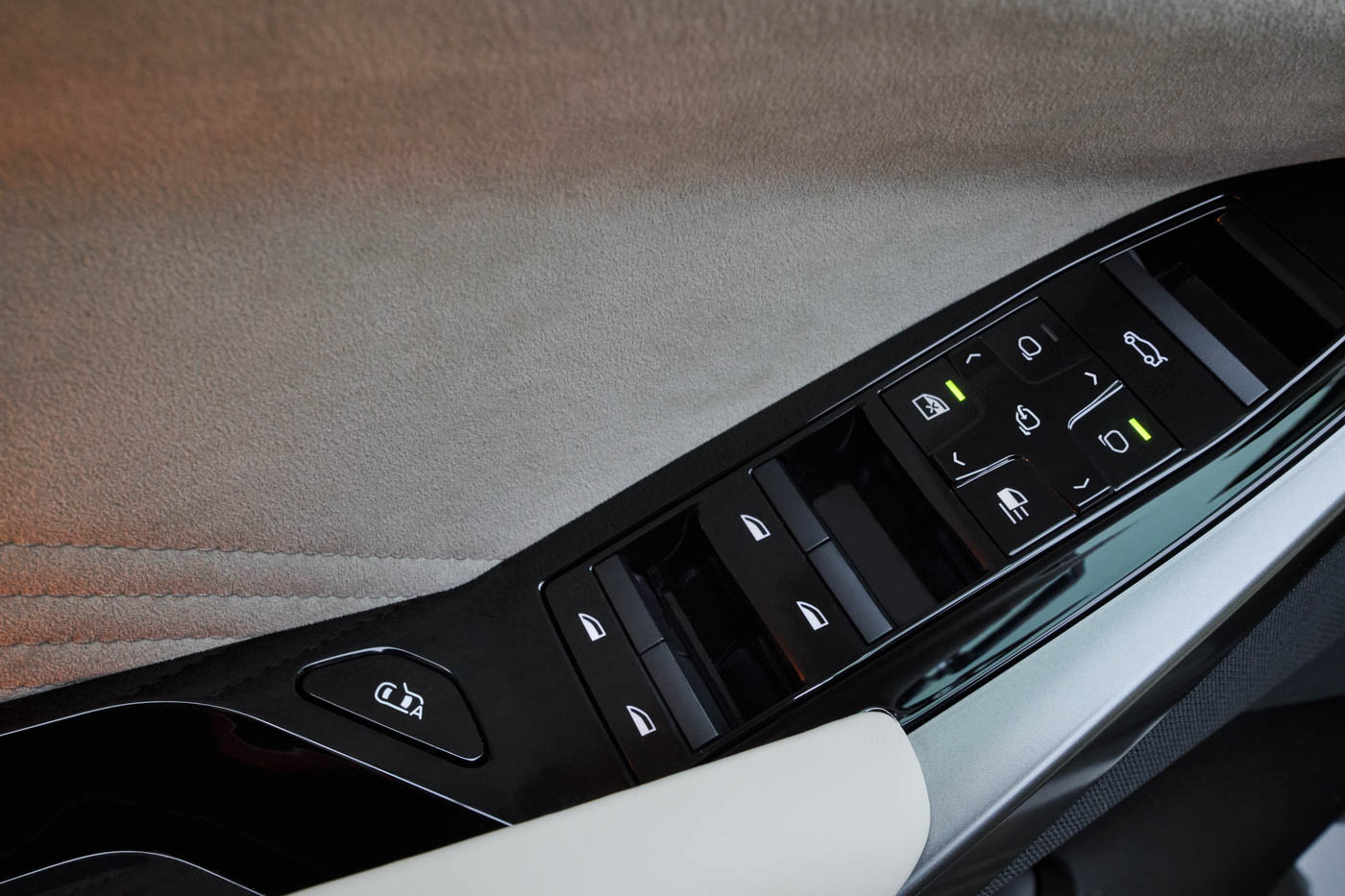
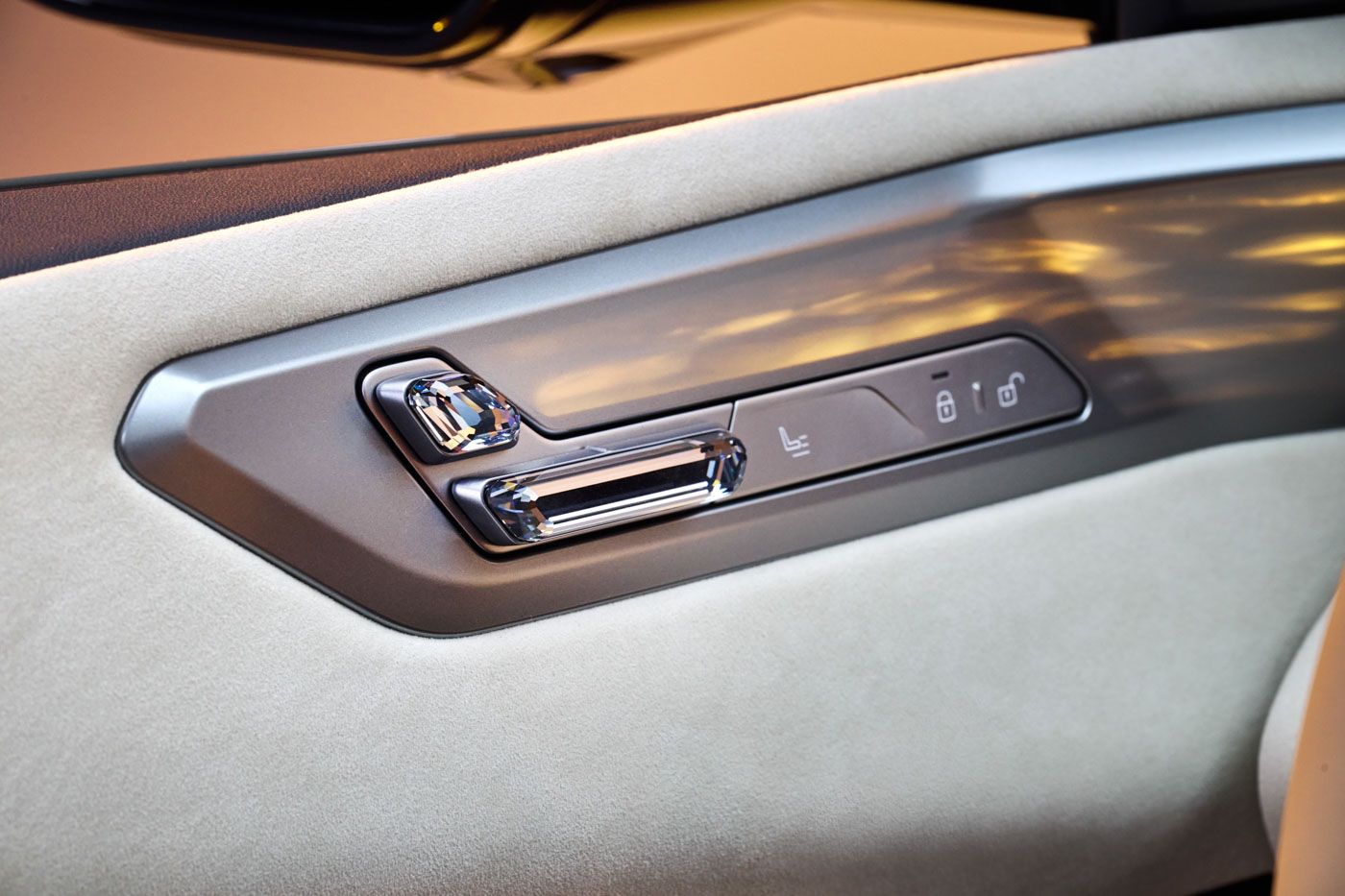
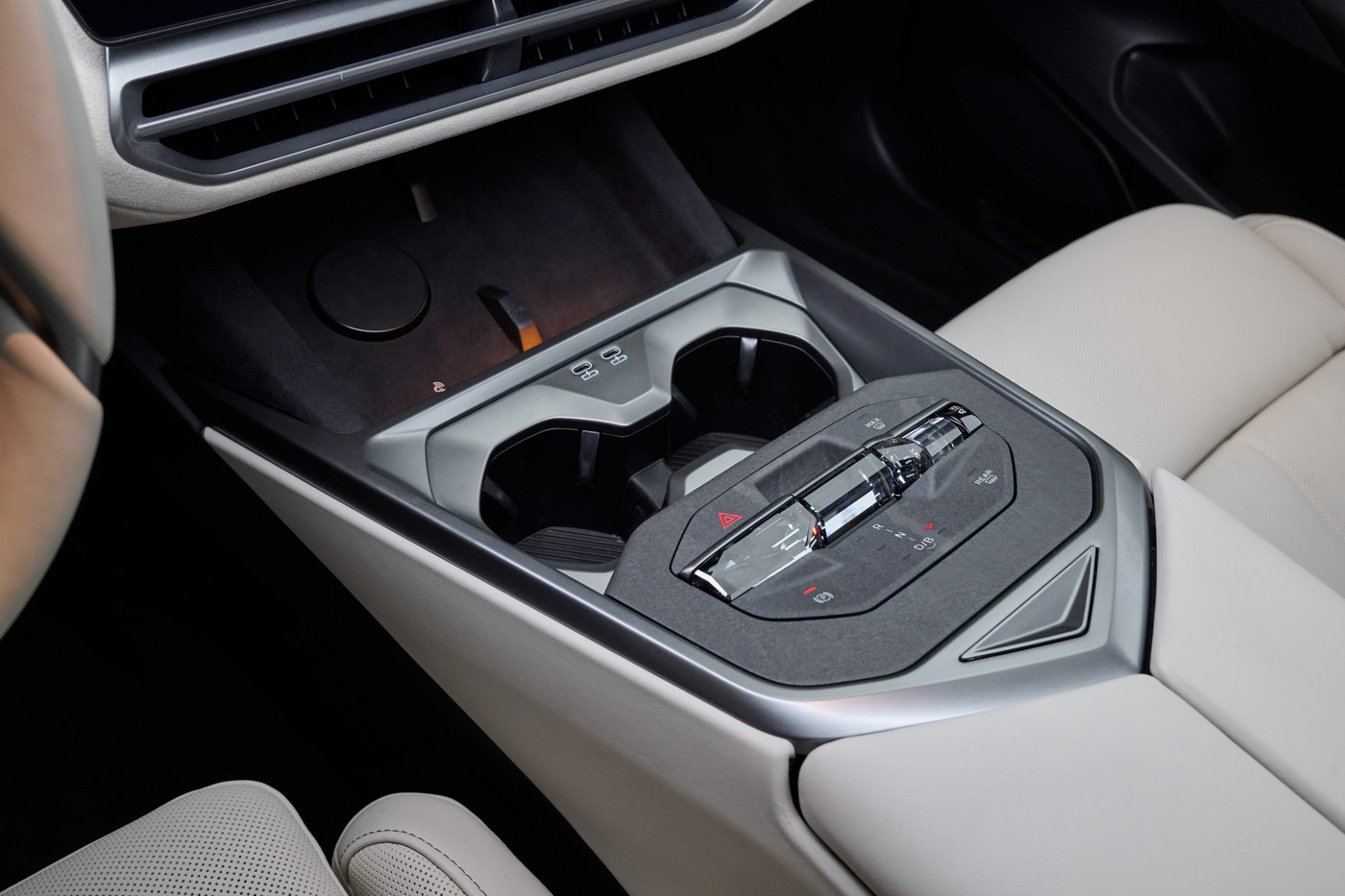
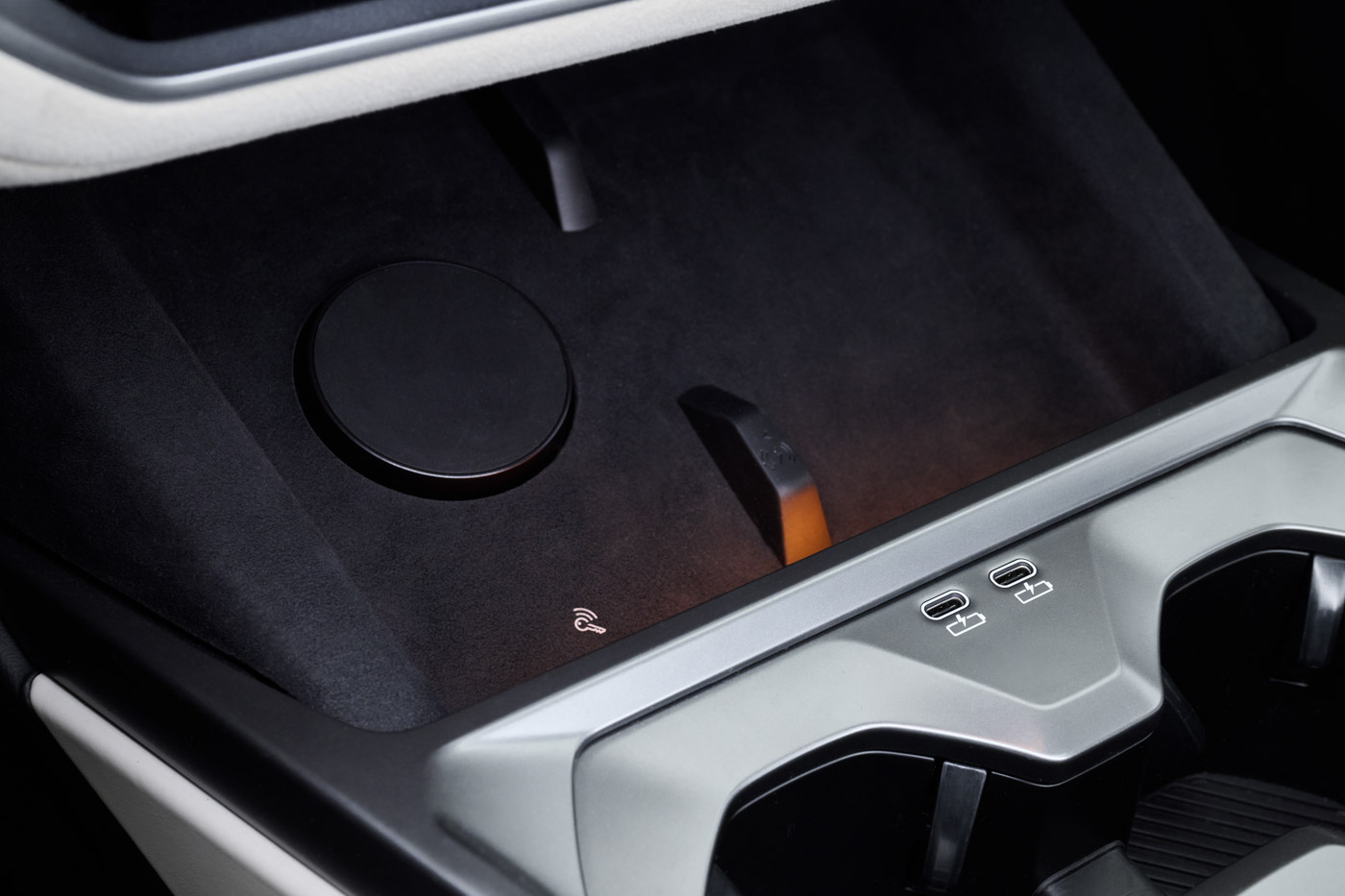
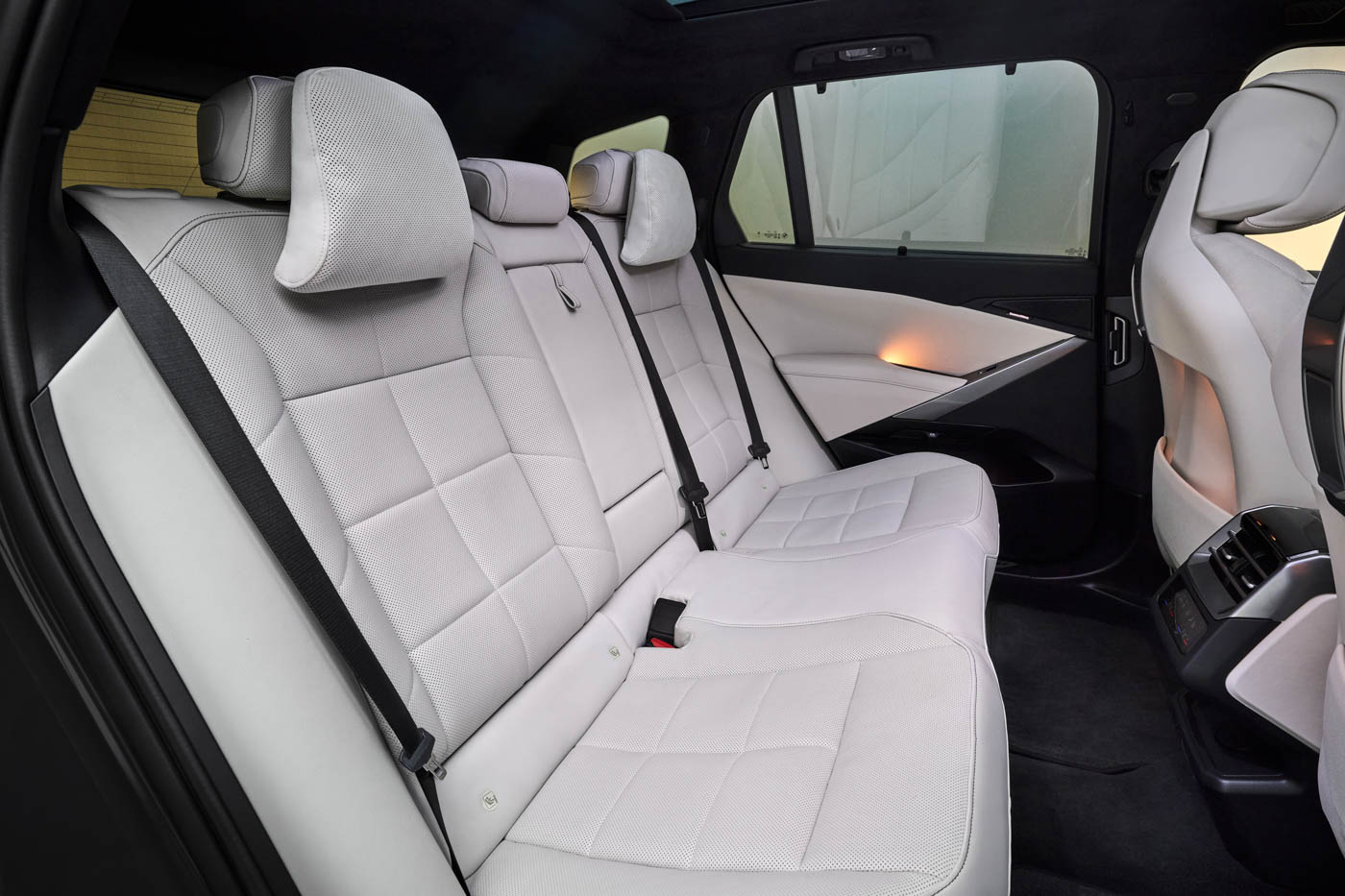
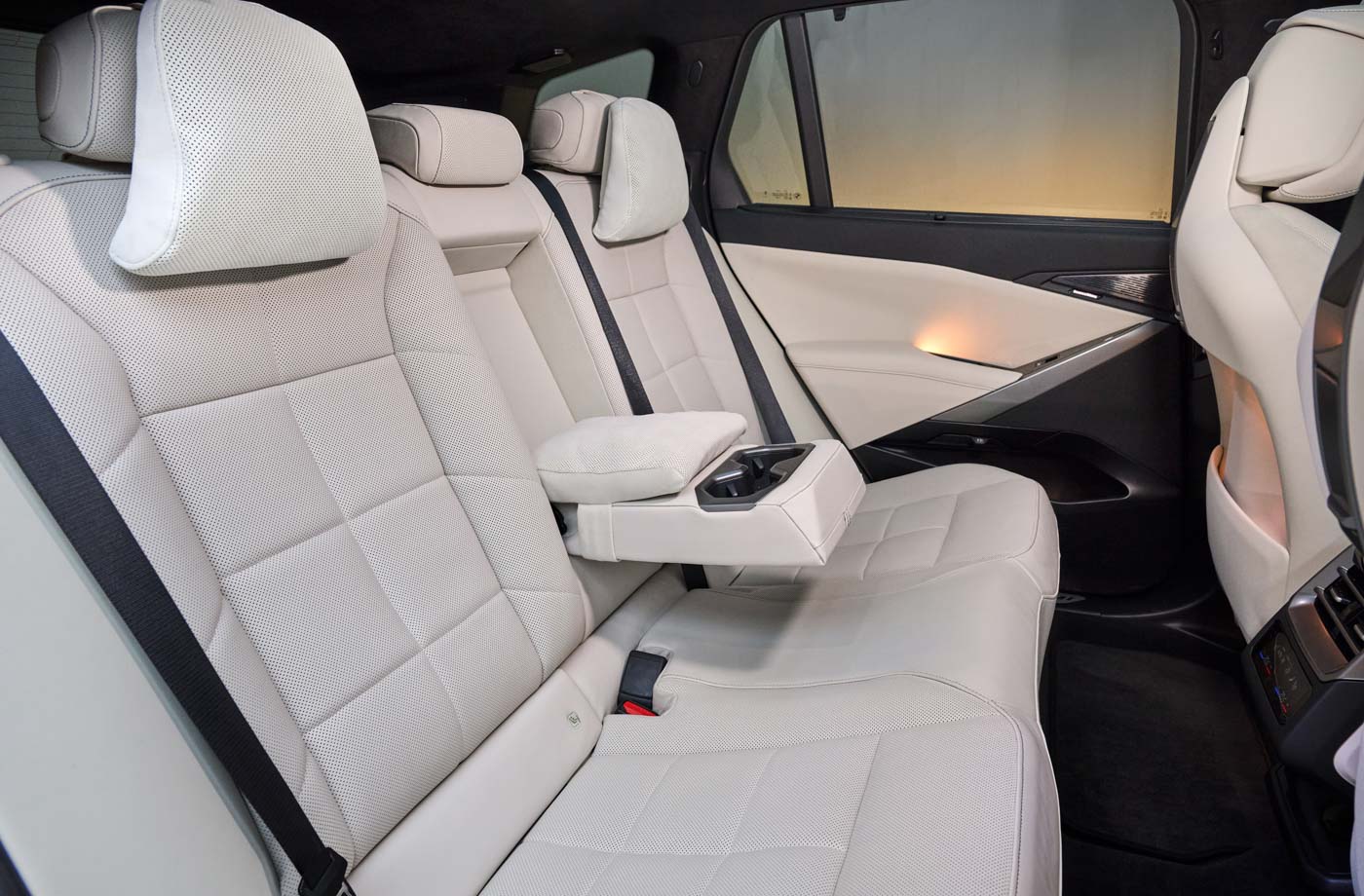
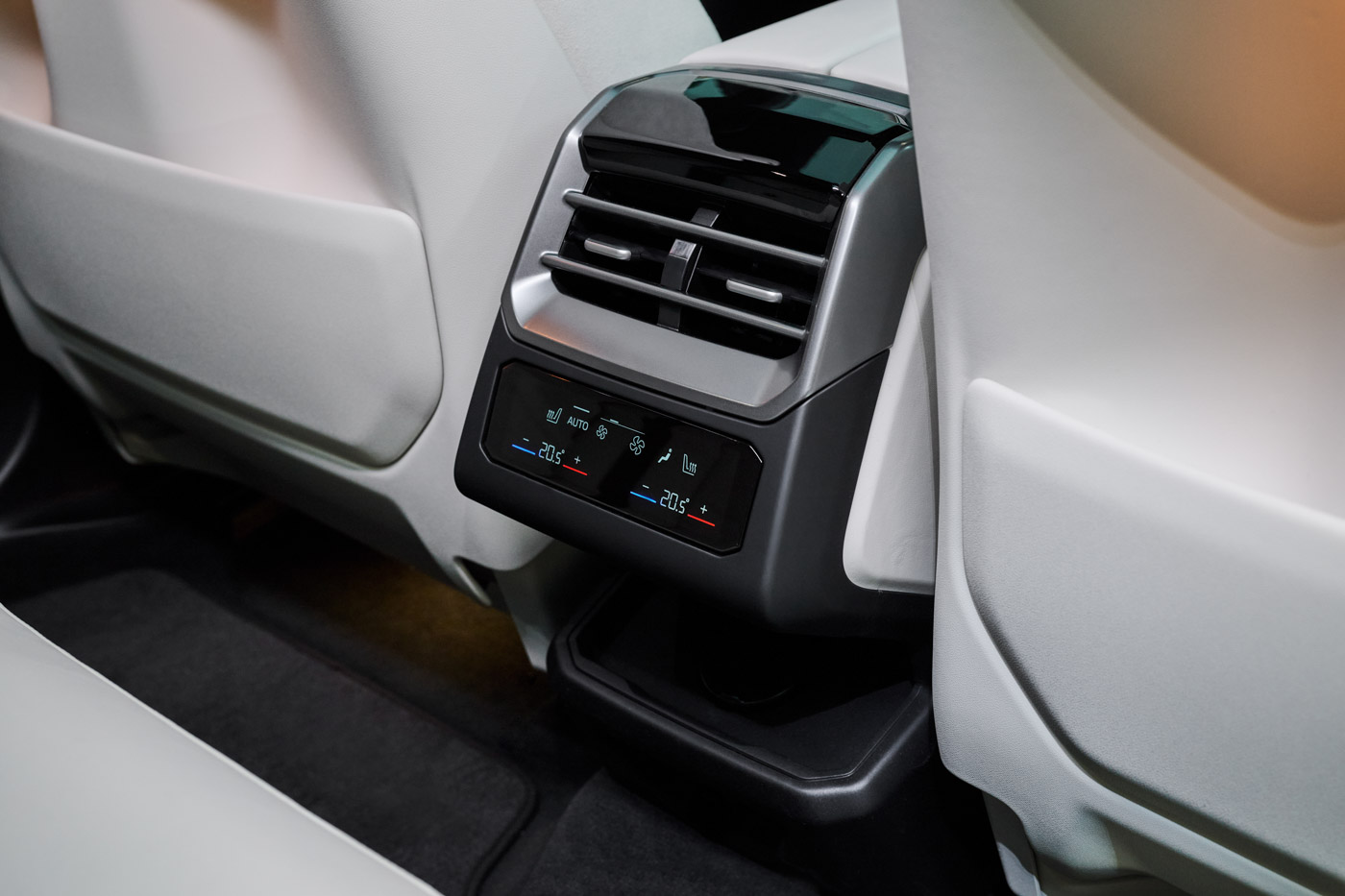
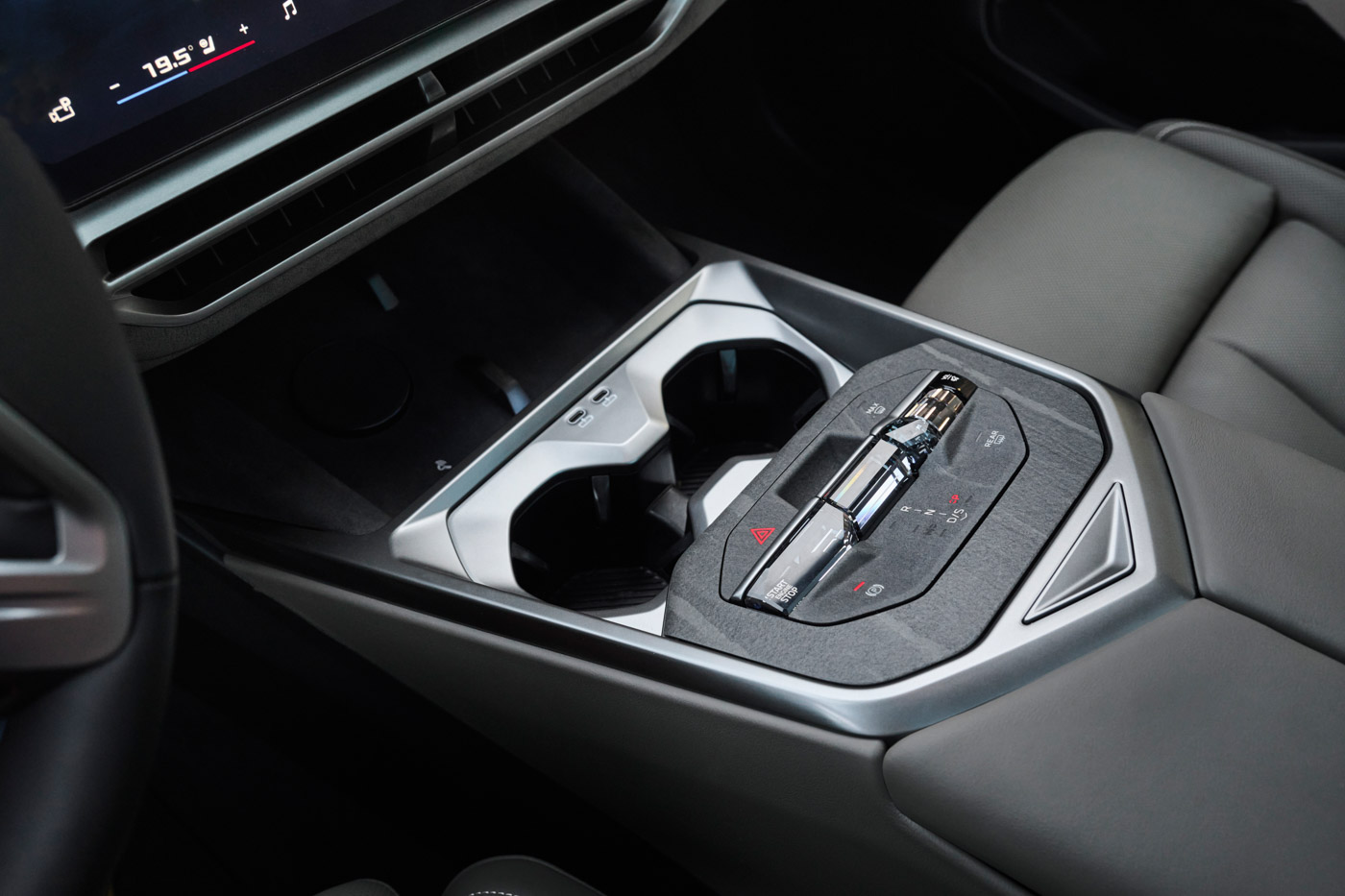
Material quality gets a bump too, with intricately stitched door cards, chrome trim swooping around the cabin, and crystal touch points on the centre console and steering wheel. One thing that doesn’t carry over, however, is the 7-seat option. The new X5 is strictly a 5-seater this time round, likely to nudge larger families toward the X7 instead.
Interestingly, earlier reports suggested the all-new X5 would launch as an EV first, but that isn’t quite how it’s played out. Instead, the more conventional petrol and diesel variants lead the charge, with PHEV and EV versions following shortly after.
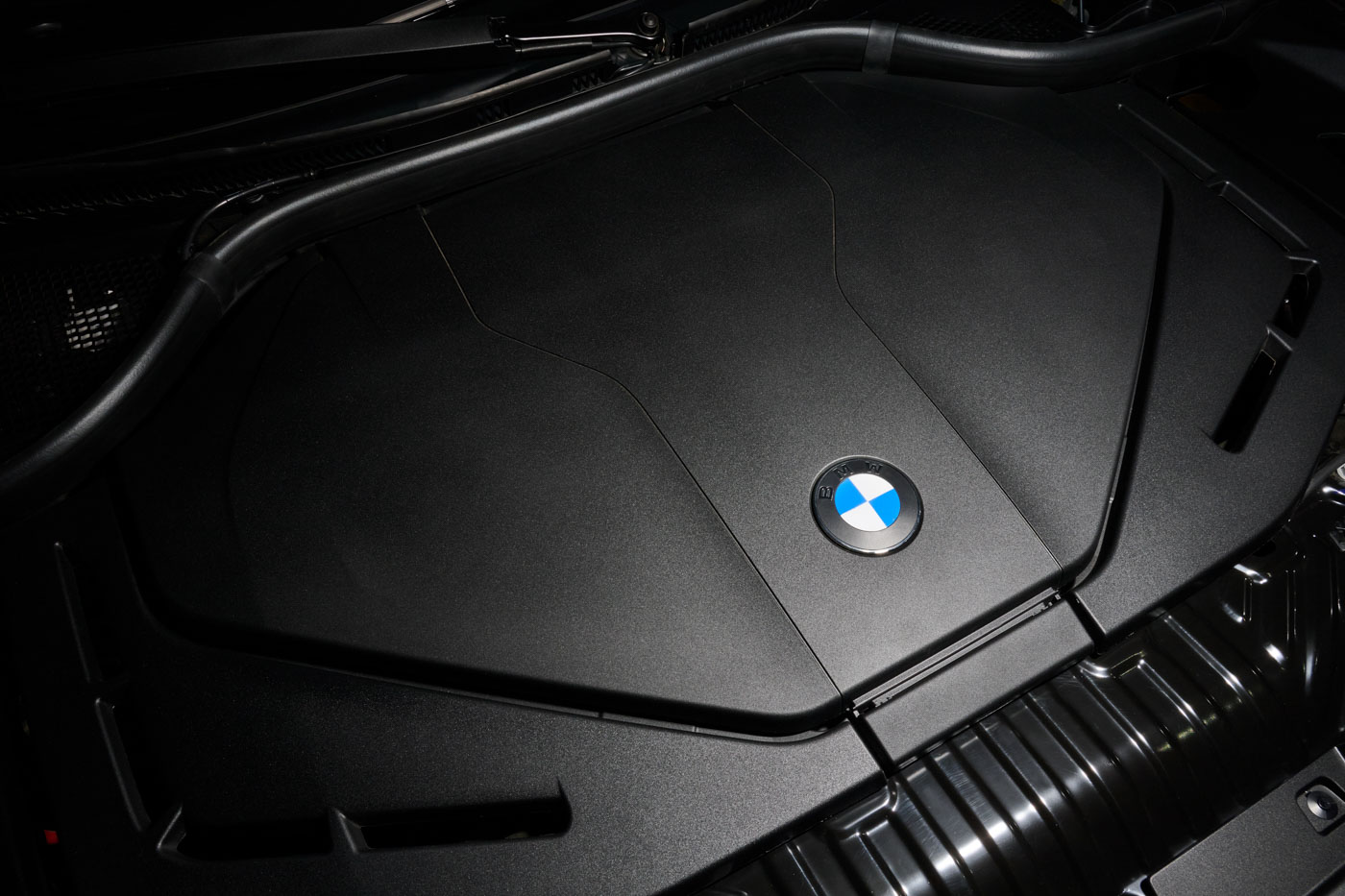
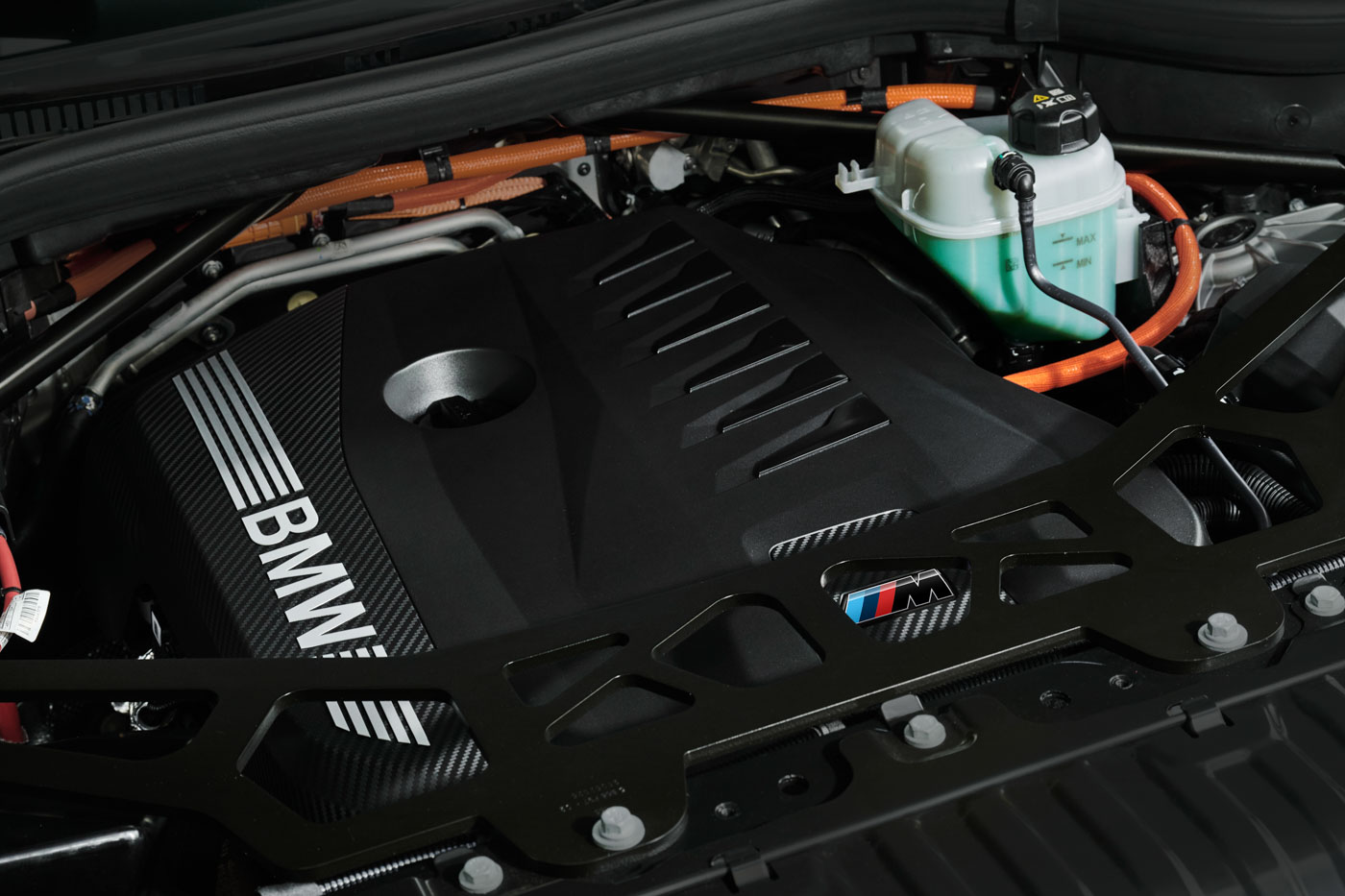
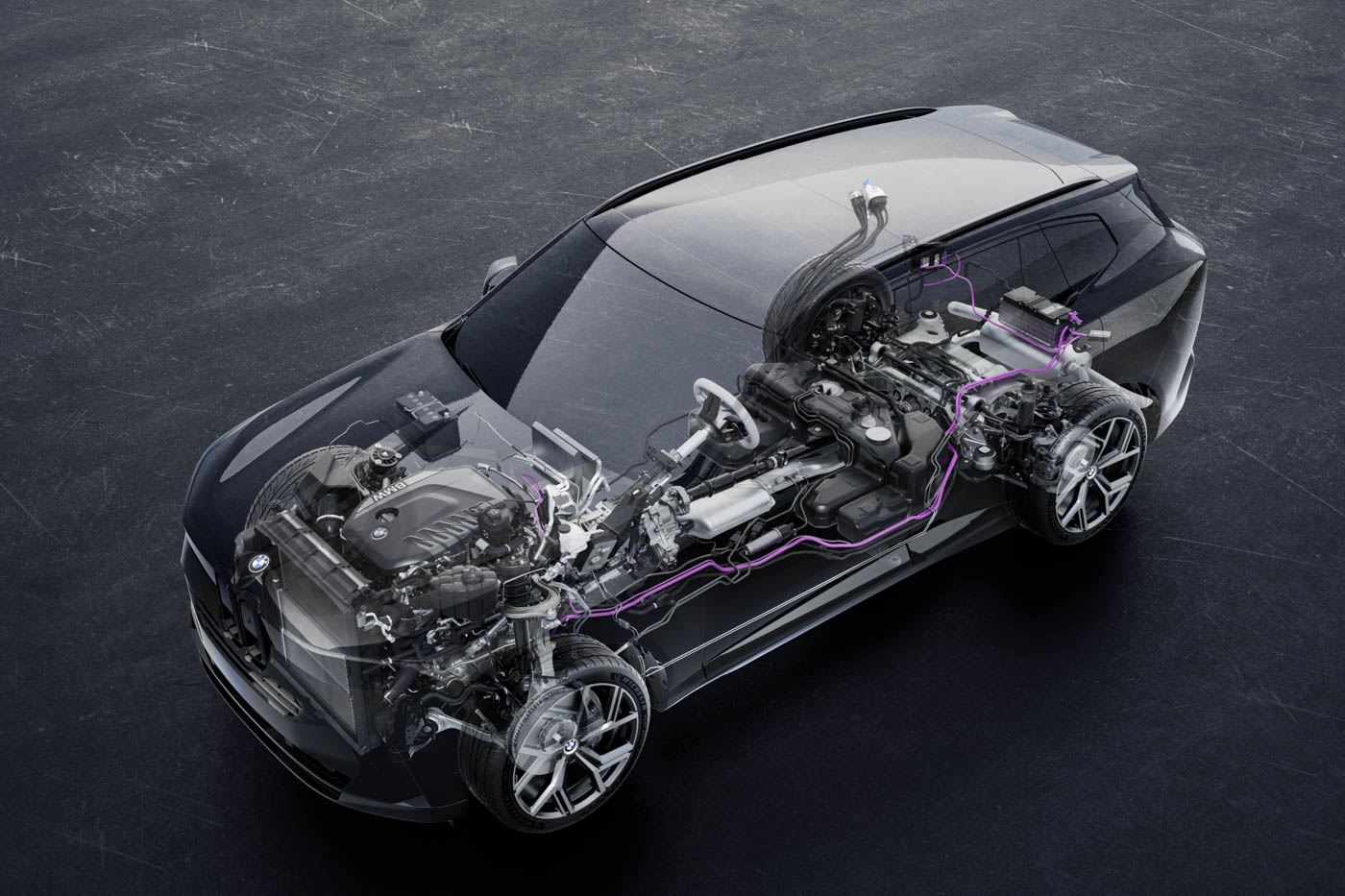
On the petrol front, it’s available in a sole X5 40 xDrive variant, which features the familiar B58 3.0-litre turbocharged inline-six, paired with a 48V mild hybrid system for a total output of 400hp and 580Nm (20 hp more than its predecessor). The diesel oil-burners also retain their 3.0-litre mill in the X5 40d xDrive, likewise assisted by a 48V mild hybrid system, with combined output rated at 313hp and 650Nm (48 hp and 30 Nm more than the previous X5 30d).
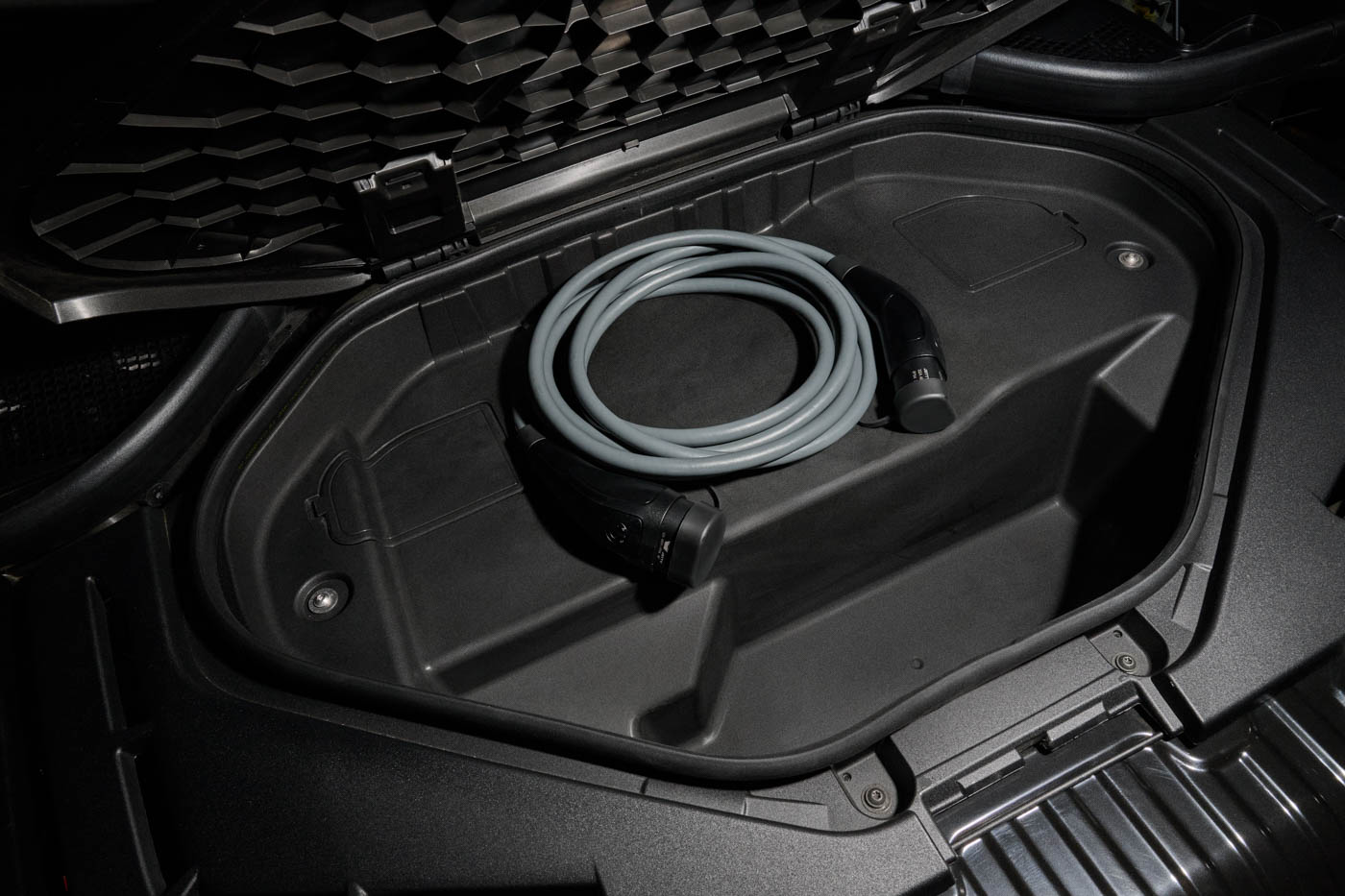
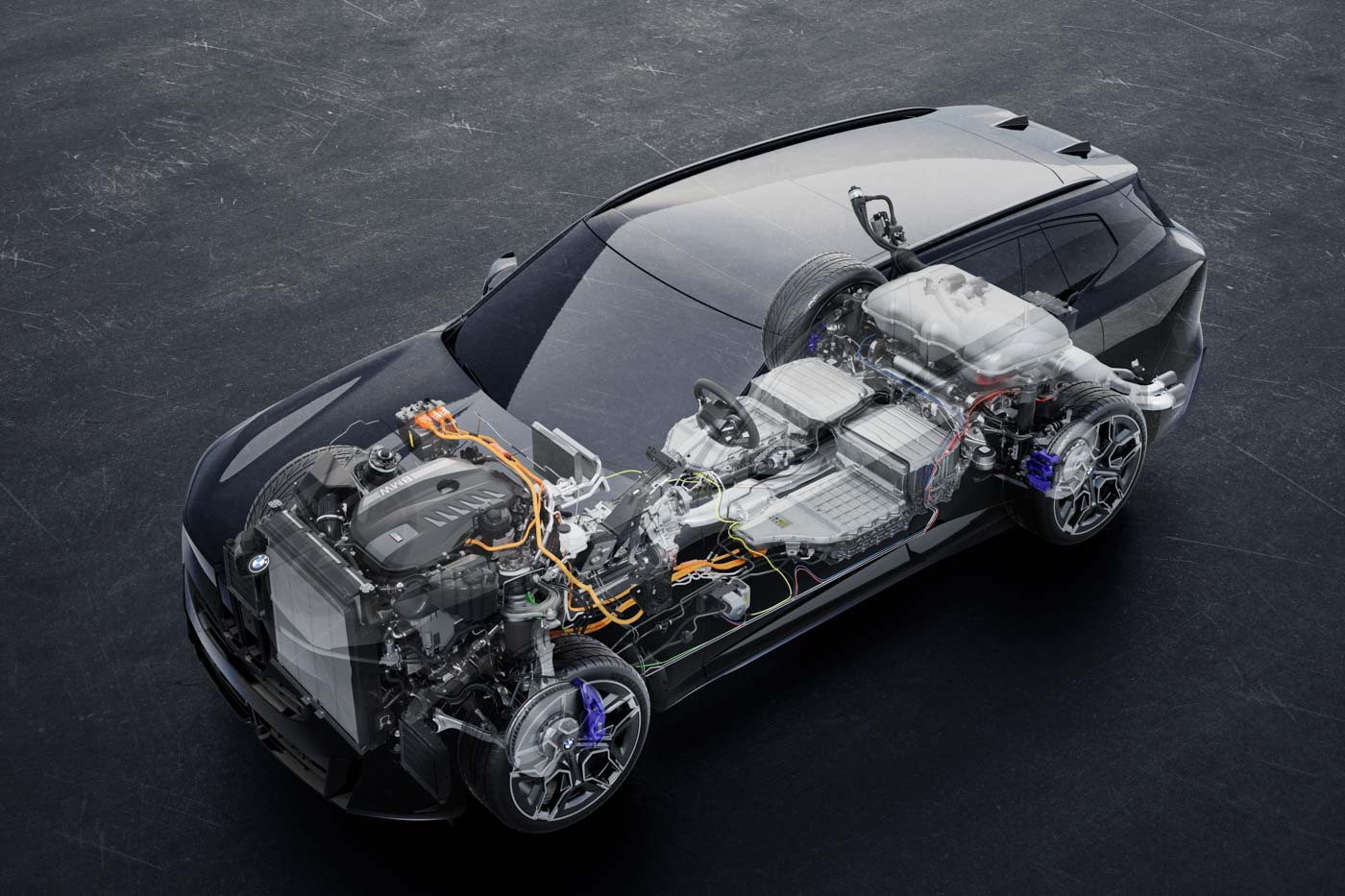
Things get a lot more interesting with the PHEV. For the first time ever, it arrives in M60e xDrive guise, pairing the same B58 inline-six with a set of electric motors for a combined 612hp and 800Nm of torque, a massive step up from the previous combined 490 hp output. Power comes from a 26.5kWh (net) lithium-ion battery good for up to 98km of EV-only range on the WLTP cycle, with AC charging capped at 11kW, enough for a full charge in roughly three hours.
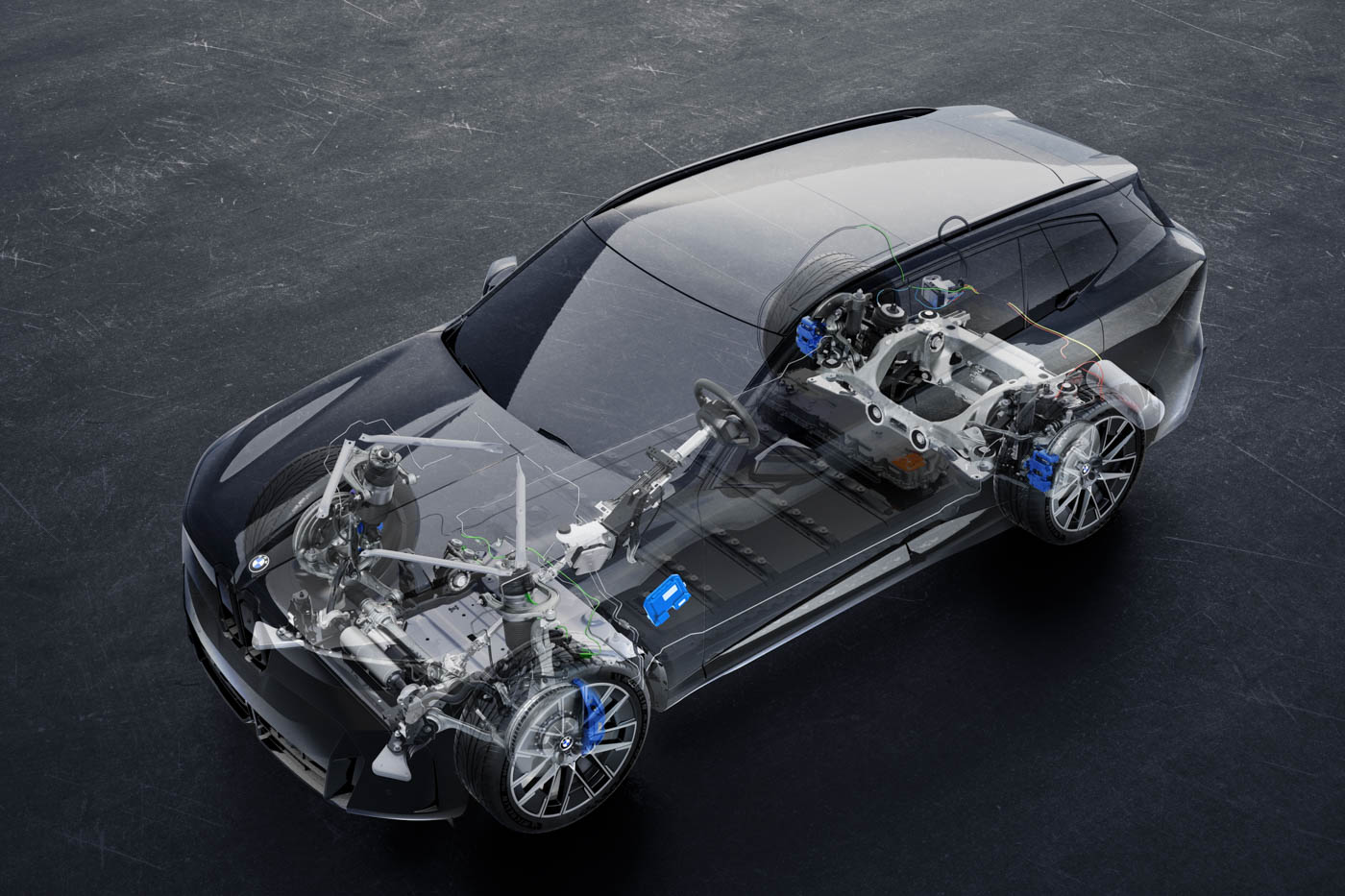
The star of the show, though, is the iX5 60 xDrive, the X5’s first-ever fully electric variant. Twin motors produce a combined 578hp and 805Nm, drawing from a 141kWh battery, the largest ever fitted to a production BMW. BMW quotes a WLTP range of up to 845km, and thanks to being the first CLAR-based model to adopt Neue Klasse’s 800-volt architecture, the iX5 supports DC fast charging at up to 460kW, enough for a 10-80% top-up in just 23 minutes. AC charging tops out at 22kW, for a full charge in 7 hours 30 minutes.
ALSO READ: Toyota and BMW further commits to develop hydrogen fuel cell technology
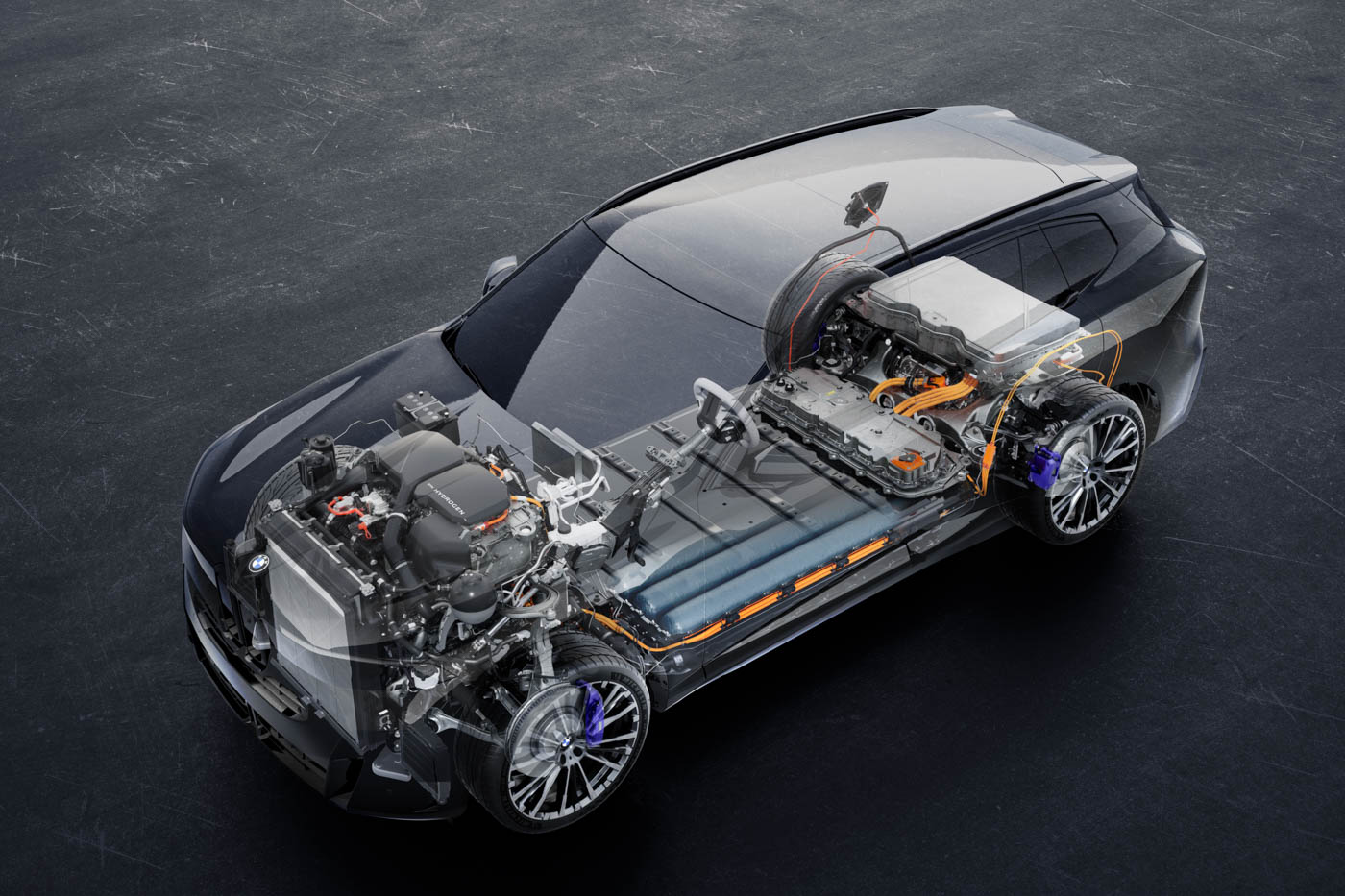
Rounding off the lineup, eventually, is the hydrogen-powered version. BMW has yet to reveal full specifications, only confirming a market launch sometime in 2028. It’ll be based on the iX5 and use a fuel cell system co-developed with Toyota, now in its sixth generation, paired with new “flat storage” hydrogen tank technology that keeps the packaging compact. BMW says to expect a range of up to 750km.
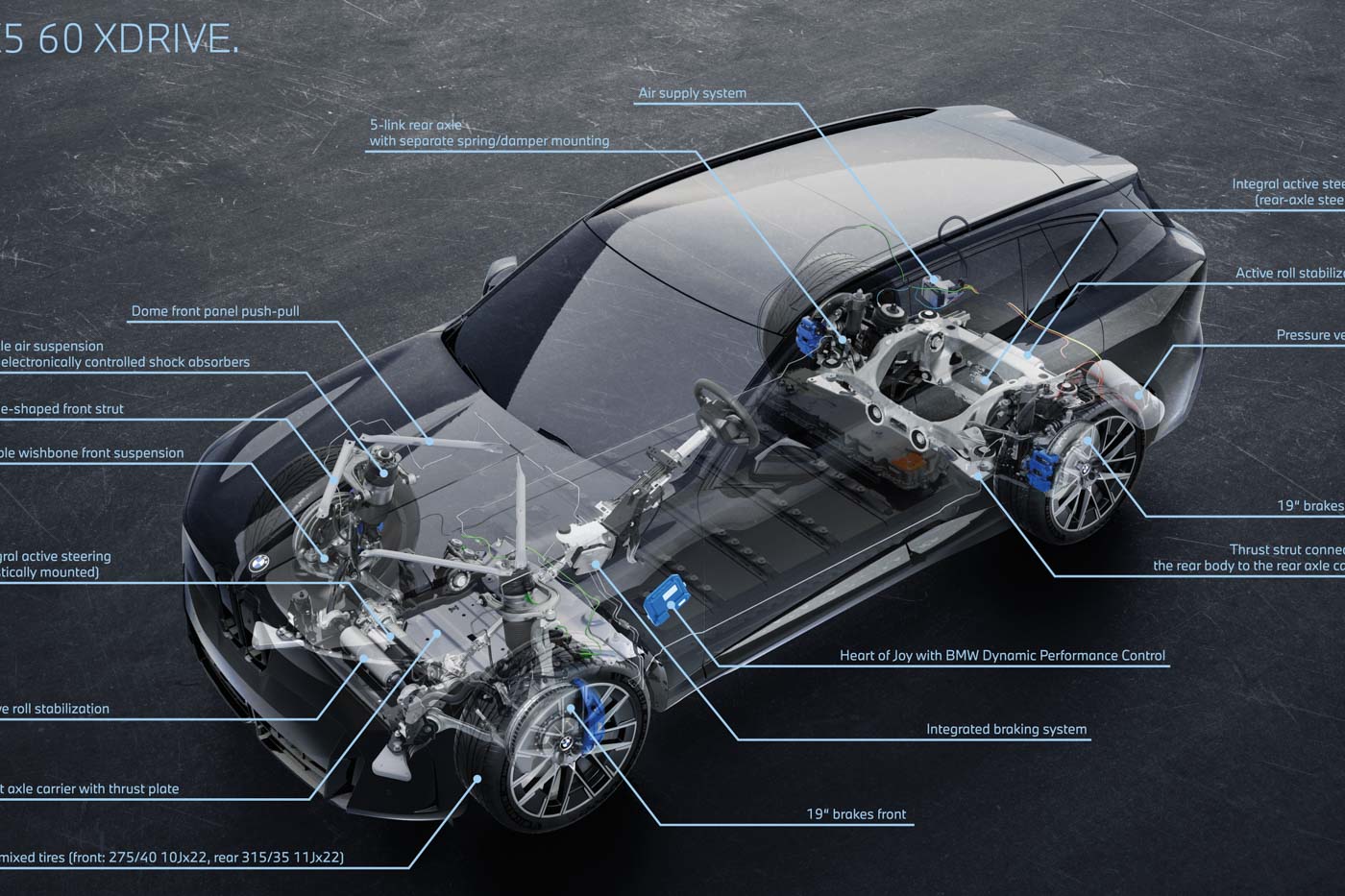
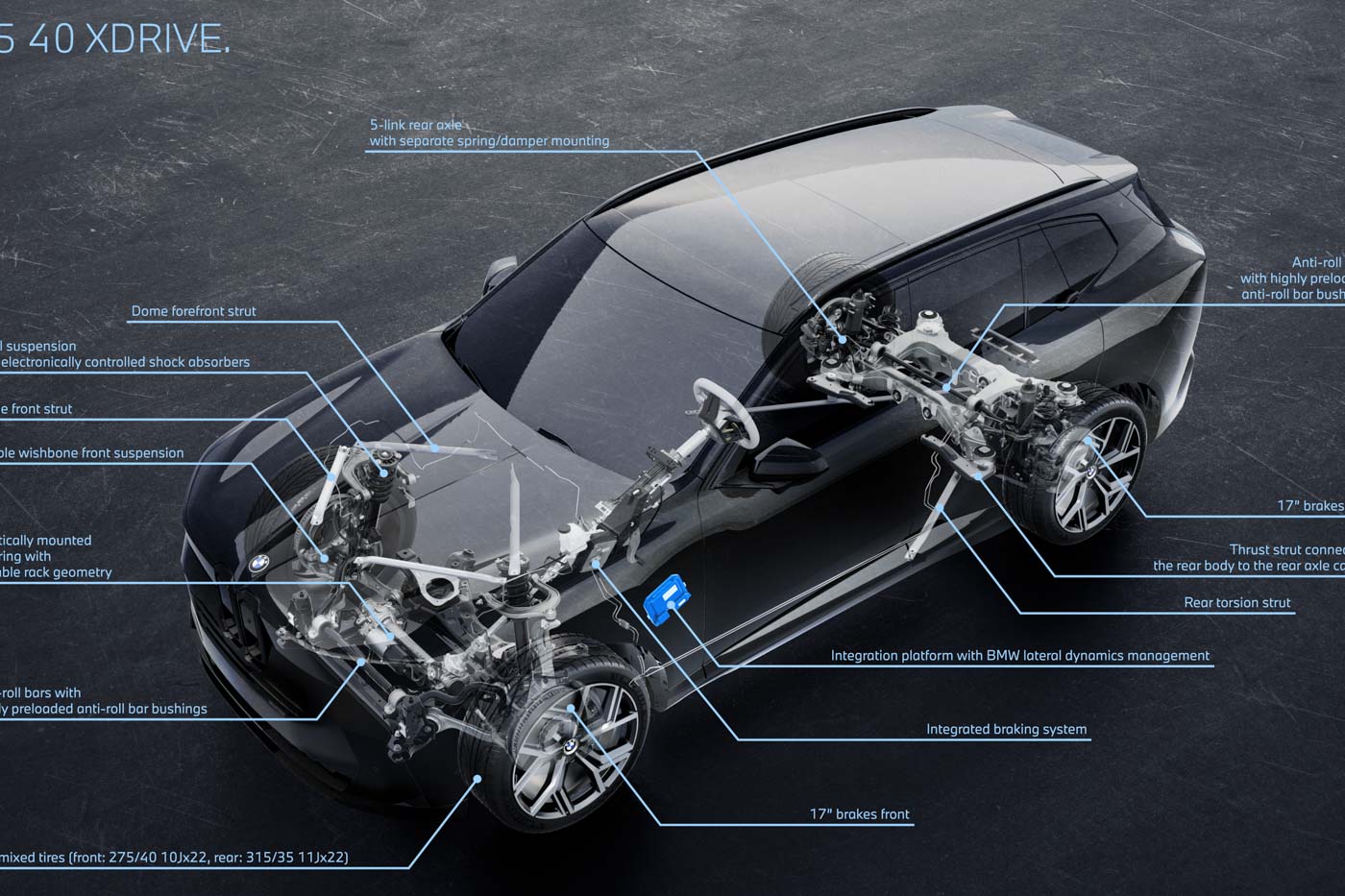
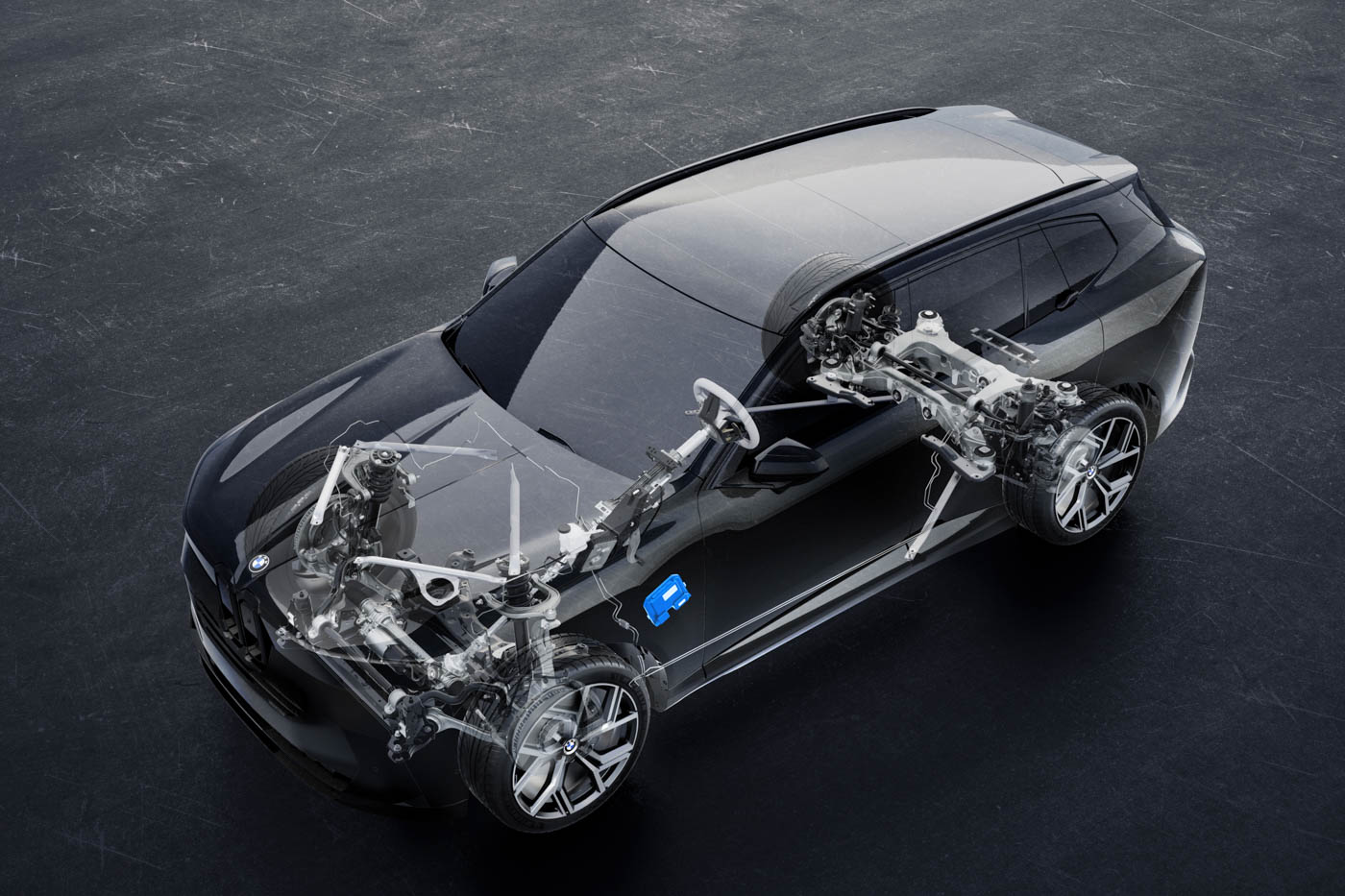
Underneath, the X5 runs a double wishbone front and five-link rear suspension setup, paired with steel springs and adaptive dampers as standard, along with a near-perfect 50:50 weight distribution. Adaptive Chassis Control Professional, complete with active roll stabilisation, is initially reserved for the electric and plug-in hybrid models.
Despite not sitting on the true Neue Klasse platform, the EV and FCEV variants still get the brand’s Heart of Joy control unit, integrating BMW’s Dynamic Performance Control stack to sharpen efficiency while keeping things engaging behind the wheel. Like the iX3, they also come equipped with BMW Soft-Stop.
The all-new X5 comes with Level 2 ADAS as standard alongside BMW’s Symbiotic Drive, a system designed to intervene seamlessly when needed without simply switching the assistance systems off altogether.
Production of the all-new BMW X5 begins at BMW’s Spartanburg plant in South Carolina, with the first variants reaching markets from late November this year. The fully electric iX5 and PHEV versions will follow in early 2027, while the hydrogen-powered FCEV isn’t expected until 2028.
Whether Malaysia ends up with all five powertrain options remains to be seen. But the sheer amount of powertrain options on offer is a reminder that BMW isn’t exactly betting everything on EVs alone. Do you agree with their stand?
ALSO READ: BMW’s big grille era is over with the all-new 2nd-generation electric BMW iX3
GALLERY