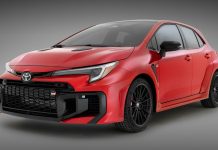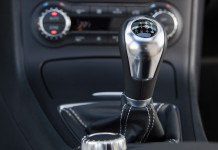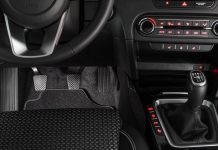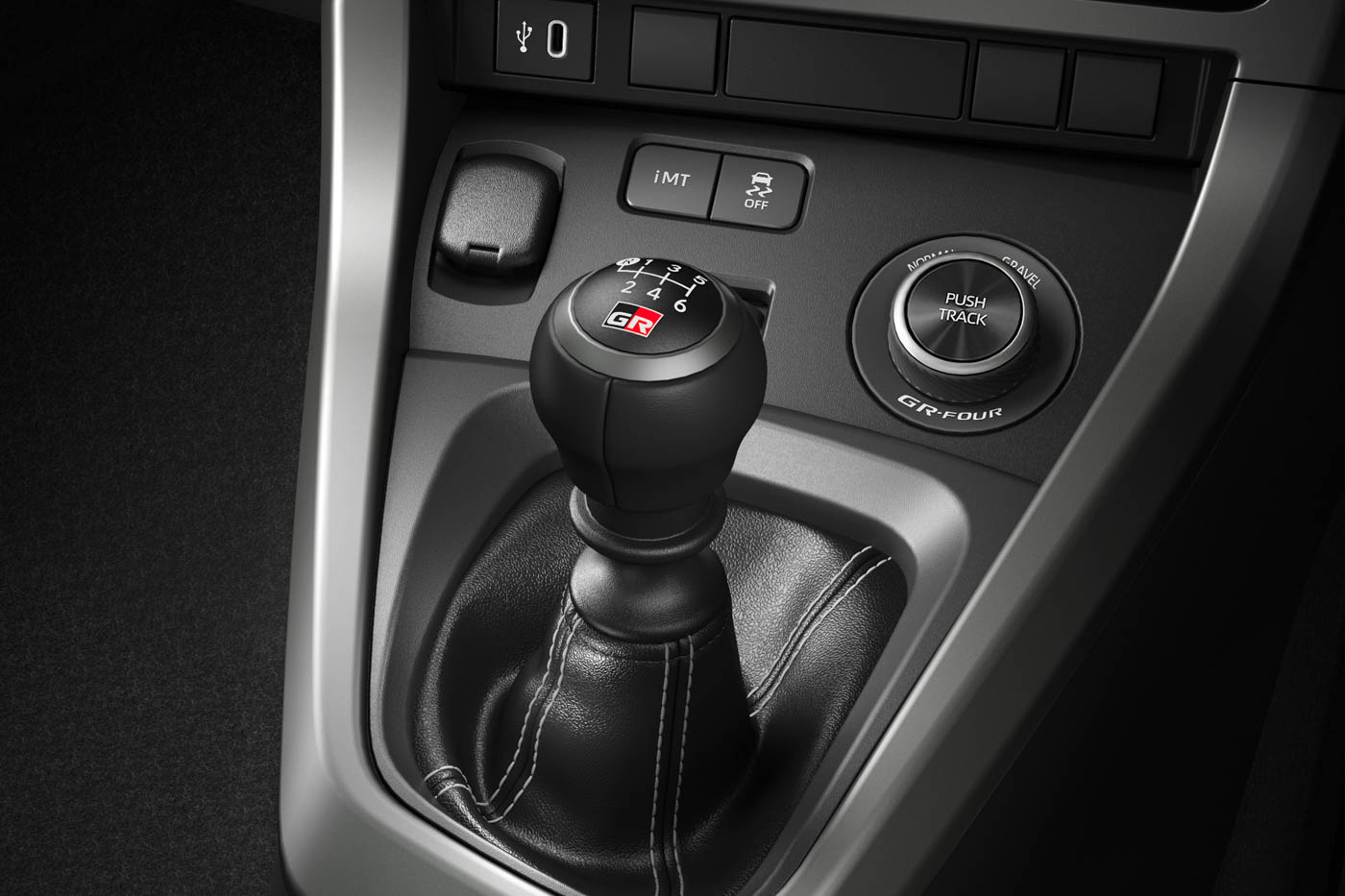
Automotive enthusiasts, have you ever tried to convince someone that more people should have cars with manual transmissions (MT)? The reasoning usually comes down to “it’s more fun to drive,” but most people brush that off as more hassle than it’s worth. Now you’ve got more than an opinion to back you up — new research suggests that driving a manual might actually be good for your brain.
The findings come from Ryuta Kawashima, a Tohoku University neuroscientist who runs neuroimaging work at the university’s Institute of Development, Ageing, and Cancer and is best known for building the science behind Nintendo’s Brain Age series. According to a report from Japanese outlet Best Car Web, Professor Kawashima has found that driving a car with a stick shift may help prevent dementia.
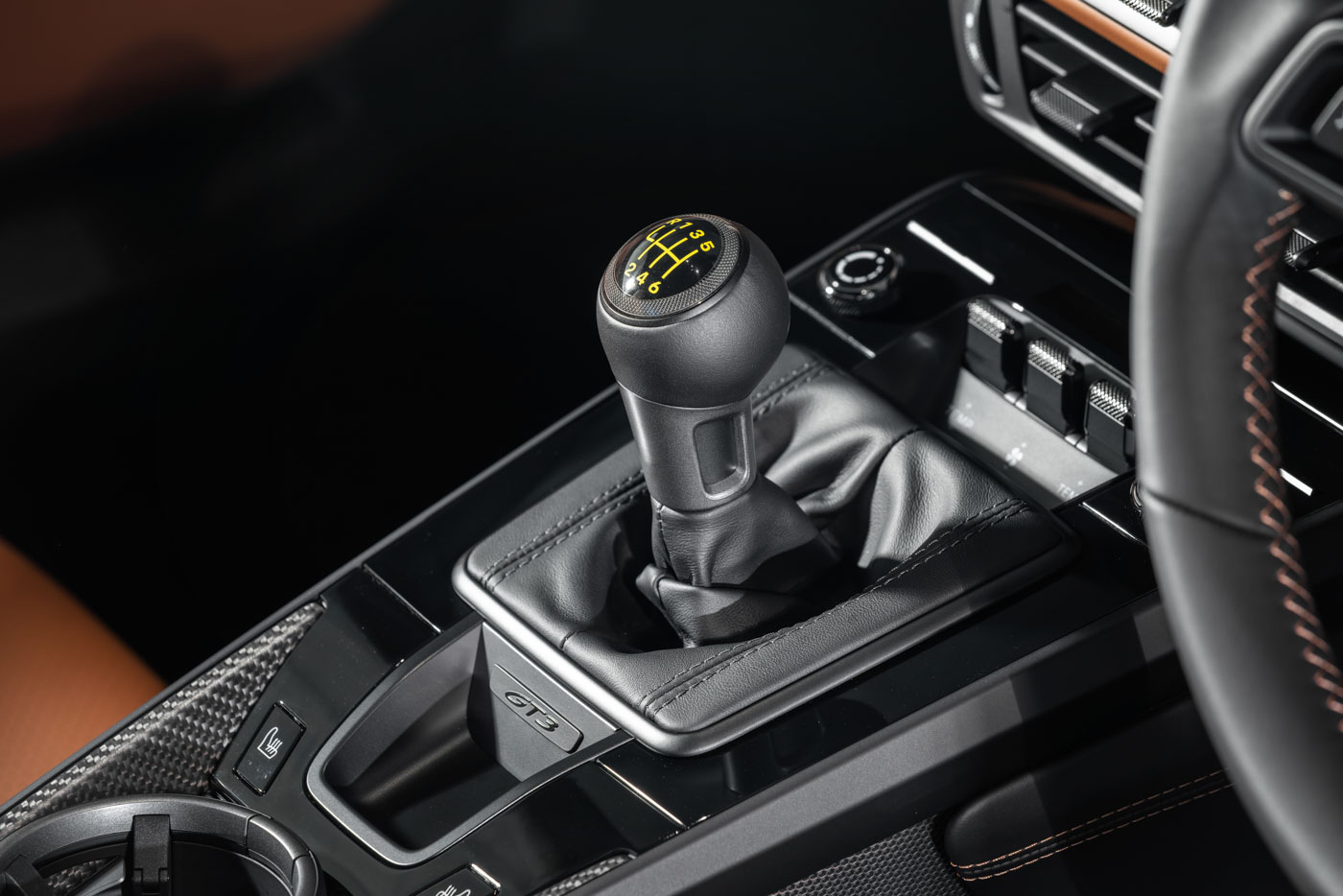
The research suggests that driving an MT vehicle activates the brain’s prefrontal cortex, since it demands clutch control, gear changes, throttle input, and constant awareness of your surroundings all at once. That moderate mental tension — having to judge and select the right gear for the situation — puts more load on the brain’s cognitive functions than the relatively passive experience of driving an automatic.
According to the research, regularly driving geared vehicles, whether that’s a motorcycle or a manual car, as a hobby appears to have a meaningful effect on maintaining mental health and cognitive function over time. The same report notes that manual cars now account for just 1-2% of new car sales.
ALSO READ: Porsche has invented a Frankenstein gearbox that switches between automatic and manual
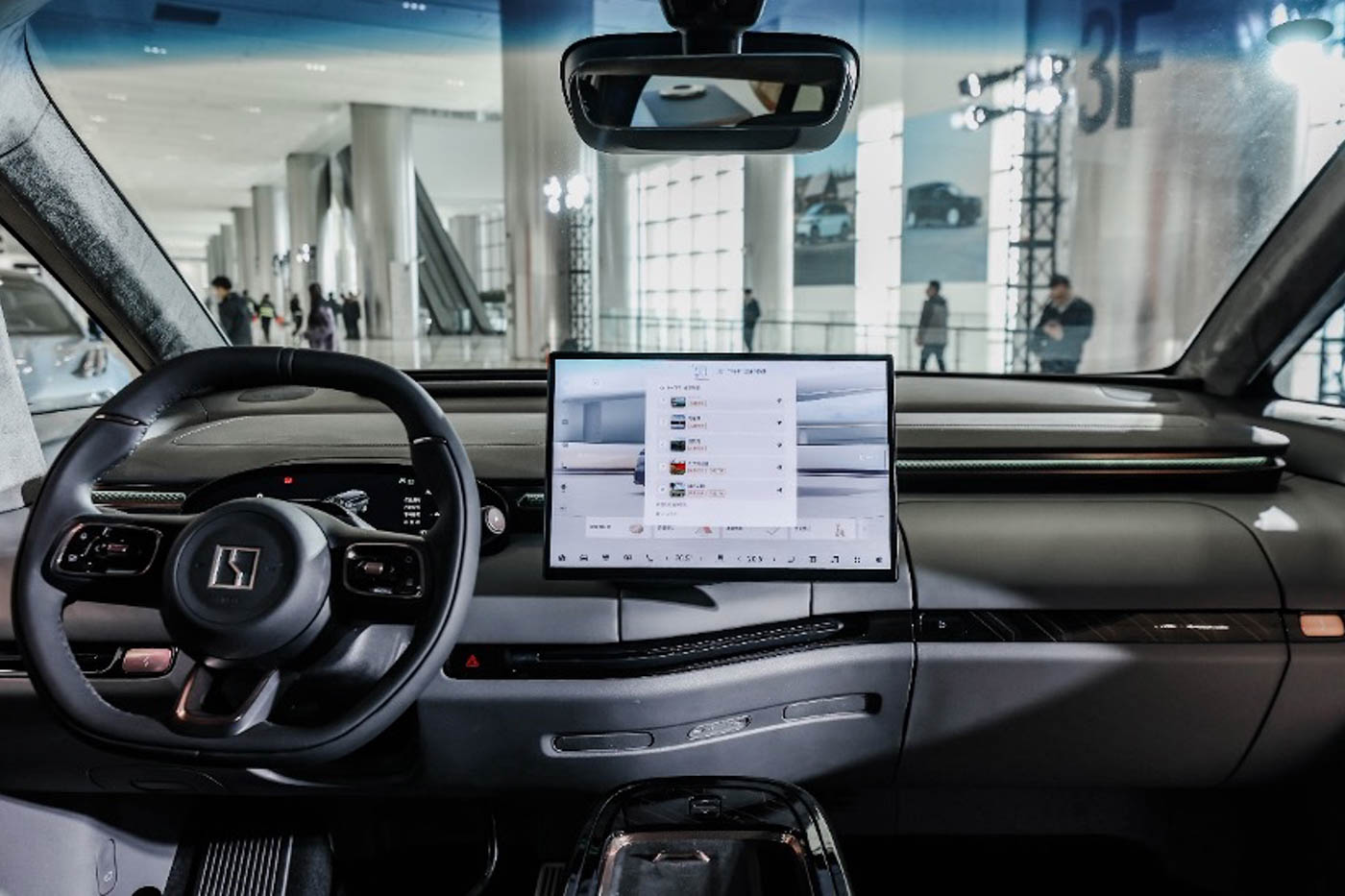

It’s no surprise that the majority of drivers today are opting for automatic vehicles, given how convenient they are as well as how efficient they have become. Electric vehicles are also establishing themselves in the market, and by design, they don’t need a traditional gearbox at all.
As cars get more advanced, they’re also starting to take over more of the actual driving. Most modern vehicles today are almost expected to come with some degree of advanced driver assistance systems (ADAS), including features like lane keep assist, blind spot monitoring, and adaptive cruise control — all of which reduce how much spatial awareness and active input is required from the driver to navigate safely.

Even so, the manual transmission isn’t disappearing entirely — it’s just shrinking into a smaller corner of the market. Porsche recently filed a patent for a gearbox that can switch between a traditional manual, complete with clutch pedal, and a standard automatic. Toyota has gone a different route, building a working prototype manual transmission for EVs, tested in a Lexus UX 300e, that uses software to simulate gear changes, engine braking, and even stalling.
Not every brand is holding on, though. BMW’s M division has said manuals are becoming harder to justify as its engines grow more powerful, since the current gearbox can’t handle the ever-growing torque figures. While manual transmissions are becoming less of a mainstream option and more of a feature reserved for dedicated enthusiast models, if you’ve still got one sitting in the garage, maybe it’s worth thinking twice before letting it go for a newer and more “advanced” car.
ALSO READ: BMW M to launch 30 new cars in 30 months – but it might be the end for the manual transmission