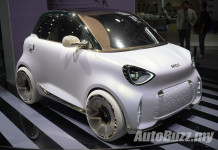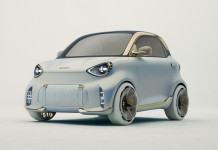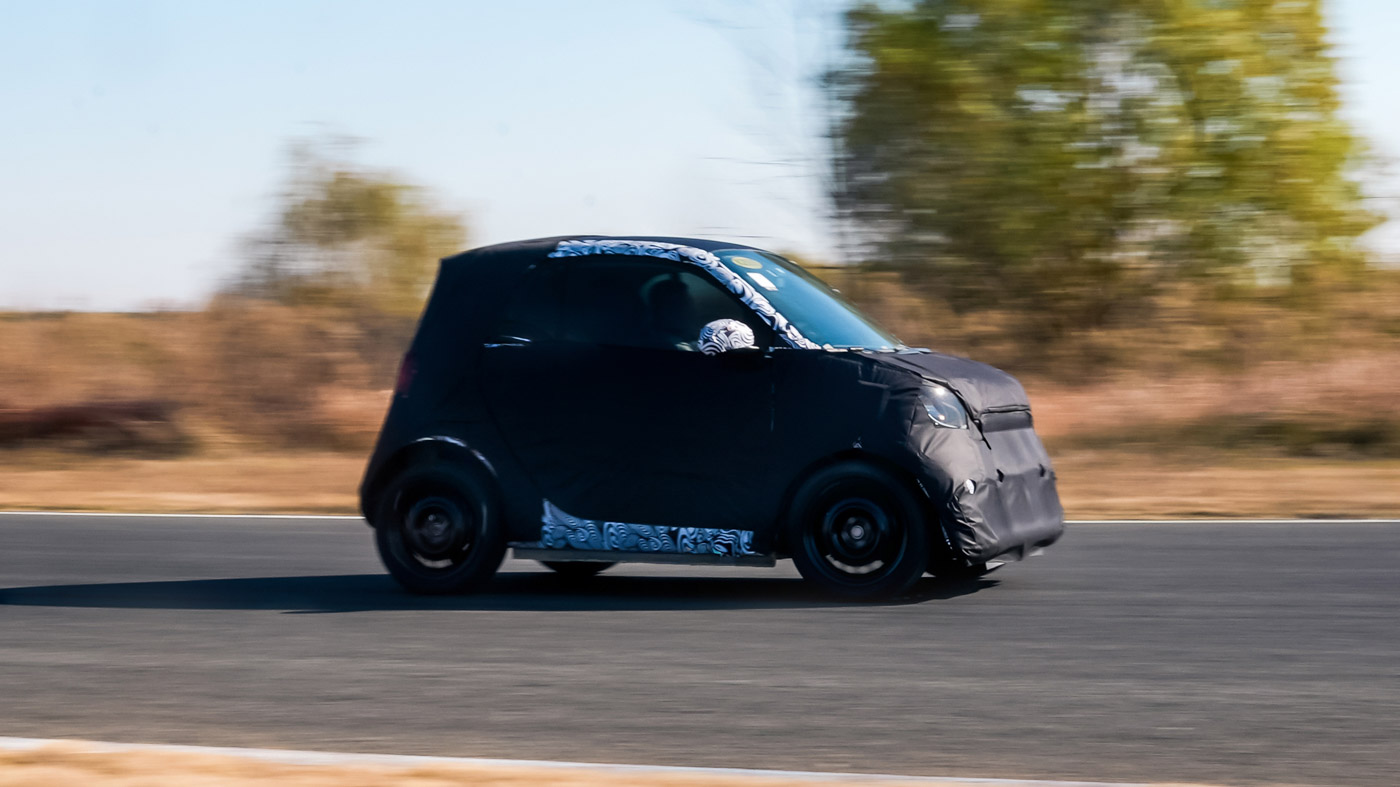
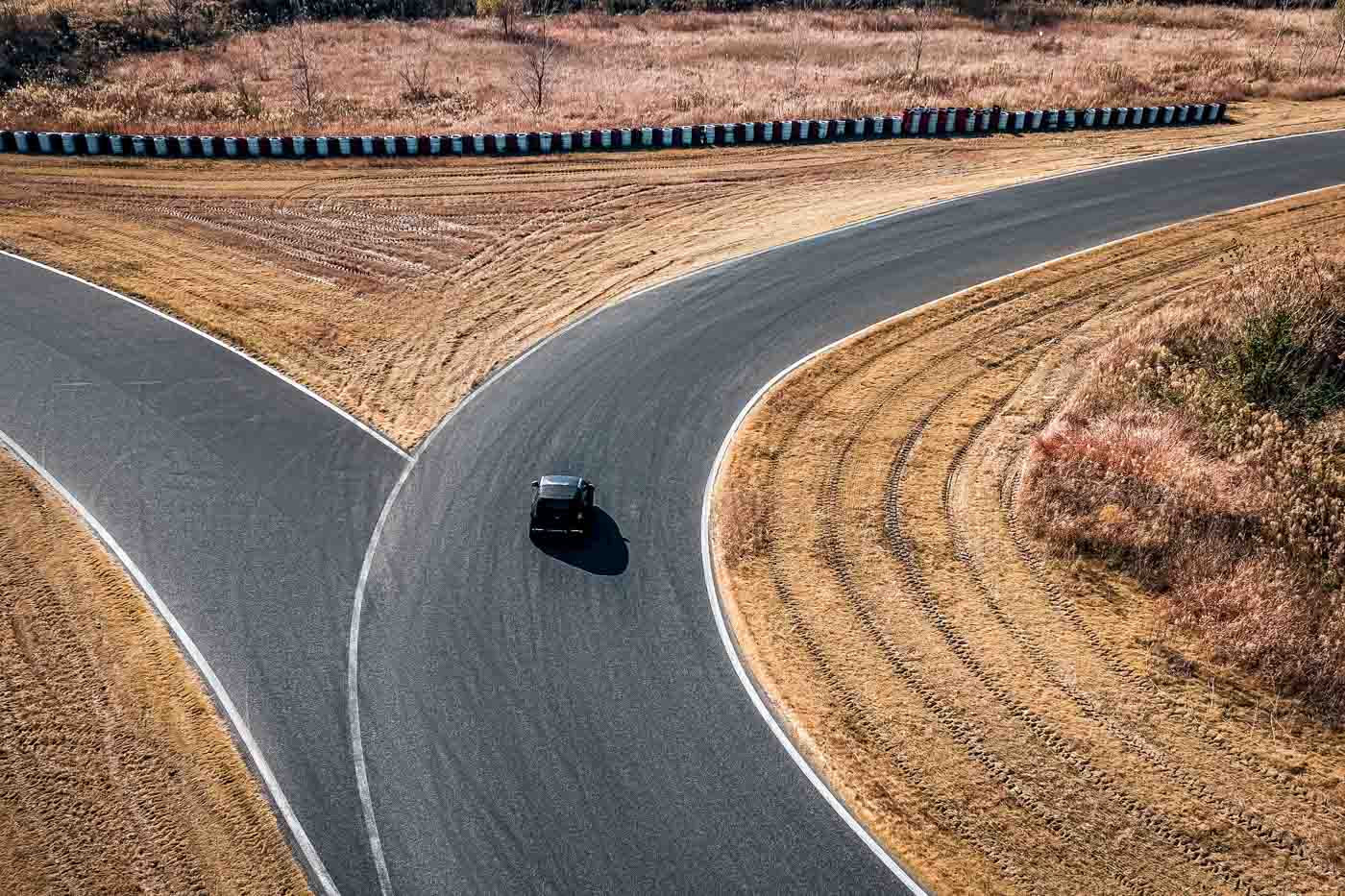
They’ve done SUVs and swanky sedans, but now, Smart is returning to its roots of the supercompact city cars with the upcoming Smart #2, the successor to the iconic Smart Fortwo, which has now begun its real-world testing phase, utilising repurposed Fortwo bodies as test mules.
These camouflaged test mules are built on the brand’s all-new proprietary Electric Compact Architecture (ECA). The ECA platform allows the Smart #2 to remain a true ultra-compact city runabout, featuring the classic two-door, two-seat layout, rear-wheel drive (RWD), and that famous wheels-at-the-corners stance.
This ECA platform will feature an interior and exterior penned by the Mercedes-Benz design team, suggesting that the final look will share a strong family resemblance with its larger siblings in the current Smart lineup.
For the time being, Smart remains tight-lipped on powertrain specifications, other than confirming a RWD layout utilising a single motor mounted on the rear axle.
In terms of output, we’re expecting figures close to the 82 hp produced by the previous Smart EQ Fortwo, or perhaps even the 109 hp setup found in the Brabus variant. Given its role as a dedicated city runabout, the former seems the more likely baseline.
RELATED: Meet the Smart #6, the brand’s first sedan with a hybrid range of over 1,800 km
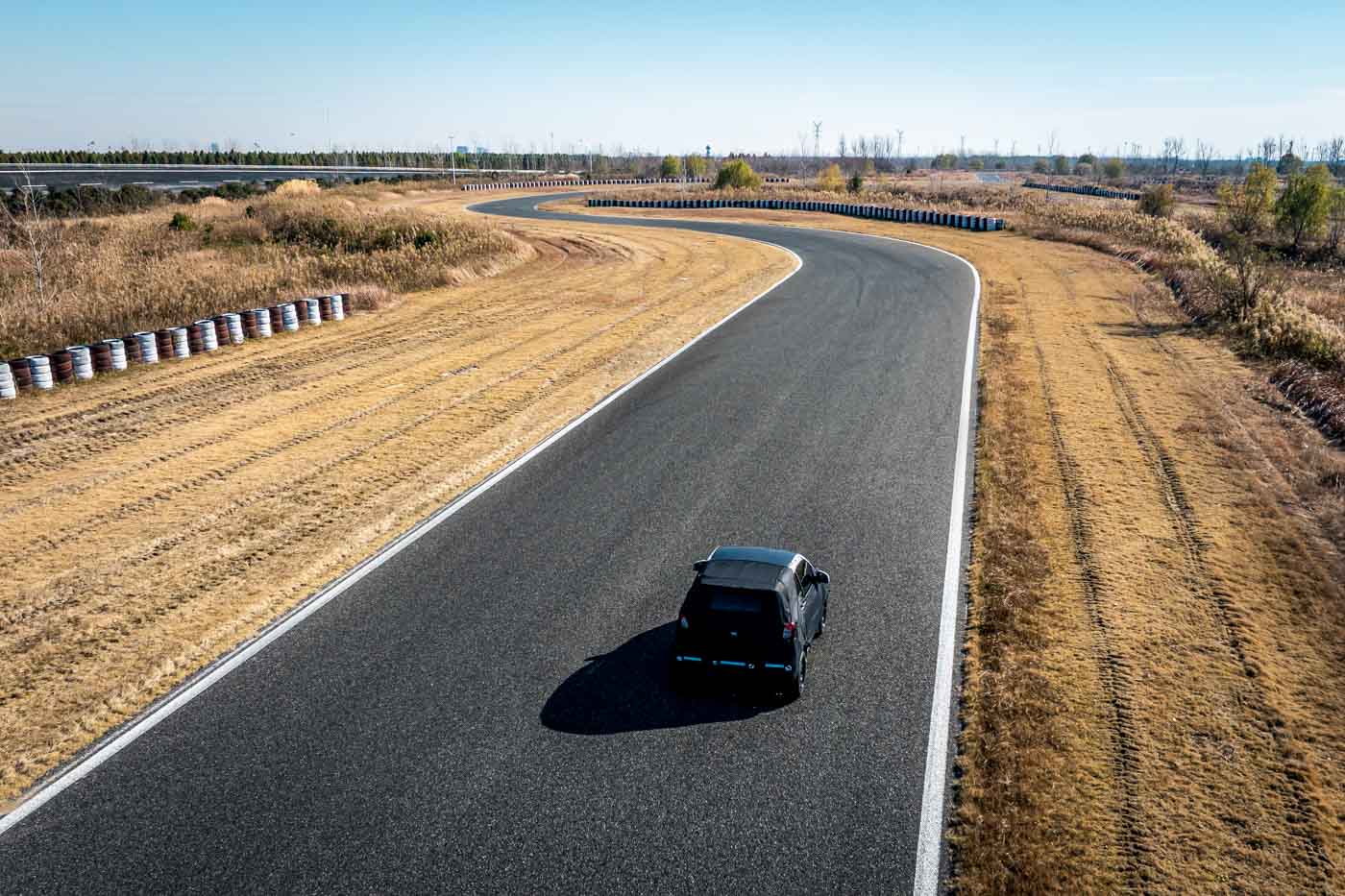
For now, the Smart #2 is proving its mettle ahead of its scheduled debut in late 2026. The EV is currently undergoing rigorous testing at a proving ground in China, where engineers are fine-tuning its driving dynamics and refining its ride and handling for city agility.
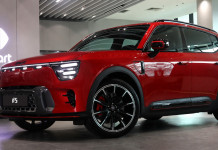
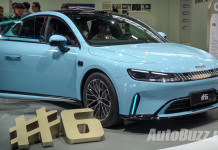
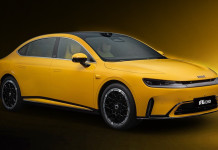
On the opposite end of the spectrum, the company also recently unveiled its first-ever sedan, the Smart #6. This new model officially dethrones the #5 as the company’s largest vehicle to date, stretching nearly five metres in length.
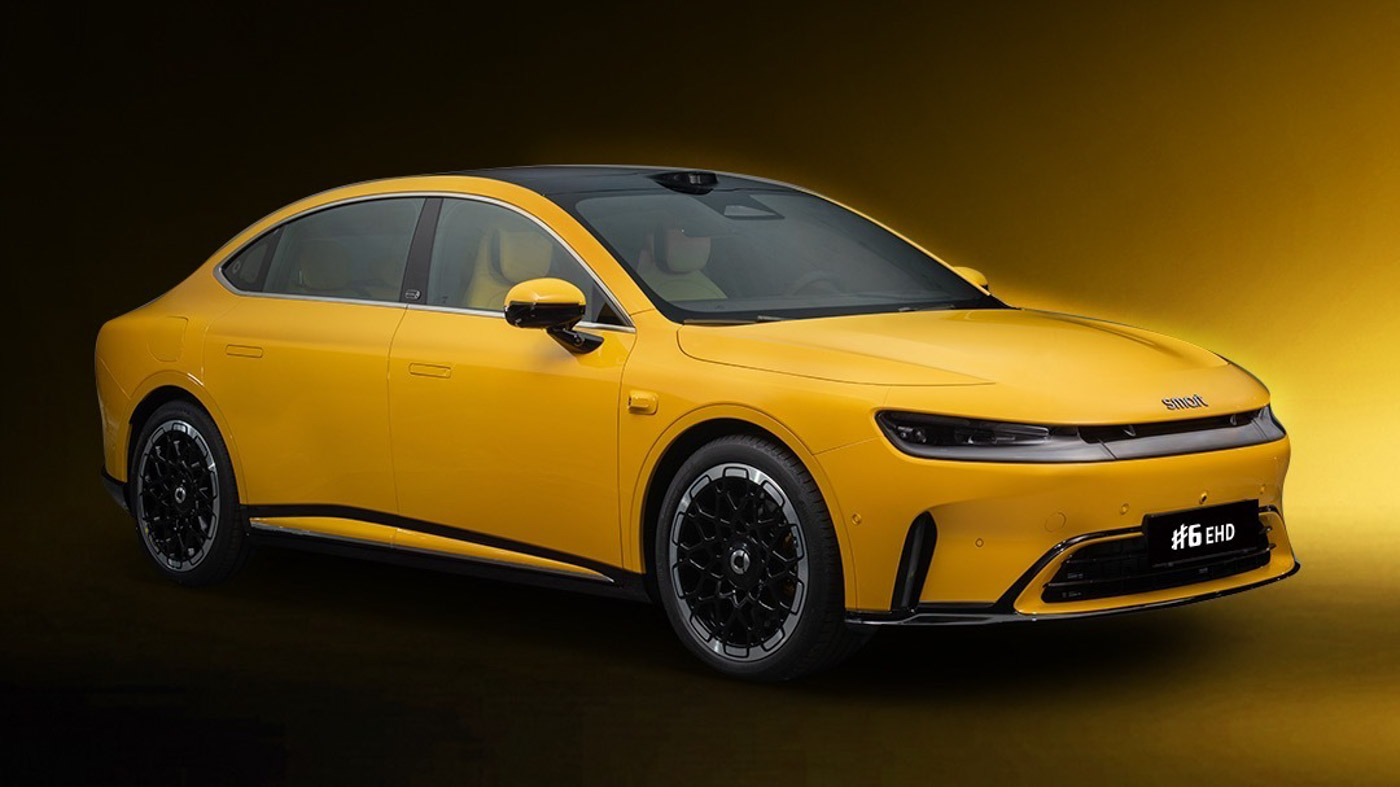
Powering the Smart #6 is a 1.5-litre turbocharged engine producing 163 hp, paired with a three-speed Dedicated Hybrid Transmission (DHT). Together, the system delivers a combined output of 435 hp (320 kW).
With a full charge and a tank of petrol, the Smart #6 has a range of 1,810 km, and a fuel consumption figure of 3.9L/km, according to the more optimistic CLTC test cycle.
RELATED: All-new 2025 Smart #5 launched in Malaysia – Premium and Brabus variants, from RM200k