Mercedes-Benz has announced “Tomorrow XX”, a technology programme that reimagines vehicle design, production, and recycling to cut emissions and boost sustainability. Unlike past XX projects, this new programme spans the entire Mercedes-Benz portfolio — and one standout feature is making future cars easier to repair, reducing waste and extending component life.
Most modern cars these days have components that are all constructed with permanently joined parts, such as headlights, interior panels, and more. Damaging one of those components could be costly to replace, but more importantly, it’s also more damaging to the environment, as it requires more materials to replace.

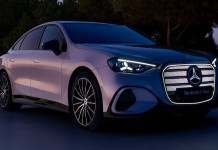
So as part of the Tomorrow XX programme, Mercedes-Benz is re-engineering the headlights so that their lens, housing, trim, and electronics are made into individual parts, assembled with physical screws instead of being glued together – so each part can be easily replaced, rather than the entire unit. This design not only lowers repair costs but also extends component life and improves recyclability.
Another component that has been reworked is the interior door panels. Traditionally, they’re joined by ultrasonic welding, but Mercedes-Benz has developed a new thermoplastic rivet system that allows for easier separation of individual materials without damaging them.
ALSO READ: The Concept AMG GT XX is a 1,360 hp preview of Mercedes-AMG’s future

Along with its ambitions in making components easier to repair, the Tomorrow XX programme will also see the use of more recyclable materials. A modern Mercedes-Benz vehicle uses around 250 kg of plastic on average. Many of these plastics are not of the same type, which makes them harder to recycle.
The programme aims to accelerate the use of mono-materials (materials of the same kind) — allowing for a more uniform and sustainable manufacturing process by making sorting and reusing easier. The company says that through the programme, they can potentially double recycled content while halving carbon dioxide emissions in their cars.
Additionally, they’ve also set a target for certain parts of their cars to be built with up to 86% post-consumer scrap aluminium obtained from old parts such as wheels, window frames, and scrap vehicles – as production of aluminium remains one of the most energy-intensive industries in the world.

Mercedes-Benz is also exploring urban mining by reusing materials from end-of-life vehicles, converting old tyres into plastics, leather alternatives, and acoustic absorbers. Even brake pads are being produced with up to 40% recycled material, cutting carbon dioxide emissions by up to 85%.
The Tomorrow XX programme shows the company’s strategic shift for sustainability. Mercedes-Benz says that over 40 sustainable components and materials have been identified in just two years, from early research to near-production readiness. Not only do customers benefit from simpler and cheaper repairs, but Mercedes-Benz will also push for long-term sustainability and further reduce its carbon footprint as the programme matures.
ALSO READ: The Mercedes-Benz Vision Iconic concept’s paint job can actually charge the car
GALLERY