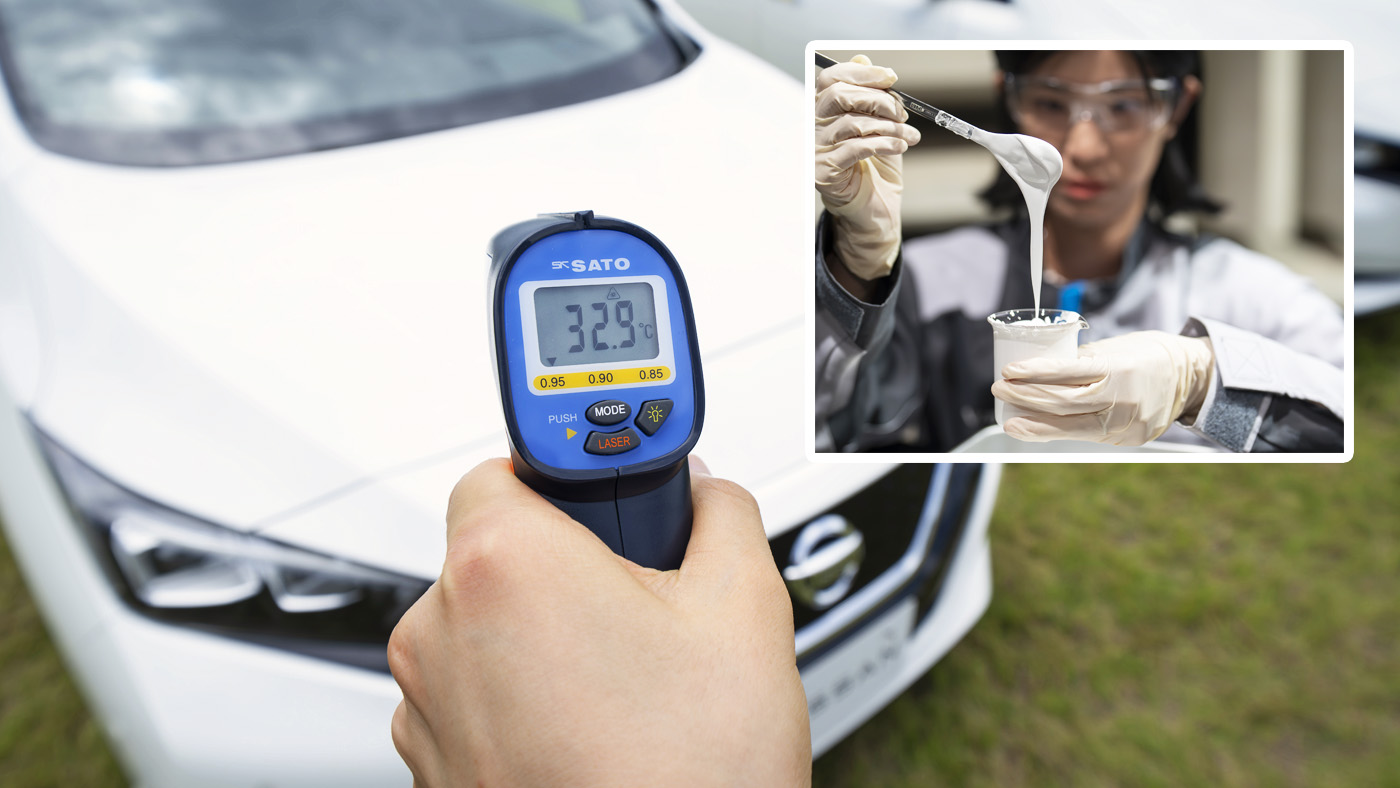
In pursuit of a more efficient automotive experience, Nissan is currently testing a new automotive paint with “Cool Paint” technology. The new paint supposedly helps to keep your car cooler, especially after long periods of exposure to the sun.
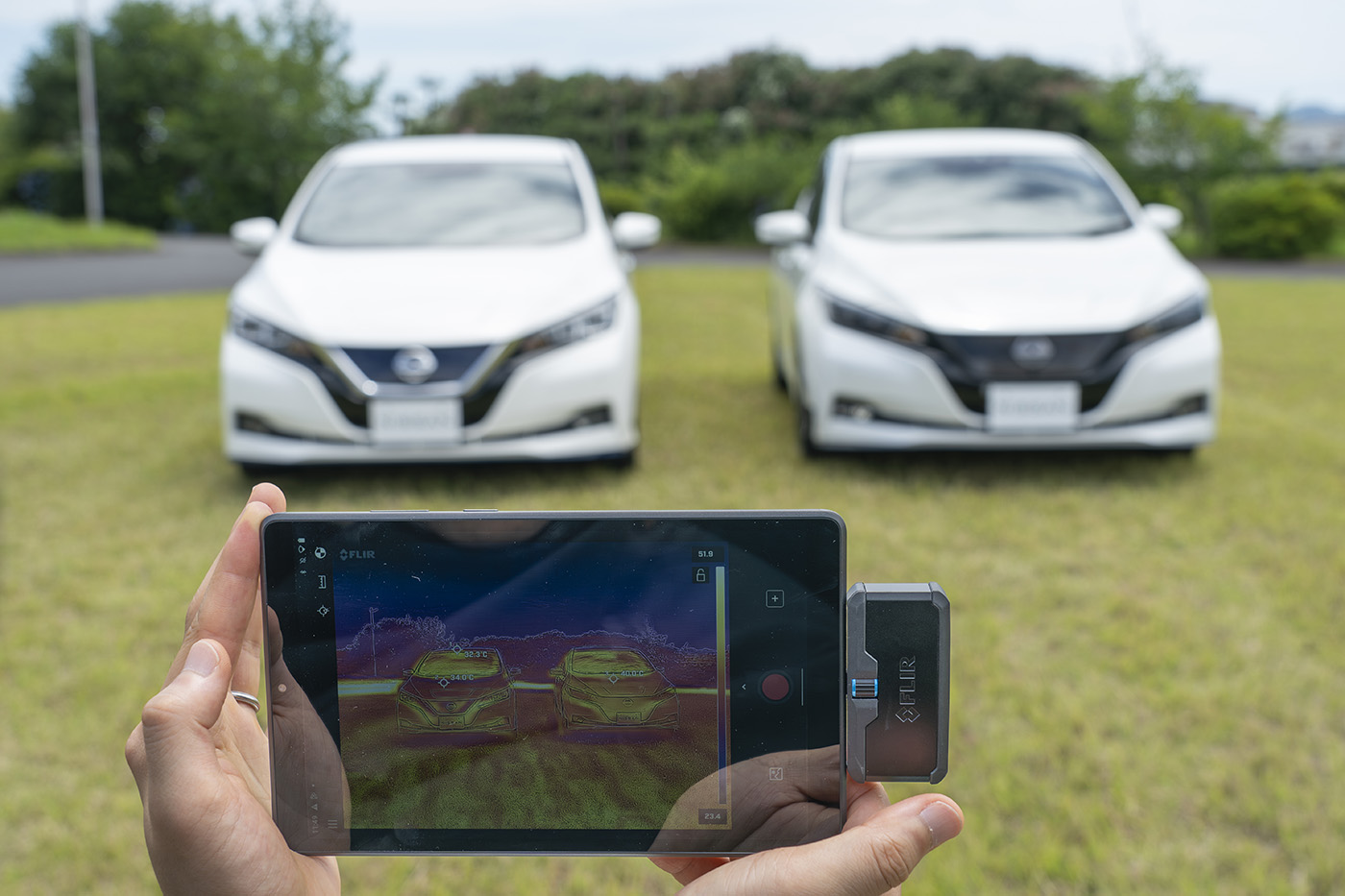
Through its testing so far, Nissan claims that the new automotive paint technology is able to reduce a car’s exterior surface temperatures by 12 °C and interior ambient temperature by 5 °C. Radiant cooling paint is not a new thing (has been used on buildings), but an automotive-grade cooling paint is.
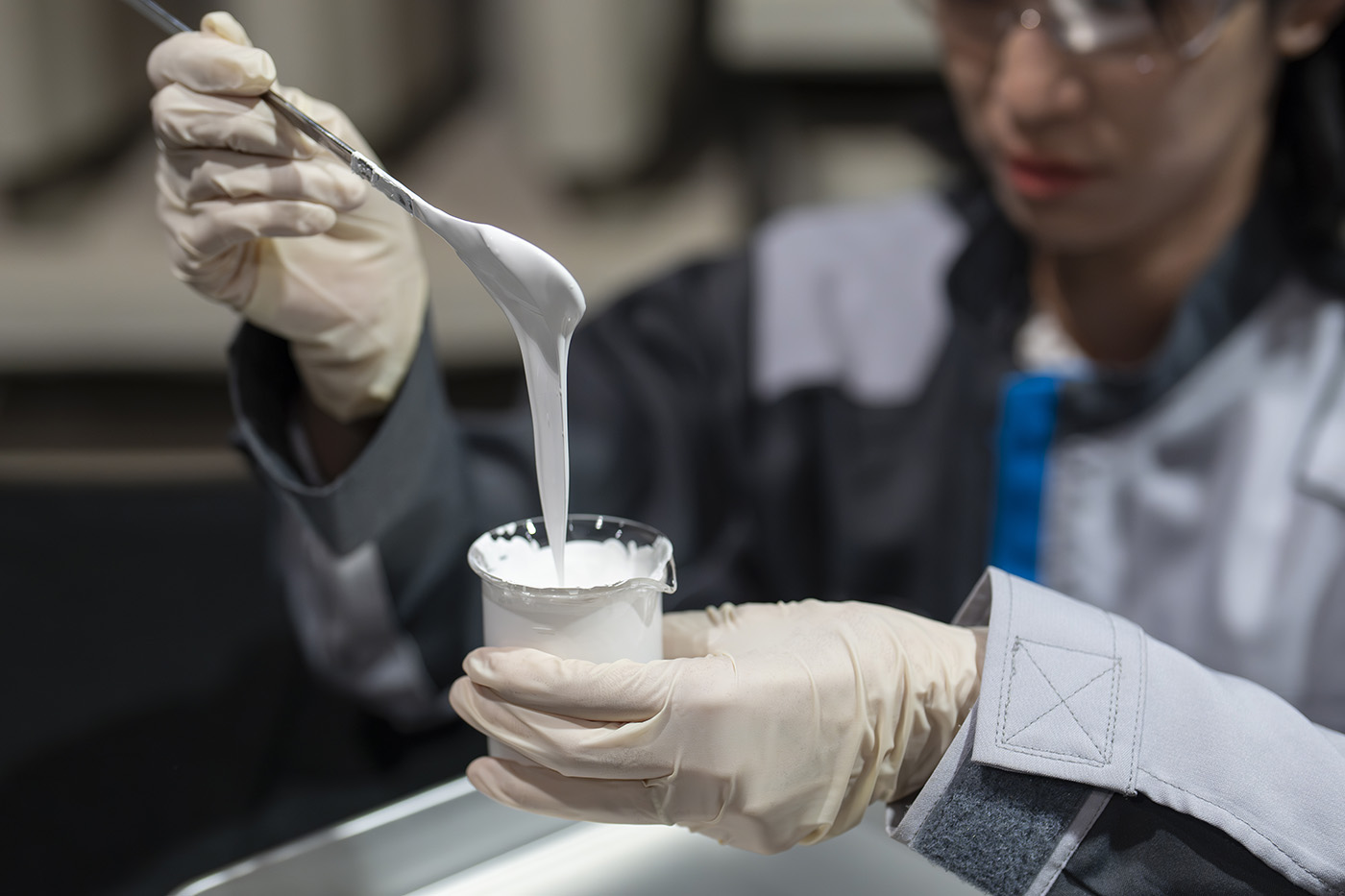
The key technologies in the new cool paint are its 2 microstructure particles that react to light:
- The first particle reflects near-infrared rays in the sunlight that would typically cause molecular-level vibrations within the resin of traditional paint to produce heat.
- The second particle creates electromagnetic waves, that counteract the sun’s rays, redirecting the energy away from the vehicle into the atmosphere.
Combined, the two types of particles reduce the transfer of heat into surfaces such as the roof, hood, doors, and panels.
As mentioned earlier, radiant colling paint is not a new technology. In fact, it is already used on buildings and applied via paint rollers. The challenge for Nissan is to make the cooling paint of automotive grade. This includes ensuring it can incorporate a clear top coat, be able to be applied via spray gun, not create a chalky residue, and meet Nissan’s rigorous internal standards on paint quality.
Nissan is developing this new paint in collaboration with Radi-Cool, a specialist in radiative cooling products. The project is part of Nissan’s pursuit of differentiated innovations that empower journeys and to help create a cleaner more sustainable society.
Leading the development of the paint is Nissan Research Centre Advanced Materials and Processing Laboratory Senior Manager and Expert, Dr. Susumu Miura. He said, “My dream is to create cooler cars without consuming energy. This is especially important in the EV era, where the load from running air-conditioning in summer can have a sizable impact on the state of charge.”
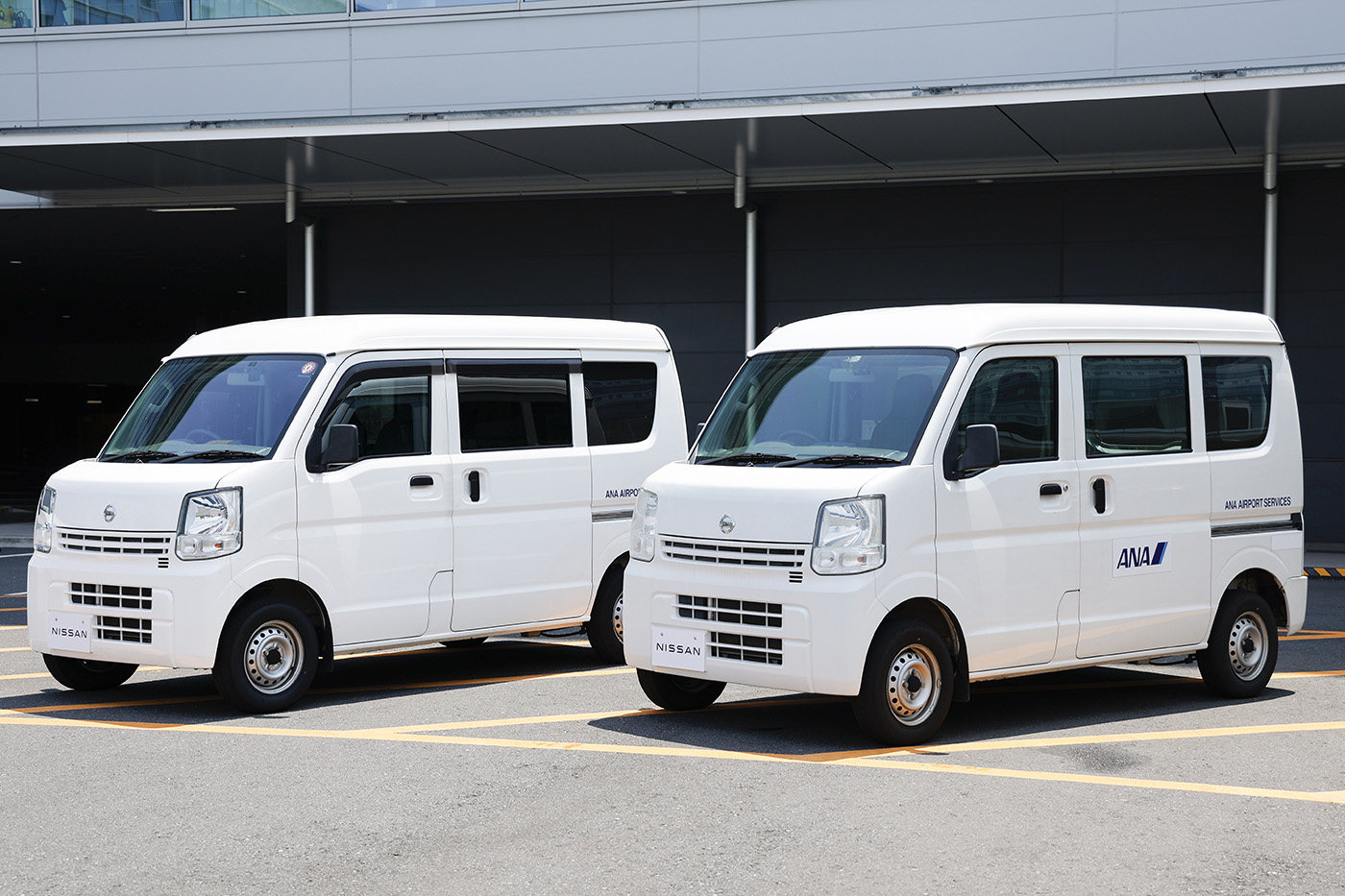
In November 2023, Nissan commenced a 12-month feasibility trial at Tokyo International Air Terminal at Haneda. In collaboration with Japan Airport Terminal Co., Ltd., Radi-Cool Japan, and All Nippon Airways (ANA) airport service, Nissan’s cool paint has been applied to a Nissan NV100 service vehicle operated by All Nippon Airways (ANA) airport services.
RELATED: Mitsubishi to join Honda-Nissan alliance, to focus on electrification