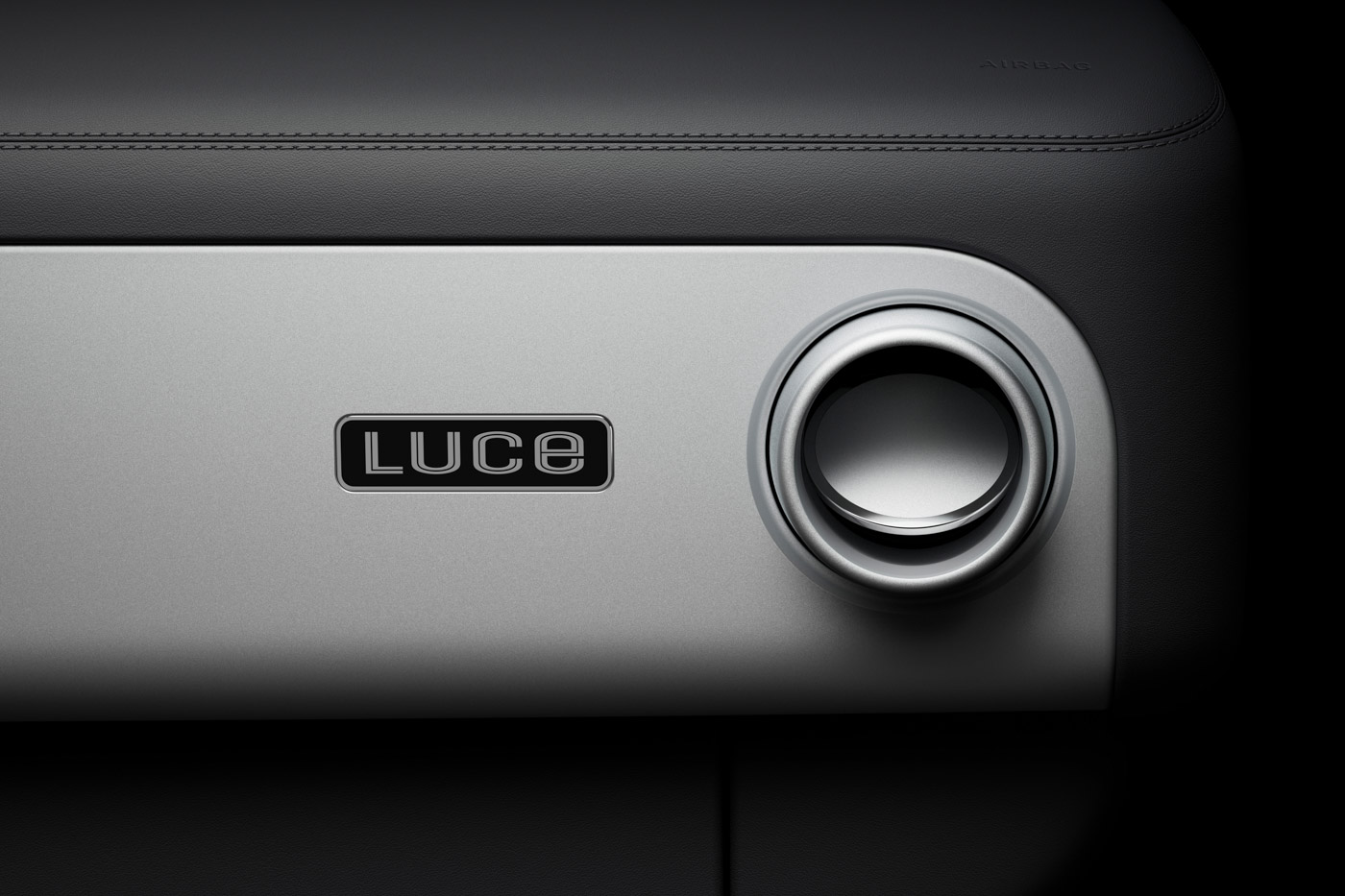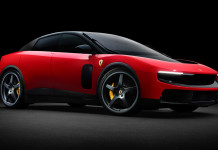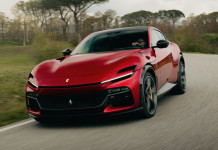
Ferrari’s highly awaited first fully electric vehicle (EV) was initially known as the Ferrari Elettrica – at least when first details were revealed in October 2025. It was a name that translated, quite literally, to “Electric” in Italian, but just as we’ve guessed, that won’t actually be its final name. As the spring 2026 reveal approaches, Maranello has swapped the literalism for something more poetic, rechristening its first EV as the Ferrari Luce.
Luce translates to “light” in Italian. According to the suits at Maranello, the name was chosen because light represents “the way forward” and appears in “electromagnetic equations.” It is a grand title for a car they claim to be completely different from anything Ferrari has ever built. Fair warning, though – you might find an anime-style Vatican mascot of the same name dominating your screen when you search for the car online.
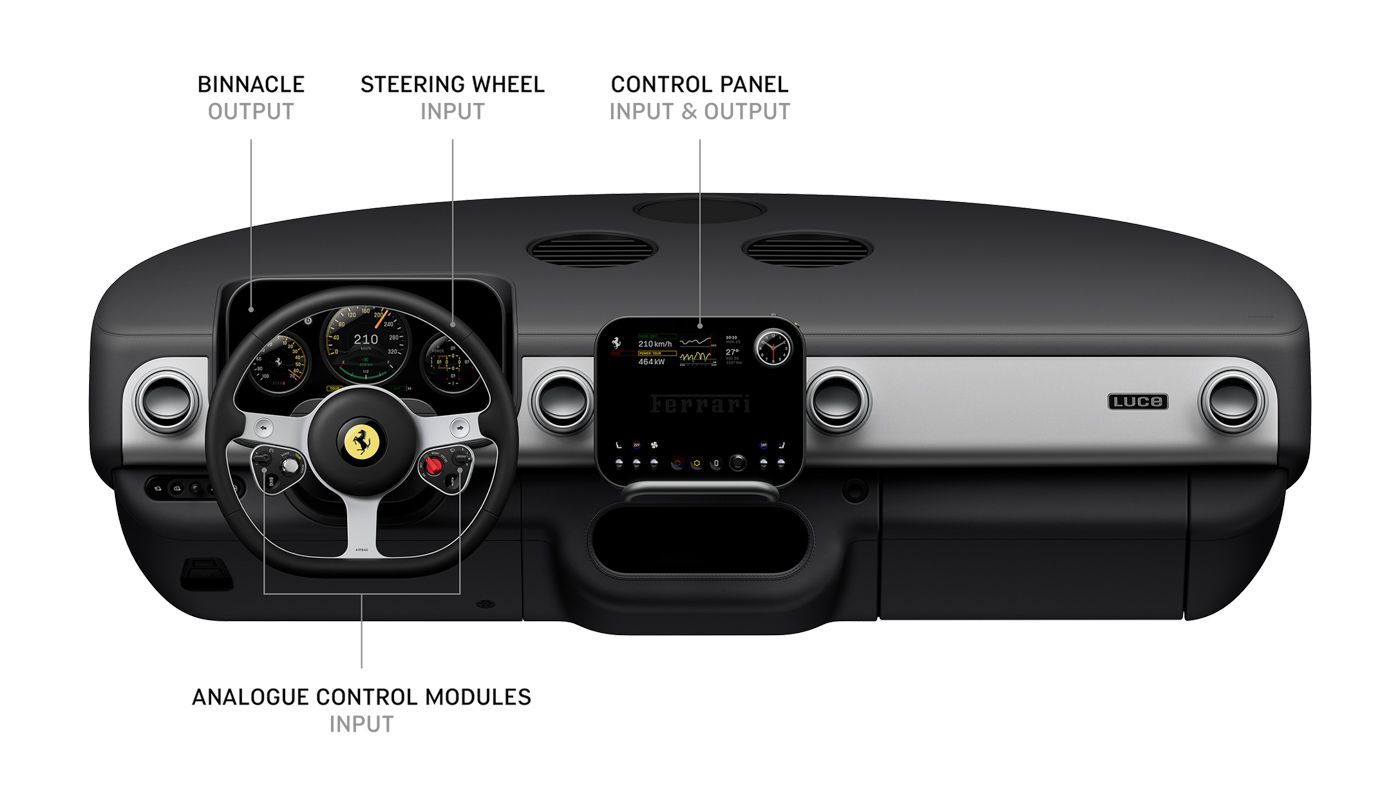
Following the reveal of the car’s inner workings, Maranello has now moved on to the second chapter of the reveal: the interior. Depending on where you stand as a Ferrarista, you might either love or dislike what’s been shown so far, with an oddly retro 1970s Prancing Horse-inspired appearance paired to modern touches, with everything designed around an aesthetic strangely familiar to Apple users.
This is no accident. The cabin is designed through the lens of LoveFrom, the creative agency founded by former Apple Design Chief, Jony Ive. The reveal of the Luce’s interior, hosted in San Francisco, feels like a deliberate callback to Apple’s iconic product launches in the city, and it marks the first time Ive has stepped back into the spotlight since leaving the tech giant.
RELATED: Ferrari Elettrica – the first-ever electric Prancing Horse is here… Sort of
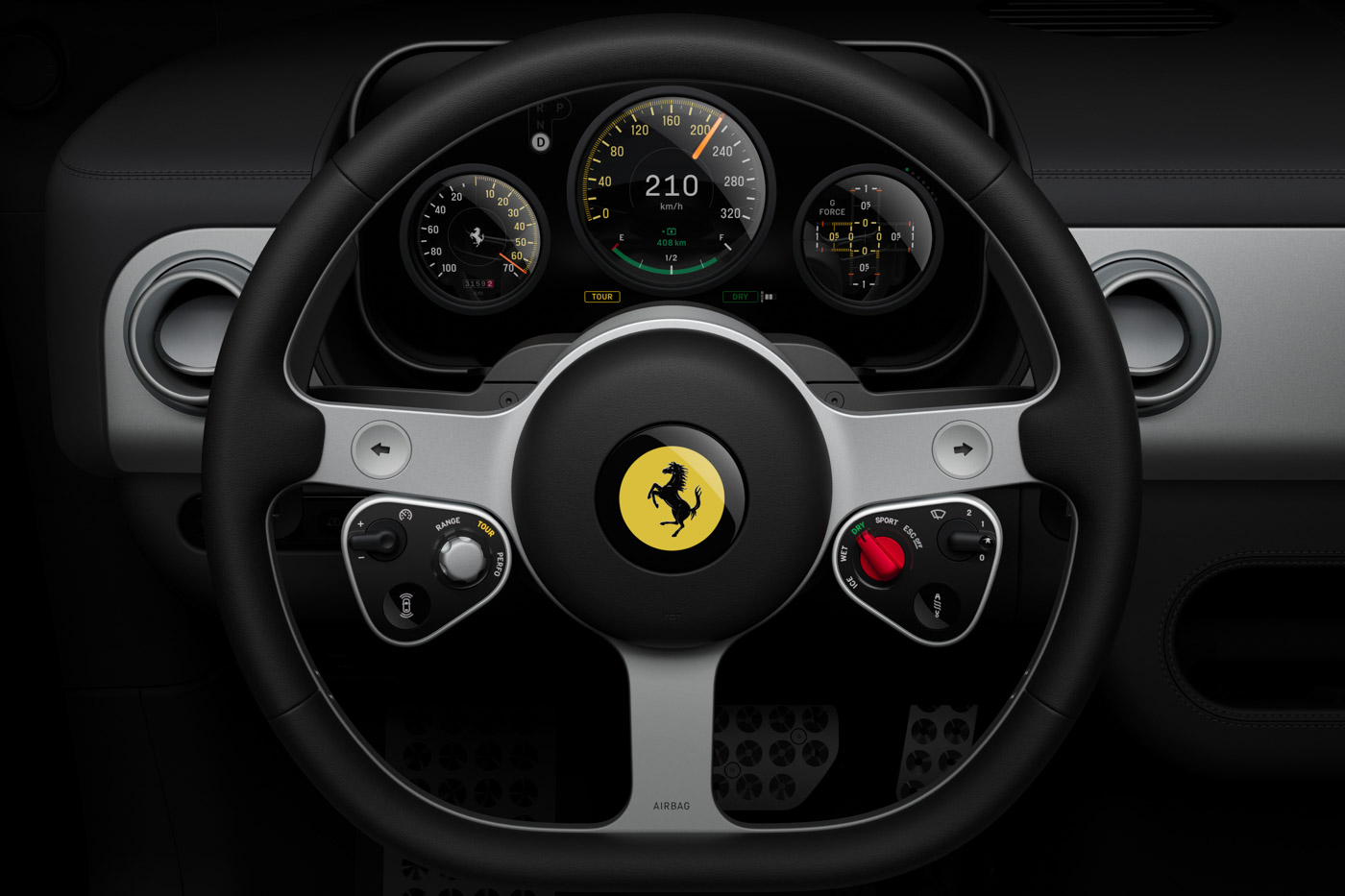
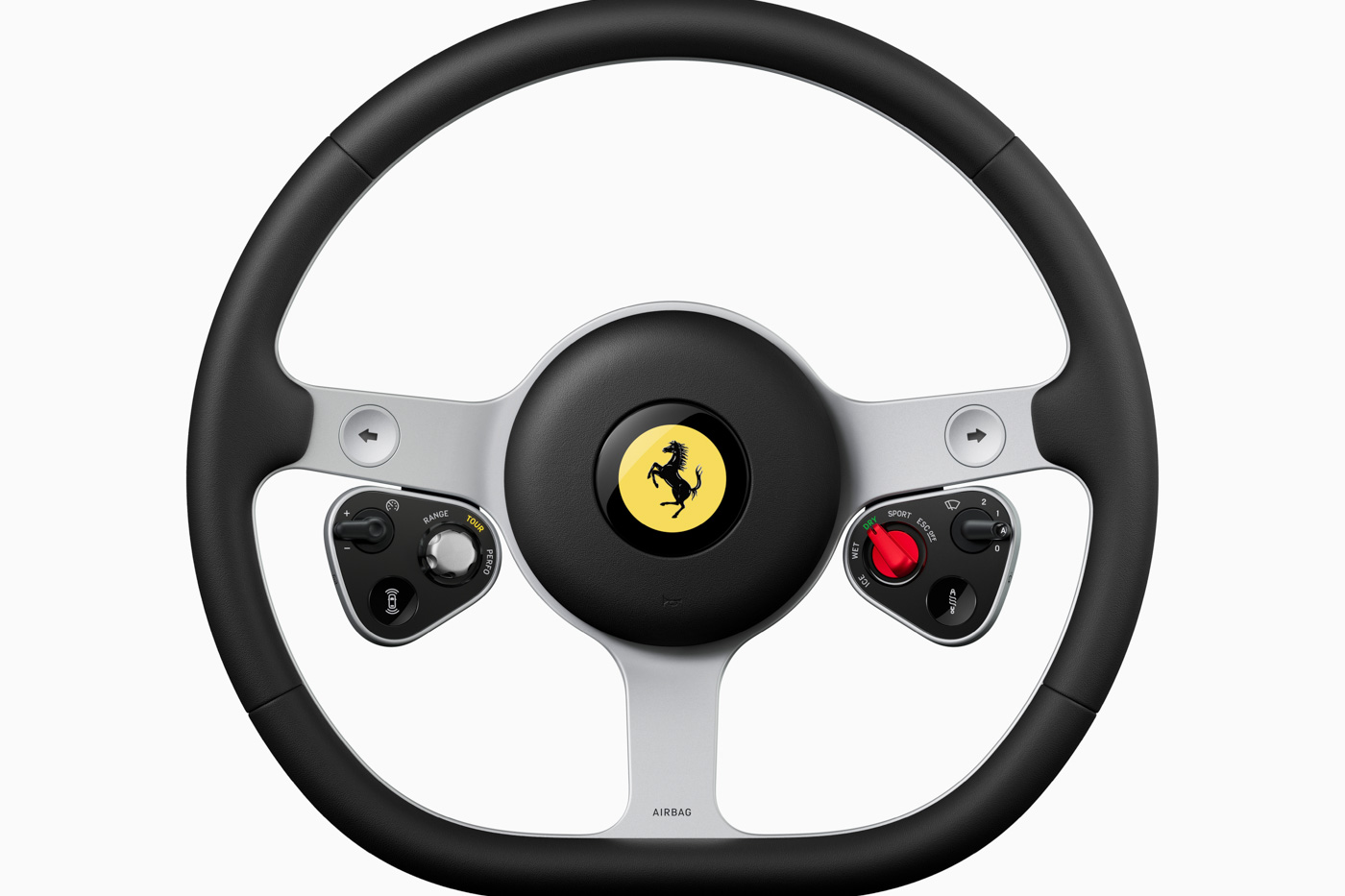
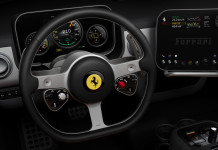
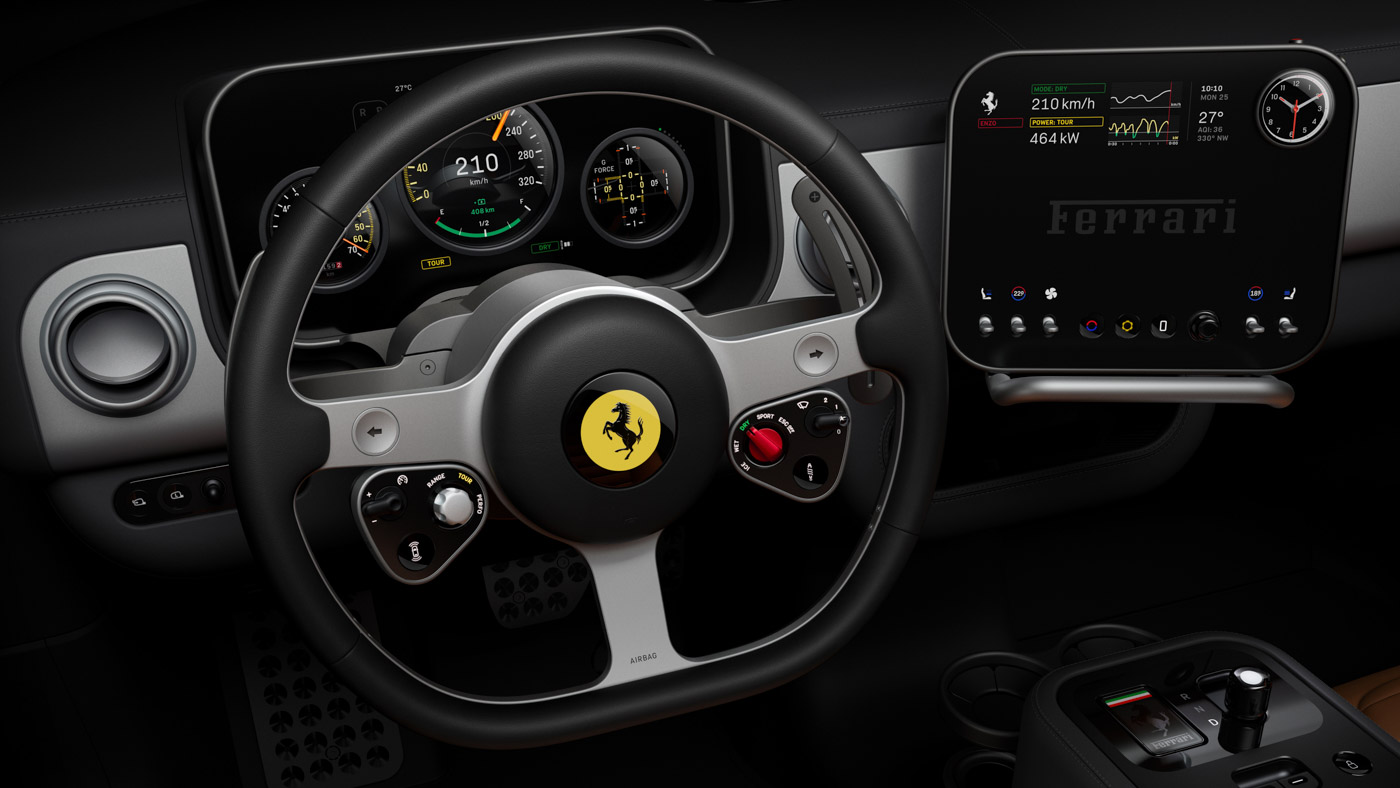
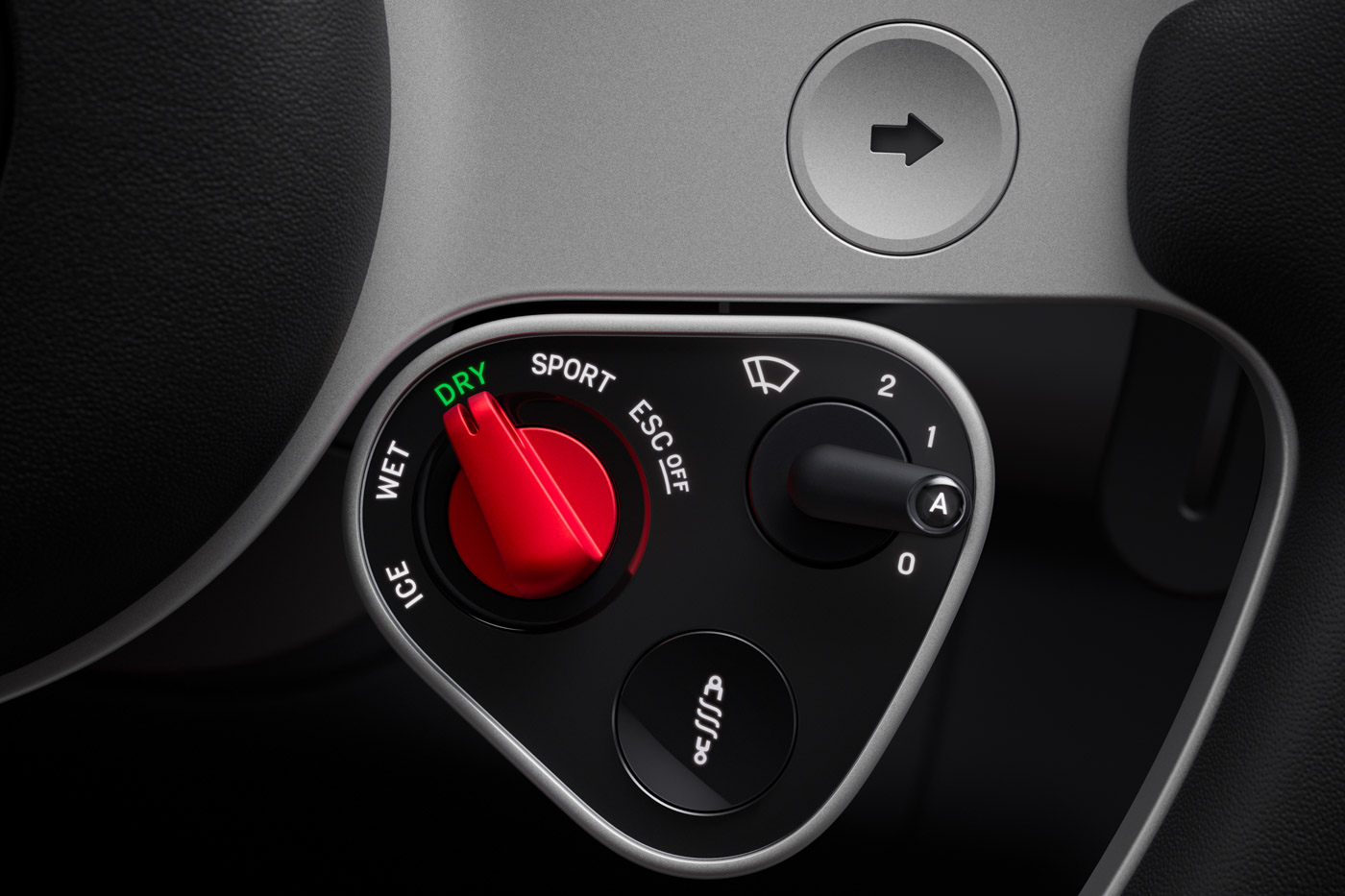
Headlining the retro look is the three-spoke steering wheel, machined from a single piece of aluminium and configurable in three hues. It features two distinct control modules housing physical switches.
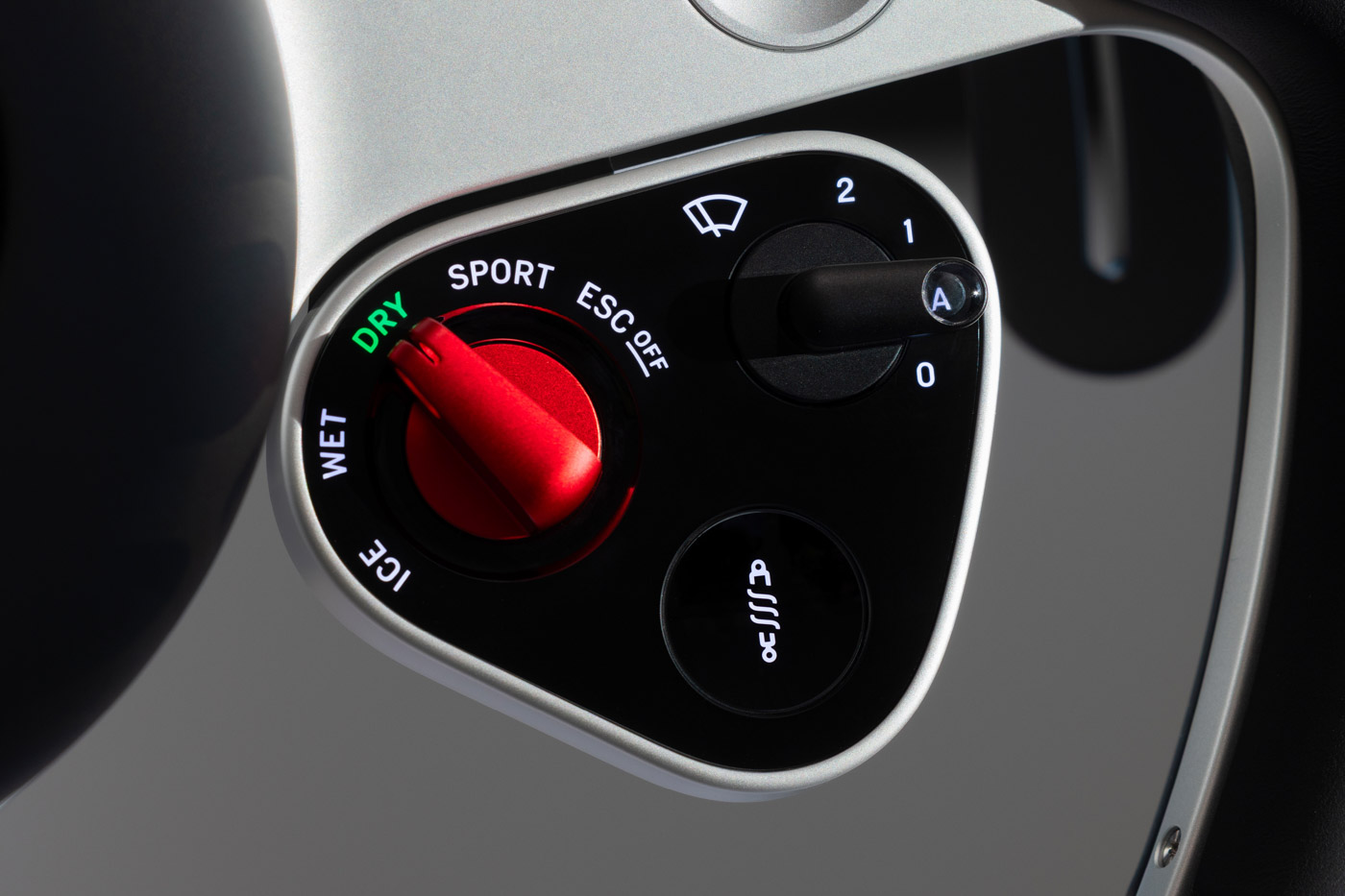
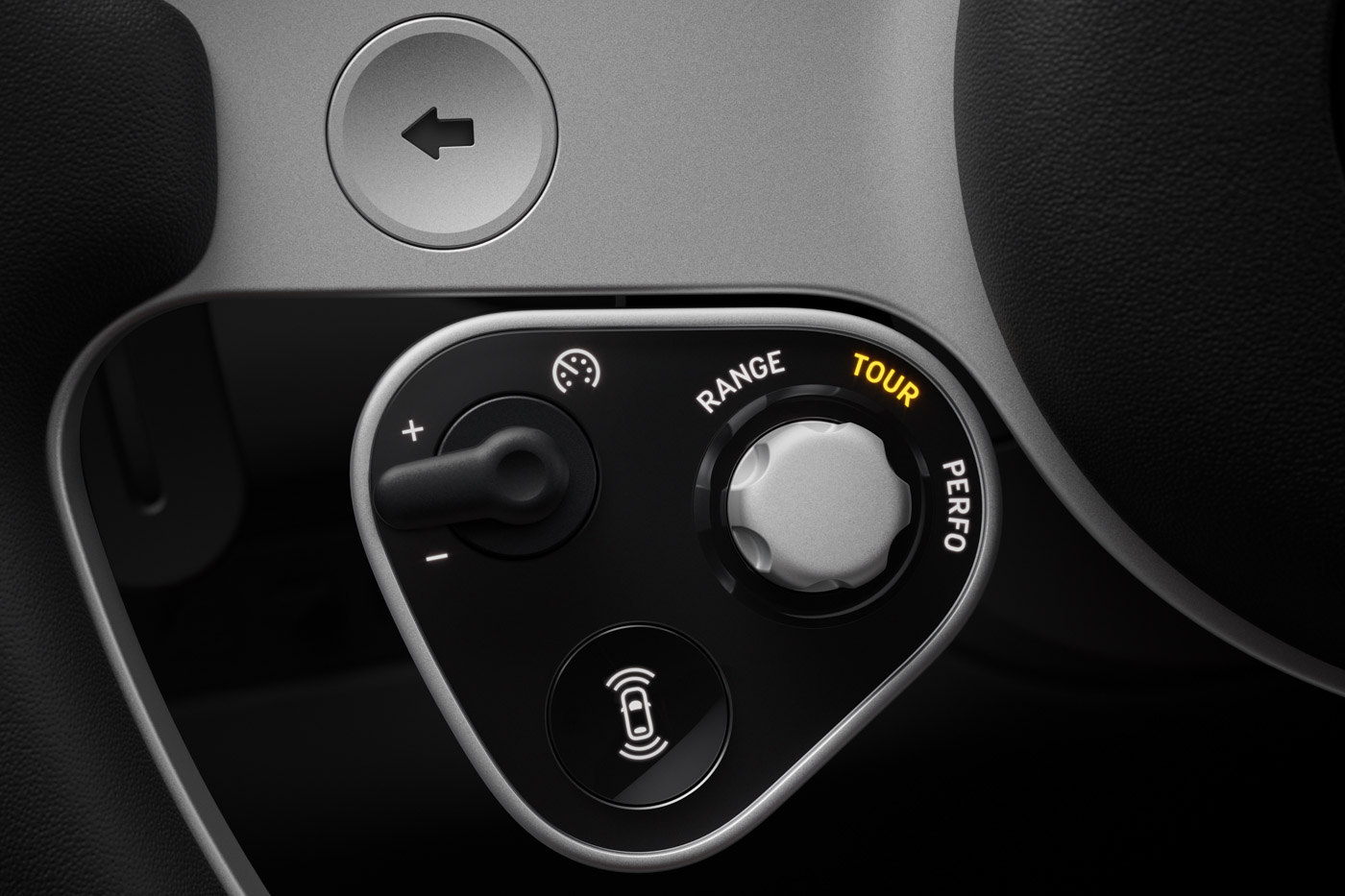
The left module contains the ADAS features and the eManettino switch, with settings for Range, Tour, and “Perf”, allowing the driver to toggle between rear-wheel and all-wheel drive. The right control module houses the wipers, suspension, and the traditional Manettino switch. Behind the wheel, instead of gear shift paddles, the Luce features magnetic levers to manually control torque. These are essential, considering the Ferrari Luce packs a whopping 8,000 Nm of torque in its most extreme “Performance Launch” mode.
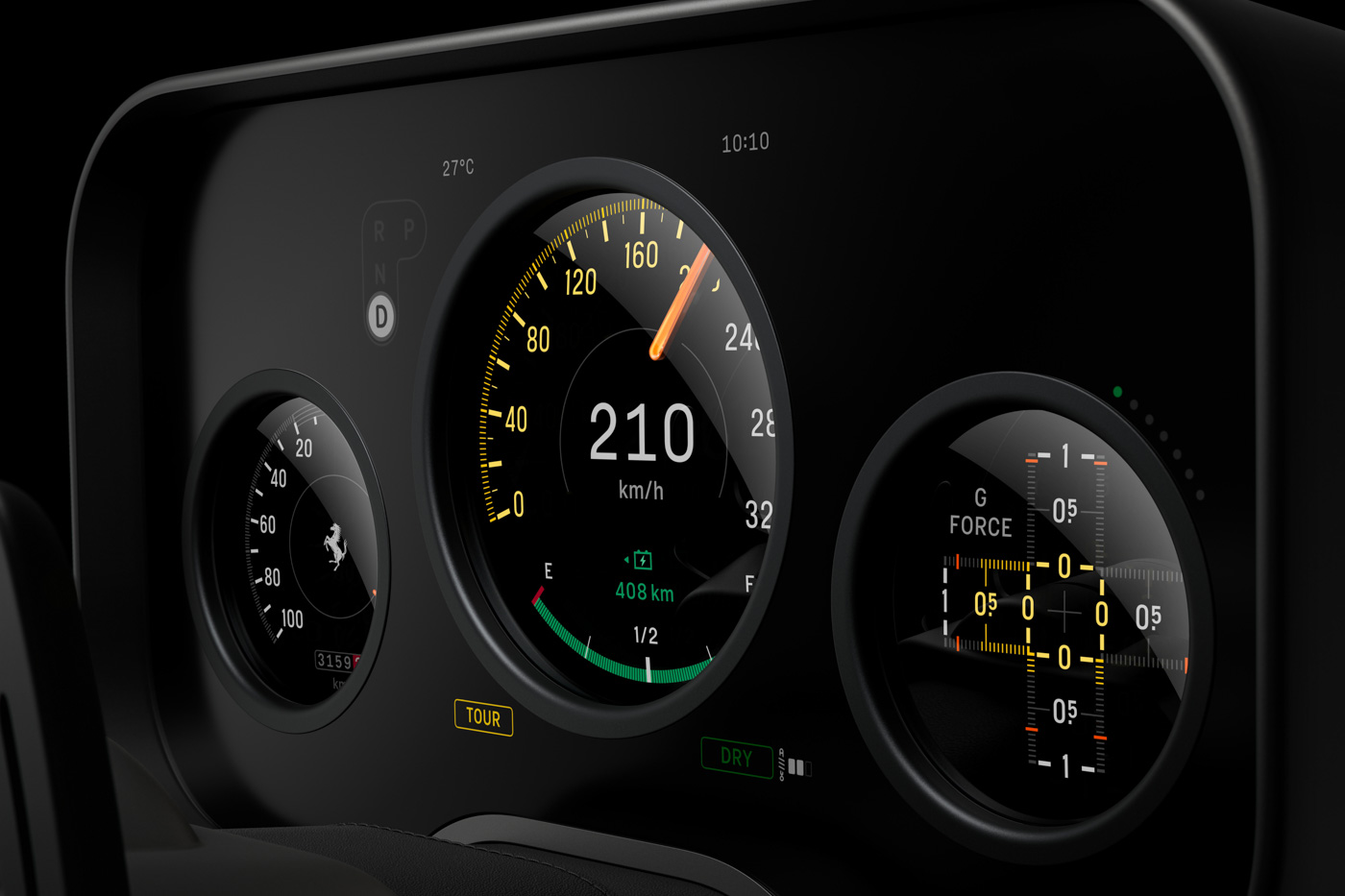
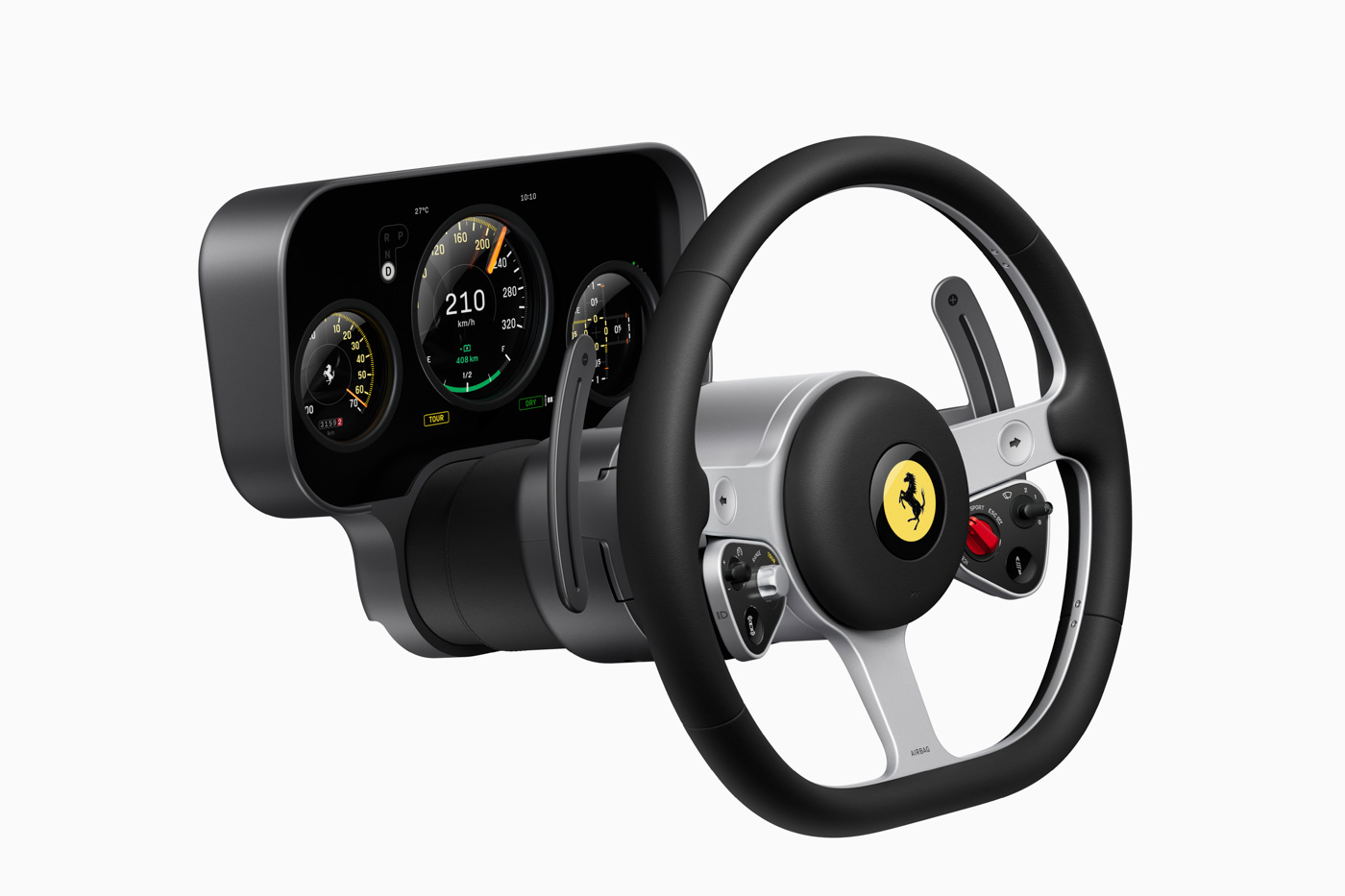
Sitting behind the steering wheel is a digital gauge binnacle which, at first glance, mimics vintage analogue gauges. These are actually three individual displays designed to look like analogue dials, though they are fully customisable with various presets.
The dial on the far-left side serves as the power meter. Directly connected to the eManettino switch, it displays available power output and regenerative braking across the Range, Tour, and “Perfo” settings.
The central dial handles speed and battery levels, curiously combining a physical mechanical needle with a digital interface for a classic speedometer look. This dial also features a torque meter positioned above the speedometer, which indicates the optimal moment for the driver to increase torque using the magnetic paddles.
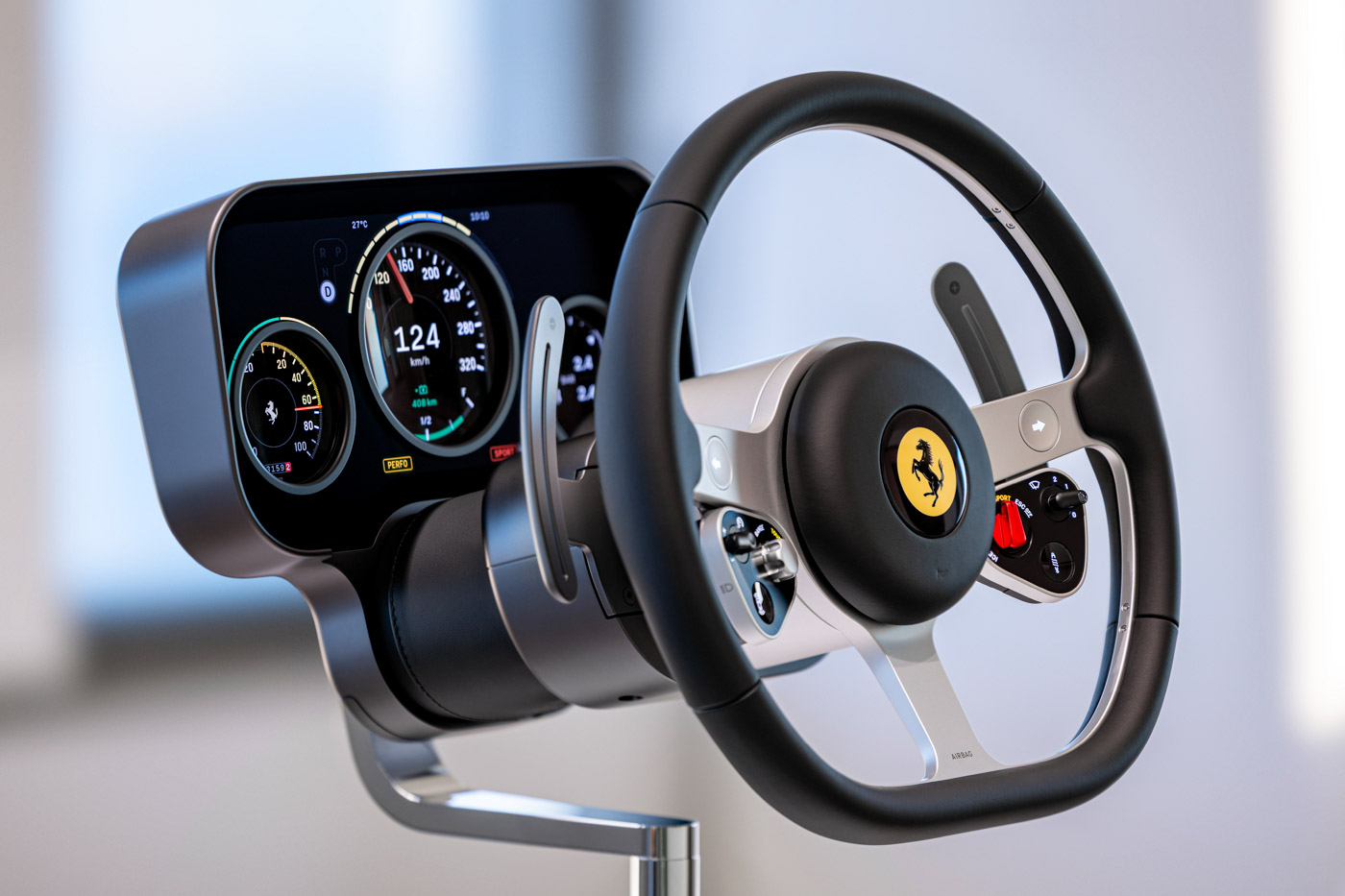
Together, the steering wheel, torque levers, and gauge binnacle combine to form a single steering assembly. The entire unit moves in tandem with the steering column, ensuring the driver’s view of the instrumentation is never obscured while driving.
Complementing the steering assembly is the “Control Panel”, as Ferrari calls it, located in the centre of the dashboard. While Maranello has kept the exact dimensions under wraps, the display resembles a supersized Apple Watch laminated beneath a custom-shaped sheet of Corning Gorilla Glass.
Unlike the fixed displays found in most cars, this unit is a self-contained articulating panel. It is encased in a machined aluminium frame with an anodised bracket that extends from the rear to form a handle and a palm rest. This allows both the driver and the co-pilot to pivot the display for a better viewing angle.
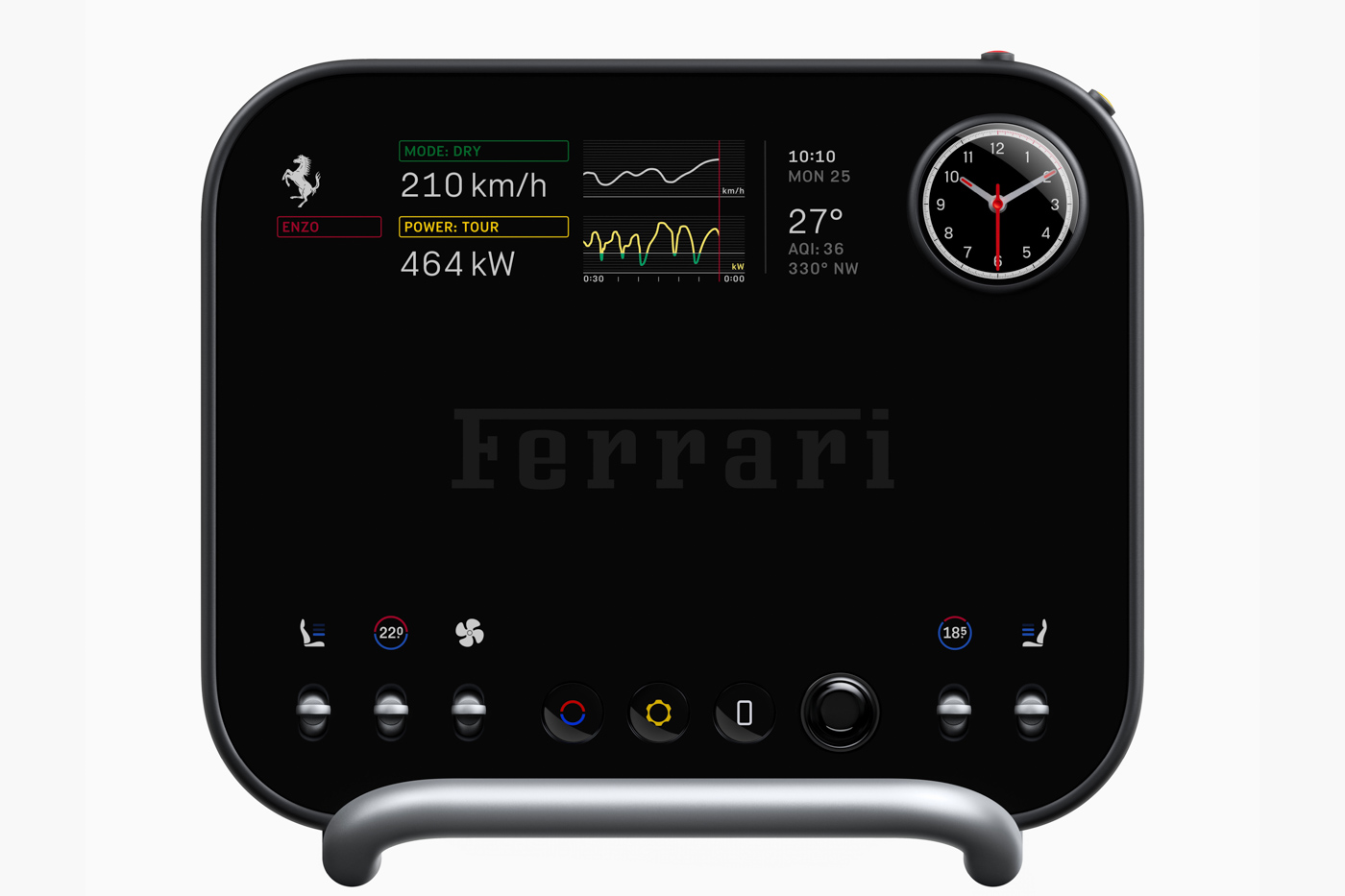
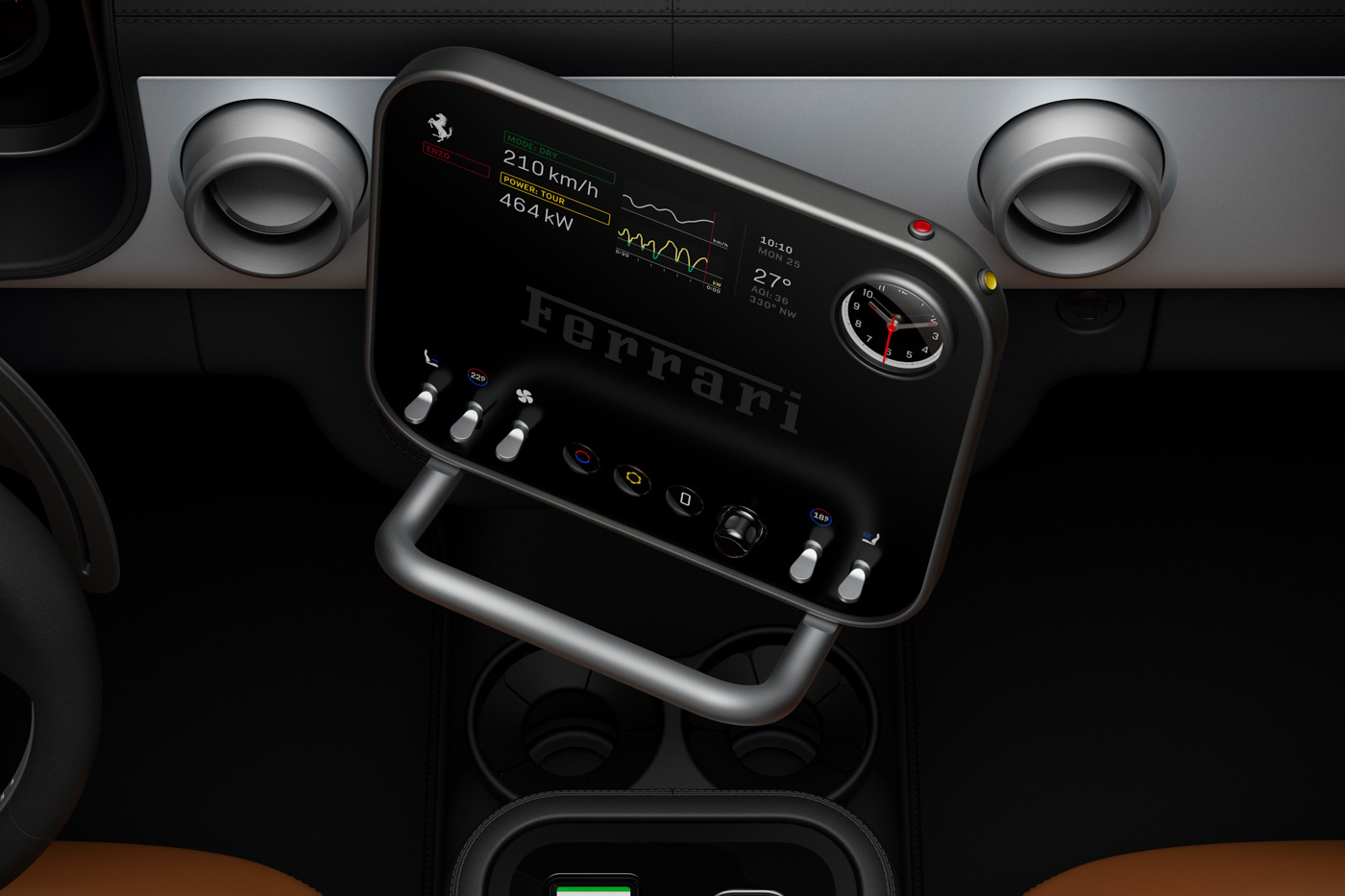
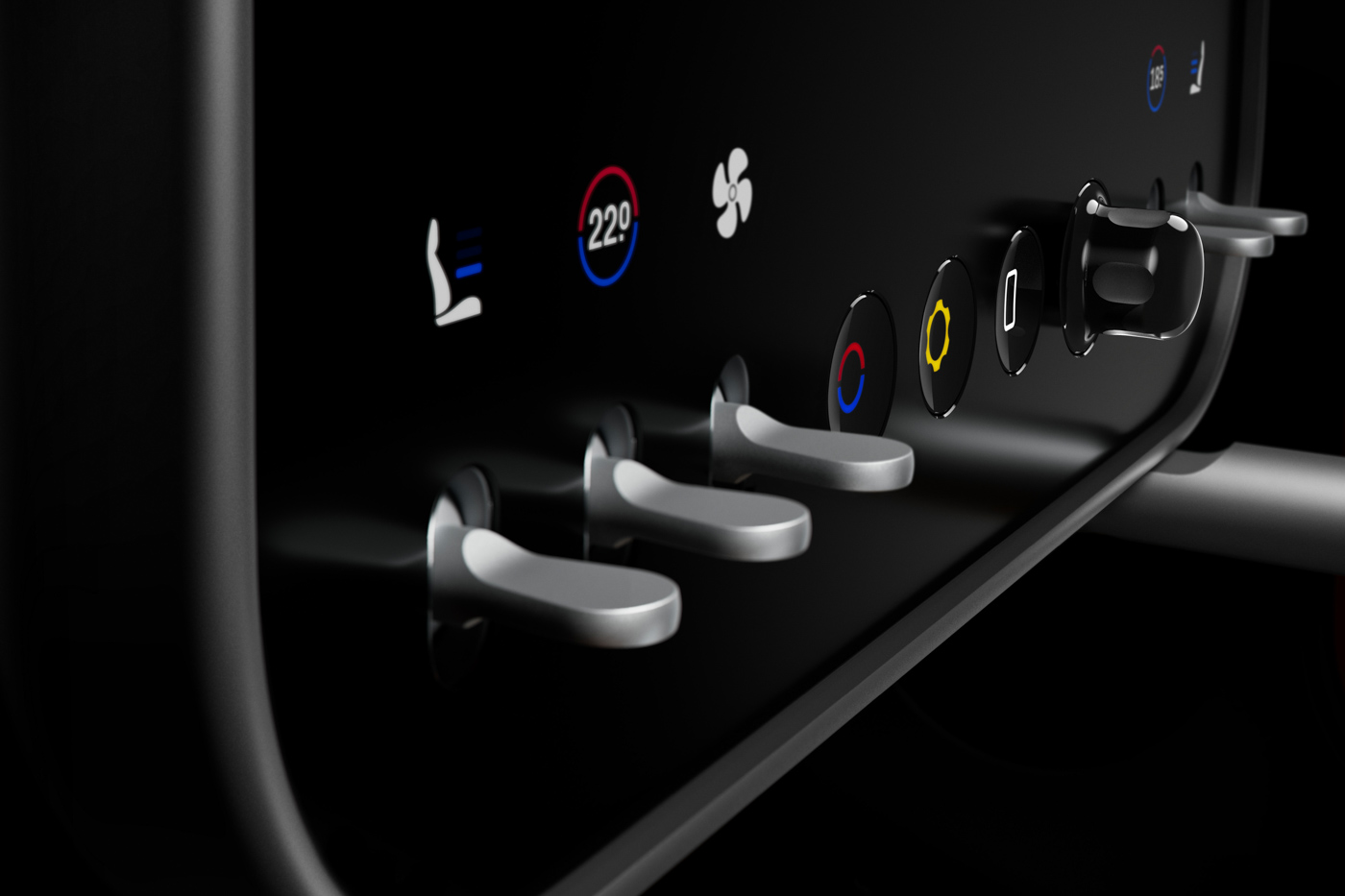
Beneath the high-resolution OLED screen, the Control Panel retains three physical buttons and switches for climate control, car settings, and media. The interface confirms the Luce supports Apple CarPlay, though dedicated climate controls remain permanently accessible at the bottom of the display.
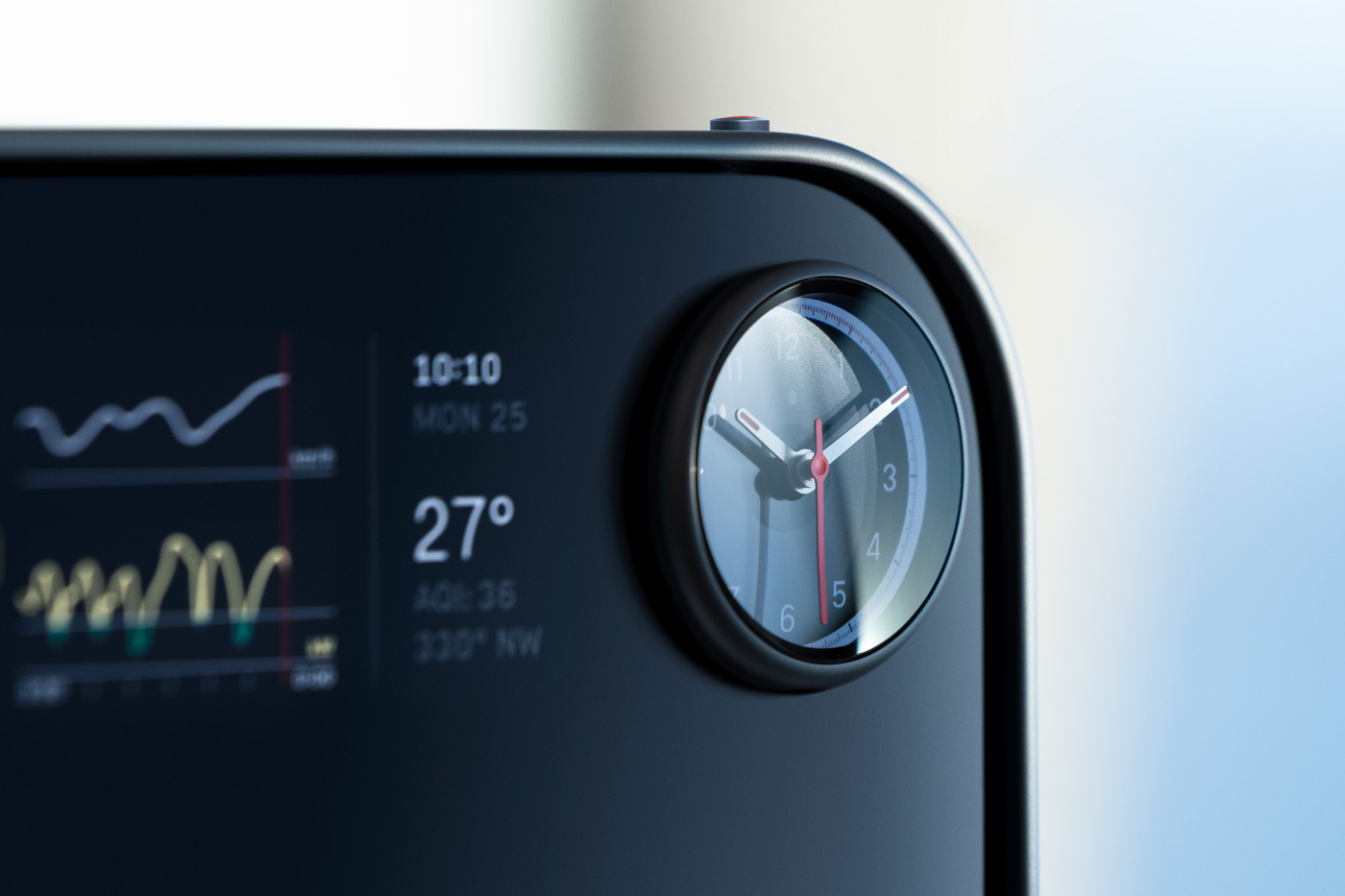
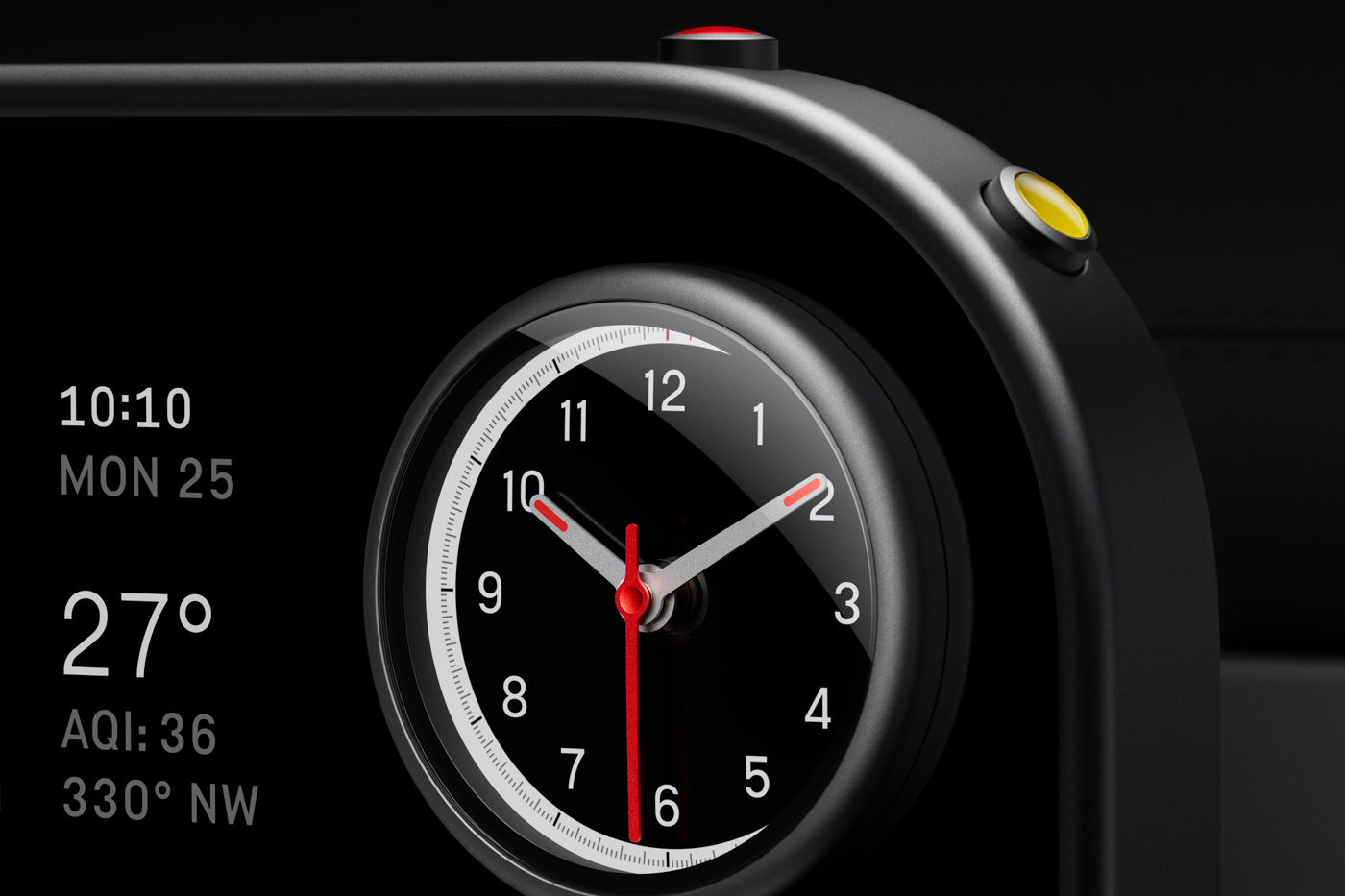
The most distinctive feature sits at the top right of the panel: the “Multigraph.” This instrument combines mechanical hands with a digital face, functioning as a clock, a compass, or a 60-second stopwatch. With its precision-machined glass lens and twin physical buttons, it feels less like a car part and more like a piece of high-end horology.
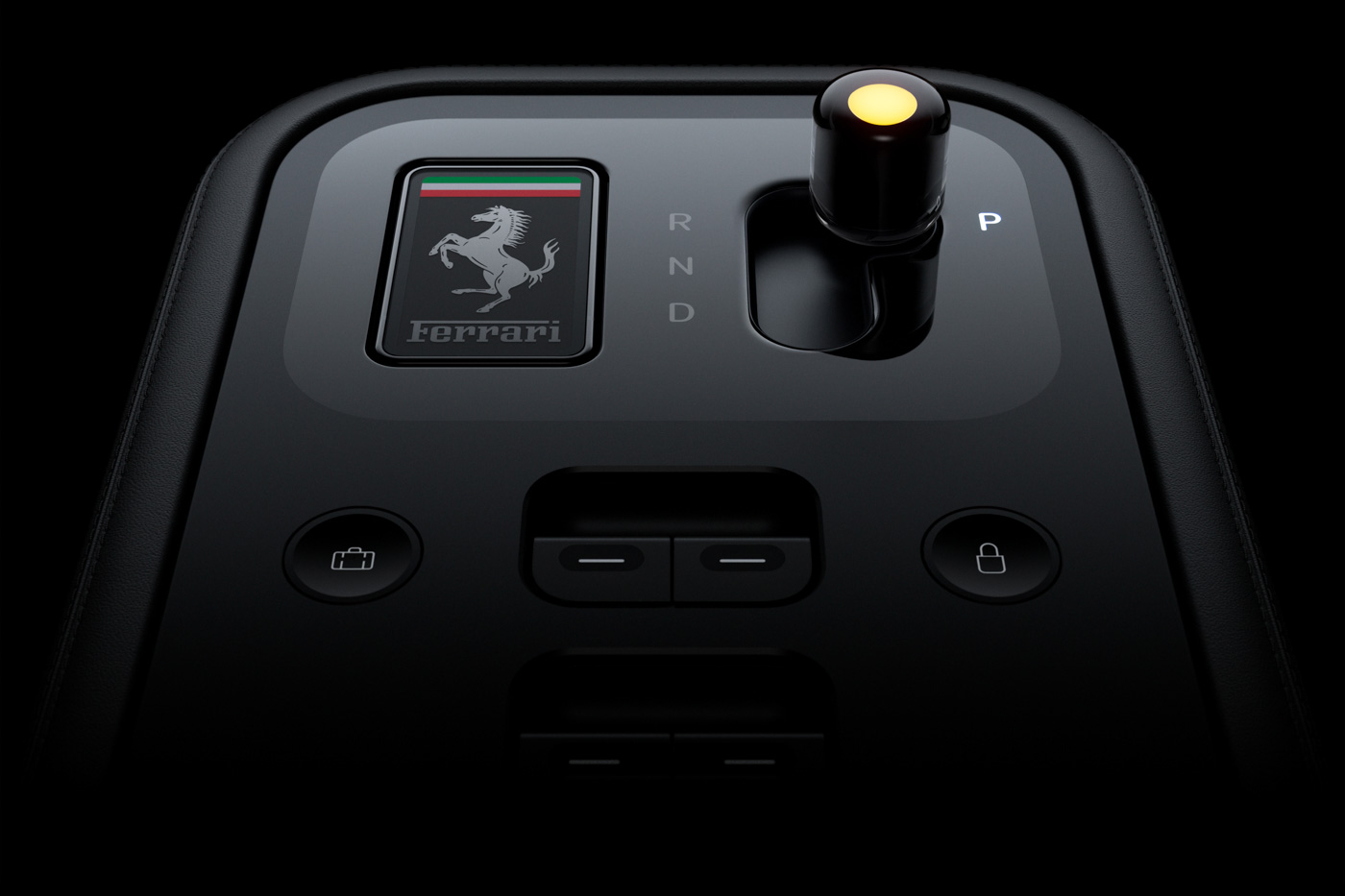
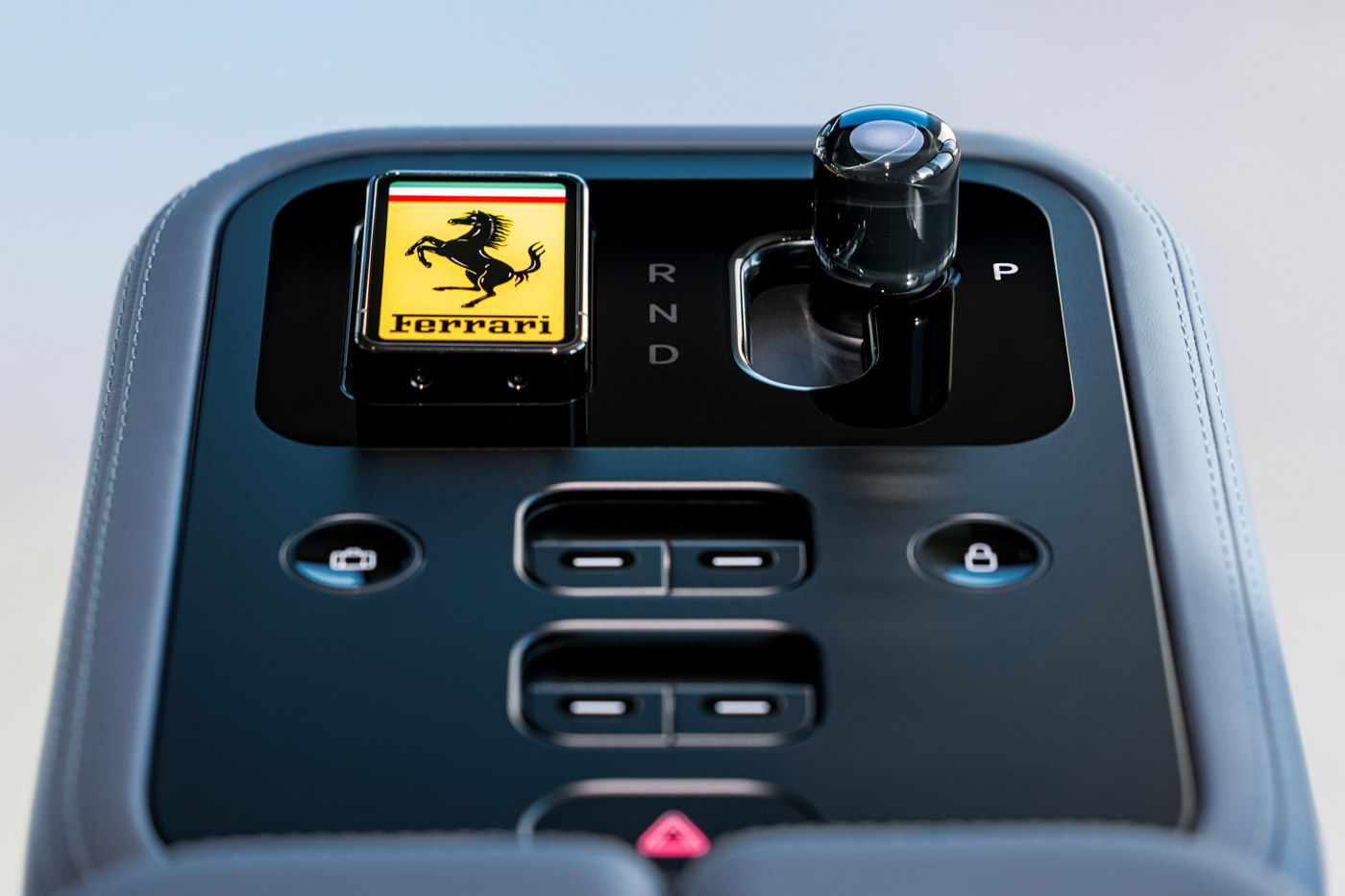
The centre console follows the same minimalist theme, acting as a standalone module that houses the armrests, storage, and the primary gear controls. The most significant feature here is the dedicated dock for the glass key. When the Corning Fusion5 glass key is inserted, a surge of historic Ferrari yellow spreads from the dock across the entire digital interface, signalling that the car is active and the shifter is unlocked.
ALSO READ: Ferrari 849 Testarossa makes ASEAN debut in Bangkok – 0-100km/h under 2.3 seconds!
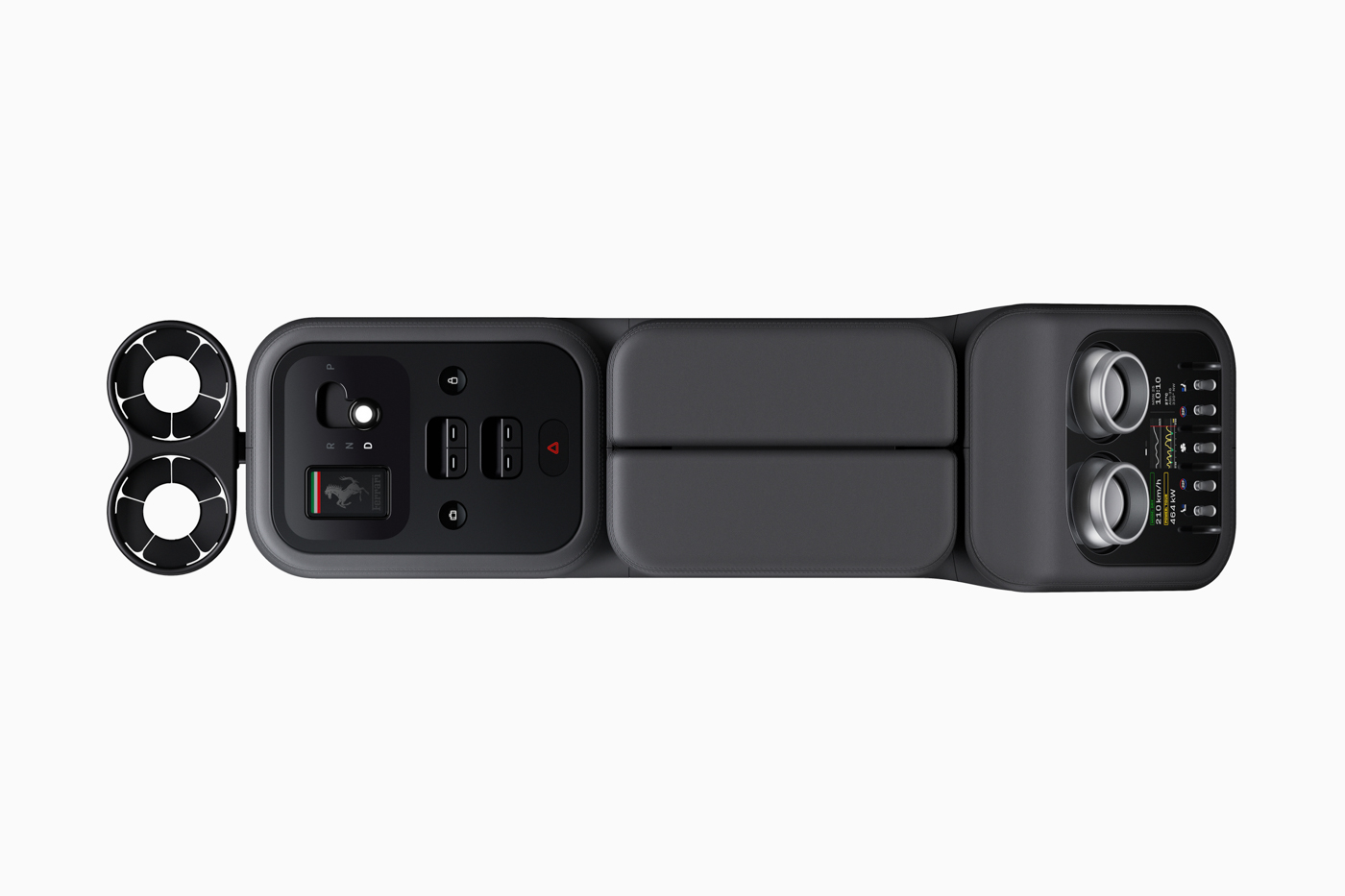
The gear shifter itself is a minimalist toggle, precision-engineered from anodised aluminium and selectively textured glass. Adjacent to the shifter are the physical window control switches, which share the same tactile, machined finish as the rest of the cabin’s hardware.
Rear passengers are not forgotten, as the console extends to the back of the cabin to provide a dedicated rear control panel. This interface shares real-time drive information with passengers, while also housing physical controls for the rear climate settings.
The entire form of the centre console is wrapped in premium Italian leather, while the internal storage areas are lined in Alcantara. Like your smartphone, the cabin of the Ferrari Luce contains over 40 individual pieces of Corning glass, from the shifter surround to the lenses in the gauge binnacle.
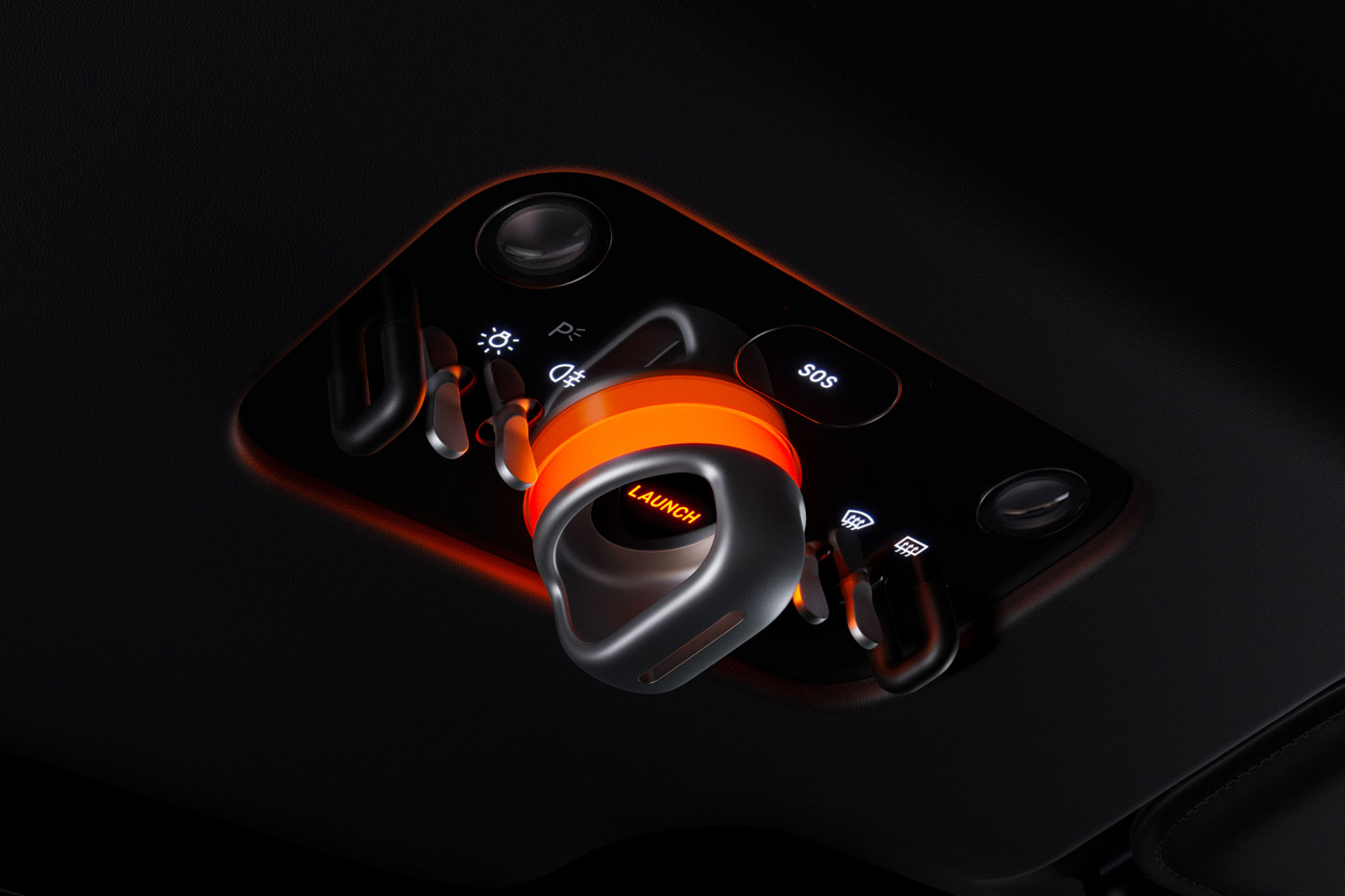
If you’re already impressed by these, wait until you see the overhead control panel that mimics the layout of a fighter jet cockpit. It houses a mechanical pull that requires you to physically pull on it to activate Launch Mode and unleash over 1,000 hp.
Kicking off the adrenaline before you launch, the Ferrari Luce prepares itself as the Multigraph automatically switches to a five-second countdown and the power dial on the binnacle transitions to orange. This initiates the sequence that launches you and your occupants to 100 km/h from standstill in just 2.5 seconds, and onwards to a top speed of 310 km/h. Just be careful not to hit the SOS button on the overhead panel adjacent to the launch pull during the excitement.
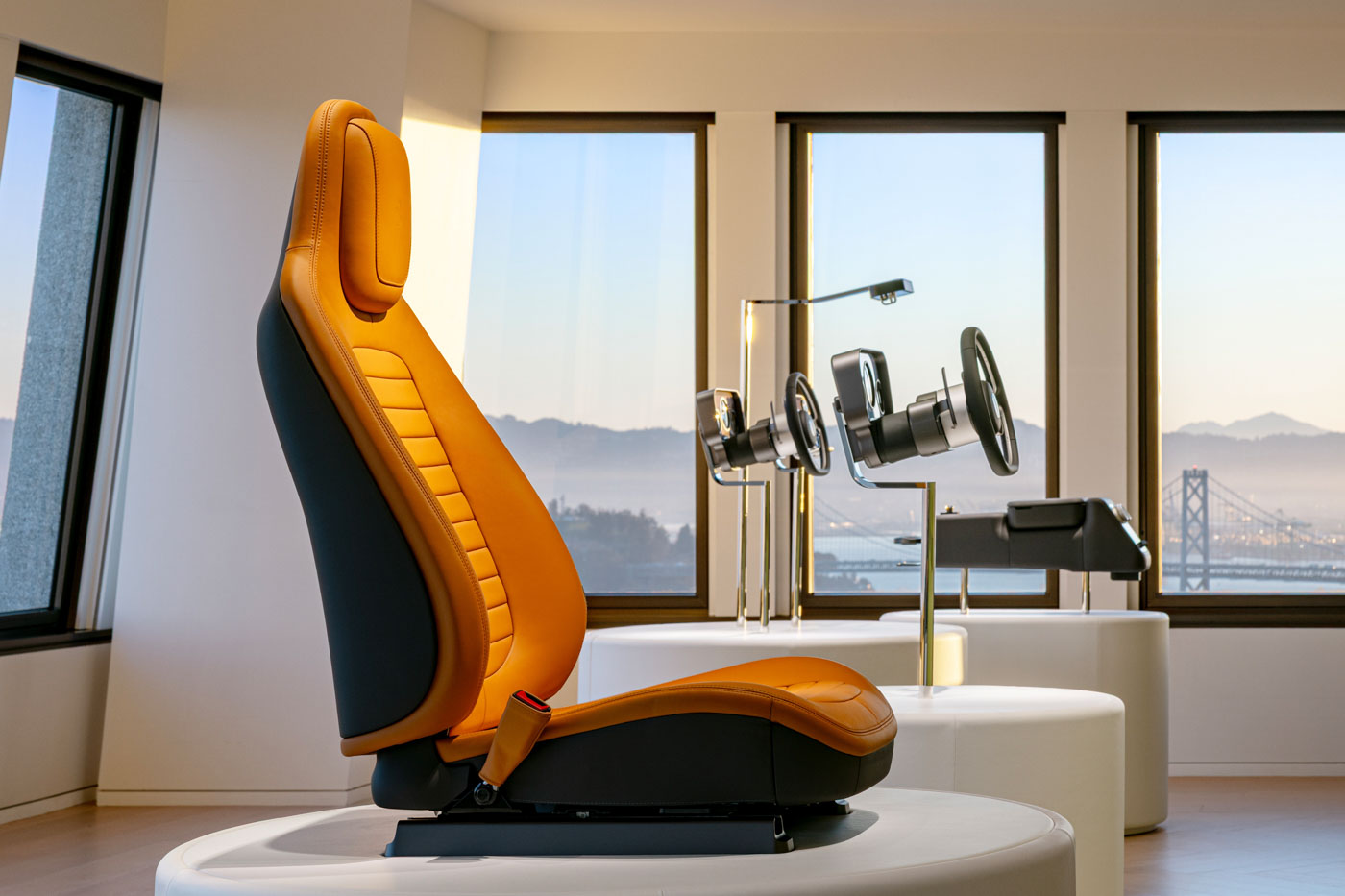
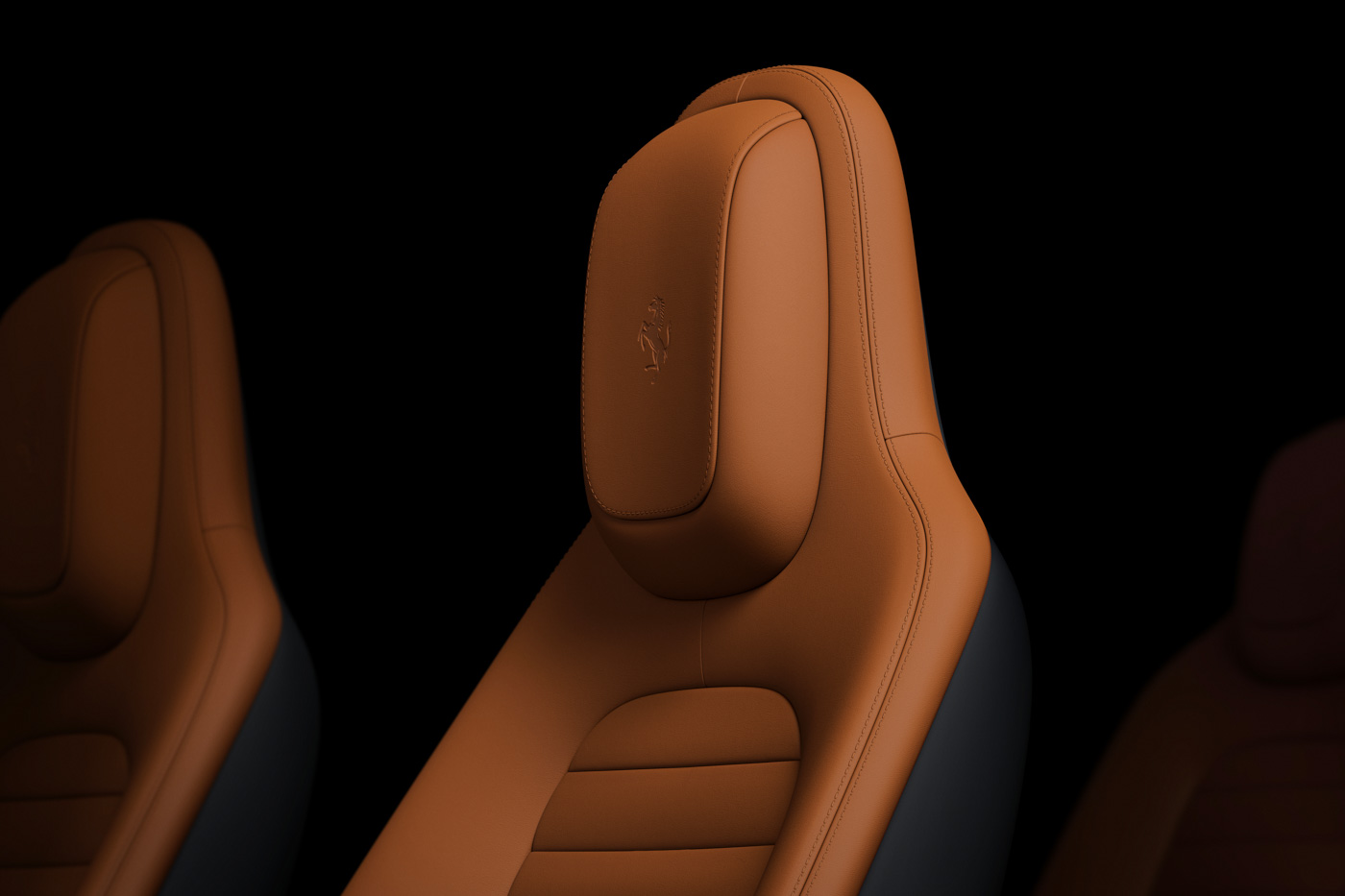
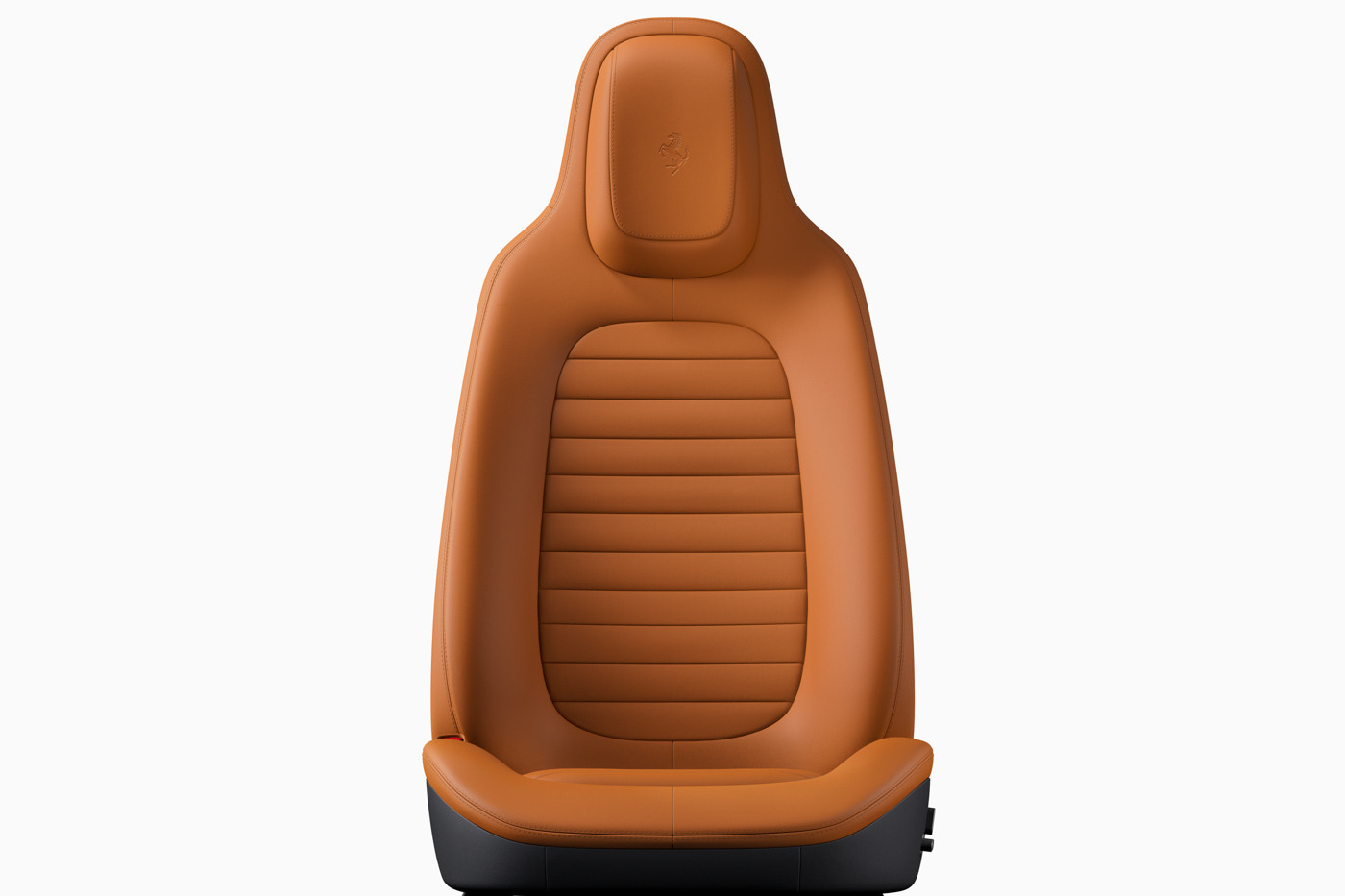
Last but not least are the seats, which look strikingly thin, almost like a throwback to the bucket seats from 1970s Ferraris. They have a clean, simple shape that feels more like high-end designer furniture than typical car seats. But don’t let the slim look fool you because they are built to be deeply supportive. You can get them in two different stitch patterns and four fabric options.
Maranello has clearly gone to extraordinary lengths to ensure that even a silent Ferrari remains a complex one. That of course extends to the “e-Axles” drivetrain, which has also previously been given a detailed technical breakdown, which you can read right here. The final piece of the puzzle is the exterior design, and for that, we have to wait until May 2026.
ALSO READ: Fire-breathing Ferrari 296 Speciale with 880 hp arrives in Malaysia – RM4.3m, all sold out
GALLERY