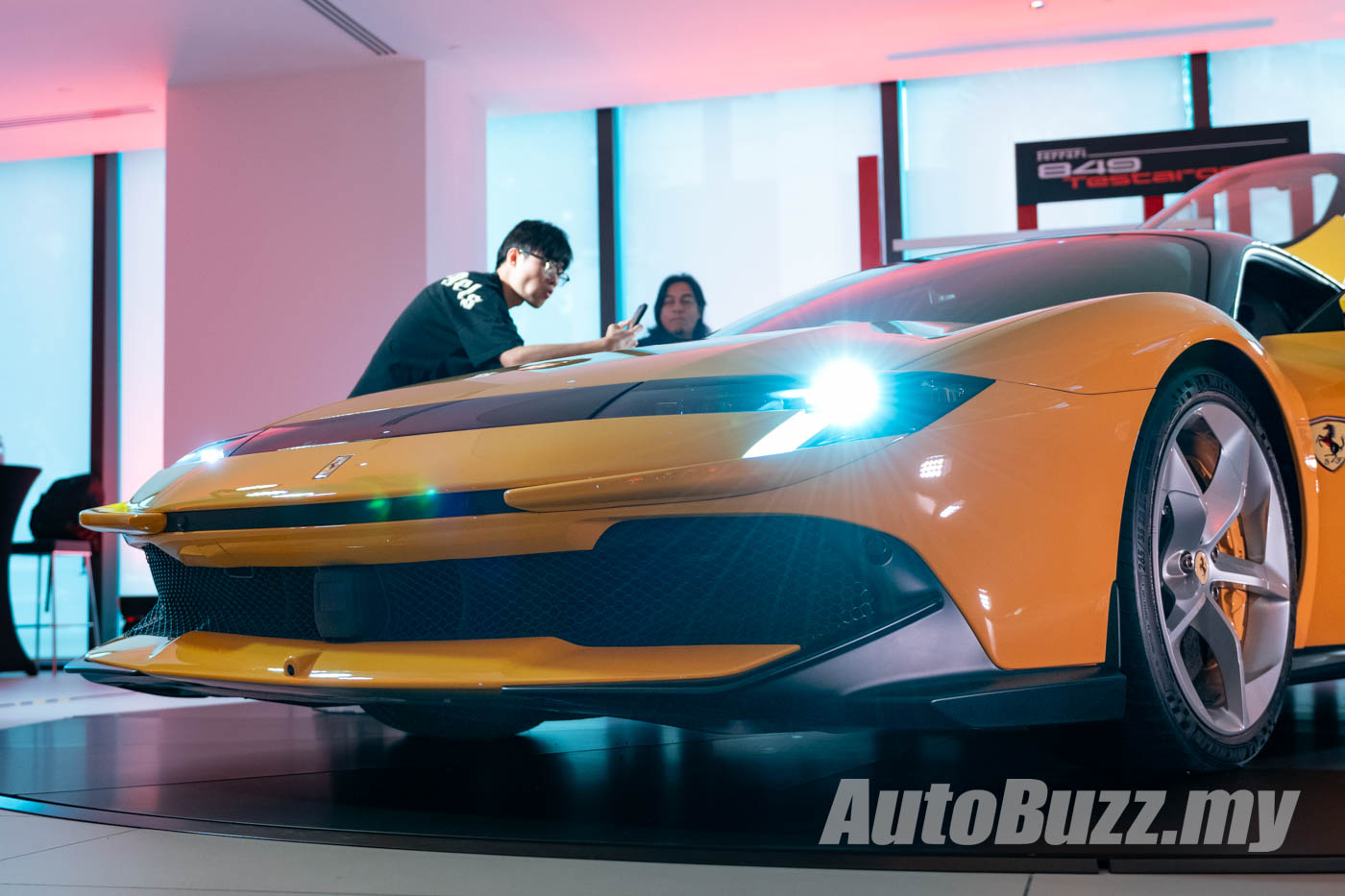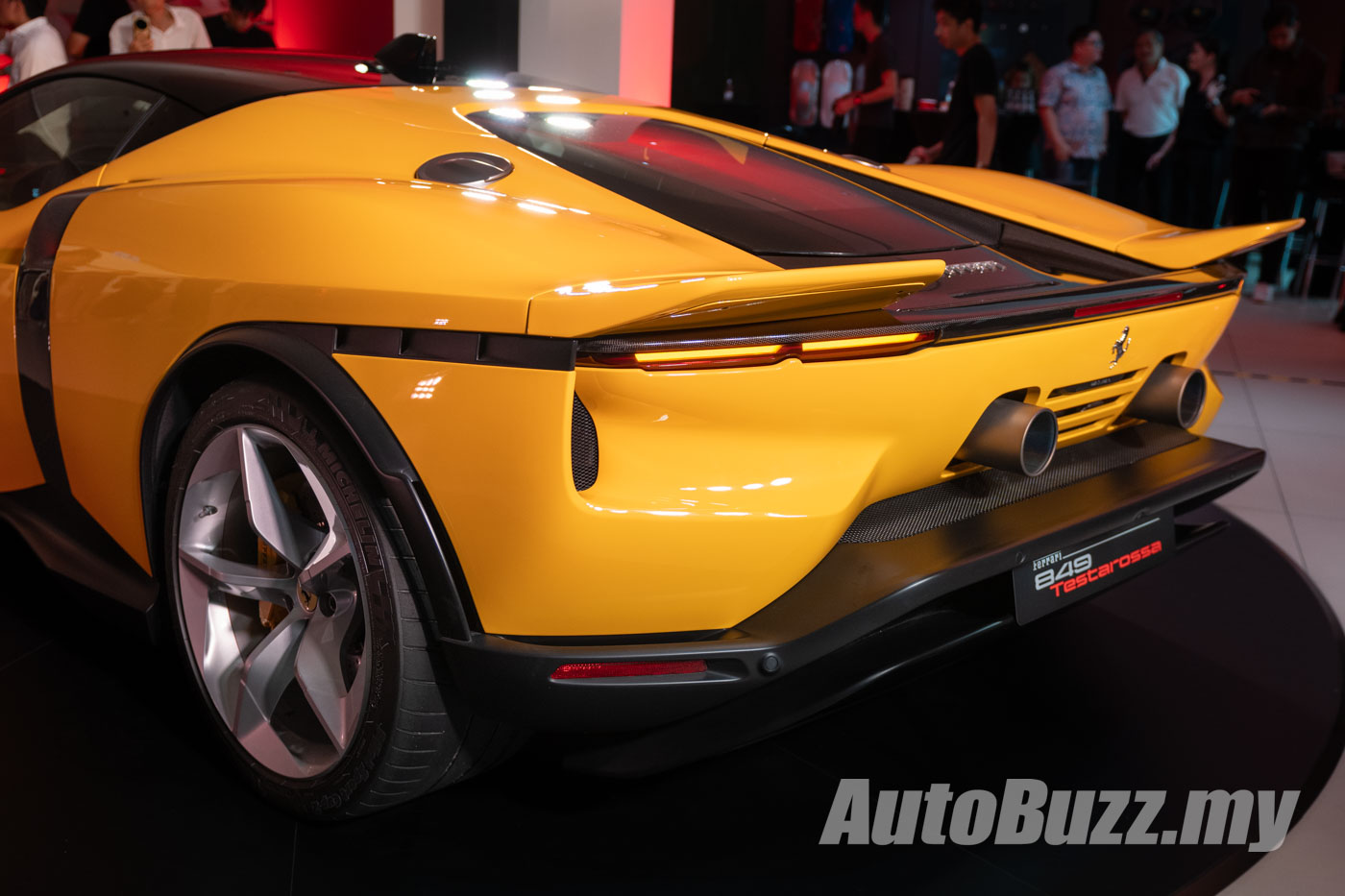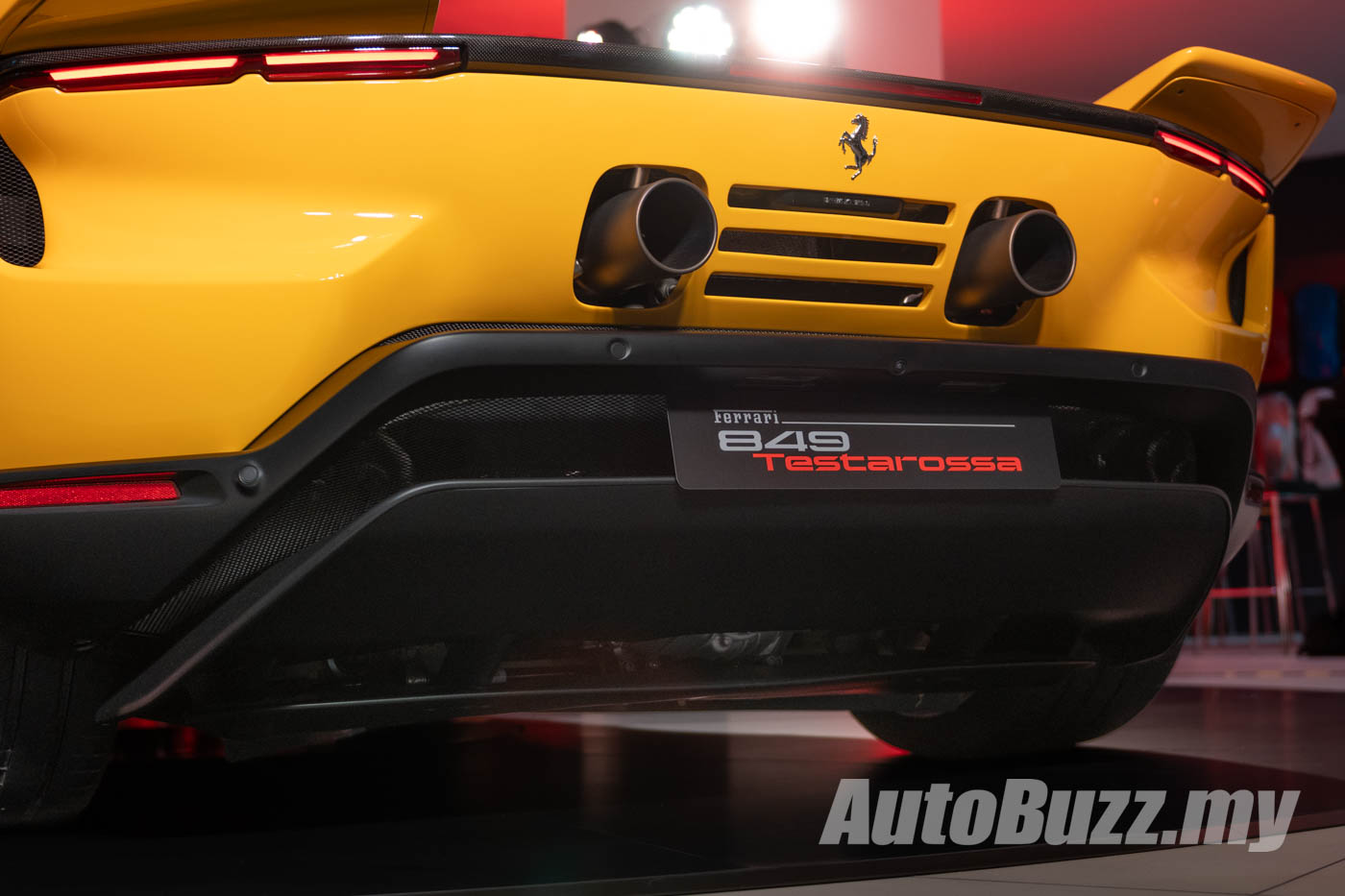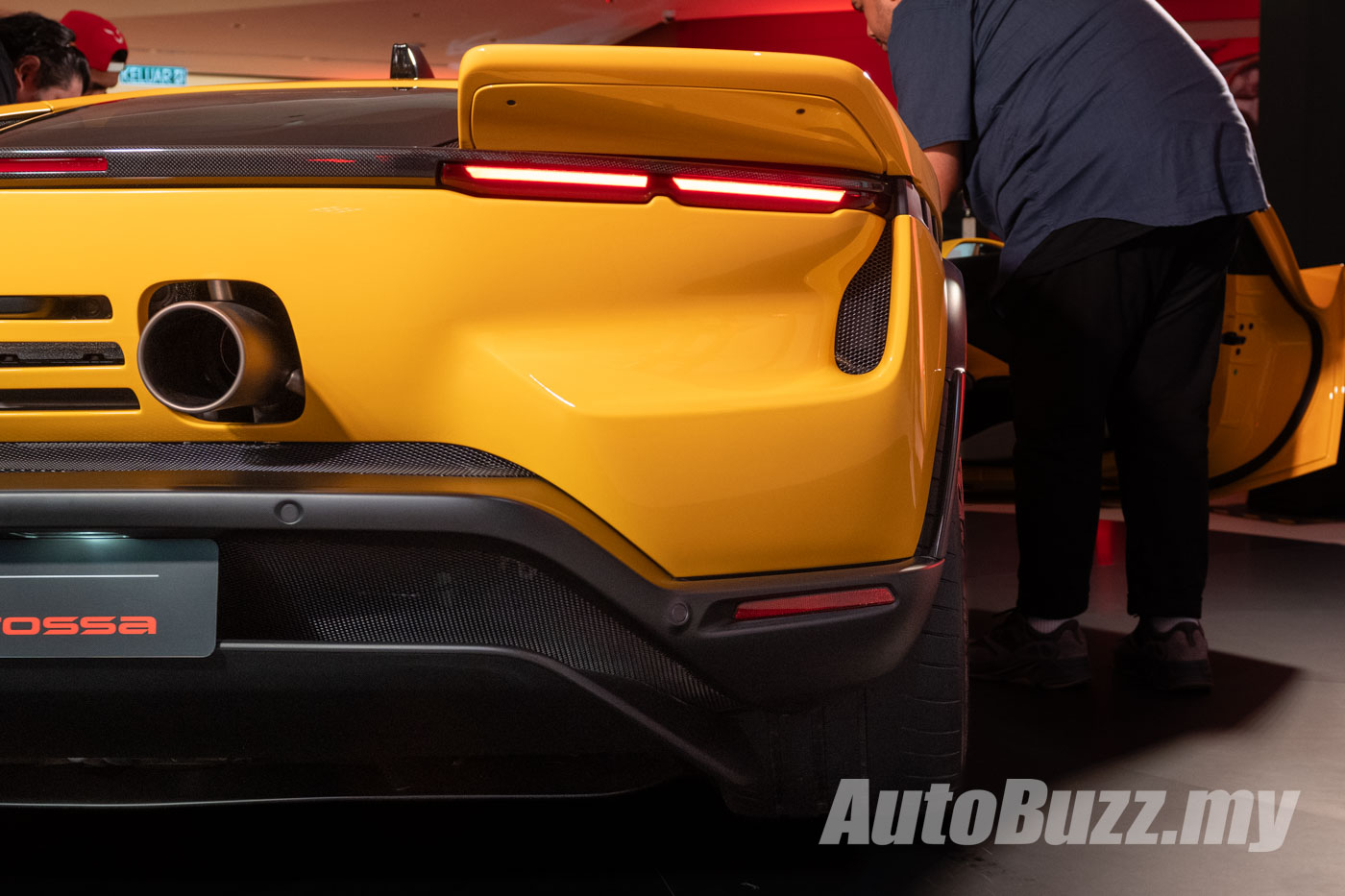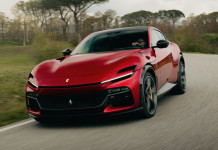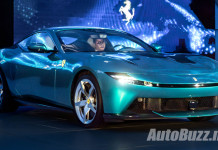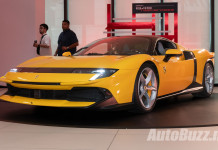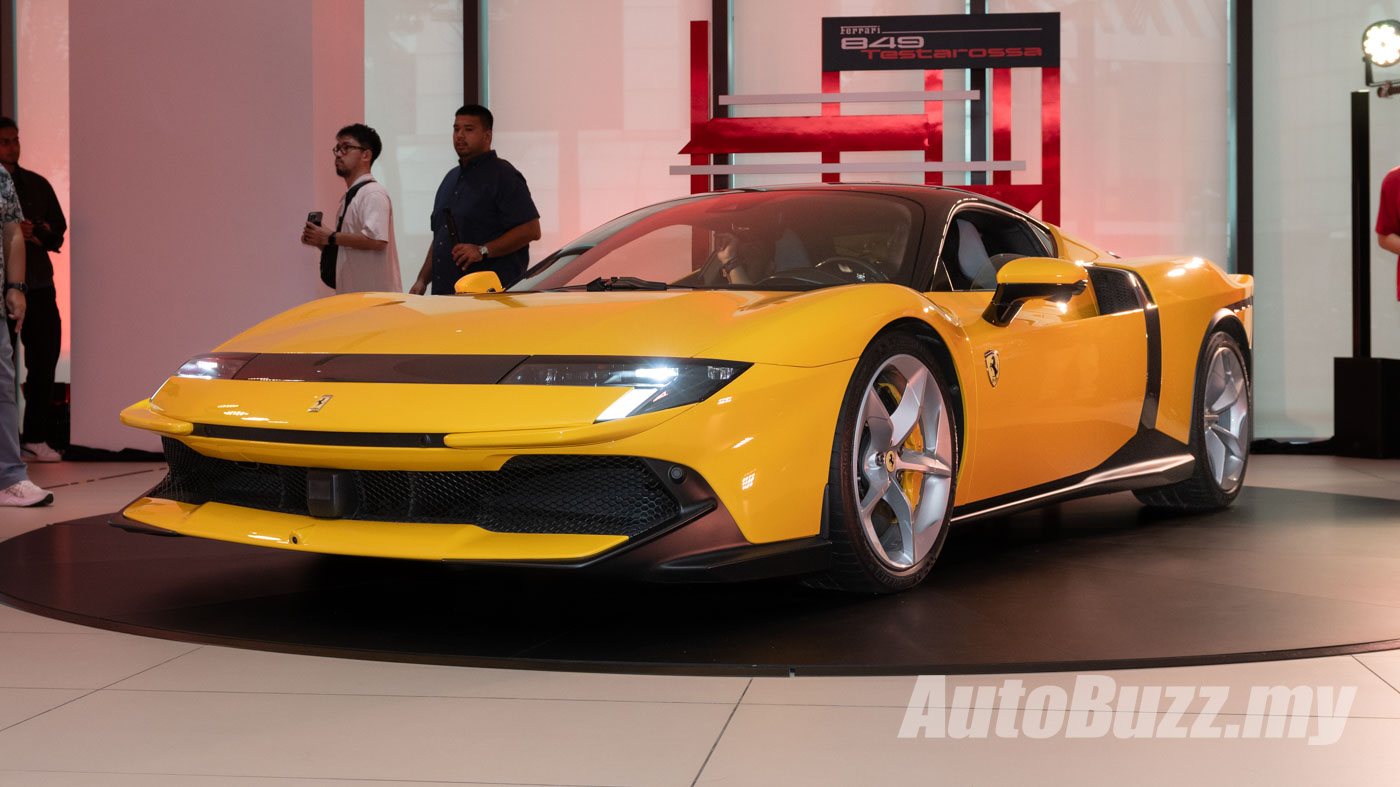
Following its ASEAN debut in Bangkok, the Ferrari 849 Testarossa finally “prances” its way to Malaysia. Positioned as the brand’s latest flagship standard-production plug-in hybrid (PHEV) supercar in the region, prices start from RM5,200,000 after tax, without options and insurance.
Ferrari 849 Testarossa – RM5,200,000
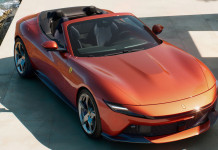
Ferrari 849 Testarossa Spider – RM5,700,000
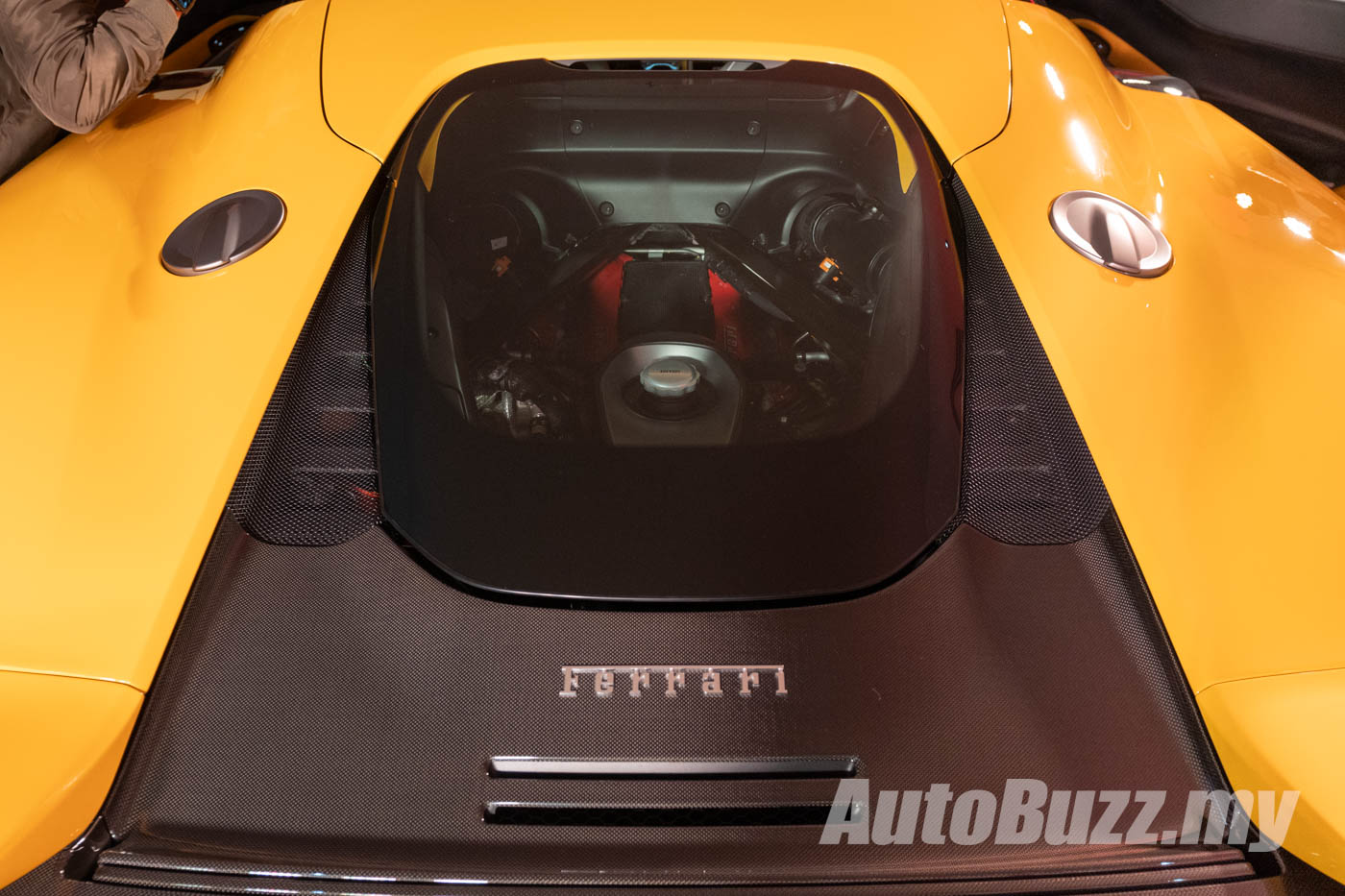
The Ferrari 849 Testarossa features a similar plug-in hybrid (PHEV) powertrain to the SF90 Stredale. However, as the brand’s new flagship model, it has been given even more power. Its familiar F154 4.0-litre twin-turbo flat-plane-crank V8 now produces 830 hp — 50 hp more than the SF90.
This is paired with three electric motors, one at the rear and two at the front, which generate a combined 220 hp. Altogether, the system produces 1,050 hp, making it the most powerful series-production Ferrari to date.
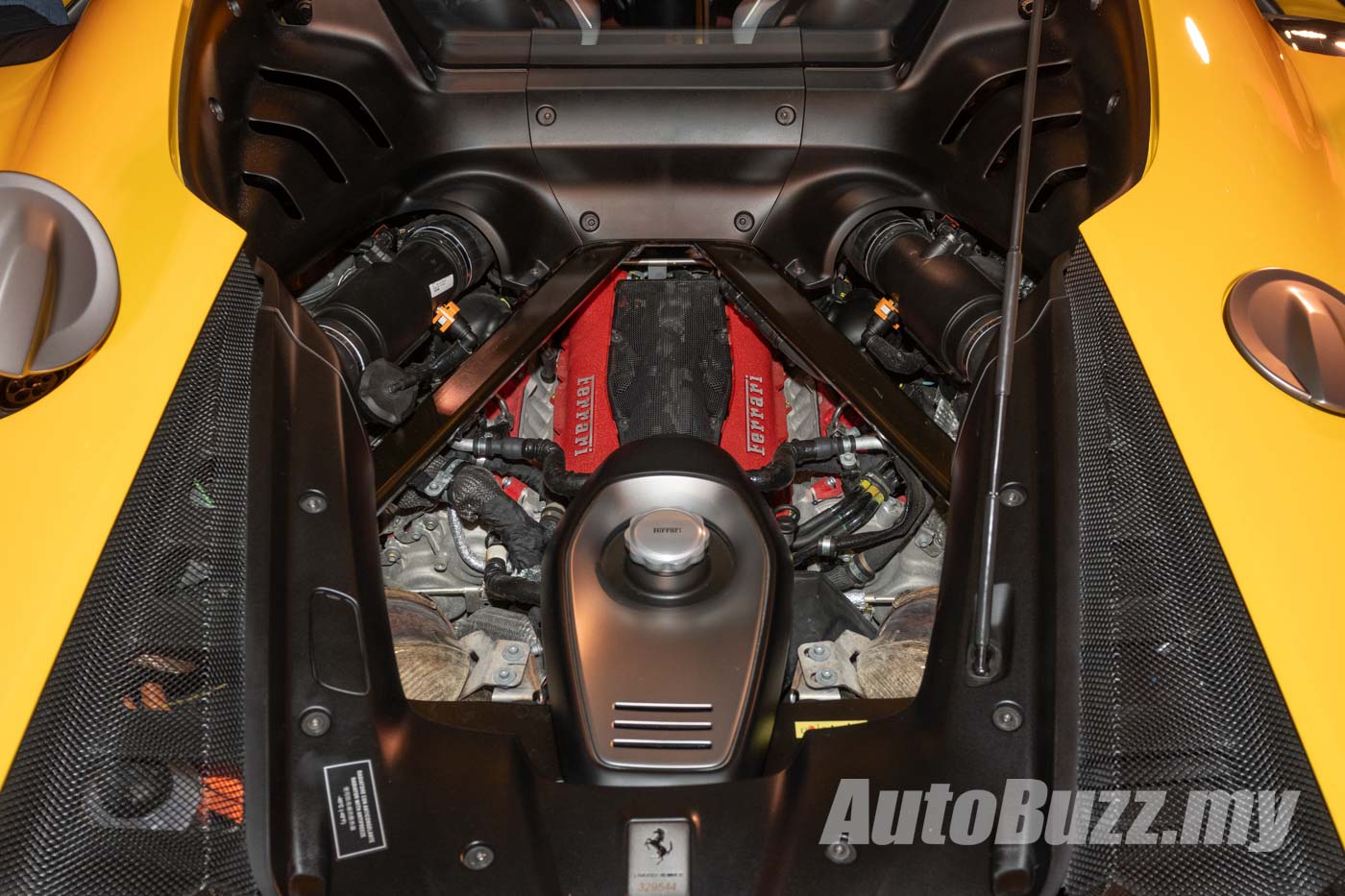
Ferrari says this increase in output was achieved through a comprehensive revision of the powertrain. Upgrades include an all-new turbocharger, cylinder heads, engine block, exhaust manifolds, intake plenums, titanium fasteners, valvetrain system, and fuel rail.
The turbochargers themselves are now larger and feature low-friction bearings used in the F80 hypercar. They also incorporate turbine housings derived from the 296 GT3 race car for improved thermal management. Meanwhile, the compressor wheel and turbine have been optimised to reduce turbo lag, while the intercooler has been revised for improved cooling performance.
ALSO READ: Ferrari F80 – most powerful Ferrari ever with 1,200 hp, 0-100km/h 2.1s!
With power sent to all four wheels via an eight-speed dual-clutch F1 gearbox, the car sprints from 0-100 km/h in a face-melting 2.3 seconds and reaches 200 km/h in just 6.35 seconds, before topping out at 330 km/h. To keep it planted at speed, Ferrari says the car generates up to 100 kg of downforce in its low-drag configuration, rising to 415 kg at 250 km/h — 25 kg more than the SF90 Stradale.
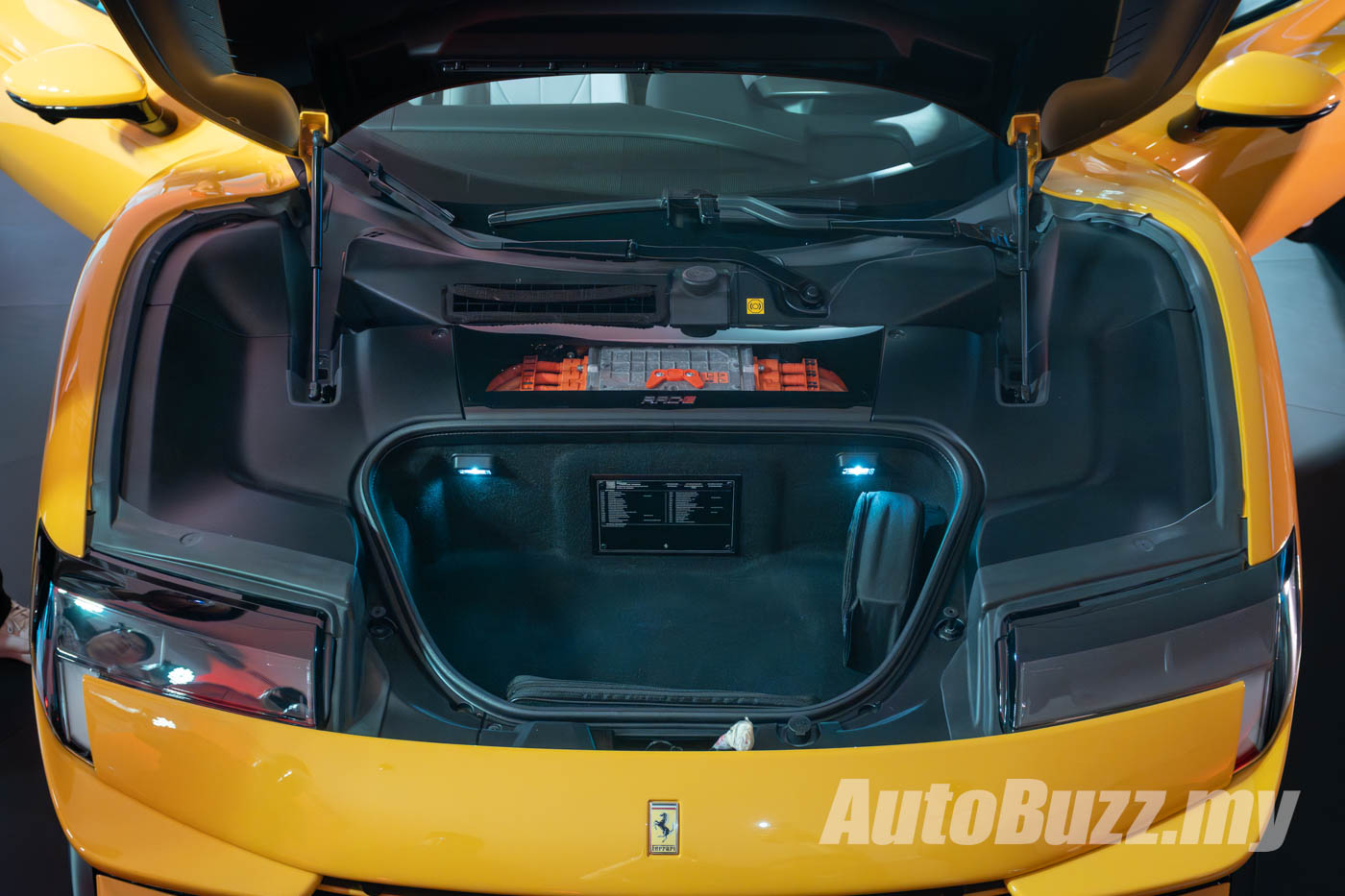
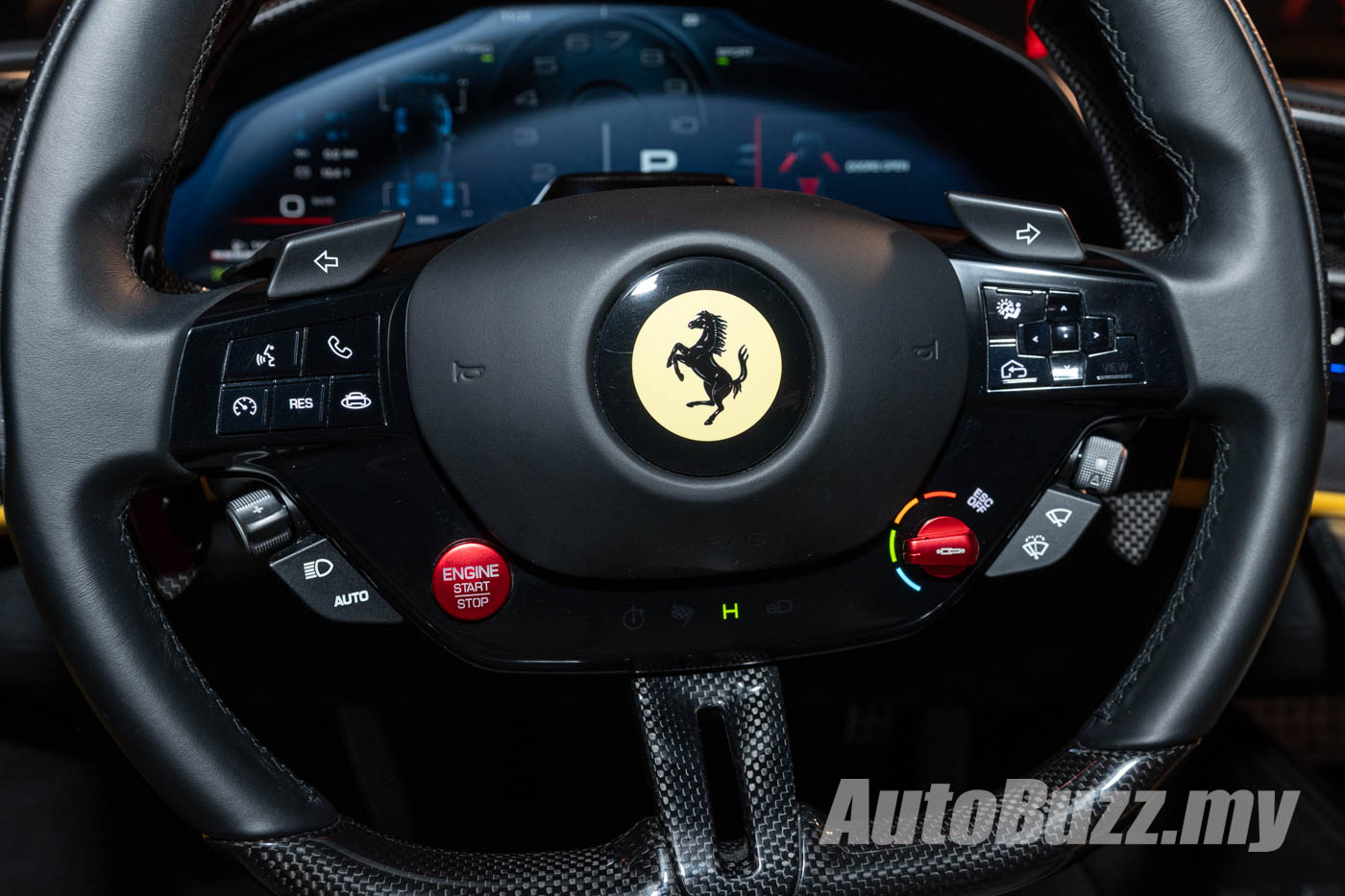
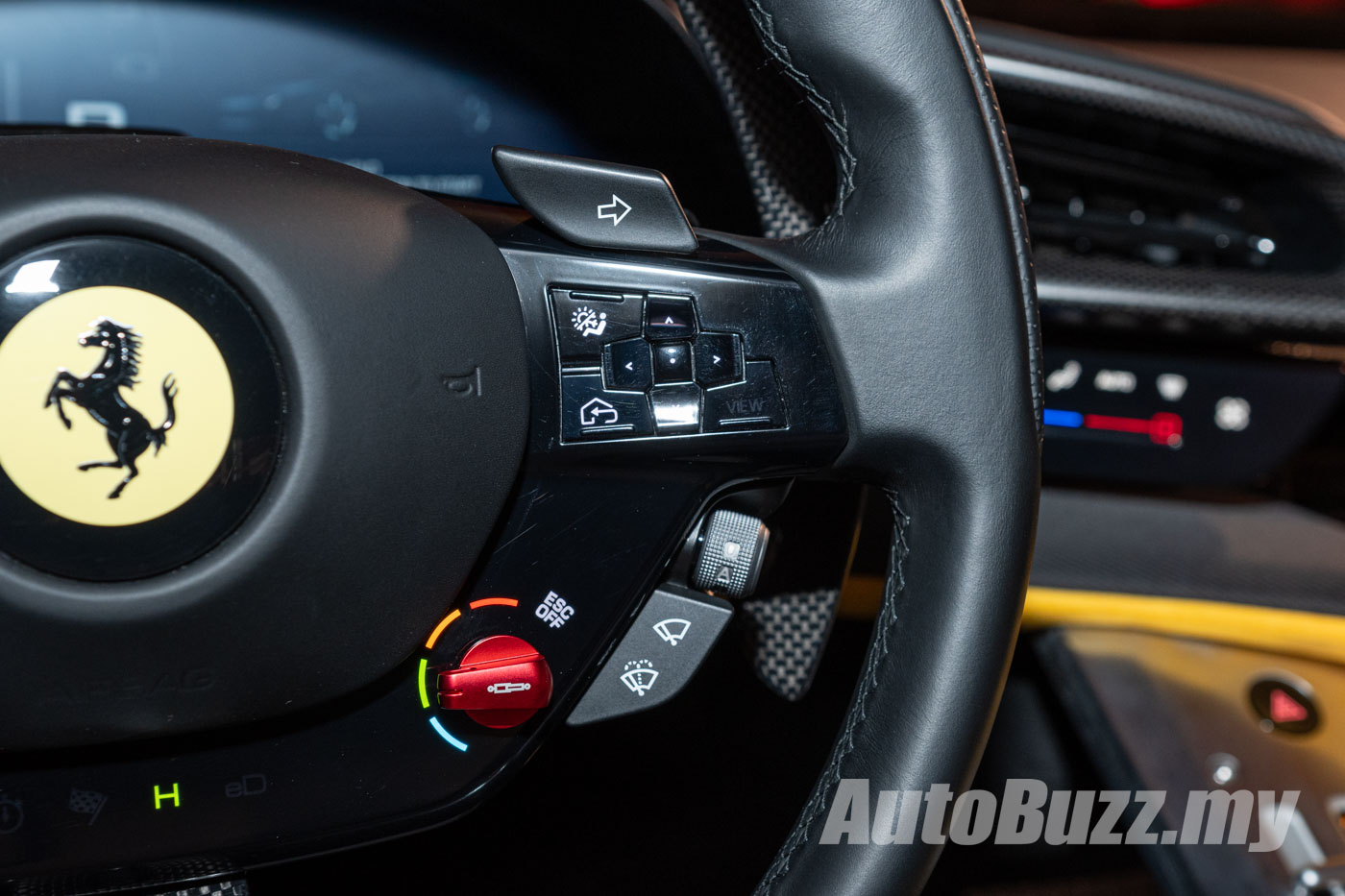
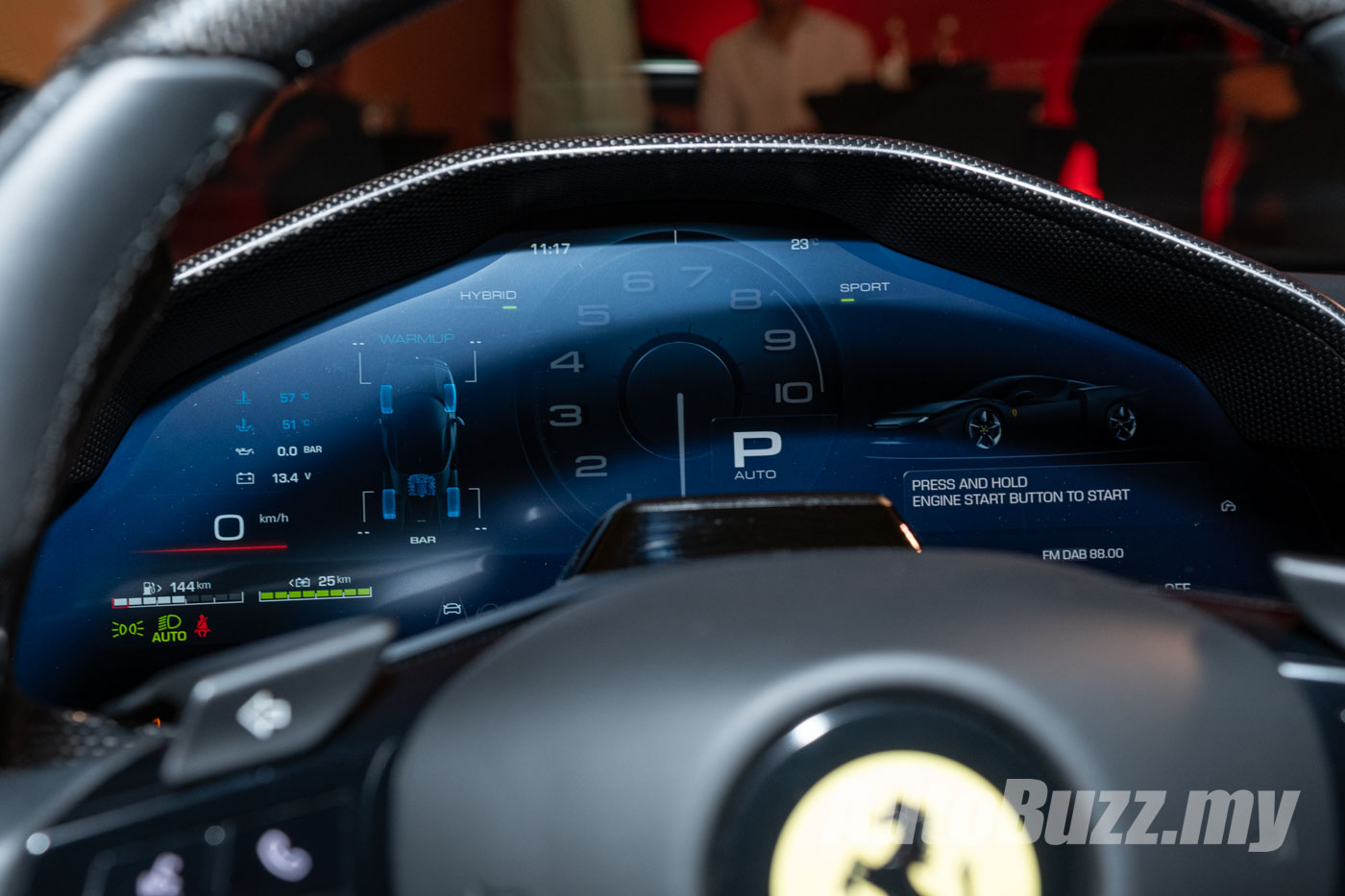
Power for the electric system is supplied by a 7.45 kWh lithium-ion battery integrated into the chassis to ensure a low centre of gravity and optimal weight distribution. The hybrid system can be managed via four drive modes, selectable through the eManettino on the steering wheel: eDrive, Hybrid, Performance and Qualify. Of these, eDrive allows the car to drive up to 25 km on electric power alone.
ALSO READ: Ferrari Luce: Maranello’s first EV is truly unlike anything before it
The Ferrari 849 Testarossa also debuts the latest version of Ferrari’s Integrated Vehicle Estimator (FIVE), a system first introduced on the F80 hypercar. Using data from accelerometers and a 6D sensor suite, FIVE creates a real-time “digital twin” of the vehicle, allowing it to estimate parameters that cannot be measured directly.
These include vehicle speed, with an accuracy of within 1 km/h, and yaw angle, with an error margin of less than one degree. By generating these estimates in real time, FIVE provides the car’s electronic control systems with a more comprehensive and accurate understanding of the vehicle’s behaviour.
This information is then fed to key dynamic control systems such as traction control, the electronic differential (e-Diff), and Ferrari’s electric all-wheel-drive system. With more precise and consistent data at their disposal, these systems can respond more quickly and accurately, improving both performance and vehicle stability.
The car also features ABS Evo, which uses FIVE to better gauge slippage on all four wheels for optimal braking performance. The result is later, harder braking that is more repeatable than the SF90 Stradale.
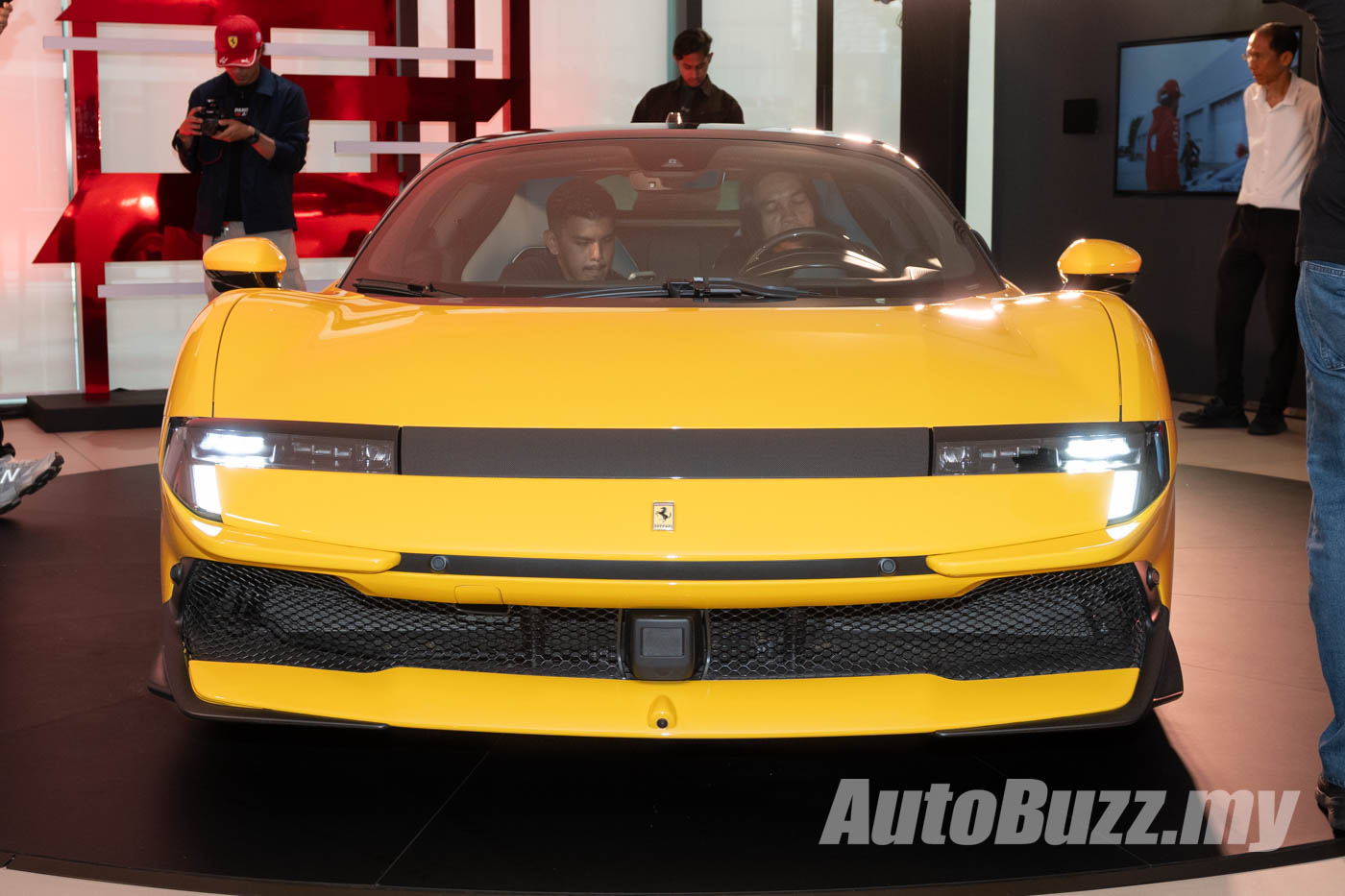
Designed by the Ferrari Styling Centre and directed by Flavio Manzoni, Ferrari says the design of the 849 Testarossa carries much inspiration from aeronautics and Sports Prototypes of the 1970s — not the original Testarossa, despite its name.
ALSO READ: Ferrari Purosangue gets new pair of ballet shoes for dancing around corners
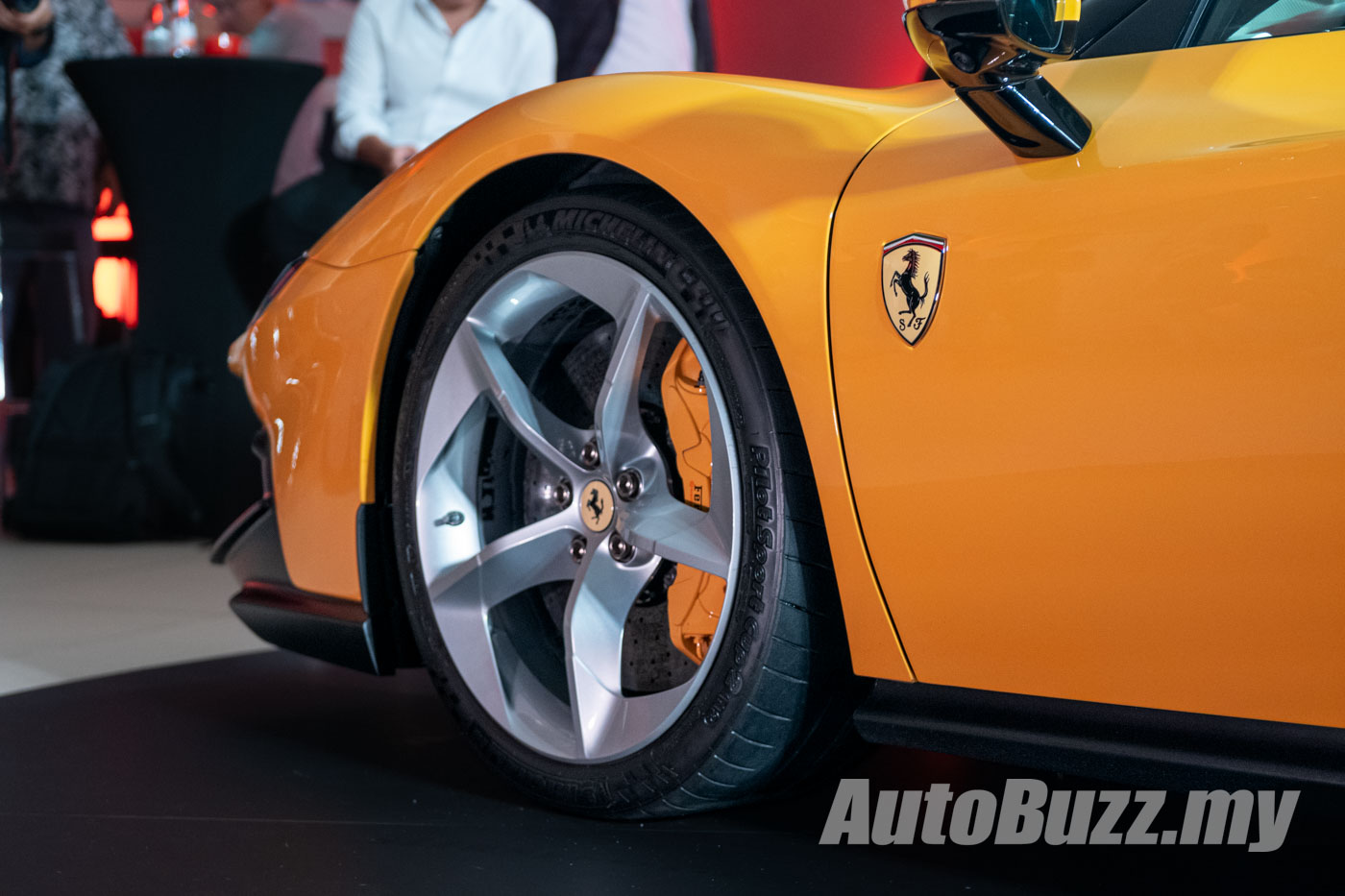
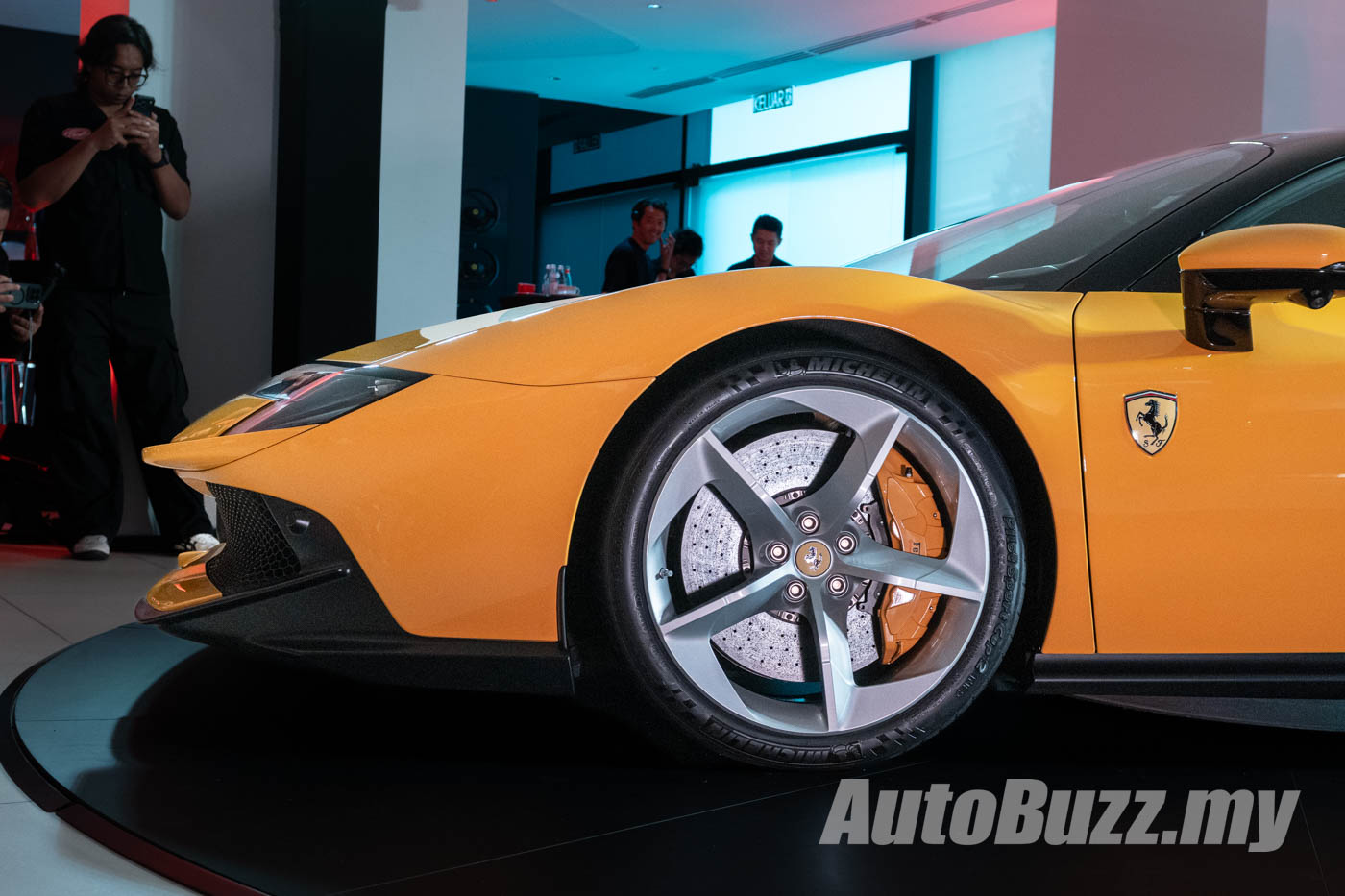
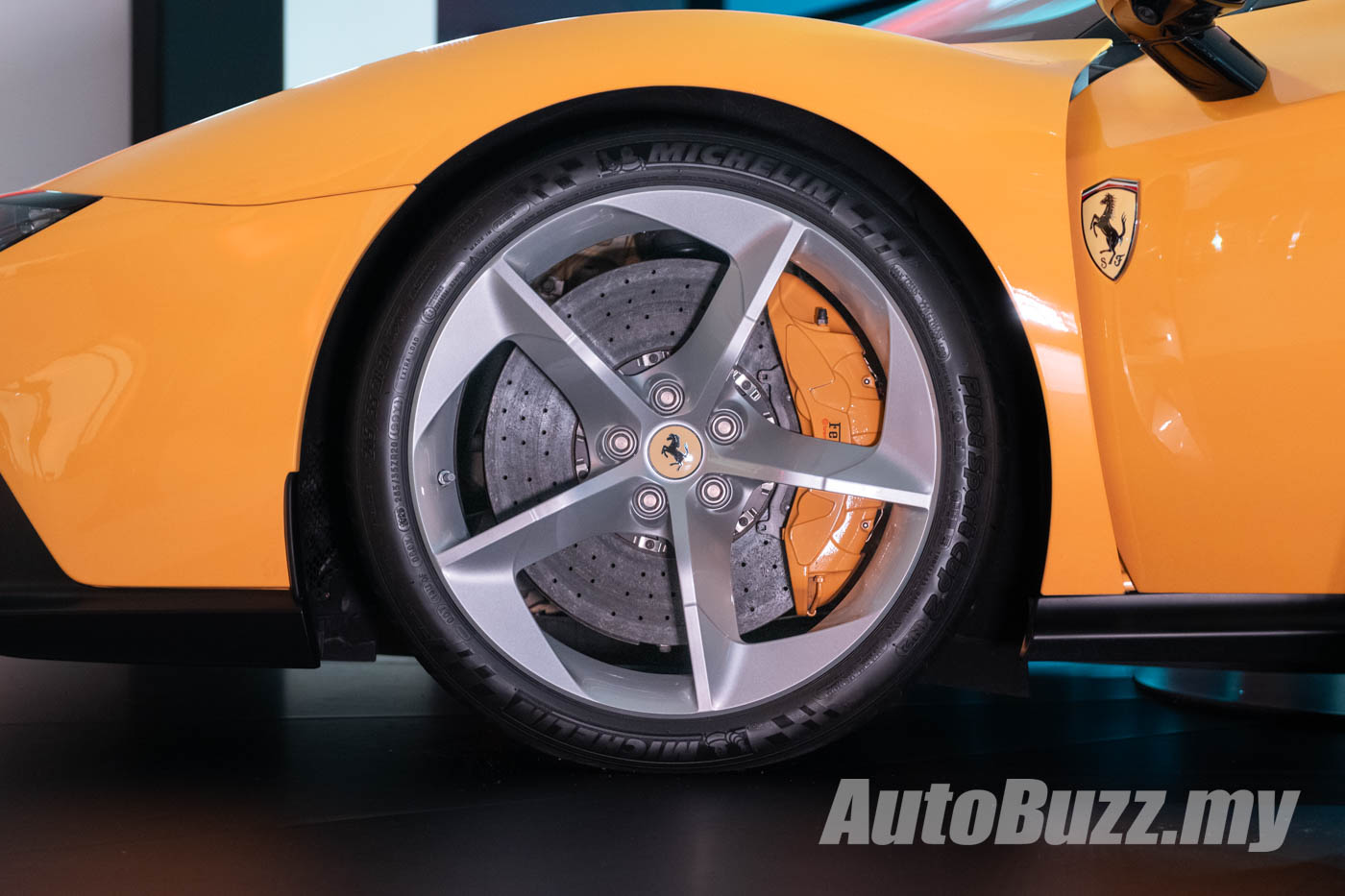
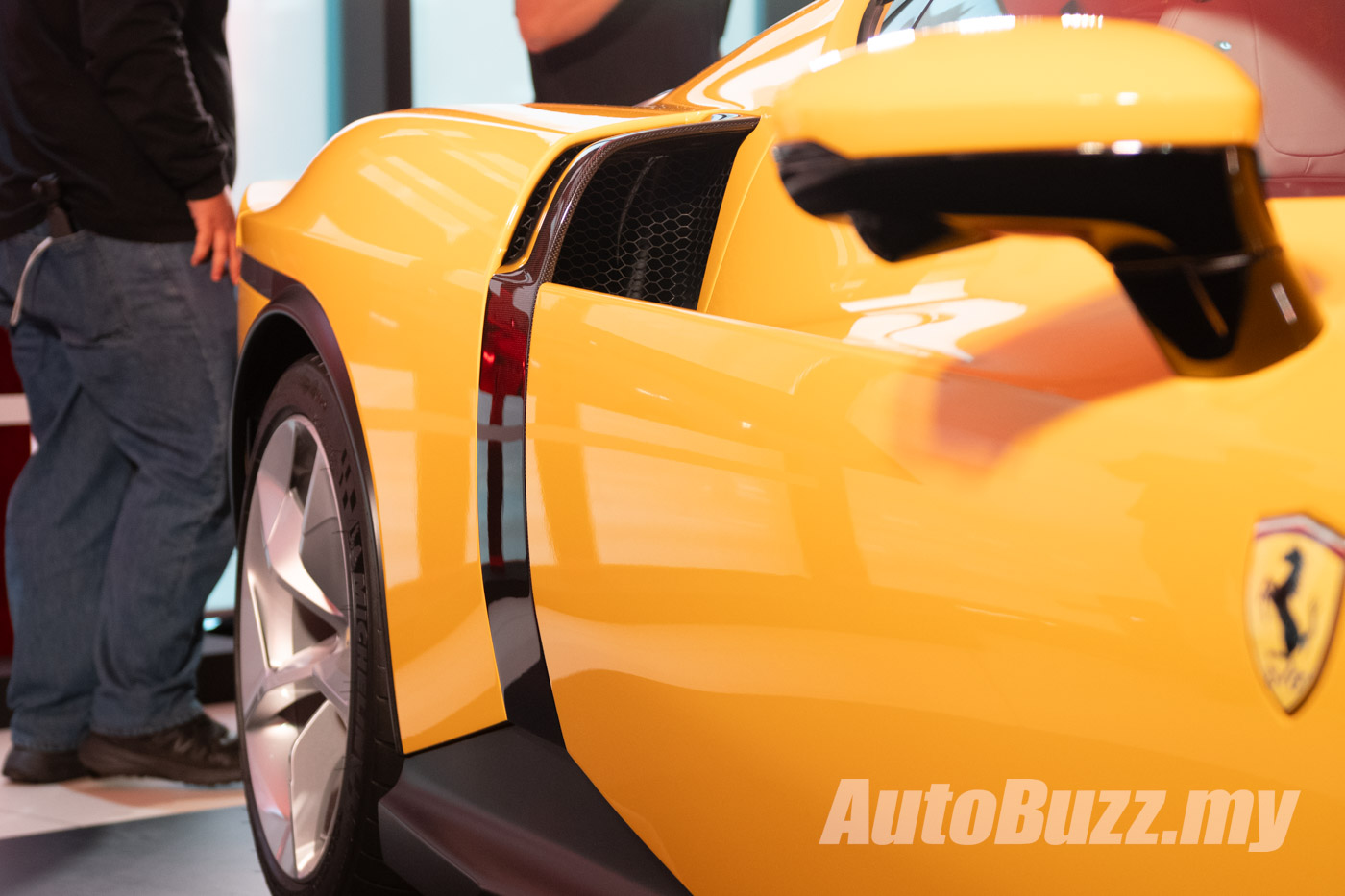
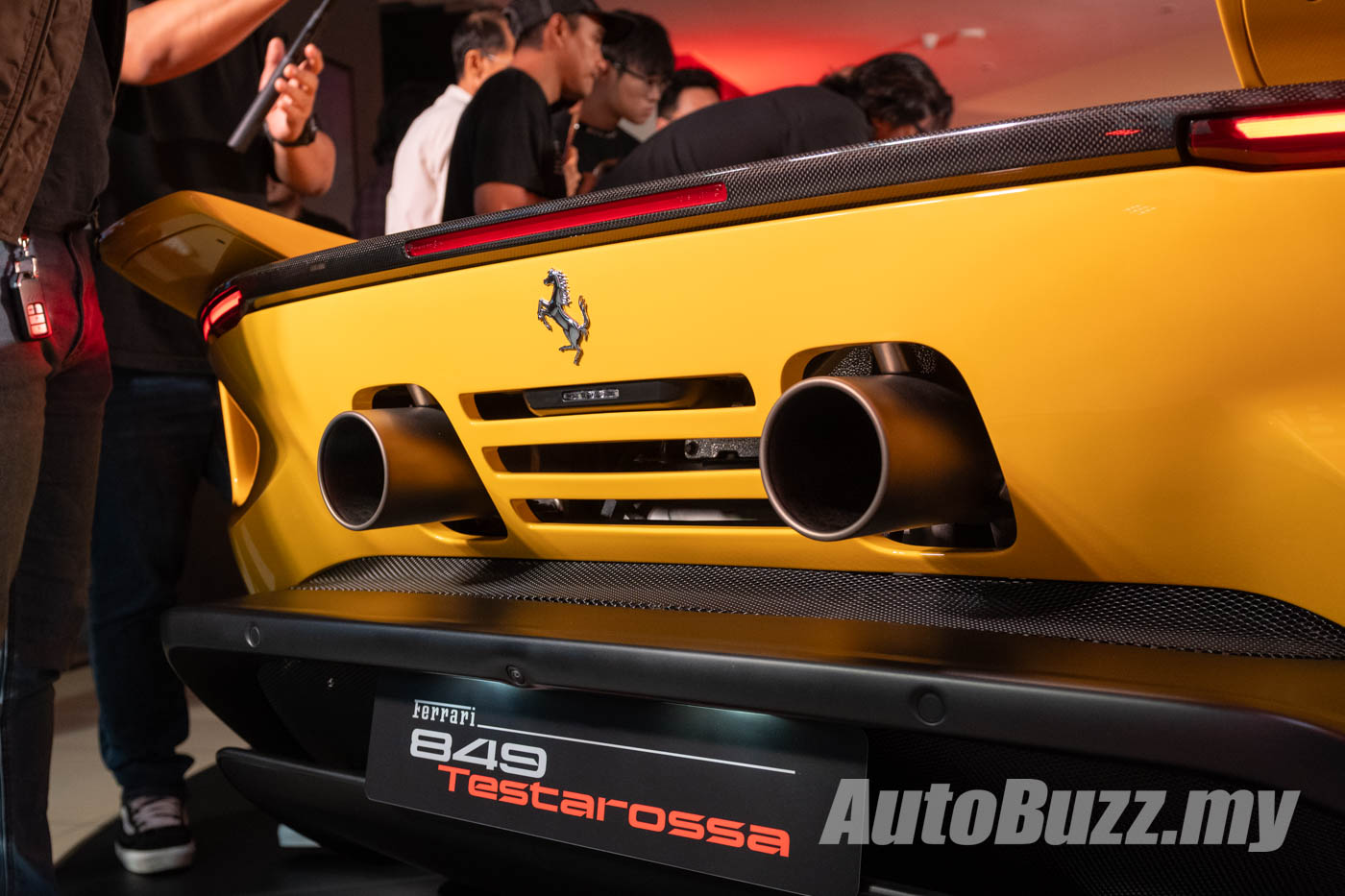
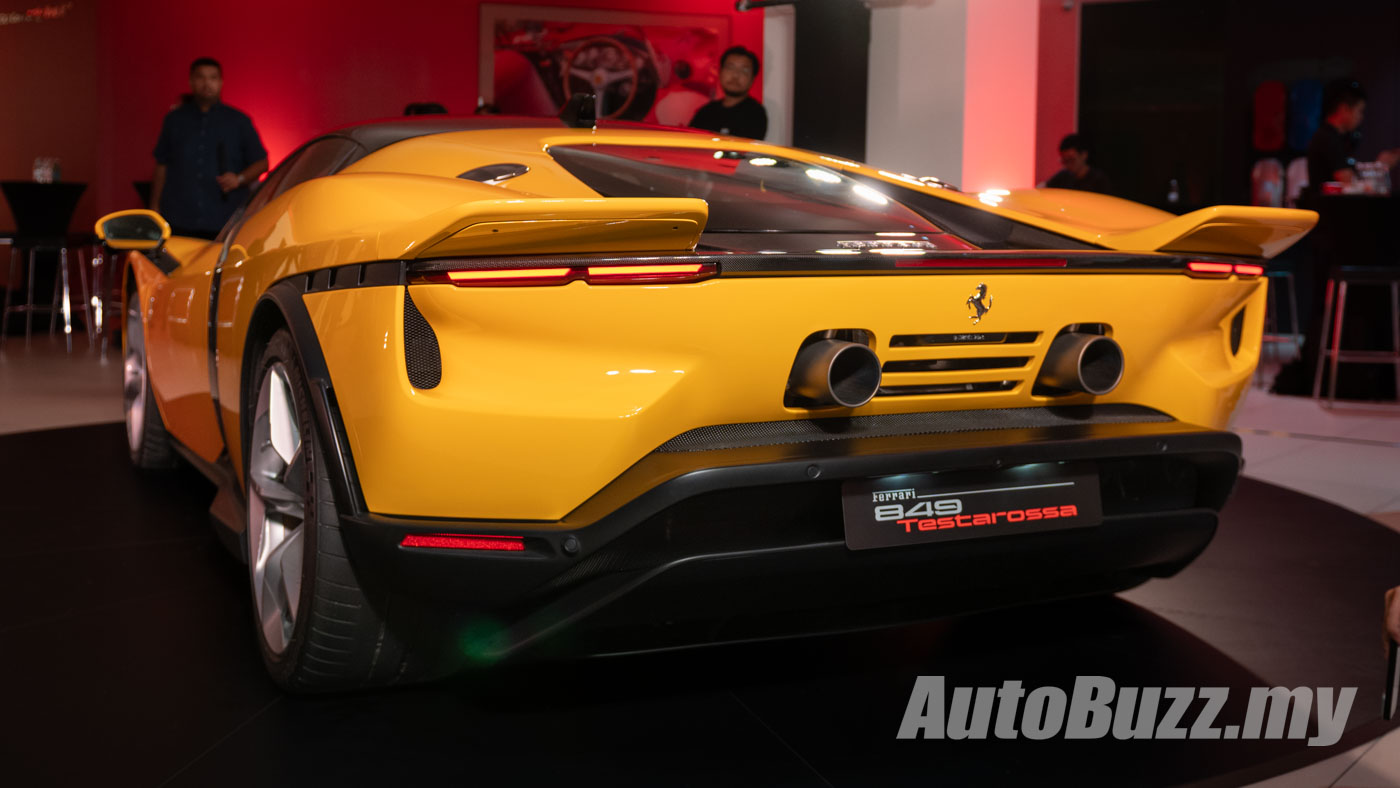
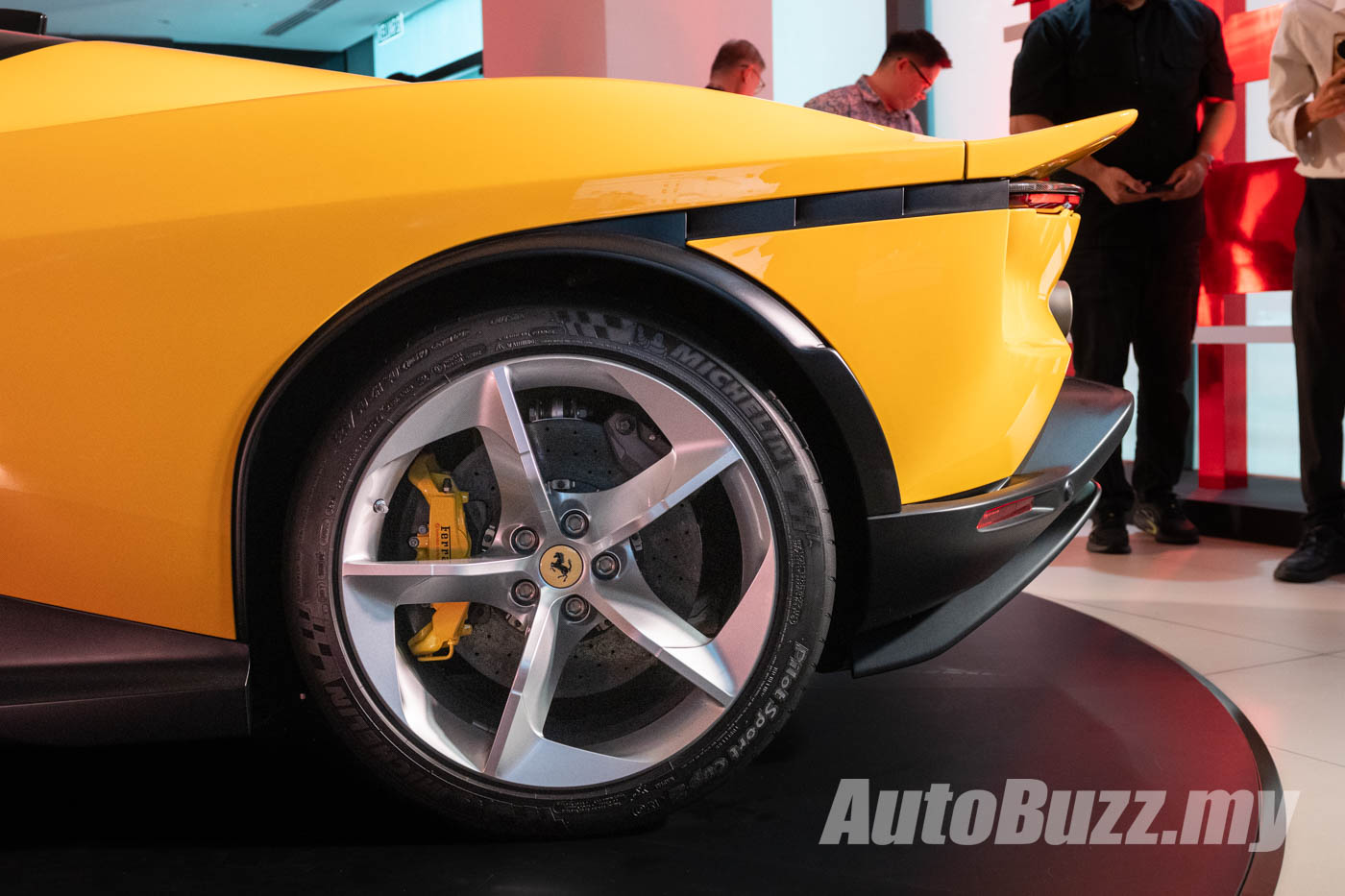
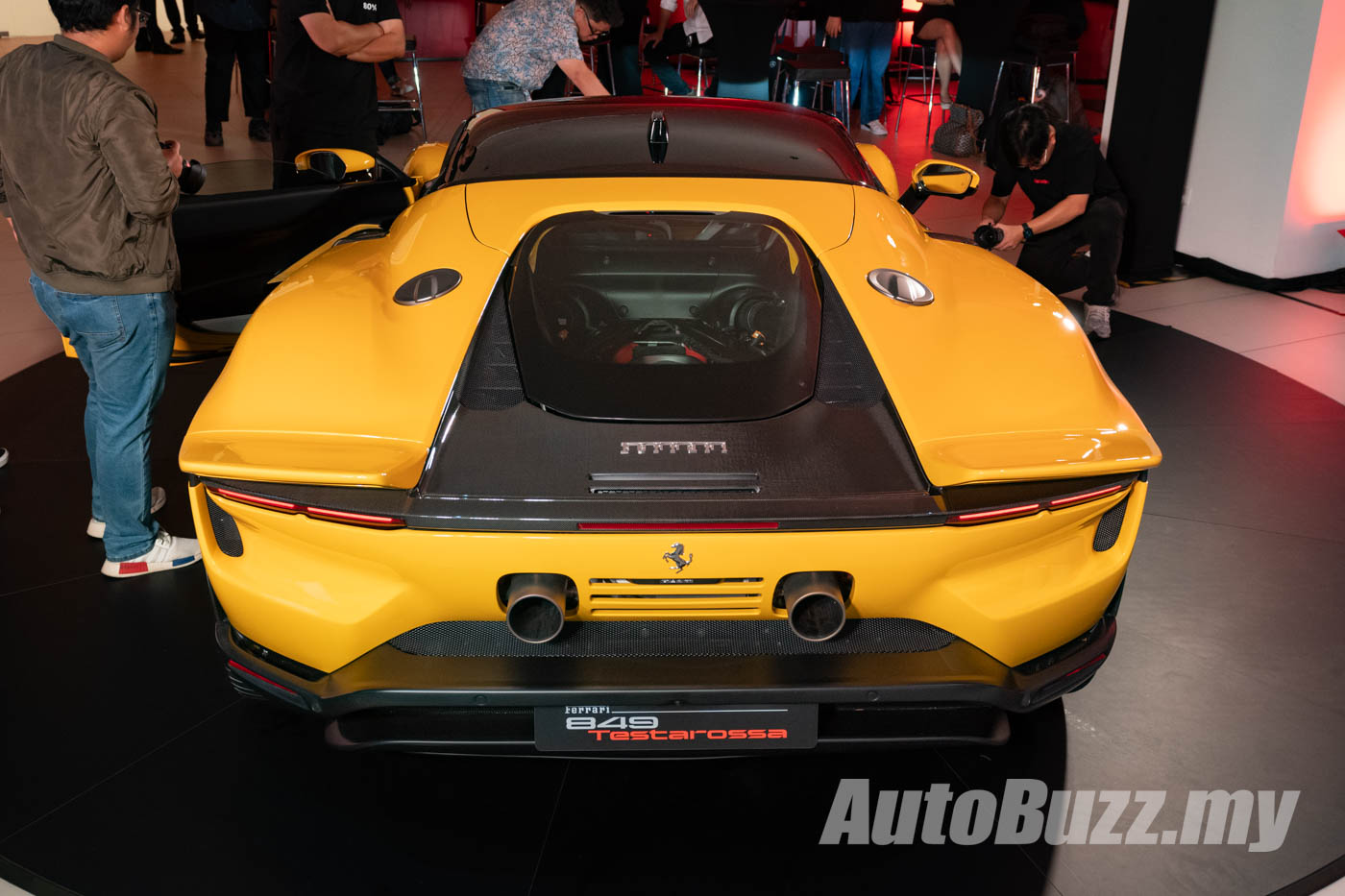
Vertical and transverse lines mostly dictate its overall shape, with the rear in particular paying homage to the 512 S race car, featuring a distinctive double tail design . Tying its looks up are a set of 20-inch five-spoke forged wheels with the front measuring 265/35 and the rear being thicker at 325/30.
There is also an Assetto Fiorano version for owners seeking an even more focused driving experience. This track-oriented variant benefits from a 48 kg weight reduction, bringing dry weight down to just 1,522 kg. The savings come courtesy of lightweight tubular seats, carbon-fibre wheels, and a host of other weight-saving measures. It also features exclusive decals and racing stripes that distinguish it from the standard model and emphasise its more aggressive character.
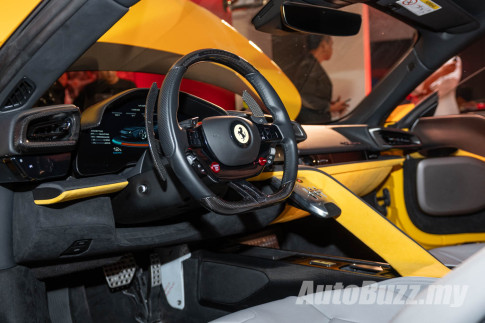
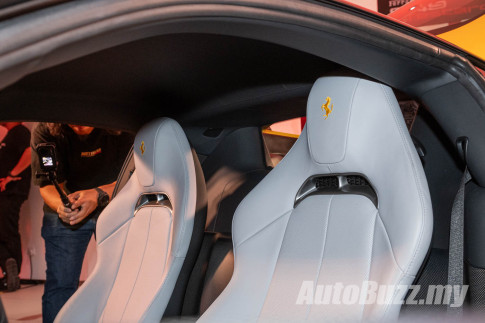
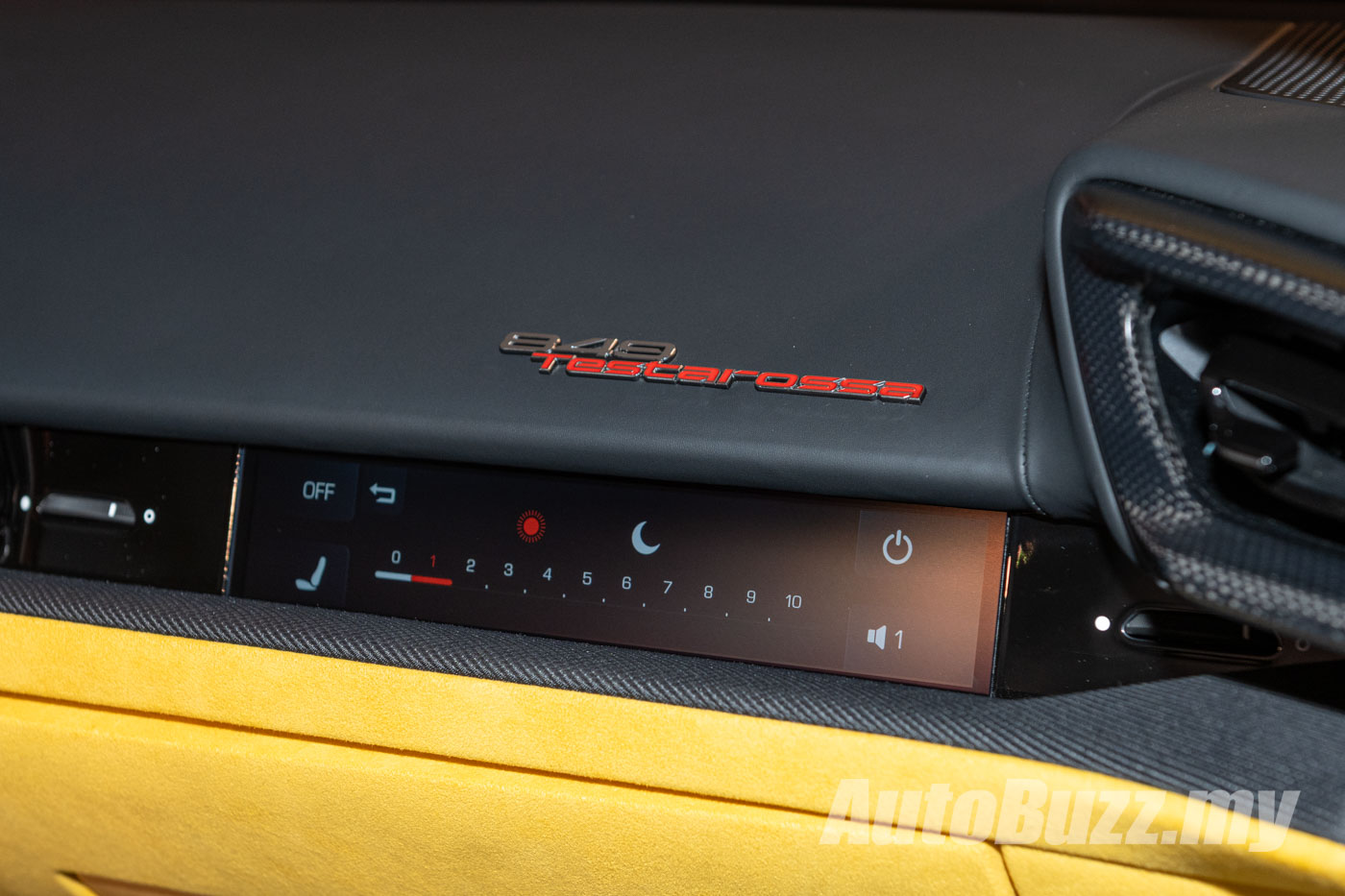
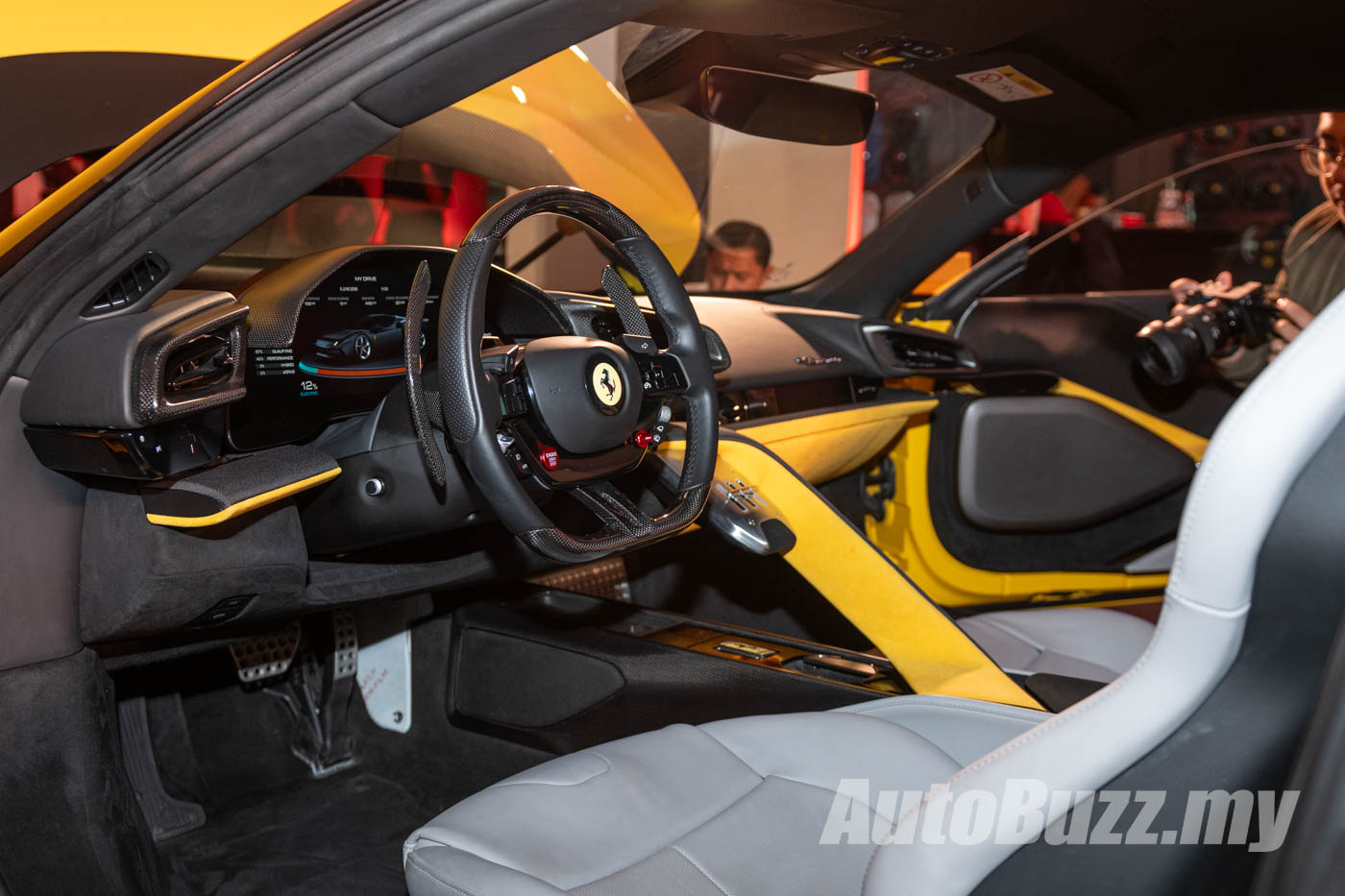
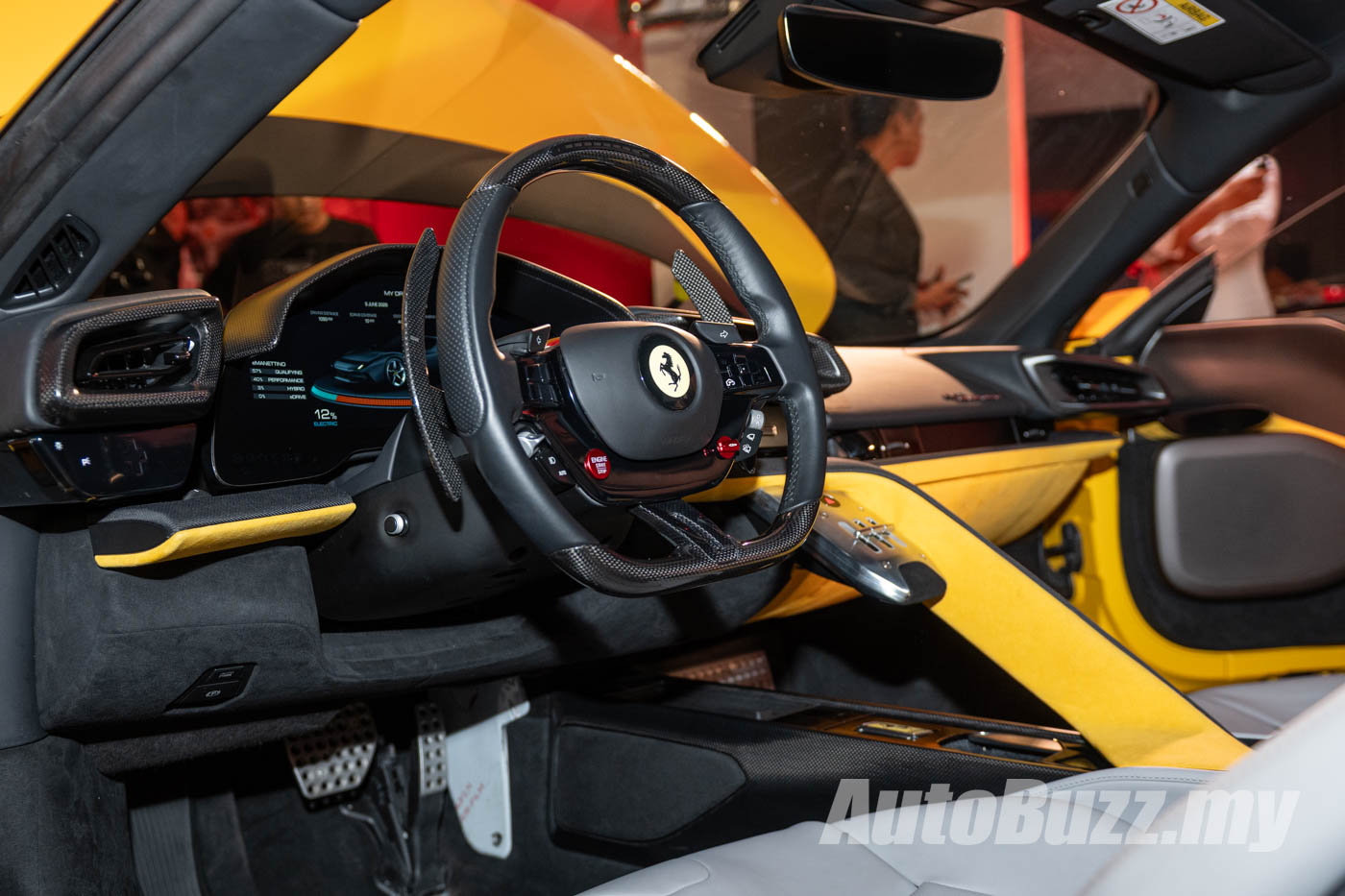
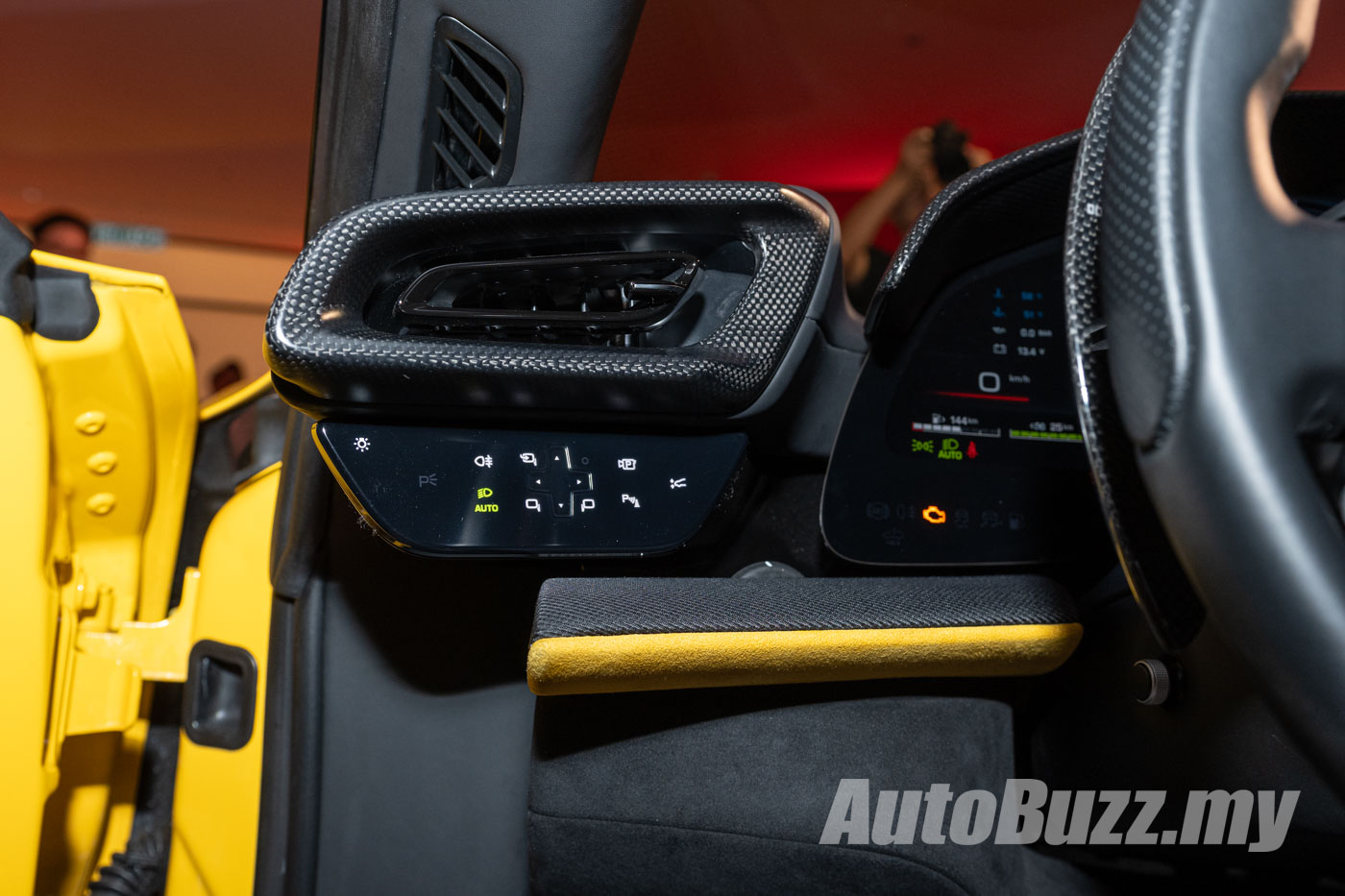
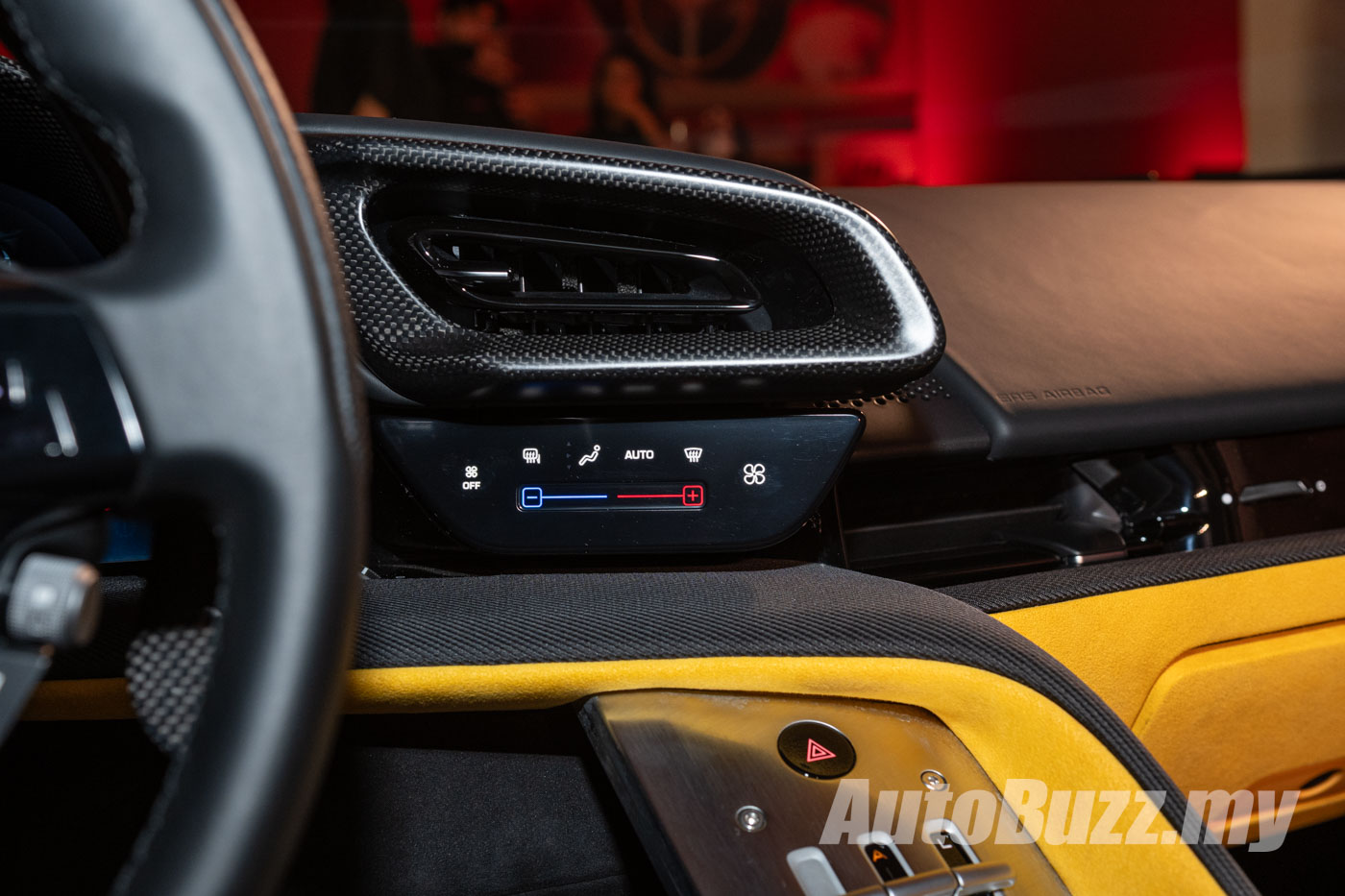
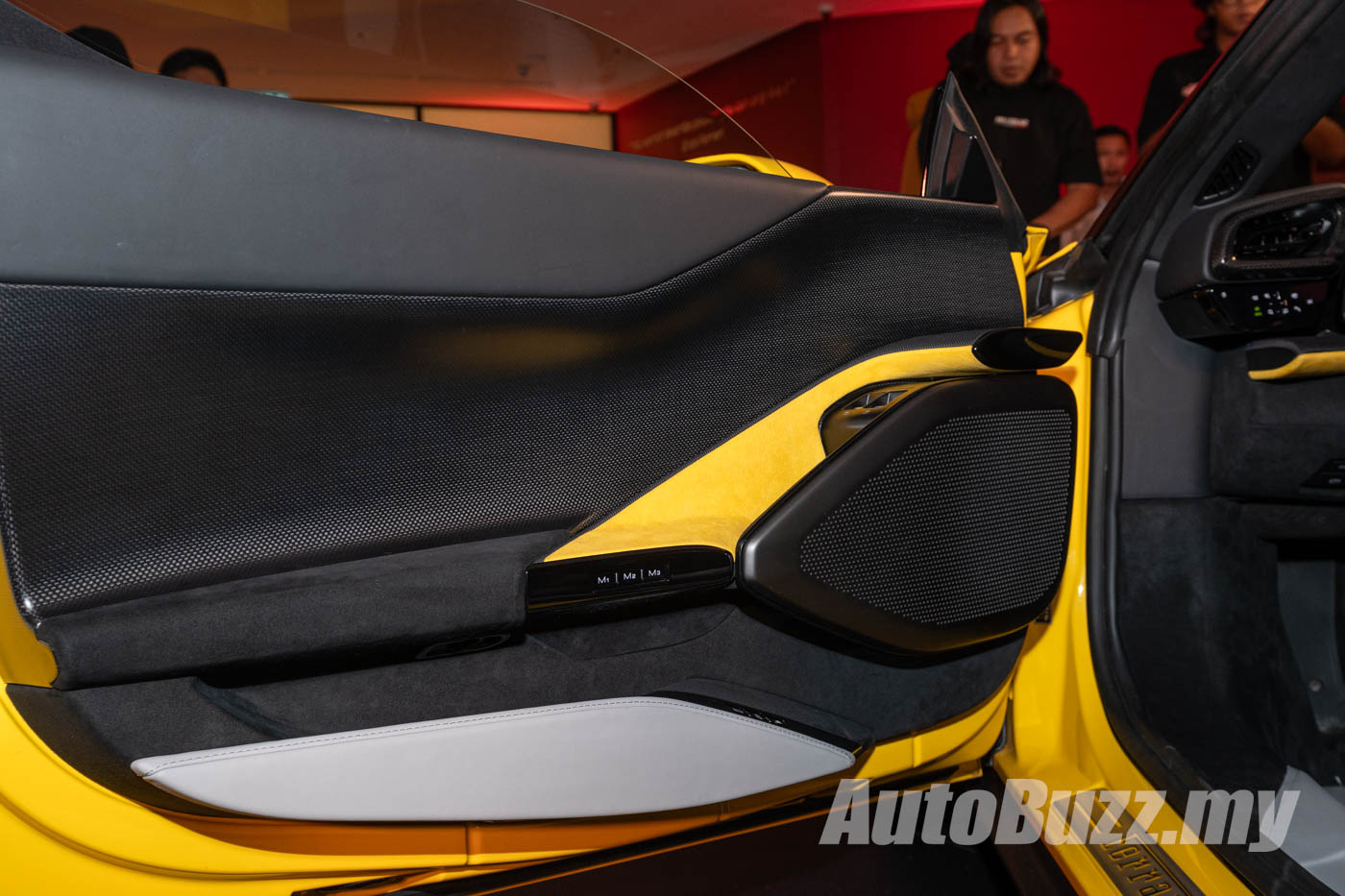
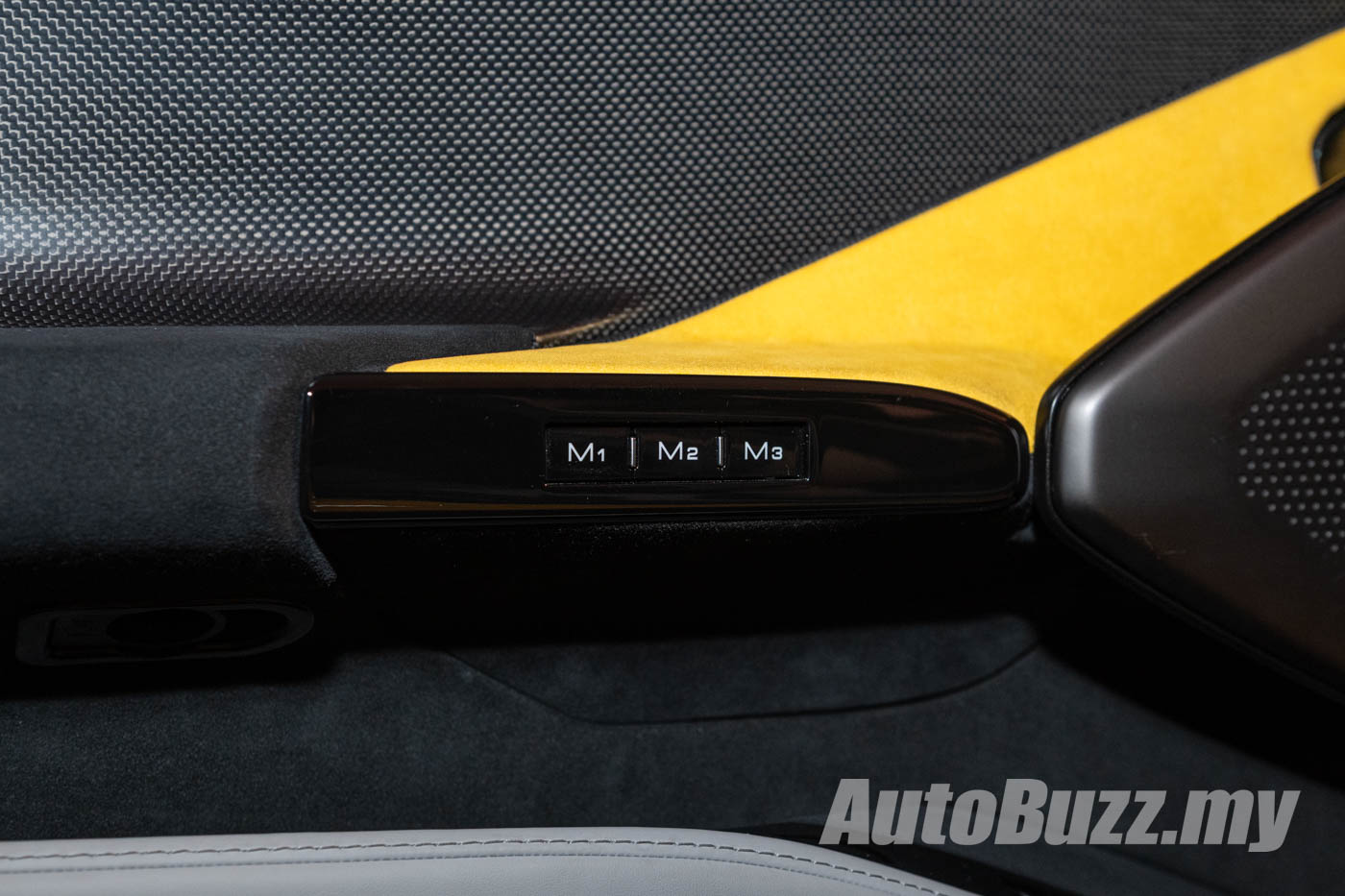
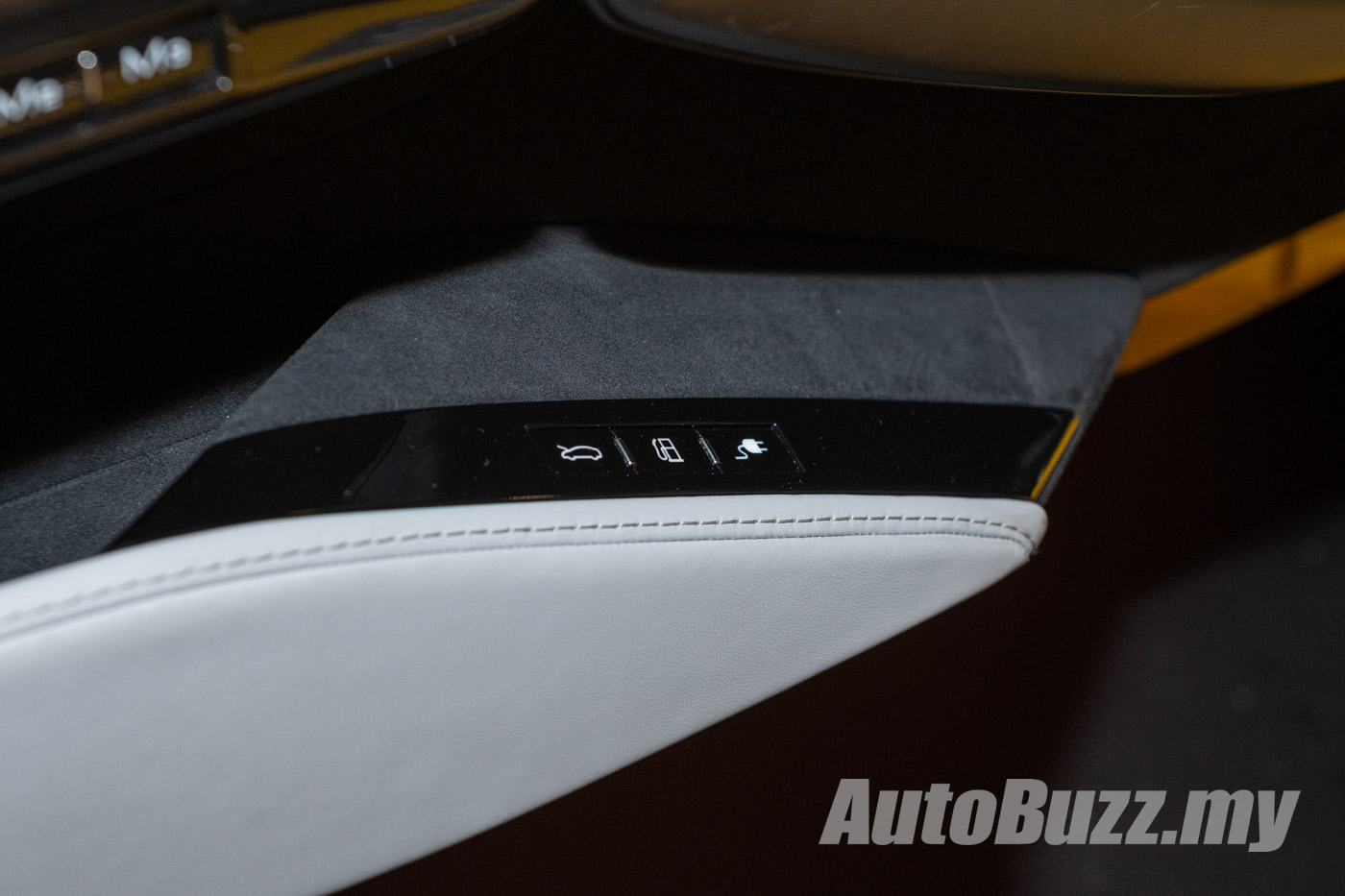
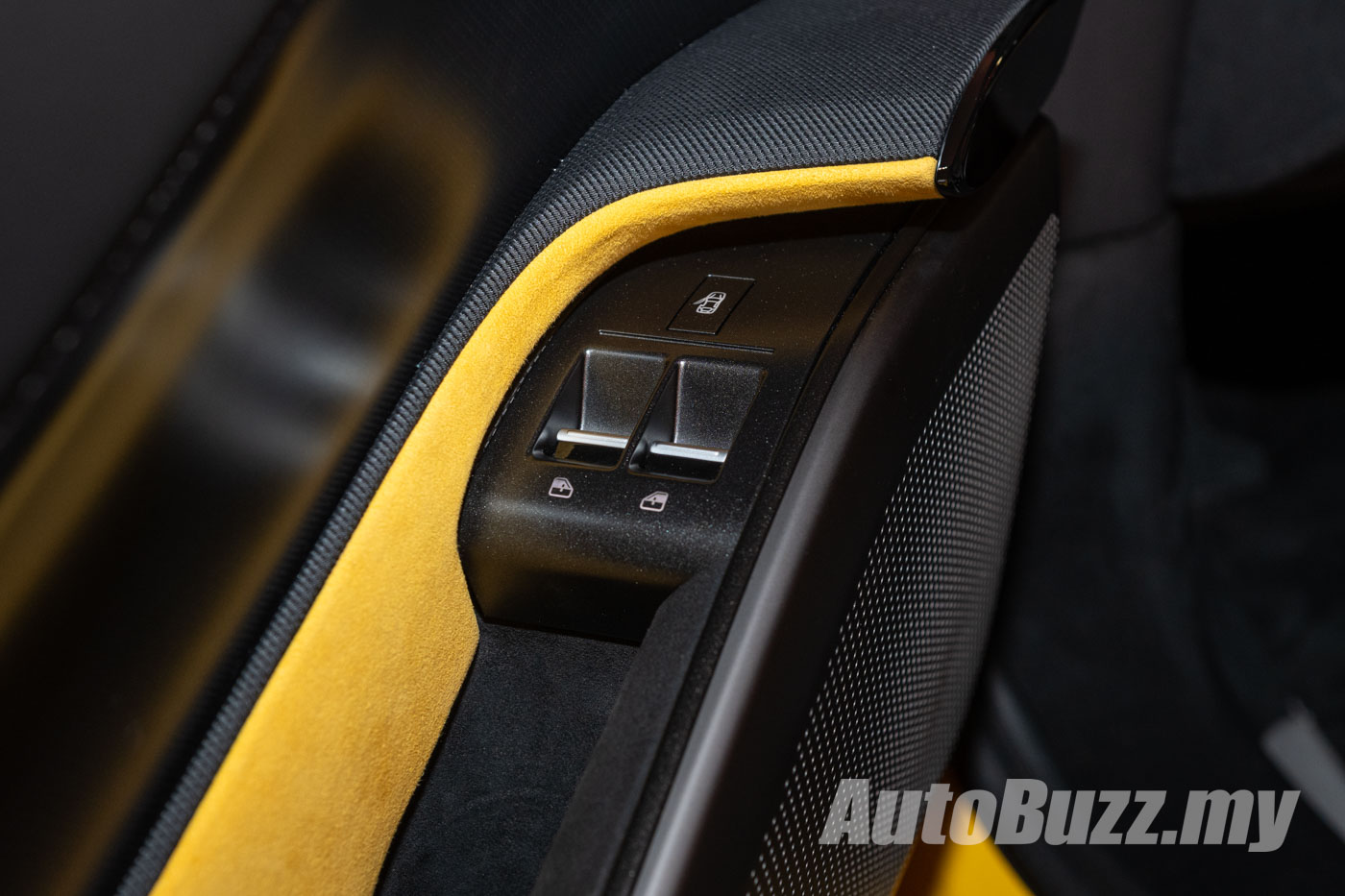
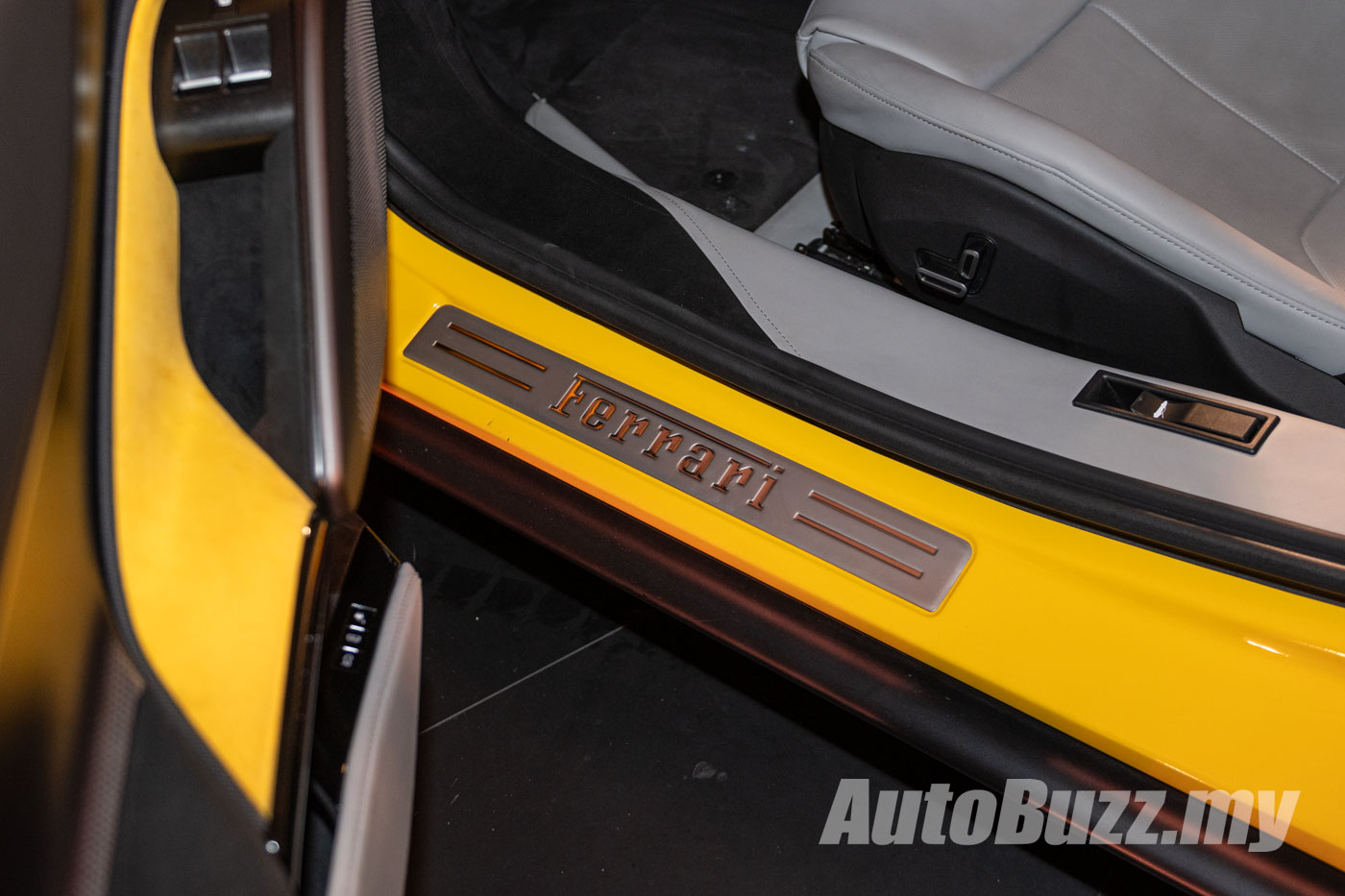
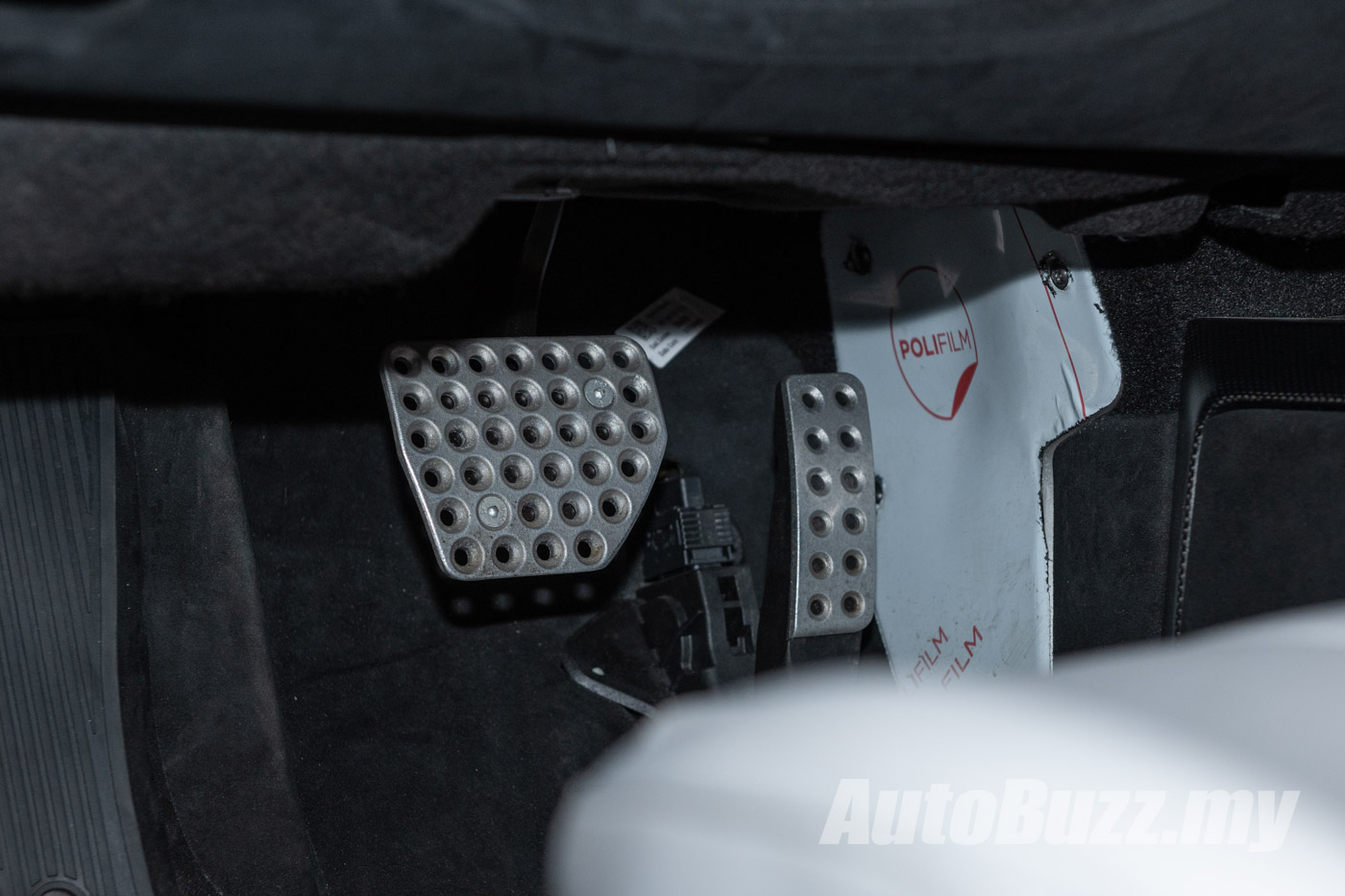
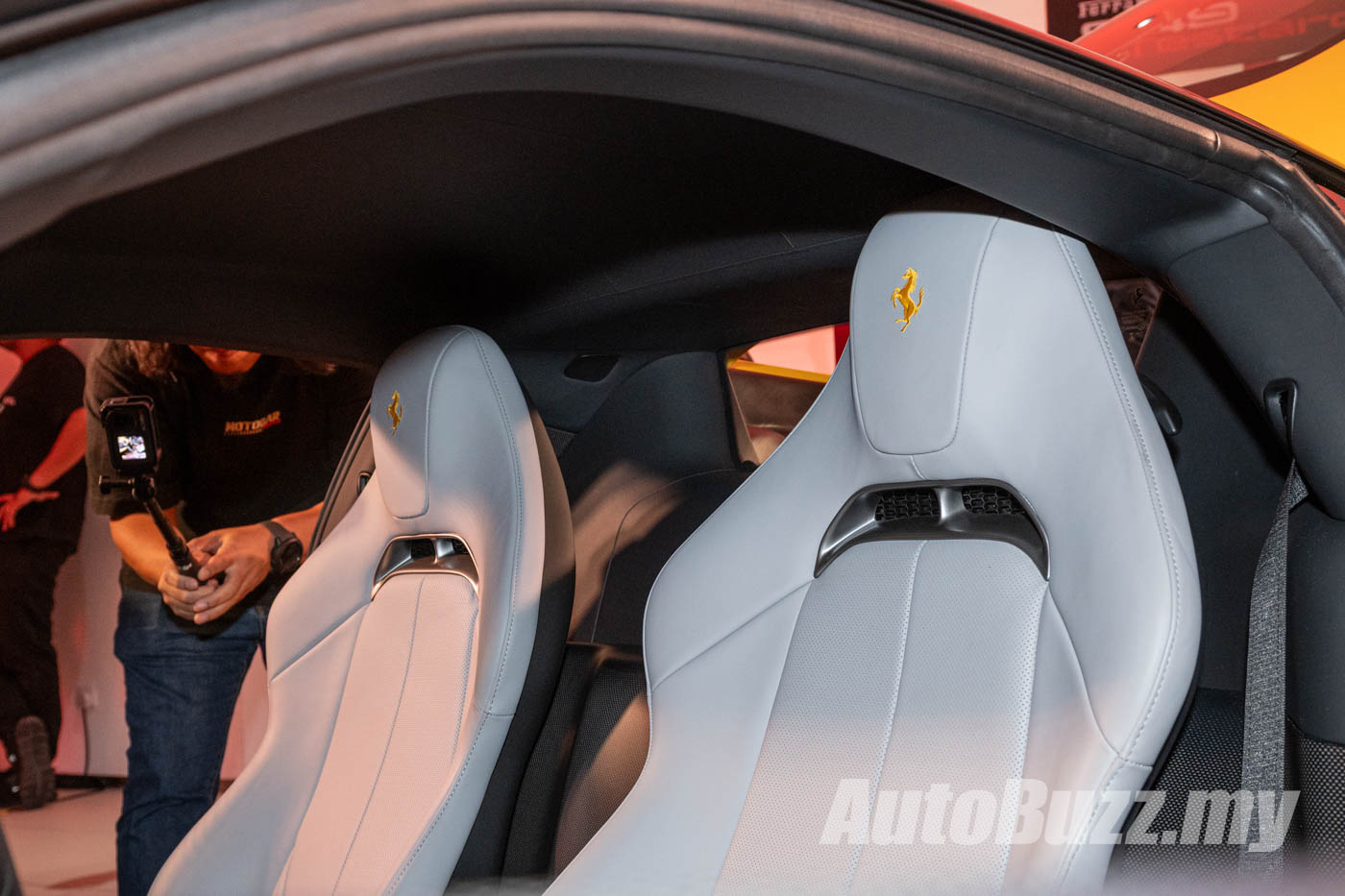
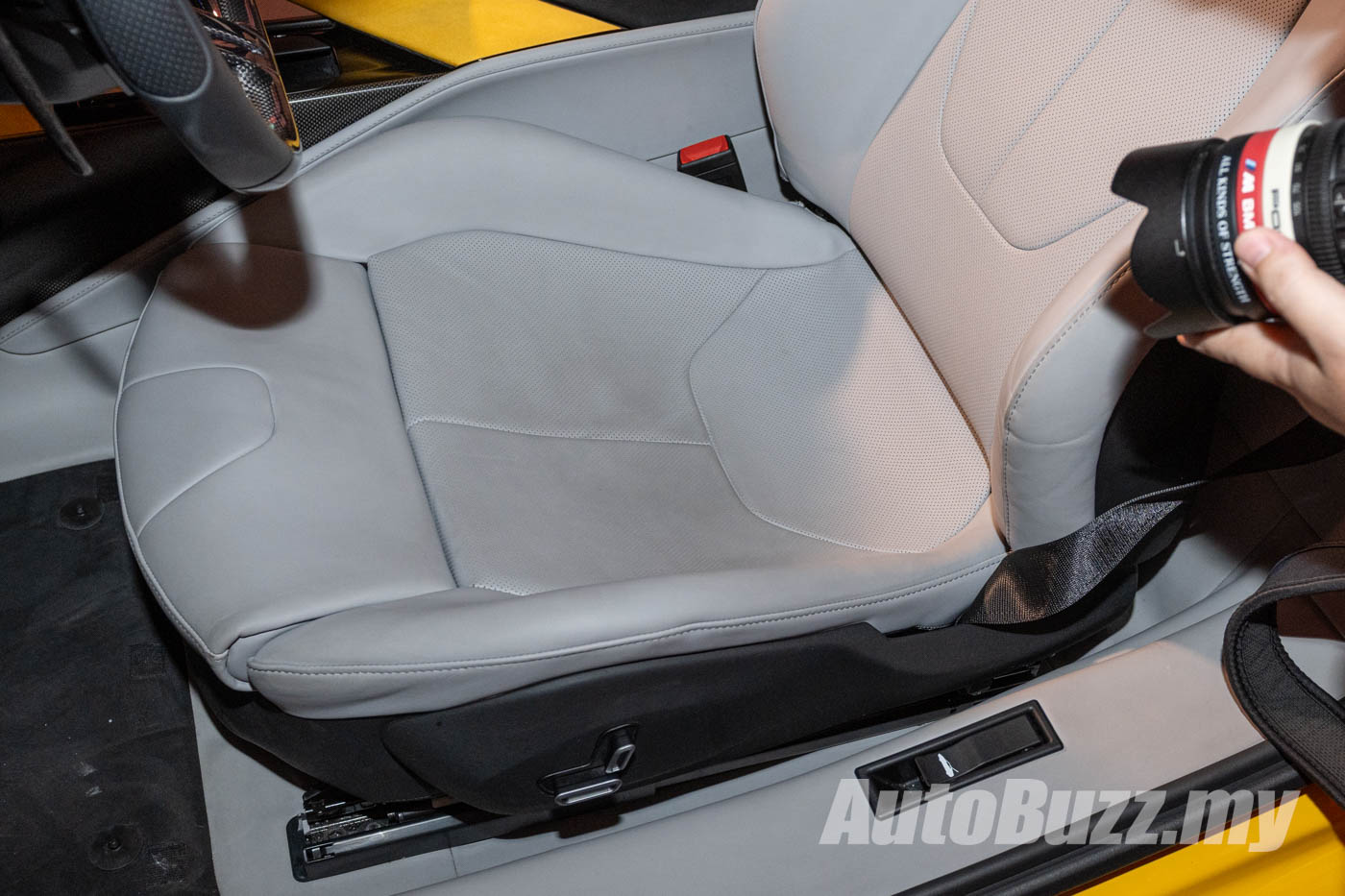
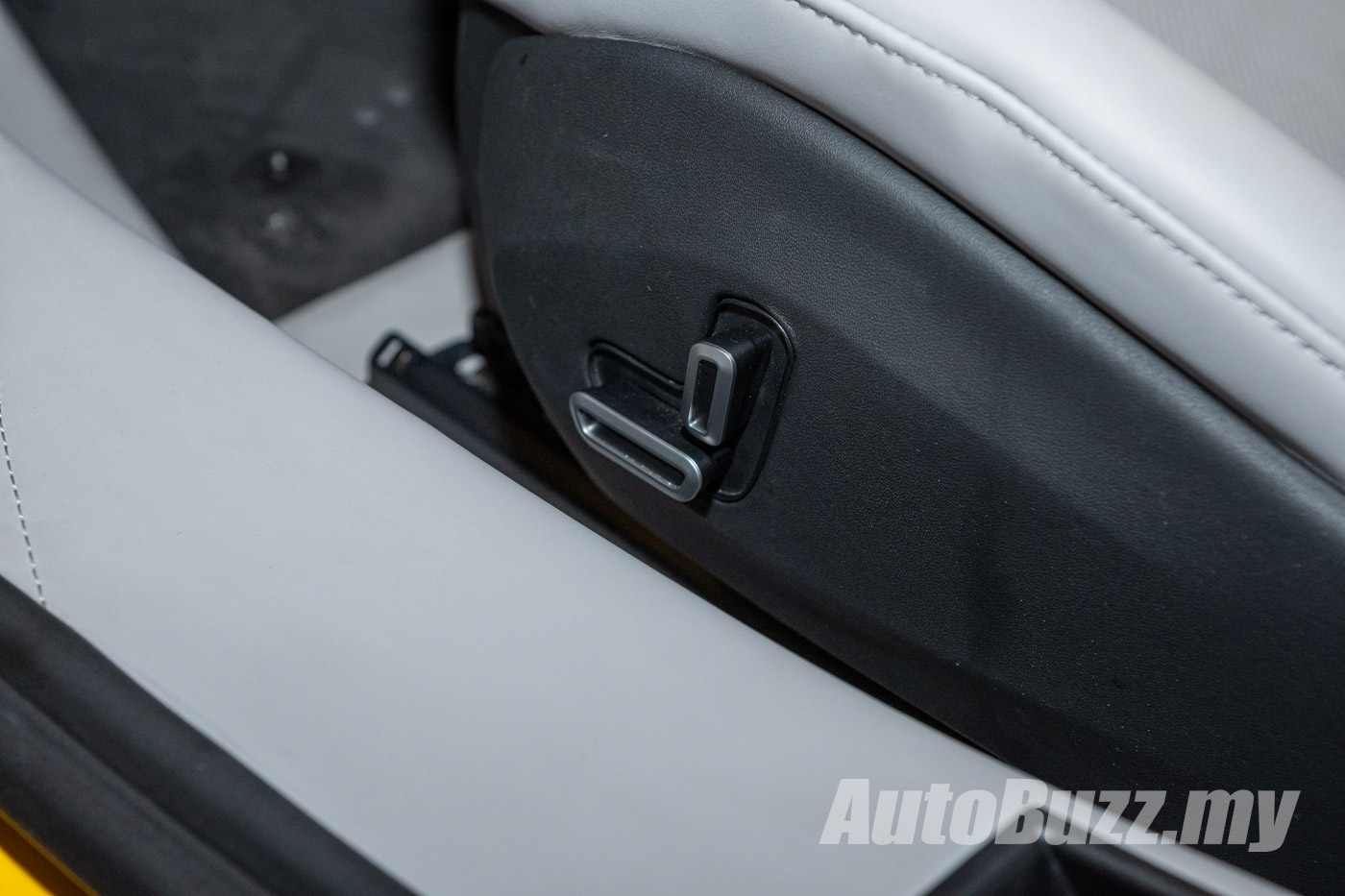
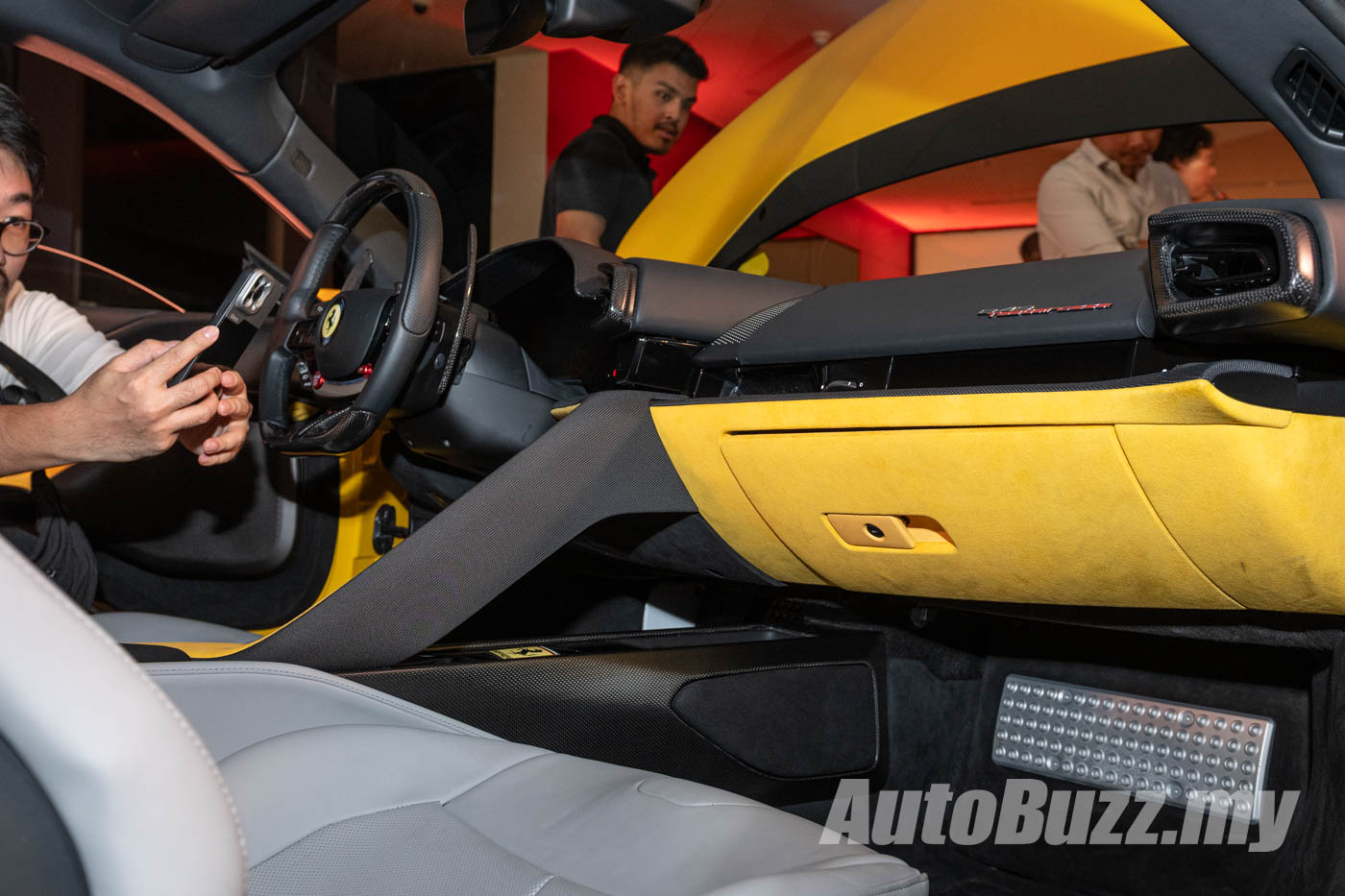
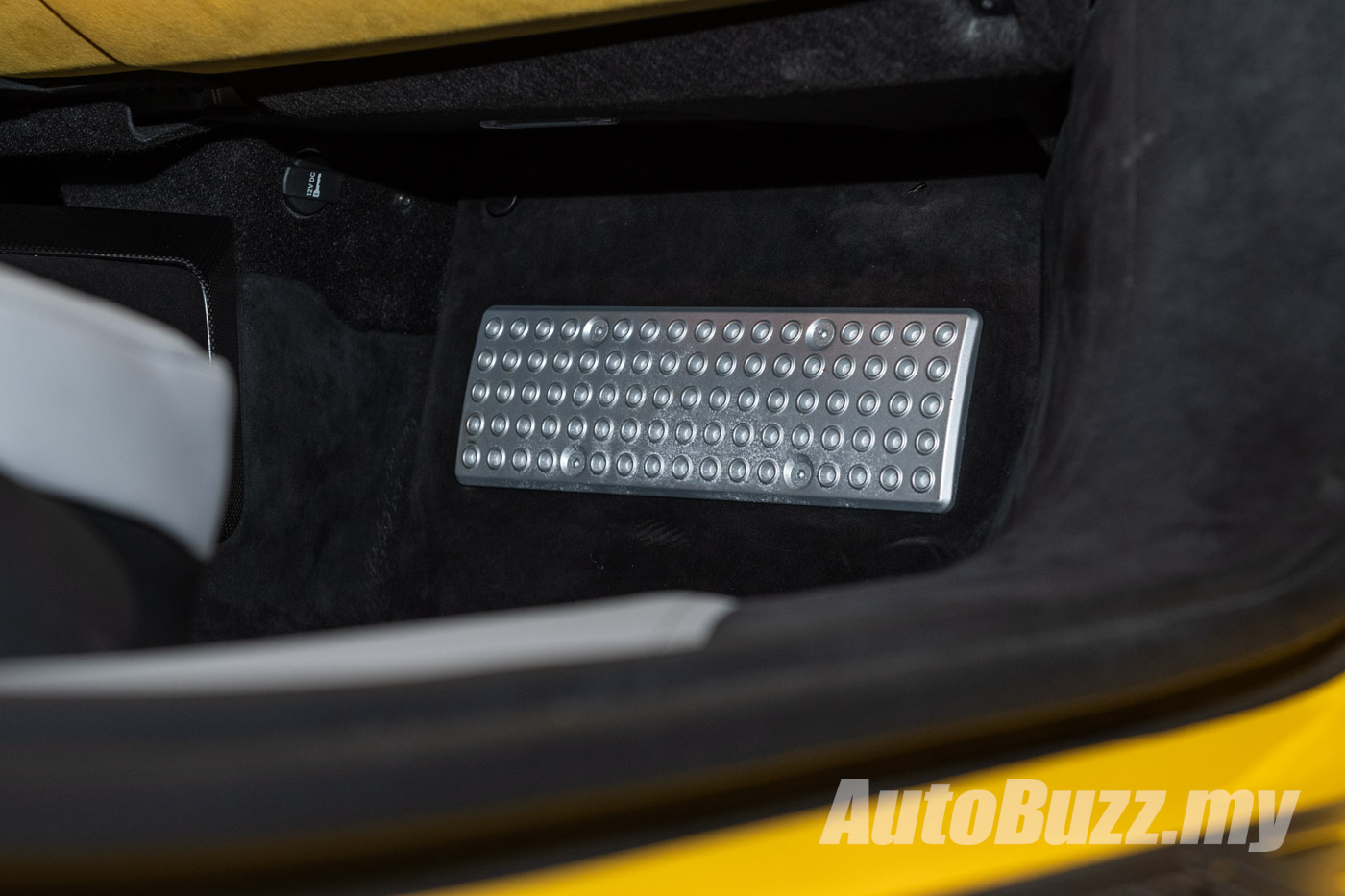
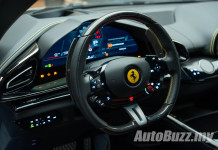
Inside, it’s got the signature Ferrari vibe with a driver-focused layout whilst still carrying adequate luxuries befitting the brand. High-quality leather and suede tastefully line most touchpoints of the interior, while a generous amount of carbon fibre trim reminds you of the car’s performance.
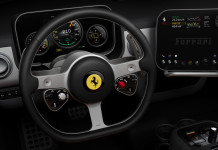
While models such as the Amalfi and 12Cilindri feature three screens, the 849 Testarossa adopts a simpler two-screen layout, leaving out the central infotainment display while retaining the digital instrument cluster and passenger display. The pared-back setup is intended to create a more driver-focused cockpit, concentrating key functions around the driver while reducing visual clutter.
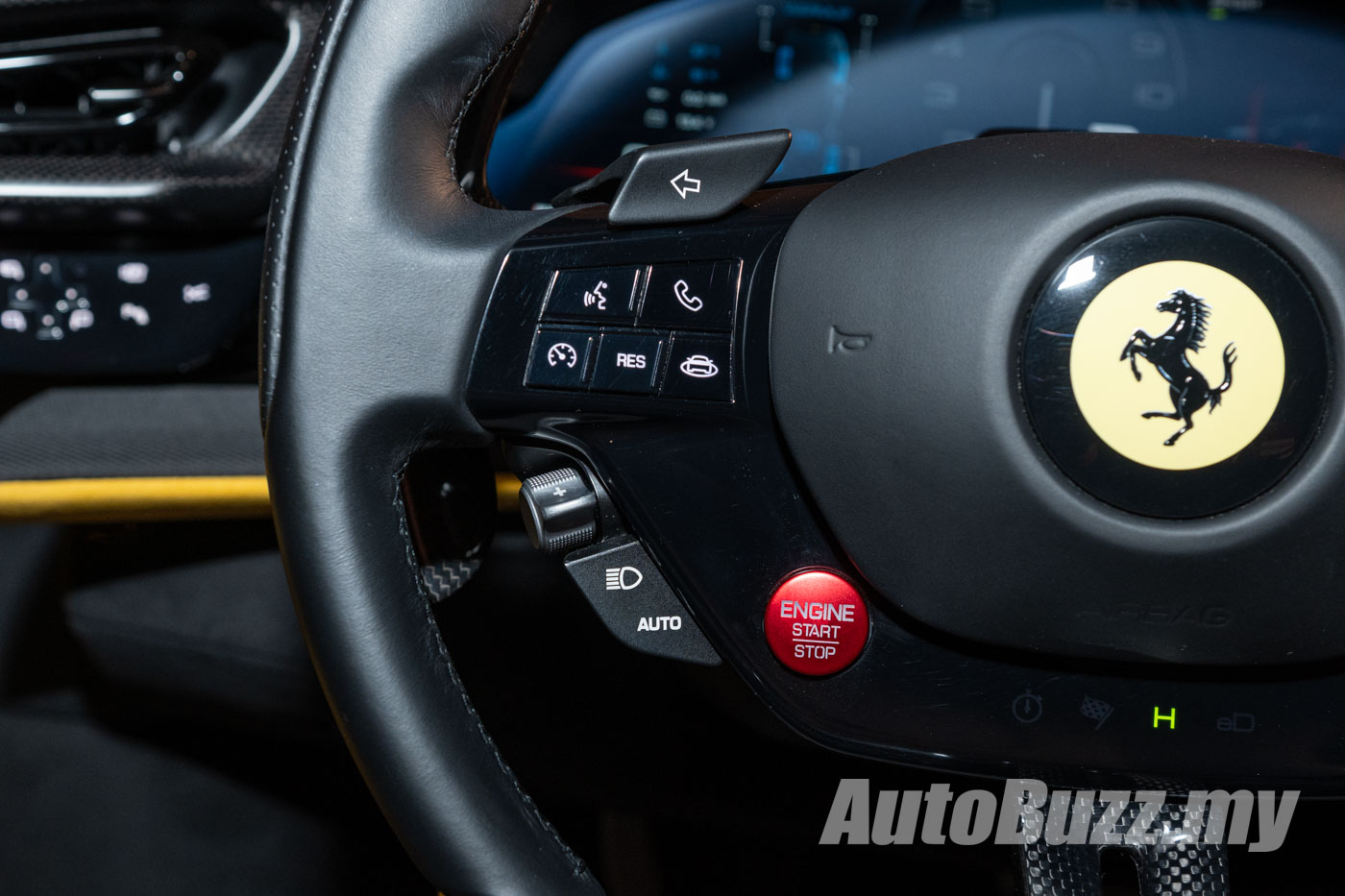
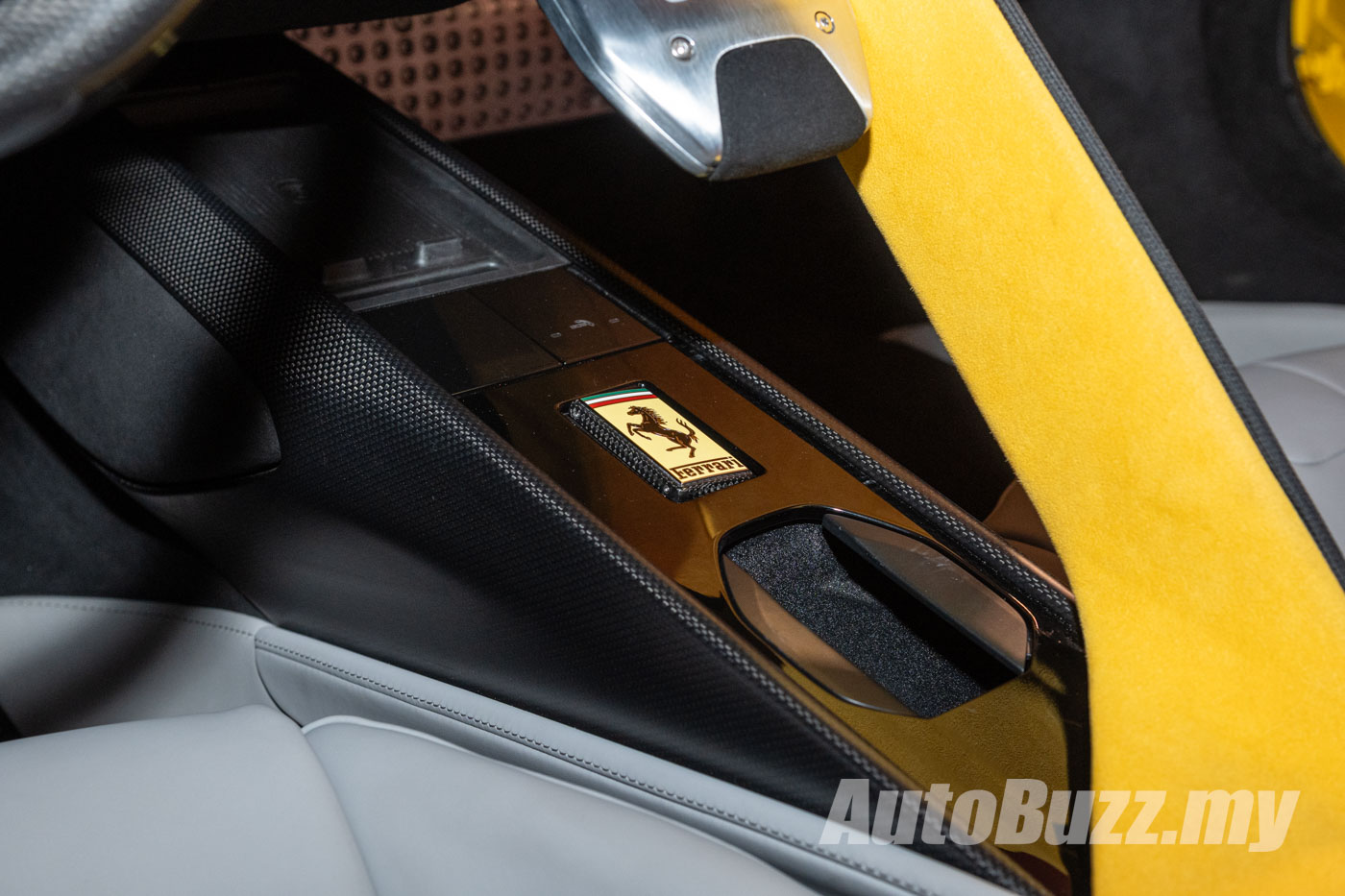
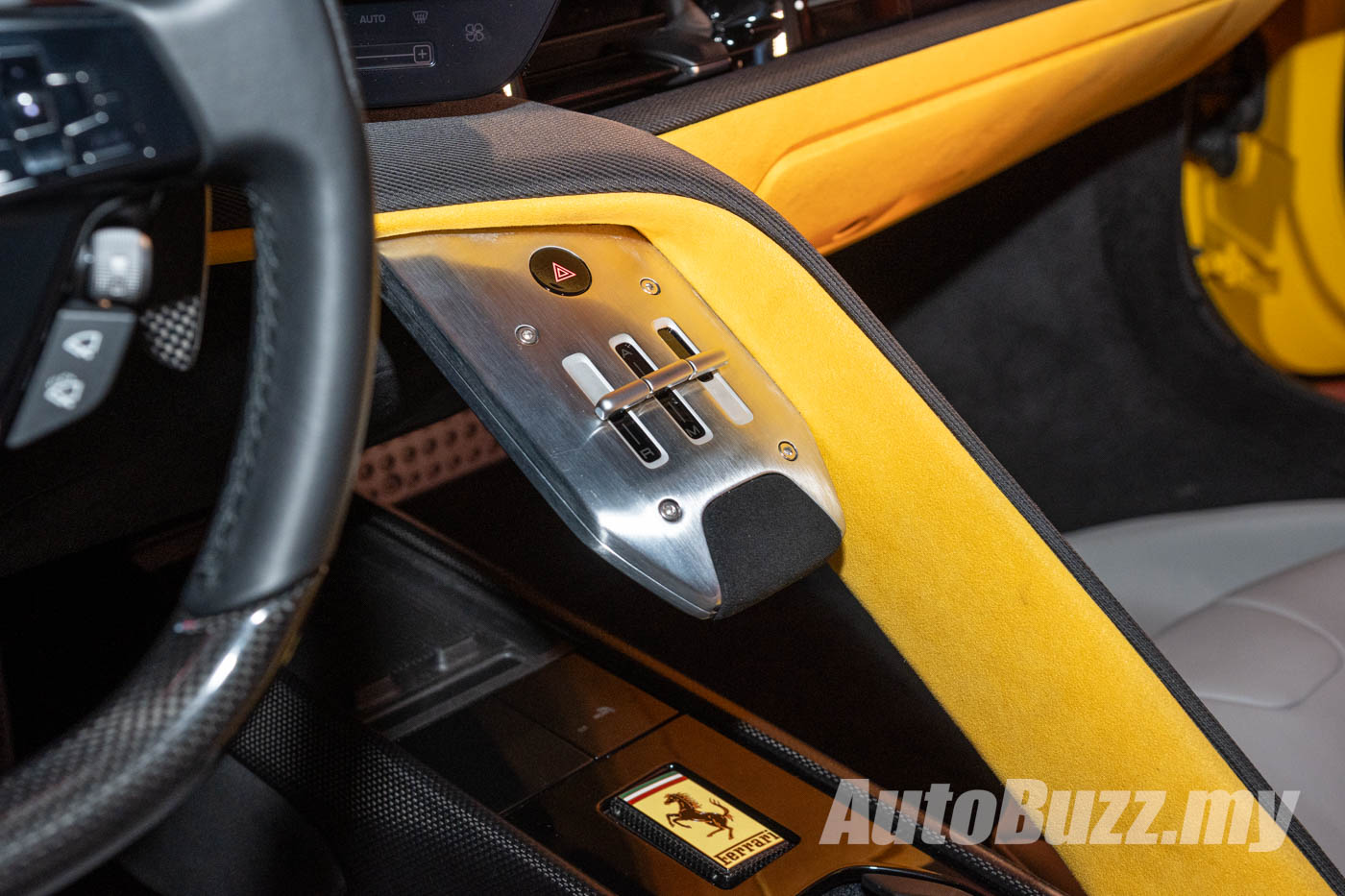
The return of physical buttons on the steering wheel, as seen on the Amalfi, is a welcome change. Also new is an H-pattern-inspired gear selector that appears to float above the centre console, beneath which sits a dedicated compartment for the Ferrari badge-shaped key.
ALSO READ: Ferrari will replace your touch-sensitive steering controls with actual buttons
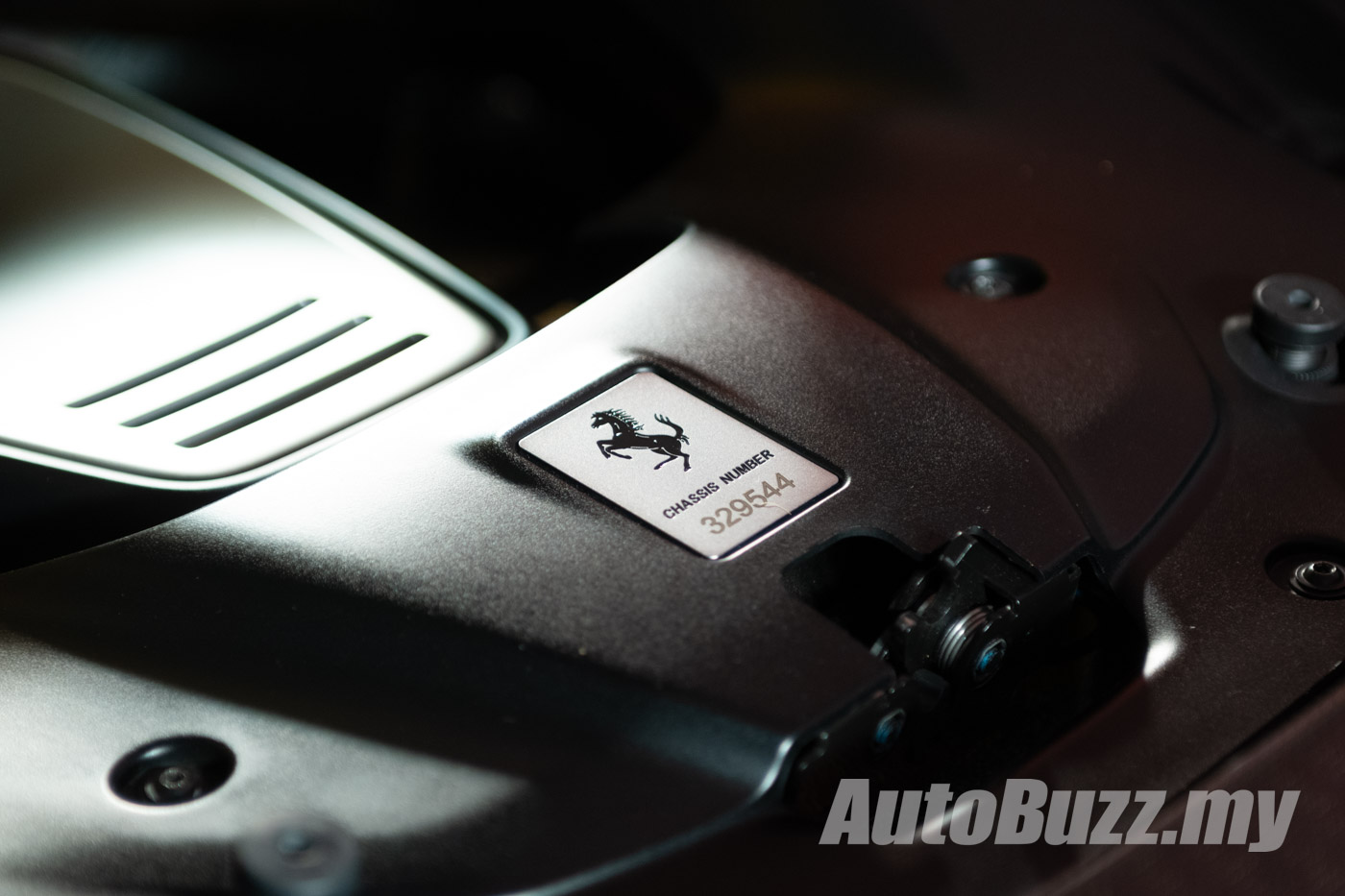
For those interested, the Ferrari 849 Testarossa starts from RM5,200,000 while the Ferrari variant Spider costs an additional RM500,000 — bumping the price to RM5,700,000. Prices mentioned are after tax, without options, and excluding insurance.
Included in the price is Ferrari’s seven-year maintenance programme, which covers all scheduled servicing during the first seven years of ownership at intervals of either 20,000 km or once a year. The hybrid system is also backed by a five-year warranty, which can be extended to eight years.
ALSO READ: Ferrari Amalfi makes regional debut in Malaysia – 640 hp, 0-100 km/h in 3.3s!