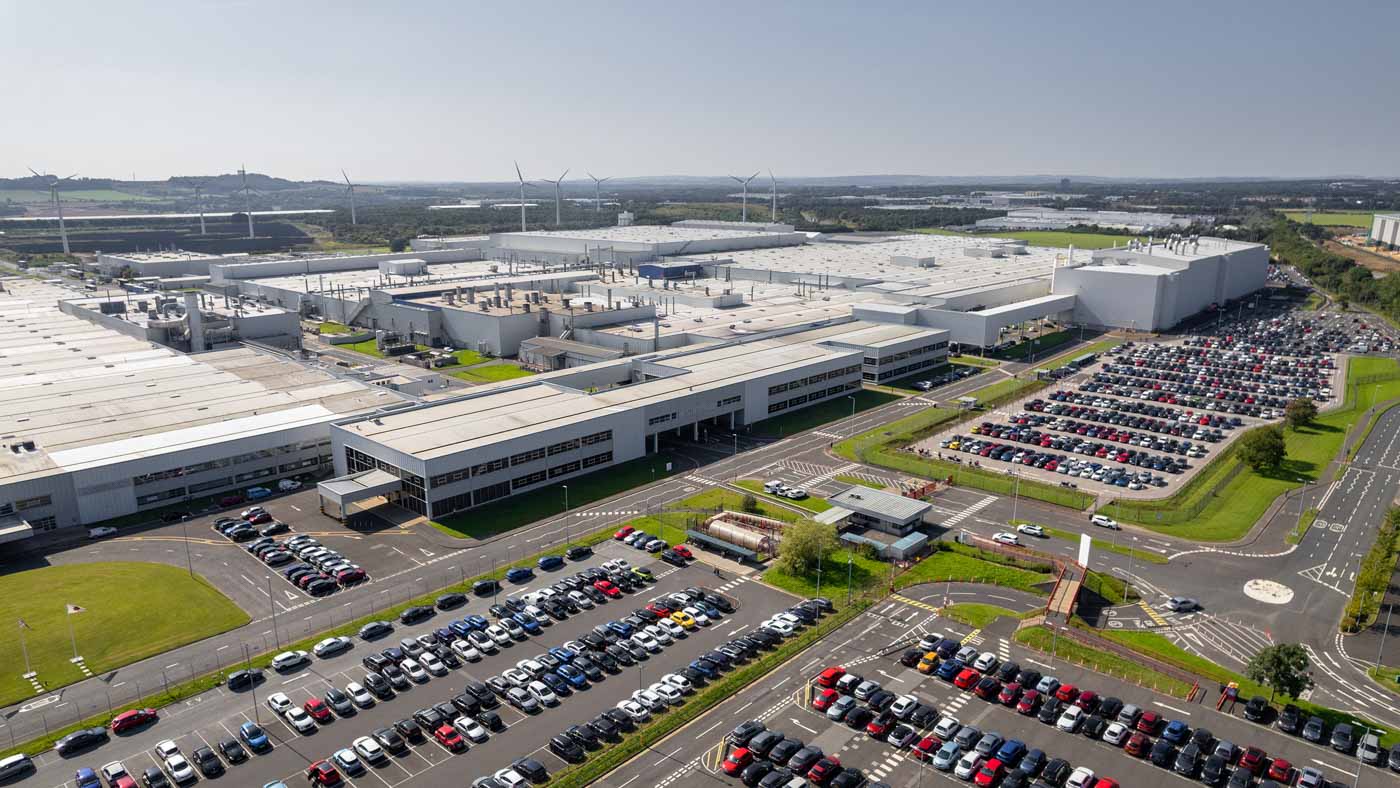
Nissan and Chery have signed a non-binding memorandum of understanding (MoU) to investigate the feasibility of Nissan building passenger vehicles for the Chinese carmaker at its Sunderland plant in the United Kingdom.
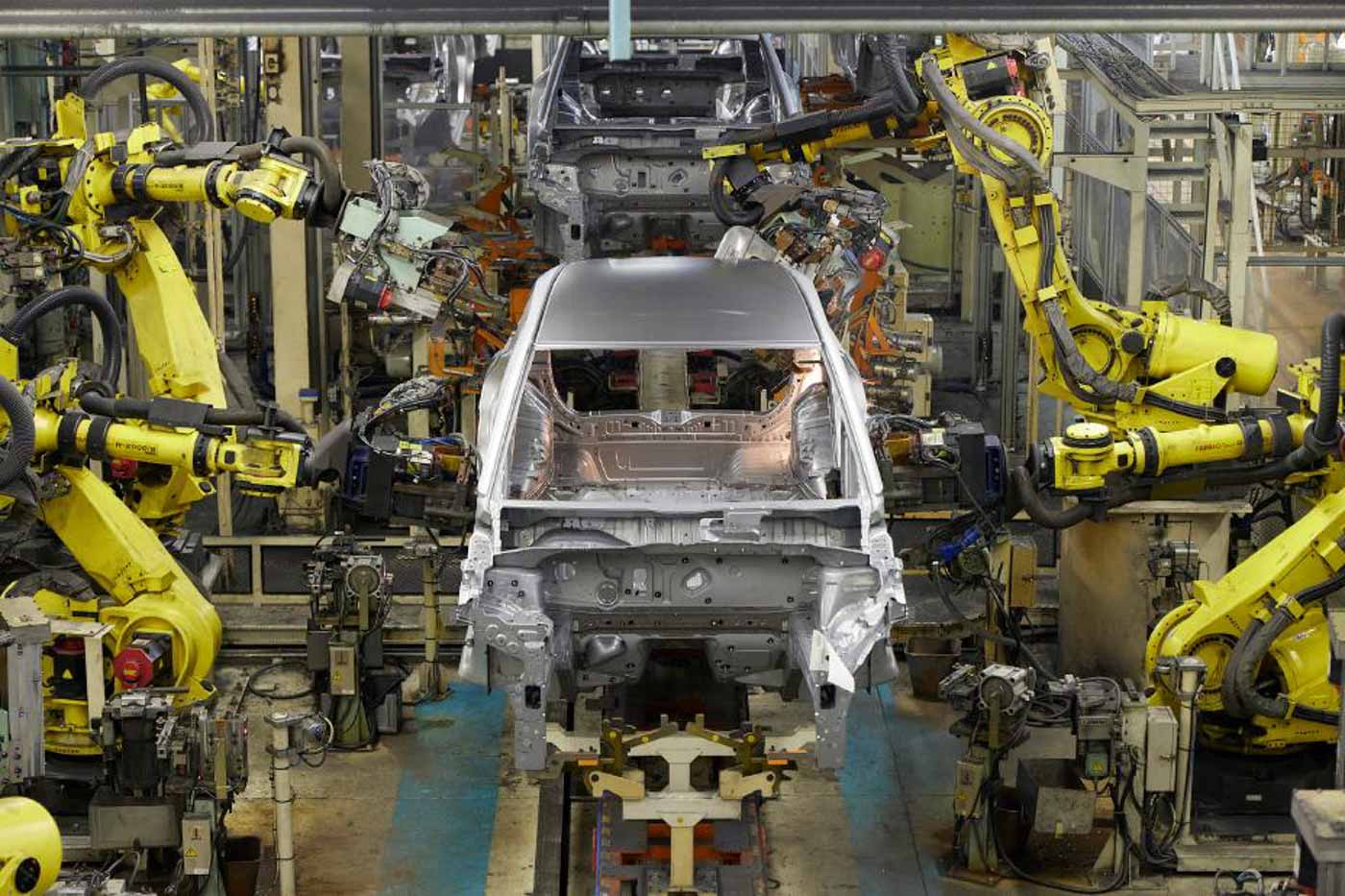
Under the terms of the agreement, Nissan will retain full ownership of the Sunderland facility and its workforce of 6,000. The arrangement introduces the possibility of manufacturing Chery cars on production Line One starting in financial year 2027.
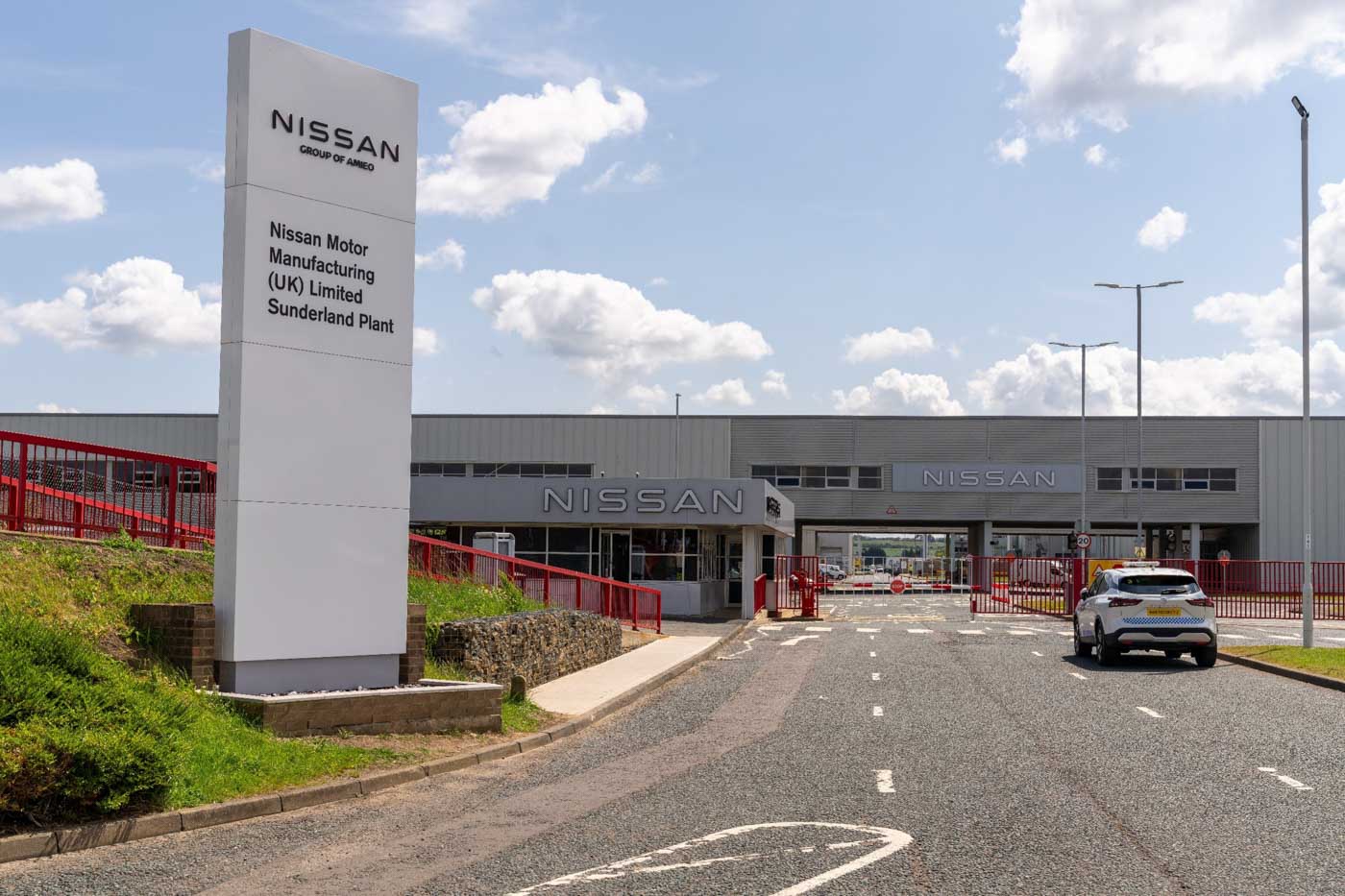
Nissan previously announced plans to consolidate its own manufacturing operations onto Line Two to maximise plant utilisation. Discussions between the two carmakers remain ongoing, and no further details have been made public.
The move comes as Chery reportedly establishes manufacturing operations across Europe to circumvent import duties and protect its supply chains. The automotive giant is rapidly building a footprint across the continent, spearheaded by its Jaecoo, Jetour and Omoda sub-brands, Reuters reports.
This collaboration follows a prior agreement where Nissan agreed to sell its manufacturing assets in Rosslyn, South Africa, to Chery. Driven by the Re:Nissan recovery plan, that transaction includes the land, buildings, and a nearby stamping plant, with completion expected by mid-2026 pending regulatory approvals.
RELATED: Godzilla’s friendlier sibling emerges as Nissan teases the new Skyline
Despite the sale of its South African facility, Nissan emphasised that it will not exit the market and “continue to offer vehicles and services” for the market, which includes several new model launches planned for the 2026 fiscal year, including the Nissan Tekton and Nissan Patrol.
On a broader scale, the Re:Nissan recovery plan is the Japanese carmaker’s lifeline to rescue itself from the financial difficulties it faced in recent years. Part of the plan involves reducing Nissan’s global production capacity from 3.5 million to 2.5 million units, while increasing plant utilisation to around 100%. As part of this effort, the company plans to close seven of its 17 plants worldwide and cut its workforce by 15%.
The plan has seen Nissan announcing that it will cease vehicle production at its historic Oppama plant in Kanagawa Prefecture by March 2028, transferring its remaining output to the Kyushu facility. Opened in 1961, Oppama is significant in Nissan’s history as Japan’s first full-scale integrated assembly plant. While vehicle assembly will end to streamline the company’s domestic manufacturing footprint, the site will continue to serve as a hub for Nissan’s research, crash-testing, and vehicle development operations.
ALSO READ: The all-new Nissan Juke may be Nissan’s most “interesting” design to date